Cats were built by mother nature to stalk by starlight.
From the African savannas to the Andean mountains, the jungles of the Amazon to the Hollywood hills, and everywhere in suburban America, cats of all types and sizes prowl the night. With eyes that are up to eight times more sensitive in the dark, incredibly sensitive hearing, and whiskers that can pick up the slightest change in air density, felids were built by mother nature to stalk by starlight.
Some cat species are crepuscular, some are nocturnal, but as ambush predators, they’re all at their best when hunting under the cover of darkness.
Image credits, top to bottom: Per Karlson/PVKFoto, Reddit r/natureisf***inglit, Cockscomb Basin Wildlife Preserve, Wikimedia Commons, Steve Winter/National Geographic, National Park Service, Colorado Parks and Wildlife
With a perpetual kitten-like appearance and mismatched coat patterns, colocolos may look like the product of AI or Photoshop, but these little ones are very real — and very feisty.
We’re heading back into obscure territory with this edition of Amazing Cats, focusing on a little-known species that ekes out an existence in the forests and plains of South America.
The colocolo, also known as the Pampas cat, superficially resembles the familiar house cat, but a closer look reveals some striking differences.
Colocolos are small, about the same size and weight as felis catus, but their tails can be quite a bit shorter and extremely fluffy.
Colocolos have pattern and color combinations seen only in their species. This one has rosettes on his body and tabby stripes on his limbs and tail. Some colocolos have thick tails with tabby-like rings, while others have bushy tails more commonly associated with long haired domestic cat breeds.
There are at least five variations of fur color and pattern, ranging from marbled to jaguaresque rosettes and, most strikingly, a seemingly mismatched pattern in which the legs have dark stripes over rusty/cinnamon-colored fur, which contrasts dramatically with the gray, gold, silver or tan of their bodies. The overall effect makes some colocolos look like they’ve been photoshopped, or assembled from spare parts.
Some colocolos appear to have solid-color coats which are actually an agouti pattern with barely visible bands of slightly darker fur.
While the species may look stocky, conservationists say it’s smaller than it appears, with its fur making up the majority of its “bulk.”
This photo might look like a fake, but it’s a documented combination of coat pattern and color among colocolos.Another photograph of a colocolo with the rusty/cinnamon limb coloring.
As if that wasn’t enough to distinguish them, Pampas cats have neotenous features that give them an even stronger kittenlike appearance compared to house cats and comparable species like the rusty spotted cat.
In other words, they’re very cute and looking at them can trigger the same protective instincts we feel when we see kittens and cute adult cats. But don’t let their disarming features deceive you — these little guys are not cuddly, don’t respond well to people who get close, and will turn aggressive if you encroach on their space.
This adorable colocolo appears to be giving the side-eye to someone. Note the slight suggestion of the classic tabby “M” on the forehead.
While they’re alternately called the Pampas cat, the word “colocolo” comes from the language of the Mapuche, an indigenous group that lived in lands that are parts of modern day Chile and Argentina.
In the Mapuche language, Colo Colo was the name of a Mapuche warrior who led his people in their resistance against Spanish conquistadors in the 16th century, but it’s also the name of an evil rat-like creature in Mapuche folklore. It’s not clear how a feline came to bear the name, but the species — leopardus colocolo — is often called gato colocolo to distinguish between the historical figure and the modern-day Chilean football club, Colo-Colo.
You might feel an urge to hug a colocolo, but that would not be a good idea. Experts say the small cats don’t take kindly to close human proximity.
Although they’re associated with the pampa, the flatlands in and around Peru best known for the mysterious Nazca lines, colocolo are adaptable and thrive in forests, jungles, wetlands, and mountain ranges like the Andes, among other terrain.
Their range stretches from Argentina in the south through Chile, Bolivia, Paraguay, Ecuador, western Brazil and an isolated population in Uruguay.
Despite their relatively wide distribution and variety of habitat, colocolos are not well understood. Experts still haven’t settled the question of whether they’re all one species or whether subgroups qualify as their own subspecies. Their hunting habits are not well-documented, although it’s known they prefer small rodents, and there is ongoing debate about whether they are crepuscular, like most felid species, or nocturnal.
Colocolo share a continent with jaguars, pumas, ocelot, jaguarundi, margay, oncilla, kodkod, Geoffrey’s cat and the Andean cat, and the fact that they live in the deep wilderness makes them more difficult to study.
Because their coloration and coat patterns can vary so widely, Pampas cats are often mistaken for other small wildcats living in South America, and people unfamiliar with their species sometimes mistake them for domestic felines.
They’re also very rare in zoos, with only one US zoo (Cincinnati) counting them among their exhibits, and only four Pampas cats in captivity worldwide. (Excluding private captivity by poachers and illegal wildlife traders.)
Like virtually every species of wildcat, the colocolo’s numbers are declining due to a number of factors, primarily human activity like habitat destruction, sport hunting and development cutting populations off from each other.
The more people are aware of these beautiful and little-known felines, the better their chances for long term survival as conservation groups receive more donations to help protect them, and lawmakers are pressured to protect the wilderness where they live.
Like all cats, colocolos appreciate the value of a nice nap.
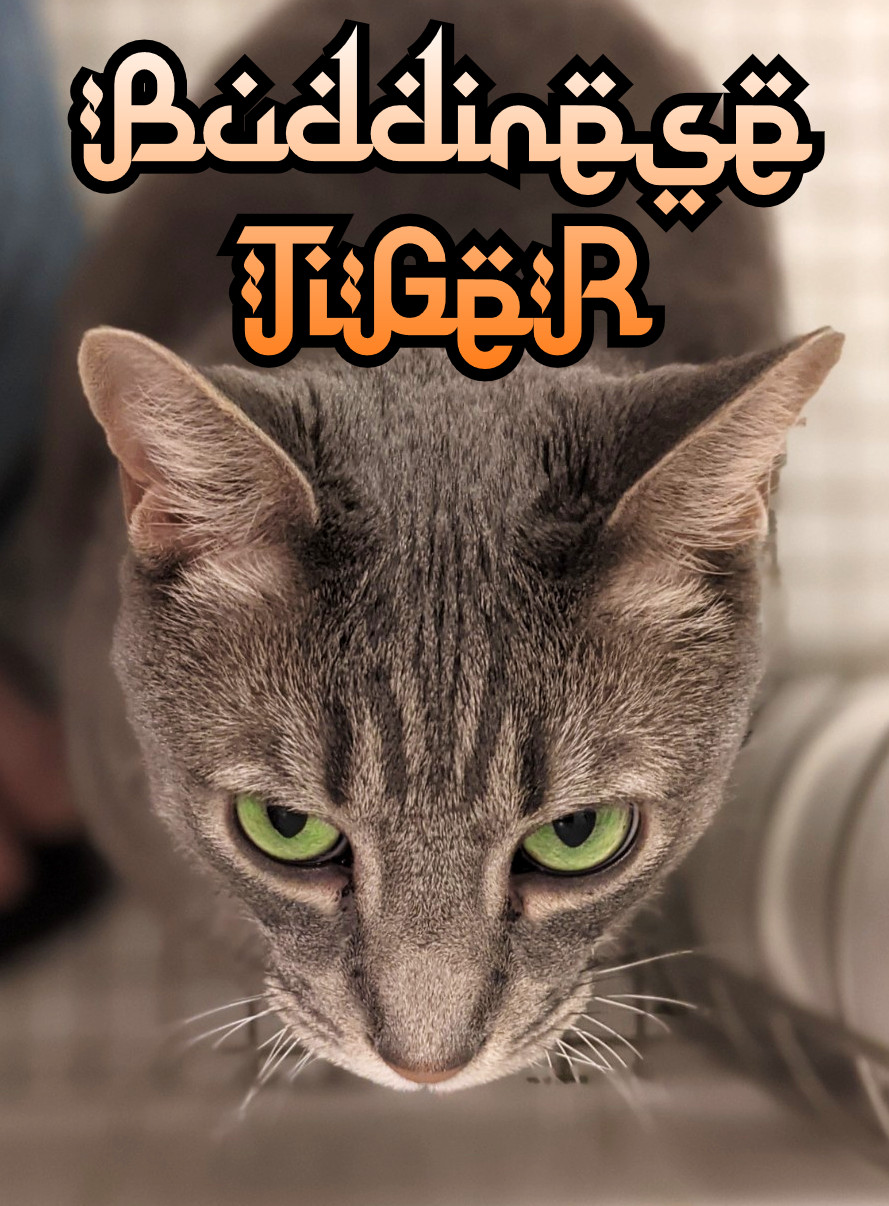
This momentous occasion marks only the second time PITB has participated in the daily writing prompt via WordPress, and the reason we’re participating is to bring more awareness to the meowscular and powerful Buddinese Tiger — and its threatened cousins, the majestic tigers, jaguars, lions and leopards.
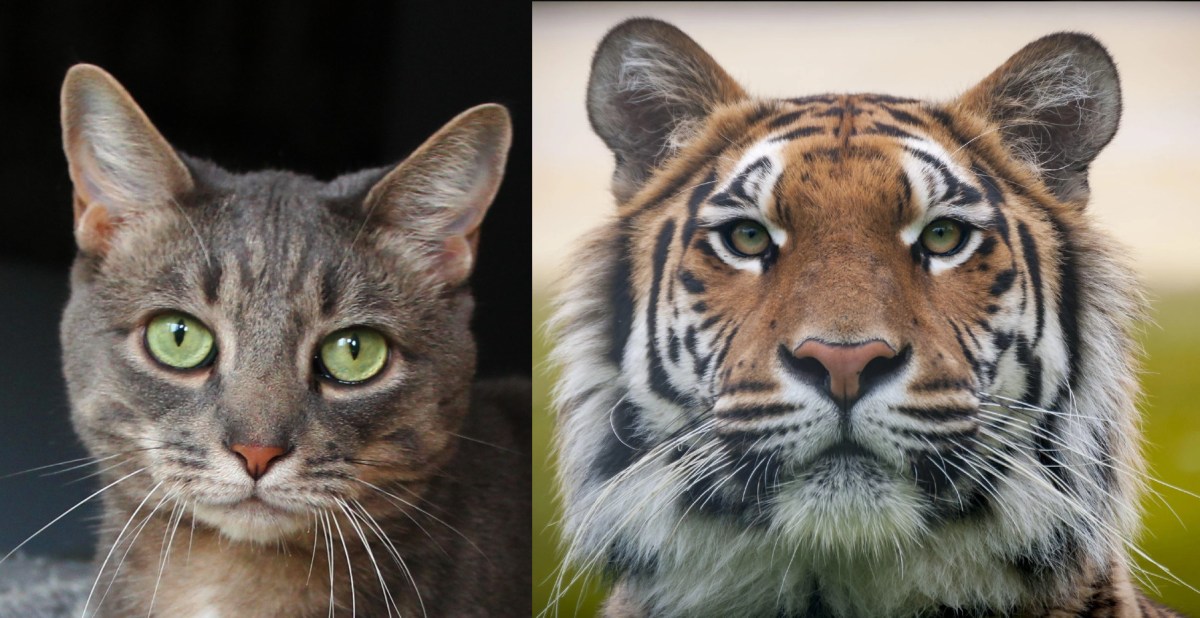
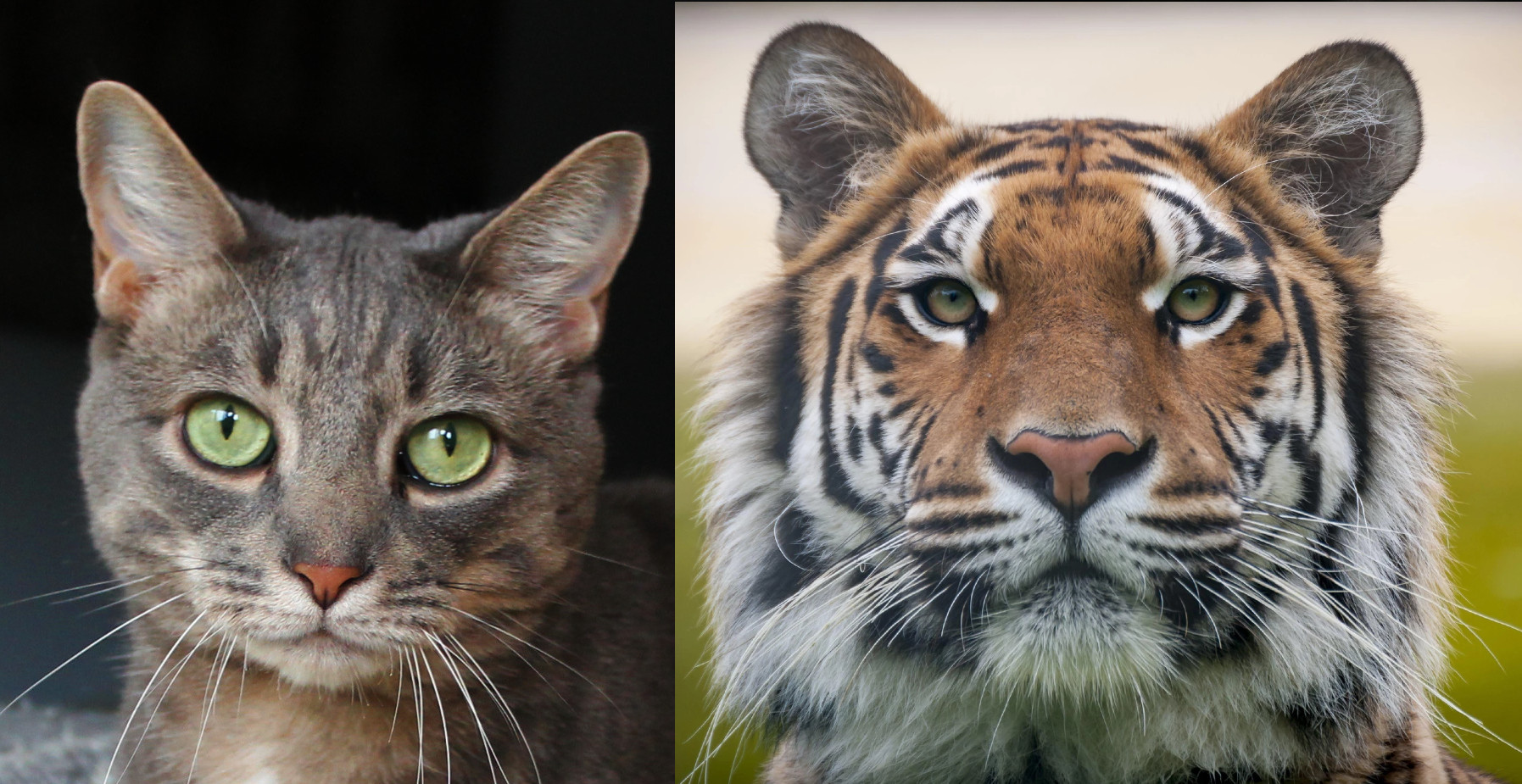
Known in scientific nomenclature as panthera tigris muscularis handsomus, the Buddinese Tiger is an apex predator who rules over his natural habitat, the living room, with an iron paw. No one is safe from the Buddinese Tiger’s charms or its rage when sufficient snacks are not provided.
You can’t tell the difference, can you? I mean, they’re virtually identical!
All jokes aside, I’d compare myself to tigers and jaguars because they’re awesome and they’re my favorite cats, aside from the above-mentioned panthera tigris muscularis handsomus. Cats are solitary hunters, they don’t like to be disturbed when they’re sleeping, and they appreciate the value of a good nap as well as a good snack. They are creatures of extraordinary taste!
Most of all, we need more people to appreciate big cats because the future doesn’t look good for them if we don’t do more to save them. Although tiger numbers have rebounded somewhat thanks to concerted conservation efforts in places like India (Bengal) and Russia (Amur), they’re still extremely vulnerable to habitat loss, poaching and revenge killing by farmers and rural villagers who often blame the big cats for being cats and going after livestock.
Likewise, while jaguars were once the sole success story in the big cat world thanks to their isolation deep in the Amazon rainforest and their elusive nature, they face a massive threat to their existence from deforestation and from the Chinese presence in countries like Brazil and Peru, where Chinese nationals poach the majestic felids to fuel the destructive Chinese traditional “medicine” market.
Just as TCM has devastated tiger, lion, elephant, rhinoceros and pangolin populations, it’s moved on to jaguars. Even vast “tiger farms” in places like South Africa, which cater to canned hunts and the TCM market, aren’t enough to meet the demand for big cat parts for use in folk “medicine,” in which ground tiger bones, fur, claws and other body parts are included in various elixirs people believe will cure everything from baldness to sexual dysfunction.
Check out Panthera for more information on conservation efforts and how you can help.
Giles the cat is recognized for the most ridiculous pet insurance claim of the year, while federal prosecutors use the new Big Cat Public Safety Act to go after alleged illegal wildlife traders.
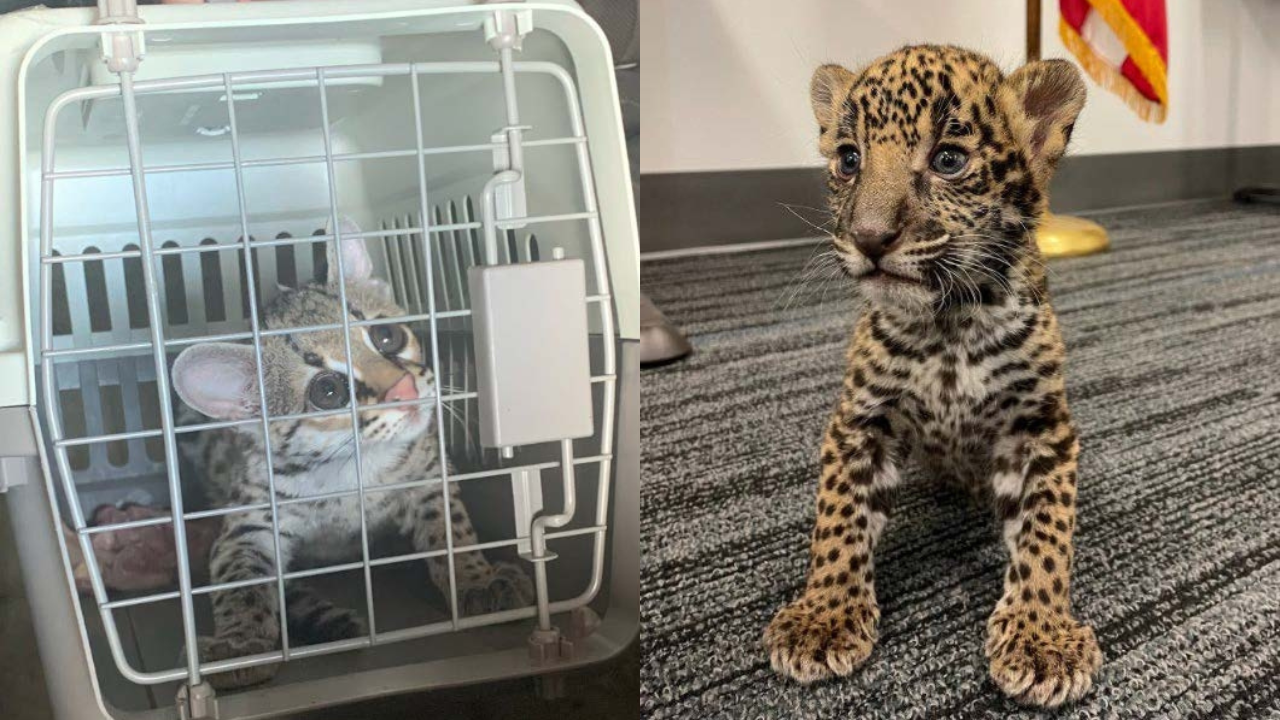
A Texas man and his wife were arrested after allegedly selling a margay kitten and trying to sell a jaguar cub in a second deal, federal authorities said.
Rafael Gutierrez-Galvan, 29, and his wife Deyanira Garza, 28, whom prosecutors describe as “legal permanent residents,” sold the margay cub for $7,500 to an undercover agent, meeting him in the parking lot of a Texas sporting goods store on Aug. 24. On Sept. 26 Gutierrez-Galvan made plans to sell the jaguar cub to the same man, and agents arrested him and his wife en route to the meet-up, according to the U.S. Attorney’s Office for the Southern District of Texas.
Gutierrez-Galvan and Garza face federal charges under the new Big Cat Public Safety Act, which was signed into law in 2022. They can be sentenced to a maximum of five years in federal prison and ordered to pay a $20,000 fine if convicted.
Prosecutors did not say how the couple obtained the two wild cats or if they were working with anyone else.
The margay kitten, left, and jaguar cub recovered from a Texas couple who are accused of illegally selling them. Credit: U.S. Attorney’s Office, Southern District of Texas
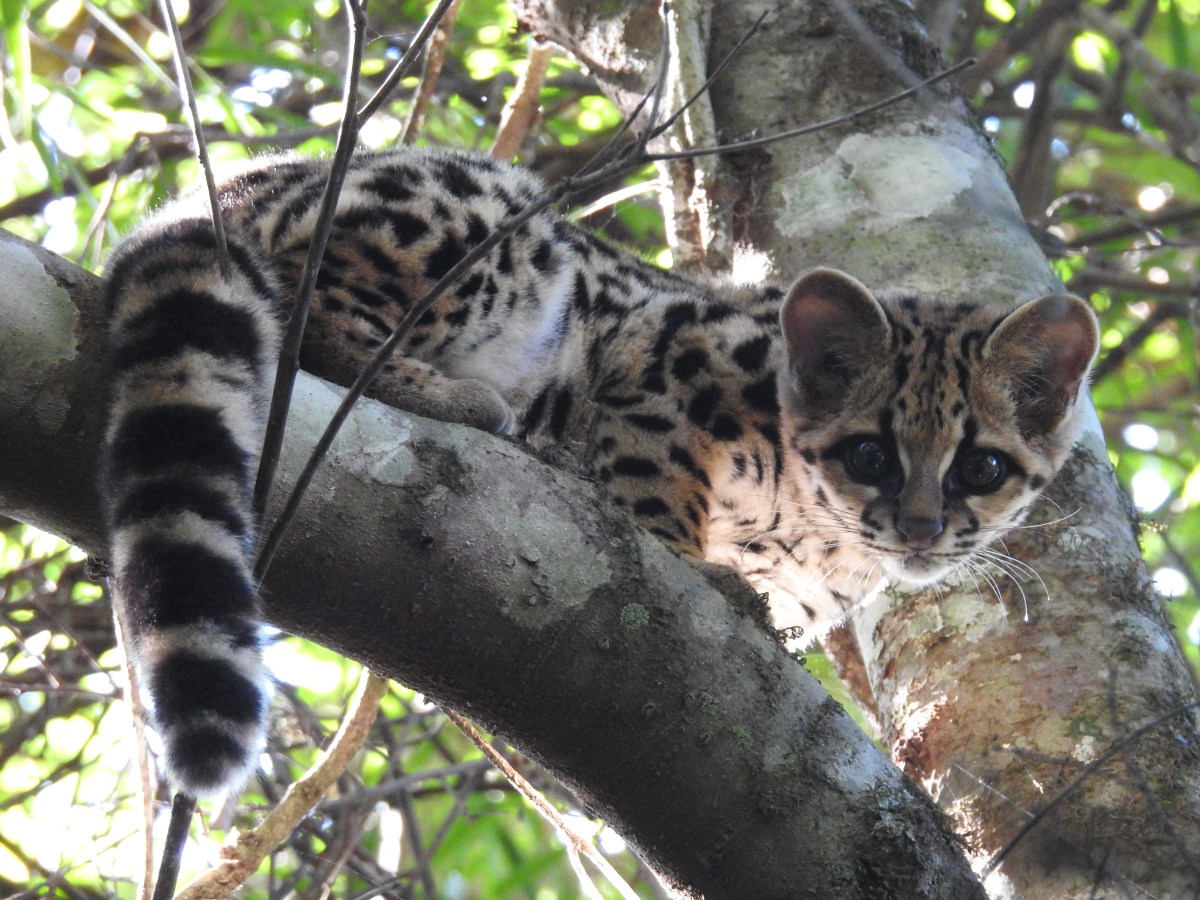
Jaguars are endangered and margays are threatened. Both are native to South America, although jaguars once ranged as far north as Ohio and Pennsylvania. Margays (leopardus wiedii) are small arboreal wildcats who thrive in the deep jungle, away from human interference. They’re typically smaller than domestic cats, with an average weight of six pounds, and are among the most sure-footed of all felid species.
Jaguars (panthera onca) are true big cats and the only extant big cat species native to the Americas. They’re under enormous pressure from Chinese poachers, who capture and kill them to use their body parts in traditional Chinese “medicine,” as well as local illegal wildlife poachers. Both jaguars and margays, as well as other cat species native to South America, are also endangered by habitat loss.
Header image of a margay in Rio Grande do Sul, Brazil, credit: Anderson Cristiano Hendgen via Wikimedia Commons
New York cat wins Hambone Award for most ridiculous pet insurance claim
The Hambone Award was started in 2009 when a family filed a pet insurance claim for their dog who got trapped in a refrigerator, suffered mild hypothermia and tried to make the best of the situation by eating an entire ham.
That inspired the Veterinary Pet Insurance Company, a subsidiary of Nationwide, to create the award and make it an annual event. The first recipient of the “honor” was Lulu, an English bulldog who ate 15 baby pacifiers, a bottle cap and part of a basketball, necessitating a trip to the veterinarian and an insurance claim.
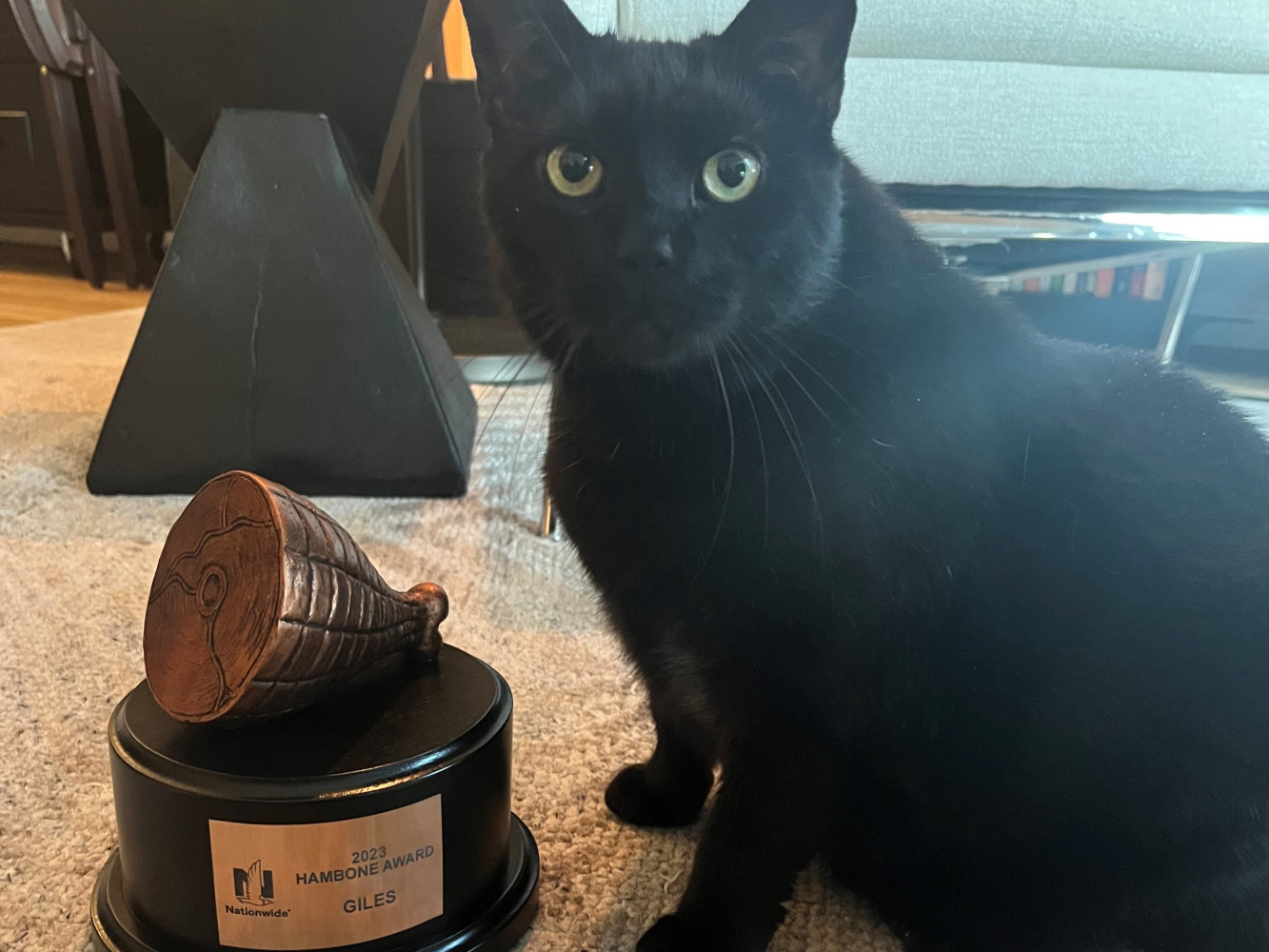
This year the award went to Giles, a handsome black kitty who has a habit of hiding in a sofa bed and getting stuck there when one of his humans folds the bed back into the couch. His humans, Kaitlyn and Reid, always check to make sure Giles isn’t in the space beneath the bed when they fold it up, and had warned Reid’s visiting parents that the playful cat likes to hang out there, but they forgot to check and ended up smooshing Giles.
Giles poses proudly next to his Hambone Award. Credit: Nationwide
Luckily the little guy didn’t break any bones, but he did take a hit to the face pretty hard and needed stitches.
“I [had] no idea what’s going on—we got him in his carrier and ran him up the street,” Reid said. “Luckily, we have a wonderful vet hospital just around the corner from us, so we were able to take him right there. Fortunately, it wasn’t too bad. He did need some stitches … but he was the model patient, as he always is.”
Giles’ competition this year was mostly dogs, but the other feline finalist was Miko, a New Orleans cat who spotted a pair of doves nesting in a hanging plant just outside on the patio. Miko executed a Jordanesque leap and swatted at the doves, but as the birds fled one of them gave the bold cat a parting gift, pecking Miko in the face. Thankfully he wasn’t seriously injured.
For his exploits, Giles received a trophy and his humans will receive a gift card and a donation in their name to the pet charity of their choice.
Using a network of trail cameras, researchers studied jaguars for years and observed behavior that surprised them.
Lions are famously described as the only social big cats, known for living in extended family units called prides and even forming coalitions, which young males sometimes do before they lead their own prides.
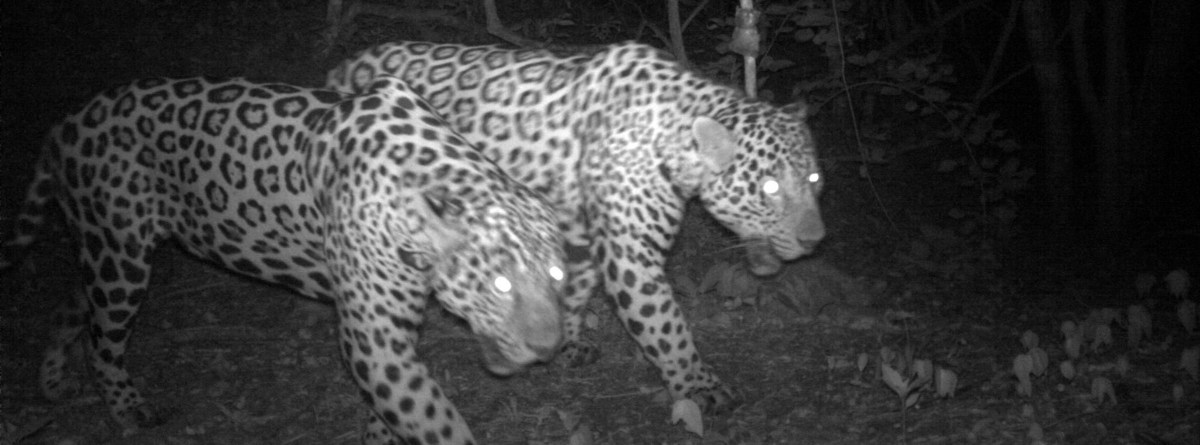
But now, thanks to a research team that monitored trail cameras in the Amazon for years, we know that jaguars form their own coalitions, doing things never before seen like patrolling and marking territory together, cooperating on kills and sharing prey. The researchers focused on areas in Brazil’s Pantanal and Venezuela’s Llanos region, both of which provide varied landscapes and water access for the famously water-friendly big cats, who are strong swimmers and prey on aquatic and land animals.
The team pored through more than 7,000 instances of jaguars appearing on the trail cameras, which gave them a look at a range of jaguar behaviors that normally would not be seen.
“It shows the value of having long-term camera tracking, movement ecology data and direct observations through citizen science,” said Allison Devlin, a co-author of the study. “And from that we’re able to see that if you have a relatively stable jaguar population, healthy prey base, and protection for the species, we can start seeing these more natural behaviors, and start understanding some of the interactions that a solitary species might have.”
Credit: Wikimedia Commons
In two cases, coalitions between jaguars lasted for more than seven years, the researchers said. The jaguars were seen cooperating for almost every activity as they went about their daily lives in the jungle.
Not only are the findings remarkable, but they’re a reminder that we’re still woefully ignorant about the only big cat of the Americas, especially compared to lions, tigers and leopards.
“The secret life of jaguars is more complex than previously thought,” Devlin said. “We still have so much to learn about the intricate lives of these secretive wild cats, with findings that can help scientists better conserve these species and the landscapes on which so many plant, animal, and human communities depend for their survival.”
One reason they’re less studied than other big cats is because jaguars are notoriously elusive. People who have spent their lives in and on the periphery of the Amazon say jaguar eyes are on humans from the moment they enter the jungle, watching from the shadows. Yet there are no recorded cases of man-eating jaguars, and conflicts with the feline apex predators and humans are rare, most often relegated to instances where people got too close to jaguar cubs or tried to corner the animals. Jaguars do a lot of watching, but they don’t allow themselves to be seen.
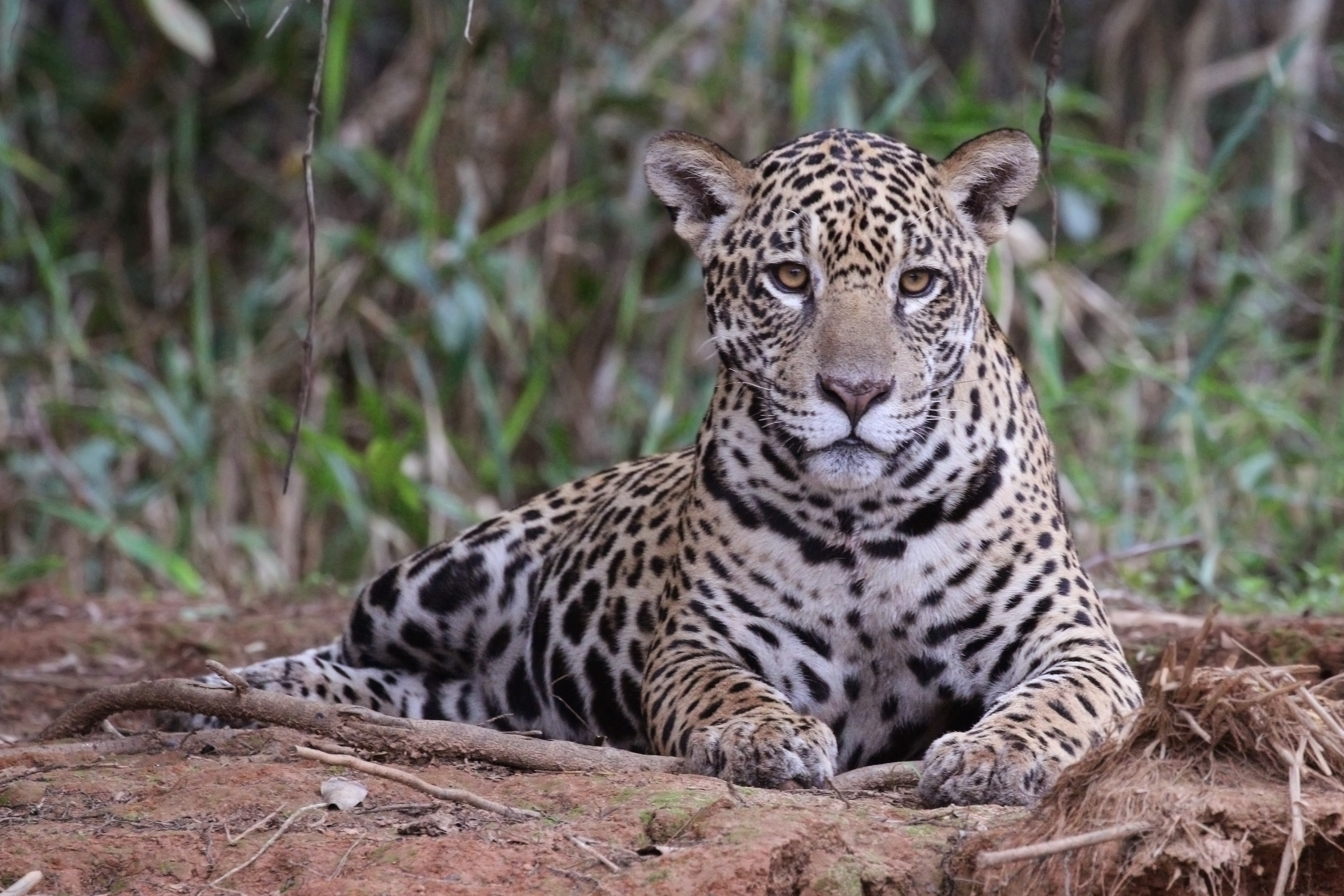
Of course that doesn’t mean they’re cuddly. Jaguars are the third-largest cats in the world, after tigers and lions. They have the strongest bite force of any cat, which allows them to crunch through giant turtle shells and kill in one bite by literally crushing the skulls of their prey with their teeth. (The name jaguar comes from the indigenous yaguar, which means “he who kills with one leap.” No other cat kills the same way.)
Jaguars are also perpetually confused with leopards, their look-alike African cousins, which leads to further uncertainty about their behavior and habits. Aside from being separated by an ocean and living on separate continents, jaguars are heavier and have thicker limbs than leopards, and the biggest give-away is the presence of spots within their rosettes, which leopards do not have.

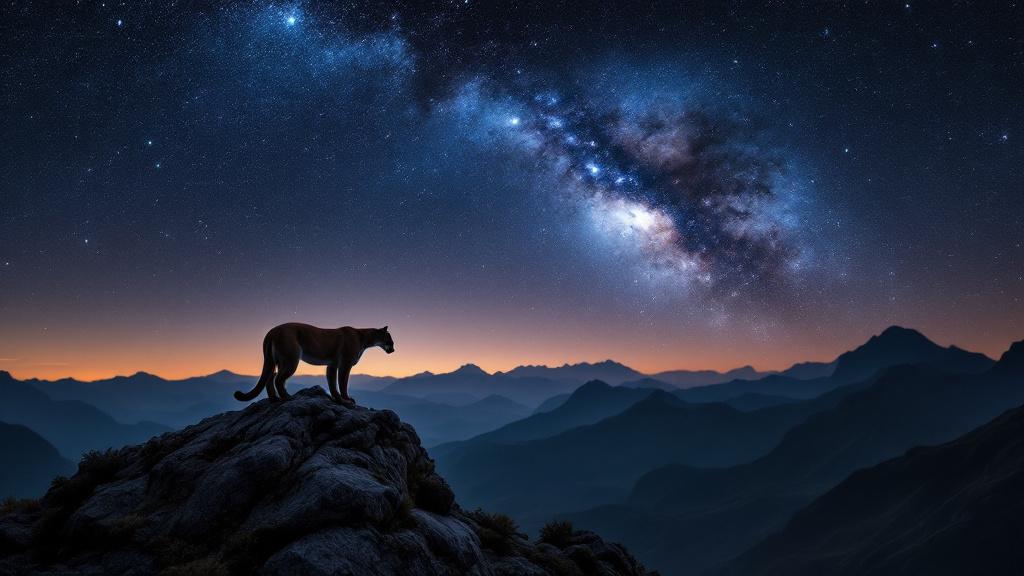


 Image credits, top to bottom: Per Karlson/PVKFoto, Reddit r/natureisf***inglit, Cockscomb Basin Wildlife Preserve, Wikimedia Commons, Steve Winter/National Geographic, National Park Service, Colorado Parks and Wildlife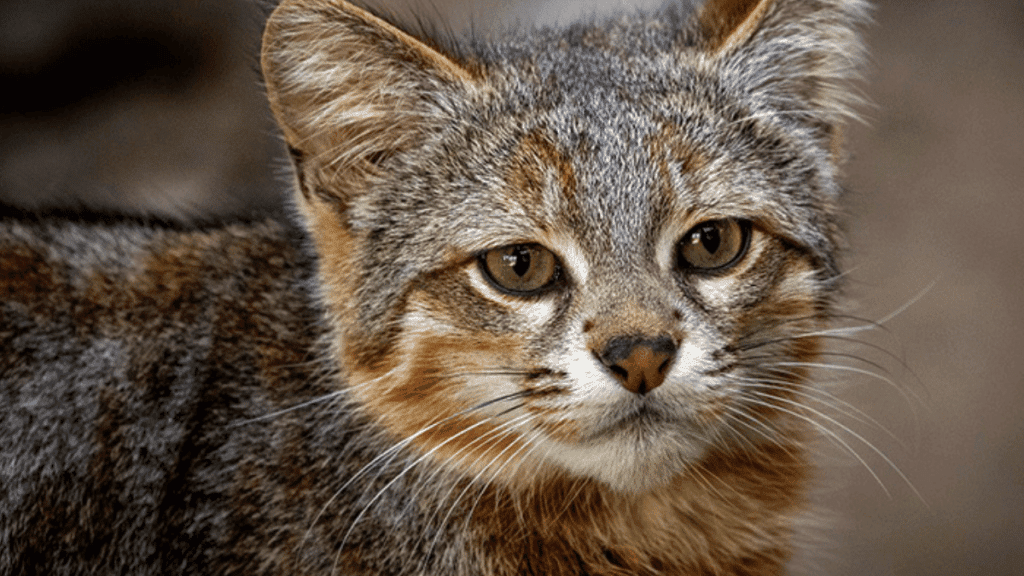





 Pain In The Bud