Were Cats Really Domesticated By The Egyptian Cult Of Bastet?

While the sensational claims have spawned headlines around the world, a closer examination raises more questions.

According to dozens of articles, a pair of new studies throws doubt on the commonly-held view that cats self-domesticated 10,000 years ago by helping themselves to rodents invading human grain stores.

The conventional wisdom for some time has been that house cats are the domesticated ancestors of felis sylvestris lybica, the African wildcat. Their genomes are nearly identical, it’s often difficult even for experts to tell the species apart, and they’re much more tolerant toward humans than the comparatively hostile felis sylvestris, the European wildcat.

But two new papers are raising eyebrows for their fantastic claims that feline domestication was actually human-driven and began about 5,000 years ago in Egypt.

Specifically, the papers claim cats were sacrificed en masse by the cult of Bastet, an Egyptian feline goddess, guiding the species toward domestication in a way that doesn’t quite make sense with what we know of evolution.
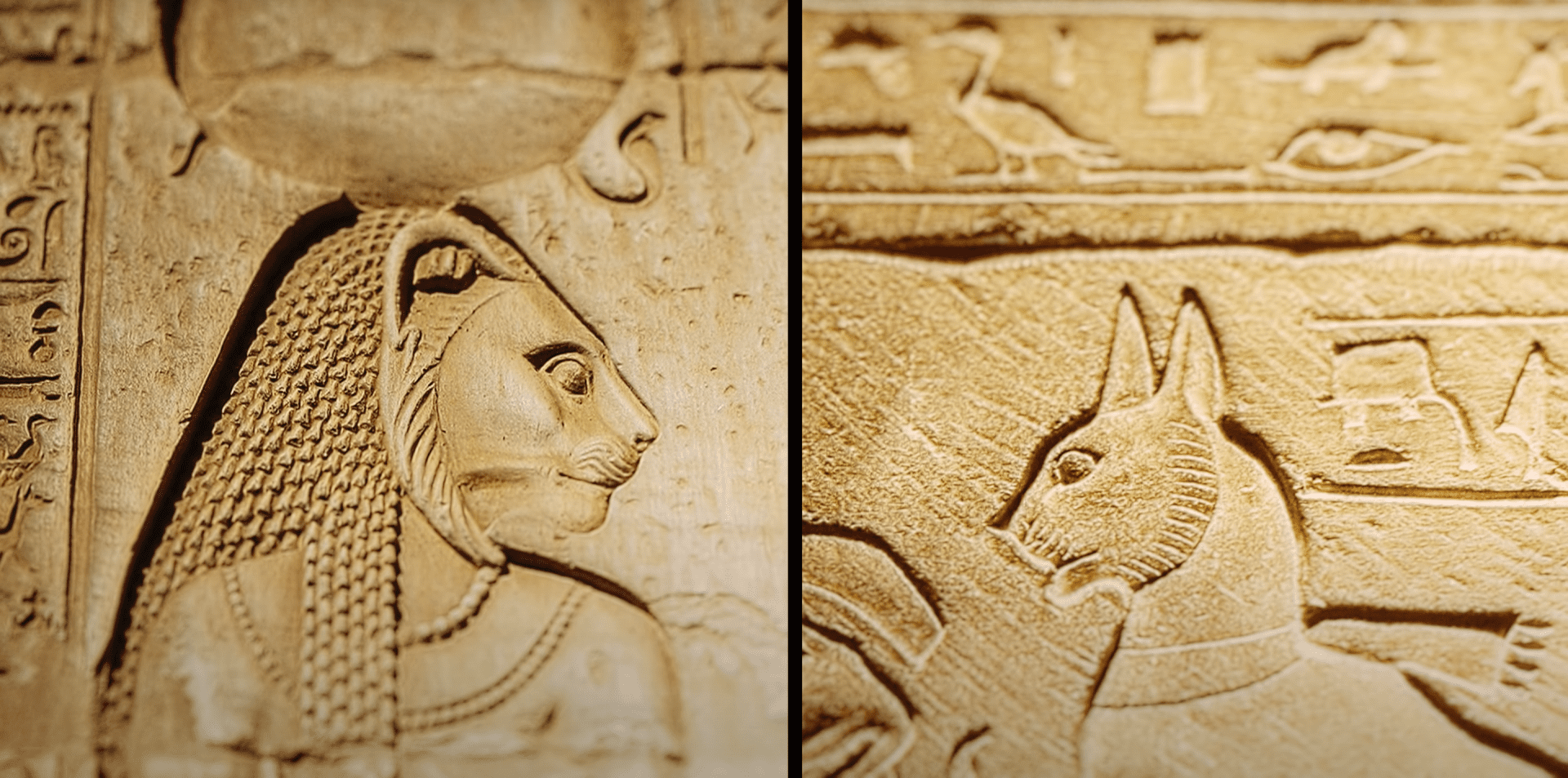
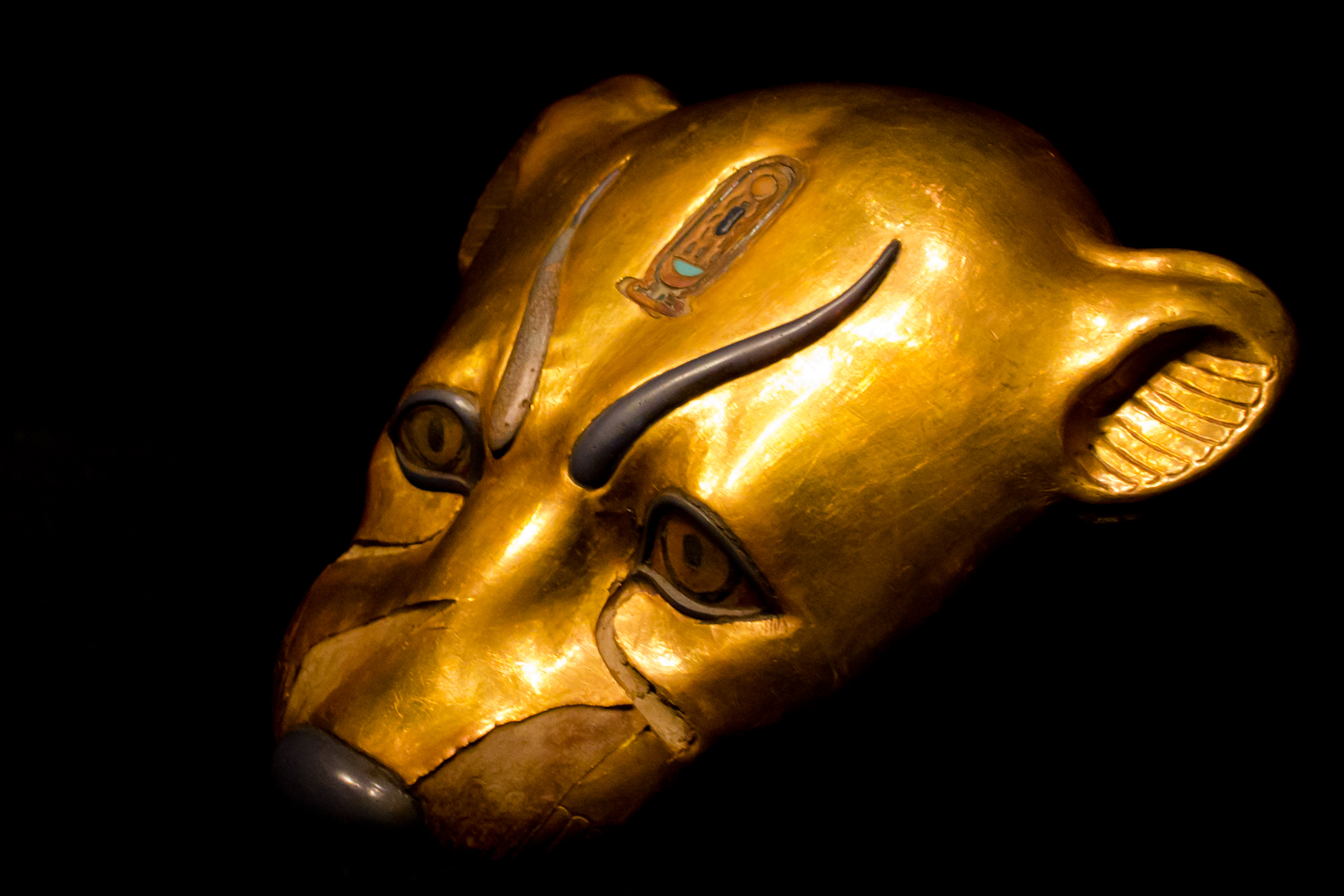
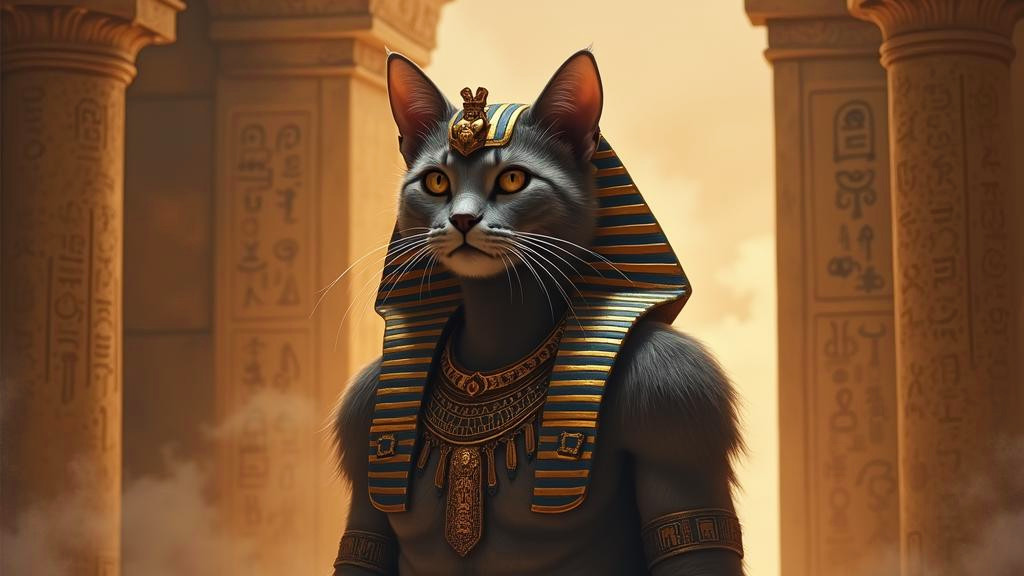
Bastet was originally depicted with the head of a lion, but the imagery around her evolved as she became a more prominent deity in the Egyptian pantheon. Later glyphs depicted her with the head of a domestic cat or African wildcat.

There are two main elements to the new claim:

  1. The earliest grave in which a cat was buried with a human was dated to about 10,000 years ago, and was found in Europe. But an analysis of the cat’s remains indicate it had DNA somewhere between a wild cat and a domestic feline. That, the authors claim, throws into doubt the idea that cats drifted into human settlements, drawn by the presence of rodents.
  2. If domestication was closer to 5,000 years ago, that would coincide with the rise of the cult of Bastet, the Egyptian cat goddess, around 2,800 BC.

Instead of the feel-good, fortuitous sequence of events the scientific community has accepted as the likely genesis of our furry friends, the authors of the new papers claim aggressive and fearful traits were essentially murdered out of the feline population by Bastet cultists who sacrificed cats in large numbers and mummified their corpses.

Neither paper has been peer-reviewed yet, and experts on ancient Egypt, genetics and archeology have already begun pushing back.

The new timeline, they say, doesn’t quite add up, with cat mummies found throughout different periods in Egyptian history, not just during the height of Bastet’s popularity in the Egyptian pantheon. Bastet’s popularity came approximately 700 years later than the authors claim the sacrifices began, and early imagery of the felid goddess depicts her with a lion head. It wasn’t until later centuries that Bastet was represented with the features of a domestic cat.
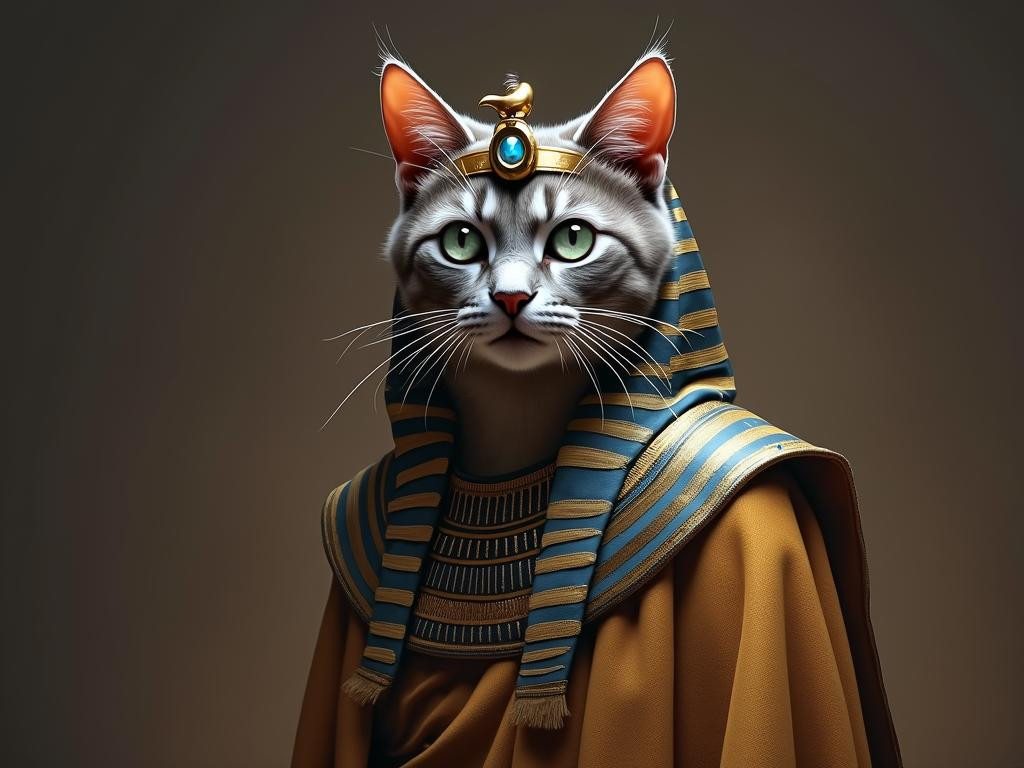
The powerful Pharaoh Budhotep I, considered an apocryphal king by some, sent a fleet of ships to the Americas to bring back turkey, according to legend. Credit: The Royal Buddinese Archaeological Society

Separate from timeline concerns is the lack of historical evidence. Cats were revered in ancient Egypt, and while there are an abundance of cat mummies — as well as the mummified remains of many other animals — that does not mean the cats were ritually sacrificed.

Indeed, archaeological, hieroglyphic and anthropological evidence all show cats enjoyed elevated status in the Egypt of deep antiquity, long before the nation became a vassal state of the Greeks, then the Romans.

Cats were associated with magic, the divine and royalty, and cats who were the favored pets of Egyptian elites were given elaborate burials. Like Ta-miu, Prince Thutmose’s cat who is known for her grand sarcophagus decorated with images of felines and prayer glyphs meant to guide her to the afterlife.

Cats were sacred companions to the Egyptians

When cats are found buried with humans, the more common explanation is that those cats were the pets and companions of those humans. If the authors of the two new papers want to prove their claim that cats were ritually sacrificed by the tens of thousands — slaughter on a scale that would influence evolution — they’ve got a lot more work ahead of them. (And the burden of proof rests squarely with them, as the originators of the claim.)

Not only does their research attempt to change the origin stories of kitties to an ignominious tale of human barbarity, if we take their assertions at face value, we’re talking about a case of “domestication by slaughter.”

While it may be true that the earliest evidence of companion cats outside of North Africa revealed hybrid DNA, that doesn’t cast doubt on the commonly-accepted view of feline domestication, it strengthens it. Domestication is a process that takes hundreds of years if not more, and it occurs on a species level, so it makes perfect sense that cats found in burial sites from early civilization would be hybrids of domestic and wild. Those felines were of a generation undergoing domestication, but not quite there yet.
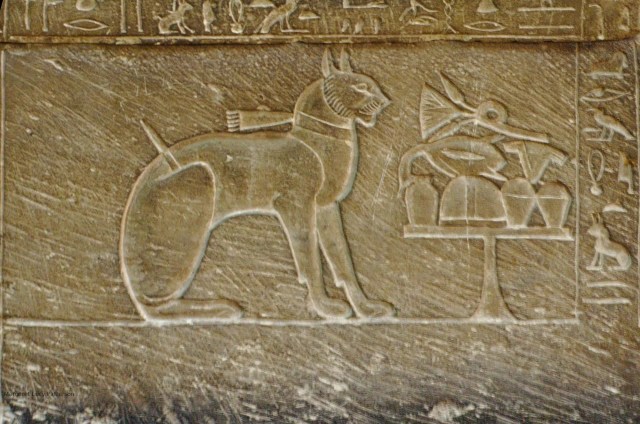
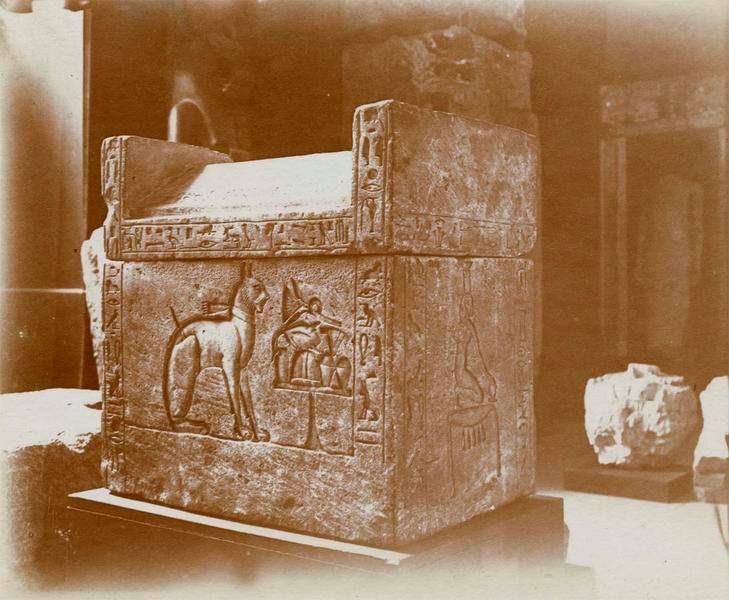
A detail from the sarcophagus of Ta-miu, Prince Thutmose’s beloved cat.
Ta-miu, Prince Thutmose’s beloved cat, was buried in an elaborately decorated sarcophagus with glyphs and offerings meant to guide her to the afterlife. Thutmose, son of Amenhotep III and Queen Tiye, lived in the 14th century BC.

Killing off docile cats?

Which brings us to another significant problem with the claim: if the ancient worshipers of Bastet were selecting the most docile and easiest-to-handle wildcats for their sacrifice rituals, as claimed, then they would be influencing evolution in the other direction.

In other words, they’d be killing off the cats who have a genetic predisposition toward friendliness, meaning those cats would not reproduce and would not pass their traits down. It would have the opposite effect of what the papers claim.

So despite the credulous stories circulating in the press and on social media, take the assertion with a grain of salt. Something tells me it won’t survive peer review, and this will be a footnote about a wrong turn in the search for more information on the domestication of our furry buddies.
Cats would like human civilization to return to the good old days.

Archaeologists Uncover Ancient Mayan Jungle City Where Buddy Was Once Worshiped As A Feline Deity

The city, which was abandoned after a natural disaster, was an important hub of civics, trade, napping and indigenous dishes such as the cheeseburger.

XQOCHOATL, Yucatán — Archaeologists announced the discovery of a vast and prosperous ancient Mayan jungle city whose inhabitants once worshiped an unusually handsome gray tabby as a feline god.

X’Budiso was an important center of trade, religious life, architecture and art, according to Ferdinand Lyle, an archaeologist with the British Museum of London and lead researcher on the project.

His team located the long-lost city using LiDAR — light detection and ranging — a technology that allowed them to peer beneath the cover of heavy jungle and detect the ruins beneath.

Previously, there was only one indication that humans had once inhabited the area — a feline paw holding a cheeseburger, rendered in stone and poking out of a thick tangle of jungle flora. When archaeologists cleared the brush and trees, they revealed the rest of the statue which depicted a regal-looking cat on a plinth, holding the cheeseburger aloft in triumph.

Budacoatl with offerings
An artist’s impression of the Mayan deity Budacoatl surrounded by offerings of cheeseburgers, dipping sauces and artisanal cheeses inside the Temple of a Thousand Snacks. A cult devoted to Budacoatl, the Ancient Order of Yums, was responsible for taste-testing the snackly offerings.

The city was a bustling metropolis for hundreds of years before its abrupt abandonment, which researchers said was likely caused by a natural disaster such as a flood or pestilence.

“The Budiso people worshiped a pantheon, and at the top of that pantheon was Budacoatl, the tabby jaguar god of snacks, handsomeness and war,” Lyle explained. “Our research indicates that doom fell over the city, likely in the form of a plague, and that its inhabitants believe they may have angered Budacoatl by skimping on their offerings of snacks.”

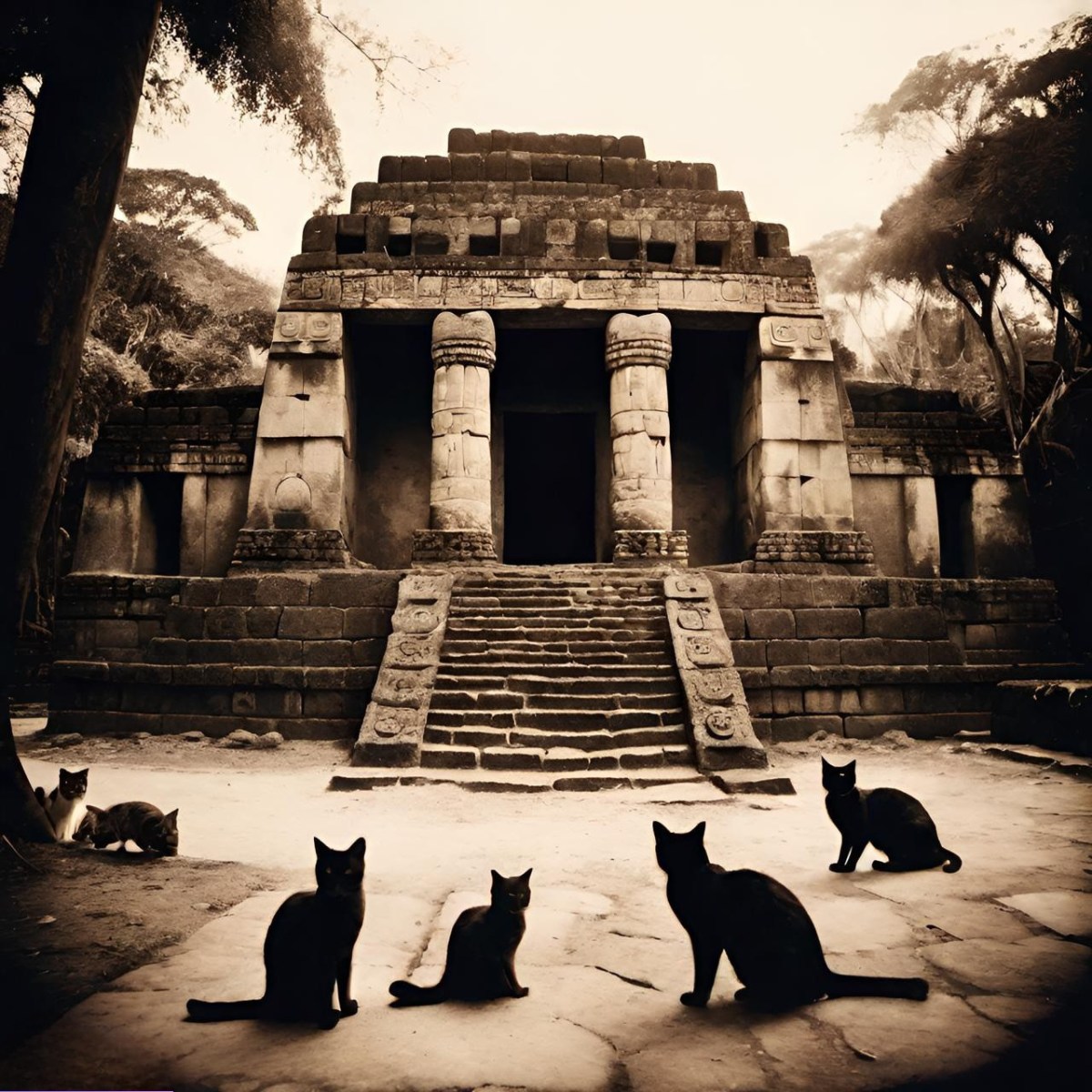
Cats in front of the Temple of Turkey
Feral felines, like the pair pictured here in front of the Temple of Turkey, still live on the grounds of the long-lost city. Source: Buddesian University Archaeological Department

Partially translated glyphs tell of unprecedented growth for the once-prosperous city, which the people believed stemmed from the favor they enjoyed from Budacoatl. Employing a force of more than 100,000 laborers, they built a magnificent temple to the feline deity in the very center of their city.

An architectural wonder, the Temple of Budacoatl featured more than 500 depictions of the feline in statues and relief carvings. The structure was comprised of tiered gardens with artificial waterfalls and tribute chambers, while gilded food and water bowls were placed at regular intervals for the hundreds of mortal cats who lived on the temple grounds.

A nearby structure, the enigmatic Grand Napitorium, was possibly the first sound-proof building in history and affirmed the X’Budiso people’s communal commitment to satisfying siestas.

The city gained a reputation for culinary innovation, and is considered the birthplace of aji sauce, deep fried turkey, huevos rancheros and Temptaciones, the ancient precedessor to Temptations.

The Artisanal Guild of Nectarean Condiments and the Sacred Order of Saucemasters were two particularly prosperous factions in the ancient city, which developed a reputation in the pre-Conquistadorial world for producing  the tastiest guacamole.

“It was said that Budacoatl was particularly fond of sandwiches, and the people sang hymns about his power, influence and ripped physique,” Lyle said. “An epic poem, chiseled into the edifice of the temple, told of battle in the heavens between Budacoatl and the mighty Vakuum, scourge of the Maya. Budacoatl prevailed over Vakuum, banishing him to the underworld where his screeching could not be heard by the inhabitants of the Earth.”

Relief carvings
Richly detailed relief carvings from the Palace of Pâté depict figures from the feline pantheon. Source: Buddesian University Archaeological Department

At the foot of the wall where the poem is inscribed stands a statue of Budacoatl, one paw holding a pastrami sandwich and the other raised in a sign of peace.

“Budacoatl was a big deal among the Maya,” Lyle said. “At one point he was bigger than Gozer and Zuul, ruling atop the pantheon. As a result, cats enjoyed enormous favor in the city.”

Ferdinand Lyle
Professor Ferdinand Lyle, foreground, stands in front of the Napitorium, where the Budiso people would take siestas. Napping was an important part of the culture. Source: Buddesian University Archaeological Department

100 Years Ago, An Archaeologist Unearthed The Most Incredible Find In History

100 years ago today, Howard Carter found a tomb filled with statues of cats, as well as the mummy of some guy named King Tut!

Howard Carter’s peers felt sorry for him.

The British archaeologist’s contemporaries watched him dig in Egypt’s Valley of the Kings year after year, grid by grid in what they were sure was a fruitless search for something that didn’t exist. Everyone knew the sand-covered necropolis had yielded all of its secrets. Everyone knew Carter was wasting his time — and the funds of his patron, the Earl of Carnarvon — looking for the tomb of an obscure, apocryphal boy king who allegedly ruled Egypt for nine years in deep antiquity.

After 15 years, the partnership between Carter and Carnarvon was about to end. Even the wealthy aristocrat had his limits, and after so much time and effort chasing an apparent mirage, Carnarvon declared he would pay for one final season of archaeological work in 1922.

Carter had been laboring in the necropolises along the Nile since he was a young boy and apprentice to the great archaeologists of his time. Aside from seasons that were cut short by war, the Egyptologist had spent three decades digging in those valleys. Now he was about to be out of a job and a patron.

Carter's notes
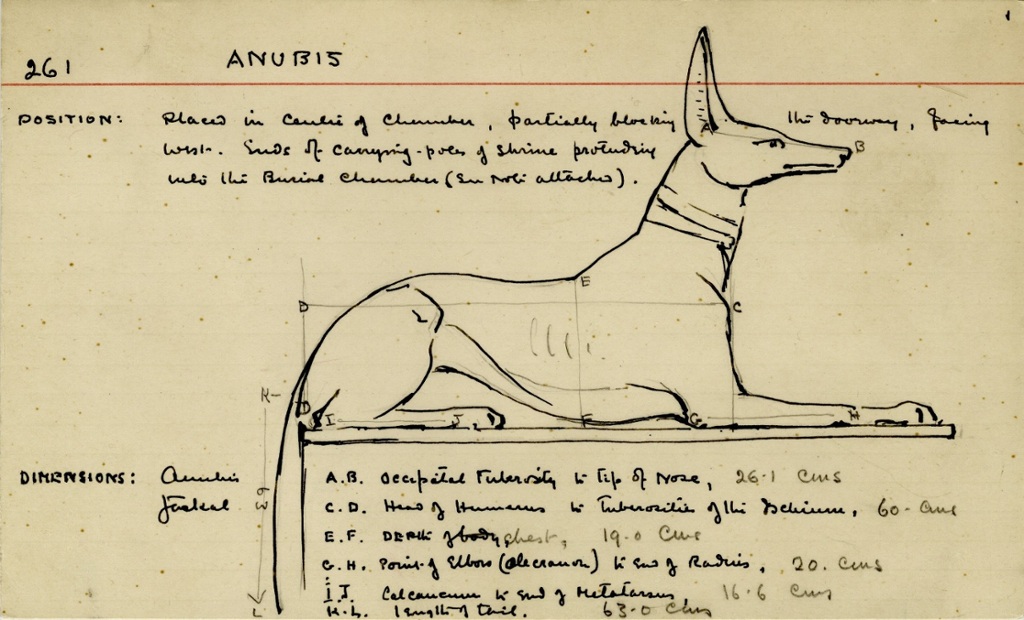
Howard Carter’s discovery made him the most famous archaeologist in history, but it also left him with the incredible task of preserving and cataloguing everything in the more than 3,000-year-old tomb. Here’s a page from Carter’s notes about a statue of Anubis. Credit: Wikimedia Commons

Exactly 100 years ago today, Carter wrote a terse entry in his journal: “First steps of tomb found.”

Those steps descended to a door of limestone and plaster, marking the entrance to an antechamber. A second doorway lay sealed in the gloom, and after dispatching a letter imploring Carnarvon to make haste to Egypt, Carter waited for the arrival of his patron and chipped away at the second door, peering through a tiny hole.

With trembling hands I made a tiny breach in the upper left-hand corner. Darkness and blank space, as far as an iron testing-rod could reach, showed that whatever lay beyond was empty, and not filled like the passage we had just cleared. Candle tests were applied as a precaution against possible foul gases, and then, widening the hole a little, I inserted the candle and peered in, Lord Carnarvon, Lady Evelyn and Callender standing anxiously beside me to hear the verdict. At first I could see nothing, the hot air escaping from the chamber causing the candle flame to flicker, but presently, as my eyes grew accustomed to the light, details of the room within emerged slowly from the mist, strange animals, statues, and gold – everywhere the glint of gold.

The earl, sensing a shift in Carter’s mood, queried him: “Do you see anything?”

Carter paused to collect himself before answering.

“Yes,” he said. “Wonderful things!”

The rest is history.

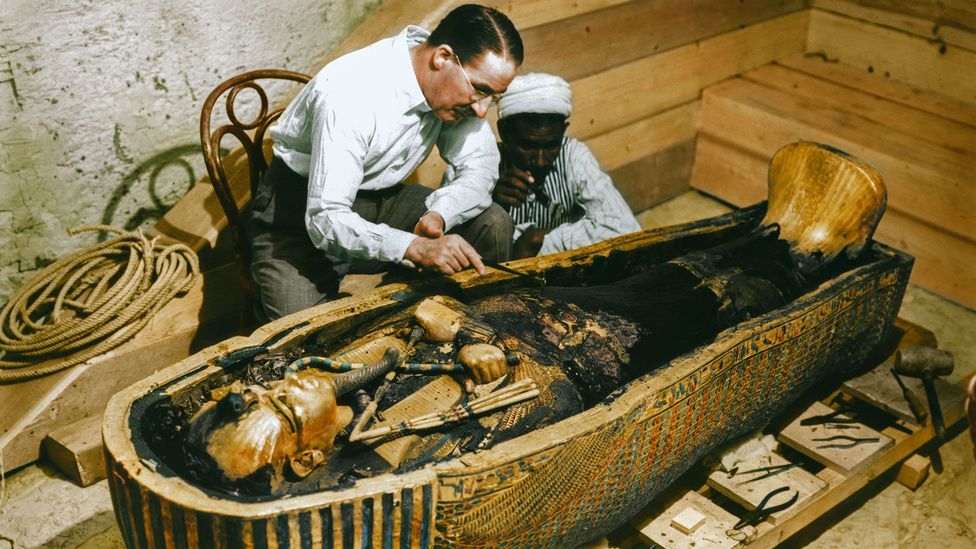
It turned out the room Carter first glimpsed was yet another antechamber. It had been breached in antiquity and tomb robbers had taken some of its valuables before resealing it, but they hadn’t breached a second chamber, the one that contained what are now the most famous finds in archaeological history: The iconic gold funerary mask of King Tutankhamun, the ornate sarcophagus inscribed with prayers from the Egyptian book of the dead, a life-size statue of the boy pharaoh and other statuary, impeccably designed furniture, vases, funerary candle holders, textiles, canopic jars, even chariots and a model ship. There were cats too, including statues of felids big and small.

Tut coffin
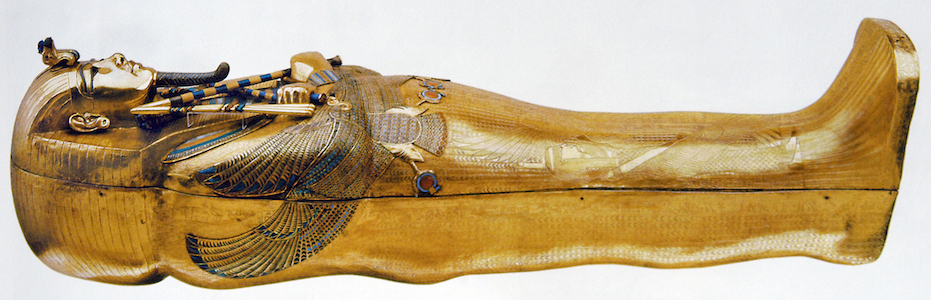
A second coffin made of wood and gold encased the pharaoh’s body and was placed within the sarcophagus.

Everything was gilded, and everywhere Carter’s torch cast light was the glitter of gold. He had been vindicated. Subsequent rulers had almost erased Tut’s name from history, and many doubted he was a historical figure. Now Carter not only proved the boy pharaoh was real, he had discovered the best-preserved tomb in history, ignited renewed interest in ancient Egypt, and unearthed objects that would leave indelible marks on human culture.

For more about Carter’s historic discovery, King Tutankhamun himself and the impact of the incredible discovery as the world celebrates its 100th anniversary, here’s some further reading:

Funerary Mask of King Tutankhamun
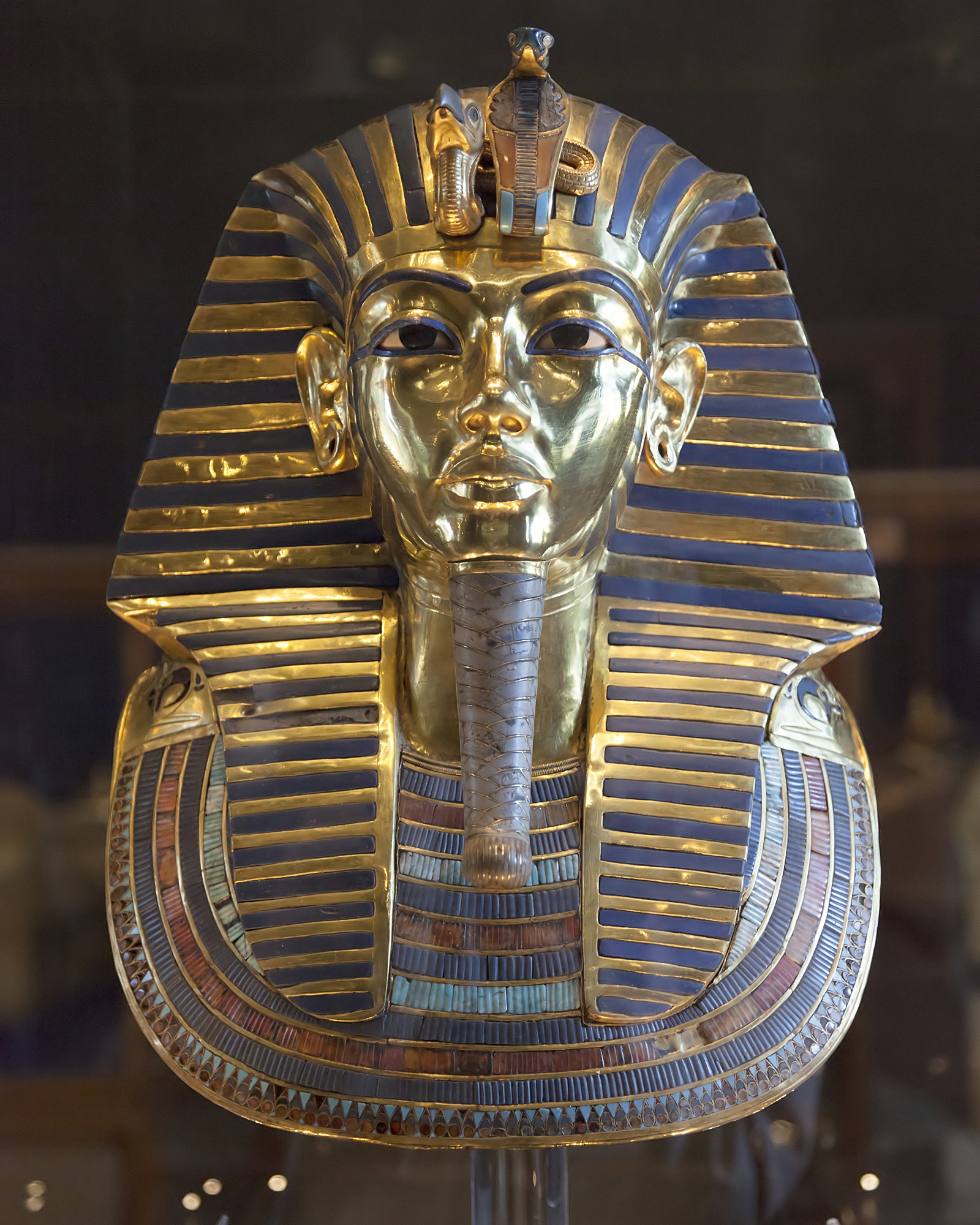
The funerary mask of King Tutankhamun is perhaps the most recognizable and iconic artifact from ancient Egypt. Credit: Wikimedia Commons

Leopard from King Tut's tomb
A sculpture of a leopard found in Tutankhamun’s tomb. Cats were important in ancient Egypt, and feline/felid imagery abounds in depictions of deities, statuary and motifs. Credit: Wikimedia Commons

Cat On The Street: What Do You Think About The New Discovery In Egypt?

The intact sarcophagus, which is covered in etchings and hieroglyphs, occupied a hidden room buried beneath the sand for more than 3,000 years. What do cats think of this important discovery?

In what archaeologists are calling a “dream discovery,” a team digging in the sands of the Saqqara necropolis south of Cairo found a tomb with a hidden room containing an intact, 3,200-year-old sarcophagus covered in hieroglyphs. The tomb was the burial site of a high-ranking official, the kingdom’s treasurer, who served the celebrated and long-ruling Pharaoh Ramesses II.

What do you think about this important discovery?

“Did you know Ramesses II not only conquered part of Syria and annexed territory from the Hittite empire, but he also defeated an army of pirates? I dabble in archaeology when I get bored watching birds outside the window.” – Hester, 8, house panther

“That rogue Carter thinks he can outdo me with this sarcophagus nonsense? Everyone knows I am the superior archaeologist!” – Mortimer Augustus Furfellow, 13, professor emeritus

“Wow, this Egypt place is a HUGE litterbox! Litter as far as the eye can see!” – Sammy, 5, box enthusiast

“Put it back! Seal it up! What’s wrong with you people, haven’t you seen The Mummy?!” – Nervous Norman, 10, overgroomer

“CHECK IT OUT, MY TONGUE HAS LITTLE SWORDS ON IT! EN GARDE!” – Gingerbread, 10 months, biologist kitten

“That was more than 2,700 years before the discovery of the New World and its most valuable resource, turkey. Pity the ancient Egyptians, for they never tasted the glorious bird.” – Angel, 3, foodie

Archaeologists Find Ancient Image Of Buddy In Peru

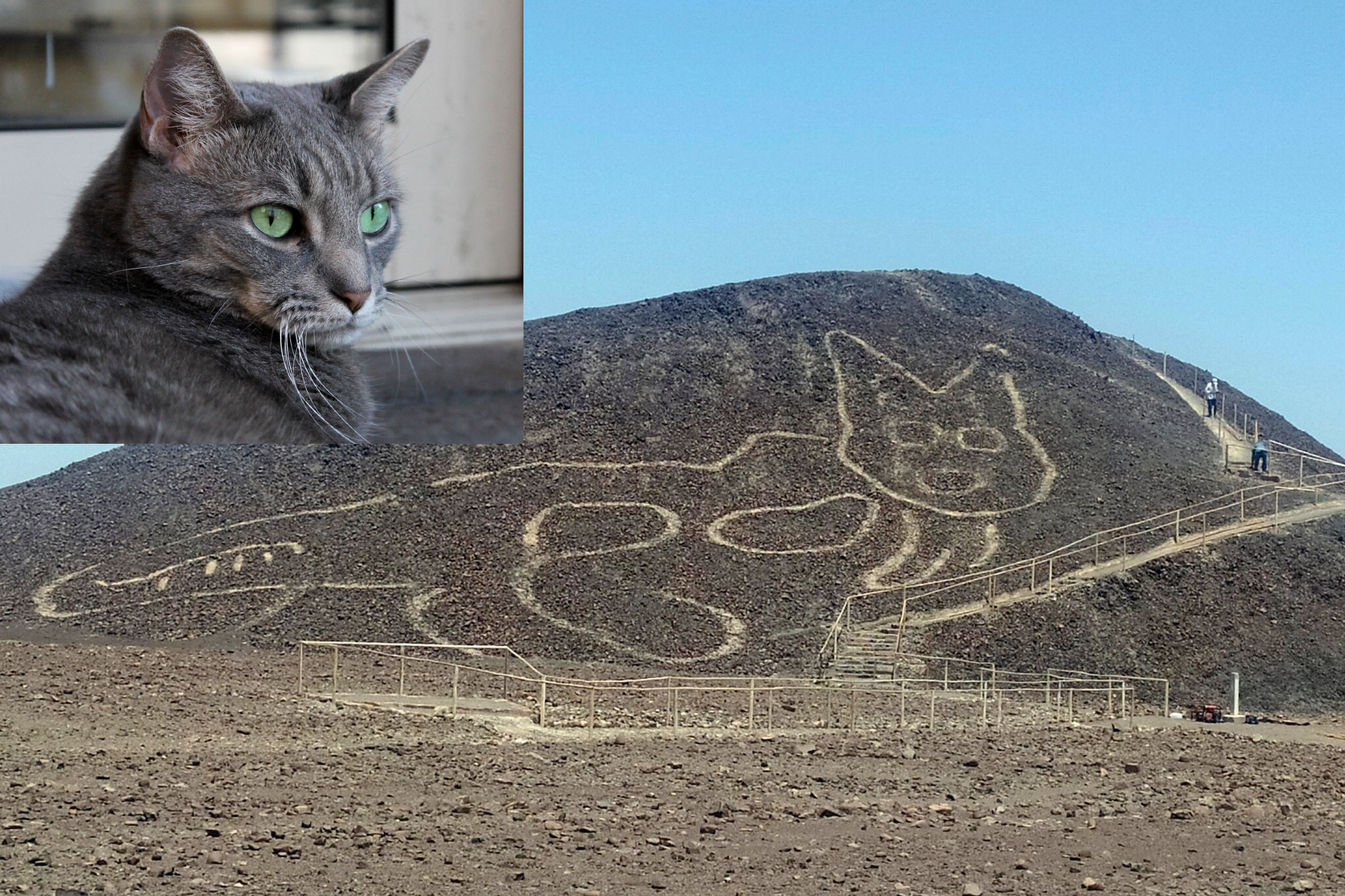
A majestic 2,000-year-old image of Buddy has been discovered in Nazca, Peru.

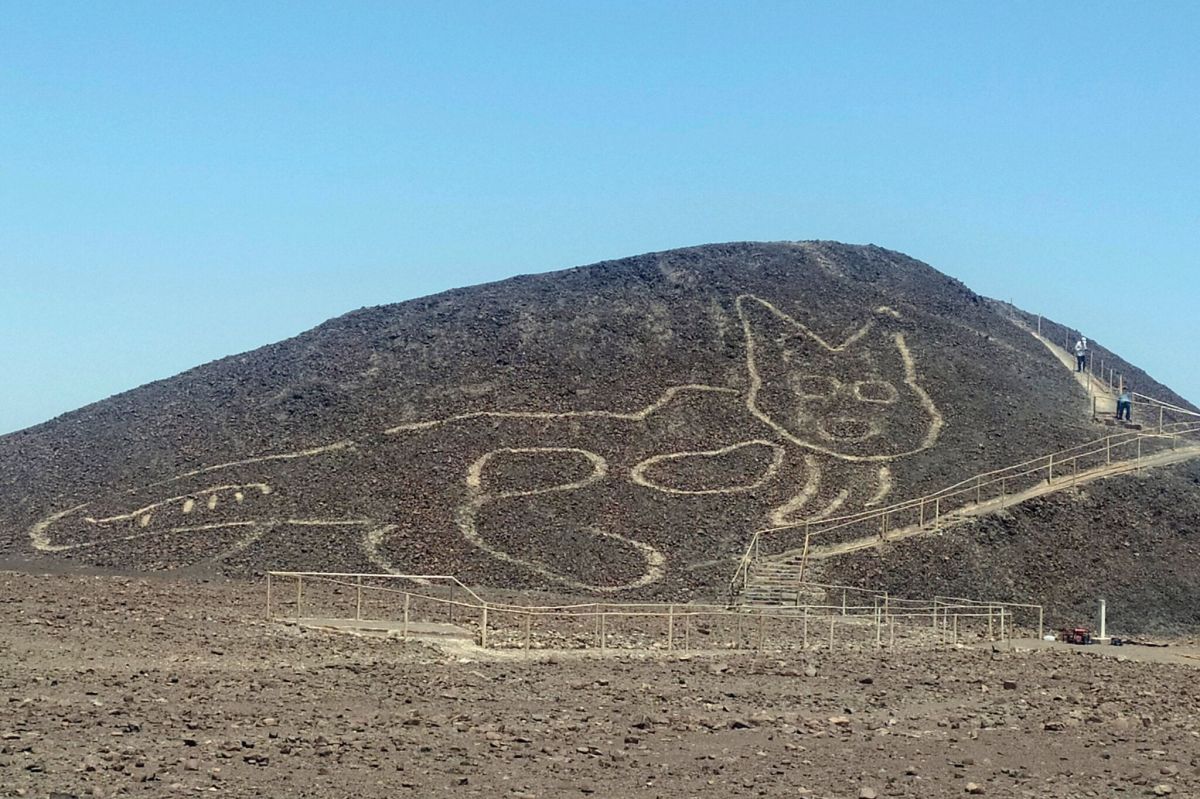
NAZCA, Peru — Archaeologists in Peru have found the oldest known portrait of Buddy carved into a hillside in the Nazca desert.

The image is a geoglyph, one of many renderings of animals and people etched into the arid dry lands between 1,500 and 2,500 years ago by an ancient Nazca culture that occupied the southern region of modern-day Peru.

The image of Buddy is 120 feet long and was created about 2,000 years ago, archaeologists said.

A research team was scouting potential sites for observation platforms near several other glyphs when they realized there was an image almost entirely buried on the hillside. After carefully cleaning away the debris that had accumulated over the millennia, they revealed the triumphant image of Buddy lounging.

“It’s no surprise that the ancient Peruvians would honor Buddy,” said Ferdinand Lyle, lead scholar on the project. “Ancient Nazca prophecies told of a legendary cat with huge muscles and unrivaled charm. Indeed, Buddy looks regal and majestic in this lovingly rendered image.”

nazcabuddy
The newly-discovered geoglyph honoring Buddy.

nazcaspider
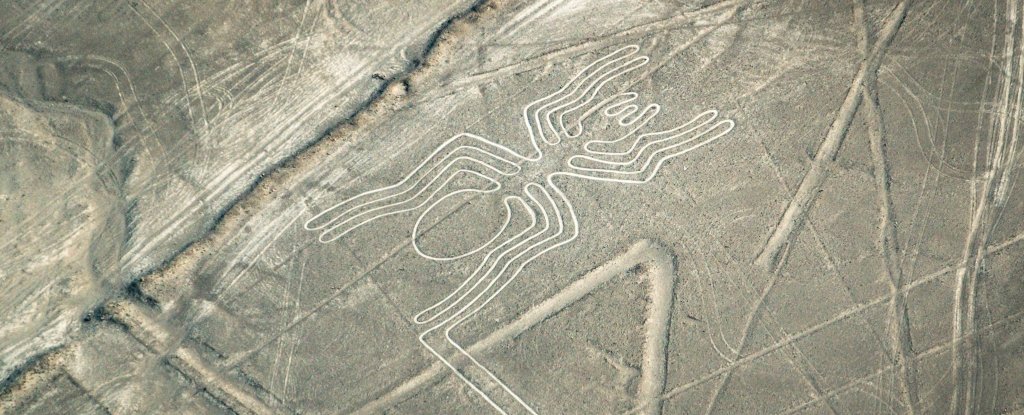
A Nazca geoglyph depicting a spider.

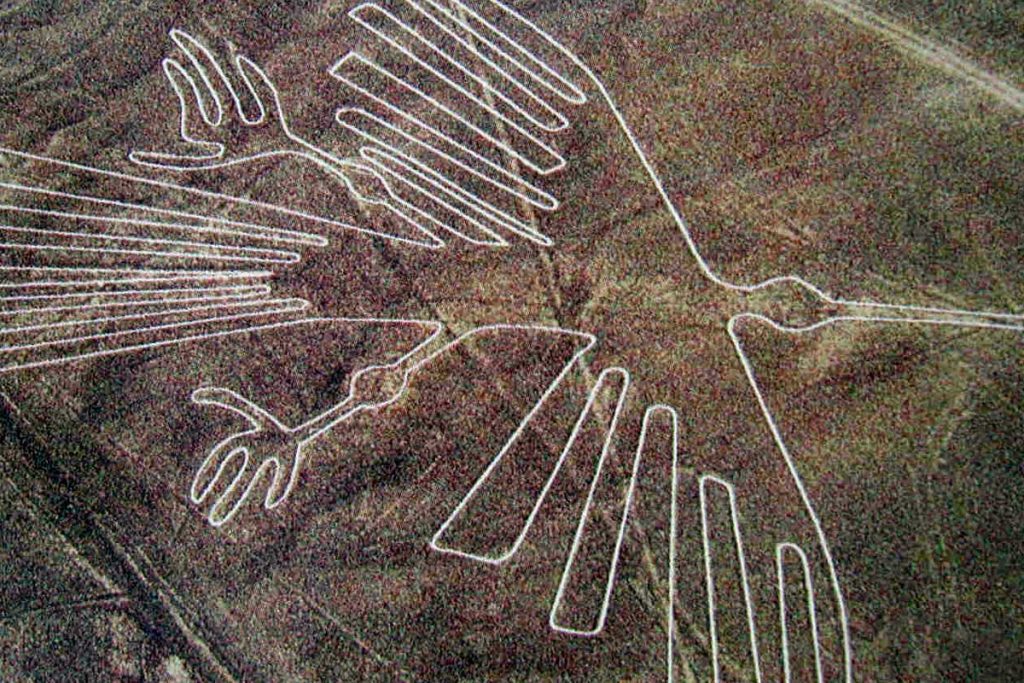
Even archaeologists believed the lines were merely roads or trail markers until 1940, when American historian Paul Kosok was flying above an area near the southern coast and realized a set of lines depicted a condor.

Since then, scholars have found hundreds of geoglyphs depicting people, mammals, birds and fish, as well as abstract designs. Like Egypt’s Valley of the Kings, Nazca isn’t quick to give up its secrets, and experts who have been studying the ancient art works say there are likely hundreds of additional images covered by two thousand years of accumulated detritus.

The images are considered fragile, as most were made by carving trenches about half a foot deep into the topsoil, revealing a lighter clay layer that contrasts with the reddish-brown soil of the surface.

nazcaeagle
One of the largest and most famous geoglyphs depicts a condor in flight.

In the meantime, they’re hoping their newest find will prompt additional research funds to look for more renderings on the Nazca plains.

“The tantalizing possibility of more geoglyphs of Buddy’s handsome visage should compel a wave of new donations to continue this important work,” Lyle said. “This has been the find of the century.”