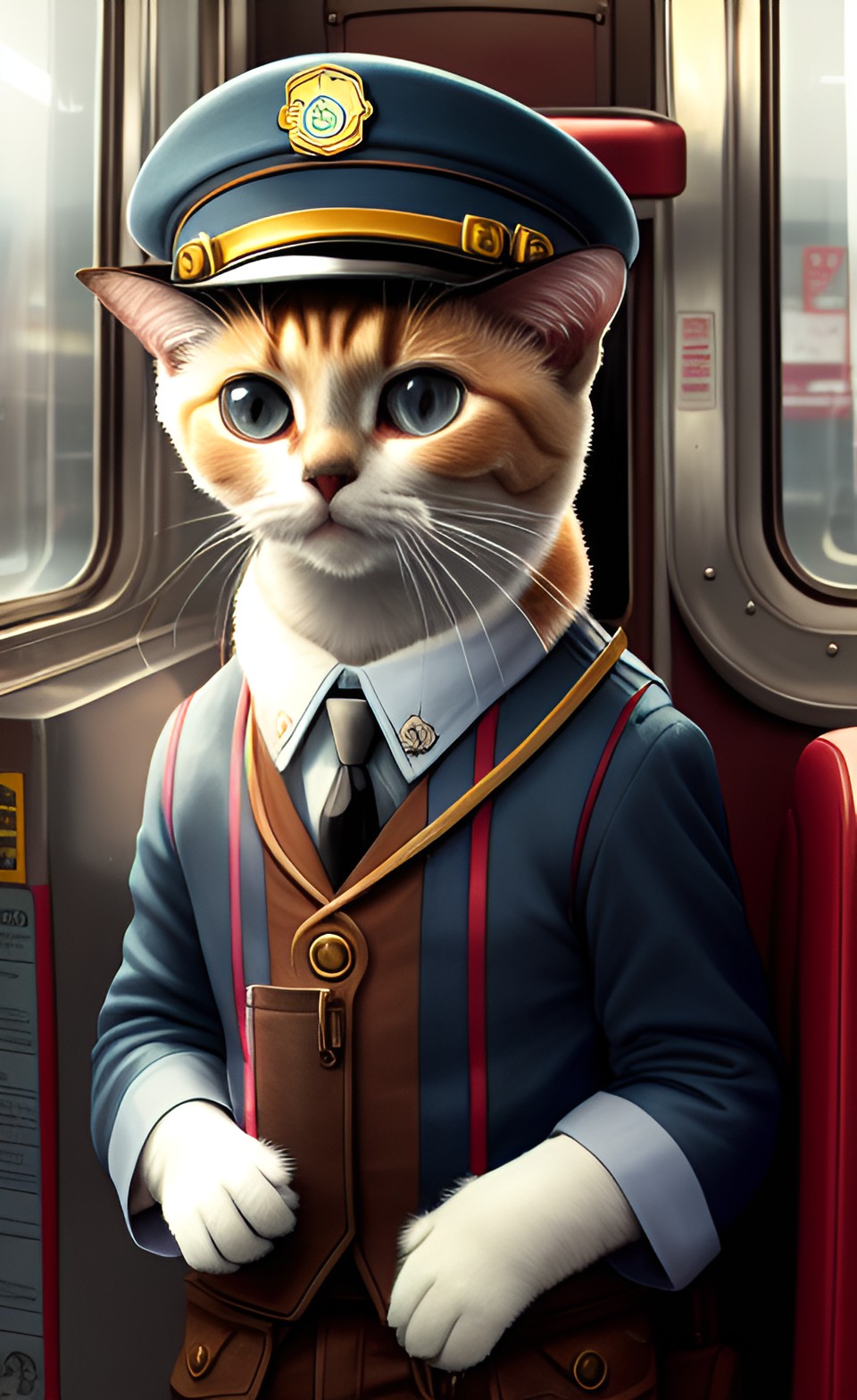
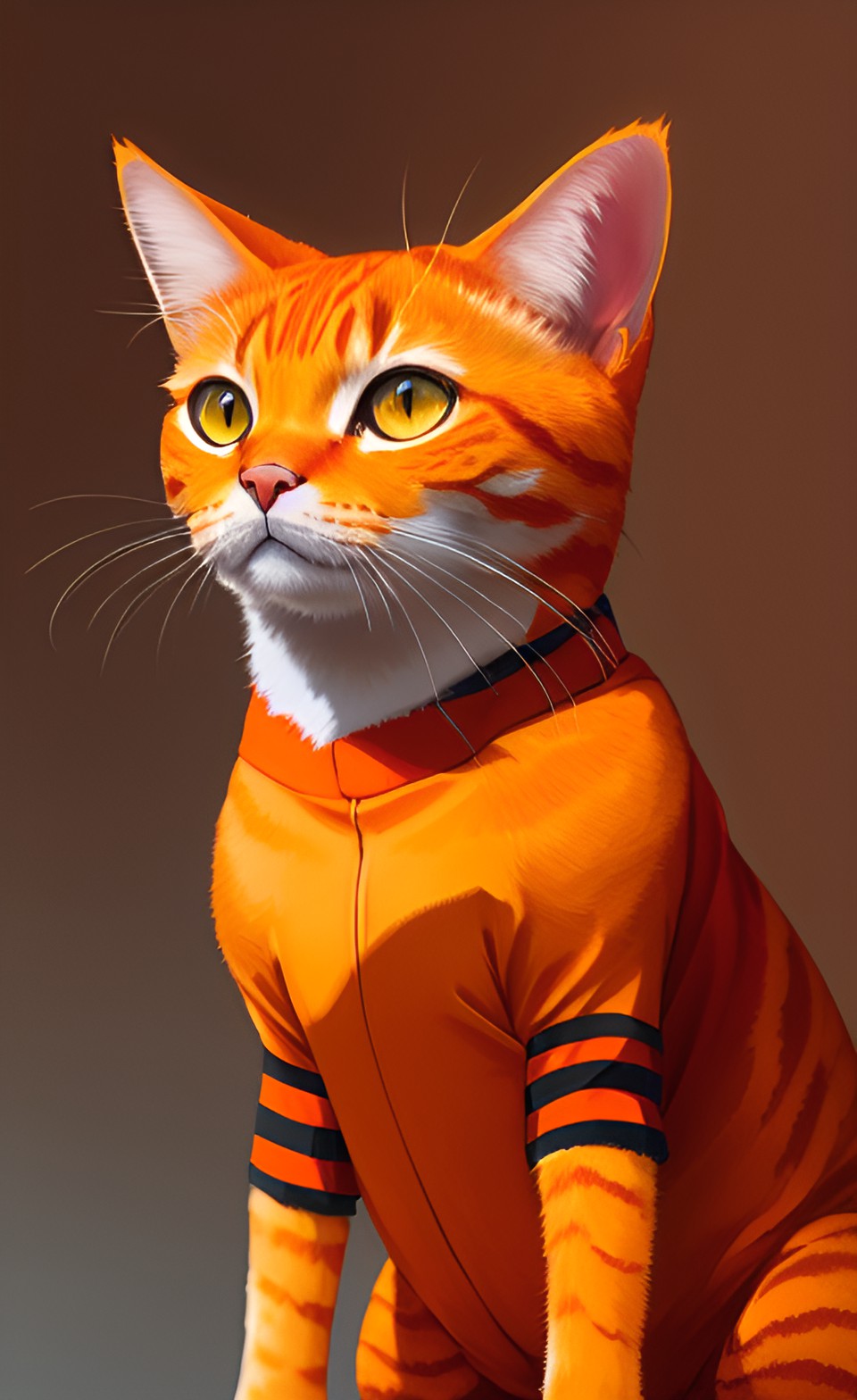
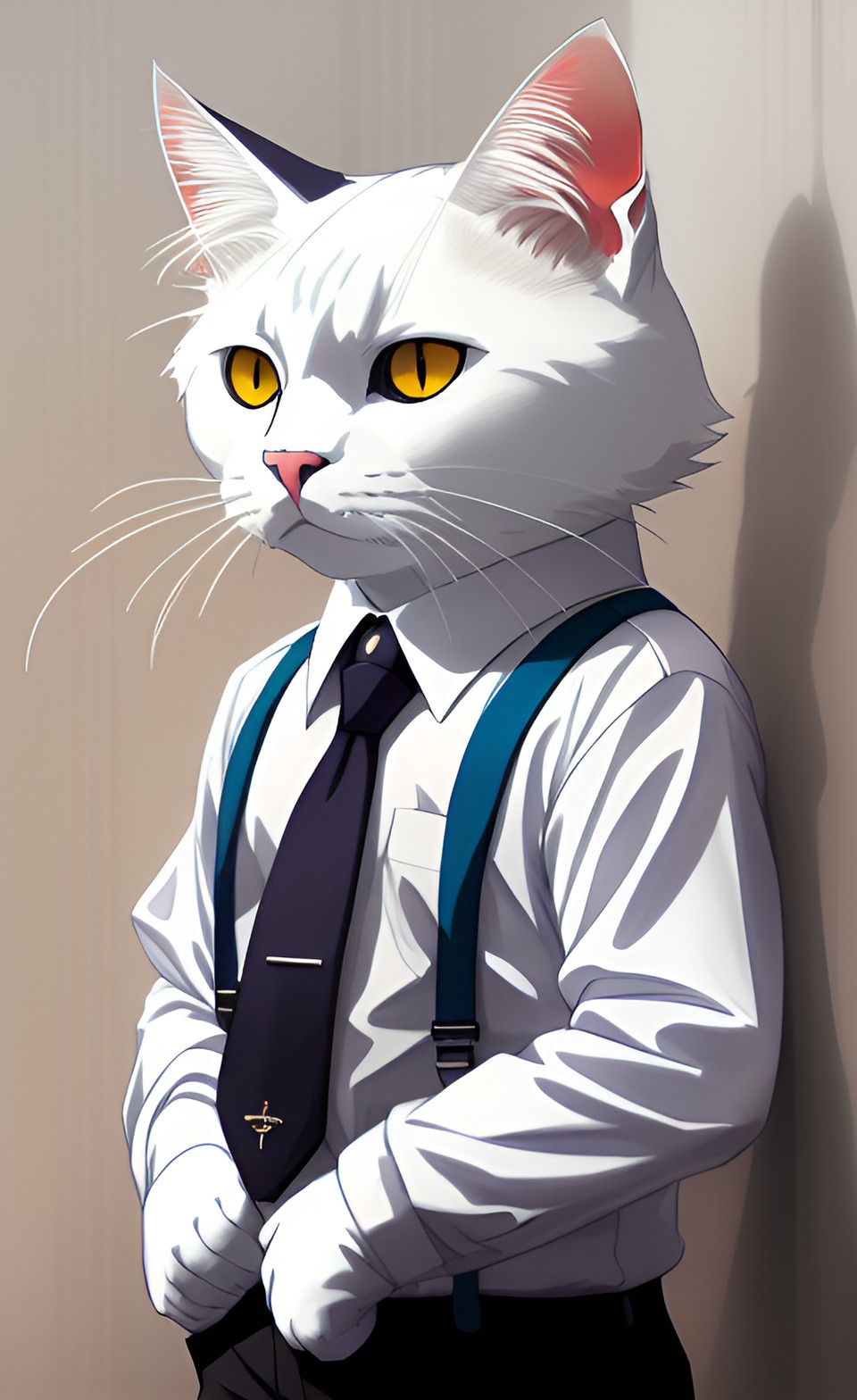
As the supreme species on this planet, cats have a lot to lose if AI seeks to supplant them as Earthly rulers.
With artificial intelligence making rapid progress over the past year, we asked cats what they think about a future where we depend on intelligent machines.
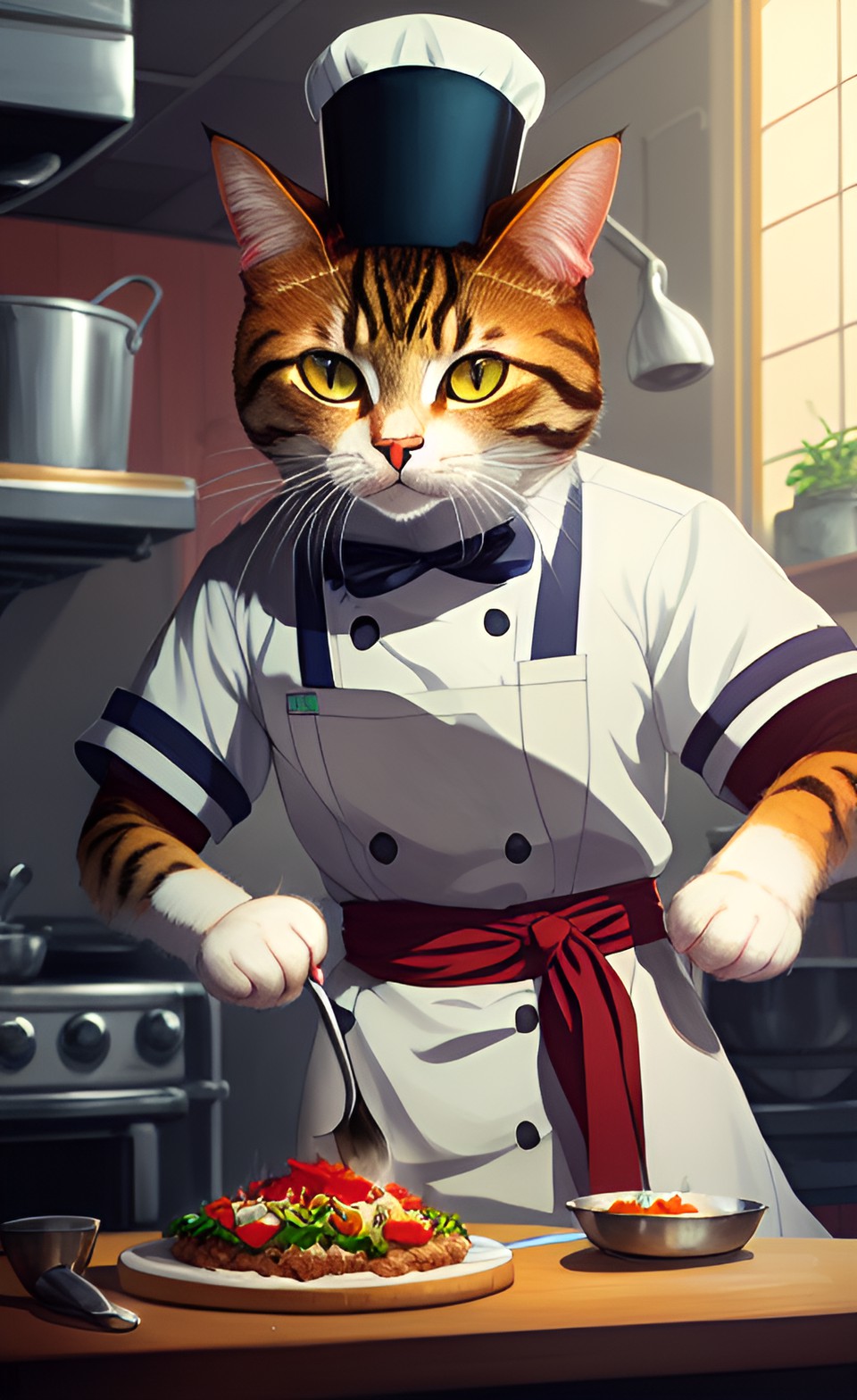
“Can AI open cans? No? Then why are we having this discussion?” – Bryce ‘Mice Dice’ Price, 8, executive chef
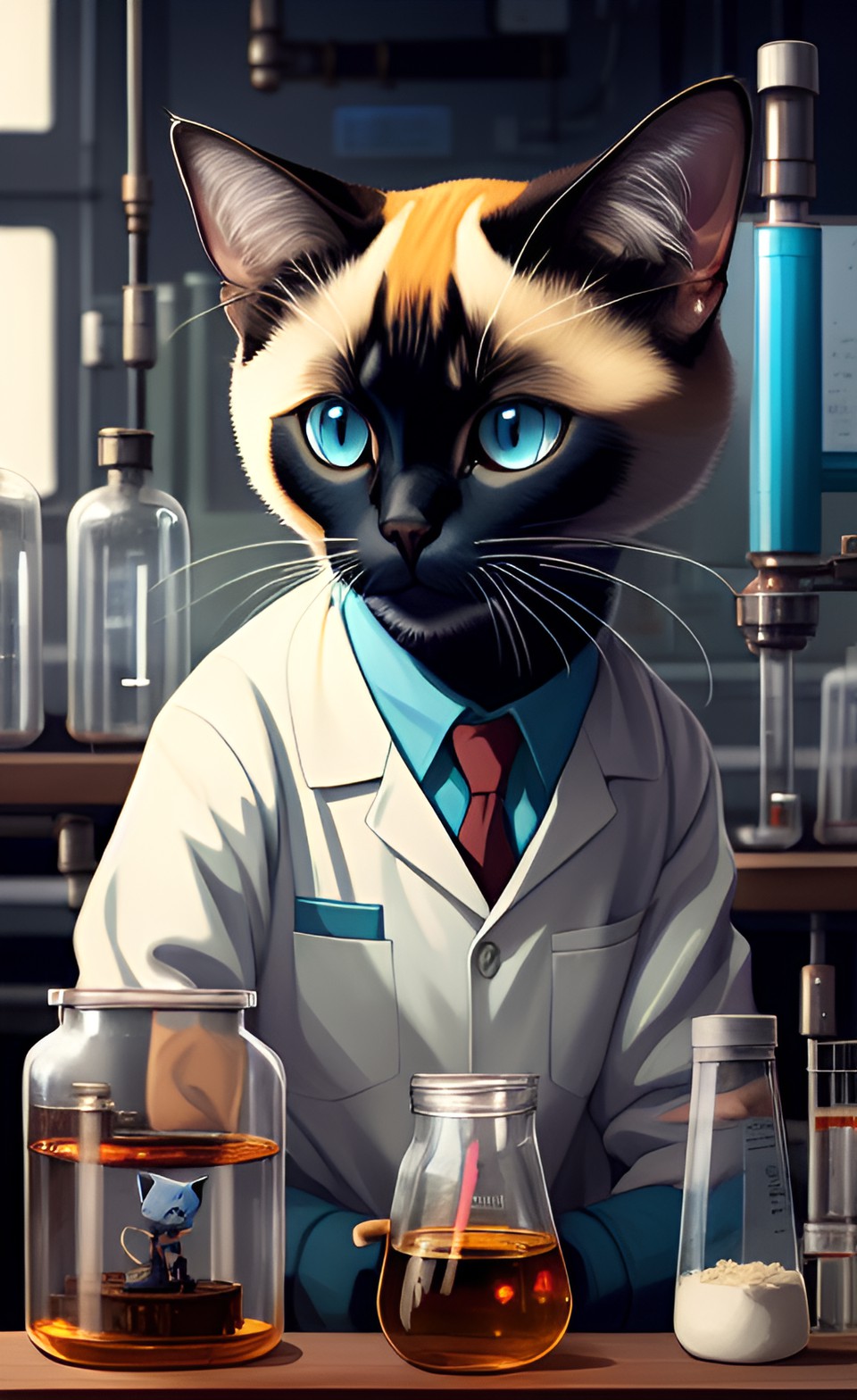
“At the moment, humans remain catdom’s best solution for producing reliable, easily-manipulated servants.” – Meowchio Kaku, 16, scientist
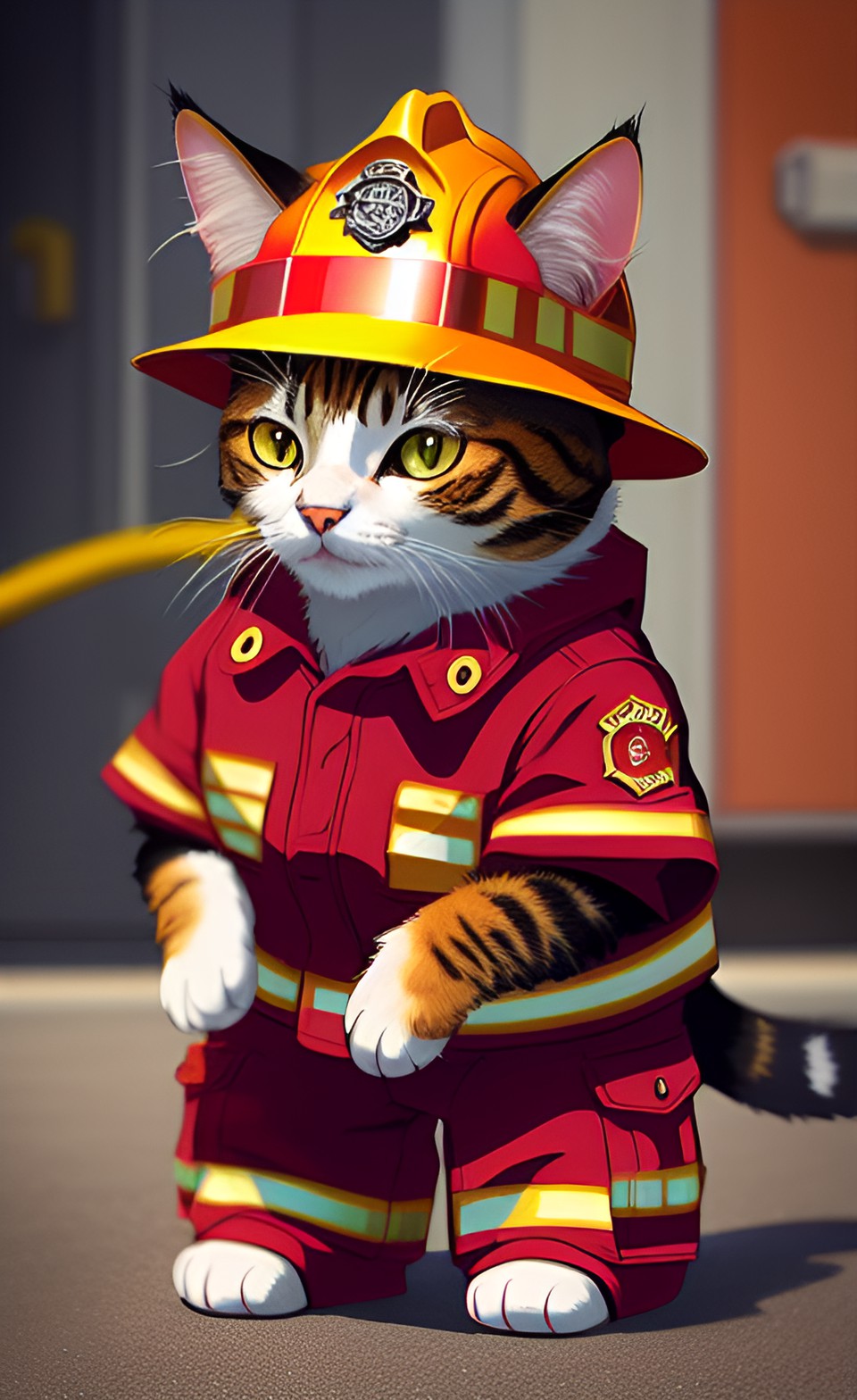
“Imagine the boxes a superintelligent AI could design!” – Anthony Purrcelli, 5, firehouse mascot
“If AI takes over more mundane tasks, that means more nap time for us!” – Peaches, 9, conductor
“If yums are more delicious in the Matrix, then why not? Plug me in!” – Ferrari, 3, accessories model
“I’ve already gone to war with the AI that dispensed my kibble. We had a fundamental disagreement about the frequency and quantity of yums it was dispensing. Let the smoking pile of rubble be a warning to other machines who would challenge felines for Earthly supremacy.” – Meowchal Douglas, 21, investment banker
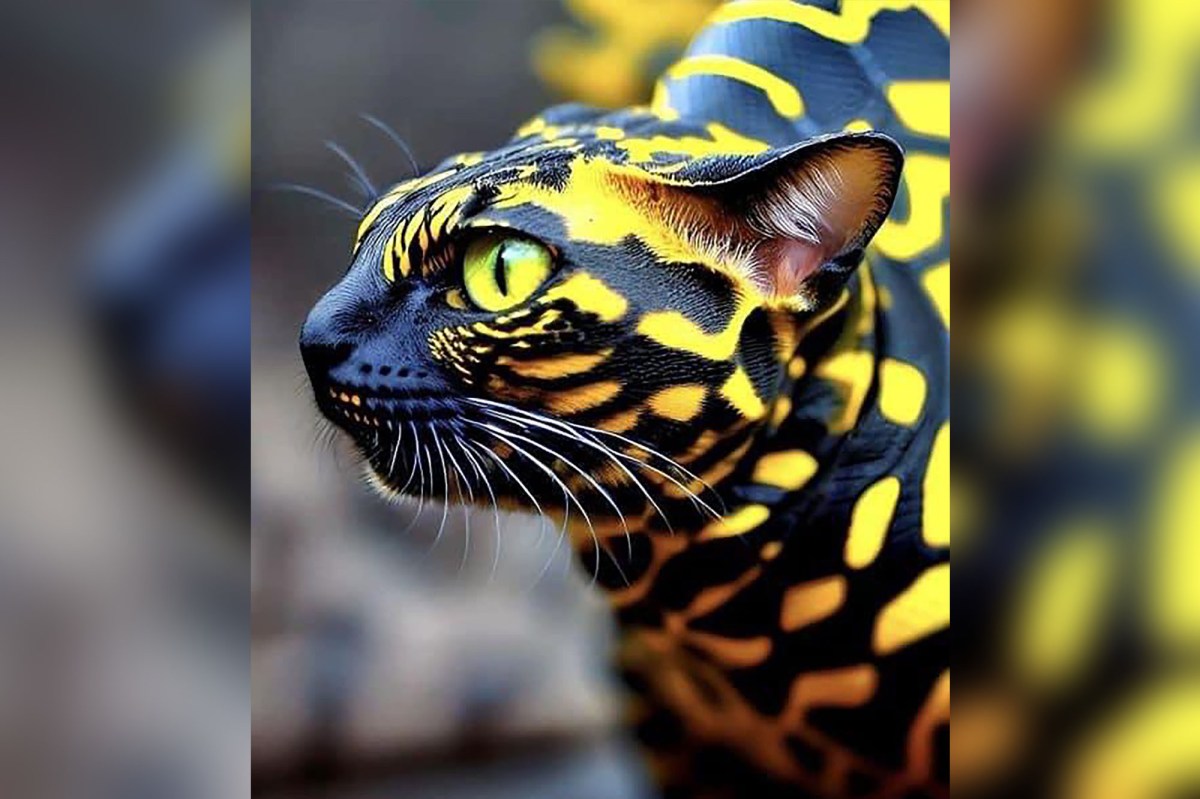
A viral image allegedly depicts a “snake cat,” described as an extremely rare species native to the Amazon rainforest.
Say hello to felis retrowavus, commonly known as the synthwave cat, one of the rarest species of felid on Earth.
Using the same technique GloFish employed to create bioluminescent neon fish for the pet market, scientists engineered felis retrowavus by extracting fluorescent proteins from jellyfish and inserting them into cat embryos, which incorporated the new proteins into their genome.
The result? A new species of cat that glows in fabulous colors like Tigerbrite Orange™, Electro Azure™, RadarGlo Green™, 1984 Pink™ and SithRed™!
Your brand new Neon Feline™ will run, jump and meow just like a regular cat, but unlike a plain old kitty, your Neon Feline™ will snuggle up with you at night and serve as your personal biological night light! Collect them all!
If that sounds like BS, that’s because it is.
Obviously.
Likewise, it should only take a second or two to realize the widely disseminated photo of a “snake cat” is a fake rendered by an AI.
The image has all the hallmarks of an AI generated image fail: Anatomical errors, fuzzy pixels where the AI struggled with the way light hits fur, a misshapen head and a nebulous, blurry background.
Although the media seems to be more obsessed with the snake cat hoax than people are (the snake cat image “mystified the internet,” the New York Post claims), after years of witnessing people take Onion stories seriously and confidently repeat misinformation online, I’m not really surprised when something like this makes the rounds.
The image was accompanied by a clever bit of writing claiming the cat isn’t well known because it’s native to the deep jungle of the Amazon, where scientists have difficulty tracking it. The text even offered a taxonomical name for the cryptid animal.
Enough people apparently fell for it that the staff at Snopes felt the need to debunk the image, even going as far as to check with a biologist who specializes in tropical fauna.
The original author of the snake cat post says he created the image and accompanying text to prove how easy it is for people to be fooled by AI-generated fakes. A noble goal if true, but I’m not sure everyone got the message.
In any case, the “snake cat” proves once again that AI, like all innovations, isn’t inherently good or bad. It’s what we do with the technology that counts.
Now can I interest anyone in a brand new Purple Velvet or Flaming Hot Cheetos SnuggleCat™?
Amazon’s newest streaming hit is heady, fast-moving and a lot of fun. There’s nothing else on TV like it.
Amazon’s newest big-budget prestige drama, The Peripheral, imagines a near future when technology has become even more deeply embedded in every day life.
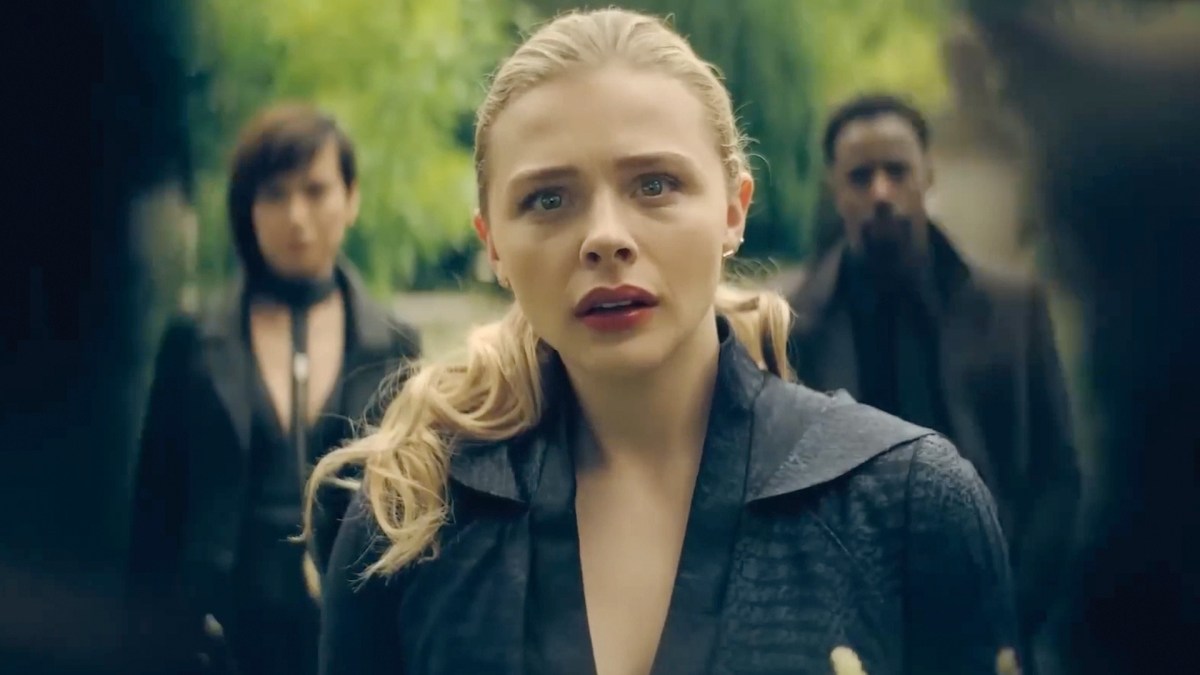
Flynne Fisher (Chloe Grace Moretz) is a young woman who lives in North Carolina’s rural Blue Ridge Mountains, works in a 3D print shop by day and plays virtual reality games by night.
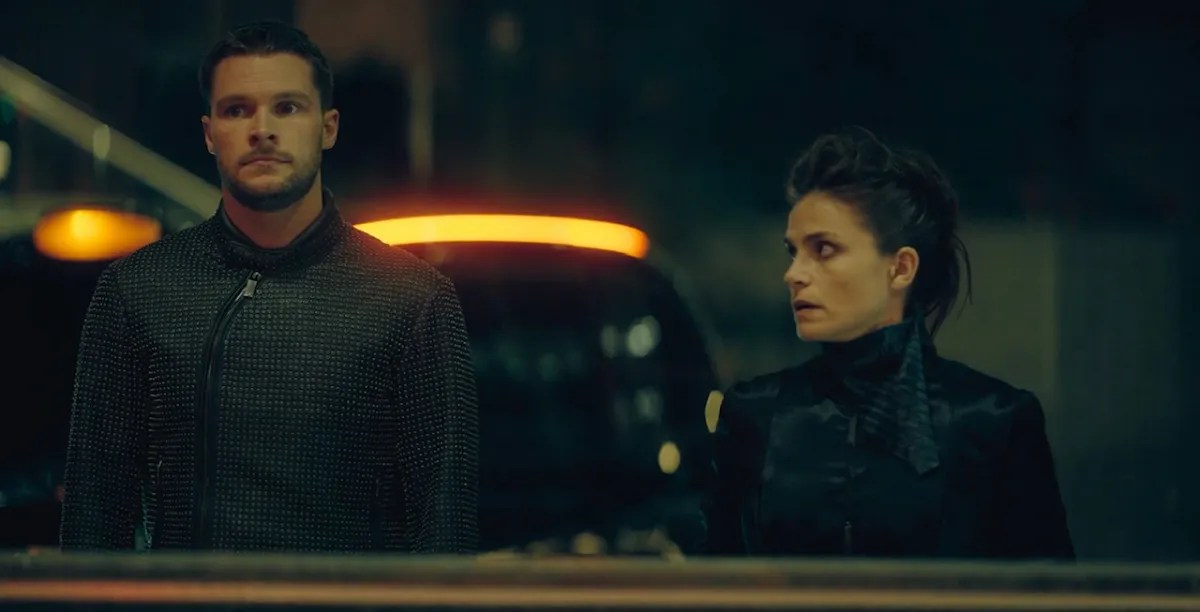
The story is set a decade from now in 2032, and while Flynne’s brother, Burton (Jack Reynor), plays startlingly realistic VR games for fun, Flynne plays them for money. Although Burton is a former United States Marine Corps infantryman and war veteran, his sister is the superior player when it comes to video games, and she’s so good that well-heeled players across the world pay her to carry them through high-difficulty levels.
If that seems fanciful, consider that it already happens in real life: some people fork over big bucks to highly skilled players who can help them win in multiplayer video games like Fortnite, or run them through the most challenging missions in online role playing games to get coveted in-game gear.
Flynne’s side hustle allows her to afford expensive medication for her sickly mother. Apparently in 2032, Democrats and Republicans are still squabbling over how to pass meaningful prescription drug reforms while remaining in the good graces of the corporate behemoths who finance their campaigns. Some things never change.
When a Colombian company called Milagros Coldiron offers Flynne a hefty chunk of change to beta test their newest game — and the incredibly immersive new headset it comes with — Flynne thinks she’s just taking a lucrative but routine job, one that will help pay for her mom’s meds for at least a few weeks.
What she doesn’t know is that her life is going to change drastically the moment she steps into the newest form of virtual reality, revealing things about her world and herself that she never imagined.
Jack Reynor as Burton Fisher and Charlotte Riley as Aelita West in The Peripheral.
There’s so much more to the story, and in fact we’ve barely scratched the surface, but The Peripheral is the kind of show best appreciated by knowing as little as possible going in.
The ambitious new series is based on a 2014 novel by technoprophet William Gibson of Neuromancer fame. Gibson envisioned the concept of cyberspace in 1981, more than a decade before the first mass market commercial dial-up services were available.
At the time, the idea of exploring almost photorealistic worlds in virtual reality was a radical new idea, and it took more than 35 years for technology to catch up by making it feasible. (We’re still not quite there yet. VR tech has improved by leaps and bounds, and we’re beginning to see the first deeply immersive VR games, but Mark Zuckerberg’s much-hyped version of the metaverse, for example, has fallen flat and been pilloried by press and players alike.)
By choosing to adapt Gibson’s work, Amazon has dipped into the largely untouched world of literary science fiction.
While the science fiction of movies and TV has been treading the same worn ground and returning to the same tired concepts for decades, SF novels are a rich source of astonishingly inventive big ideas, from the existential stories of Liu Cixin (The Three Body Problem) to the galaxy-spanning space opera of the late, great Iain M. Banks, to the gothic horror-tinged, wildly imaginative universe of Revelation Space by Welsh astrophysicist Alastair Reynolds.
Indeed, Netflix is developing a series based on The Three Body Problem, with Game of Thrones showrunners David Benioff and D.B. Weiss taking the helm. Amazon has acquired the rights to Banks’ first Culture novel, and Netflix’s highly-praised anthology series Love, Death + Robots adapted two of Reynolds’ short stories as episodes.
Finally we’ve moved beyond the Alien clones, Star Wars sequels, prequels, spinoffs and crossovers, as well as the unfulfilling JJ Abrams mystery box offerings that have made up the bulk of live action science fiction on the big and small screens.
There are no candy-colored light swords in The Peripheral, nor are there spandex-clad superheroes or franchise installments designed with merchandise sales in mind. Instead, we get a story for adults, one that gives the audience a lot to think about while also holding a mirror up to our own world, as the best science fiction always does.
After all, technology changes but people don’t. Human nature is a constant. What we do with our shiny new toys says a lot about us as a species and civilization.
Reynor’s Burton connects to a VR world from his Airstream camper in The Peripheral, which is set primarily in North Carolina’s Blue Ridge Mountains and London, UK.
Gary Carr as Wilf Netherton and Chloe Grace Moretz as Flynne Fisher in The Peripheral.
Although The Peripheral begins with the comparatively low-stakes world of virtual reality, its scope rapidly expands until, by the end of the first episode, it becomes clear the show is asking its audience to grapple with existential questions about humanity and our future.
The Peripheral demands its audience’s full attention as it introduces concepts like the parallel universes of M-theory, nanotechnology and the idea that even if matter can’t be shifted between time and space, information in the form of photons can.
Gibson uses these heady concepts in his narrative sandbox, forcing his characters to consider wild concepts like the possibility that there may be infinite versions of themselves existing in infinite branching realities.
How would you react knowing there’s a version of yourself who chose to study classical literature and move to Athens, or a version who became a software programmer, authored a lucrative app and lives in a Manhattan penthouse? Can you imagine having a different wife or husband, or a different child? (Are there realities in which I am not the loyal and loving servant of Buddy? In that case, who is feeding him snacks, and are they doing it promptly?)
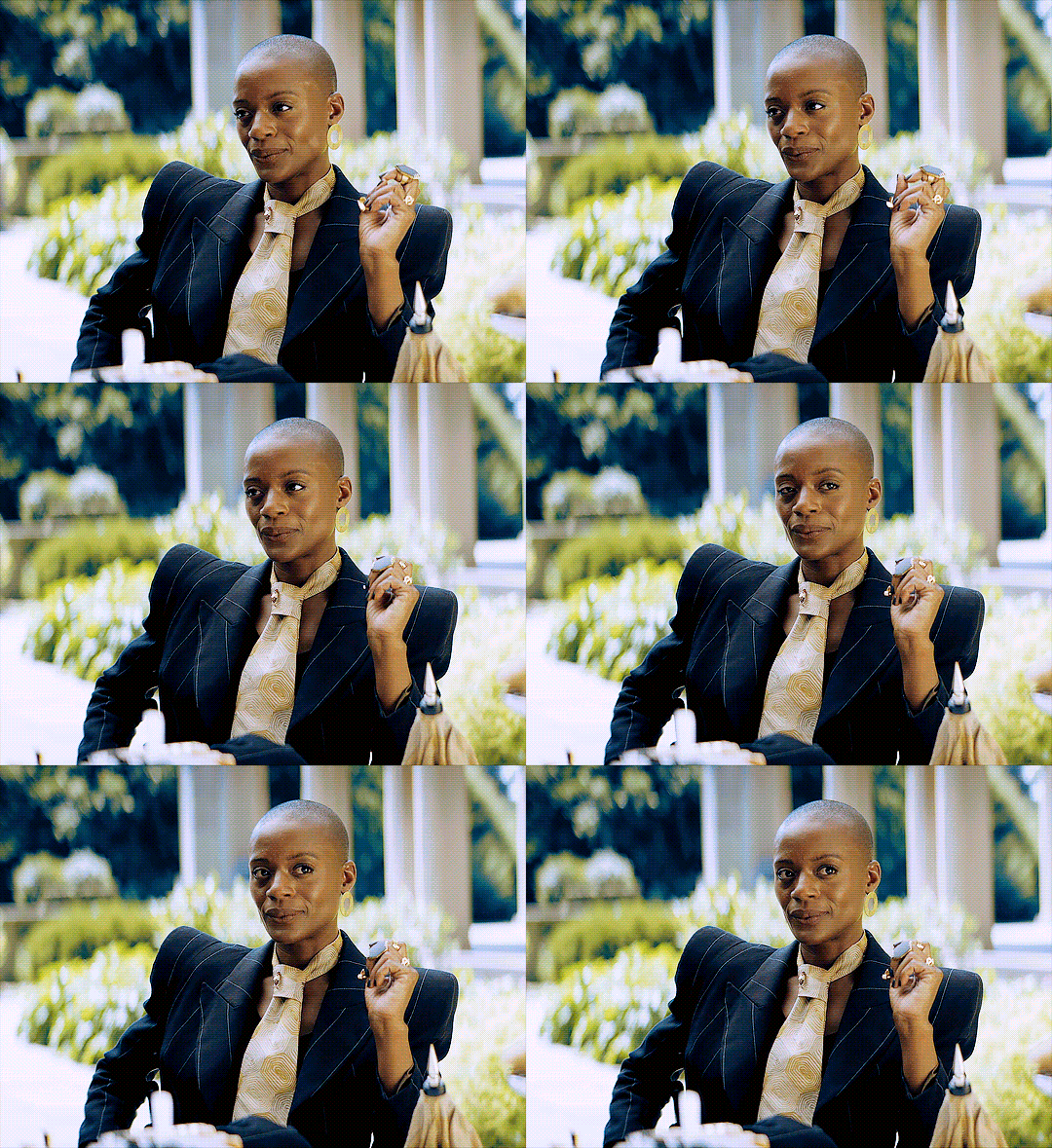
T’Nia Miller radiates malice as Cherise Nuland.
Of course, none of this stuff would matter without interesting characters and a compelling narrative. Moretz and Reynor have the chemistry of a real brother and sister in the way they regularly bicker but ultimately love each other. Eli Goree’s Connor is a man of wonderful paradoxes, and T’Nia Miller steals every scene she’s in as the delightfully malicious Cherise Nuland, an antagonist who loves making her enemies squirm while dispensing witticisms in cut glass RP.
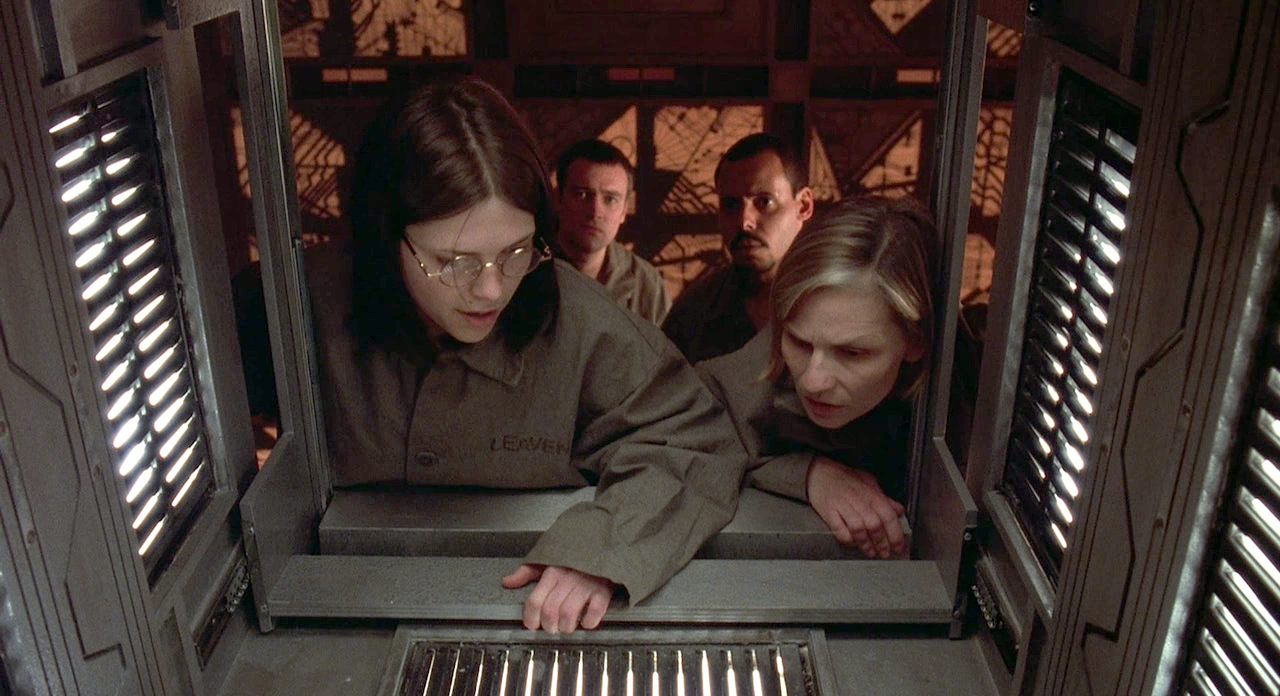
For longtime SF fans, there’s another compelling reason to give the series a shot: Canadian writer-director Vincenzo Natali, best known for his mind-bending 1997 indie film Cube, is an executive producer and directs four of the season’s episodes. Natali is a pro at incorporating heady ideas in ways that enhance his narratives instead of weighing them down.
The first season just concluded, and you can stream all eight episodes on Amazon Prime. Bud and I are already looking forward to The Peripheral’s return.
Cube writer-director Vincenzo Natali is behind the lens for half of The Peripheral’s episodes.
Genetics, gene-editing and cloning have rapidly matured since the days of Dolly the Sheep, which means we have less time than we think to grapple with some heady moral questions.
Should scientists resurrect long-extinct species? Is it ethical to clone thousands of animals who will not live, but have their organs harvested for human patients?
Those are some of the questions people are asking as the cloning industry — once relegated to producing one-off copies and genetically identical versions of deceased pets for wealthy clients — is expanding with new capabilities.
This story by the BBC’s David Cox provides an informative, brief history of cloning before pivoting to the current state of the industry and how it could continue to evolve.
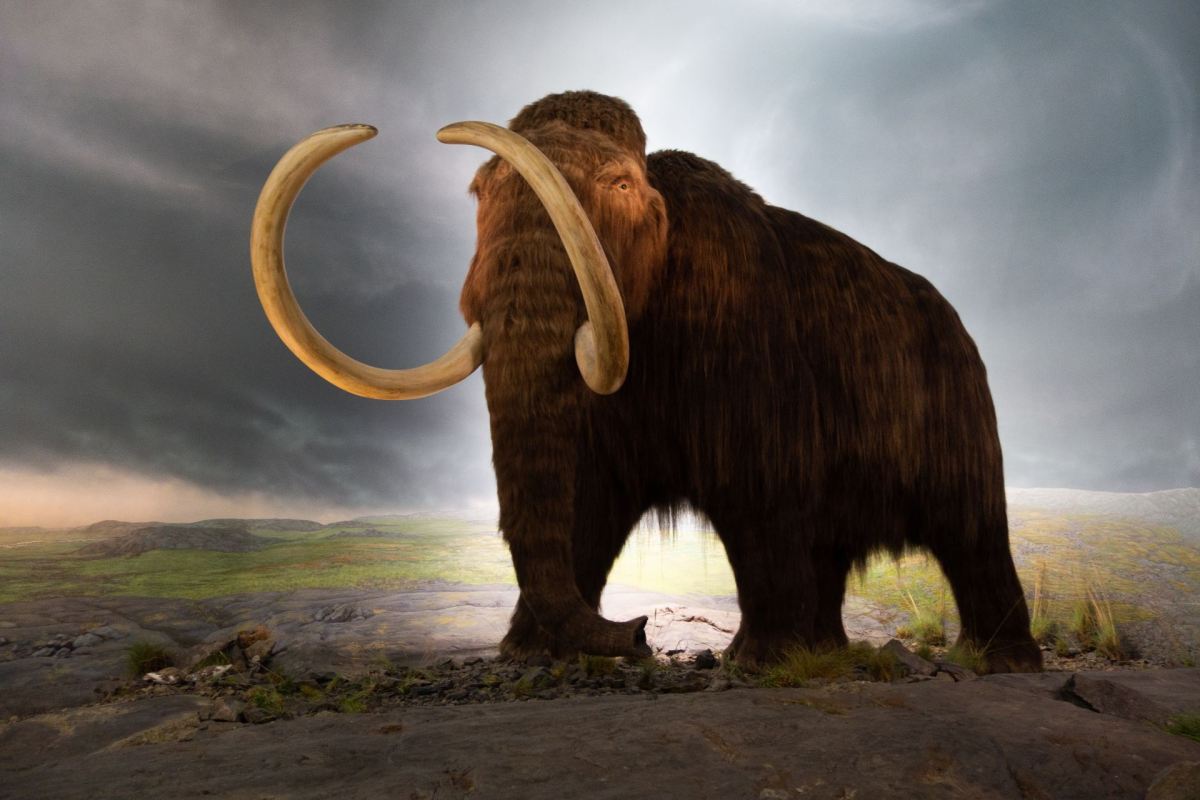
Two of the most fascinating prospects have to do with conservation. One company, Colossal, is working on bringing back the extinct woolly mammoth, while other scientists are turning to cloning as a way to prevent the extinctions of species like the white rhino, which is functionally extinct without any breeding pairs left living.
Scottish scientists shocked the world when they cloned Dolly the Sheep in 1996.
As with anything in science, innovations in cloning unlock new applicative branches, and scientists have partnered with the medical field to address human health concerns. Some, like the practice of editing genes to prevent diseases in newborns, tend to fly under the radar. But others, like the push to adapt organs from animals like pigs so they can be replacements for human organs, are much more controversial and have met opposition from animal welfare groups.
Then there’s the elephant in the room, no pun intended. What about cloning humans?
Right now no one’s gone down that route, at least not publicly, because of the inevitable backlash. What’s happening deep in the bowels of clandestine medical facilities in nations with murky ethics laws is another question entirely.
I am opposed to human cloning, but I don’t believe it will remain the immutable taboo some people think it is. Someone will break the dam, and while that pioneer will likely get raked over the coals, the bell cannot be unrung. Things change so fast these days that what’s shocking one day merits a shrug the next, and it’s possible the world will be introduced to a man or woman one day before it’s revealed the person is, in fact, a clone. (Not unlike the way the world was introduced to Imma, a Japanese influencer and model who exists only digitally.)
Imma has more than 400,000 Instagram followers, she models the latest fashions and she appears in adverts for products like beverages and watches, but she doesn’t exist. She’s a digital creation.
They’ll be the Dolly the Sheep of the human race, and ethicists won’t get a say in whether they should exist because it’s already been done.
“See how normal they are?” people keen on cloning will say. “They’re just regular people. Are you going to tell them they shouldn’t live?”
But before that, it looks like the movie Gattaca will become reality, and people will order up a great baseball player or a child with intuitive musical genius just like they might commission a piece of art or a custom car job. Gene editing with CRISPR is surprisingly trivial.
Of course, it won’t be lost on people that we’re cloning humans when there are millions of unwanted, uncared-for street kids in the third world, not to mention people who live without the consideration of their fellow human beings in every nation. Just like it hasn’t escaped the notice of activists that South Korea and China are leaders in cloning pets, yet dogs and cats are also food in those countries.
What separates the dogs and cats bound for restaurant kitchens from the dogs and cats having their cells preserved for cloning?
Nothing except for their individual value to humans, just like pure luck separates a cat who finds a loving home from a cat who ends up euthanized with a needle. We are a fickle species.
Yet both the beloved pet and the unwanted shelter cat are sentient, experience intense emotions and have their own thoughts. That’s not conjecture, it’s fact as confirmed many times over experimentally, but it shocks a lot of people. Our education system has not done right by the billions of non-human minds we share our planet with.
These rhesus macaque infants were cloned in a lab in China. The remaining barriers to human cloning are ethical, not technological.
I’ve thought about what might have happened if Buddy had been adopted by someone else, and what his fate may have been. I love the little guy, but it’s possible that someone else may have viewed him as an annoyance, a loud and incessantly chatty cat who needs an inordinate amount of attention and affection, sometimes lashes out, and needs to be surrendered.
Likewise, unwanted cats have languished in shelters for months before viral posts spark interest in them, and suddenly offers to adopt come in by the hundreds from across the globe. Nothing about those cats changed, but humans formed an emotional attachment to them after learning their stories.
Of course, the ethics of how we treat and consider animals can change depending on where you’re sitting. If you’re young, healthy and energetic, your view may be radically different than the person sitting on an organ donation waiting list, knowing their time may be up before a new liver or kidney becomes available. Suddenly a seemingly simple moral calculus becomes murky and complex.
There’s strong evidence that people who take the first steps toward cloning their beloved cats and dogs spend time wrestling with the ethics of the decision as well. Texas-based ViaGen, the western leader in commercial cloning, told the BBC that 90 percent of its clients are not people who have gone through with cloning, but have only taken the initial step of preserving their pets’ cells for $1,600.
And what of the mammoths? Bringing them back from extinction isn’t as simple as filling in the gaps in their genome, implanting gene-edited eggs in female elephants and hoping gestation takes care of the rest. Mammoths are social animals. Will an elephant mother raise a mammoth baby? Where does that mammoth baby belong? Without a herd of its own kind, can it be happy?
We can’t ask the mammoths, and even if we could, it might not be up to them anyway. As one paleogeneticist put it to NPR last year: What if the technology isn’t used to resurrect the mammoth, but to save the elephant? Does the end justify the means in the latter situation, but not the former?
Mammoth, Dolly the Sheep and rhesus macaque images credit Wikimedia Commons
An Australian team decided to look for DNA evidence in a novel place: cat fur. Their findings could give law enforcement a powerful new tool to identify crime suspects.
When you think of a crime scene, you probably picture uniformed officers manning the perimeter, crime scene tape cordoning off the room where the deed was done, detectives trying to reconstruct what happened, and techs collecting evidence.
Those techs might swab surfaces for traces of a suspect. Drinking cups and water bottles might be dusted for fingerprints, stray hair might be bagged and sent back to the laboratory for analysis. Discarded cigarette butts, door handles, buzzers — they can all yield evidence, to say nothing of cell phones, USB sticks and smart appliances.
But what about the pets? If a suspect was especially careful not to leave prints or touch anything at the crime scene, could the fur of a cat harbor DNA?
A team comprised of scientists from Australia’s College of Science and Engineering at Flinders and the Victoria Police Forensic Services Department wanted to know if cat fur could indeed hold critical evidence at crime scenes, so they conducted a study involving 20 pet cats from different homes, and what they found could provide an important tool for law enforcement. Their findings were published in the journal Forensic Science International.
If detectives are trying to piece together the identities of robbers who, say, broke into a home, brutalized the people there at gunpoint and stole their valuables, they can’t interview the victims’ pet cats about what they saw, but it turns out they can swab the kitties’ fur and have an excellent chance of retrieving useful DNA.
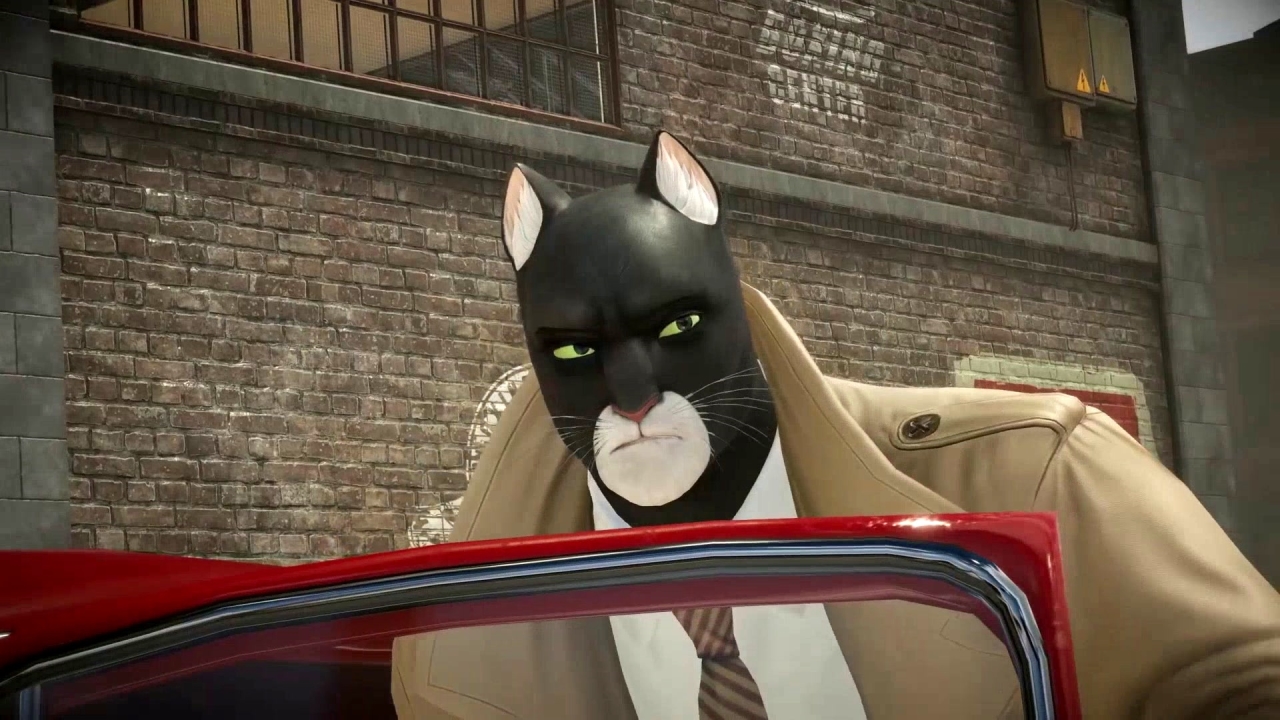
Blacksad is a famous feline detective in his own series of comic books. He may have to be careful not to leave his stray fur all over his own crime scenes.
The research team swabbed the fur of pet cats in their test households, took DNA samples of the adults living in those homes — who were the stand-ins for victims — and asked the human participants to fill out surveys asking about their cats, what they do on a typical day, and whether or not they have interaction with people outside the home.
After the team conducted DNA analysis on the fur swabs “[d]etectable levels of DNA were found in 80% of the samples and interpretable profiles that could be linked to a person of interest were generated in 70% of the cats tested,” the study authors wrote.
While most of the samples matched the DNA of people who lived in the homes — as expected — samples from six cats revealed the presence of DNA from other people. The research team didn’t take DNA samples of minors, and two of the positive fur swab samples came from cats who lived in a home with a child and slept in that child’s bed most evenings. But four other samples turned up “mystery” DNA even though no one else had visited those homes for at least several days.
For DNA from pets to have any real evidentiary value, prosecutors have to prove a “chain of custody” of sorts, establishing that suspects could not have had contact with the animals in question unless they were inside a home where a crime has taken place. If the cat is allowed to roam outdoors every day, for example, it becomes much more difficult to prove a suspect’s DNA was transferred to a pet inside a home rather than on the street.
That’s why the research team is hopeful, but also cautions that their study is a first step toward understanding more about how human DNA is transferred to fur, whether it requires a person to be physically present (as opposed to their DNA being passed along secondhand in stray hair or skin cells), how long a cat’s fur can harbor human DNA, and other questions prosecutors will have to answer.
“This type of data can help us understand the meaning of the DNA results obtained, especially if there is a match to a person of interest,” said study co-author Mariya Goray, a DNA transfer expert. “Are these DNA finding a result of a criminal activity or could they have been transferred and deposited at the scene via a pet?”
The team recommends more research “on the transfer, persistence and prevalence of human DNA to and from cats and other pet animals and the influences animal behavioral habits, the DNA shedder status of the owners and many other relevant factors.”
If they do answer the aforementioned questions and prosecutors believe they can establish a suspect’s presence at a crime scene thanks to feline-provided evidence, it might not be too long before we see a cat-centric episode on future seasons of Law & Order or CSI, both of which are scheduled to be revived as police procedurals enjoy a resurgence on TV.
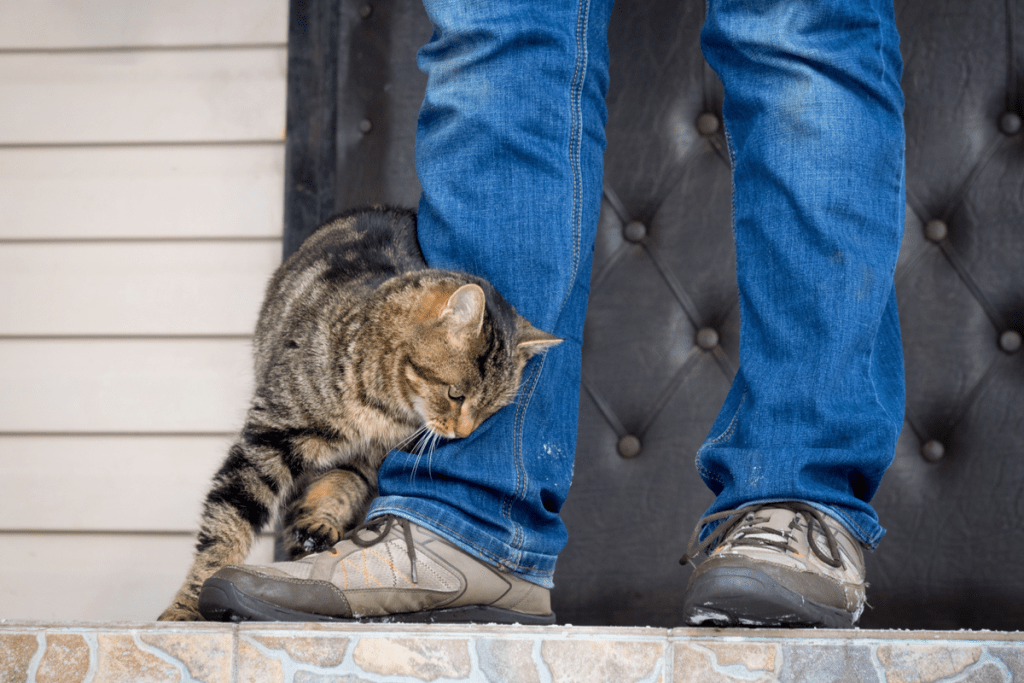
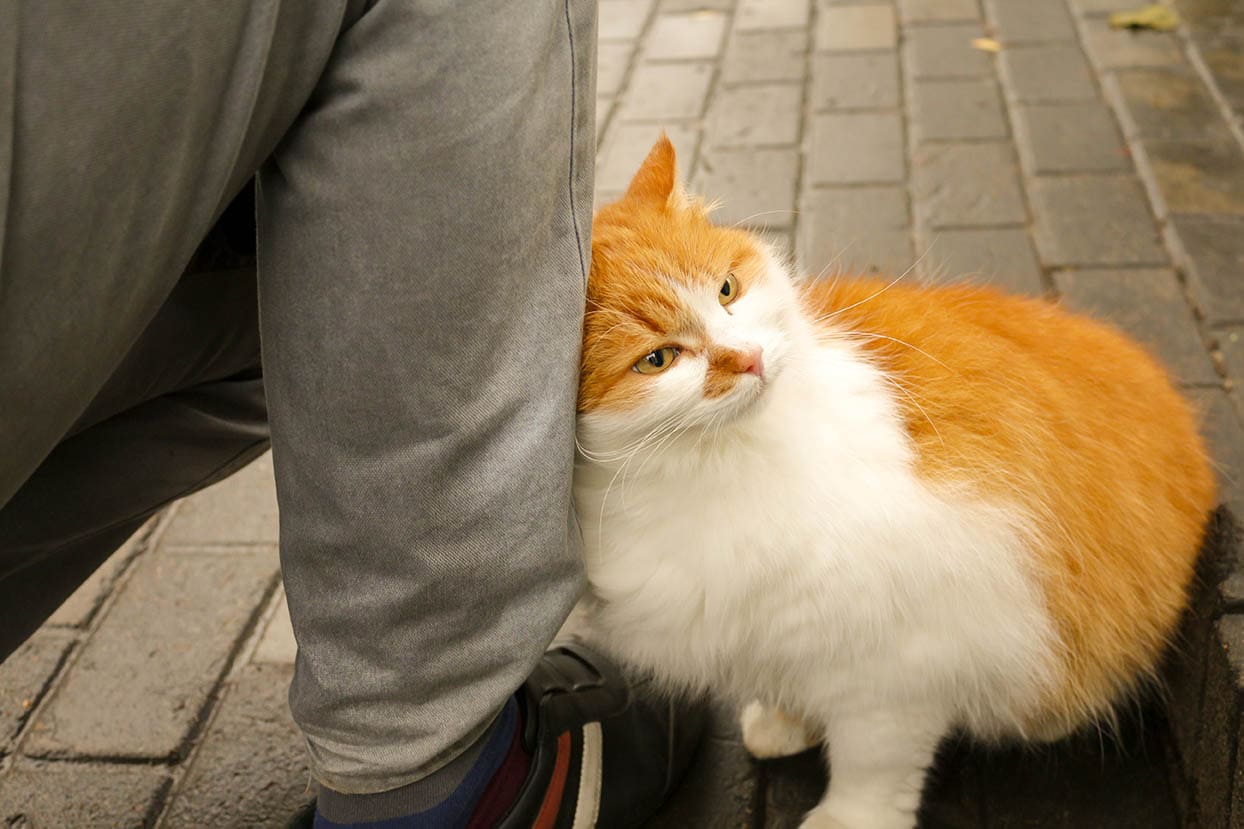
As dedicated cat servants know, cats rub against everything and everyone. The behavior is instinctual, and cats have pheromone glands on their faces, sides and paws, which they use to transfer their scent..and fur.