Ban On Big Cat Pets Heads To Biden’s Desk

The Big Cat Safety Act will put an end to the era of cub petting mills at roadside zoos and private “ownership” in states like Texas and Florida.

All that awaits is a stroke of President Joe Biden’s pen.

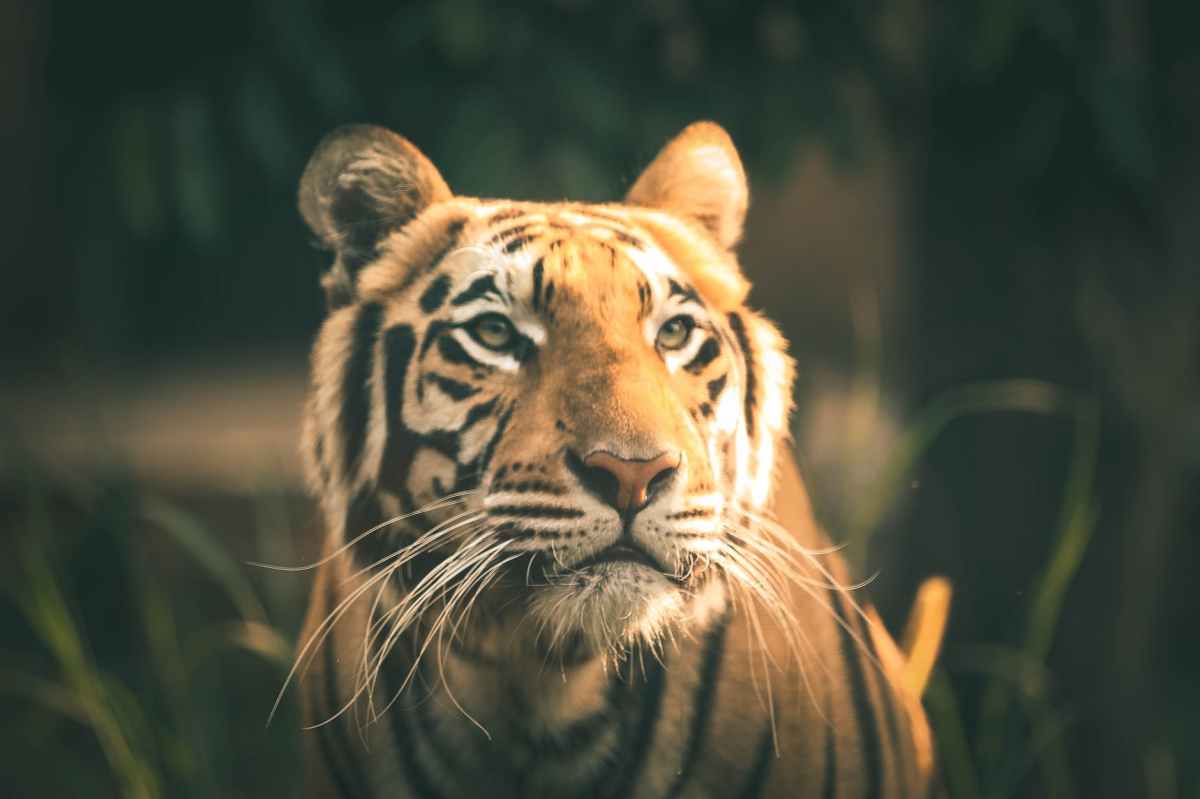
The Big Cat Safety Act was passed by the US Senate this week, clearing its last legislative hurdle. The law would ban the “ownership” of big cats as pets and would end their exploitation by roadside zoo operators, while also outlawing big cat breeding by private parties.

It’s a bipartisan effort that gained steam after years of efforts by animal rights organizations and documentaries like Netflix’s infamous Tiger King, which showed millions of viewers how the majestic felids are kept in cruel conditions and chained to an endless breeding treadmill to provide a constant supply of cubs. Those cubs are taken away from their mothers shortly after birth and used as props in lucrative “selfie with a tiger” offerings at unaccredited roadside zoos.

Private “ownership” of big cats has been a contentious issue and an embarrassment for American animal rights activists, particularly because almost all big cat species are critically endangered. There are more tigers living in backyards in Texas and Florida, for example, than there are living in the wild in the entire world.

Breeding for conservation is a process that involves careful planning by experts at accredited zoos and sanctuaries. Because there are so few big cats left, with some subspecies down to just a few hundred living animals, mates must be carefully chosen to avoid genetic bottlenecks and to ensure healthy and viable breeding populations in the future. As private breeders and roadside zoos breed the animals without regard to subspecies or genetic diversity, they do not contribute to species conservation in any meaningful way and can do harm with indiscriminate matches, conservationists say.
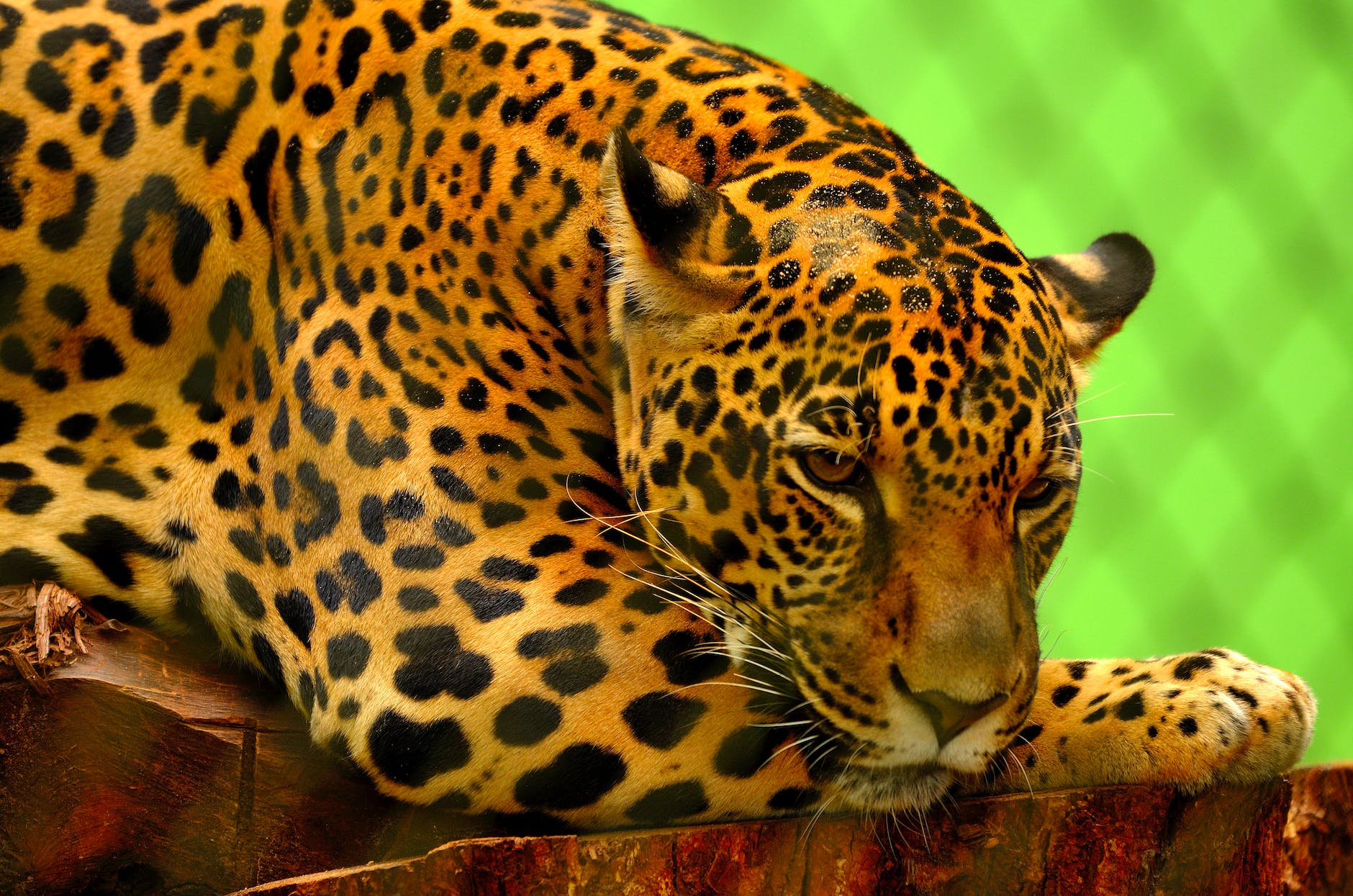
leopard on brown log
Credit: Pexels

While the bill outlaws private ownership, it still allows sanctuaries, zoos and universities to keep big cats in regulated facilities that meet their physical and psychological needs. It also permits programs like the statewide puma project in California, which has been tracking the elusive felines for more than two decades and involves occasional sedation and temporary custody so the team can provide veterinary care.

“An extraordinarily cruel era for big cats in the U.S. finally comes to an end with the passage of the Big Cat Public Safety Act,” said Kitty Block, president of the Humane Society of the United States. “We’ve been fighting for this moment for years because so many so-called ‘Tiger Kings’ have been breeding tigers and other big cats to use them for profit. And once the cubs grow too large for cub-petting or selfies, these poor animals get dumped at roadside zoos or passed into the pet trade, which is not only a terrible wrong for the animals, but also a threat to public safety. Now that the Big Cat Public Safety Act will become law, it’s the beginning of the end of the big cat crisis in the U.S.”

The Big Cat Safety Act cleared congress in mid summer, and its passage in the senate means it will get to Biden’s desk with several weeks to go in the current legislative session. Biden is expected to sign it without delay.

“For me, this fight for the big cats was never personal,” said Carole Baskin of Florida sanctuary Big Cat Rescue. “This was always about developing a national policy to shut down the trade in these animals as props in commercial cub handling operations and as pets in people’s backyards and basements.”

The new law does nothing for big cats currently in captivity, unfortunately. Current “owners” will be grandfathered in, although they won’t be able to replace their “pets” legally, as breeding and purchasing the animals will be illegal. The last “pet” members of the panthera genus in the US will die out within the next two or three decades, assuming no major outliers in lifespan.
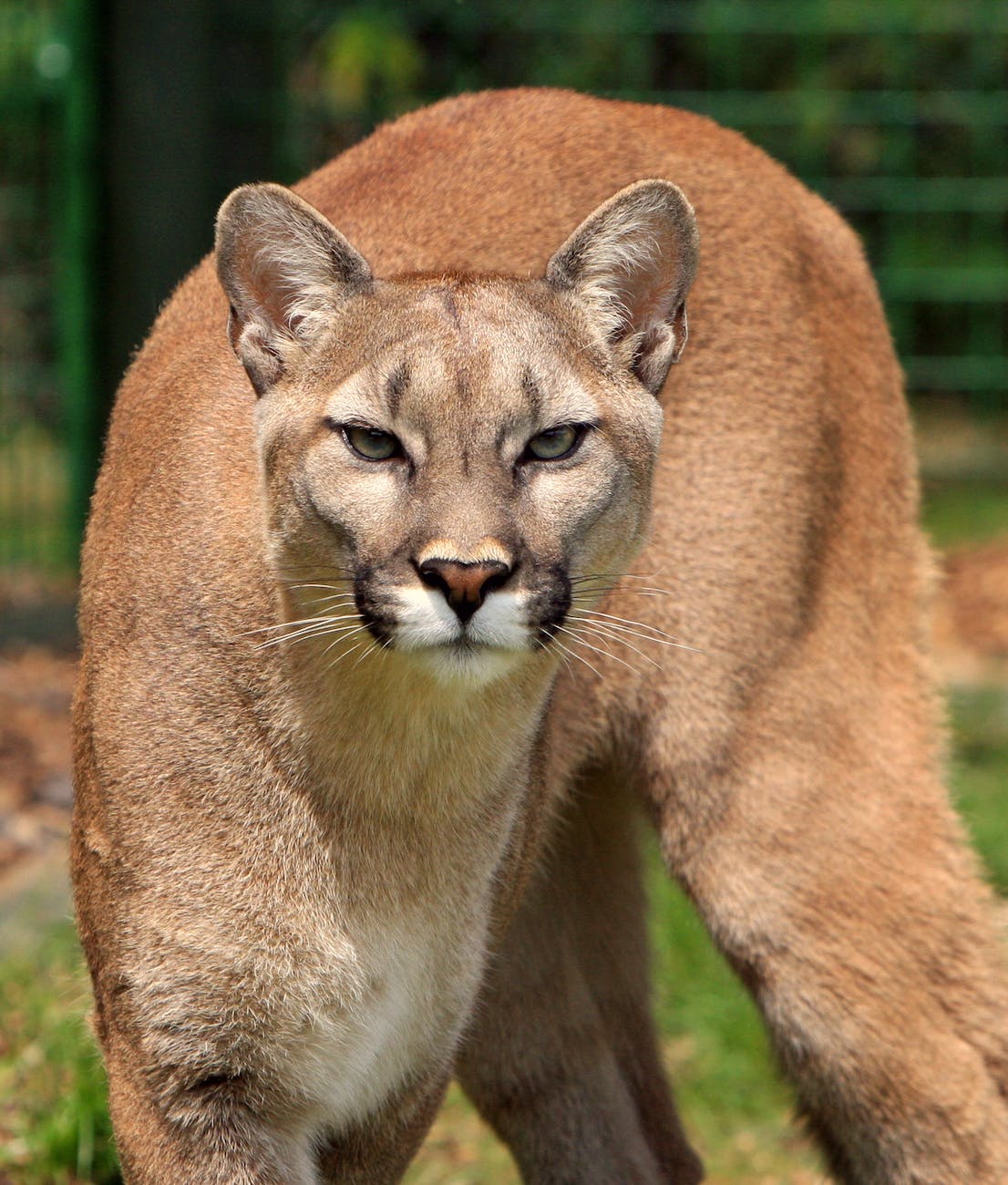
Puma
As felines who can purr but not roar, mountain lions are not technically “big cats,” but they’ll also be protected under the new law. Credit: Pixabay/Pexels

‘School With Paws’: Cats In Class Help Kids Readjust After Pandemic

The kids are so smitten, many of them come to the school on weekends to care for the cats.

When teacher Evrim Mutluay welcomed her students back to school after a long period of remote learning, she noticed they were different.

The kids, who hadn’t physically been to school for more than a year due to the pandemic, were “colder” and less engaged with their lessons and with each other. Many were either ambivalent or didn’t want to be there.

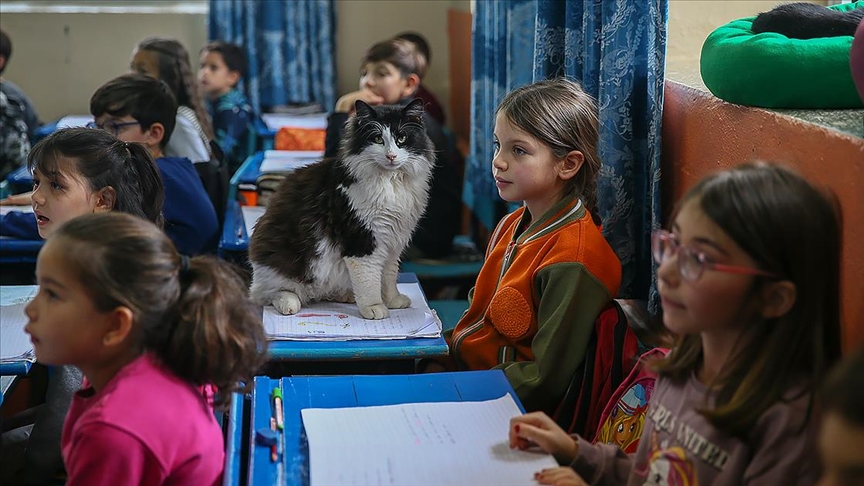
So Mutluay, who teaches at Adagüre Primary School in the rural outskirts of Turkey’s Izmir region, had an idea that might seem radical in most countries, but not in the famously feline-loving nation: She cleaned out an old storage building on school grounds and turned it into a shelter for 12 neighborhood cats.

It was the first step in her “Patili Okul” (“School With Paws”) project aimed at getting kids reinvested in their studies.

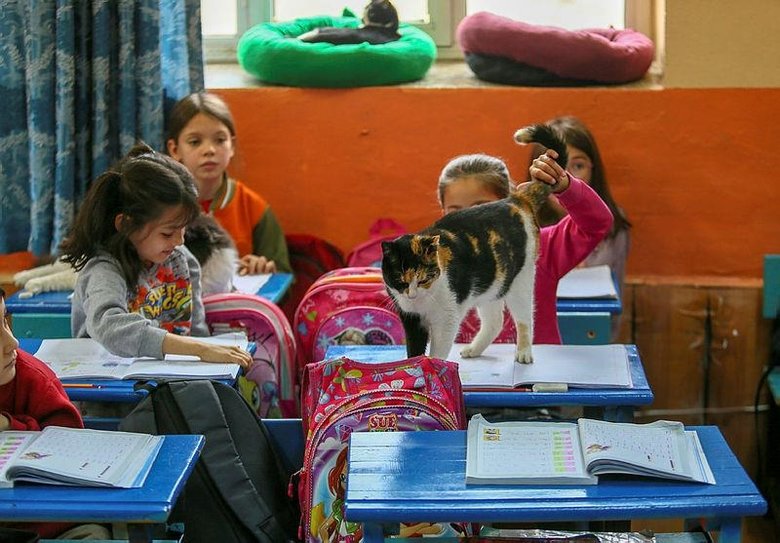
The cats — who have been given names like Alaca (“twilight”), Sun and Panther by the kids — have free run of the school during the day, and Mutluay’s elementary school-age students can not only pet and cuddle with them during class, they help take care of the former strays by cleaning their shelters and feeding them. The students “love the cats so much,” Mutluay said, and the program has “endeared the school to the children.”

School With Paws
A student cuddles a calico cat in class. Credit: Adagüre Primary School

The students have become so invested that many of them now show up on weekends voluntarily to feed and play with the cats.

“It also helps them to develop a sense of responsibility, by caring for others,” Mutluay told Turkey’s Anadolu Agency, a wire service similar to the Associated Press. “In a way, cats and children grow up together.”

The school, which also has a community garden tended by the kids and holds classes outdoors when the weather permits, offers a chance for children to form bonds with the animals.

Mutluay described one student who was so affected by his time stuck at home that he “didn’t even make eye contact” when the school resumed in-person learning. Except for his nascent connection with a cat named Pied, he was distant and seemingly disinterested. When the student’s attendance fell off, Mutluay appealed to that connection to bring him back: “If you don’t come, Pied will cry,” she told him.

School With Paws
Credit: Adagüre Primary School

Student Cemre Şen is one among many of her classmates who have brought stray cats to the school. There are now 30 cats living on the school grounds, including the lost kitten Şen found. She and her fellow students even incorporate the cats and kittens into games they play during recess, she said.

The cats are not kept against their will: If they want to return to their colonies or street life, they are allowed to leave. Most choose to stay, enjoying the affection and attention from the kids and the guarantee of solid meals every day. (The kids feed them before classes begin and after school before heading home.) It’s an arrangement that works in a nation where caring for cats is seen as a community responsibility, as opposed to the network of shelters, rescues and colony managers who care for cats on behalf of a generally indifferent public in countries like the US.

In Turkey, the idea of cats in classrooms isn’t controversial because the little ones are everywhere — they’re allowed to wander in and out of shops, homes and even office buildings at their whim, and the streets of cities like Istanbul are lined with miniature cat houses for neighborhood felines.

The allure of cats in the classroom is so strong, Mutluay’s program has even attracted transfers like newcomer Ata Yıldırım, who switched schools after he read social media posts about the program.

“I have two cats at home,” he said, “and when I saw so many cats here, I convinced my parents to send me here.”

School With Paws
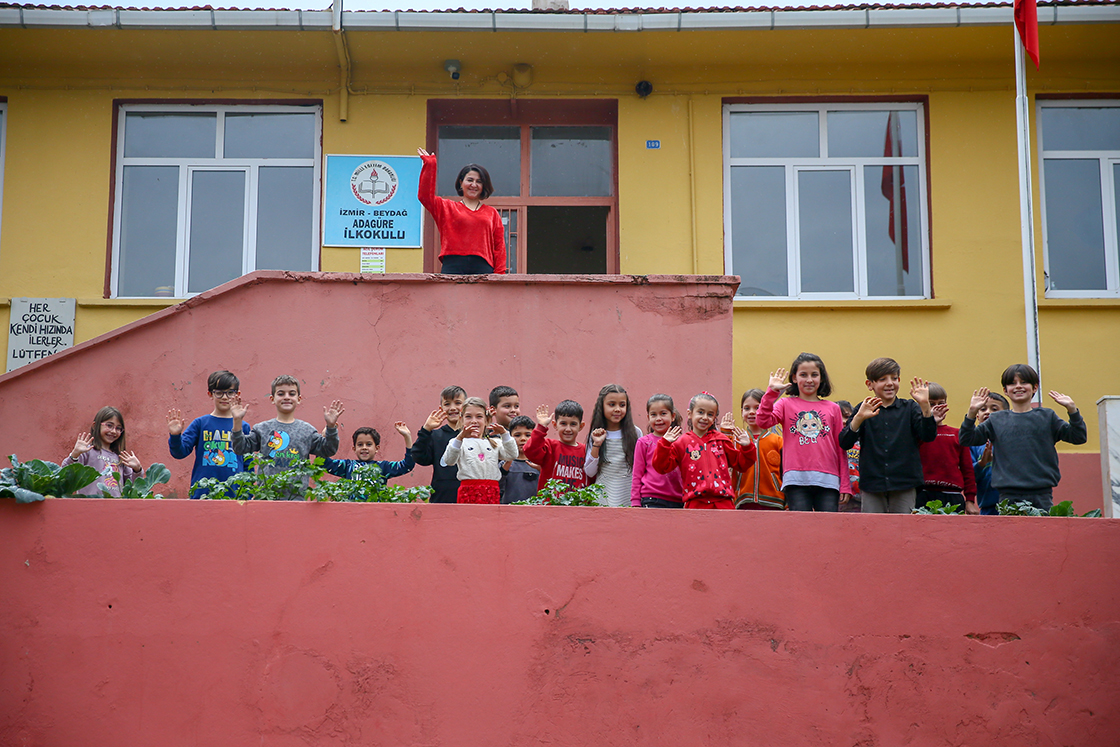
Evrim Mutluay and her students at Adagüre Primary School. Mutluay has been a teacher for 16 years. Credit: Adagüre Primary School

The People Who Clone Pets Want To Bring Back Extinct Species — And Clone Animals For Their Organs

Genetics, gene-editing and cloning have rapidly matured since the days of Dolly the Sheep, which means we have less time than we think to grapple with some heady moral questions.

Should scientists resurrect long-extinct species? Is it ethical to clone thousands of animals who will not live, but have their organs harvested for human patients?

Those are some of the questions people are asking as the cloning industry — once relegated to producing one-off copies and genetically identical versions of deceased pets for wealthy clients — is expanding with new capabilities.

This story by the BBC’s David Cox provides an informative, brief history of cloning before pivoting to the current state of the industry and how it could continue to evolve.

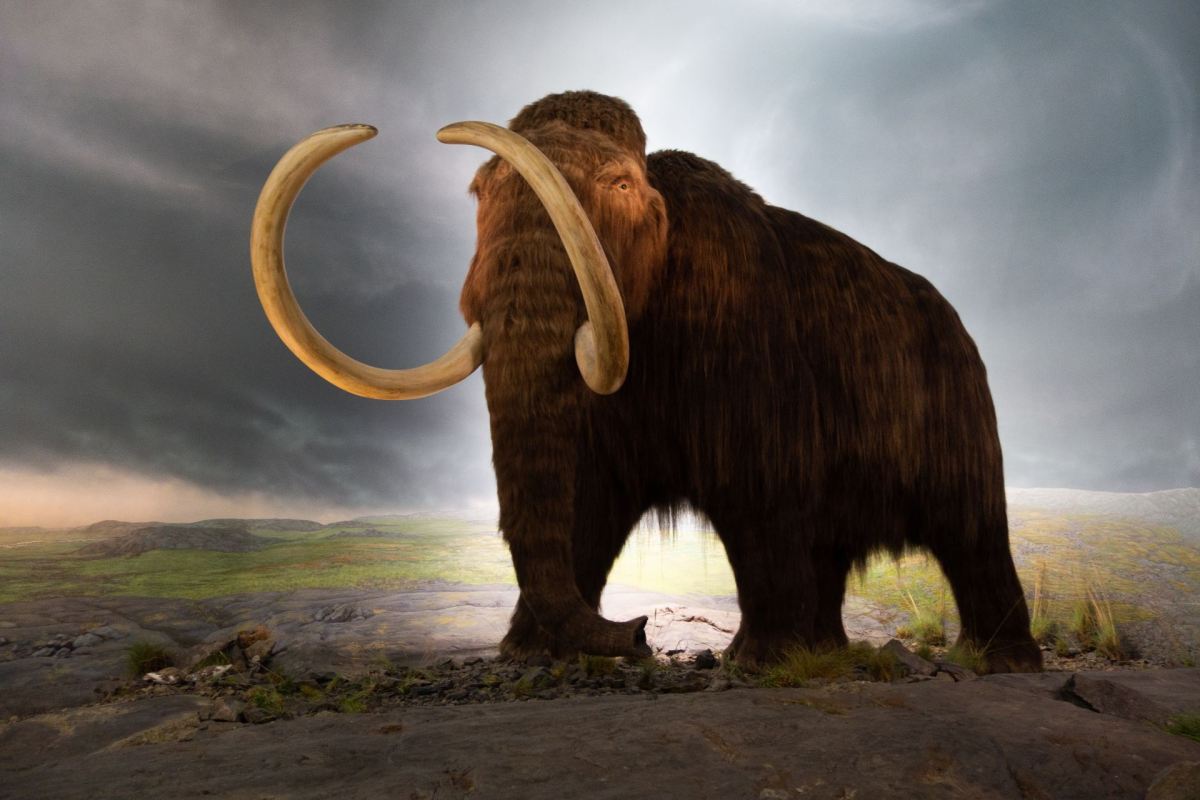
Two of the most fascinating prospects have to do with conservation. One company, Colossal, is working on bringing back the extinct woolly mammoth, while other scientists are turning to cloning as a way to prevent the extinctions of species like the white rhino, which is functionally extinct without any breeding pairs left living.

Dolly_face_closeup
Scottish scientists shocked the world when they cloned Dolly the Sheep in 1996.

As with anything in science, innovations in cloning unlock new applicative branches, and scientists have partnered with the medical field to address human health concerns. Some, like the practice of editing genes to prevent diseases in newborns, tend to fly under the radar. But others, like the push to adapt organs from animals like pigs so they can be replacements for human organs, are much more controversial and have met opposition from animal welfare groups.

Then there’s the elephant in the room, no pun intended. What about cloning humans?

Right now no one’s gone down that route, at least not publicly, because of the inevitable backlash. What’s happening deep in the bowels of clandestine medical facilities in nations with murky ethics laws is another question entirely.

I am opposed to human cloning, but I don’t believe it will remain the immutable taboo some people think it is. Someone will break the dam, and while that pioneer will likely get raked over the coals, the bell cannot be unrung. Things change so fast these days that what’s shocking one day merits a shrug the next, and it’s possible the world will be introduced to a man or woman one day before it’s revealed the person is, in fact, a clone. (Not unlike the way the world was introduced to Imma, a Japanese influencer and model who exists only digitally.)

Imma
Imma has more than 400,000 Instagram followers, she models the latest fashions and she appears in adverts for products like beverages and watches, but she doesn’t exist. She’s a digital creation.

They’ll be the Dolly the Sheep of the human race, and ethicists won’t get a say in whether they should exist because it’s already been done.

“See how normal they are?” people keen on cloning will say. “They’re just regular people. Are you going to tell them they shouldn’t live?”

But before that, it looks like the movie Gattaca will become reality, and people will order up a great baseball player or a child with intuitive musical genius just like they might commission a piece of art or a custom car job. Gene editing with CRISPR is surprisingly trivial.

Of course, it won’t be lost on people that we’re cloning humans when there are millions of unwanted, uncared-for street kids in the third world, not to mention people who live without the consideration of their fellow human beings in every nation. Just like it hasn’t escaped the notice of activists that South Korea and China are leaders in cloning pets, yet dogs and cats are also food in those countries.

What separates the dogs and cats bound for restaurant kitchens from the dogs and cats having their cells preserved for cloning?

Nothing except for their individual value to humans, just like pure luck separates a cat who finds a loving home from a cat who ends up euthanized with a needle. We are a fickle species.

Yet both the beloved pet and the unwanted shelter cat are sentient, experience intense emotions and have their own thoughts. That’s not conjecture, it’s fact as confirmed many times over experimentally, but it shocks a lot of people. Our education system has not done right by the billions of non-human minds we share our planet with.

Cloned monkeys
These rhesus macaque infants were cloned in a lab in China. The remaining barriers to human cloning are ethical, not technological.

I’ve thought about what might have happened if Buddy had been adopted by someone else, and what his fate may have been. I love the little guy, but it’s possible that someone else may have viewed him as an annoyance, a loud and incessantly chatty cat who needs an inordinate amount of attention and affection, sometimes lashes out, and needs to be surrendered.

Likewise, unwanted cats have languished in shelters for months before viral posts spark interest in them, and suddenly offers to adopt come in by the hundreds from across the globe. Nothing about those cats changed, but humans formed an emotional attachment to them after learning their stories.

Of course, the ethics of how we treat and consider animals can change depending on where you’re sitting. If you’re young, healthy and energetic, your view may be radically different than the person sitting on an organ donation waiting list, knowing their time may be up before a new liver or kidney becomes available. Suddenly a seemingly simple moral calculus becomes murky and complex.

There’s strong evidence that people who take the first steps toward cloning their beloved cats and dogs spend time wrestling with the ethics of the decision as well. Texas-based ViaGen, the western leader in commercial cloning, told the BBC that 90 percent of its clients are not people who have gone through with cloning, but have only taken the initial step of preserving their pets’ cells for $1,600.

And what of the mammoths? Bringing them back from extinction isn’t as simple as filling in the gaps in their genome, implanting gene-edited eggs in female elephants and hoping gestation takes care of the rest. Mammoths are social animals. Will an elephant mother raise a mammoth baby? Where does that mammoth baby belong? Without a herd of its own kind, can it be happy?

We can’t ask the mammoths, and even if we could, it might not be up to them anyway. As one paleogeneticist put it to NPR last year: What if the technology isn’t used to resurrect the mammoth, but to save the elephant? Does the end justify the means in the latter situation, but not the former?

Mammoth, Dolly the Sheep and rhesus macaque images credit Wikimedia Commons


Lion Cubs From Ukraine Find A Safe Home In Minnesota Sanctuary

The orphaned lion cubs are among many wild animals brought safely out of Ukraine as the war there continues to rage.

As the brilliant but depressing Pride of Baghdad documented in horrific detail, war isn’t just hard on humans, it’s hell on animals too.

The real-life lions in that drama were left to fend for themselves when American and coalition aircraft began pounding Baghdad in 2003, and their harrowing journey began when an errant missile literally opened a path for them to walk right out of the otherwise abandoned zoo.

As Russian soldiers began pouring over the border into Ukraine and Moscow’s missiles and artillery struck population centers earlier this year, Ukrainian activists sought to avoid a similar fate for their animals and worked on getting wildlife out of the zoos and the country, but there was only so much capacity at sanctuaries in countries like neighboring Poland.

At the same time, remaining in Ukraine was untenable. After Russian forces suffered a series of humiliating ground defeats to a Ukrainian counteroffensive — fueled by weapons systems and tactical intelligence from the US and other NATO countries — Russian President Vladimir Putin has ordered heavy and sustained missile strikes on civilian targets and critical infrastructure in already war-torn Ukraine.

One of his goals is to completely destroy the Ukrainian power grid via missile attacks on coal and gas plants as well as electricity substations, perhaps believing Ukraine might give up its opposition as its population freezes during the region’s harsh winters. The attacks have reached far into Ukraine, hitting the capital of Kyiv and cities like Lviv, which is more than 1,000 km from Russian territory, and some missiles have even disrupted power to neighboring Moldova. The Ukrainian people have not given up despite already enduring months of Russian artillery shelling, occupation and brutality.

But without electricity or reliable access to basics like clean water, caring for the remaining animals has become an impossibility as most people struggle just to keep warm, fed and hydrated.

Ukraine lion cubs
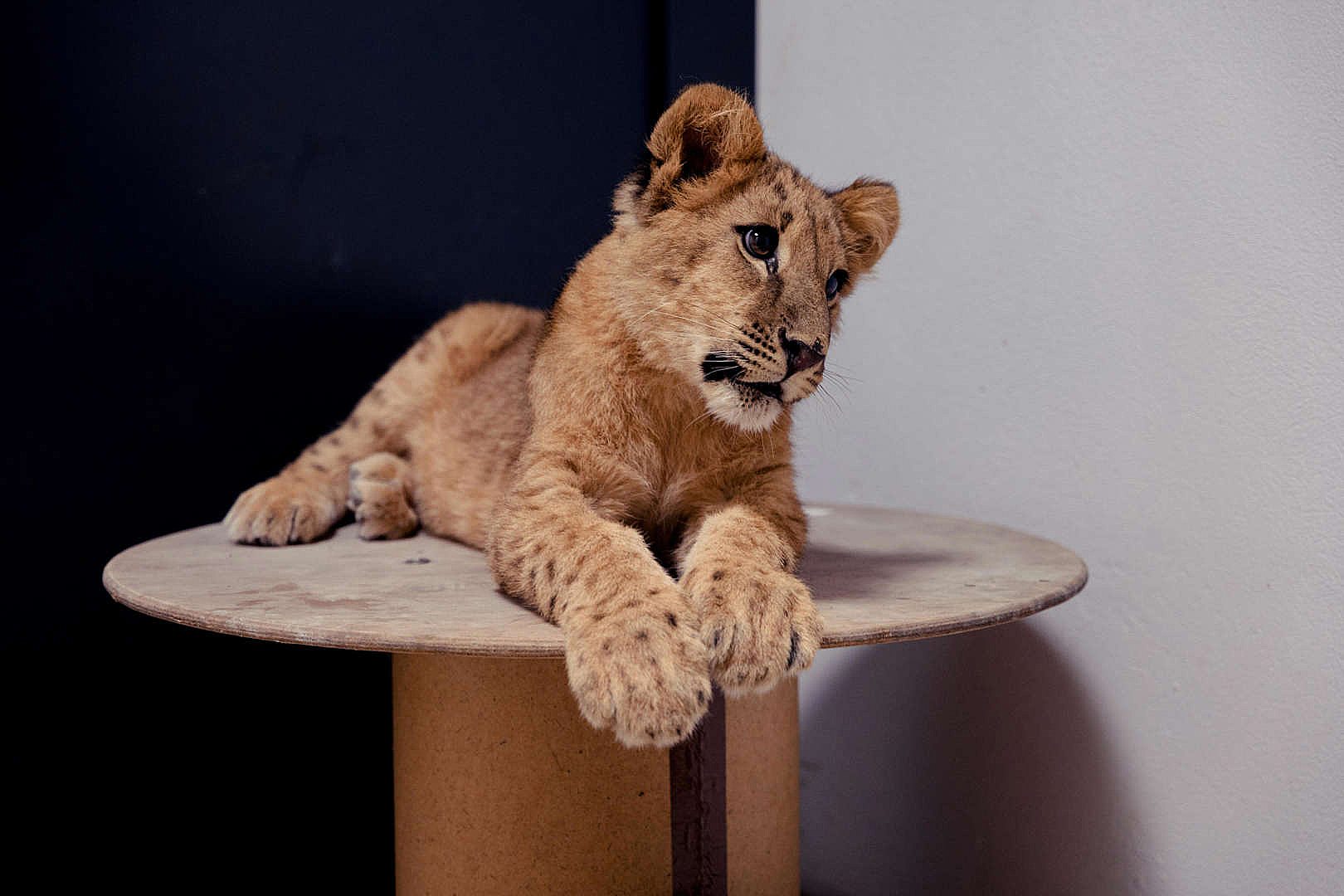
One of the cubs rescued from Ukraine, now living at The Wildlife Sanctuary in Sandstone, Minnesota. Credit: The Wildlife Sanctuary

As a result, a quartet of lion cubs born several months into the war had to endure an epic, 36-hour journey that took them from Ukraine to Poland and finally to Sandstone, Minnesota, where they’re easing into their permanent home at The Wildlife Sanctuary. The facility is a non-profit and entirely funded by private donations, which means it’s not open to the public. Animals aren’t put on display, and their enclosures are built entirely for them, not for the benefit of visitor sight lines.

The lion cubs, who are all orphans, have already been indelibly impacted by the war.

“These cubs have endured more in their short lives than any animal should,” said Meredith Whitney of the International Fund for Animal Welfare, which facilitated the transport of the young cats some 5,000 miles from Ukraine to the central US.

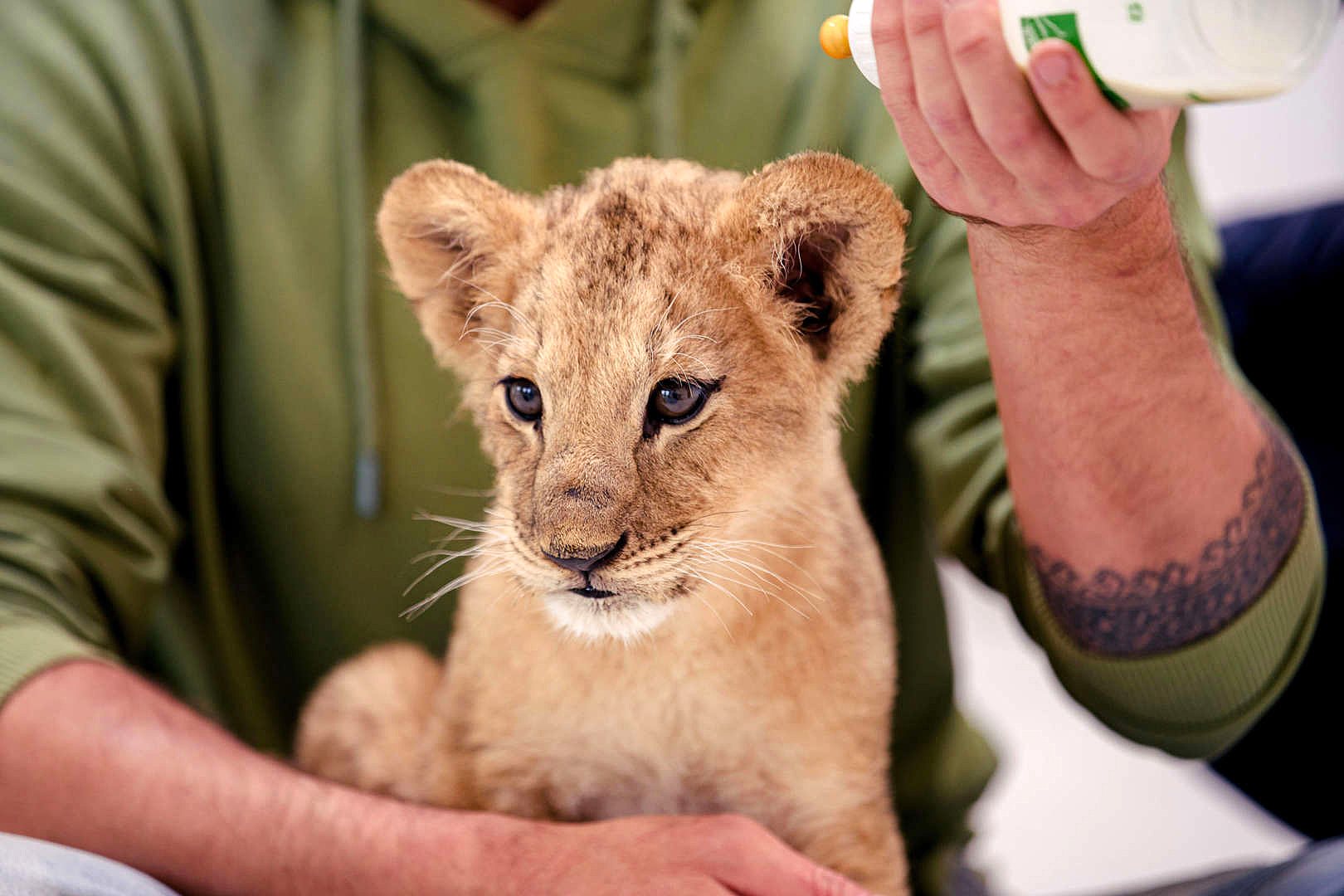
The cubs, all between four and five months old, are named Taras, Stefania, Lesya and Prada. Taras is male while the others are female.

“We’ve cared for 300 big cats at TWS and are acutely aware of the trauma many big cats around the world experience,” said Tammy Thies, the sanctuary’s founder. “From the moment IFAW reached out to request our partnership, we knew these cubs had found their forever home at our sanctuary. They have a custom, open space to explore and soft grass or hay to rest their tired bodies on. Because of the generosity of our supporters, we can provide lifelong care to big cats at our sanctuary.”

Ukraine lion cubs
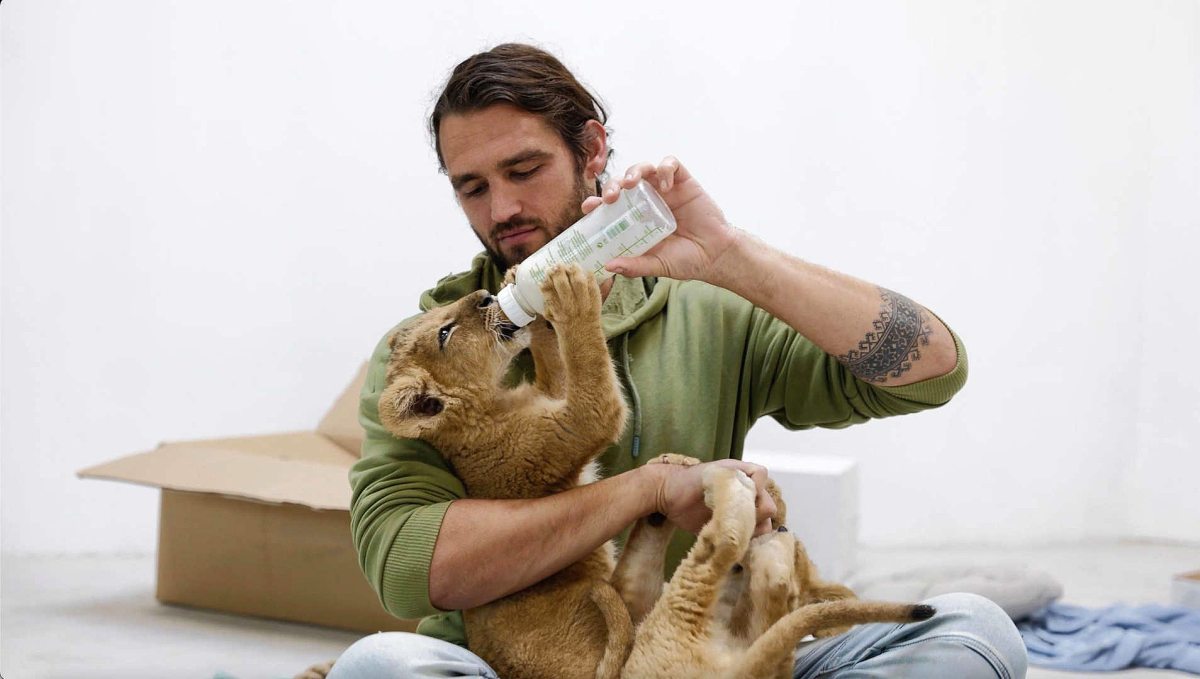
Bottle babies: The cubs are all between four and five months old and were not weaned before they were orphaned. Credit: The Wildlife Sanctuary


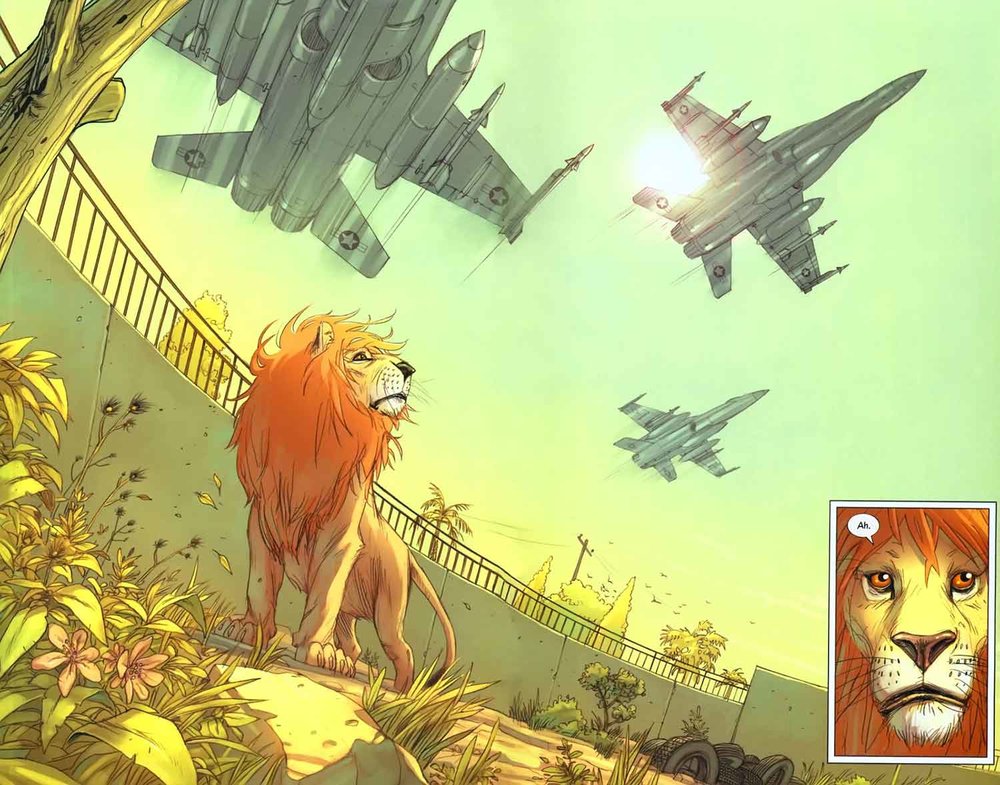
Pride-of-Baghdad-1
Pride of Baghdad is a 2006 graphic novel based on the true story of four lions who escaped Baghdad Zoo during coalition airstrikes in 2003. It’s poignant, beautifully illustrated and wonderfully told, but also harrowing and deeply upsetting.

Guinness Certifies 27-Year-Old As World’s Oldest Cat

Flossie’s outlived two “owners” and has lived the human equivalent of 120 years.

Bill Clinton was still in his first term as president of the United States, Oasis and Radiohead ruled the music charts, and millions of people were taking their tentative first steps onto the internet via noisy modems and a service called AOL.

That’s the world Flossie the cat was born into in 1995, and you can imagine her sitting by a fire with some wide-eyed kittens, telling them that back in her day humans didn’t stare at those silly little phone screens all day and the concept of gourmet cat food didn’t exist.

“You kittens today with your snobby grain-free wet food and your doting human parents,” Flossie might say. “Back in my day all we had was Fancy Feast, and if we didn’t eat it, we didn’t get dessert!”

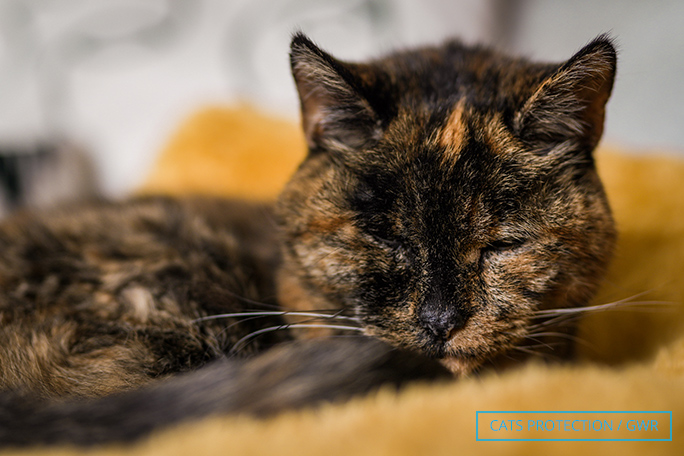
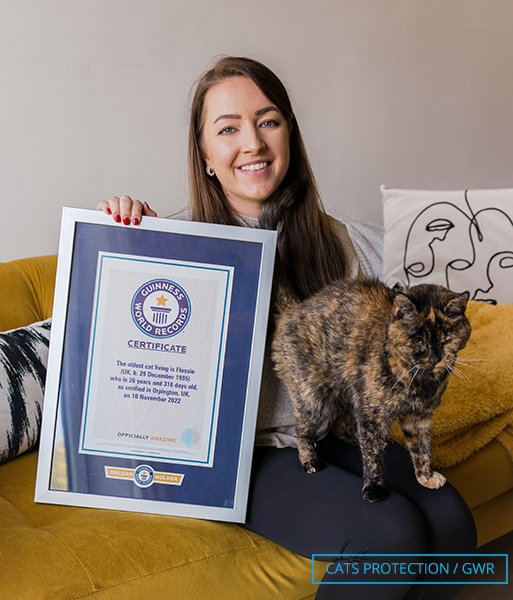
At 26 years and 316 days old as of Thanksgiving Day, Flossie has been verified as the world’s oldest cat by Guinness World Records. That makes the tortoiseshell, at a little more than a month shy of her 27th birthday, the equivalent of 120 human years old.

flossie-close-up_tcm25-726779
Flossie enjoys a snooze. Credit: Guinness World Records

Flossie is deaf and her vision is deteriorated, but veterinarians say she’s otherwise in good health. Her human, Vicki Green, said she’s surprisingly energetic for her age as well as “so affectionate and playful, [and] especially sweet when you remember how old she is.”

The super senior kitty hasn’t lost her appetite either.

“She never turns her nose up at the chance of a good meal,” Green told Guinness.

Flossie began her life as a stray and has outlived two owners. She lived in a cat colony on the grounds of the now-defunct Mercyside Hospital near Liverpool and was adopted some time in her first year of life. Her human died in 2005, and Flossie was taken in by her human’s sister, who cared for Flossie until her death in 2019. The woman’s son took Flossie and looked after her for a few years, but realized he wasn’t the caretaker she needed.

“It wasn’t an easy decision,” said Naomi Rosling of the UK’s Cats Protection, where Flossie was surrendered. “He sought our help when it was in Flossie’s best interests. Responsible cat ownership is when someone thinks about an animal’s needs above their feelings.”

Flossie the cat
Flossie with Green and their official Guinness World Records certificate. Credit: Guinness World Records

The staff at Cats Protection thought Flossie might not find a new home since many potential adopters don’t want an ancient cat, but Green has experience caring for older cats. Her previous cat, Honeybun, died at 21 years old.

“I’ve always wanted to give older cats a comfortable later life,” Green said.

The all-time record for longest-lived cat was Creme Puff, a Texas cat who was born on Aug. 3, 1967 and died on Aug. 6, 2005, just after her 38th birthday. Creme Puff was also certified by Guinness, which lists 18 other cats who lived to at least 30 years old. Domestic cats who live indoors, are fed healthy diets and are well taken care of live 16 years on average.