Archie the cat, with his love of exercise, is the anti-Buddy.
This is unbelievable.
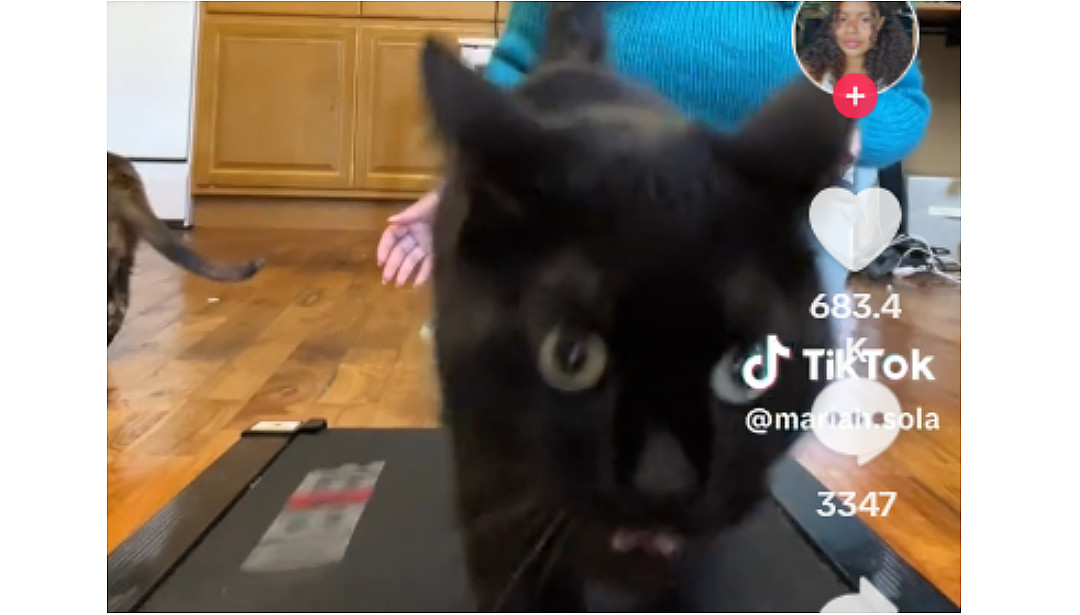
A three-year-old cat named Archie, who also hails from New York, loves running on his human’s treadmill. Mariah, his 27-year-old servant, keeps a close eye on the little guy while he gets his run in to make sure he doesn’t get hurt, but he seems entirely unperturbed and pumps his little legs, keeping a steady pace:
Honestly, I can barely comprehend this. Bud would be more likely to engineer a treadmill into an automated system to deliver snacks to him so he doesn’t have to lift a paw. He is, after all, remarkably dedicated to the craft of being as lazy as possible.
Cheers to Archie for showing not all cats are loafing blobs!
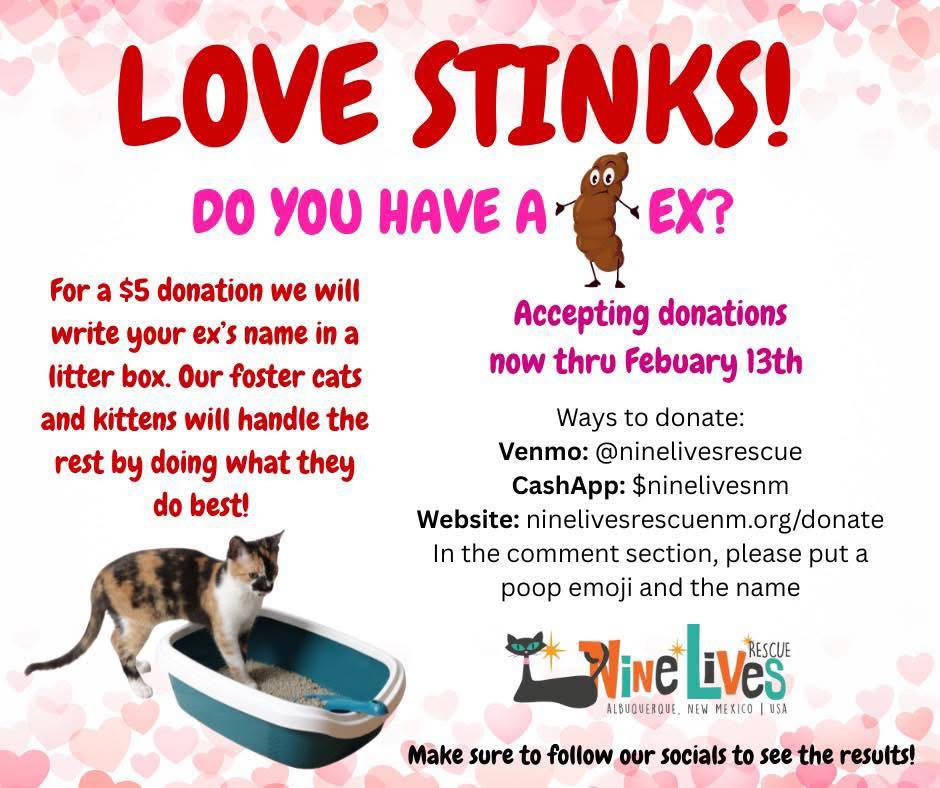
Or if your sense of humor tends toward the scatological, you can donate to put your ex’s name on a litter box.
Like other nonprofits, animal shelters face steep competition when it comes to scoring charitable donations, so the more a shelter can stand out, the better.
For some that means stories about their rescues and pets-in-waiting going viral. For others, it means finding clever ways to use occasions like Valentine’s Day to raise money.
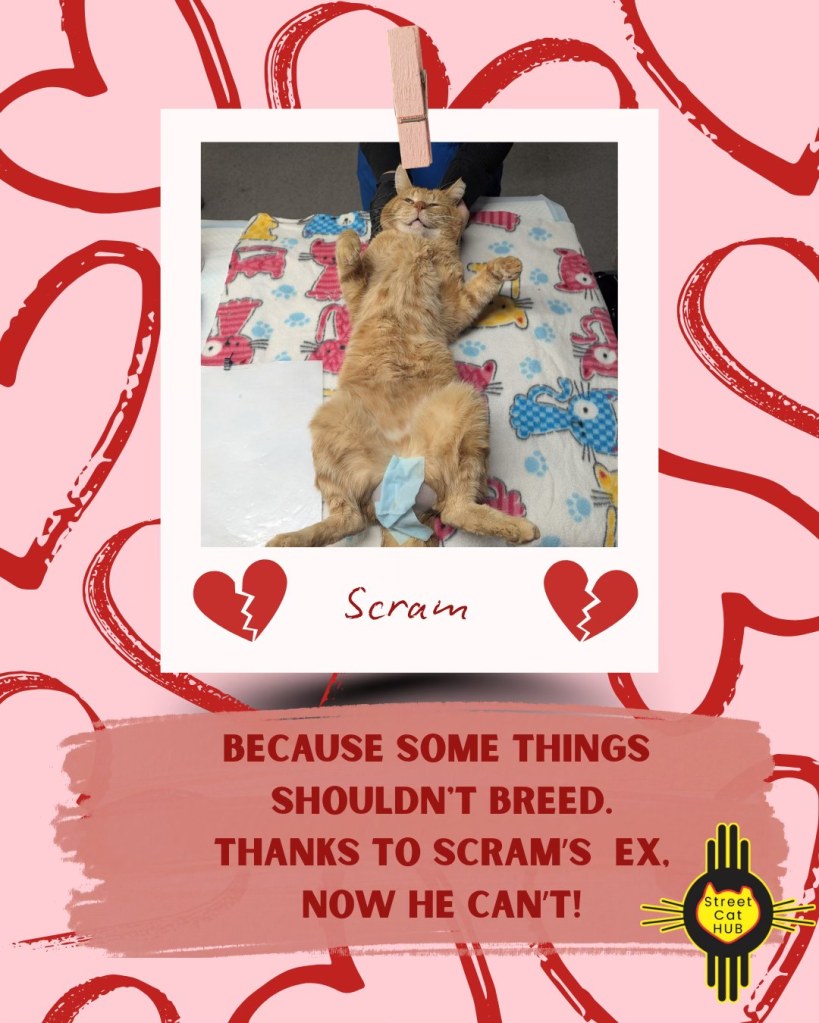
One of the latest fads involves making a donation to pay for spay/neuter surgery for a street or shelter cat — and having the cat named after your ex. As one shelter puts it, “because some things shouldn’t breed.”
Poor Scram has no idea he’s a stand-in for a despised ex.
If the idea of castrating an ex seems a little morbid to you, you’ve still got options.
For just $5, Albuquerque, New Mexico’s Nine Lives Shelter will write your ex’s name on a litter box.
“Our foster cats and kittens will handle the rest by doing what they do best,” the shelter’s staff wrote on Facebook.
Of course, there’s another option for people who prefer a more positive take: donating out of love for cats in general, because despite the encouraging drop in animal euthanasia over the past two decades — the result of relentless campaigns to get pets and street cats spayed/neutered — a few hundred thousand cats are put down every year. Every time a cat is fixed, that number drops, and existing cats have a better chance of finding forever homes.
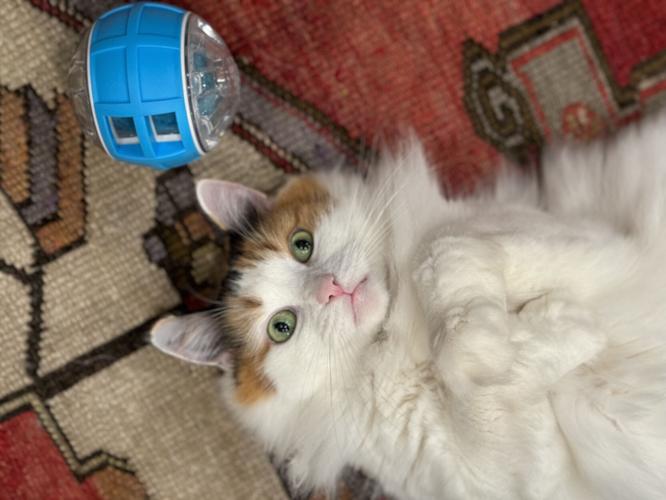
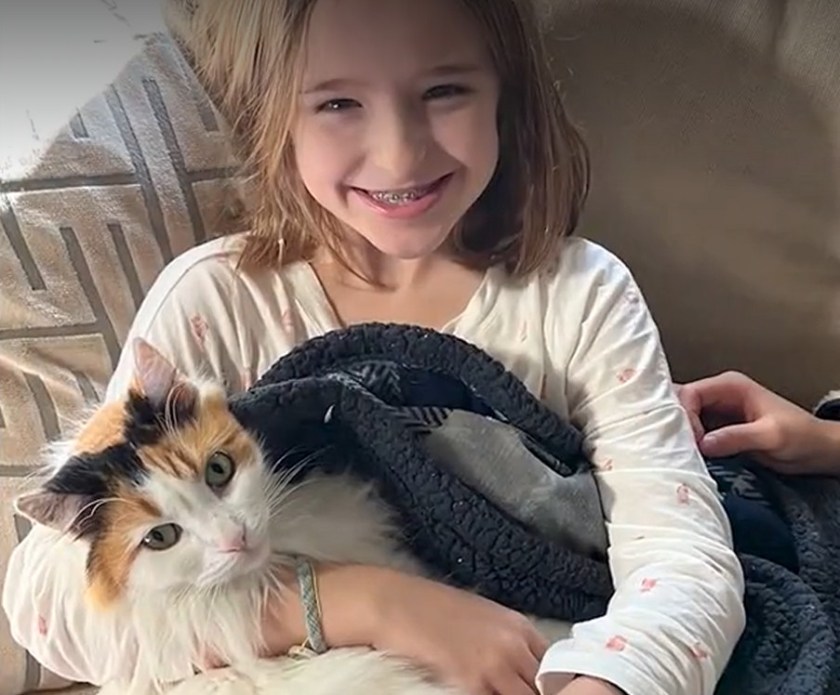
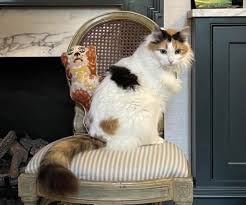
The family has pleaded for the return of four-year-old Willa, but the the woman accused of taking her has not cooperated and the Calico has now been missing for two weeks.
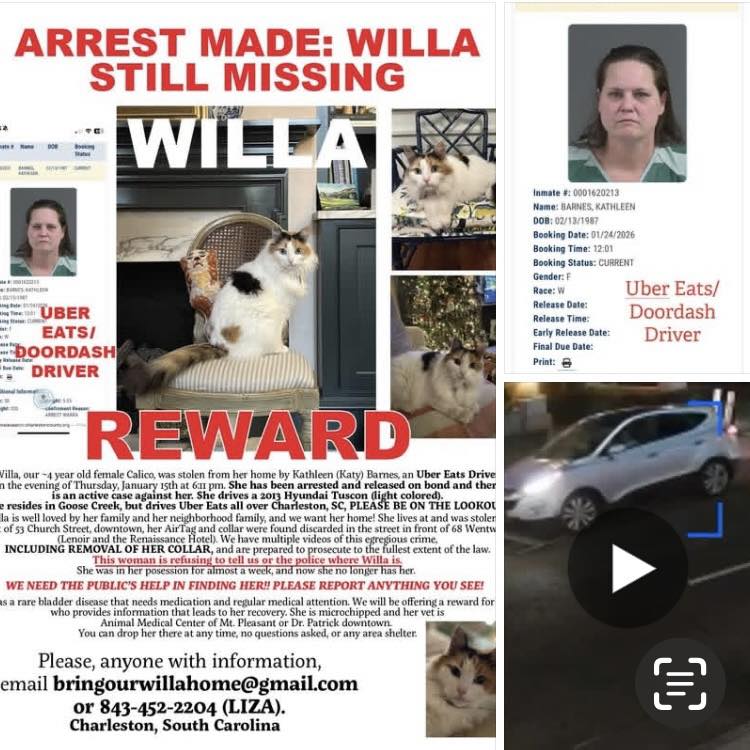
Despite an arrest, a criminal charge hanging over her head and widespread scorn from locals, a delivery driver has “refused to speak about” what she did with a Charleston family’s cat after allegedly stealing the Calico.
A story in Charleston’s Post and Courier details the herculean efforts by a family to get their cat back after 38-year-old Kathleen “Katy” Barnes allegedly stole the feline on Jan. 15, shortly after receiving a $15 tip for delivering Greek food on the same street.
When the Layfield family returned home that day, four-year-old Willa was nowhere to be found. The Layfields checked their security camera footage, which last showed Willa about 45 minutes before the family returned home but did not show her disappearance.
Since the extent of Willa’s outdoor activities involved straying no further than a few feet from the home, and mostly consisted of her sitting on the family’s front porch, the Layfields were worried and went to bed for an “uneasy” and “restless night,” per the Post Courier. When Willa’s AirTag pinged at 4 am near the Lindy Renaissance hotel about a mile away, Daniel Layfield got out of bed and rushed to the location. The device had been tossed in the street along with Willa’s collar.
The family has been relentless in tracking down information about Willa’s disappearance and getting access to surveillance camera footage from neighbors and local businesses, which is how they found footage of Barnes allegedly taking Willa (spotted on a neighbor’s cameras), then additional footage of her SUV stopping in front of the Lindy Renaissance hotel.
In video the Layfields pulled from a nearby gym’s surveillance cameras, Willa is seen on the dash of Barnes’ silver SUV. Barnes grabs her, removes the collar and AirTag, and tosses both out of the car before driving off again.
The Layfield family has also appealed to Barnes through statements to the press.
“Please let us know where she is,” Daniel Layfield said per the Post Courier, “if you have any compassion for animals and people.”
Charleston police deserve credit for taking the case seriously, going above and beyond what most departments would do in similar cases. They were able to secure a warrant to search Barnes’ home in Goose Creek, SC, but did not find Willa.
And this week they arrested Barnes for a second time, charging her with littering for disposing of Willa’s collar and AirTag, according to the Post-Courier.
It was the second time in about a week that police kept Barnes in overnight lockup, likely to send a message that they will not forget about the case. The Layfields have also enlisted the help of people who live in Barnes’ Goose Creek neighborhood, asking them to keep a lockout for the Calico, who has distinct markings.
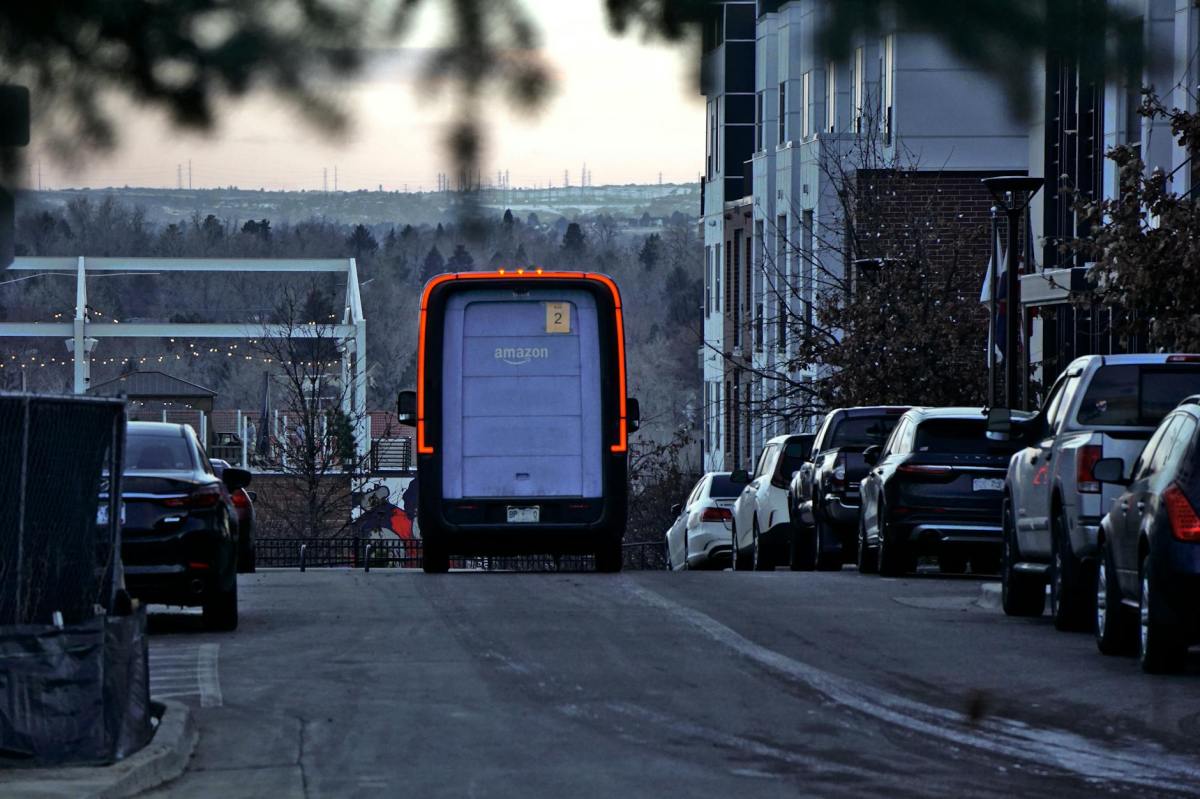
This case is reminiscent of the theft of Feefee, a cat belonging to the Ishak family of Everett, Washington. Fefee was taken in the summer of 2024 by an Amazon Flex driver, and like the Layfields, the Ishaks had solid footage they were able to provide to the police, which led them to identify and track down the woman who took their cat.
That woman also refused to cooperate with police or tell the family what she did with their cat, despite their pleas and assurances that they weren’t interested in anything other than getting Feefee back.
Like the Layfield family, the Ishak family’s cat was well loved by the entire family, especially the kids, so Ray Ishak took the next several days off work and began driving around in an increasing radius, looking for the vehicle the Amazon contractor had been driving in the footage.
He found Feefee a few days later, scared and cowering in the bushes near the driver’s apartment. The driver had allegedly dumped the cat instead of returning her to the family, despite initially agreeing to bring her to the local police department.
In both cases, the families did everything right in their efforts to recover their four-legged family members.
They posted to social media, posted flyers, rallied support, and asked others to help spread the word. They reached out to local media, sent copies of the footage, then made themselves available for interviews and to plead for the return of their cats.
They also filed reports with the police and complained to the corporations — Amazon in the Washington case and Uber in the South Carolina case.
While Amazon is notoriously slow to respond to incidents like this and has repeatedly infuriated victims by treating the thefts as customer service issues, Uber said it contacted the driver and tried to persuade her to hand over the cat. While Barnes can’t technically be fired, as she’s a gig worker, the company said she will no longer be allowed to contract for Uber Eats.
“What’s been reported by the Layfields is extremely concerning,” Uber’s team wrote. “We removed the driver’s access to the Uber app and are working with law enforcement to support their investigation. We hope Willa is safe and reunited with her family.”
Unfortunately Willa’s been missing for two weeks now, and like most of the US, the normally temperate Charleston has been in a deep freeze, with temperatures plummeting below zero.
Because South Carolina views pets as property, as many states do, the worth of Willa’s life is pegged at a few hundred dollars at most, and she’s treated in the eyes of the law as an object.
That means the most severe charge the police could arrest Barnes for is petty larceny, a misdemeanor that carries a penalty of up to 30 days in county jail and a fine, if she’s convicted.
It is important to note that despite the footage, the charges are an allegation, and Barnes remains legally innocent pending a possible conviction.
But because the charge is just a misdemeanor, there is no pressure for her to cooperate and help the family get Willa back. (Or return her, if she still has the cat in her possession.)
Historically, pet theft has been associated with two primary motivations: thieves target breed cats and dogs because they believe they can make easy money selling them, whole others use stolen pets as bait or “training” for the violently conditioned dogs used in dogfighting. Some also target pedrigree pets to breed them.
In both these cases, and others that have been in the news recently, the thefts were crimes of opportunity, not pre-planned, and the cats were moggies. In addition, the cats were spayed/neutered. That rules out monetary gain by reselling or breeding. It also stretches credibility to believe gig workers are somehow more likely to be involved in dog fighting.
This is something new, a category of theft that may have began in earnest during the COVID era, when people felt isolated and shelters were literally being emptied due to the dramatic uptick in adoptions. Unable to find a companion animal through normal channels, some people stole pets for themselves.
But the shortage was short-lived, shelters and rescues are back in the familiar situation of having too many animals, and there’s no impediment to someone simply adopting a cat or dog instead of inflicting trauma on the animal and its family.
We hope the Layfields receive good news soon, and Willa is returned to the warmth and love she’s known with them.
Popularized by celebrities like Taylor Swift and online “influencers,” the breed cats have cute features but also suffer from chronic health problems.
Lots of people think breed cats are the product of fine pedigrees, the result of careful breeding to produce “superior” cats, like some sort of feline genetic aristocracy.
The truth is a lot less glamorous. So-called pedigree cats are the result of relentless breeding and inbreeding, often by people who know nothing about genetics, for a single purpose: magnifying a particular aesthetic quality, like a coat pattern, ear shape or flattened head.
Because the breeding pairs are selected for aesthetic characteristics only, without consideration for anything else, breed cats are often at higher risk of certain types of diseases or physical problems.
Persians, with their flat faces, often have problems breathing. Bengals are known for heart problems and a tendency to suffer from kidney stones. Ragdolls are prone to heart disease. Munchkins, with their unnaturally stubby legs, often have joint problems and quality of life issues.
The heartiest, healthiest and most long-lived cat is the “plain” old domestic moggie, proving that human-directed breeding has nothing on the designs of evolution and mother nature.
In the Netherlands, two breeds with chronic health problems have become especially popular thanks in large part to social media influencers who show off their pets.
As a result, Dutch legislators passed a law making it illegal to buy or own Scottish fold and sphynx cats. The legislation was hailed by veterinary groups, who noted that their members know better than anyone how much cats can suffer from chronic problems like arthritis, heart disease and susceptibility to infection.
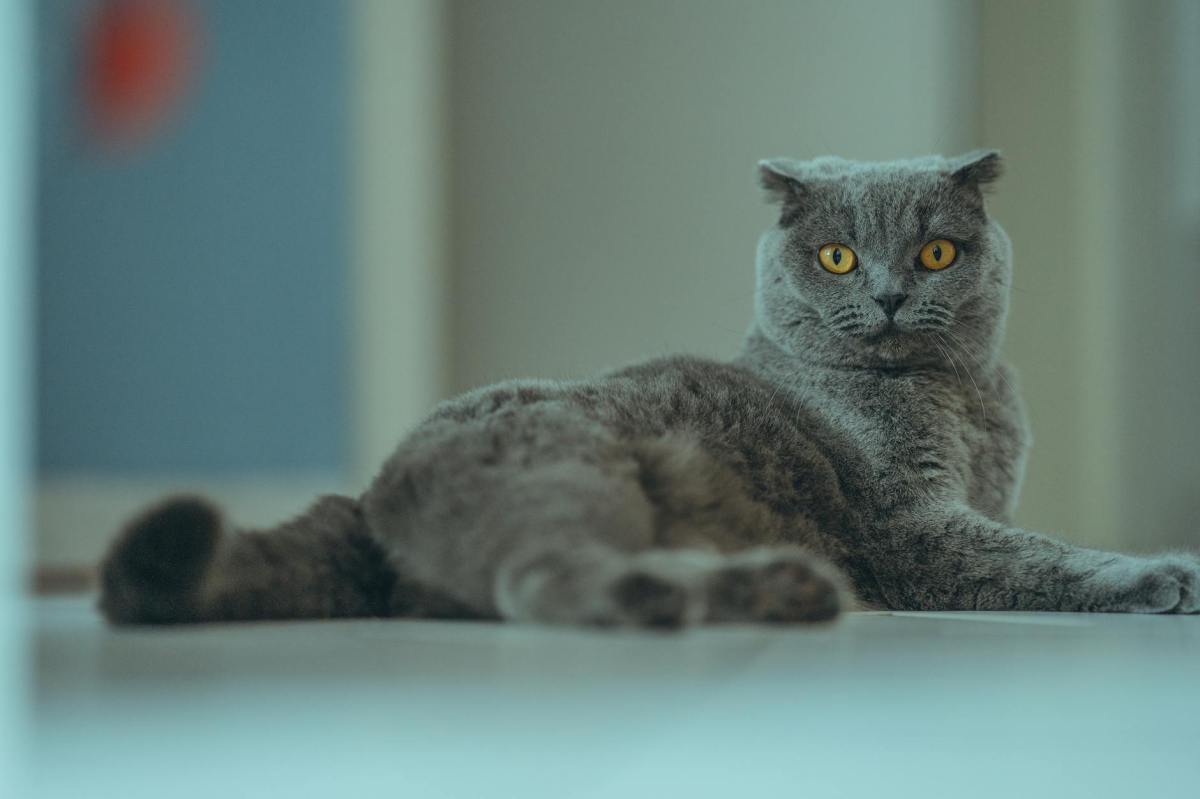
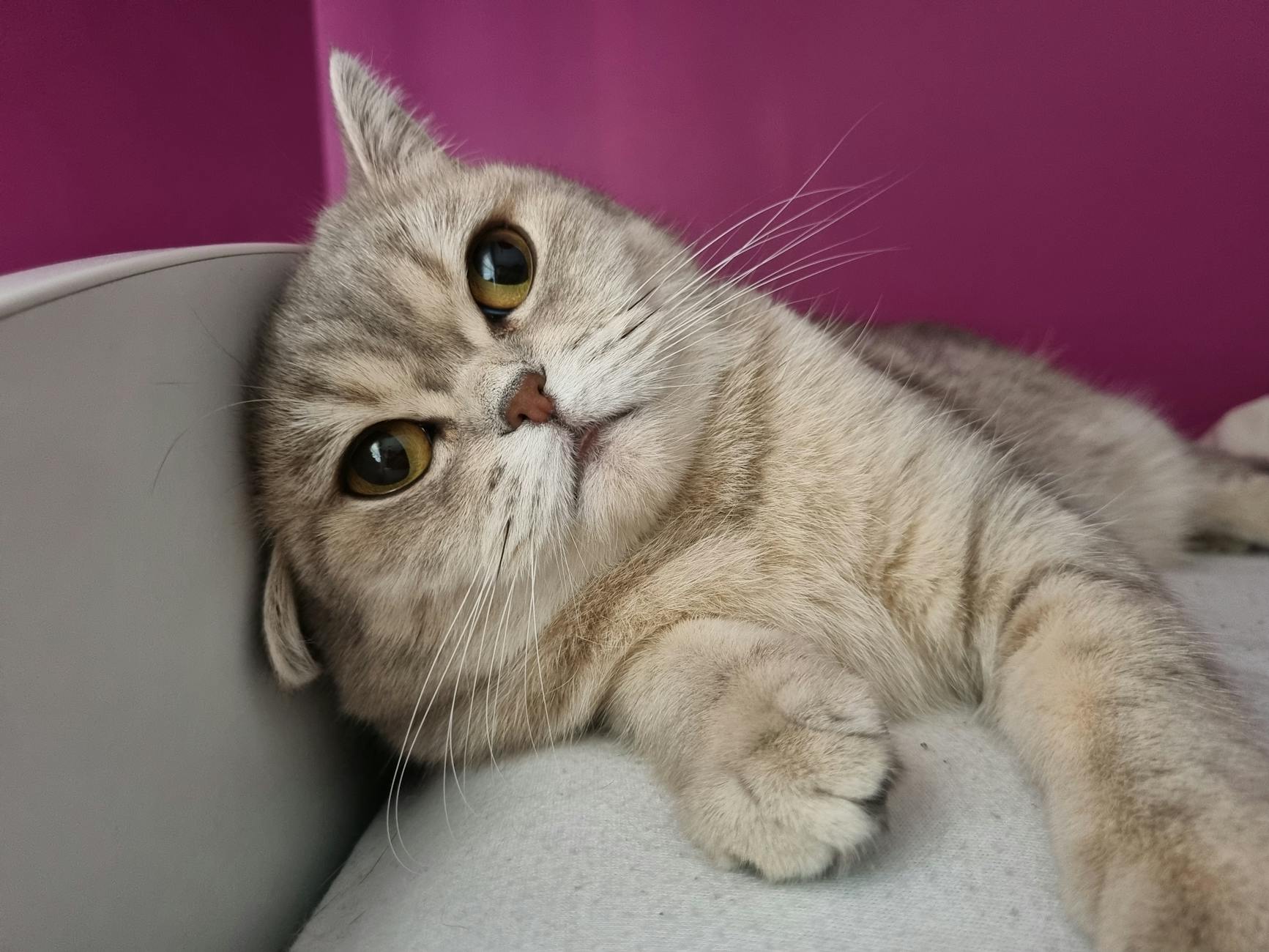
A classic Scottish fold with floppy ears. Credit: Mina Bau015fer/Pexels
The former is a classic example of breeding to emphasize a”cute” feature without regard for the consequences. Lots of people think Scottish folds are cute because they have floppy ears like puppies, which amplifies their natal features. But the same genetic mutation that weakens the cartilage in their ears also weakens cartilage and bones in the rest of their compact bodies. As a result, Scottish folds not only regularly suffer arthritis and joint deformities, they begin to suffer from those conditions well before old age.
Taylor Swift is the most well-known fan of the breed, and its popularity skyrocketed as her two Scottish folds, Meredith Grey and Olivia Benson, have been frequently pictured on the singer’s Instagram feed. They’ve starred in her music videos, accompanied her on tour and appeared on magazine covers in her arms and perched on her shoulders.
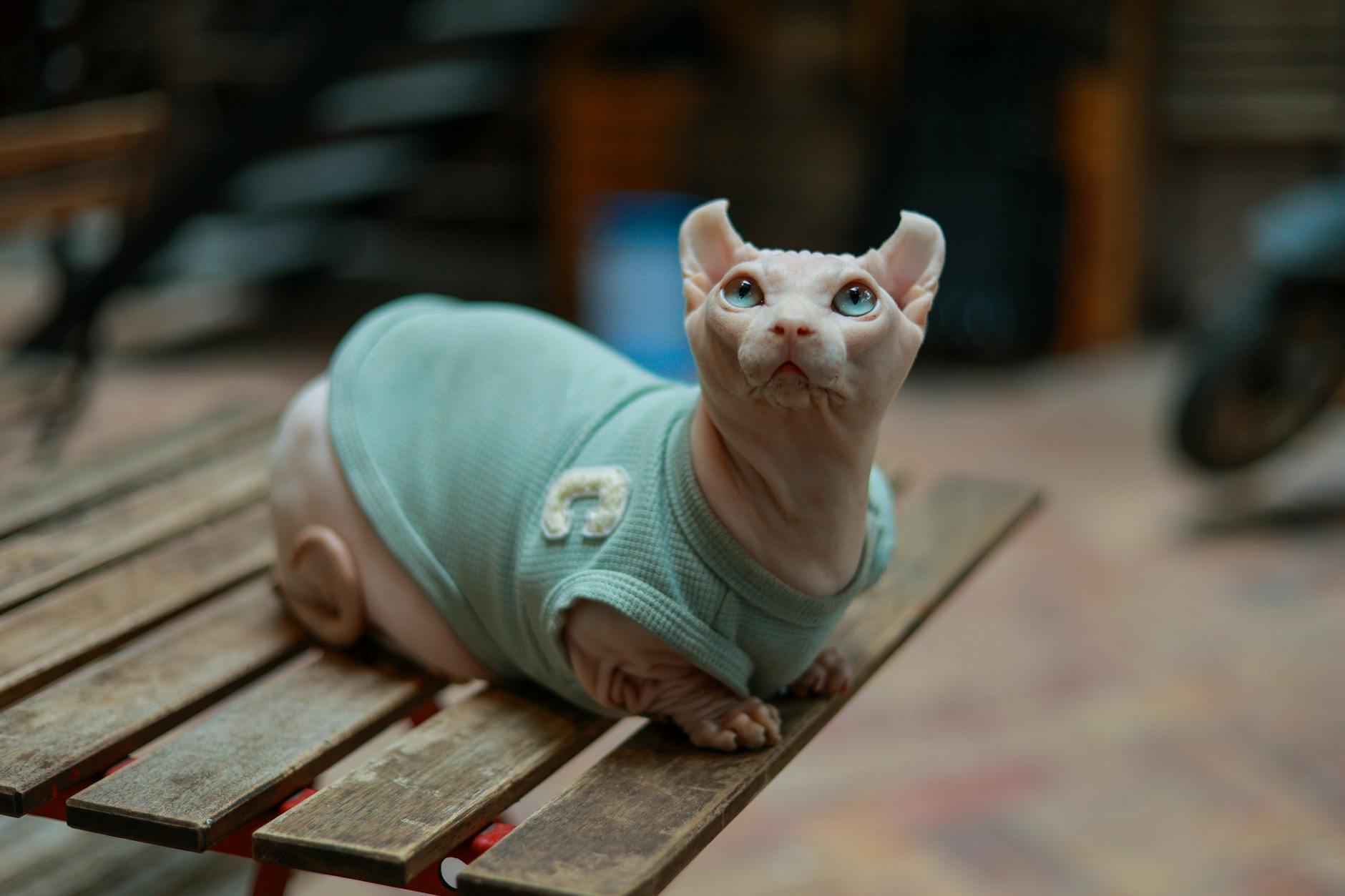
Sphynx cats have their own unique set of problems. Like several other breeds, sphynxes are more susceptible to heart disease, and their most recognizable trait, their lack of fur, is the source of most of their maladies. Sphynxes are more sensitive to cold and can’t regulate their body temperatures as well as other cats. The many folds in their skin make them vulnerable to dermatitis and fungal infections.
Sphynx cats are often seen bundled up because they have difficulty regulating their body temperatures. Credit: Nguyu1ec5n Thanh/Pexels
Previous attempts to curtail the popularity of sphynxes and Scottish folds had little impact, so under the new law it is illegal to buy, sell, breed and import felines of those breeds into the Netherlands. The previous law had severely curtailed the domestic breeding of Scottish folds and sphynxes, but did not make a dent in ownership rates as people elected to buy them from other European countries and “import” them.
People who already have cats of either breed will not have to surrender them. They will be grandfathered in, but they’re required to register their cats and have them microchipped, which the government hopes will stop people from reselling them.
“Animal welfare is my top priority,” said Jean Rummenie, the country’s agriculture and nature secretary. “It is important that cats do not suffer unnecessarily because of their physical traits. This ban allows us to prevent such suffering.”
Do you think the Netherlands made the right call here? Should the US, UK and other countries ban breeds that suffer from chronic health problems?
The family posted a short statement on social media but refrained from offering details, citing an ongoing police investigation.
Nora the cat is back with her family.
The tabby cat was stolen from outside her West Yorkshire, UK, home on Jan. 18 by an Amazon delivery driver. Nora’s human, Carl Crowther, checked footage from his security cameras and had a clear view of the driver dropping off a package and scooping up the cat before walking off the property with her.
The incident was widely covered in UK media and while the suspect’s face was censored in news reports, an uncensored version was widely shared on social media by animal welfare groups and regular people who helped put pressure on the driver. Nora’s family worried that the kitty could experience health problems without the medication they give her regularly for a heart murmur.
Crowther’s Facebook post.
In an update post, Crowther said Nora had been returned “safe and well.” It’s not clear if the Amazon employee returned the cat or if police were involved in the recovery. Crowther, citing an ongoing police investigation, said he can’t offer more details at the moment.
“Obviously we are over the moon with this outcome,” he wrote on Facebook.
Unfortunately the theft of pets by delivery drivers has been a recurring story in the news, and there are reports of Amazon drivers making off with cats and dogs going back at least a decade. While there is no official count or centralized list, it’s happened often enough to generate outrage from customers and news coverage from local and national media, which is often key to helping the victims get their pets back.


 Pain In The Bud