US Law Treats Pets As Property, UK Law Treats Them As Sentient Creatures With Real Emotions

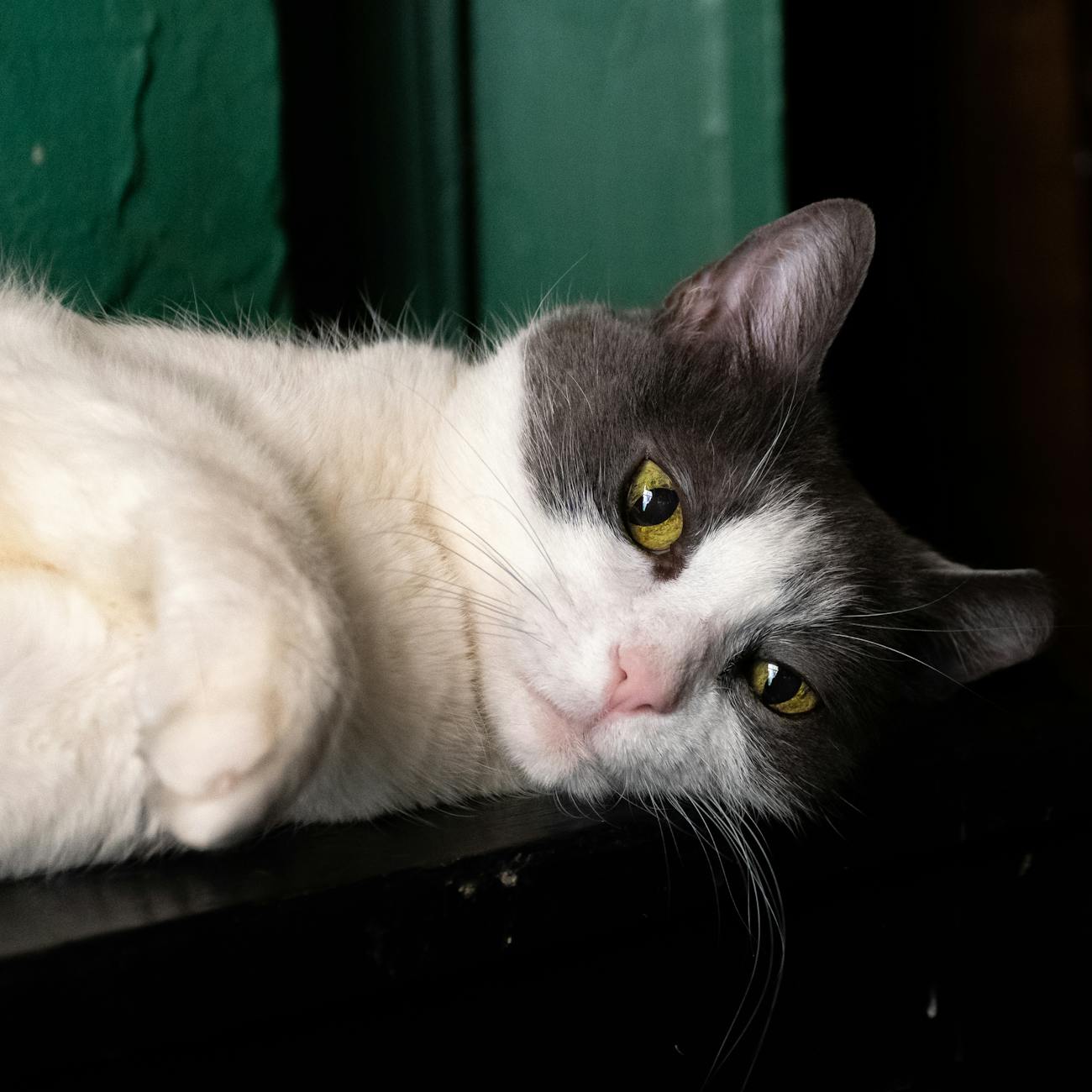
Your cat may mean the world to you, but in American courts she’s no different than a TV or an air fryer.

With a quick resolution to a UK cat theft that made international news, it’s become clear that our friends across the Atlantic are way ahead of us in crafting laws that protect animals.

In the US, the legal system views pets as property. You can see the vestiges of our agricultural past in the way animal-related crimes are categorized. Here in New York, they’re found in Agriculture and Markets law, not the state penal code.

The former was written to handle things like compensation for killed or stolen livestock, not to recognize the emotional damage a thief does to both the person and pet when they’re separated.

Today laws forbidding puppy mills and defining the responsibilities of municipal pounds are lumped in with legislation governing things like farm fencing and how horses may be tested for performance-enhancing drugs ahead of county fairs. It’s archaic, confusing and limits the legal consequences for mistreating pets.

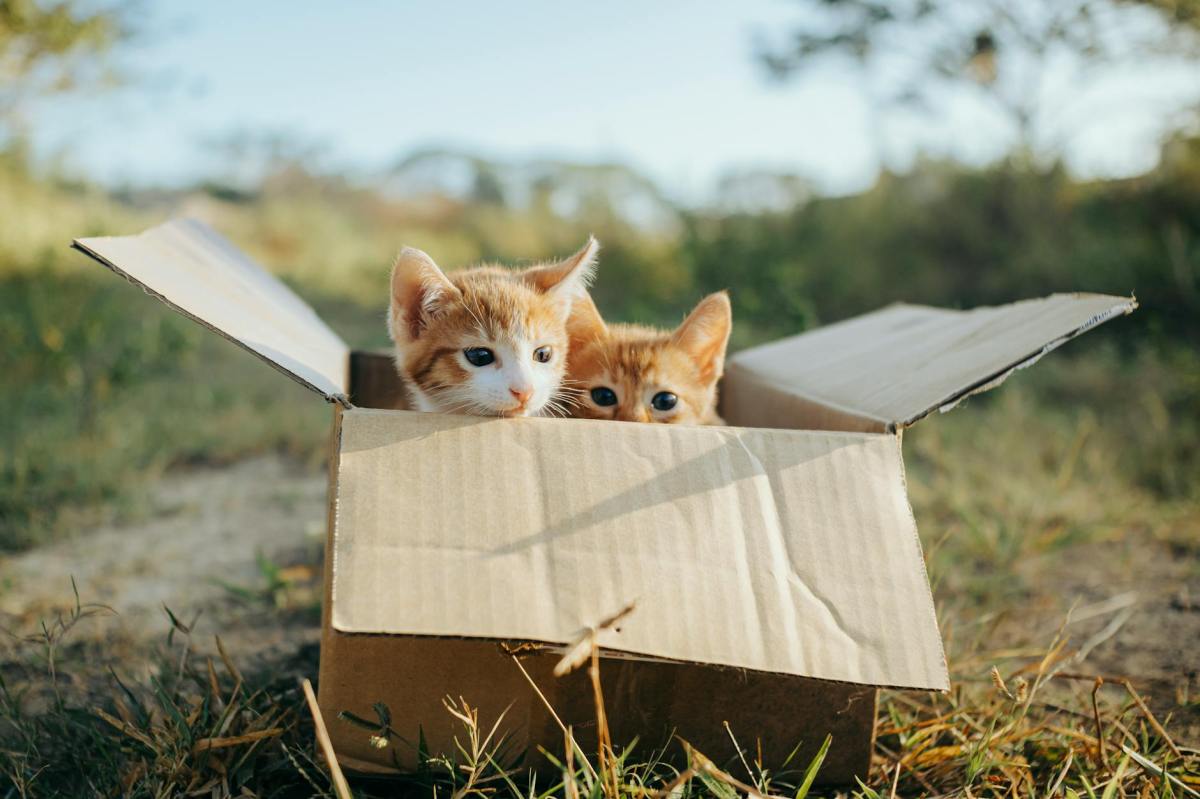
Credit: Breno Cardoso/Pexels

That means the penalties for stealing someone’s beloved dog or cat amount to a slap on the wrist. Your cat may mean the world to you, but in the eyes of the court she’s worth the $175 fee for adoption and shots you paid to a shelter.

That’s also why police enforcement is a crapshoot. If someone makes off with your furry friend, you might get lucky when you find out the local sheriff loves his dogs dearly and makes sure animal-related crime is taken seriously.

Or you might get a desk sergeant who thinks you’re wasting department resources, glowers at you from behind the desk as you submit your report, and leaves it in a pile with other things he believes are beneath the dignity of real police.

It’s easy to blame the police, but their attitudes are impacted by the outdated laws and a society that hasn’t caught up. SPCA law enforcement officers are often treated like Ace Ventura with a badge, and police agencies are reluctant to devote significant resources to cases that will amount to misdemeanor charges, which can be pleaded down further in court.

Credit: Alexandros Chatzidimos/Pexels

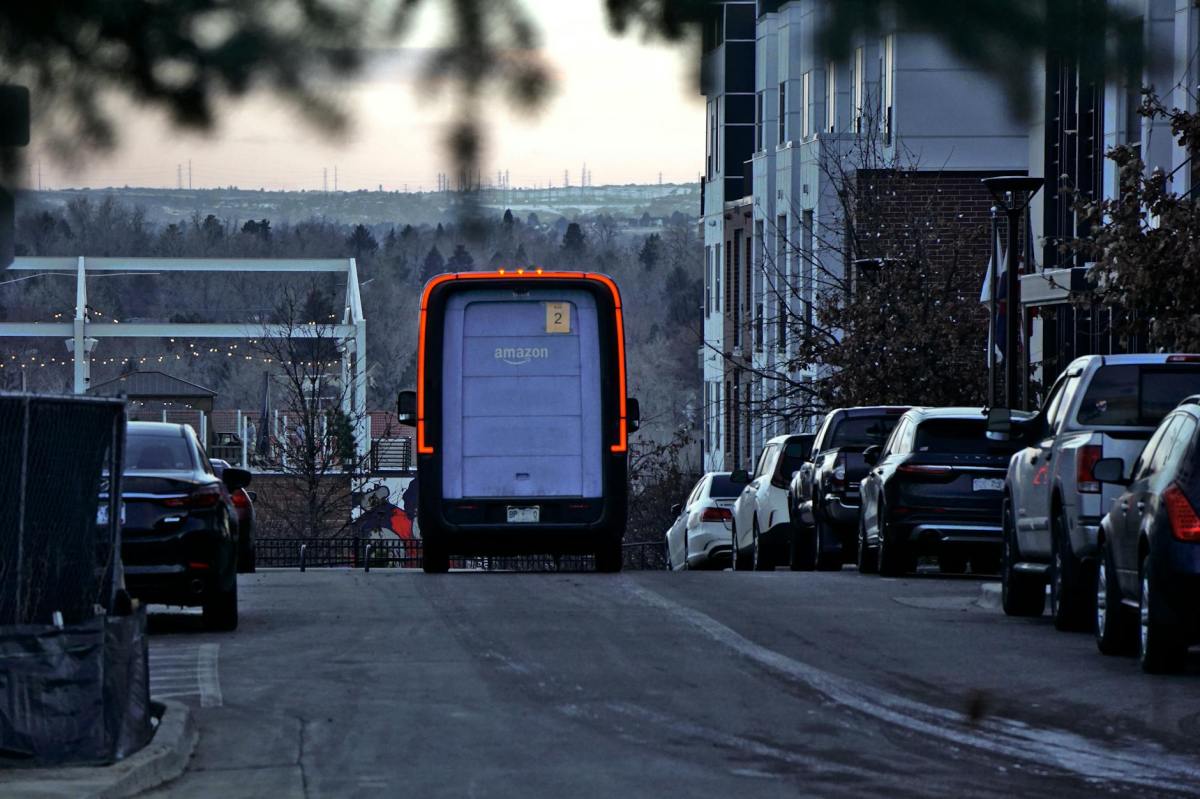
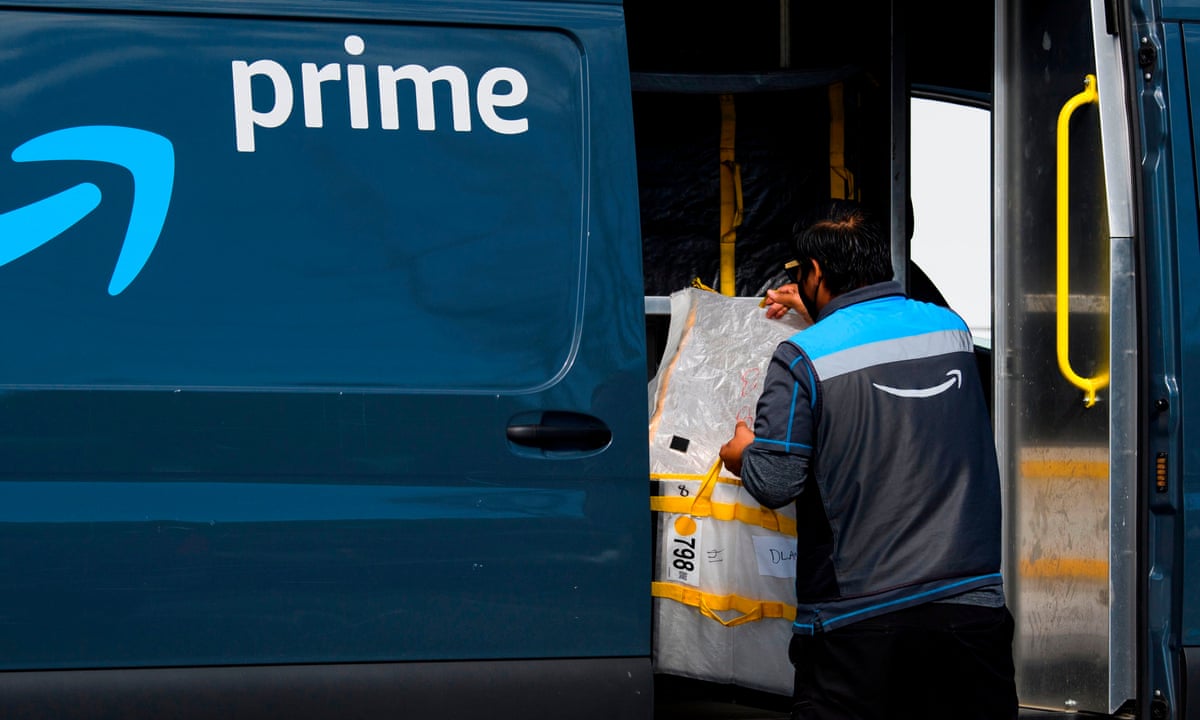
Compare that to the West Yorkshire police, who launched an investigation when security camera footage showed an Amazon delivery driver stealing a family’s cat a week ago. Happily the feline has been reunited with her people and is back home, but neither the driver nor the company are off the hook, as the police still have an active investigation.

In the UK, courts take animal-related crimes seriously, and so do the police. That’s because of several important pieces of legislation, starting with the Animal Welfare Sentience Act of 2022.

The law finally frees cats and dogs from any remaining association with property laws. Instead they’re viewed as what they are, sentient creatures who have their own feelings. It also recognizes animals like the octopus, which can be startlingly intelligent.

That opens the door to legislation like the Pet Abduction Prevention Act of 2024, which takes into account the trauma to the human and animal victims. Both dogs and cats are likely to be deeply confused and distressed at being taken from their people, and cats in particular don’t do well when removed from their territory.

When a judge sentences a person for, say, stealing a family’s beloved senior dog, he can take into account the stress both the family and dog endured, and the disruption to their lives. When a couple breaks up and both sides fight over a cat, the judge can base a decision at least in part on what’s best for the kitty.

You can’t do that when a law says the animal in question is no more important than a toaster.

The 2024 law cited more than 2,000 dog abductions and more than 400 cat thefts in 2020, and it has legal teeth — judges have discretion to put convicted pet thieves behind bars for as many as five years.

American lawmakers should take a look at how things are done across the pond. At a time when rancorous politics and divisive ideology stains almost everything, this is an opportunity for legislators of all ideological stripes to work together, earning a win for themselves, and most importantly, for animals.

Cat Stolen By Amazon Driver Returned To Family, Investigation Continues

The family posted a short statement on social media but refrained from offering details, citing an ongoing police investigation.

Nora the cat is back with her family.

The tabby cat was stolen from outside her West Yorkshire, UK, home on Jan. 18 by an Amazon delivery driver. Nora’s human, Carl Crowther, checked footage from his security cameras and had a clear view of the driver dropping off a package and scooping up the cat before walking off the property with her.

The incident was widely covered in UK media and while the suspect’s face was censored in news reports, an uncensored version was widely shared on social media by animal welfare groups and regular people who helped put pressure on the driver. Nora’s family worried that the kitty could experience health problems without the medication they give her regularly for a heart murmur.

Crowther’s Facebook post.

In an update post, Crowther said Nora had been returned “safe and well.” It’s not clear if the Amazon employee returned the cat or if police were involved in the recovery. Crowther, citing an ongoing police investigation, said he can’t offer more details at the moment.

“Obviously we are over the moon with this outcome,” he wrote on Facebook.

Unfortunately the theft of pets by delivery drivers has been a recurring story in the news, and there are reports of Amazon drivers making off with cats and dogs going back at least a decade. While there is no official count or centralized list, it’s happened often enough to generate outrage from customers and news coverage from local and national media, which is often key to helping the victims get their pets back.

‘What Is The Monetary Value Of Your Cat?’ Once Again, Amazon Proves Tone Deaf After Driver Steals Cat

A family’s home security camera captured clear footage of an Amazon delivery driver scooping up their cat and carrying her away.

At a certain point, you’ve gotta wonder whether this is a feature, not a glitch.

After yet another incident involving an Amazon driver stealing a pet, the company stuck to its usual script by being absolutely useless and managing to offend its wronged customer.

On Monday West Yorkshire’s Carl Crowther checked his security camera footage, prompted by the sudden disappearance of his cat, Nora. The footage shows an Amazon delivery driver leaving a package at Crowther’s front door, then scooping Nora up before walking off the property with the feline.

When Crowther called Amazon, the company handled it with the same remarkable tone deafness and lack of care that’s become its trademark in cases like this.

“Their response was disgusting, asking what monetary value we’d put on the cat,” Crowther said. “How can you put a value on somebody’s pet?”

Thankfully Crowther’s local police are taking the case seriously rather than treating it as petty crime or beneath their concern, as many US law enforcement agencies do. That’s not entirely their fault, as outdated laws still define cats and dogs as property with fixed monetary value, fungible assets that can be easily replaced. In many states, stealing a cat will result in nothing more than a low level misdemeanor charge that is pleaded down in court.

West Yorkshire police told The Guardian and the Independent that they’ve opened an investigation and “inquiries remain ongoing.”

The video has been published by several UK news sites, but oddly — perhaps due to UK law — the driver’s face is blurred out.

There’s an additional reason for urgency besides Nora’s family missing her, Crowther said. The stolen feline has a heart murmur and takes medication to manage the condition. Crowther said he’s worried she could succumb to stress between the lack of medication and the frightening abduction. Nora does not do well in new environments, he said.

This is just the latest theft in what has become a fairly routine situation for Amazon. For some reason, perhaps because of lack of training or less vigorous vetting, Amazon’s drivers have been in the news much more frequently for stealing pets than drivers for any other retailer or delivery company.

The online retail giant still seems to have no protocol for handling cases like this, with its representatives treating them like typical customer service issues. Thus the questions about placing monetary value on pets and other insensitive questions.

In cases in which victims have been successfully reunited with their pets, they took the initiative and did not wait for Amazon or the police to act.

A Week After An Amazon Driver Stole A Woman’s Cat, Neither The Company Nor Police Have Any Answers

Amazon says it has identified the driver who stole a California woman’s cat and is working with local police, but they still haven’t recovered the beloved pet.

You’d think it would be relatively trivial to reunite a woman with her cat after an Amazon delivery driver stole the kitty on Dec. 11.

After all, the victim’s own Amazon Ring camera system captured video of the driver walking away with Piper the cat after dropping off a package. Amazon knows precisely who the driver is, where he lives and how to contact him, because he’s a contractor for the company.

And it’s difficult to imagine how it would stretch the resources of the Lakewood (California) Sheriff’s Department to send a deputy out to arrest the guy and retrieve the cat.

The driver picks Piper up by the scruff of her neck, which could cause serious injury in an adult cat.

This wasn’t a high stakes heist by pros with a plan to disappear.

It was a local delivery driver who made an impulsive decision to steal a cat from a customer.

Do the police really think the man is hiding out in a local motel with the shades down and the cat tied to a chair, cutting out letters from a magazine for a ransome note?

Getting Piper back matters very much to Diane Huff Medina and her children, who miss the chatty Siamese mix.

It doesn’t matter at all to the police or to Amazon, which finally issued a statement calling the theft a “horrible act” and saying it was cooperating with police.

“The Amazon Flex delivery partner in question is no longer eligible to deliver to our customers,” an Amazon spokesman said.

That doesn’t help Diane Huff-Medina get Piper back, nor does it help her reassure her children that the feline, who has been with the family for six years, will be returned unharmed.

“Every day they ask, ‘Is she back yet?’ It’s hard to tell them,”Huff-Medina told local media this week.

In our last post, we noted that in cases where people were reunited with their pets, they did not wait for Amazon or the police to act. Neither has the same sense of urgency as an animal’s own family, and unfortunately police are often reluctant to devote time or manpower to these cases because pets are considered property. When the most severe potential charge is petty larceny — which takes into account a cat or dog’s monetary value, but not its emotional value — stolen pets are considered minor crimes.

Huff-Medina has done well to shame Amazon and local police by going to the media and getting Piper’s story out there. We hope she gets good news soon.

Header image via Wikimedia Commons

Once Again, Amazon Has No Answers After A Delivery Driver Steals A Pet

Amazon has not been helpful when its drivers have stolen pets from customers, treating the incidents as customer service issues.

A woman in California is in a panic after her cat went missing and her home security cameras showed an Amazon driver carrying the kitty away.

Diane Huff-Medina’s footage shows a driver bending down to pet her cat, Piper, during a delivery this weekend. After delivering the package, the Ring camera footage shows, the driver grabbed Piper on the way out, put her in his vehicle and drove off.

“I thought he was just petting her for a second, but yeah … I had to rewatch it a couple of times because it is hard to see, it’s dark, and he doesn’t carry her very nicely,” Huff-Medina told LA’s KABC. “I see her little tail and I was like, ‘Oh my God.’ I couldn’t believe what I was seeing.”

Piper the cat. Credit: Diane Huff-Medina

Unfortunately incidents like this seem to happen regularly, and Amazon continues to fall woefully short when it comes to handling them and helping reunited their customers with their pets.

In an incident from last year when one of the company’s drivers stole Feefee, a cat belonging to the Ishak family of Everett, Washington, Amazon’s customer service representatives told the family the company could not force the woman to return the cat, and refused to give the woman’s address or even her general neighborhood to the family so they could search for Feefee.

In a similar incident from August, an Amazon driver stole Murphy, a cat belonging to Kathy Souza from Massachusetts. While Souza thankfully was reunited with Murphy, Amazon was not helpful, she said.

“I spoke with someone at Amazon who asked, ‘Is the cat worth more or less than $200?’” Souza wrote incredulously on Facebook while Murphy was still missing.

Credit: Diane Huff-Medina

This time, an Amazon rep told Huff-Medina they’d identified the driver, but couldn’t get in touch with him.

It’s amazing that after all these incidents, Amazon still treats the theft of cats and dogs by their delivery drivers as a customer service issue, and seems to have no standard protocol for working with law enforcement to get the animals returned.

Indeed, there’s one common thread to all the stories that end happily — in those cases the victims did everything they could to find their pets and did not wait for Amazon or local police to take the thefts seriously.

In the Ishak family’s case, they spent several days posting flyers, talking to local media and driving around in a widening circle to look for the car they’d seen on their doorbell camera. That’s ultimately how they found Feefee: instead of surrendering the scared feline as she told Amazon she would, the driver simply dumped Feefee outside her own building. The Ishaks found Feefee scared and hungry, hiding in the bushes outside the driver’s apartment complex, but otherwise unharmed.

In Souza’s case, her relentless efforts to make noise and draw attention to the driver and Amazon ultimately prompted the driver to return Murphy.

So we’re hoping Huff-Medina takes a similar route, because unfortunately these cases are not a priority for the corporate behemoth, nor for local police, as most state laws consider pets property, and stealing a pet is considered a small time crime. Let’s hope there’s good news soon.