Bogus Science And Unverifiable Claims Drive Cat Hatred In New Zealand

Cat hatred is driven in large part by bunk science authored by researchers who approach their work with predetermined conclusions.

After news of a now-canceled children’s cat hunting contest made international headlines this week, the usual suspects came out of the woodwork with wild, unsupported claims that cats — not humans, not human industrial processes, not human-driven habitat loss, wind farms or agricultural pesticides — are singlehandedly responsible for wiping out New Zealand’s native birds and the extinction of an arbitrary number of avian species.

One of the people leading the charge is Helen Blackie, a “biosecurity expert” who told the BBC that cats are responsible for the extinction of six native bird species in New Zealand.

Blackie doesn’t say where she got that information, but noted cat-hating Kiwi Gareth Morgan’s site claims that cats have killed nine native bird species, and attributes the information to a study, “A global review of the impacts of invasive cats on island endangered vertebrates.”

The “study” was published by academics in Spain and California without boots on the ground in New Zealand and is not actually a study at all. It’s a meta-analysis of prior studies, none of which count the number of feral, stray and pet cats in New Zealand, nor do they offer anything resembling a measure of how many birds are actually killed by cats.

Notably, the study does not say cats are responsible for the extinction of nine bird species.

close up shot of a stray cat
Credit: Mehmet Turgut Kirkgoz/Pexels

Much like their US bird-conservationist counterparts, the authors of the study cannot say how many cats actually live in New Zealand and have no observational data about feline predatory habits.

They rely on the same methods the US studies do, which is to say they collect data from unrelated research — including a paper measuring the impact of all predators on wildlife in the aftermath of wild fires in urban environments, a report on the way pet cat personalities impact how their owners view them, and a study on cat behavior in Culver City, California — stir the data into a pot of numbers, and massage the numbers until they get the desired results.

In this case, the “desired results” are any suitably impressive-sounding figure for the total number of native birds killed by cats in New Zealand. The authors aren’t conducting a scientific investigation to find out how those native birds died, they’ve already decided that cats are the reason and they’re misrepresenting data from unrelated studies to support that conclusion. That is not science.

Of course their conclusion has no basis in reality. How is it possible that a bunch of researchers on entirely different continents are able to come up with accurate figures on cat predation in New Zealand without any actual data about cats in New Zealand, without a population count of cats in New Zealand, and without a single observational study to draw information from?

How does a study of coyote and cat interactions in Culver City, California have any bearing on cats killing birds in New Zealand, an island country 6,700 miles away with habitats that bear little or no resemblance to California? Coyotes don’t even exist in New Zealand!

How does a self-reported questionnaire about the personalities of pet cats by American cat owners tell researchers anything about the behavior of feral cats in rural New Zealand?

How does a study about the Persian squirrel on Greek island ecosystems tell a research team anything about the impact of cats on flightless birds in a completely different environment, in a different part of the world, with different types of trees and cover, different native fauna and weather systems?

How does a study of alpine ecosystems inform estimates of cat predation in the temperate and subtropical ecosystems of Aotearoa?

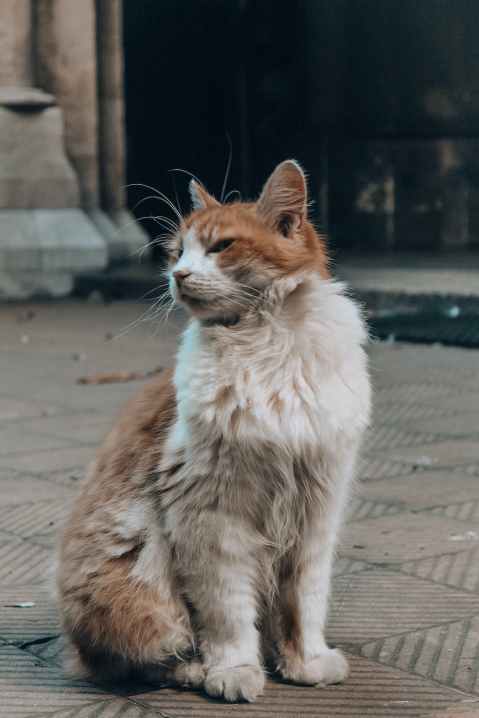
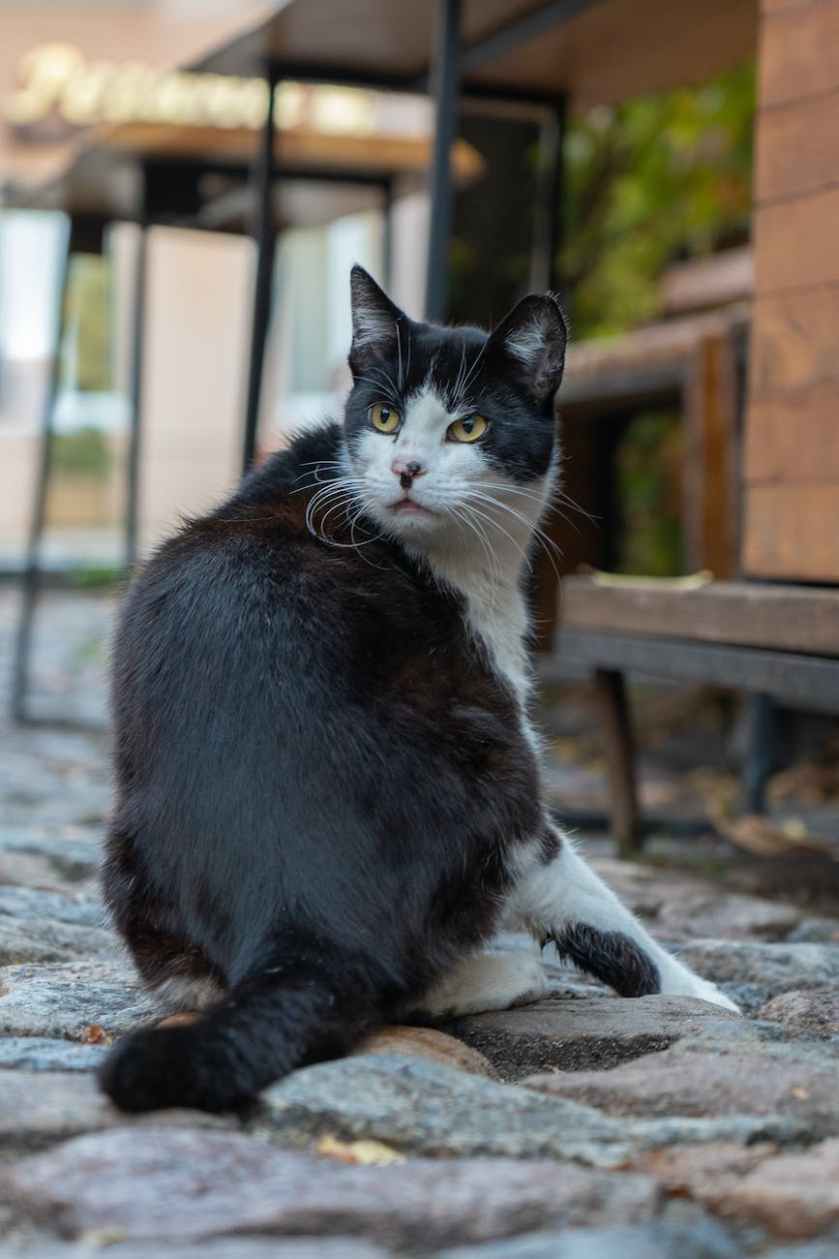
view of a stray cat on a city street
Credit: Boys in Bristol Photography/Pexels

This is not science

This sort of buffet-style, cherry-picking nonsense wouldn’t pass muster in an undergraduate class in the hard sciences, yet somehow it’s not only published in peer-reviewed conservation journals, it’s reported breathlessly and credulously by reporters at outlets like NPR, the BBC and the Guardian, who don’t even bother to read beyond the abstract.

The claims are further undermined by their inexplicable assertion that feral cats and domestic cats are not the same thing, when in fact they are the same species: felis catus. Advocates of cat hunting in New Zealand fret that it’s impossible to tell if cats are feral or pets, not understanding that they are indistinguishable because they are the same. The only difference is that house cats have homes and ferals do not.

No one is claiming that cats don’t have an impact on the environment. It would be foolish to think they don’t.

But if anyone — especially journalists with influential platforms and researchers cloaked in authority thanks to the veneer of real science — wants to make the case that cats are the primary force leading to declining numbers of native bird populations, then the burden of proof is on them, and it’s a high one.

We’re talking about life here, the lives of fully sentient animals with their own rich internal thoughts and feelings. You don’t just casually call for their extirpation or send children off with rifles to arbitrarily shoot them like little serial killers in training.

If you want to make the case, do the work. Get the grants. Hire the personnel. Do it right. The Washington, D.C. Cat Count even has a free toolkit for other communities to conduct their own feline census, so they can make informed decisions. But if you’re unwilling or unable to do the work, then stop spreading misinformation, because it has tragic consequences for real-world animals, and their blood is on your hands.

Top image credit Aleksandr Nadyojin/Pexels

Cat Hunt Canceled, Kiwi Journalist Says Cats ‘Need To Be Shot,’ ‘Run Over’ And ‘Wiped Off The Face Of Aotearoa’

Cats are blamed, to the exclusion of almost all other factors, for the decline in native bird populations in New Zealand.

A New Zealand group canceled a cat-hunting competition for kids after receiving massive backlash for the plan, but one Kiwi journalist told a national audience he thinks the cat hunt is a great idea and doesn’t go far enough.

“When it comes to feeral kets, I’m on the soide of the kea, the kākāpō and the kiwi ivery sangle doy of the week and my missige to [the organizers] is ‘Git the competition back on, git the keds back out thea,'” said the vowel-desecrating morning show host Patrick Gower. “If thea gonna hunt and thea’s feeral kets in the way, then we hif to woipe them out. Feeral kets need to be shot, they need to be run ovah, they need to be trepped, they need to be woiped off the foice of Aotearoa and I imploah the school to git it back on, and look, I’ll put up some rewoade as well foah any kets these kids git down theah as well.”

English translation: “I think the cat-killing contest is a wonderful idea, cats need to be shot, run over and exterminated from New Zealand, and I hate cats so much that I’ll put up some of my own money as prizes for the children who bag the most kills.”

You’ve got to wonder what cats have done to Patrick Gower for him to hate them so much, and fortunately dear readers, PITB has the answer!

Gower lost the New Zealander of the Year competition of 2020 to a cute orange tabby named Mittens.

Think about that: All those years of doing Pulitzer-worthy breakfast show kitchen demonstrations, of slaving away at the anchor desk bringing viewers important news about reality TV stars and parroting former Prime Minister Jacinda Ardern’s declaration that New Zealand’s government is “the single source of truth” on COVID, and Gower loses the honor to a damn cat. Mittens even has the key to the City of Wellington, and Gower does not.

So sad.

Mittens the Cat
Mittens receiving honors that have eluded morning show host Patrick Gower. Credit: Wellington City Council

It’s unfortunate when a man in influential position, small country or not, enthusiastically encourages children to practice being future serial killers by slaughtering innocent animals because he thinks — despite the complete absence of evidence — that arbitrarily gunning down and running over sentient animals will save birds.

Really, you’d think before calling for the extirpation of an entire species of animal that these people would have something, even a single bogus research study, claiming that bird populations would recover if only people started killing cats on sight.

But no such proof exists, and the burden of proof rests with Gower, fellow Kiwi cat-hater Gareth Morgan and others who harbor an irrational and ill-advised hatred of tiny animals who are simply behaving the way nature designed them to behave.

What we do know is that managing cat populations can be done, but it’s difficult, time-consuming work that requires dedication and patience.

Cities like Washington, D.C., with its exhaustive cat count, and communities across the US have provided the blueprint with TNR efforts and a mass push for all pet owners to spay and neuter their cats. The results have been remarkable, and shelters save more than a million felines a year compared to just a decade ago. There’s still work to be done to bring the number of euthanizations down to zero.

Patrick Gower
Gower

It’s also worth noting that the organizers of the North Canterbury Hunting Competition and supporters like Gower are coming from a place of ignorance. In their original, now-deleted announcement, the organizers offered a “guide” to telling the difference between feral and pet cats, unaware that they are the same species. The only difference is that pet cats are fortunate enough to have homes, and strays and ferals do not.

The group said it was offering its “guide” as a way to prevent children from killing pet cats, but how exactly would they do that when a pet is indistinguishable from a colony stray or a feral? Would they find a microchip on the corpse of a cat they killed and say “Oops, guess that one doesn’t count!”?

Does a cat somehow feel less if it doesn’t have a home? Is its life worth less if it doesn’t have a collar and eat from a bowl?

It’s barbaric and so poorly thought-out, it really boggles the mind that the idea of a cat-killing competition for kids was voiced, let alone approved, planned and promoted by supposed adults.

As for the contest itself, we’re very glad it’s been called off, even if the organizers want to play victim and say their feelings have been hurt by the response to their murderous event.

That, however, doesn’t solve the problem. The fact that the organizers thought this was a good idea in the first place, and the increasingly pitched rhetoric from the likes of Gower and Morgan, are normalizing the idea of slaughtering innocent animals who have their own minds, thoughts and feelings, and who have been shaped by 10,000 years of history to live with and depend on humans.

Instead of calling for blood and whipping people into a frenzy, influential New Zealanders should read about cats and animal cognition in general, so they’re aware that felines experience the full range of primary and secondary emotions and are very much capable of suffering the same way we do when we’re injured, stressed and our lives are in danger.

That, unlike claims that cats are primarily responsible for the decline in bird populations, is hard scientific fact. We can peer into the brains of felines, watch their neurons fire, see different brain regions light up as they think specific thoughts and respond to specific smells and sights.

Maybe if people who hate cats understand what they are, they’ll feel some empathy for a beautiful species, animals who have been companions and literal life savers to humans since before deepest antiquity, animals whose lives have intrinsic value regardless of what they mean to us. At the very least, we owe them that.

New Zealand Hunting Contest For Children Offers Prizes For Killing The Most Cats

One of New Zealand’s most prominent economists has called cats “serial killers” who are driven by “bloodlust,” and is one of many who blame domestic cats for the decline of local wildlife.

An annual hunting competition for children in New Zealand has a new category this year, awarding a cash prize to the young hunter who kills the most cats.

You read that right.

The North Canterbury Hunting Competition announced the new category on Saturday and says it will offer a $250 prize to any child 14 or younger who kills the most felines.

In a statement, the local SPCA pointed out the obvious, that cats will suffer horribly, pets will die and the competition will result in bungled kills en masse, leaving wounded cats to suffer horribly before the children finish them off — if indeed they do.

“There is a good chance someone’s pet may be killed during this event,” the Canterbury SPCA wrote in a statement. “In addition, children often use air rifles in these sorts of events which increase the likelihood of pain and distress, and can cause a prolonged death.”

photo of cats
Credit: Ali Arapou011/pexels

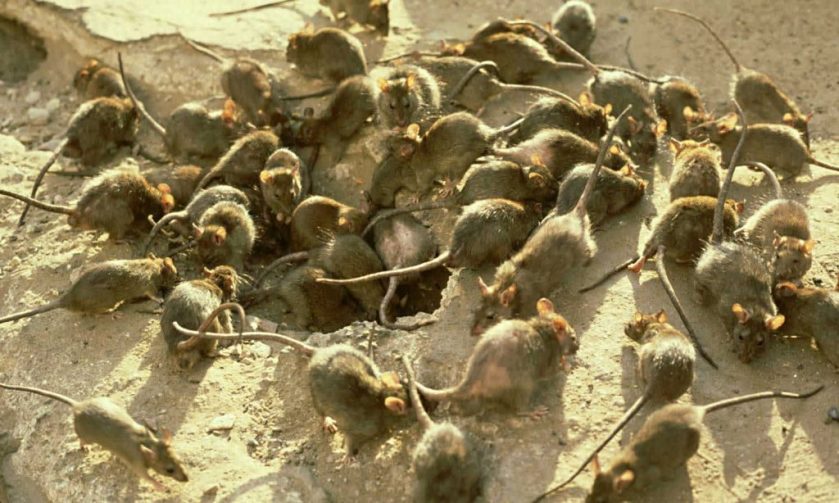
Prompted by the same sloppy “research studies” that inspired Australia to kill millions of cats — and resulted in a mouse plague of biblical proportions in 2021 and 2022, causing billions of dollars in damage to farms, homes, businesses and infrastructure — New Zealand is on a disinformation-fueled jihad against felines.

Like all such studies, the claims that cats are singlehandedly responsible for declines in native wildlife, thus absolving direct human activities of blame, come by way of overzealous bird conservationists and others who insist the mass murder of cats will save native birds and small mammals. As if humans destroying habitats, dumping chemical waste, creating wind farms that act as bird dicers, building glass skyscrapers that millions of birds fly into every year, saturating entire swathes of the Earth with light pollution and EM radiation that harms and confuses animals — and all the other things people do — have no impact whatsoever, and it’s only those dastardly cats who are the culprits.

You’ve got to hand it to the misguided conservationists, who have picked tiny scapegoats who can’t defend themselves verbally or physically against humans.

To understand how the “hunting” (killing) competition can be real, it’s important to understand the context of the way cats are portrayed in New Zealand. Gareth Morgan, a Kiwi economist and politician, launched a campaign about a decade ago with the stated goal of eradicating cats from the island nation of 5.1 million people, which would forbid people from adopting new cats and end programs like trap, neuter, return (TNR) in favor of having local animal control departments kill felines.

Morgan, whose Cats to Go site portrays kitties with devil horns and glowing red eyes, says cats are evil animals driven by “bloodlust.”

“Cats are the only true sadists of the animal world, serial killers who torture without mercy,” Morgan has said.

Hunting Competition
A screenshot from the group’s Facebook page announcing a new prize for young hunters.

The North Canterbury Hunting Competition, which also offers prizes like dirt bikes for child hunters, pulled the new category announcement from its Facebook page on Monday but stopped short of canceling the event, blaming people who were upset by the idea of cat hunting.

Citing abusive feedback, the group said it’s “incredibly disappointed by this reaction” and said the hunt is for a good cause, raising money for local projects.

Case Dropped Against Alabama Cat Ladies After Appeal

Prosecutors dropped charges against Mary Alston and Beverly Roberts 10 months after their arrest for caring for a local cat colony.

Prosecutors in Alabama have dropped their case against two women who appealed after they were convicted for feeding and trapping cats in their hometown.

Mary Alston, 61, and Beverly Roberts, 85, were arrested on June 25, 2022 after a bizarre confrontation in which four police officers pulled up in three squad cars and treated the longtime stray caretakers like hardened criminals.

The women were convicted of related charges in December and vowed to appeal the ruling, with their attorneys calling it a case of retributive and petty small town politics.

On Wednesday, Elmore County Circuit Court Judge J. Amanda Baxley accepted a motion by prosecutors to drop the case against Alston and Roberts.

It took their attorneys four months to get the body camera footage from the Wetumpka Police Department, but when they finally obtained and released it to the public in October, Wetumpka became the subject of national scorn for the way its police treated the women.

The footage showed the officers grabbing Alston by her wrists and pulling her out of her car, cuffing Roberts and berating the women for not moving fast enough when they were ordered to collect their traps and leave a wooded area on public land.

Wetumpka cat arrests
A police officer pulls Alston from her car on June 25 before arresting her for trespassing.

When Alston and Roberts expressed shock that police were hassling them, much less threatening them with arrest for managing a cat colony, one officer yelled at Roberts.

“It’s gonna get ugly if you don’t stop,” the cop said, jabbing a finger in Roberts’ face before cuffing her.

One officer told the women they were “too old to be acting this way,” and the footage captured audio of the officers laughing after one of them remarked that it was good there were no witnesses because they would have seen “a bunch of cops beatin’ up on some old ladies.”

There are no laws on the books against feeding cats in Wetumpka, so police charged the women with two misdemeanors each for disorderly conduct and resisting arrest.

Roberts and Alston argued that they were performing a service for the town by caring for the colony of strays. They were conducting TNR (trap, neuter, return) operations in cooperation with local shelters, often at their own expense, to stop the cats from continuing to breed.

Despite the fact that TNR is widely accepted as the most humane and effective way to manage stray cat populations, Wetumpka officials stuck to their allegations that the women were exacerbating a nuisance.

Wetumpka Mayor Jerry Willis doubled down after his department received overwhelmingly negative feedback over the arrests, and in a December trial witnesses described an ongoing argument between Willis, Roberts and Alston over the stray cat issue.

During the trial it was revealed that it was Willis himself who called the police when he spotted Alston’s car near the wooded area. Willis claimed he did not tell the police to arrest the women, but Officer Jason Crumpton testified that he was indeed told to arrest them.

Despite that, municipal Judge Jeff Courtney — who was appointed to his position by Willis and was not elected — found Alston and Roberts guilty of all four charges.

Prosecutors did not say why they dropped the charges on Wednesday, and it was not immediately clear if Roberts and Alston will be allowed to return to caring for the cats, who live in a wooded area on public land not far from the same municipal courthouse where they were earlier convicted. PITB has reached out to the women for comment.

“We are very worried about them,” Roberts told PITB in December. “A few animal lovers have said they would help, but we are not sure this will happen. I’m not sure there is enough food available to hunt. The weather is getting colder, and they need protein.”

The Era of Tiger Pets Is Over, Plus: Influencer Defends Hitting Cat, Says People Are Upset Over ‘Nothing’

Big Cat Rescue will pivot to conservation efforts across the world. Meanwhile, TikTok “influencer” Hasbulla says people are attacking him for “nothing” over a video showing him abusing his cat.

We start with some great news: Big Cat Rescue is shutting down because its services will no longer be needed.

Of course there are still plenty of tigers, lions, jaguars, leopards, pumas, lynx and cheetahs in the non-profit sanctuary’s care, but the passing of the Big Cat Public Safety Act has finally put an end to the cruel, abusive and absurd practice of keeping big cats as pets.

The animals will be moved to Turpentine Creek, an accredited animal sanctuary in Arkansas. Big Cat Rescue will continue to fund their care and will sell its existing land in Florida as it transitions to programs to prevent the extinction of big cat species, almost all of whom are critically endangered.

“We have always said that our goal was to ‘put ourselves out of business,’ meaning that there would be no big cats in need of rescue and no need for the sanctuary to exist,” Big Cat Rescue wrote in a memo released this week. “Supporting our cats in larger enclosures at Turpentine Creek, at much lower cost per cat than we incur by continuing to operate Big Cat Rescue, will free up resources to let us do much more to save big cats in the wild.”

photo of tiger and cub lying down on grass
Credit: Waldemar/Pexels

The Big Cat Public Safety Act has not only made it illegal to own tigers and other wild cats as pets, it also puts an end to the cub-petting business used by roadside zoos, in which cubs are taken from their mothers as infants so the roadside zoos can charge customers to pet the cubs and pose for photographs with them. While big cat “pet owners” are grandfathered in, many have been rescued and there will be no more pets after the current group dies out.

Influencer Hasbulla says people “are attacking me for nothing” over video in which he abuses cat

Hasbulla, the Russian influencer whose videos have been viewed more than 10 billion times on TikTok, says people are making a big deal over “nothing” in response to a video showing him abusing his cat.

Hasbulla 3 169
Hasbulla is 20 years old but has a child-like appearance due to a genetic condition.

The 3’4″ social media “star” is known for frequently talking about “acting like a man” and in addition to being an enthusiastic supporter of Russian President Vladimir Putin and his war in Ukraine (he’s called Putin “a lion” on several occasions), he holds typical Russian views on the way men are “supposed” to act.

Hasbulla said he was merely disciplining his cat for “misbehaving.”

“Those brothers who think that I was beating the cat, pulled the ear, this and that. I pulled the ear gently,” Hasbulla said in a video accompanying a Twitter post. “I know that people are waiting for the moment, if I write something wrong, to just attack me like this. Like, ‘you do this, you do that’. She was misbehaving and I just pulled the ear and that’s it. I love my cat more than you. If I didn’t love the cat, I wouldn’t have it at home. My most lovely animal is a cat. And when she disobeyed, I scolded her a little. And you are attacking me for nothing.”

Of course anyone with common sense knows cats are not capable of “misbehaving” because they have no concept of what behaving means by human standards, and Hasbulla is being dishonest when he claims he was “gently” disciplining the cat.

In the video, which the Russian voluntarily uploaded, he’s seen grabbing the terrified cat by her ear and yanking violently. The cat runs from him and retreats to a cardboard box where she tries to soothe herself, but Hasbulla follows, scolding her in his native language and hitting her several times on her head and body.

Unfortunately there is little concern for animal rights in Hasbulla’s country, so it’s very unlikely he’ll run afoul of any Russian laws, and even less likely that an animal welfare organization will confiscate the abused feline.