Some names climbed the rankings, while others are perennial favorites tied to coat colors, patterns and personalities.
Another year, another list of the most popular names for our furry overlords.
This one is based on data from a pet insurance company commissioned by US News & World Report, and while there are others based on things like chip registrations and veterinary records, they agree on pretty much all the most popular names.
So what are the top names we bestow on our little pals?
Unsurprisingly, Bella and Luna retained their top spots for female cats, while Leo ane Milo were the most popular names for male cats.
There’s not even a mention of the name Buddy, which is either a heresy which shall not go unpunished, or pretty cool because it’s kind of unique, and there are probably only like 25,000 Buddies in the US. Buddy hasn’t made up his mind yet, although I think he’s too lazy to go around punishing alleged heretics.
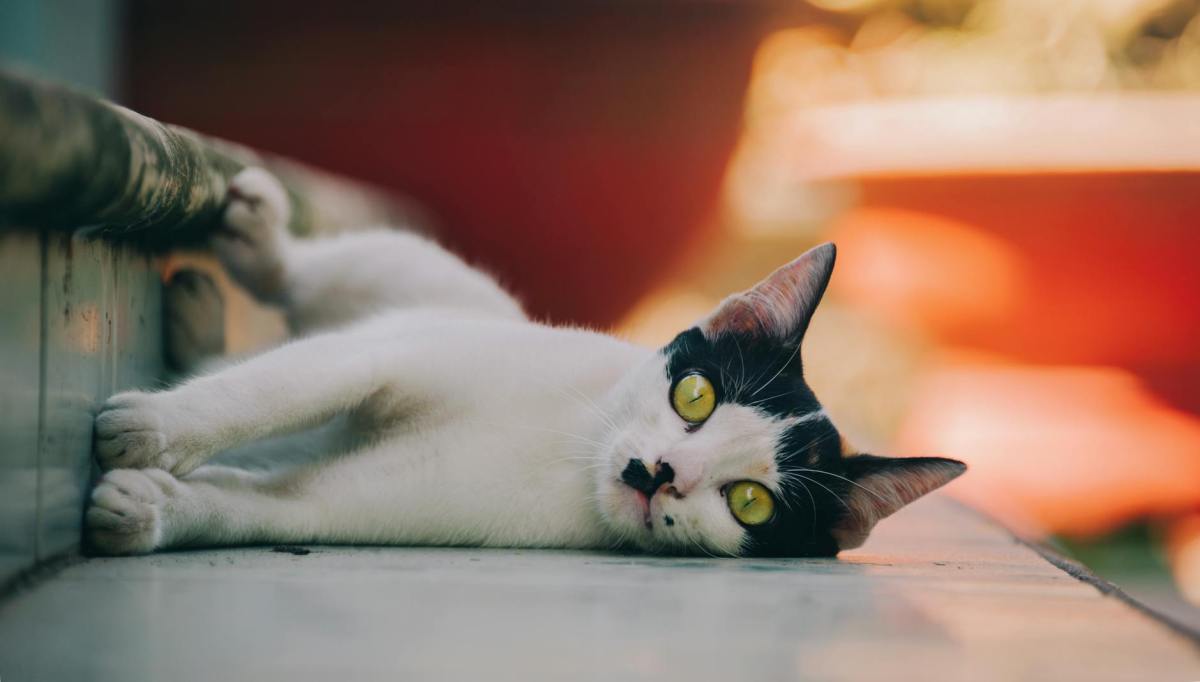
Credi5: Mahmoud Yahyaoui/Pexels
Interestingly, Luna and Bella are also the top names for female dogs. Leo enjoys enduring popularity due to its association with lions (panthera leo) while Milo owes its popularity at least in part to the film The Adventures of Milo and Otis.
Rounding out the list are Simba (Disney’s The Lion King), Nala from the same film, and traditional cat names like Kitty, Oreo, Shadow and Smokey, with the latter three referencing coat patterns and colors.
Unfortunately, Lord Fluffybutt III did not make the list.
U.S. News and World Report compiled a list of the top cat names in America by looking at pet insurance registrations, and a bunch of familiar names topped the list.
Luna is the current most popular name for female cats, followed by Bella, while Milo edged out Oliver for the most popular male cat names. The data is current for the year 2024, the report said.
While other lists use different ways of calculating the top names, including registrations on pet-related sites and listings on PetFinder, the U.S. News list closely mirrors the others.
The name “Buddy” was named “most badass” for the 27th year in a row, since pet insurance companies began keeping statistics. (Okay, we made that up, but it’s probably true.)
Giles the cat is recognized for the most ridiculous pet insurance claim of the year, while federal prosecutors use the new Big Cat Public Safety Act to go after alleged illegal wildlife traders.
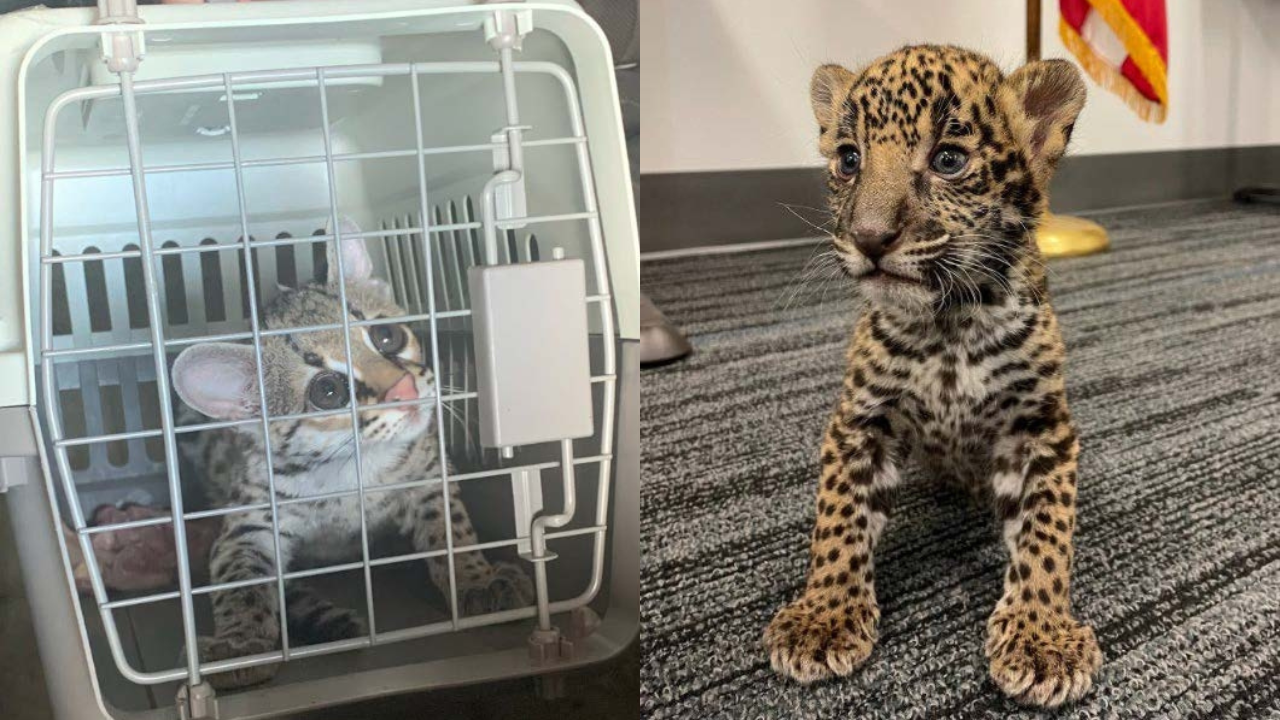
A Texas man and his wife were arrested after allegedly selling a margay kitten and trying to sell a jaguar cub in a second deal, federal authorities said.
Rafael Gutierrez-Galvan, 29, and his wife Deyanira Garza, 28, whom prosecutors describe as “legal permanent residents,” sold the margay cub for $7,500 to an undercover agent, meeting him in the parking lot of a Texas sporting goods store on Aug. 24. On Sept. 26 Gutierrez-Galvan made plans to sell the jaguar cub to the same man, and agents arrested him and his wife en route to the meet-up, according to the U.S. Attorney’s Office for the Southern District of Texas.
Gutierrez-Galvan and Garza face federal charges under the new Big Cat Public Safety Act, which was signed into law in 2022. They can be sentenced to a maximum of five years in federal prison and ordered to pay a $20,000 fine if convicted.
Prosecutors did not say how the couple obtained the two wild cats or if they were working with anyone else.
The margay kitten, left, and jaguar cub recovered from a Texas couple who are accused of illegally selling them. Credit: U.S. Attorney’s Office, Southern District of Texas
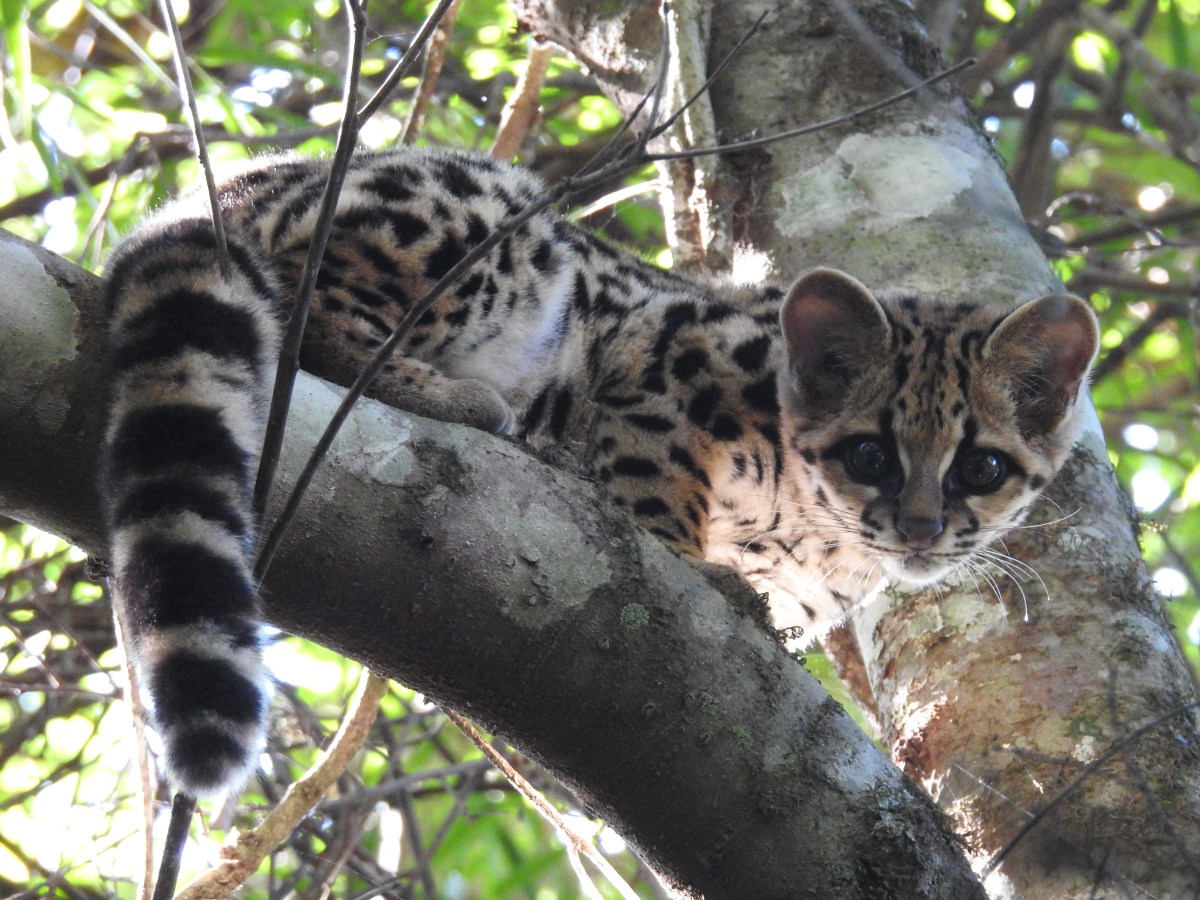
Jaguars are endangered and margays are threatened. Both are native to South America, although jaguars once ranged as far north as Ohio and Pennsylvania. Margays (leopardus wiedii) are small arboreal wildcats who thrive in the deep jungle, away from human interference. They’re typically smaller than domestic cats, with an average weight of six pounds, and are among the most sure-footed of all felid species.
Jaguars (panthera onca) are true big cats and the only extant big cat species native to the Americas. They’re under enormous pressure from Chinese poachers, who capture and kill them to use their body parts in traditional Chinese “medicine,” as well as local illegal wildlife poachers. Both jaguars and margays, as well as other cat species native to South America, are also endangered by habitat loss.
Header image of a margay in Rio Grande do Sul, Brazil, credit: Anderson Cristiano Hendgen via Wikimedia Commons
New York cat wins Hambone Award for most ridiculous pet insurance claim
The Hambone Award was started in 2009 when a family filed a pet insurance claim for their dog who got trapped in a refrigerator, suffered mild hypothermia and tried to make the best of the situation by eating an entire ham.
That inspired the Veterinary Pet Insurance Company, a subsidiary of Nationwide, to create the award and make it an annual event. The first recipient of the “honor” was Lulu, an English bulldog who ate 15 baby pacifiers, a bottle cap and part of a basketball, necessitating a trip to the veterinarian and an insurance claim.
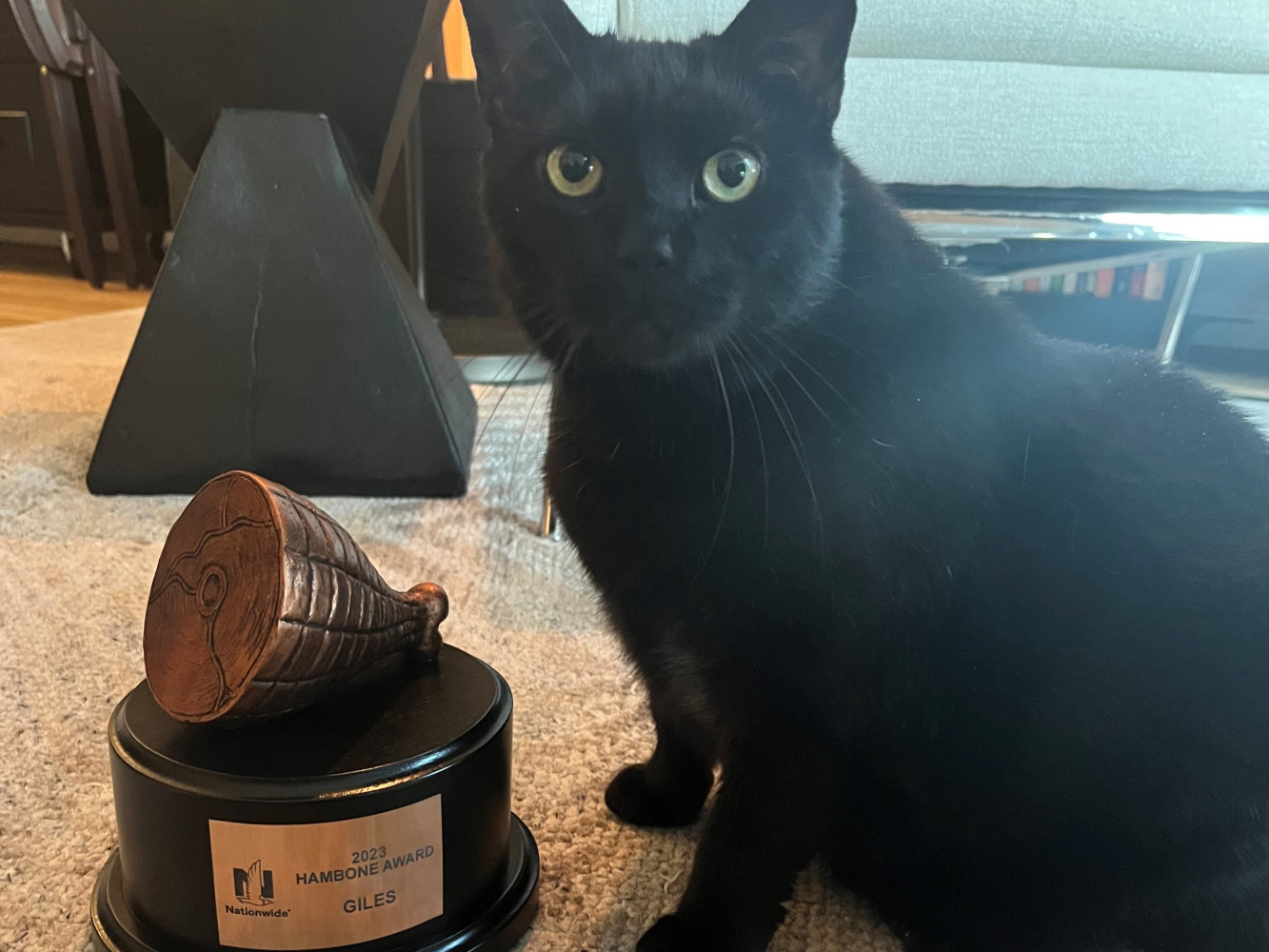
This year the award went to Giles, a handsome black kitty who has a habit of hiding in a sofa bed and getting stuck there when one of his humans folds the bed back into the couch. His humans, Kaitlyn and Reid, always check to make sure Giles isn’t in the space beneath the bed when they fold it up, and had warned Reid’s visiting parents that the playful cat likes to hang out there, but they forgot to check and ended up smooshing Giles.
Giles poses proudly next to his Hambone Award. Credit: Nationwide
Luckily the little guy didn’t break any bones, but he did take a hit to the face pretty hard and needed stitches.
“I [had] no idea what’s going on—we got him in his carrier and ran him up the street,” Reid said. “Luckily, we have a wonderful vet hospital just around the corner from us, so we were able to take him right there. Fortunately, it wasn’t too bad. He did need some stitches … but he was the model patient, as he always is.”
Giles’ competition this year was mostly dogs, but the other feline finalist was Miko, a New Orleans cat who spotted a pair of doves nesting in a hanging plant just outside on the patio. Miko executed a Jordanesque leap and swatted at the doves, but as the birds fled one of them gave the bold cat a parting gift, pecking Miko in the face. Thankfully he wasn’t seriously injured.
For his exploits, Giles received a trophy and his humans will receive a gift card and a donation in their name to the pet charity of their choice.
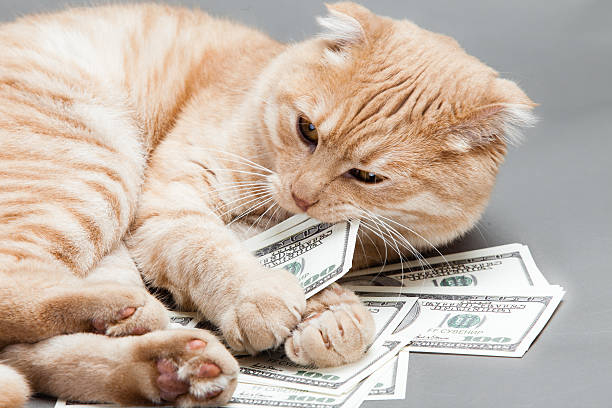
Two new reports estimate the cost of caring for a cat over a typical 15-year lifespan.
Two stories published in recent days give wildly varying estimates of how much it costs for the privilege of serving a cat.
First we should note that both reports assume the cats are adopted in kittenhood and the average lifespan of a cat is 15 years. That’s in line with current data showing well cared-for, indoor-only cats live between 12 and 18 years, with outliers on both ends. It’s not uncommon to hear about cats living well into their 20s just as some cats sadly pass on before their time, whether due to natural causes, illness or accidents.
A Texas cat named Creme Puff is the Guinness World Record holder for longest-lived house cat, holding on for an astonishing 38 years until her death in 2005.
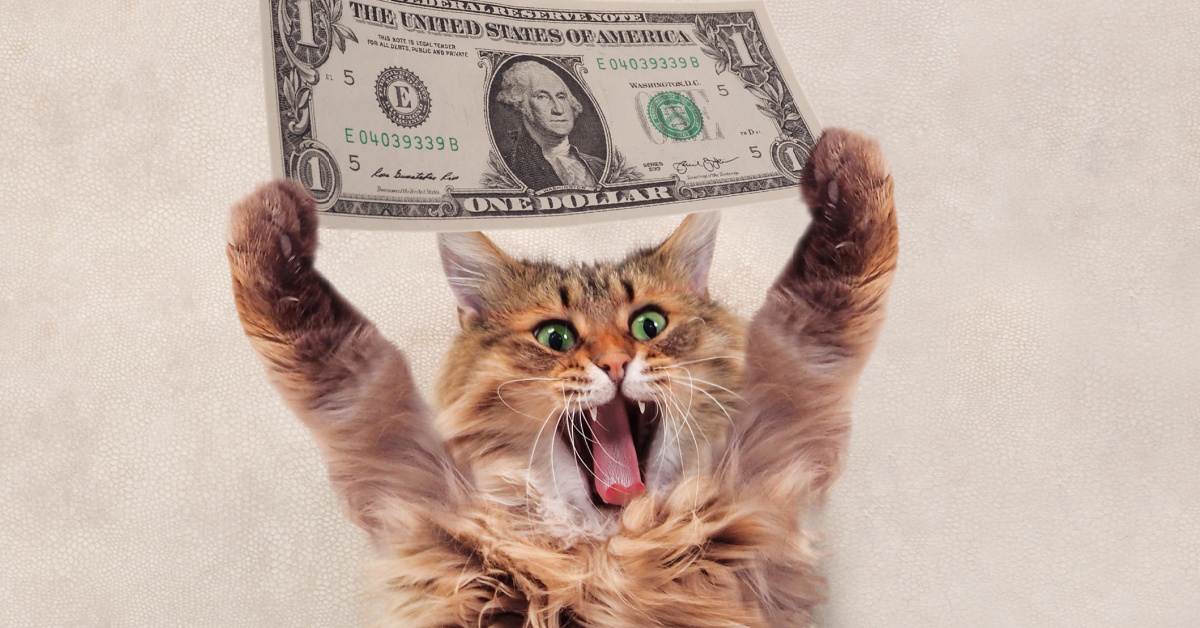
Caring for a house panther can cost between $4,250 and $31,200 over kitty’s lifetime, according to an analysis of associated costs by The Ascent, a vertical of financial literacy site The Motley Fool.
The estimates break costs down into recurring expenses — which include food, treats, litter and veterinary care — and fixed expenses like scratching posts, toys, additional cat furniture, bowls, grooming tools and similar items.
Not surprisingly, the biggest expense is food, the cost of which has been exacerbated by inflation, rising fuel costs and lingering supply chain issues that caused a cascade effect during the pandemic. Everything from sourcing metal for cat food tins to meat availability was impacted as ports were closed and meat processing plants were shuttered at various points since early 2020.
An unrelated estimate from OnePoll, based on a survey commissioned by pet food company Solid Gold, put the lifetime estimate of cat servitude at $25,304. Like the Motley Fool analysis, OnePoll’s respondents cited food as the primary expense, followed by veterinary care.
The wide range from the Motley Fool analysis could be attributable to geography, how well the cat is fed, and how many extra things caretakers do for their cats. A person who lives in Manhattan, splurges on bespoke feline furniture and buys ultra-premium cat food at almost $3 a can is going to spend significantly more than an eastern European cat servant who feeds raw or home-cooked food and builds their own ledge loungers and scratching apparatus.
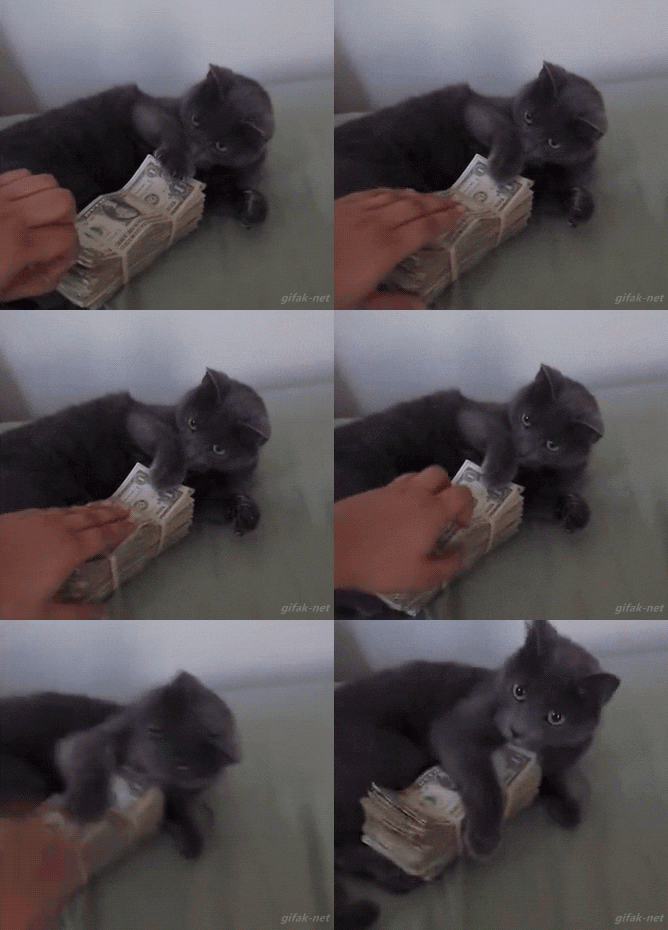
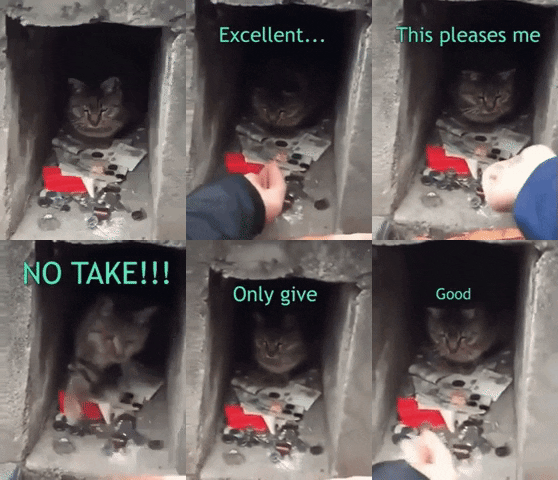
“Welcome to Teh Bank of Kitteh, you may make a deposit but not withdraw!” Credit: @catsandmoney/Twitter
Here in New York the cost of cat food in local grocery stores has spiked dramatically, but online prices have remained steady. Keeping in mind we’ve never really endorsed any particular brand or vendor on PITB, I switched from occasionally buying food online to Chewy auto-shipments during the pandemic because Bud’s favorite food was becoming very difficult to find locally, and that arrangement has worked out cost-wise as well.
Bud’s a true Pain In The Bud when it comes to “leftovers” so his primary wet food is Sheba Perfect Portions. It’s reasonably priced, comes in variety packs and helps avoid waste since each meal comes in its own 1.3oz recyclable blister-like plastic package. (Recycling is especially important with these single-serve packages, tiny as they are.) His dry food is Blue Buffalo Wilderness Adult Chicken recipe, although occasionally I’ll buy the weight control version of the same dry food when it looks like Little Man has gotten a bit chubby. He doesn’t protest, thankfully.
I feed him two 1.3oz wet meals a day and fill his dry bowl less than halfway at night so he can have his late snack and doesn’t have to wake me up if and when he gets hungry overnight. Sometimes I’m dimly aware of him sliding off me, padding over to his little dining nook and munching on dry food before hopping back onto the bed and dozing off again.
Overall it works out to about $21 a month, so I’d call it an even $25 with treats. You can schedule your auto-ship at any interval you choose, edit it at any time, and prompt the shipment immediately if you’re running out of food, so you can save more by ordering a few months’ worth of food at a time and taking advantage of free shipping on orders of more than $50.
Has inflation impacted cat food prices in your local area? How much does it cost to feed your cat(s) every month?


 Pain In The Bud