The purveyors of the deceptive posts want you to click, share and argue with other users about the veracity of the photos.
Not only is he the rarest puma in existence, he’s more well-traveled than most humans.
The mountain lion in question has a black coat, unprecedented for his species, and has been popping up all over Facebook. He’s photographed from the passenger seat of a truck cab, his tail in an unbothered curl, crouched amid the brush near a rural road.
Some posters claim they spotted the formidable feline in Mississippi. Others attribute the image to a sister-in-law who lives near Houston or a daughter in Charleston. A user in Louisiana claimed they took the photograph near the bayou, while another places the cat in Wyoming and claims he’s the first-ever documented “shadow cougar.” (Our friend Leah of Catwoods drew our attention to the images last week after seeing posts placing the cat in the south.)
In case it isn’t obvious, all the claims are full of it.
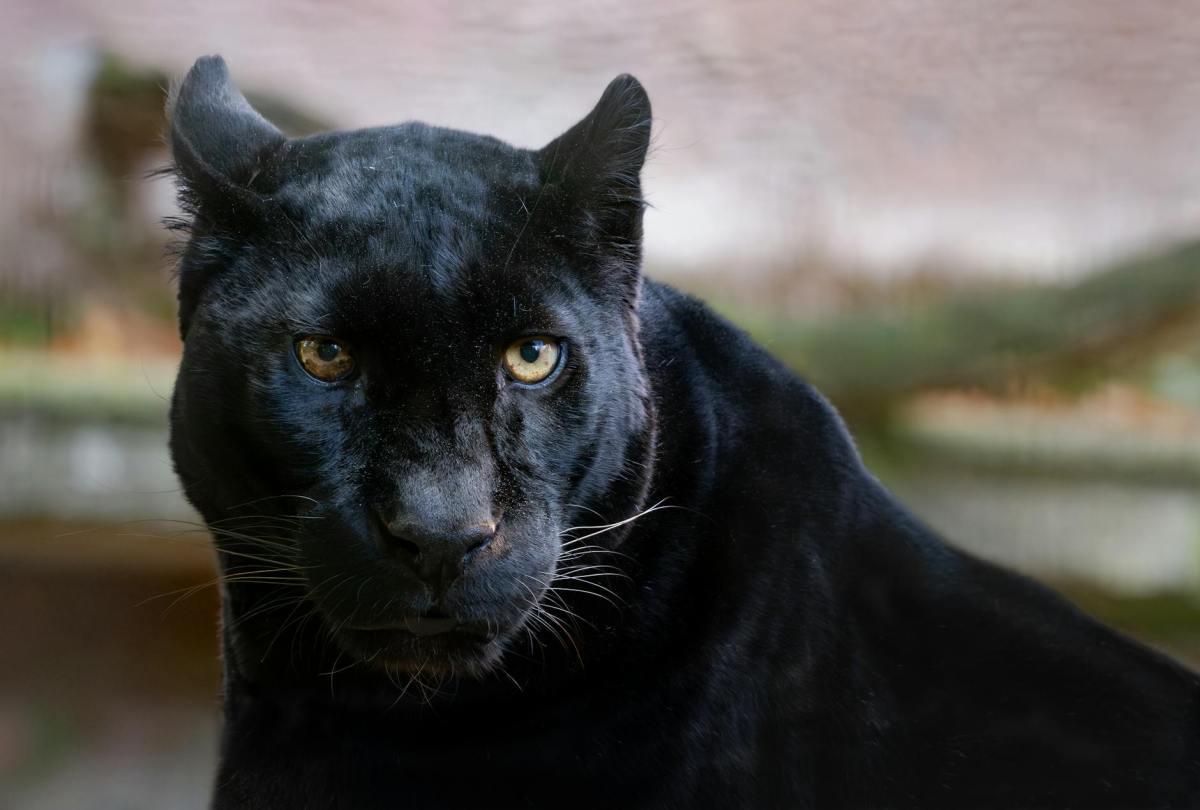
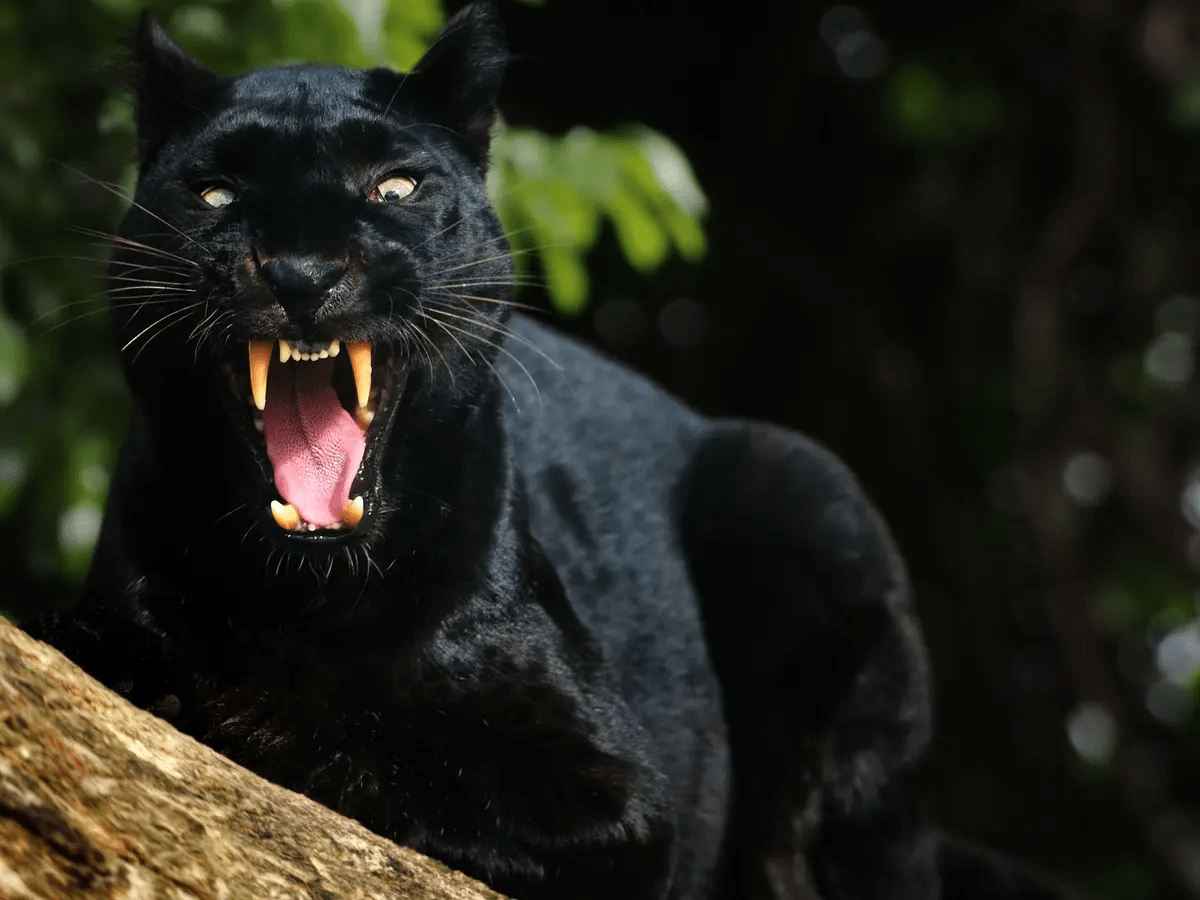
There is no such thing as a melanistic (black) mountain lion, and the big cat in the photo has the physical characteristics of a leopard, an animal that is not native to this hemisphere, let alone this continent.
The real story here is that Facebook remains a fountain of misinformation and Meta (its parent company) doesn’t care. Unscrupulous users will do anything to get attention and the clicks that come with it, and the average Facebook user is happy to indulge them, driving clicks by resharing the hoax content and juicing its algorithmic value by engaging in endless arguments with fellow users about the veracity and provenance of the photos.
Alleged big cat sightings are perfect for this sort of thing because they pique people’s natural curiosity, there’s a whiff of danger — especially when the poster claims the animal was spotted locally — and most people aren’t aware of telltale differences between cat species.
In many ways, the blurrier and more indeterminate the photo, the better: like Bigfoot and the Loch Ness monster, the idea of phantom cats is most fertile in the imagination.
These days you don’t even need a photo to get in on the click-baiting action. I asked Gemini to create an image of a jaguar-like big cat walking along a rural road at night, and this is what the LLM gave me:
In the image prompt, I asked it to make it look like an amateur photo taken with a midrange smartphone camera, but if we really wanted to get artistic, it’s simple enough to add noise, maybe some motion blur and digital artefacts to the image to make it look more like an authentically crappy, rushed shot of an unexpected animal.
Here’s the result of some simple efforts to en-crapify the “photo” further:
To give the image urgency and encourage people to engage with it, I can make it local and claim it was recent. Errors of grammar, spelling and punctuation add a nice seasoning of authenticity, along for feigned concern for others as the reason for sharing:
“Folks – just wanted to tell ya’ll to mind your pets an make sure of you’re surroundings bc theres a big cat on the lose!! my cousins GF took thus friday nite on Route 9 a few mile’s south of Dennies. a real honest to goodness black panther! BE SAFE!!!”
There’s a dangerous animal on the loose in your area! You know what you have to do: share it so others can bring their pets safely inside and stop their kids from playing outdoors, at least until it looks like the predator has moved on.
It’s your duty as a good American!
Since it doesn’t seem to matter if a quick reverse image search can settle the question of where an image came from, it’ll be interesting to see if anyone lifts the above image and text.
At the very least, maybe a few people who do think to run a search will find their way here, read about the hoax, and save themselves from getting drawn into online debates about the existence of cryptid cats.
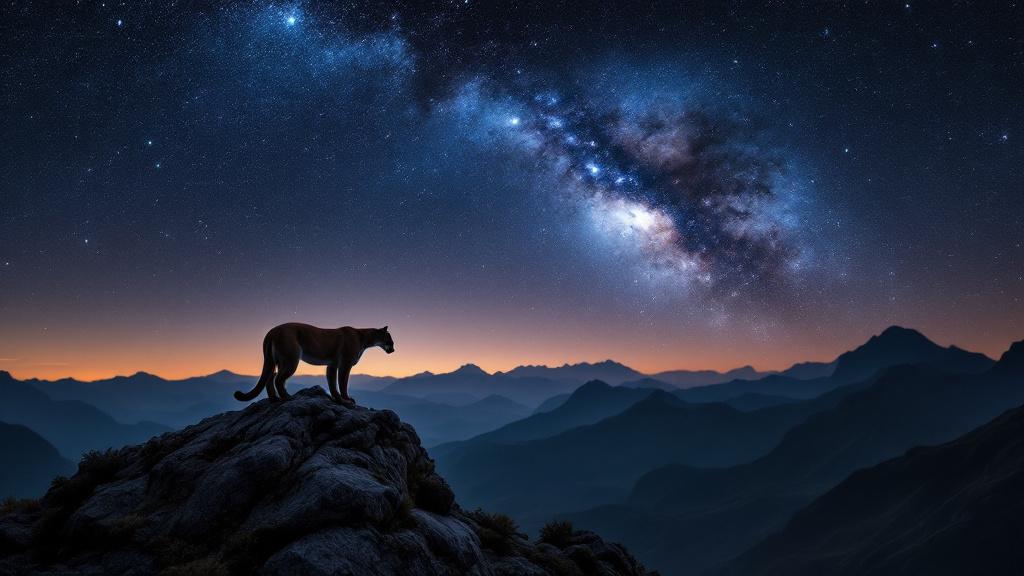
Cats were built by mother nature to stalk by starlight.
From the African savannas to the Andean mountains, the jungles of the Amazon to the Hollywood hills, and everywhere in suburban America, cats of all types and sizes prowl the night. With eyes that are up to eight times more sensitive in the dark, incredibly sensitive hearing, and whiskers that can pick up the slightest change in air density, felids were built by mother nature to stalk by starlight.
Some cat species are crepuscular, some are nocturnal, but as ambush predators, they’re all at their best when hunting under the cover of darkness.
Image credits, top to bottom: Per Karlson/PVKFoto, Reddit r/natureisf***inglit, Cockscomb Basin Wildlife Preserve, Wikimedia Commons, Steve Winter/National Geographic, National Park Service, Colorado Parks and Wildlife
Roadside zoos persist despite recent law changes, but even the best zoos fail to provide adequate facilities and enrichment for big cats, the report found.
The Amur tigress at Bearsdley Zoo is the lone occupant of her enclosure, which is large by the zoo’s standards, outfitted with a pool, toys and other enrichment, but small compared to what her natural range would be.
When I visited last summer, I spent the better part of an hour watching her pace the perimeter of her enclosure, walking in an endless loop as if in a daze, never stopping, altering her stride or reacting to anything.
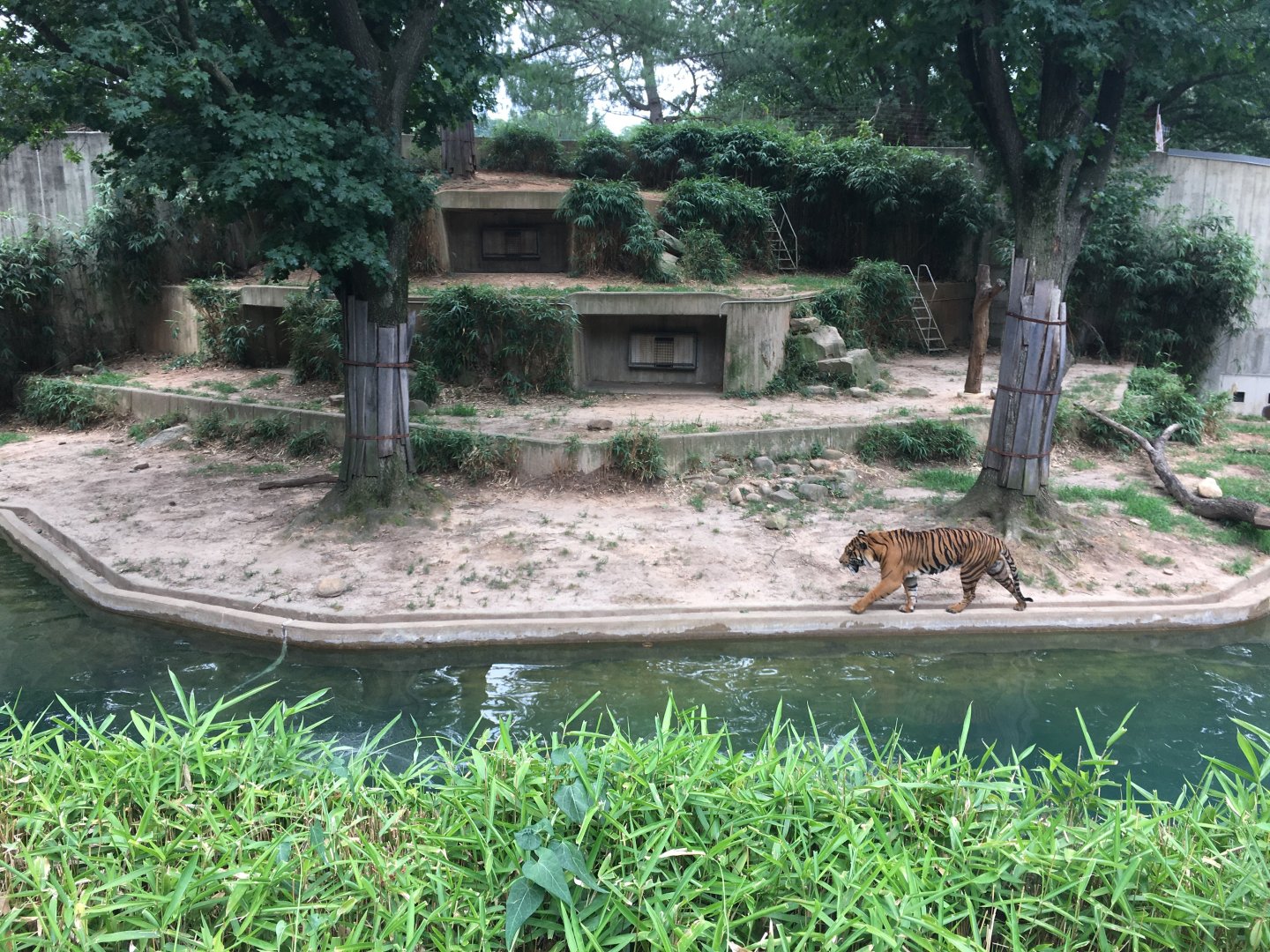
But what made me realize how bad captivity really is for big cats was what I saw at the Smithsonian National Zoo, a well-funded world class facility. The tigers there have two outdoor enclosures with a topographic design: they’re vertical spaces separated into tiers, with large trees and narrow “caves” for shelter from the elements. Both enclosures are surrounded by wide moats that ring the perimeter just inside the security fencing.
One of two similar Bengal tiger habitats in the Smithsonian National Zoo in Washington. Credit: ZooChat
It was feeding time on a hot summer day. Lionesses chowed down on large slabs of meat and licked blocks of ice, but the lone male tiger next door was pacing in a circle. He paced and paced, covering the same 10 to 12 feet, ignoring his food. I watched him for a long time. His behavior was a clear sign of zoochosis.
If a tiger in a national accredited zoo — where an entire team of keepers and caretakers is responsible for enrichment and welfare — suffers from clear signs of captivity-induced distress, what chance do tigers in other facilities have?
When we think of big cats suffering in captivity, we think of the roadside zoos where the Joe Exotics and Doc Antles of the world exploit them for financial gain, drug them, force them to take selfies with visitors and keep them in cruel conditions. But a new report from Born Free USA goes beyond roadside zoos and says big cat arrangements, even in the best zoos, are inappropriate, unhealthy and demoralizing for the animals.
“Unable to escape the crowds of humans, unable to follow some of their fundamental urges such as hunting and roaming over large distances, unable to fulfil their social needs – whether that be living solitarily or forming a pride with others – big cats show us their mental anguish by adopting abnormal behaviors,” reads the report [PDF], Clawing at the Cages. “These behaviors, known as stereotypies, manifest in obsessive pacing. Some big cats spend most of their days tracing the same, short, tedious route around their enclosures. This behavior is a recognized sign of stress, and only documented in captive animals.”
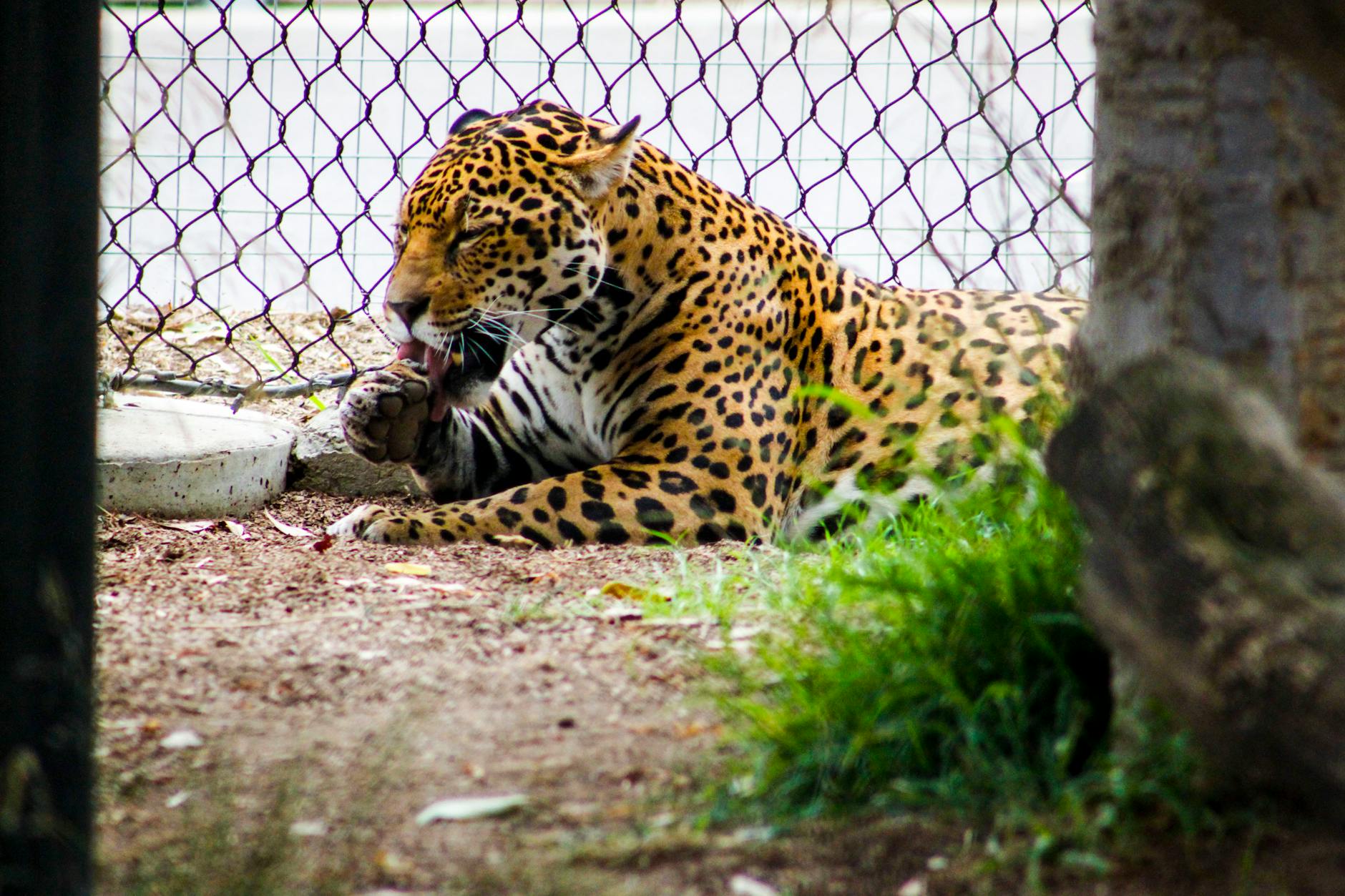
A captive jaguar. Credit: Yigithan/Pexels
The wild lives of animals like tigers are fundamentally at odds with the concept of zoos. In the wild, tigers range up to 50 miles in a single day, occupying vast ranges. Male tigers protect their home ranges, their mates and their cubs from other males as well as threats of all sorts.
That sort of lifestyle, which is hard-coded into their DNA, is not compatible with a guest-oriented operation in which habitats are designed primarily to give people the best view of the animals.
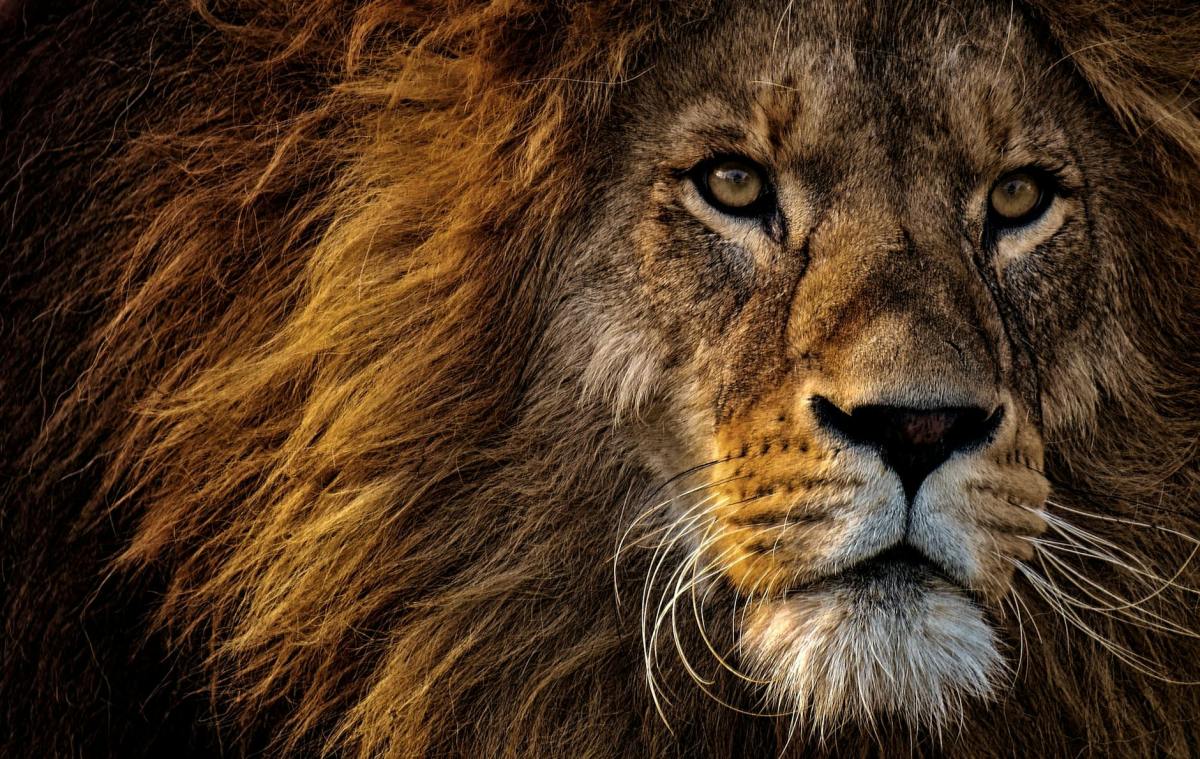
Lions might have it slightly better, though that’s arguable. As a social species they can interact with each other and they tend to have larger enclosures, but zoos rarely group animals according to their preferred family units or prides, instead matching individuals according to breeding plans as part of conservation efforts.
Yet even the conservation aspect is iffy, according to Born Free USA. Because of restrictions on “importing” animals and a population that is descended from just a handful of big cats, inbreeding is rampant. There’s a lack of scientific research on the captive zoo-held population, but the authors cite a 1983 study that found “six animals out of the approximately 1,000 Siberian tigers held in zoos in 1983 were responsible for 69.4% of the founder representation of the living population at that time. 70% of the population had a positive inbreeding
coefficient.”
Because little has been done to remedy that genetic bottleneck, “genetic viability remains low, and inbreeding of big cats in zoos can only have increased in the intervening years since these studies,” the report states.
Inbred cats suffer more health problems, don’t live as long and are much more susceptible to birth defects.
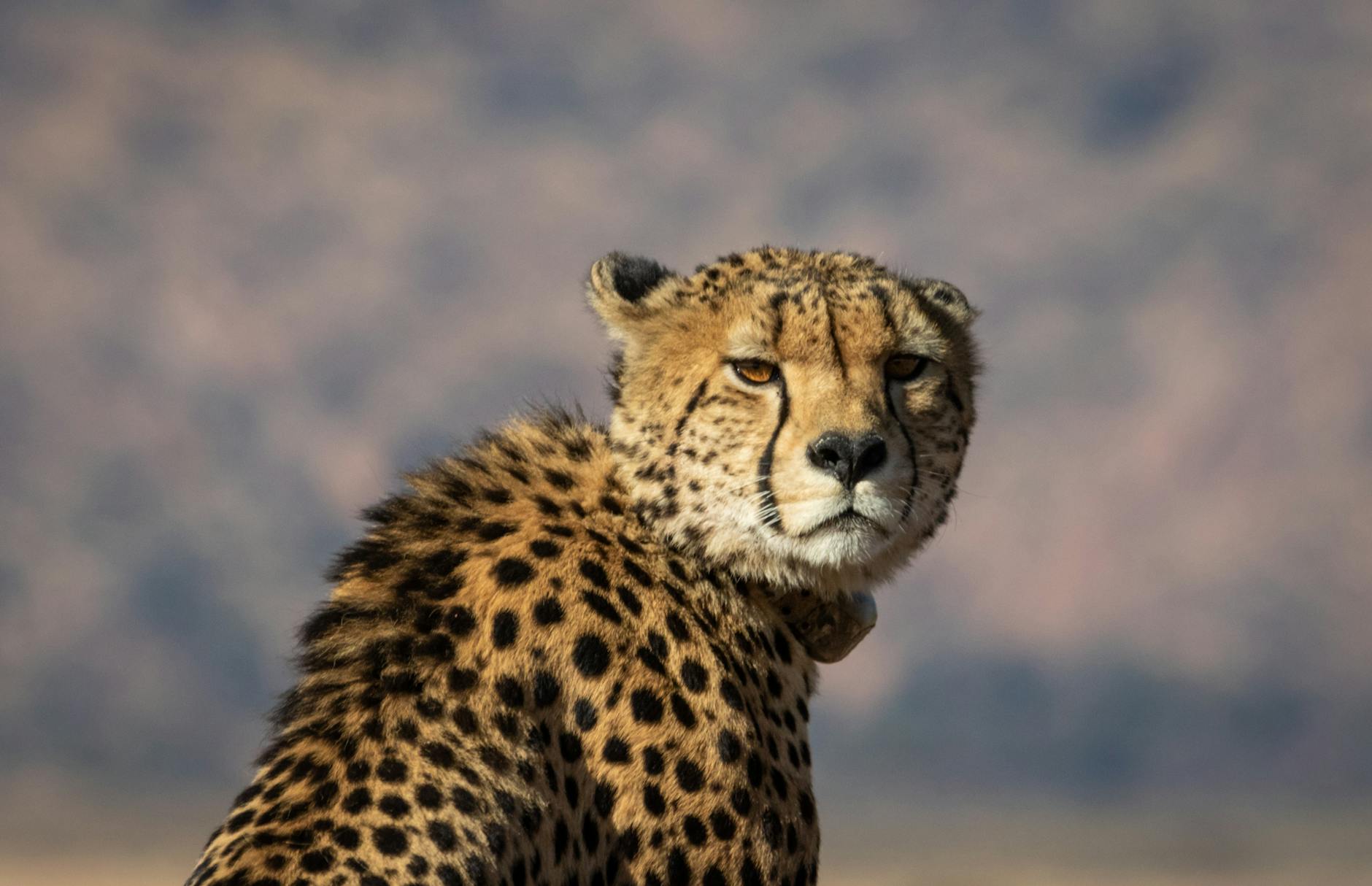
A cheetah. Credit: Magda Ehlers/Pexels
Despite the passing of the Big Cat Public Safety Act, Born Free USA’s report notes, roadside zoos still exist, and many of them have simply ignored the new laws because their operators know inspectors are overworked and lack manpower. Years can elapse between inspections, even at roadside zoos operated by serial offenders with long histories of keeping animals in abysmal conditions.
For example, Single Vision of Melrose, Florida — which bills itself as a “conservation” facility — openly flaunts its mistreatment of big cats with enormously popular video content from “Safari Sammie” on Youtube, TikTok and Instagram, despite the fact that it’s been the subject of dozens of violations and has an ignominious record when it comes to the health of its big cats. The facility was charged with 20 violations of animal rights laws in the previous two years, and has had multiple cases of animals dying due to neglect, yet continues to sell “experiences” in which “guests” can interact with heavily sedated tigers, jaguars, cheetahs and other wild cats.
In her videos, “Safari Sammie” — an employee of Single Vision — is routinely seen interacting directly with the apex predators, treating them like house cats and creating dangerous situations.
Other roadside zoos and animal “experience” operators continue to intentionally inbreed big cats to create “exotic” white tigers as well as ligers, tigons and other hybrids that aren’t found in the wild but are big attractions.
Overall, the report found:
Zoos fail to provide adequate environments for big cats, including lack of space, lack of ability to hide from public view, and the regular practice of locking big cats in tiny night quarters during the hours when zoos are
closed. The latter often results in big cats spending the vast majority of their time significantly confined.
Social and behavioral needs are not met in zoos. For example, solitary big cats are often forced to live with conspecifics, and social big cats are prevented from creating natural prides. Big cats are prevented from
hunting live prey – a behavior fundamental to them – while often housed alongside prey animals who also suffer stress from being forced to live near predators.
Inbreeding of big cats has become commonplace due to limited genetic diversity among captive populations, as well as unethical and deliberate inbreeding of color morphs such as white tigers and lions,
resulting in significant health issues for the cats involved.
Due to the inbreeding of big cats in zoos, as well as their habituation to humans, big cats kept in zoos are generally not candidates for release to the wild. As such, extensive and ongoing breeding programs simply serve to ensure that zoos remain “stocked” with these animals.
Monitoring of data on big cats in captivity is incomplete, with significant numbers of individuals disappearing from studbooks – the databases ostensibly responsible for tracking living big cats in captive facilities.
The licensing system intended to implement the Animal Welfare Act in the United States only achieves superficial monitoring of big cats in zoos, due in part to its risk-based assessment protocols as well as lack of meaningful
information in reporting that would allow effective public understanding and external expert oversight.
Despite the introduction of the Big Cat Public Safety Act in the U.S. in early 2023, some facilities continue to engage in dangerous activities with big cats, both in violation of, and in compliance with the new law.
Zoos around the world have killed healthy big cats due to overcrowding and lack of perceived usefulness to breeding programs. Other healthy big cats have been killed when human error or enclosure failure allowed their escape, or when attacked by conspecifics in their enclosures.
Due to all the issues above, and others, the overall health and welfare of big cats is compromised in zoos. This results in high mortality (particularly in infants), and recognizable signs of stress in the form of significant occurrences of stereotypic behaviors.
The report includes detailed anecdotes of typical problems in captive situations involving jaguars, lions, tigers and cheetahs, documents persistent problems with habitat design and security, and outlines loopholes and other problems with existing laws, which still don’t go far enough to ensure some of the world’s most iconic apex predators aren’t exploited and forced to endure lifelong misery.
You can find the report’s landing page, with links to a petition, a summary and the full text here.
Giles the cat is recognized for the most ridiculous pet insurance claim of the year, while federal prosecutors use the new Big Cat Public Safety Act to go after alleged illegal wildlife traders.
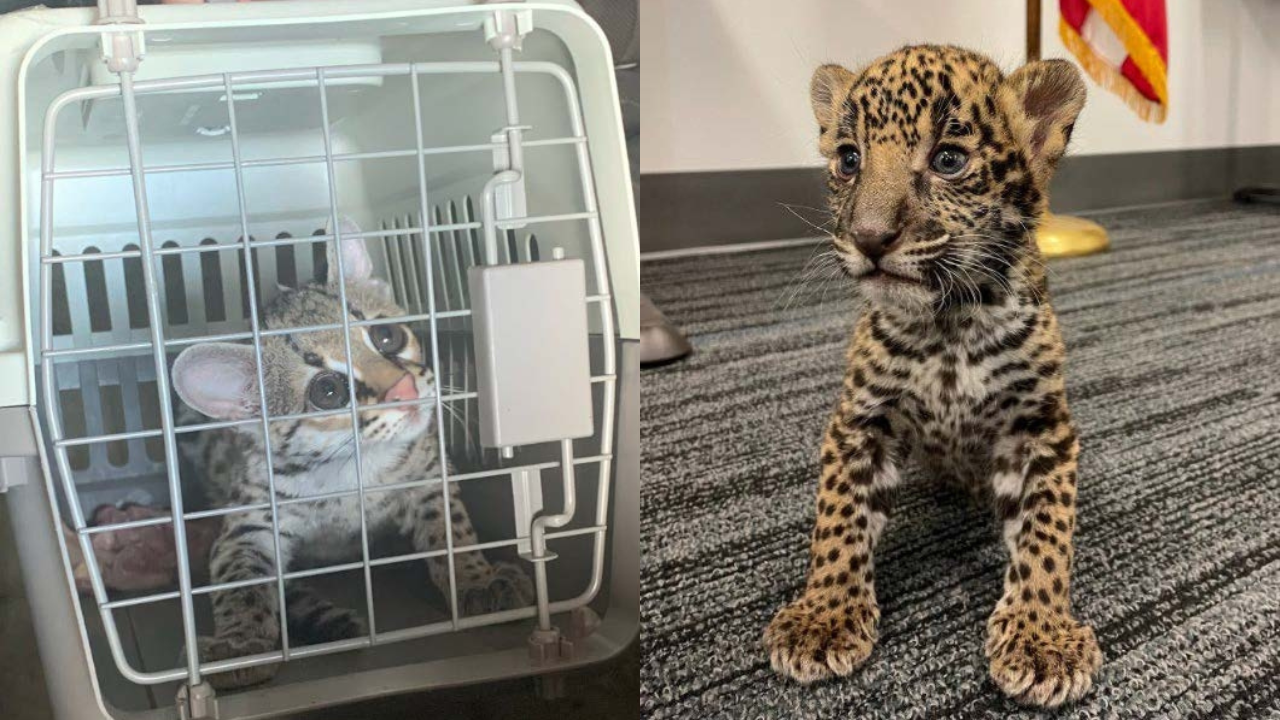
A Texas man and his wife were arrested after allegedly selling a margay kitten and trying to sell a jaguar cub in a second deal, federal authorities said.
Rafael Gutierrez-Galvan, 29, and his wife Deyanira Garza, 28, whom prosecutors describe as “legal permanent residents,” sold the margay cub for $7,500 to an undercover agent, meeting him in the parking lot of a Texas sporting goods store on Aug. 24. On Sept. 26 Gutierrez-Galvan made plans to sell the jaguar cub to the same man, and agents arrested him and his wife en route to the meet-up, according to the U.S. Attorney’s Office for the Southern District of Texas.
Gutierrez-Galvan and Garza face federal charges under the new Big Cat Public Safety Act, which was signed into law in 2022. They can be sentenced to a maximum of five years in federal prison and ordered to pay a $20,000 fine if convicted.
Prosecutors did not say how the couple obtained the two wild cats or if they were working with anyone else.
The margay kitten, left, and jaguar cub recovered from a Texas couple who are accused of illegally selling them. Credit: U.S. Attorney’s Office, Southern District of Texas
Jaguars are endangered and margays are threatened. Both are native to South America, although jaguars once ranged as far north as Ohio and Pennsylvania. Margays (leopardus wiedii) are small arboreal wildcats who thrive in the deep jungle, away from human interference. They’re typically smaller than domestic cats, with an average weight of six pounds, and are among the most sure-footed of all felid species.
Jaguars (panthera onca) are true big cats and the only extant big cat species native to the Americas. They’re under enormous pressure from Chinese poachers, who capture and kill them to use their body parts in traditional Chinese “medicine,” as well as local illegal wildlife poachers. Both jaguars and margays, as well as other cat species native to South America, are also endangered by habitat loss.
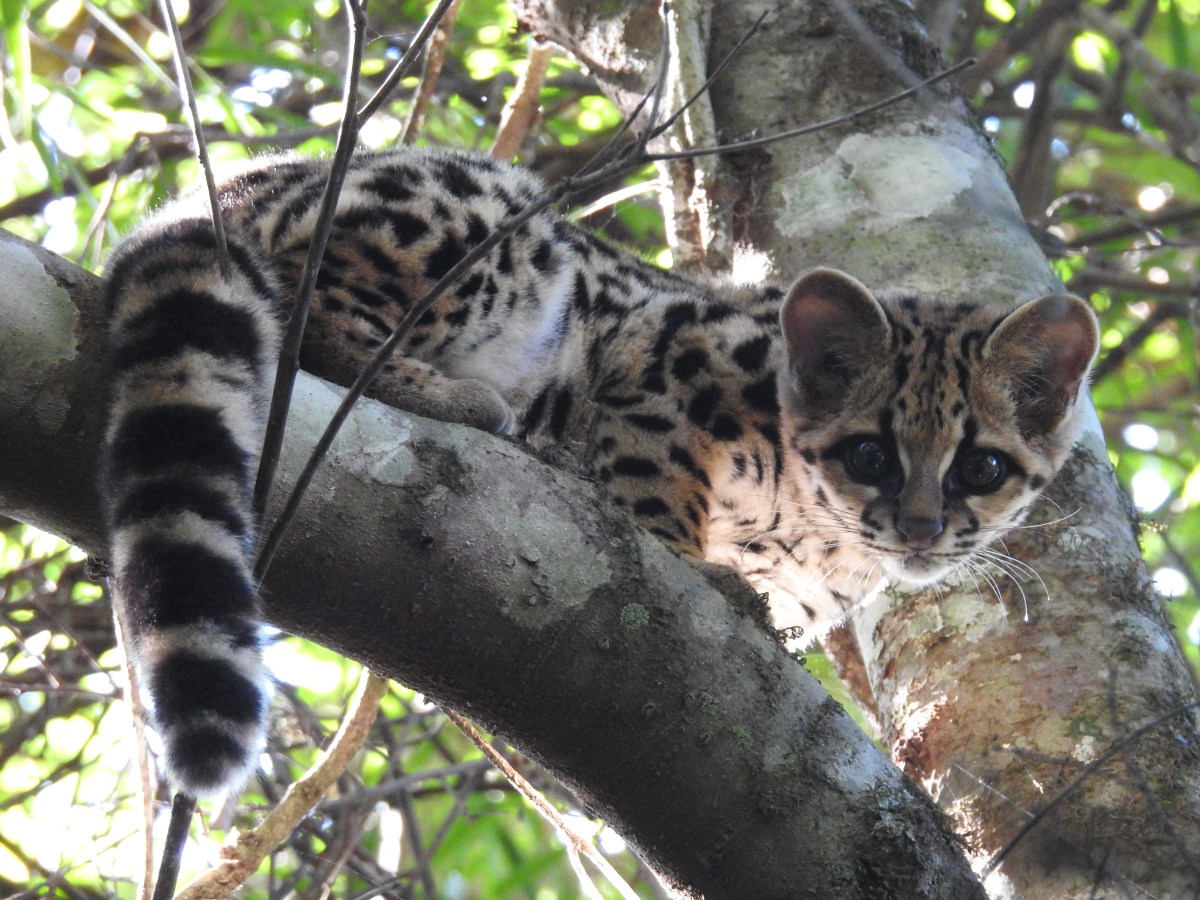
Header image of a margay in Rio Grande do Sul, Brazil, credit: Anderson Cristiano Hendgen via Wikimedia Commons
New York cat wins Hambone Award for most ridiculous pet insurance claim
The Hambone Award was started in 2009 when a family filed a pet insurance claim for their dog who got trapped in a refrigerator, suffered mild hypothermia and tried to make the best of the situation by eating an entire ham.
That inspired the Veterinary Pet Insurance Company, a subsidiary of Nationwide, to create the award and make it an annual event. The first recipient of the “honor” was Lulu, an English bulldog who ate 15 baby pacifiers, a bottle cap and part of a basketball, necessitating a trip to the veterinarian and an insurance claim.
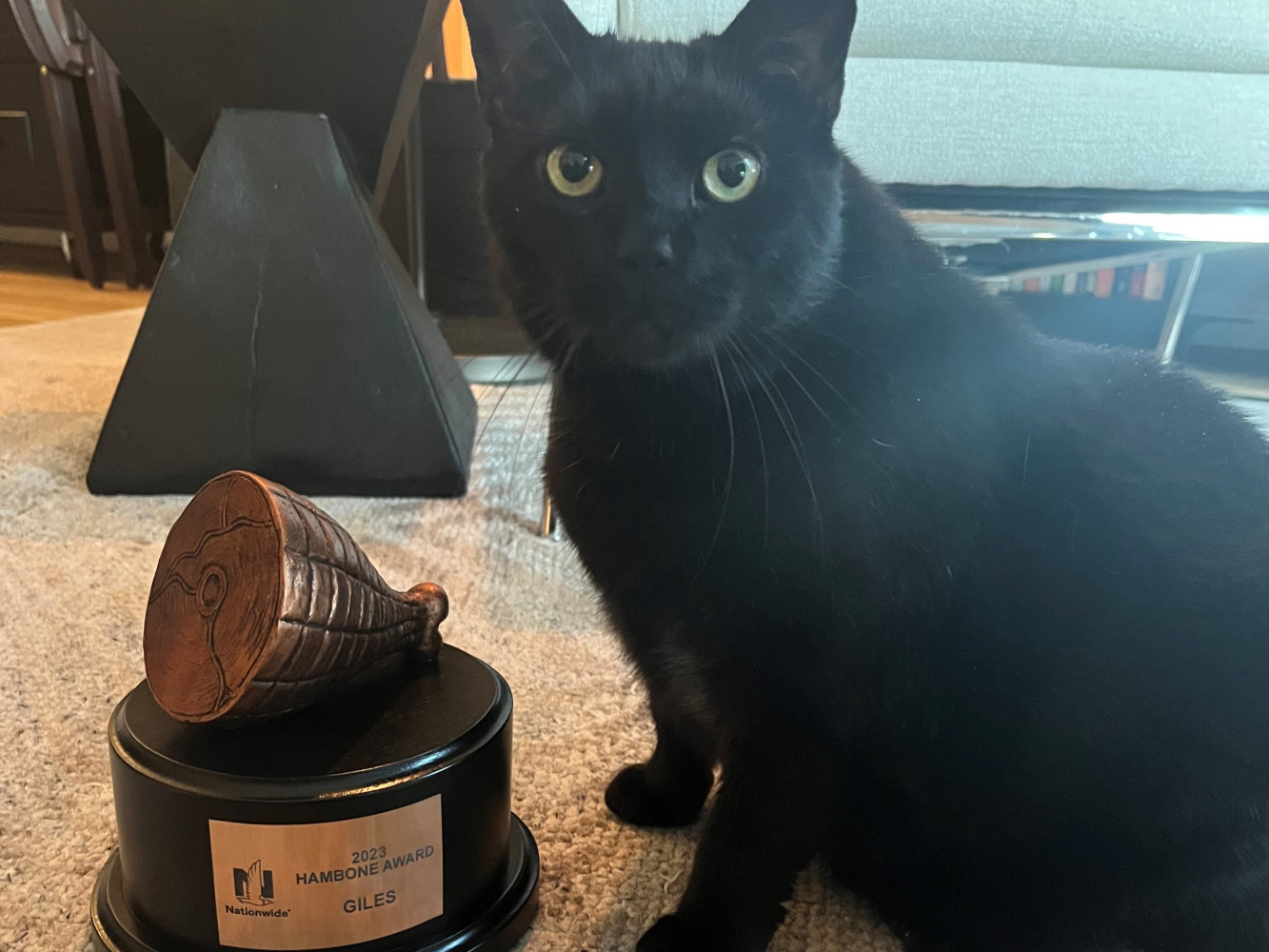
This year the award went to Giles, a handsome black kitty who has a habit of hiding in a sofa bed and getting stuck there when one of his humans folds the bed back into the couch. His humans, Kaitlyn and Reid, always check to make sure Giles isn’t in the space beneath the bed when they fold it up, and had warned Reid’s visiting parents that the playful cat likes to hang out there, but they forgot to check and ended up smooshing Giles.
Giles poses proudly next to his Hambone Award. Credit: Nationwide
Luckily the little guy didn’t break any bones, but he did take a hit to the face pretty hard and needed stitches.
“I [had] no idea what’s going on—we got him in his carrier and ran him up the street,” Reid said. “Luckily, we have a wonderful vet hospital just around the corner from us, so we were able to take him right there. Fortunately, it wasn’t too bad. He did need some stitches … but he was the model patient, as he always is.”
Giles’ competition this year was mostly dogs, but the other feline finalist was Miko, a New Orleans cat who spotted a pair of doves nesting in a hanging plant just outside on the patio. Miko executed a Jordanesque leap and swatted at the doves, but as the birds fled one of them gave the bold cat a parting gift, pecking Miko in the face. Thankfully he wasn’t seriously injured.
For his exploits, Giles received a trophy and his humans will receive a gift card and a donation in their name to the pet charity of their choice.
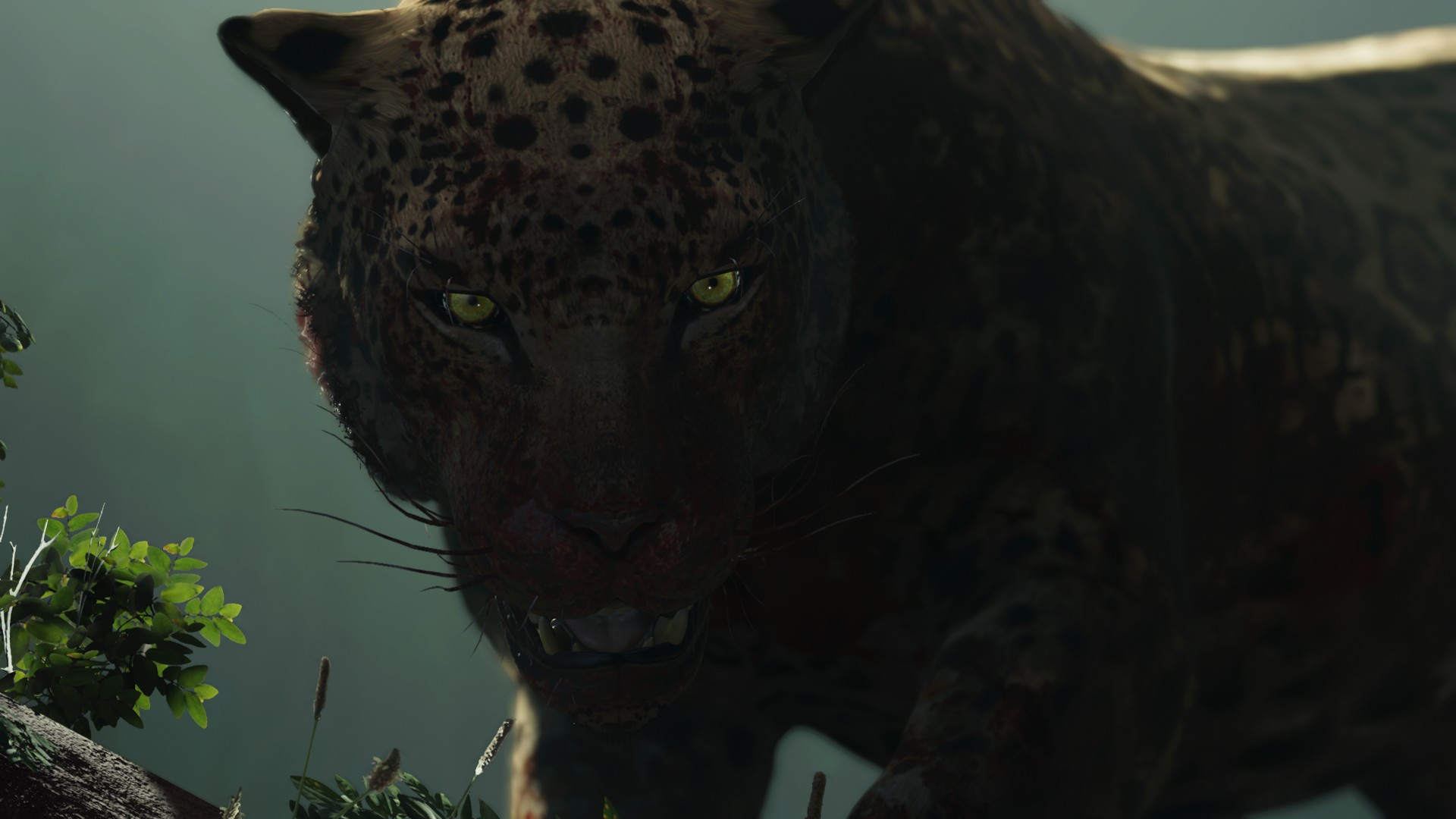
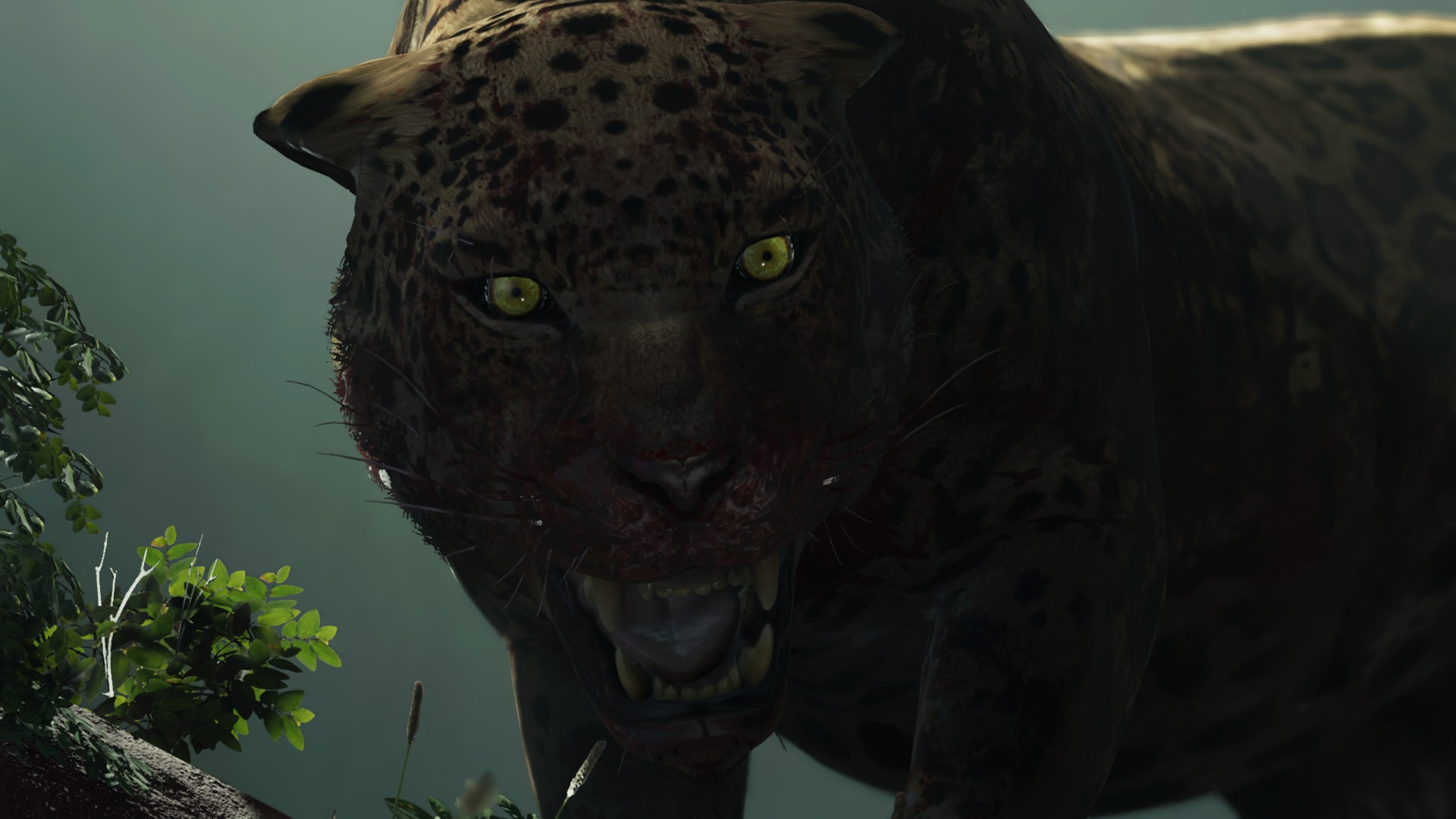
Jaguars figure prominently in Shadow of the Tomb Raider, which takes place primarily in the Peruvian jungle.
Lara Croft has come a long way since the days when she was the polygonal, hyper-sexualized protagonist of the early Tomb Raider games.
Thanks to a reboot the new Lara is a smart, adventurous and brave young woman voiced and motion-capped by the talented Camilla Luddington, and she’s never felt more real. In Shadow of the Tomb Raider, Lara ventures to the Peruvian jungle to chase down Mayan artifacts, and among the many obstacles in her way are jaguars.
Gorgeous, magnificent, regal jaguars who seemingly manifest out of the mist and blend back into the green inferno at will.
Here’s our new Lara, now starring in her third game:
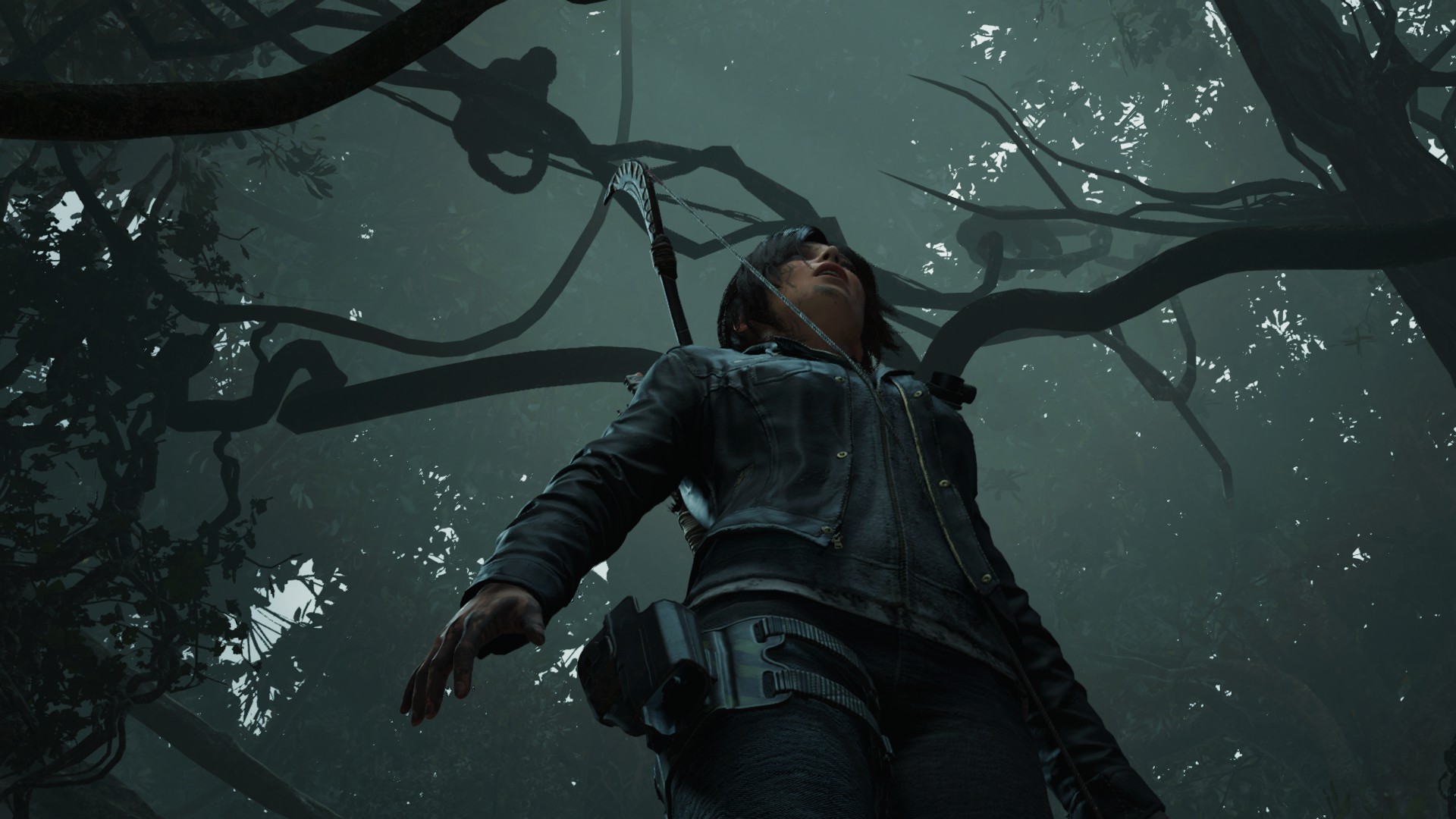
The new Lara Croft is a fearless adventurer and archaeological expert who travels the world unearthing clues to humanity’s past.
Like previous games, her adventures revolve around archaeological digs, ancient tombs and uncovering the history of humanity one find at a time. What would a Tomb Raider adventure be without a bit of danger?
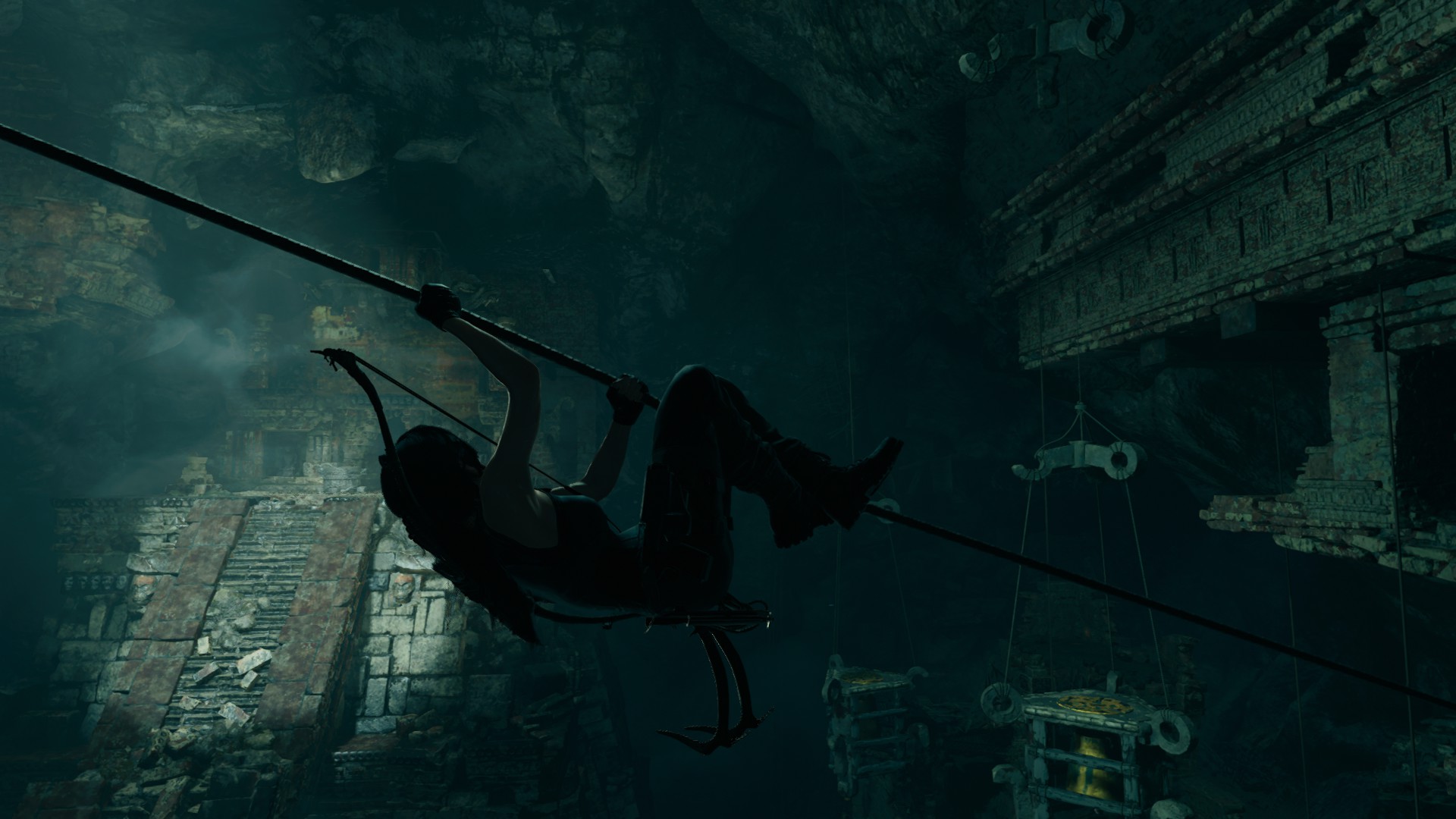
Lara crosses an underground chasm in search of a Mayan relic.
After an opening sequence, Lara and her friend Jonah head deep into the Peruvian jungle. This being Tomb Raider, they can’t land like normal people — a powerful storm sweeps in, sending their plane crashing into uncharted territory.
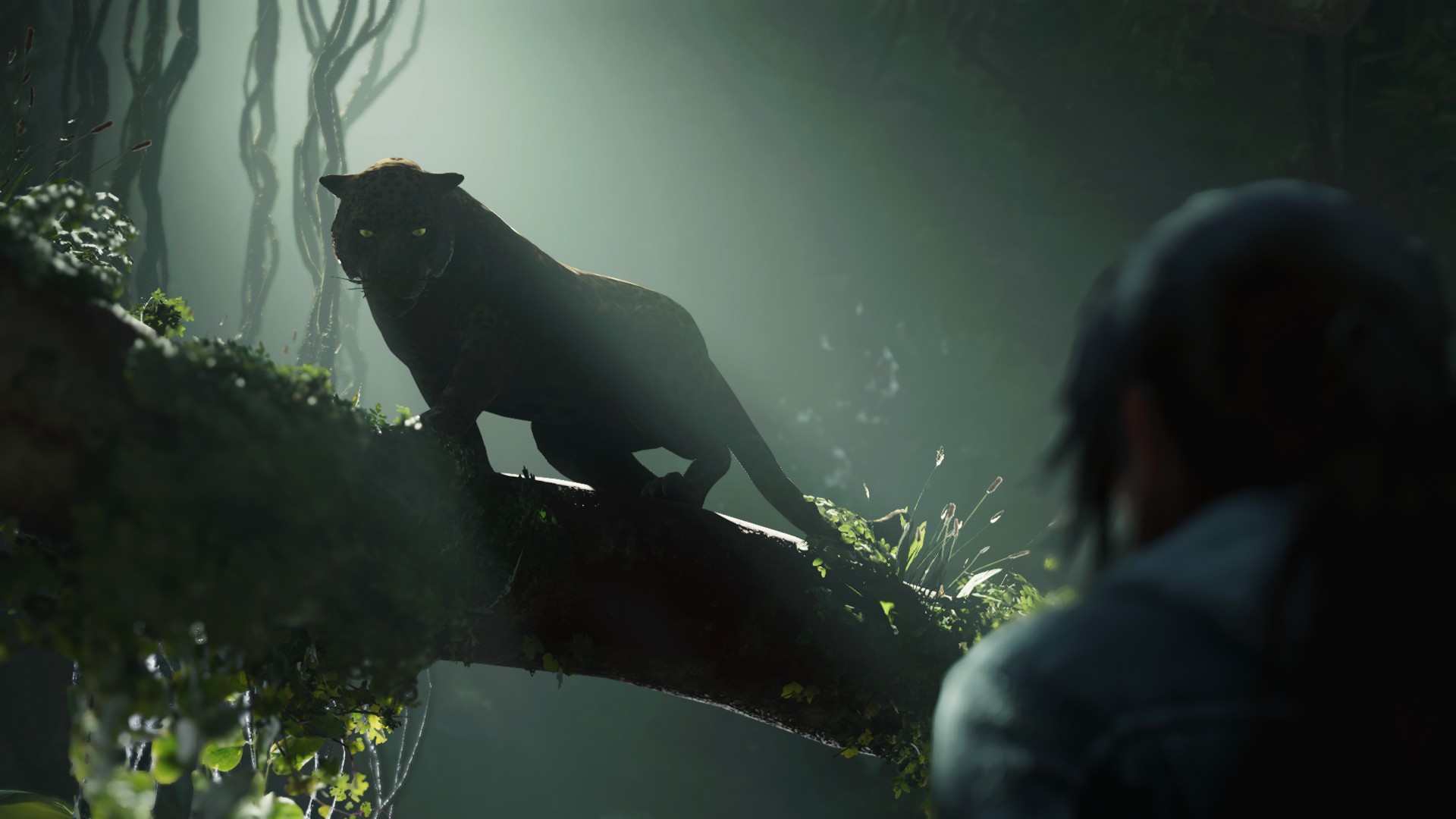
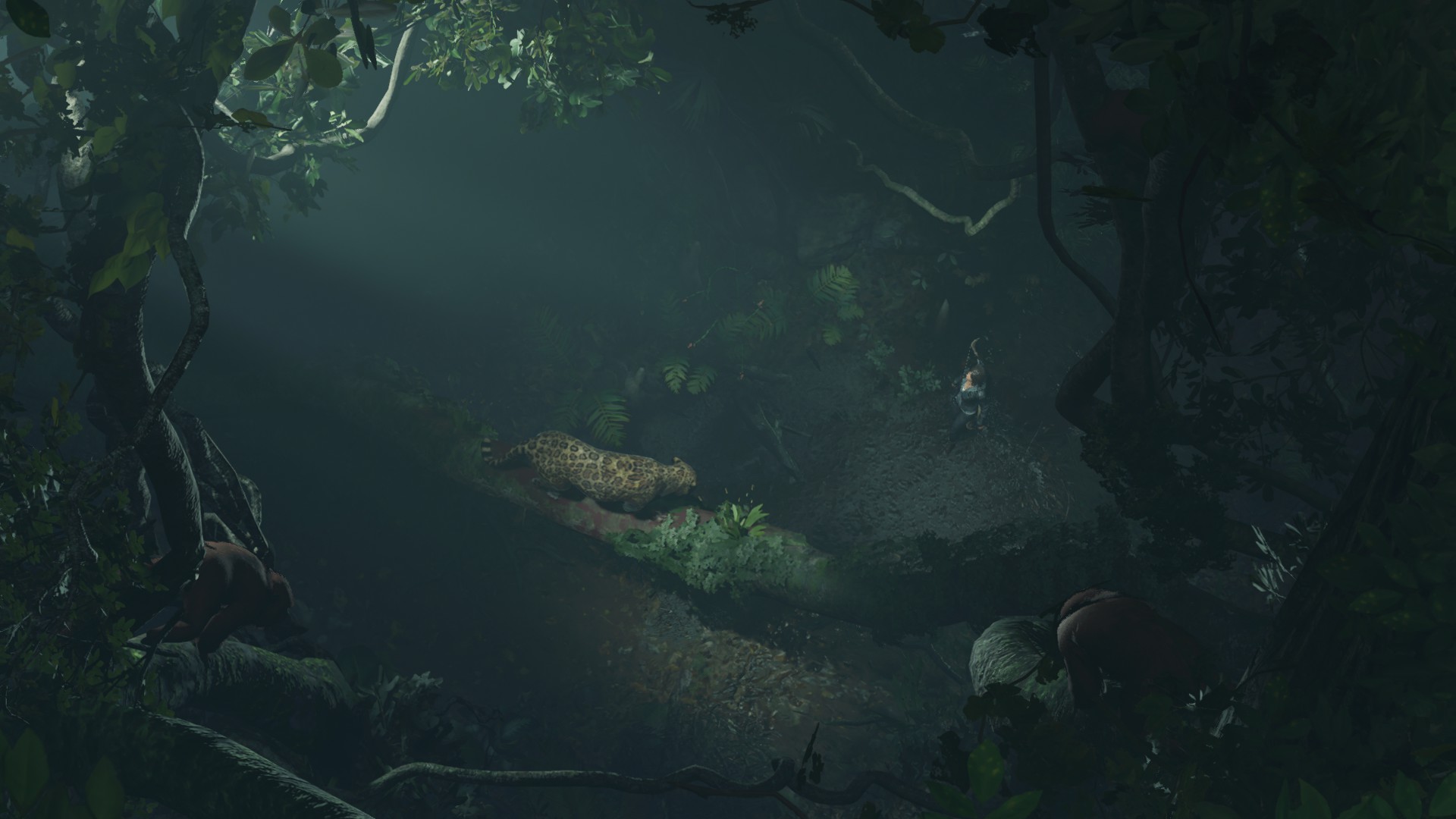
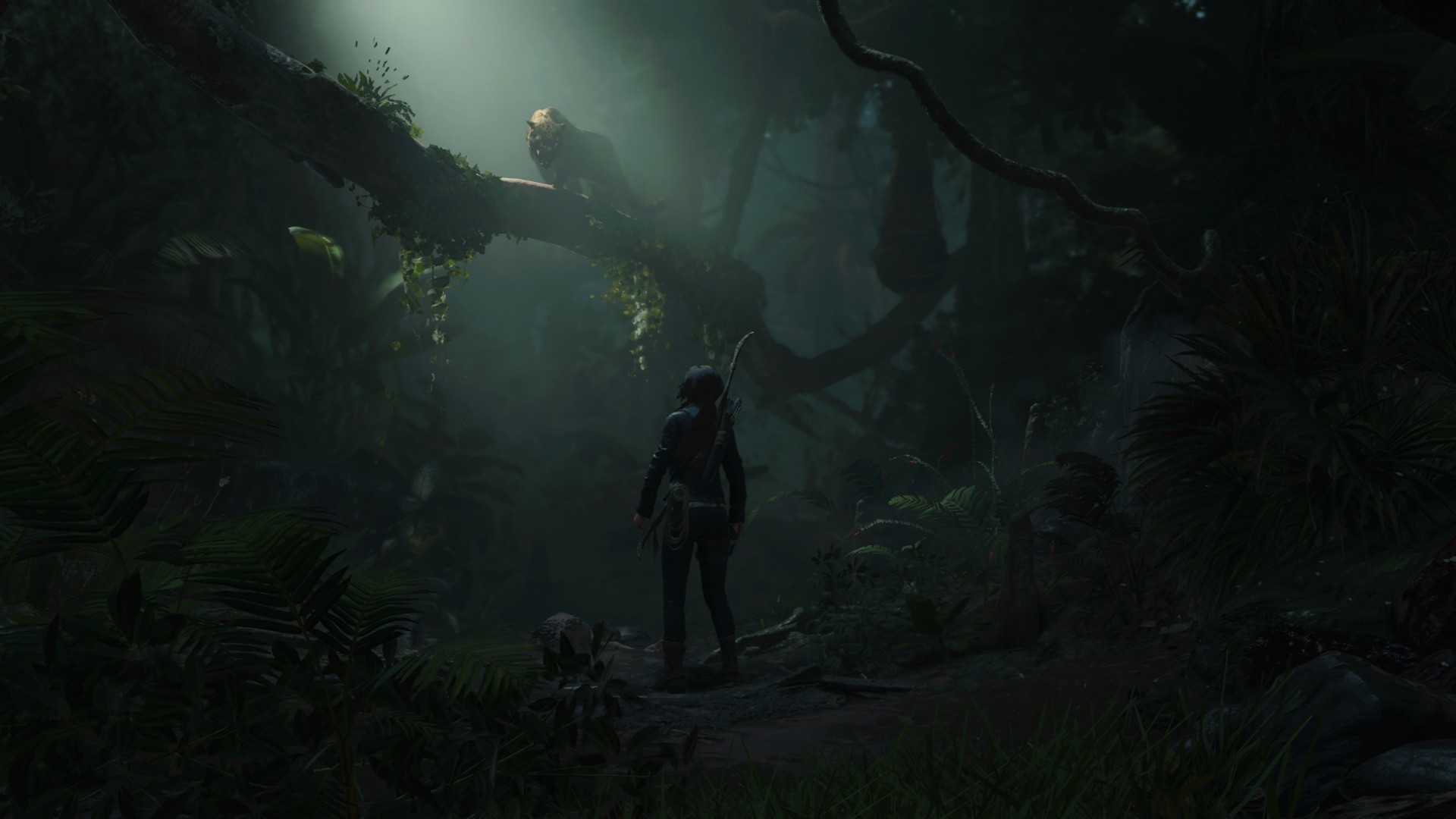
Lara finds herself alone, lost in the jungle without her gear. The sounds of the jungle reach a fever peach, with birds fleeing branches and monkeys howling, heralding the arrival of the apex predator of the Americas: Panthera onca, the jaguar, a name that translates to “He who kills with one bound.”
“Hey there, could you tell me how to get to Lima?”
Okay, stay calm! Remember your training! You’re face to face with an apex predator with the strongest bite force of any animal, but you can do this!
Besides, it can’t get any worse at this point.
Can it?
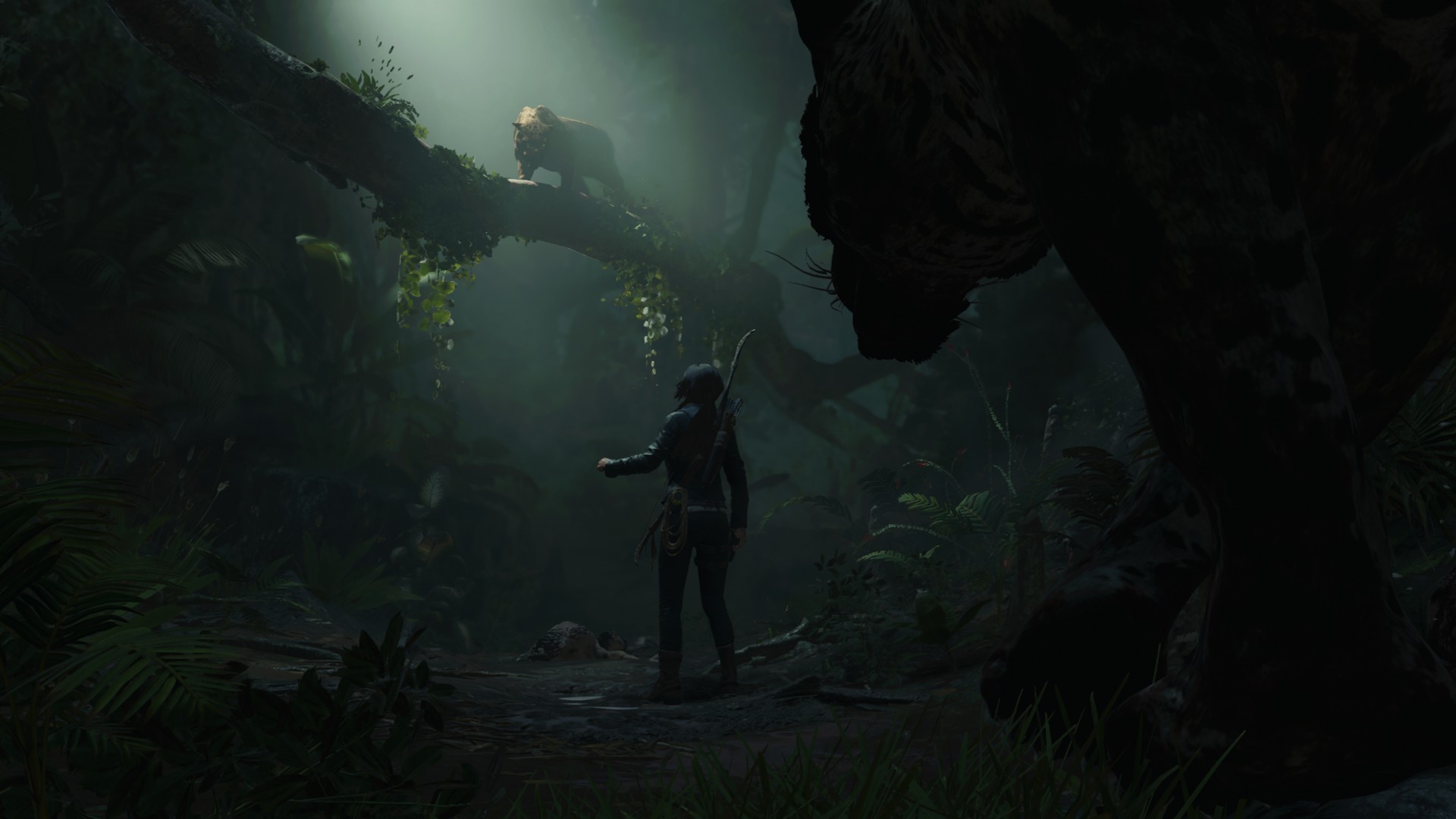
Oh shit. Even the monkeys are like “Dayum! Grab the popcorn!”
Don’t panic! Maybe these jaguars are just saying hello!
Or maybe not.
What’s worth noting is that these are not cut scenes — what you see here are screenshots within the game engine. For people who aren’t familiar with video games, that means you’re looking at the game itself. This is what the gameplay looks like.
We have come a long, long way from this, haven’t we?
The low-texture, low-polygon world of the original Tomb Raider games.
It’s a difference allowed by several generations’ worth of improved computer hardware and software, resulting in billions of additional polygons, millions of additional colors, improved lighting, physics, art assets, high definition textures, motion capture technology and all the little things that fuel progress from a world made from flat, blurry environments and cartoonish characters to a hyper-realistic, almost photo-quality world which makes incredible immersion possible.
Most of our readers may not be gamers, but for those who are, I’ll avoid spoilers here even though Shadow of the Tomb Raider was a 2018 release.
Suffice to say jaguars play a prominent role in the game and serve as the Big Bads, the game’s ultimate threat made even more terrifying by the knowledge that they can appear at any time and ambush our hero before she’s even aware of their presence.
Shadow of the Tomb Raider does a fantastic job of immersion, making all of the dangers of the jungle feel real through meticulously crafted visuals and sound, and a compelling story. And like everything else in life, it’s better with cats!







 Pain In The Bud