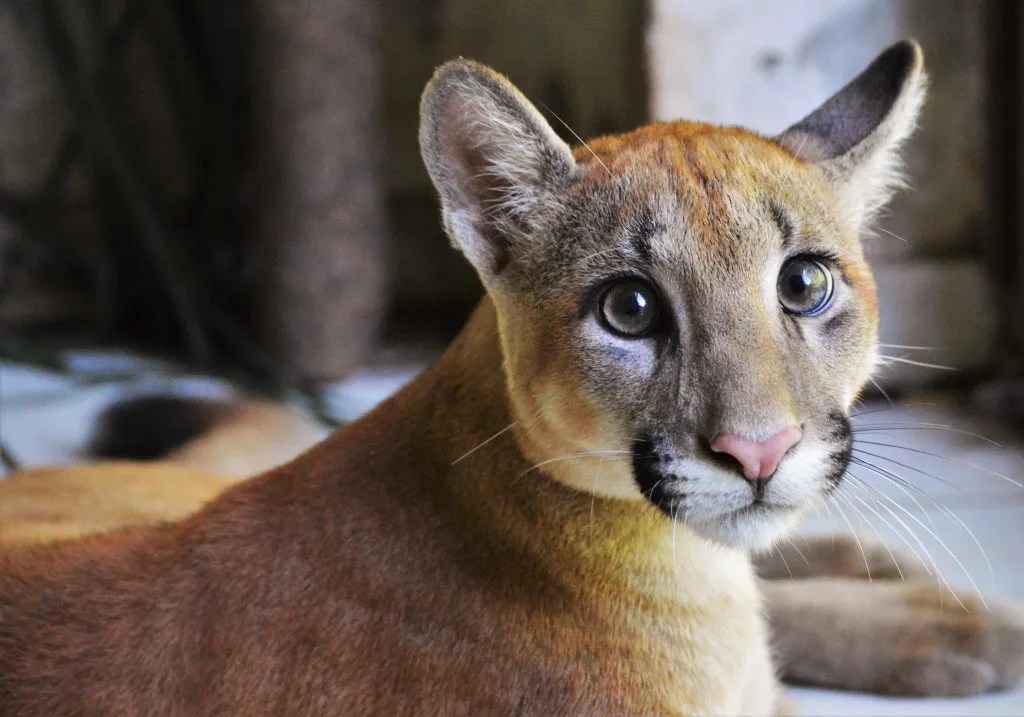


Click images for full high resolution versions. Baby puma image credit Elizabeth Lucas. Prints available here.
The puma, also known as the mountain lion, cougar, screamer, panther, catamount, suçuarana, pangui, American lion and dozens of other names, looks like a big cat but is genetically closer to our domestic Feline friends.
Click images for full high resolution versions. Baby puma image credit Elizabeth Lucas. Prints available here.
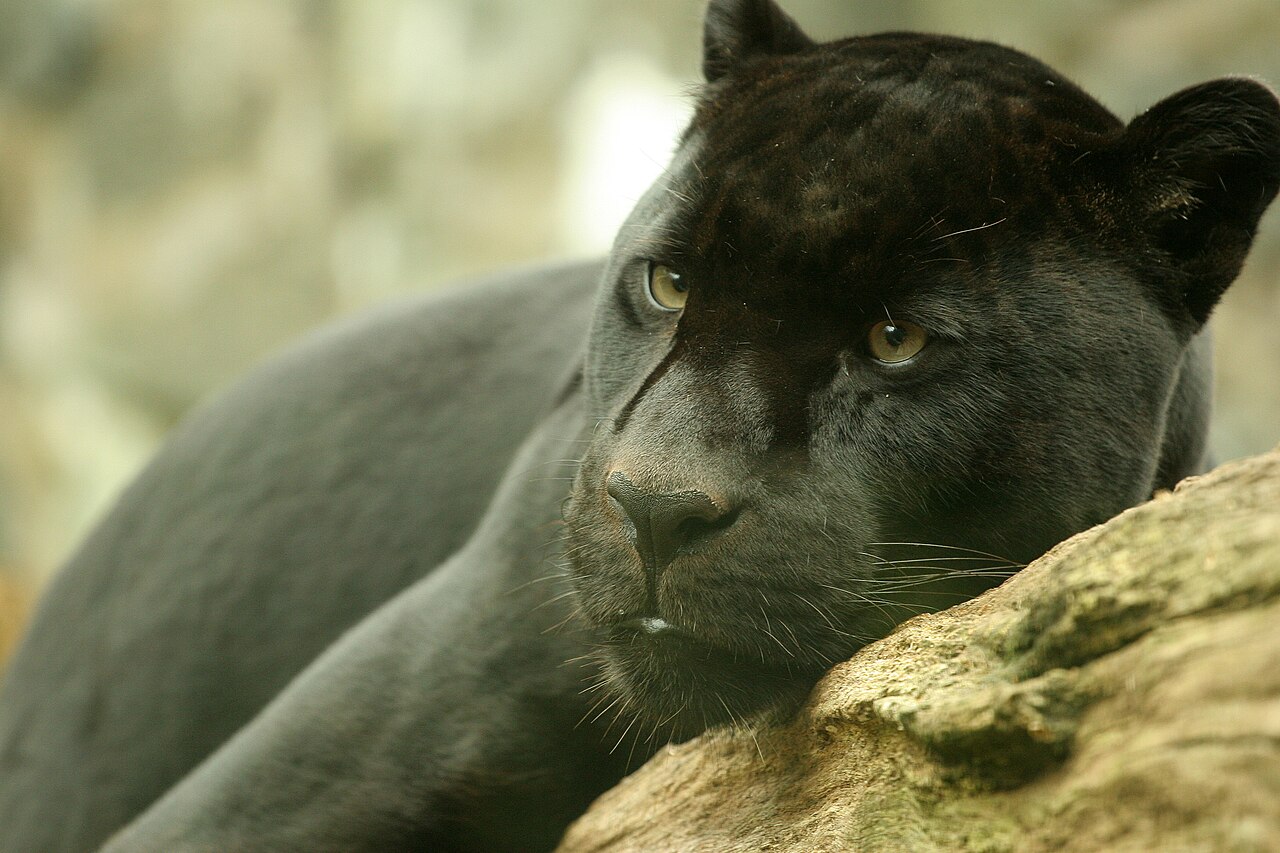
Who wants to see cute baby jaguars?


 Wait a second, this last jaguar cub looks kinda familiar…
Caption a photo of the world’s most Buddinese feline!
Is he yawning? Screaming in terror before dashing behind my legs? Reacting to someone spilling the tea about a friend? Awestruck at a giant turkey?
Well, that’s up to you!

A historian casts doubt on tales of widespread cat purging, tracing the origin of the claims to a novel published in the 1990s.
The Washington Post has a new guide for taking better photos of cats and dogs with some solid advice for people using smartphones as well as more traditional cameras.
The article is in front of the paywall so you don’t need a subscription to view it, and it emphasizes a few major points I’ve often written about when people ask me how I’ve been able to get certain shots of Bud:
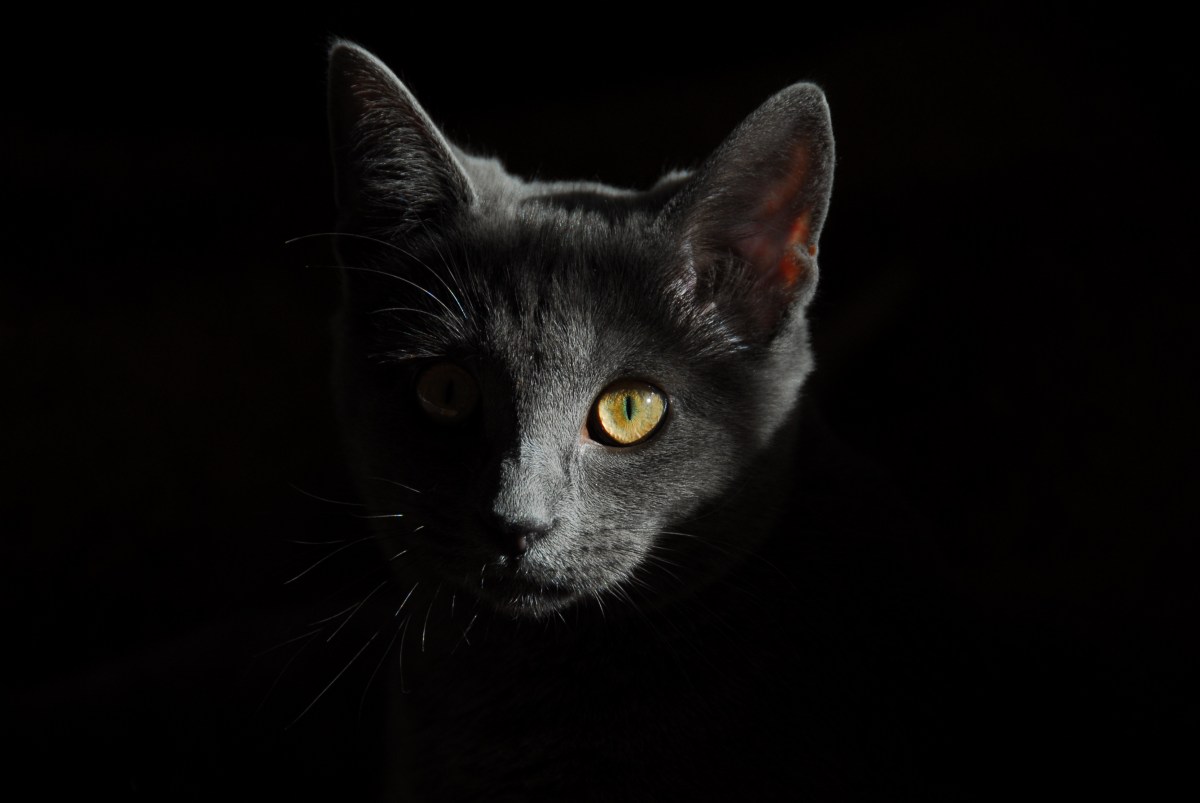
It’s often claimed that Europeans murdered felines en masse during the waves of Black Plague that devastated Europe during the Dark Ages, visiting countless cruelties on cats while inadvertently amplifying the spread by nearly wiping out disease-carrying rodents’ most effective predators.
In a new post that closely examines documents and evidence from burial sites of the era, Snopes concludes there was much less cat-killing than claimed, and the claims of widespread purging at the hands of pandemic-weary zealots have their roots in a 90s novel, which was then circulated on the web as fact.
Sites where as many as 79 sets of cat bones from the era were found show clear signs that the animals were slaughtered for their fur, and a singular slaughter in 1730s Paris often cited as proof is not only a few centuries off but was also motivated by class hatred, not fears of the plague.
While the papal bull Vox In Rama was real, and a famously zealous inquisitor really did make the preposterous claim that Satanists had a ritual that involved literally kissing the asses of black cats, the pope never called on anyone to kill felines and there’s no evidence that people took it upon themselves to do so. There was plenty of other unbelievable superstitious idiocy that led to the deaths of animals at the time, including the practice of putting animals on trial for alleged crimes, but Europeans weren’t rampaging through towns and killing cats.
Snopes quotes Welsh historian Mike Dash, who says the modern claims of widespread cat-killing are “almost certainly a modern internet-based fabrication.”
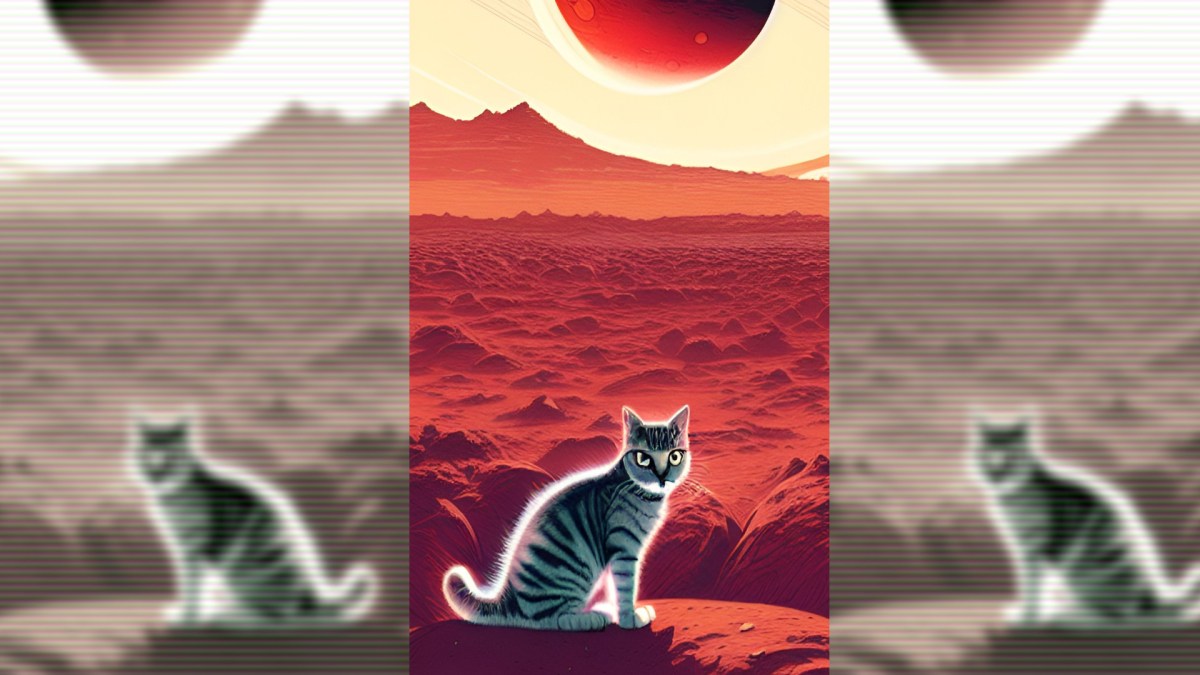
A rock on Mars resembles a crouching cat ready to pounce.
Cats are sneaky, quiet as a ghost when they want to be and have a habit of seemingly teleporting between spots, but could they somehow use their feline superpowers to beat us to Mars?
As the Perseverance rover continues to chug along and take photos as well as samples of rock and soil, people following the rover’s progress can vote for “image of the week,” and this time around they picked an image that, when seen from a distance, appears to show a crouched cat with its behind raised, in mid butt-wiggle as it prepares to pounce on some unfortunate Martian.
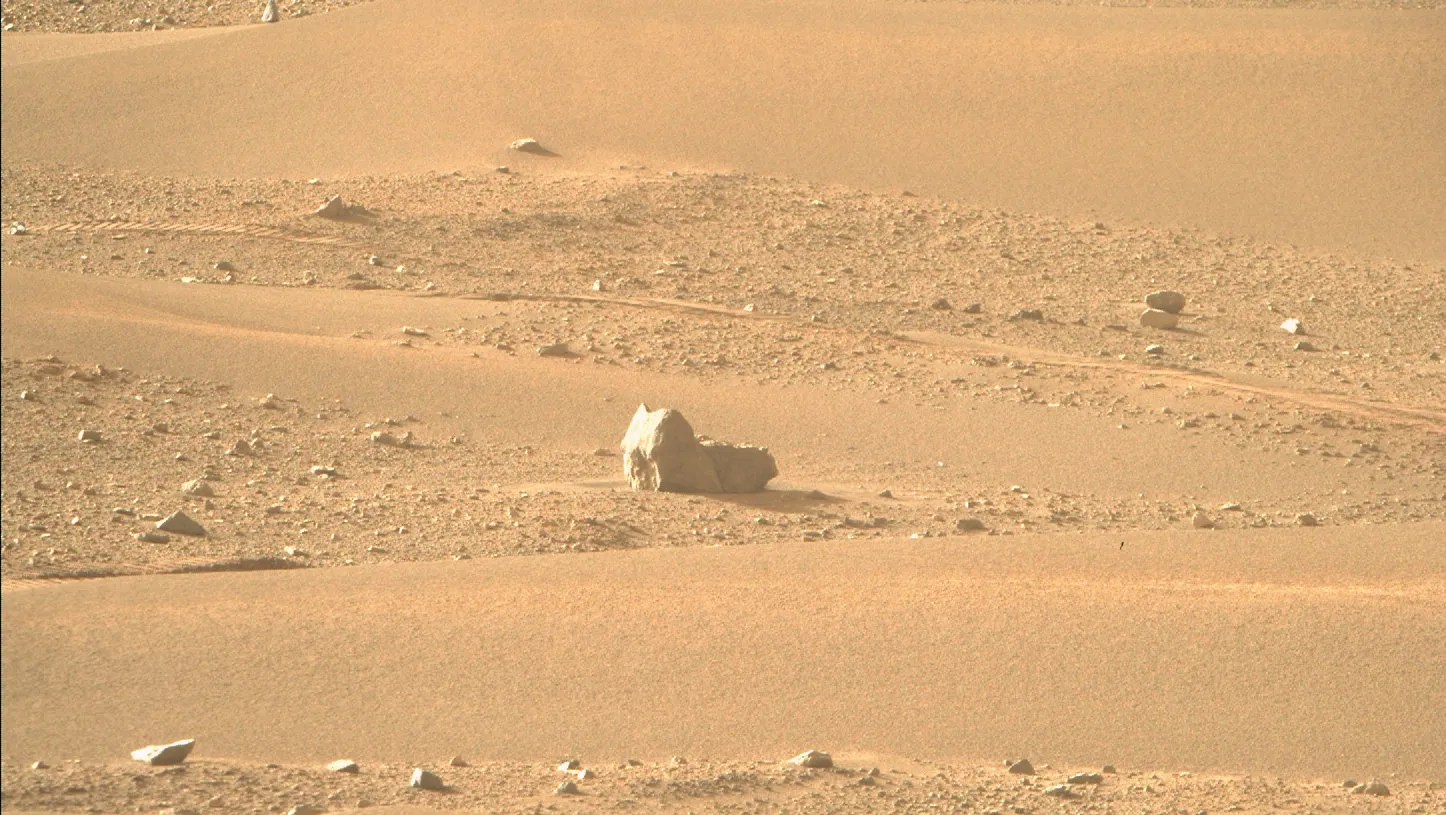
This isn’t the first time Mars enthusiasts have spotted a “cat” in an image from the red planet. In 2015, some people said a group of rocks resembled a “giant cat statue” poking out from the Martian soil in a photo taken by the Curiosity rover.
I don’t really see it. YMMV:


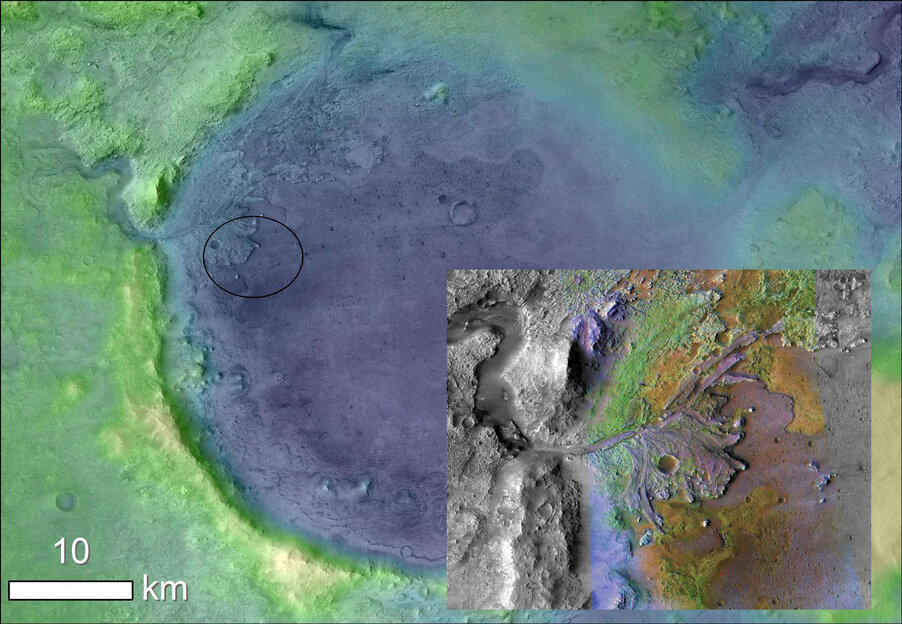
Perseverance is exploring the site of a former crater lake and an adjoining former river delta. The Bad Astronomy blog says it was “very clearly a lake of standing water at some point in the past.”
The blog provides a breakdown of the geography of the crater and what it can tell us about the Mars of the past. Knowing there was water on Mars makes the idea of life elsewhere in the solar system seem possible. Astronomers believe Jupiter’s moon Europa, for example, potentially hosts life. The satellite exists so far from the sun it’s in a permanent deep freeze and would normally be inhospitable to life, but the evidence strongly suggests there are oceans beneath Europa’s icy surface, and those oceans are heated by massive vents on the ocean floor.
Water, warmth, energy. The conditions for life are there. If Mars was covered with lakes at one point, what’s swimming in the oceans of Europa?
So Mars had water and the entire planet was pristine litter box. If it had some prey to hunt and an atmosphere, the red planet could have been the perfect homeworld for felis sapiens, who would rival humanity in technology if not for the tragic fact that their species is only awake eight hours a day.
Now that’s a scary thought!