London Is Safe With Bella The MI5 Cat On Patrol

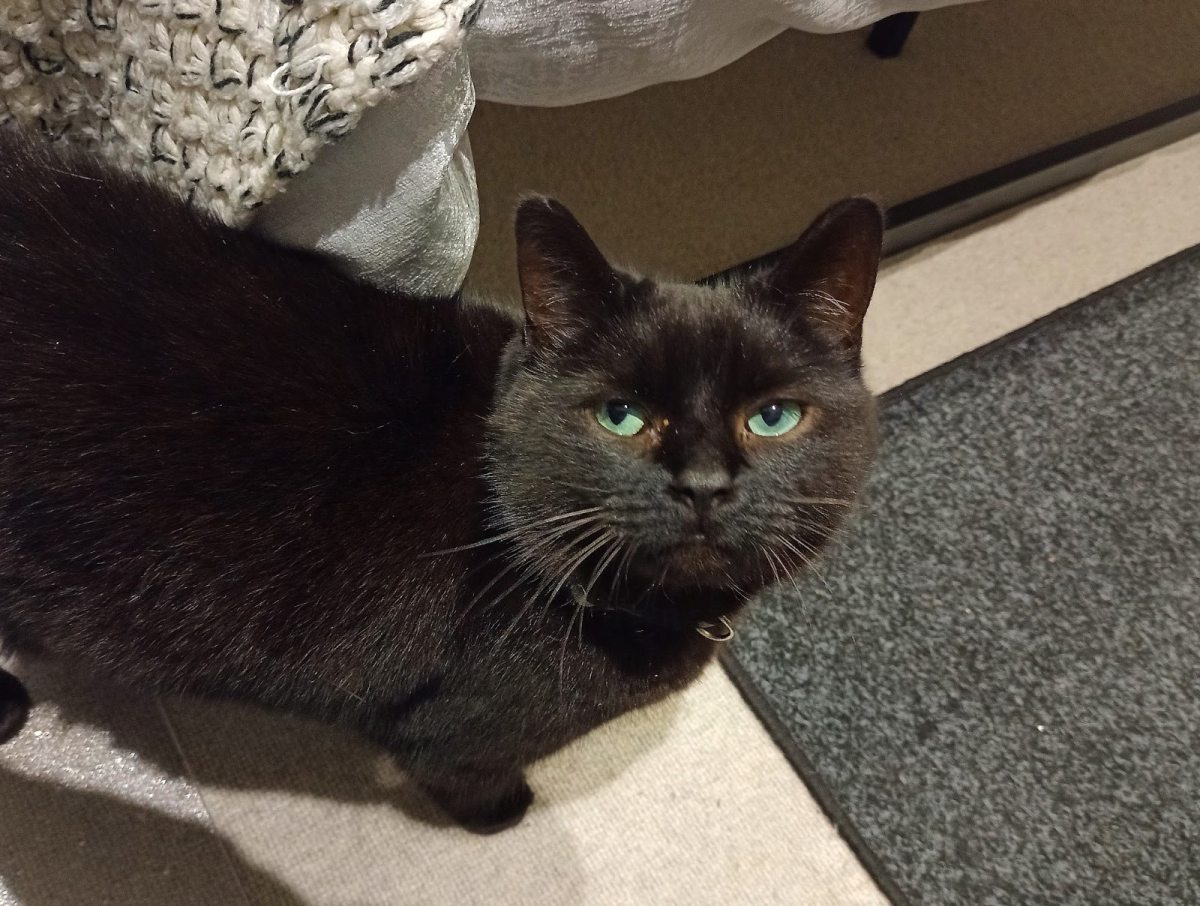
With her mesmerizing green eyes, supreme confidence and strong opinions, Bella has pawed her way into her humans’ hearts.

About a year after John Graham and his wife, Kathleen Birch, adopted Bella the Cat, they noticed she had an acquaintance — a genial neighborhood stray with a white-cream coat and black fur running from his back to his tail like a cloak.

Although she’s territorial like any member of her species and spends much of her time patrolling Grove Park — a quiet London neighborhood tucked into a winding loop of the Thames — Bella expressed no animosity toward the apparent intruder, and in fact seemed to be on quite friendly terms with him.

Graham and Birch, who like to joke that Bella is a clandestine agent of MI5 — Britain’s version of the FBI — dubbed the stray Bertie, and decided he was her field liaison.

“We think Bertie is her Mi5 contact and visits to get updates [before] returning to HQ to report on her field actions and mission status,” Graham quips.

After checking with the neighbors and bringing Bertie to the veterinarian, who said the stray was not chipped, Graham and Birch believe Bertie was likely abandoned by his previous family and eked out a living zig-zagging between homes in Grove Park, depending on the goodwill of neighbors and his own considerable charm for food. So they had Bertie chipped with their contact details about eight months ago, and now field agent and handler have been united under one safe house roof as they continue in His Majesty’s service.

Bertie and Bella even have their own WhatsApp group comprised of their humans and neighbors, who post to let each other know of the feline duo’s comings and goings.

Both cats are a source of great joy for Graham and Birch, who were looking to adopt again two years ago after the passing of their beloved Bets, who had been with them since kittenhood and lived to the ripe old age of 21.
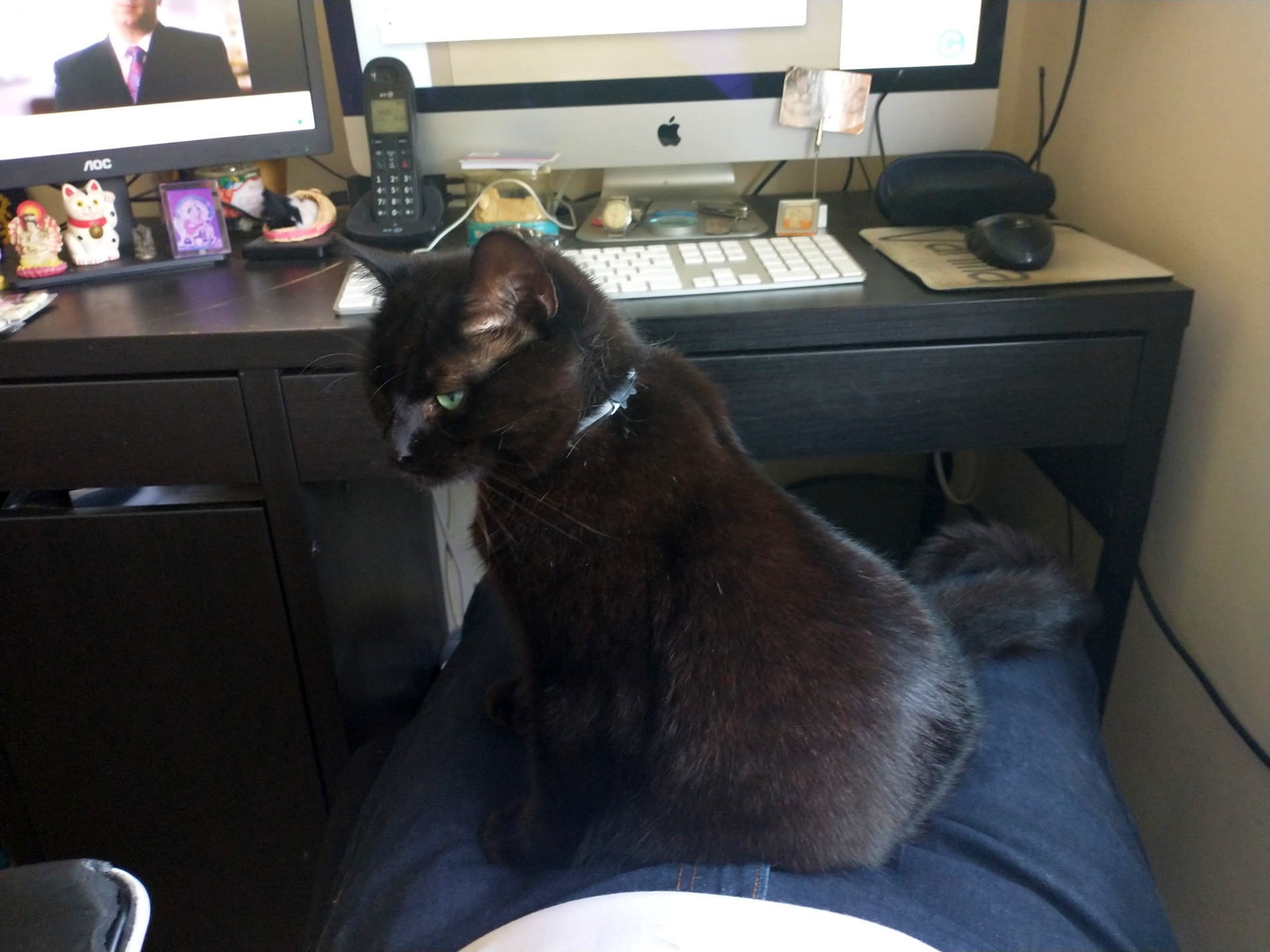
Bella and John
Bella deciding she needs to be a lap cat for a little while in order to supervise John’s work. Credit: John Graham

After contacting a charity they support in Twickenham, the couple went out to meet a cat named Puss Puss at a foster’s home about three miles away.

“We walked in and sat down, and within literally a few seconds, she came out from under a table. My wife immediately fell in love with her as Puss Puss – now called Bella — rolled over and showed her belly with the loudest purrs ever,” Graham recalled. “She walked over to me and looked up with the most beautiful green eyes, allowing pets and scritches instantly. I was totally smitten. Her secret service training on overcoming any resistance was obvious here.”

Not much is known about Bella’s past, which Graham jokes is classified, but the fosters said Bella likely came from a hoarding situation. She bears some emotional scars from those times, making it clear she didn’t like to be picked up and wouldn’t tolerate head rubs. Graham said he thinks Bella may have been struck on the head by the abusive person or people who had custody of her originally, but with patience “she has grown to trust us and love us the way we love her.”

True to her training, Bella came striding out of her carrier that first day without need for coaxing and set about surveying her new headquarters, exploring while noting promising hideouts and lounging spots.

“She immediately checked out the perimeter as do all good Mi5 agents, looked around and began a sniffing and snooping journey for about an hour,” Graham said, “Then sitting in front of us on a low stool, she started shouting loudly, her default way of demanding food. This prompted me into action, offering her different dishes attempting to find her favourite. It turns out that she basically will eat anything.”

Indeed, Bella’s love of food is one of the few things that cause a bit of tension between her and her doting humans. She’s restricted to carefully measured wet food plus veterinarian-suggested “weight management crunchies” and, like many cats, is not shy about notifying her servants when the yums are low or the auto-feeder isn’t dispensing them. (In those instances, Bella hops up onto the bed and approaches the sleeping Graham: “I will get the gentle paw followed by the sharp claw to ensure I get the message to come and feed her immediately.”)
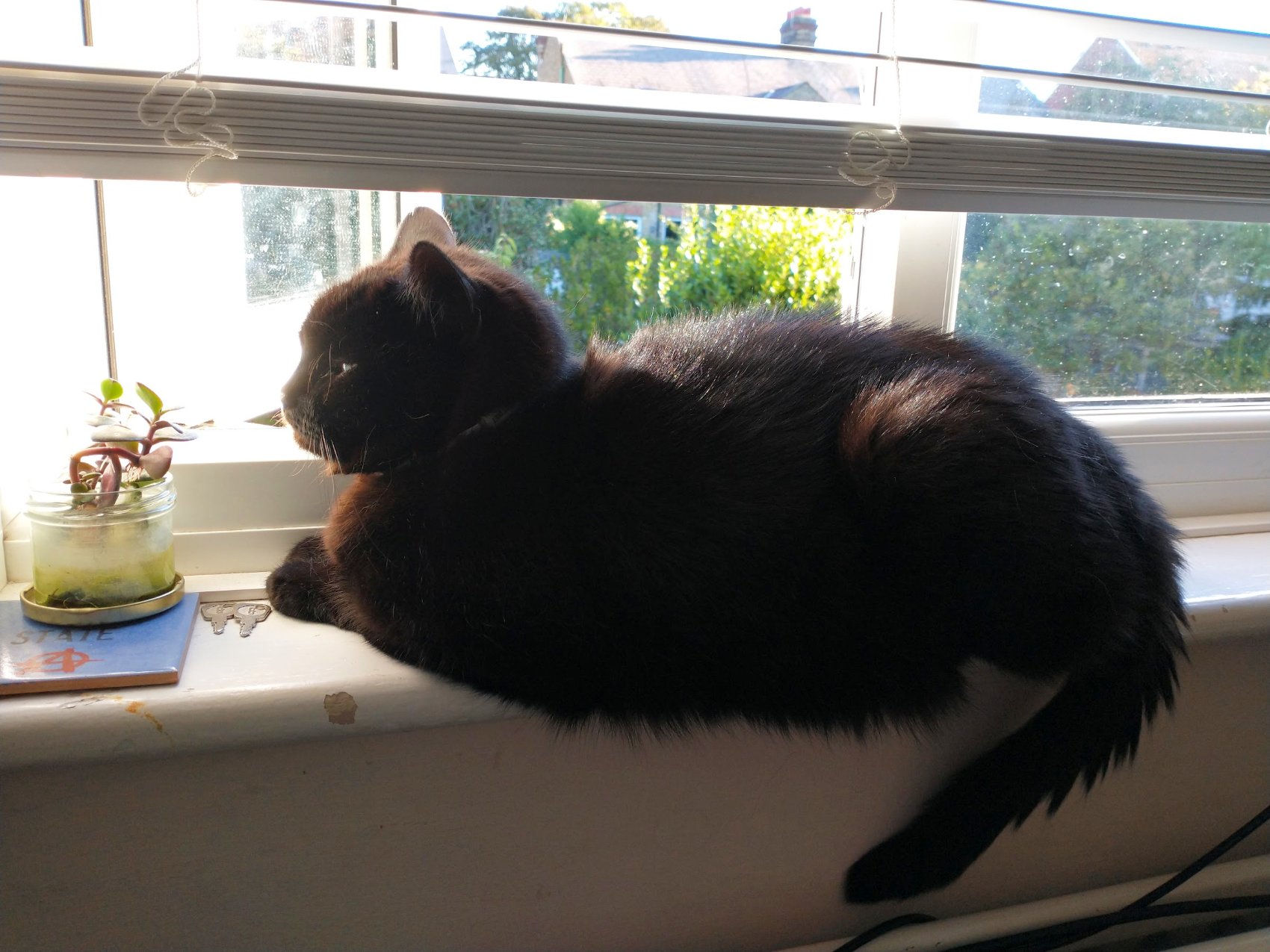
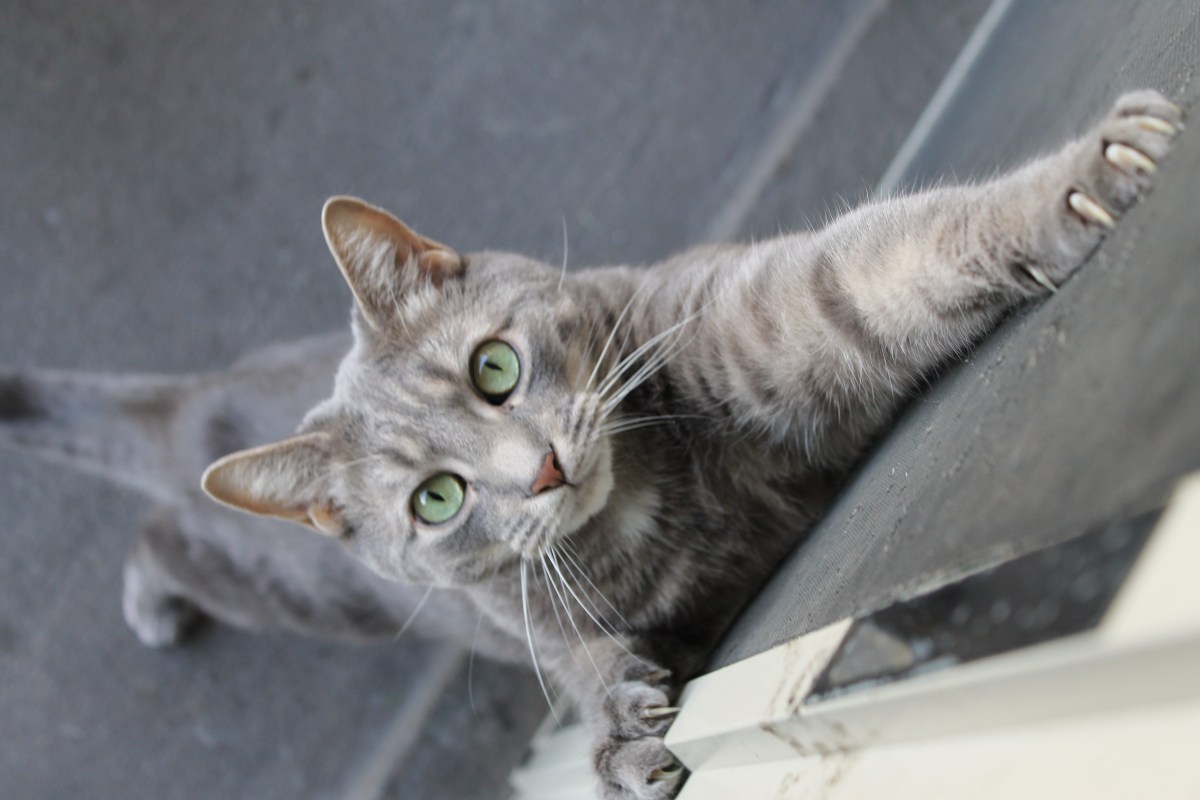
Bella at the Window
Bella on overwatch duty, making sure Grove Park remains quiet and free of interlopers. Credit: John Graham

Adopting a cat is always a guessing game. Will the cat relax and open up once she realizes she’s safe and has a home? Was he reserved when we met him because he’s been living in a shelter with unfamiliar sights and smells? Will she take to her new home immediately, or will she dive under a couch and remain there for weeks, emerging only to grab a bite from her bowl when no one’s around?

Those questions were immediately settled for Graham and Birch, and Bella’s outgoing personality is one of the things they love most about her, along with her supreme confidence.

“She has it in absolute truckloads,” Graham notes, “and there is pretty much no fear on her part about adventuring anywhere in or out of the house.”

While keeping cats indoors is the norm in the US, as many as nine in 10 caretakers in the UK allow their felines to spend time outdoors unsupervised, encouraging them to establish their territories, explore their gardens (backyards to us Americans) and familiarize themselves with their neighborhoods.

Many US shelters and rescues won’t allow potential adopters to take a cat home if they indicate they’re willing to let the kitty outside, and some even require adopters to sign contracts stating they’ll keep their four-legged friends indoors. UK cat rescues often take the opposite stance. They advise pet parents on how to gradually introduce their cats to the outdoors, offer tips on how to manage their outside time and recommend various pet flap configurations.

The difference is partly cultural and partly practical. While extolling the benefits of allowing cats to roam, UK cat lovers point out that domestic felines rarely stray far from their homes, on average venturing only between 40 and 200 meters (about 130 to 650 feet). They’re curious, which drives them to explore, but also territorial, which keeps them on a figurative leash.

There’s also a marked difference in wild threats to domestic cats. In the US, cats are vulnerable to pumas (also known as mountain lions and cougars), coyotes and a wide variety of birds of prey, from eagles, harriers and hawks to condors, osprey and even some larger species of owl. The UK does not have pumas, despite local legends to the contrary, nor does it have coyotes. Foxes, the smaller cousins of coyotes, and some birds of prey do pose a threat, but not to the extent that the wildlife of the Americas does.
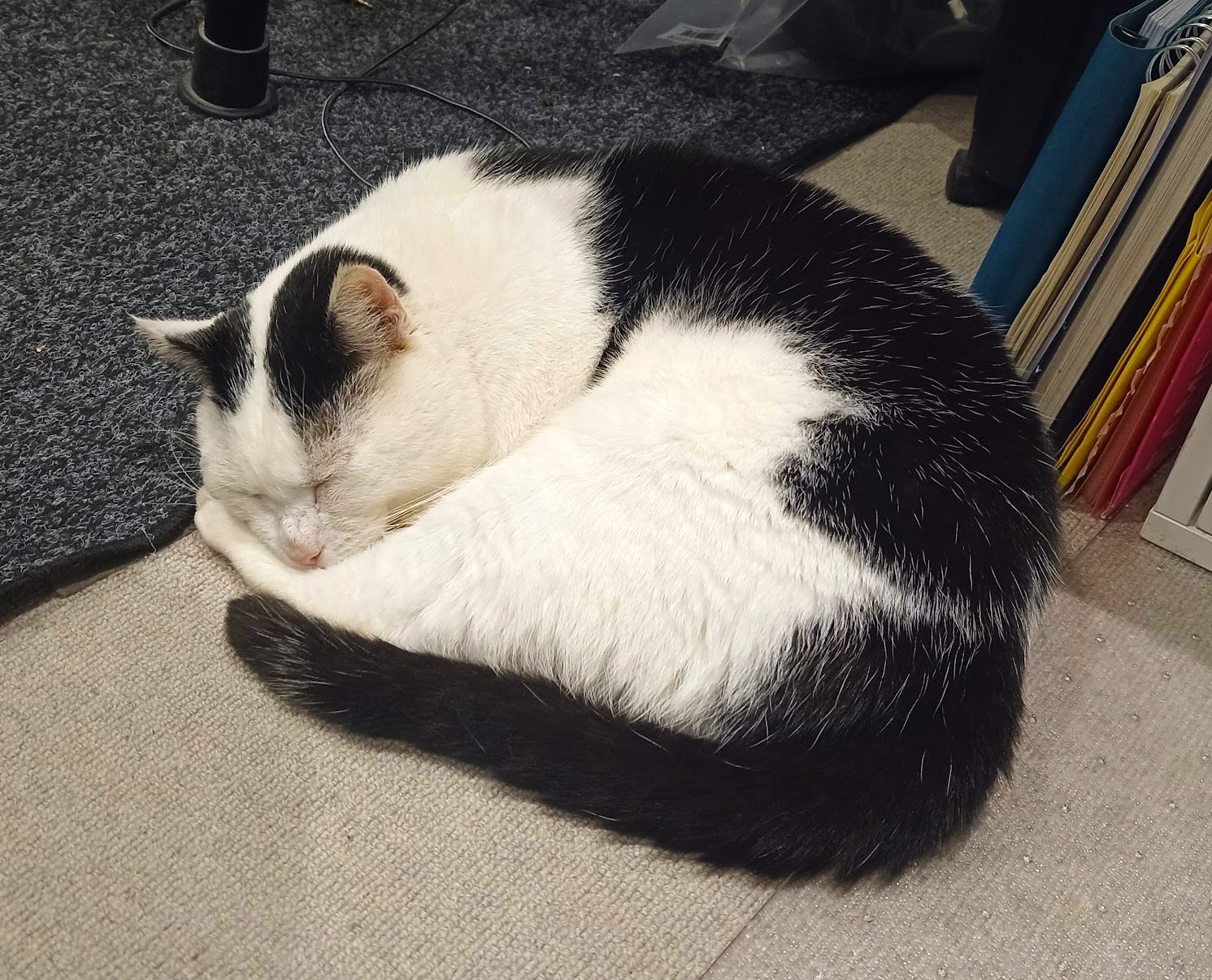
Bertie
“Yes, I’ll just settle down here for a nap whilst I wait on your report to HRH.” Bertie joined Bella about eight months ago and now they both live under one roof. Credit: John Graham

For Graham, allowing his cats outside fosters their independent streak and allows them — or Bella, at least — to exercise their hunting impulses. Bertie isn’t known for his predatory prowess, but Bella is a pro at catching mice.

The local neighborhood is quiet, traffic is strictly limited to 20 mph, and the neighbors know each other well, often using their WhatsApp groups to track their kids in addition to cats.

In fact, if Bella could speak, Graham reckons she’d thank him for providing a home in a tranquil locale — and for never closing doors in their home.

What else would she say?

Graham says it’s obvious: “Glad that you understand the difference between my requests and my orders – you took a while.” She’d also likely chide the couple on their ineptitude as hunters, declaring Graham and Birch “are both rubbish at catching mice and rats despite how many times I show you how to do it.”

For Graham, the managing director of a London brand agency, and Birch, a skin care therapist, sharing their home with cats feels natural, and they cherish the unpredictable nature and playfulness of their feline friends. Cognizant of the fact that black cats are less likely to find homes, they prefer adopting melanistic house panthers like Bets, their previous cat, and Bella.

“I totally love all animals but as residents in our house, cats fit perfectly being clean, highly intelligent and able to manipulate any situation with an expression or display of love,” Graham says. “My favourite thing about Bella is when she surprisingly sits on my lap and the mystery when she hides in unlikely places causing me to rush around desperately trying to find her, not coming out even when I am shaking a treat bag.”

Bella will allow the game to drag out “until she decides to appear with her ‘I win’ look and swagger.”

Feline love is often hard-won, but that makes it worth it. In discussing Bella, it’s clear Graham lives for the moments when the independent-minded kitty decides to let him know how much he means to her by sleeping at the food of the bed, playing her hide-and-seek games and climbing into his lap.

Bella and Bertie may not be regular lap cats, but that’s okay with Graham and Birch.

“So there you have it,” Graham said. “Two cats that come and go as they please with occasional signs of affection, but get nothing apart from permanent love and affection from us.”


The People Who Clone Pets Want To Bring Back Extinct Species — And Clone Animals For Their Organs

Genetics, gene-editing and cloning have rapidly matured since the days of Dolly the Sheep, which means we have less time than we think to grapple with some heady moral questions.

Should scientists resurrect long-extinct species? Is it ethical to clone thousands of animals who will not live, but have their organs harvested for human patients?

Those are some of the questions people are asking as the cloning industry — once relegated to producing one-off copies and genetically identical versions of deceased pets for wealthy clients — is expanding with new capabilities.

This story by the BBC’s David Cox provides an informative, brief history of cloning before pivoting to the current state of the industry and how it could continue to evolve.

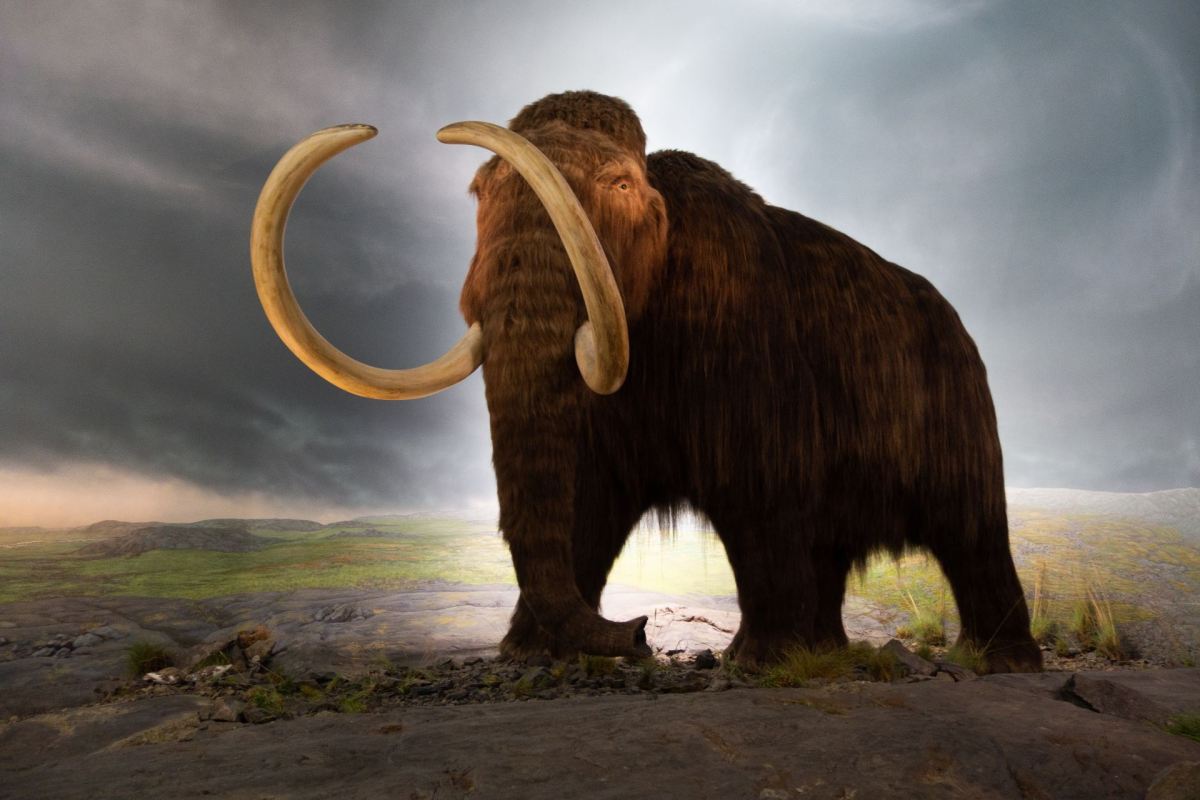
Two of the most fascinating prospects have to do with conservation. One company, Colossal, is working on bringing back the extinct woolly mammoth, while other scientists are turning to cloning as a way to prevent the extinctions of species like the white rhino, which is functionally extinct without any breeding pairs left living.

Dolly_face_closeup
Scottish scientists shocked the world when they cloned Dolly the Sheep in 1996.

As with anything in science, innovations in cloning unlock new applicative branches, and scientists have partnered with the medical field to address human health concerns. Some, like the practice of editing genes to prevent diseases in newborns, tend to fly under the radar. But others, like the push to adapt organs from animals like pigs so they can be replacements for human organs, are much more controversial and have met opposition from animal welfare groups.

Then there’s the elephant in the room, no pun intended. What about cloning humans?

Right now no one’s gone down that route, at least not publicly, because of the inevitable backlash. What’s happening deep in the bowels of clandestine medical facilities in nations with murky ethics laws is another question entirely.

I am opposed to human cloning, but I don’t believe it will remain the immutable taboo some people think it is. Someone will break the dam, and while that pioneer will likely get raked over the coals, the bell cannot be unrung. Things change so fast these days that what’s shocking one day merits a shrug the next, and it’s possible the world will be introduced to a man or woman one day before it’s revealed the person is, in fact, a clone. (Not unlike the way the world was introduced to Imma, a Japanese influencer and model who exists only digitally.)

Imma
Imma has more than 400,000 Instagram followers, she models the latest fashions and she appears in adverts for products like beverages and watches, but she doesn’t exist. She’s a digital creation.

They’ll be the Dolly the Sheep of the human race, and ethicists won’t get a say in whether they should exist because it’s already been done.

“See how normal they are?” people keen on cloning will say. “They’re just regular people. Are you going to tell them they shouldn’t live?”

But before that, it looks like the movie Gattaca will become reality, and people will order up a great baseball player or a child with intuitive musical genius just like they might commission a piece of art or a custom car job. Gene editing with CRISPR is surprisingly trivial.

Of course, it won’t be lost on people that we’re cloning humans when there are millions of unwanted, uncared-for street kids in the third world, not to mention people who live without the consideration of their fellow human beings in every nation. Just like it hasn’t escaped the notice of activists that South Korea and China are leaders in cloning pets, yet dogs and cats are also food in those countries.

What separates the dogs and cats bound for restaurant kitchens from the dogs and cats having their cells preserved for cloning?

Nothing except for their individual value to humans, just like pure luck separates a cat who finds a loving home from a cat who ends up euthanized with a needle. We are a fickle species.

Yet both the beloved pet and the unwanted shelter cat are sentient, experience intense emotions and have their own thoughts. That’s not conjecture, it’s fact as confirmed many times over experimentally, but it shocks a lot of people. Our education system has not done right by the billions of non-human minds we share our planet with.

Cloned monkeys
These rhesus macaque infants were cloned in a lab in China. The remaining barriers to human cloning are ethical, not technological.

I’ve thought about what might have happened if Buddy had been adopted by someone else, and what his fate may have been. I love the little guy, but it’s possible that someone else may have viewed him as an annoyance, a loud and incessantly chatty cat who needs an inordinate amount of attention and affection, sometimes lashes out, and needs to be surrendered.

Likewise, unwanted cats have languished in shelters for months before viral posts spark interest in them, and suddenly offers to adopt come in by the hundreds from across the globe. Nothing about those cats changed, but humans formed an emotional attachment to them after learning their stories.

Of course, the ethics of how we treat and consider animals can change depending on where you’re sitting. If you’re young, healthy and energetic, your view may be radically different than the person sitting on an organ donation waiting list, knowing their time may be up before a new liver or kidney becomes available. Suddenly a seemingly simple moral calculus becomes murky and complex.

There’s strong evidence that people who take the first steps toward cloning their beloved cats and dogs spend time wrestling with the ethics of the decision as well. Texas-based ViaGen, the western leader in commercial cloning, told the BBC that 90 percent of its clients are not people who have gone through with cloning, but have only taken the initial step of preserving their pets’ cells for $1,600.

And what of the mammoths? Bringing them back from extinction isn’t as simple as filling in the gaps in their genome, implanting gene-edited eggs in female elephants and hoping gestation takes care of the rest. Mammoths are social animals. Will an elephant mother raise a mammoth baby? Where does that mammoth baby belong? Without a herd of its own kind, can it be happy?

We can’t ask the mammoths, and even if we could, it might not be up to them anyway. As one paleogeneticist put it to NPR last year: What if the technology isn’t used to resurrect the mammoth, but to save the elephant? Does the end justify the means in the latter situation, but not the former?

Mammoth, Dolly the Sheep and rhesus macaque images credit Wikimedia Commons


Kitten With No Sex Organs Up For Adoption, Plus: Cat Proves The Dog Is HIS Pet (VIDEO)

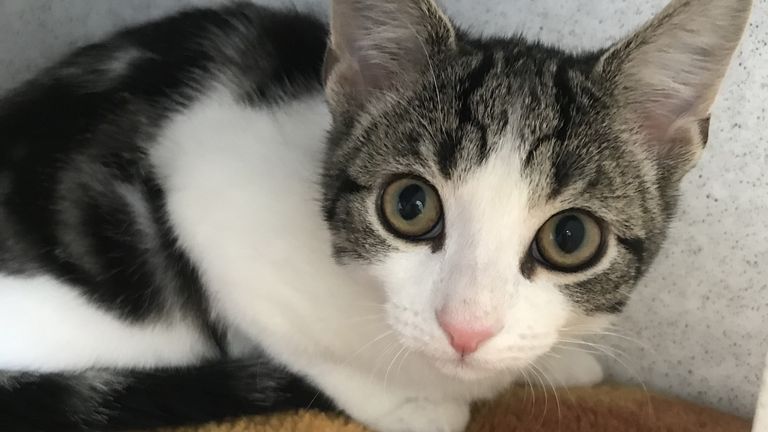
Hope the Cat’s condition is so rare it doesn’t have a name, but her rescuers say it won’t lead to health complications and Hope is otherwise a very normal and friendly cat.

We all know what it’s like — you’re trying to get something done when your pet, beloved as he or she is, has decided to be really annoying in insisting on treats.

Finn the cat was in this position recently when his pet, Piper the Cavalier King Charles Spaniel, had her eye — or more likely her nose — on a small bowl of Cinnamon Toast Crunch on the kitchen counter. Piper couldn’t reach the tasty snack, so Finn climbed up, fished out a piece of cereal one at a time and dropped them for his loyal canine companion. (Finn himself had no interest in the sugary cereal, lacking in meat as it is.)

This should settle any remaining questions about where cats and dogs stand relative to each other:

Homeless kitten from UK has rare condition, is neither male nor female

A kitten rescued by a shelter in Warrington, about 20 miles west of Manchester, was originally listed as female and given the name hope. However, during a routine exam, a veterinarian found Hope does not have reproductive organs, according to The Guardian.

“There’s an outside possibility of some ectopic ovarian tissue hiding away internally but we think this is extremely unlikely … This is so rare that there isn’t really a commonly used term for this condition, but it is effectively sexual organ agenesis,” said Fiona Brockbank, senior veterinarian at Cats Protection in Warrington. “While this means we don’t have any previous cases [on which] to base our knowledge of how this will affect Hope in the future, we spent time monitoring this cat to ensure they can urinate and defecate appropriately before they were considered ready for rehoming.”

Hope’s condition is so rare it doesn’t have a name, but shelter manager Beni Benstead told the newspaper that shouldn’t dissuade potential adopters. Hope is very friendly with other cats at the shelter and “has been a delight to care for.”

Sunday Cats: A Lost Cat Story With A Happy Ending, UK Takes Cat Abuse Seriously

The UK demonstrated it doesn’t tolerate animal abuse with severe punishments for a star soccer player who abused his cat.

A North Carolina woman suffered a roller coaster of emotions after she lost her cat, then found out the local SPCA had taken her cat in, only for the shelter’s staff to tell her a family had already adopted the cute tuxedo.

Chevelle Griffin of Asheville says her cat, Sally, went missing on Oct. 18. She didn’t know what happened until a few days later when she saw a Facebook post indicating a neighbor had taken Sally to the local SPCA. Sally was wearing a flea collar, but not an ID collar and was not microchipped.

Griffin blamed herself.

“That was my fault,” Griffin said. “That was my mistake. I should have had her chipped, but I didn’t and she’s mine and I want her back.”

She wasn’t happy when staff at the shelter “very bluntly” told her Sally had already been adopted out.

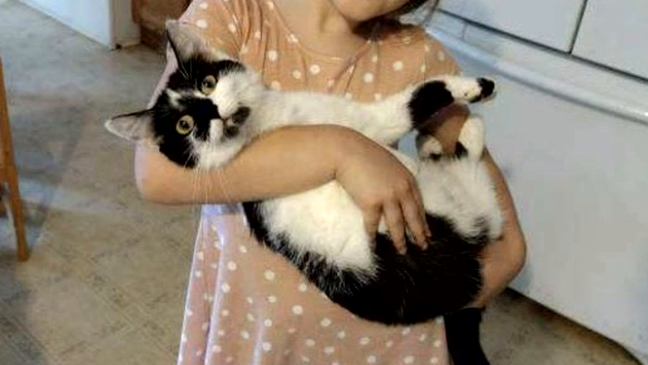
Sally the Cat
Sally was taken to the SPCA by a neighbor.

Lisa Johns, chief operating officer for the local SPCA, told local ABC affiliate WLOS that the shelter takes in as many as 35 cats a day and holds new animals for 72 hours. After that, if they have no health issues they’re put up for adoption.

Fortunately, the story has a happy ending. After Griffin lobbied the SPCA and WLOS began looking into the incident, SPCA staff contacted the family that had adopted Sally and asked if they would be willing to return her. They agreed, and Griffin said she’s relieved and has learned from the experience.

“I’ve kicked myself so much,” Griffin said. “If I’ve learned anything from this, get your pets chipped.”

It’s a tough balance for shelter operators dealing with overcrowding and the need to constantly free up spaces for new strays, but should the hold period be extended beyond 72 hours?

Zouma apologizes again

zoumabengals
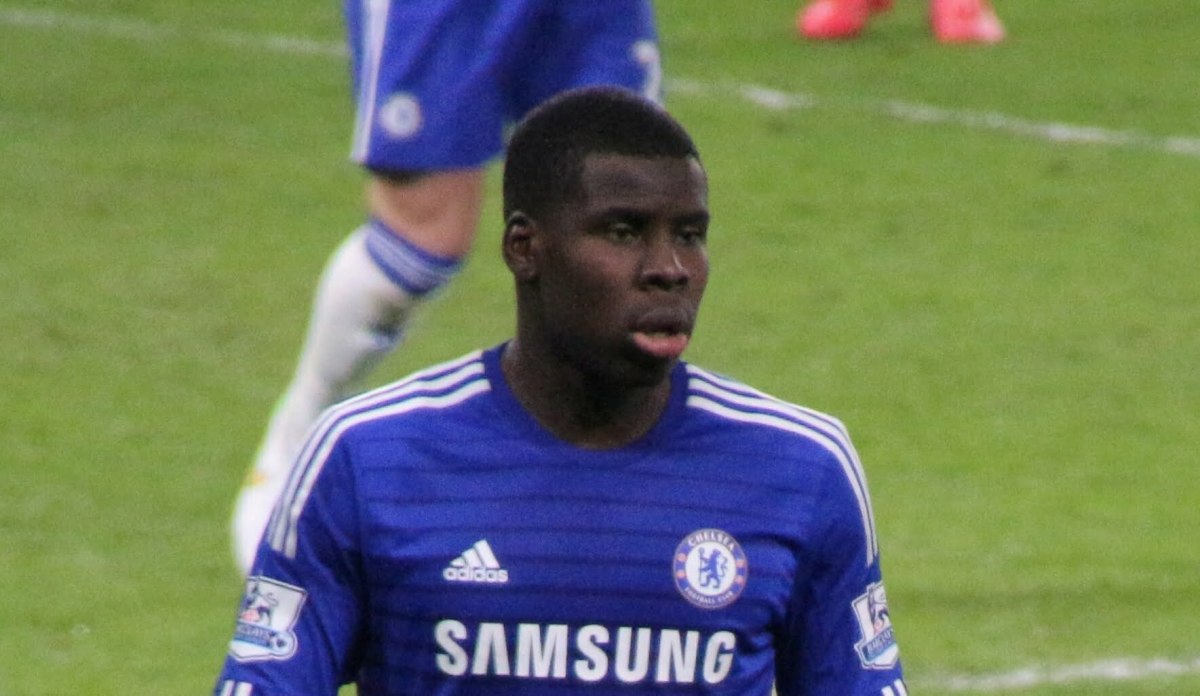
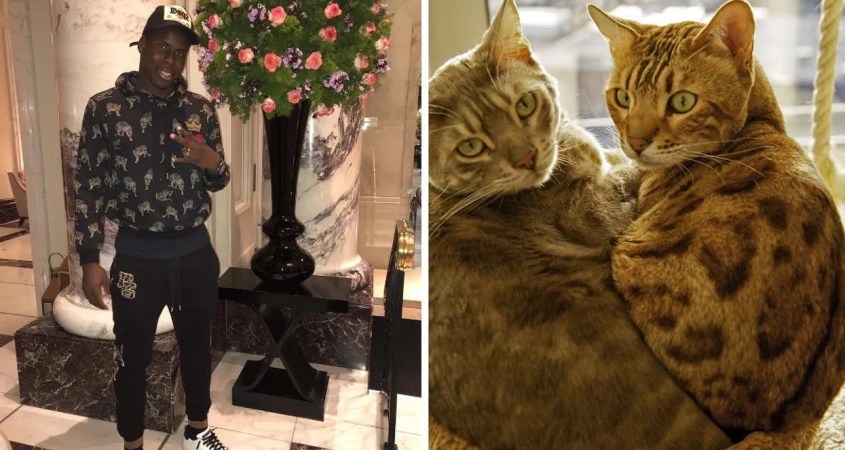
Zouma, left, and his Bengal cats, right. Both cats were confiscated and remain in the care of the RSPCA. As part of the sentencing agreement for his animal abuse plea, Zouma will not be permitted to own a pet for at least five years.

Kurt Zouma — the West Ham player who ignited a firestorm earlier this year when his brother uploaded video of Zouma slapping, kicking and harassing one of his own cats — said he learned his lesson and again expressed remorse after he was sentenced by a magistrate’s court.

Zouma, a French national, faced consequences that would be unheard of in the US as a result of the abuse: He lost all his sponsorship contracts, was fined the maximum amount by his club team (£250,000, equal to about $338,00 at the time, a full one fifth of his salary), paid court fines of £9,000, is prohibited from owning pets for at least five years, and was ordered to complete 140 hours of community service. West Ham donated Zouma’s fined salary to animal charities in the UK.

He was persona non grata in the UK football world, subject to hearty boos and chants from crowds any time he touched the ball, and his cats were taken from him and placed in the care of the RSPCA. In addition, he was not selected for the French national team, meaning he won’t compete in the World Cup.

Following his sentencing this week in his first public comments about the controversy — aside from a terse apology in the form of a written statement issued months ago — Zouma said he acknowledges the video was “very tough for people to watch” and admitted he’d “done something very bad.”

Zouma’s brother Yoan was also convicted of animal abuse, receiving court fines and 140 hours of community service for participating in the abuse and filming it in front of his brother’s young son. Our readers might recall the brothers were turned in by a woman who was courted by the younger Zouma and was disgusted when she saw the video.

The woman had initially agreed to meet Yoan Zouma for an informal date, but told him to keep his distance after she saw the abuse clip, then reported the brothers to authorities.

“I don’t think hitting a cat like that is OK – don’t bother coming today,” she wrote in a message to Yoan Zouma at the time. “I do not want to associate with people who find that funny, in front of a child as well.”

Although what Zouma did was terrible, it feels like justice was served and the UK did right by the cats by taking the abuse seriously, both criminally and professionally. Instead of “canceling” Zouma, as would have likely been the response here in the US, the authorities in government and the Premier League made sure the footballer understood the gravity of his actions and took responsibility for them. Hopefully it served as an example to others who would think of harming their pets.

Stressed Cat Crying In Shelter After Her Human Passed Away Is A Reminder: Have A Plan For Your Kitties

Do you have a plan for your cats if the unthinkable happens?

I’ve already made my family swear to me that, should something happen to me, one of them is to take Bud and treat him as an extension of me.

That’s because, as handsome and delightful and meowscular as the little guy is, he can also be a little terror at times, and God forbid he ends up in a shelter, scared and confused, then lashes out at a staffer and gets condemned to the needle.

We’re talking about a cat who has attacked his cat sitter repeatedly, smacked an admirer for petting him too long, and — while he has improved dramatically over the years — has bitten and scratched me many times, usually when he’s freaked out about something.

I love him. Someone else may not. He has to stay with someone who loves me enough to treat him like a part of me, someone who knows how much he means to me.

Although I’m not a fan of linking to TikTok, this video is a reminder why it’s so important to make arrangements. Sunny here found herself at Orange County Animal Services after her human mom died, and she’s not doing well. In addition to losing the human she loved and only home she knew, she’s now in a scary new place with new people and animals, confined to a tiny enclosure.

Photographer Albert Harris, who shot the video, said the shelter has received an application to adopt Sunny since he posted the video online, so let’s hope the distraught kitty finds a new home quickly:

@aharrisphoto

Sunny needs your help. And it’s not 💩 on the blanket. It’s just treats but she is stressed not to eat them. She is at Orange County Animal Services! #catsoftiktok #sheltercat #cattok

♬ suara asli – DENII – DENII