Ever year, 3.2 million little buddies enter shelters across the US, hoping for forever homes and humans to love them.
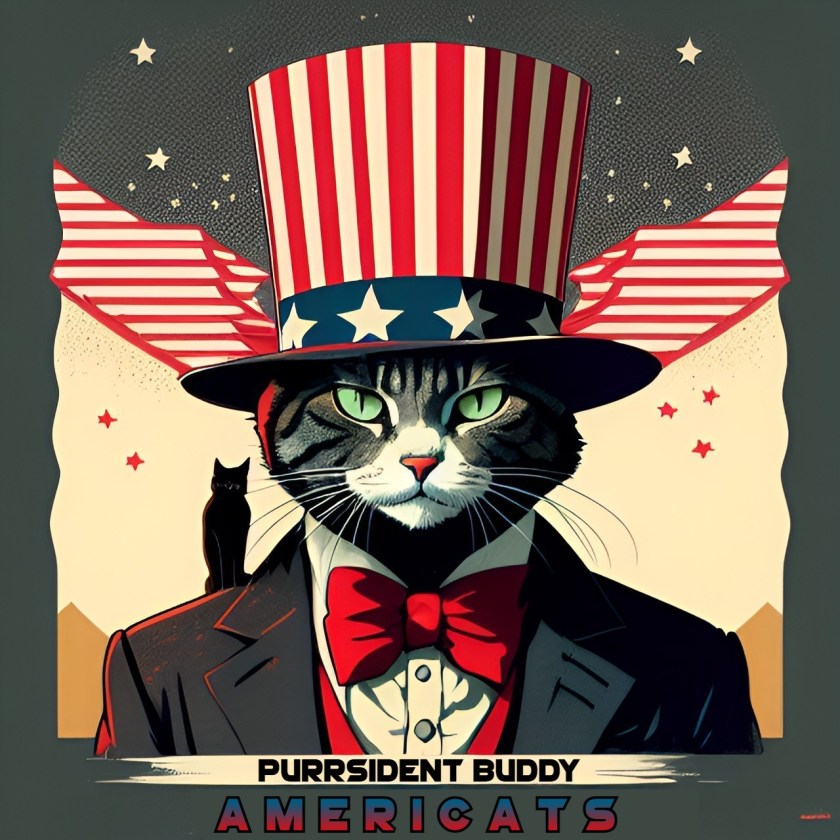
A message from Buddy, Purrsident of the Americats:
June is national Adopt A Cat Month here in our great country, and it’s no coincidence that it coincides with kitten season when hundreds of thousands of little buddies are born.
Those babies will need forever homes and attentive human servants to see to their needs, but don’t forget the adult buddies in your local shelter! They need homes too, and if you like to keep things low key, they’re the buddies for you. Bonus: They come pre-installed with purrsonalities, so there’s less guesswork involved if you’re adding a new living room lion to your existing pride.
Just remember, June is ADOPT a cat month, not “buy a cat from a breeder” month! When you adopt a cat, you’re making a friend for life who will be forever grateful to you…although kitty will still expect you to be a good servant, because that is the natural order of things!
Do you patriotic duty and adopt an Americat!
Purrsident Buddy
A patriotic message from Purrsident Buddy! Feel free to share it or print it out. Credit: PITBA patriotic message from Purrsident Buddy! Feel free to share it or print it out. Credit: PITB
Kylo Ren, named after actor Adam Driver’s most notable role, changed the lives of a woman and her young son.
Remember the Adam Driver Cat?
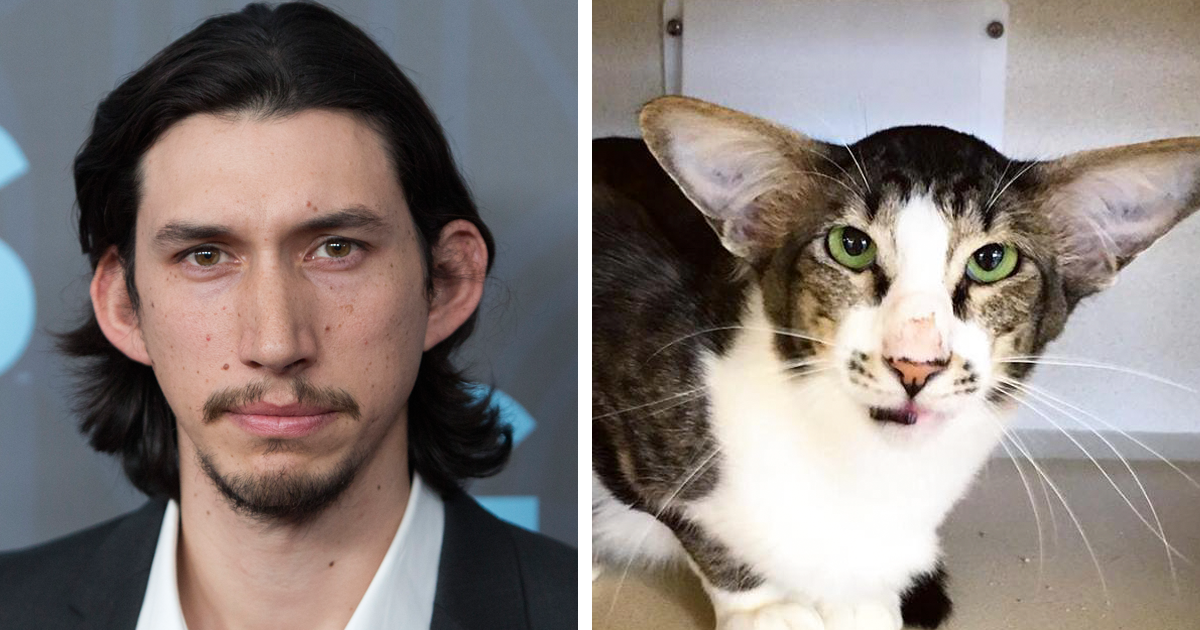
The little guy made a big splash for a while back in 2016 when images of his unusual mug went viral and the internet decided he looked like the 39-year-old actor.
In an essay, Emily McCombs describes feeling “something deep in my soul” when she saw photos of the cat she’d name Kylo, in honor of Driver’s best-known role as the conflicted Sith lord in the third Star Wars trilogy. Against all odds, and despite intense interest in the Oriental Shorthair, McCombs was able to adopt Kylo after begging a friend for a ride from Brooklyn to the Monmouth County SPCA in New Jersey.
McCombs with Kylo Ren. Credit: Emily McCombs
Adam Driver, top left, Kylo at the bottom, and Kylo with McCombs at right. Credit: Monmouth County SPCA
But it’s what happened after that impacted McCombs and her young son the most. Kylo was gentle with McCombs’ son, had a habit of staring adoringly at her and “wasn’t truly happy if he wasn’t smooshed against my face.” Aside from the shoulder bit, Kylo sounds a lot like Bud:
“Rather than just being a lap cat, Kylo was more likely to perch on my shoulder, or plop down directly on my face,” McCombs wrote. “He preferred positions that made it impossible to do anything but pay attention to to him, and would regularly headbutt my phone when he wanted my undivided attention.”
Actually, he’s more polite than Bud, who has no qualms about slapping my smartphone out of my hands and loves to send it flying if I make the mistake of leaving it unattended on a flat surface. “Stoopid little glowing rectangle!” I imagine him yelling in the meowenese language.
Kylo became part of McCombs’ family, helping her tuck her son in every night after story time, and while McCombs said a few love interests came and went, Kylo endured.
McCombs got to spend seven wonderful years with Kylo before she made the difficult decision to euthanize him after he was diagnosed with kidney failure and his struggle became more desperate. The story’s worth reading for her take on grief, Kylo’s sweet relationship with her son, and her insistence that no amount of internet fame compared to the love Kylo gave the family.
It’s also validation of the way people feel when they lose their four-legged companions, and a reminder that grief doesn’t need to be justified, regardless of whether some people insist “it’s just a cat.”
The microchip company called to ask her to confirm a change of ownership for her missing cat
A British woman was thrilled when the microchip company contacted her to say her missing cat had been found, but was confused and dismayed when the representative on the line asked her to confirm a change of ownership.
Now she’s trying to get her kitty back, but her efforts have been frustrated by the other person who wants to keep him, as well as data protection laws that prevent the microchip company from identifying the person.
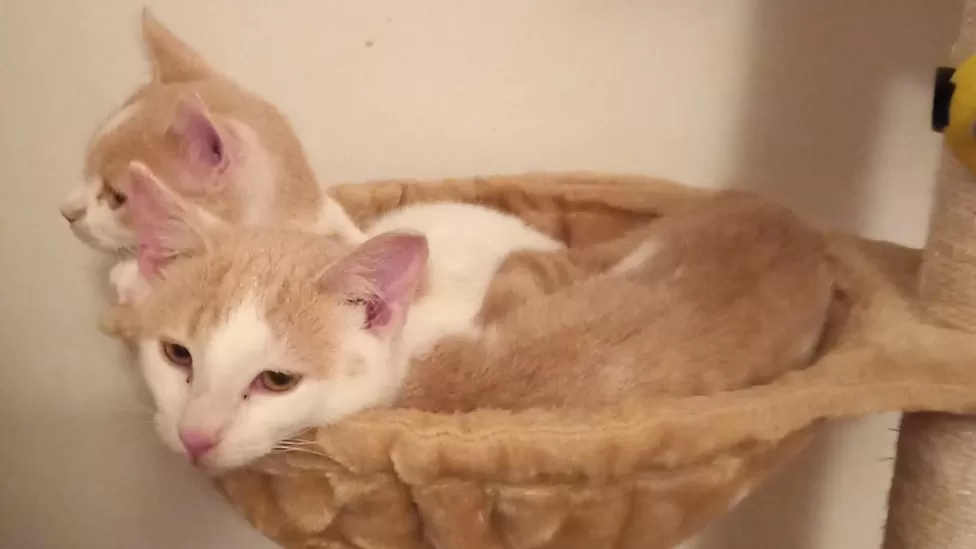
Beryl Edwards of Shropshire, a rural area bordering Wales, adopted her cat Fred and his brother Geno in 2021. Fred went missing over the summer in 2022, and Edwards said she was initially ecstatic when she was told he’d been found.
“And then out of the blue last week I get an email saying we’ve had a request – somebody wants a transfer of ownership,” Edwards told the BBC. “Can you imagine the range of emotions from, ‘Fred! He’s alive, he’s OK’ to ‘transfer of ownership? What’s this all about?’”
The company, Identibase, told Edwards that while they could not give her the person’s information, they would ask the person to contact Edwards and return the cat.
Edwards never heard back, and now it’s a criminal matter.
“We are following up on a number of enquiries and at this stage are treating the matter as a potential theft,” the West Mercia Police said, per the BBC.
It’s not clear if police believe the person who has Fred stole him from Edwards, or whether they found him and want to keep him, but we hope Edwards and Fred are reunited, and Fred gets to live with his bonded littermate Geno again.
I can understand why the company would hesitate to provide the other person’s information, even if no law existed. You don’t want people physically confronting each other and potentially taking pets by force in disagreements over ownership. It’s also possible that the person who wants to keep Fred never intended to “trip” the microchip, and Edwards’ information may have been discovered by a veterinarian during a routine exam. But perhaps the unusual case can inform a future change to the law so it’s easier for people to retrieve their pets in cases like this, and for law enforcement to return pets when there’s clear documentation showing one party is indeed the caretaker.
This is not funny
A woman opens her front door to find a distressed cat crying for her help. Instead of taking him in, feeding him, checking on his welfare or even calling a local shelter, the woman proceeds to film herself performatively yelling at the stray and telling him to “get on off my porch!”
The TikTok video went viral this past week and people think it’s hilarious.
File this under “Social Media Is A Sign Of Humanity’s Decline.” Maybe the woman would have been cold-hearted even if she wasn’t hamming it up for an internet audience, but the prospect of clicks and likes almost certainly played a part in the way she dismissively yelled at an animal who was obviously in distress. Even if she didn’t want another pet and couldn’t adopt the cat, it costs nothing to show kindness and make sure he gets to people who will do right by him.
I won’t link to the woman’s TikTok, but if you want to read Newsweek’s take about how her performance “delighted the internet,” click here. I hope the cat found a more sympathetic person and has either been returned home if he was lost, or found his way into a forever home if he was a stray.
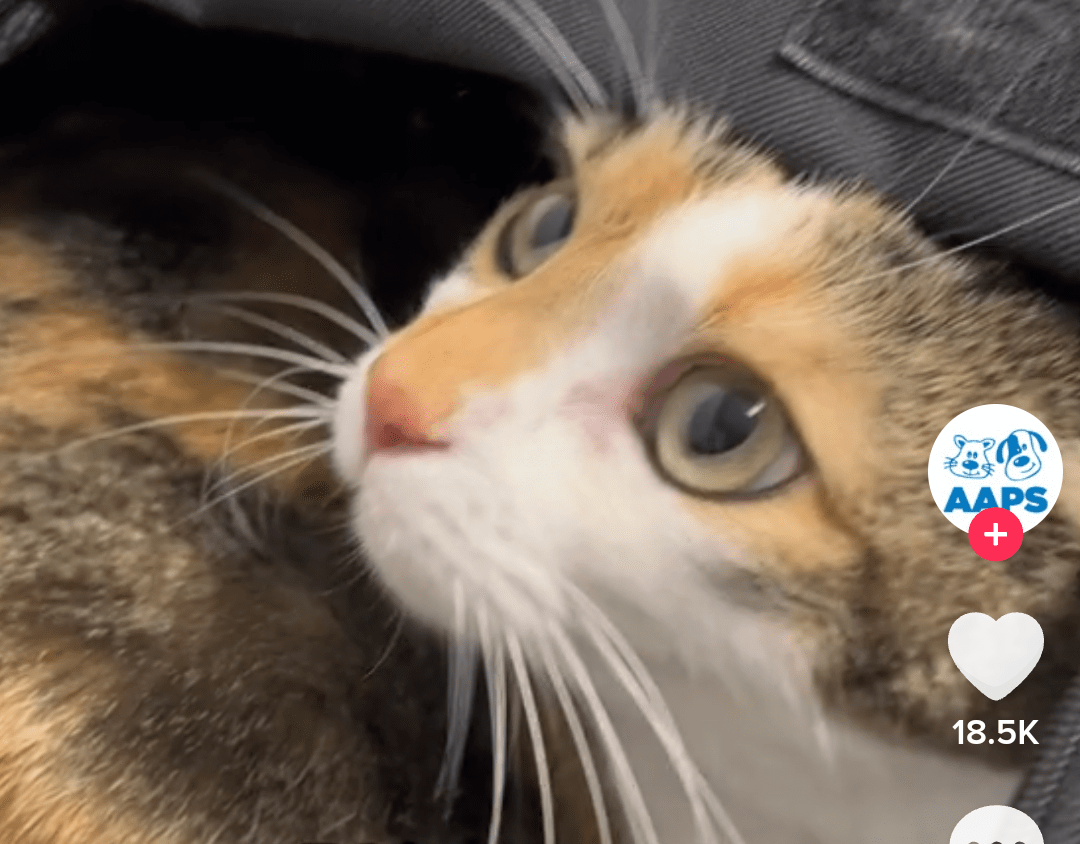
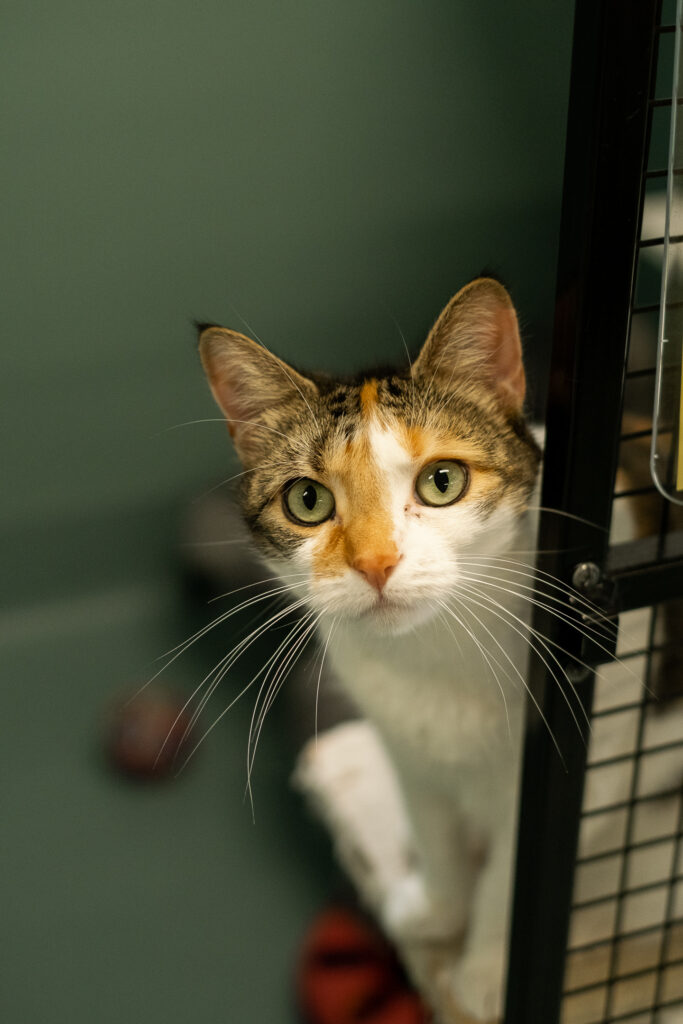
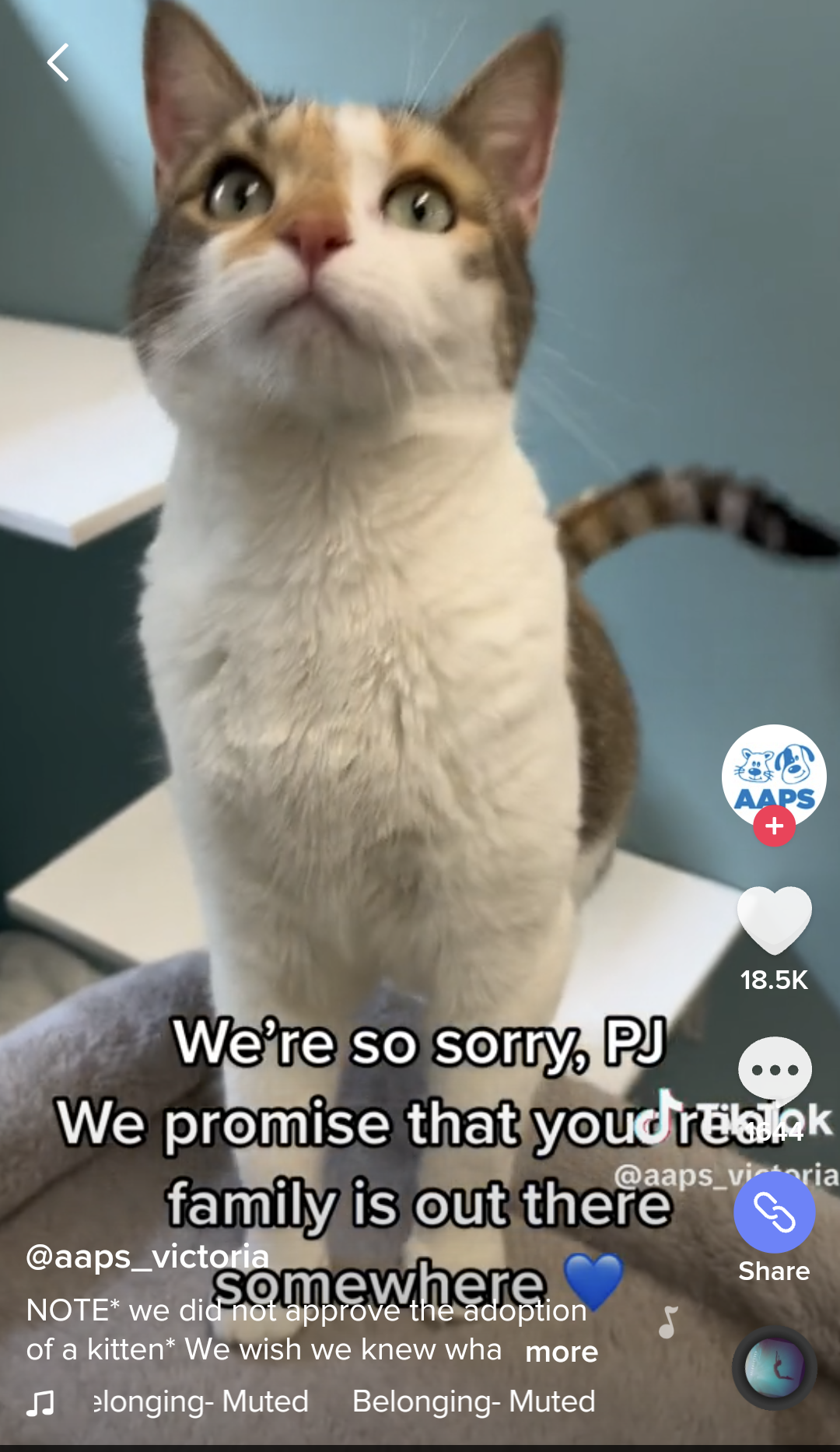
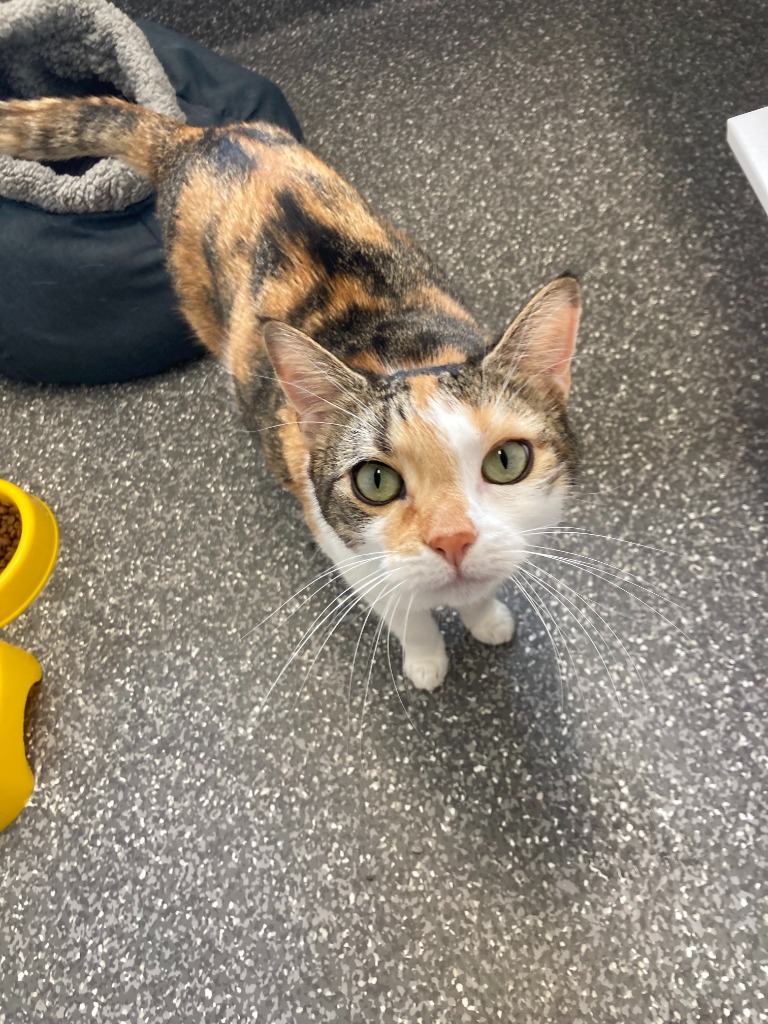
PJ is a shy cat, and her adopters were reminded that she would need time to adjust to her new home.
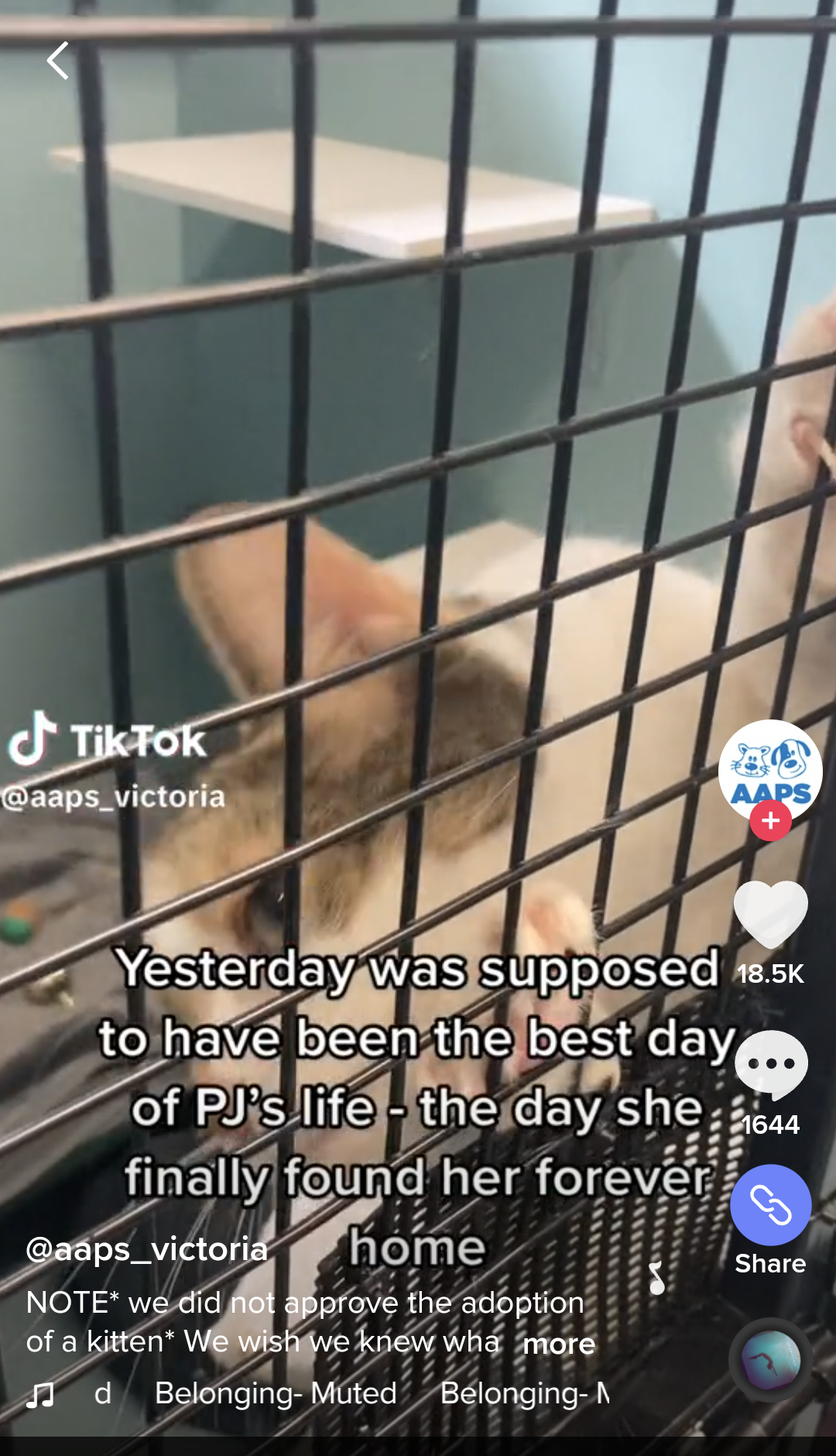
A family adopted a shy, anxious cat who has been waiting months for a forever home, then brought her back within 24 hours, explaining that they decided they wanted to “swap” her for a kitten.
I’ll pause for a second here to let PITB readers yell a few choice words about the family.
Okay, now that’s out of the way, hear me out: I think the cat, PJ, dodged a bullet.
The staff at the Melbourne, Australia shelter say they went above and beyond to screen for people who insisted they would be patient with the two-year-old Calico, made sure the adopters met her several times, and sent them home with a list of resources for dealing with a shy cat.
PJ Credit: AAPS Victoria
It sounds like they did a pretty thorough job, and the whole situation illustrates how difficult it is for people who run shelters to be sure they’re sending their animals to good homes.
But PJ wasn’t going to a good home. The kind of people who would return a cat after a day to “swap her for a kitten” are extremely unlikely to be good caretakers, and to treat PJ like the thinking, feeling feline she is.
PJ’s back at the shelter after her “forever home” didn’t work out.
I’ve seen cats like that, and they live miserable, bored, unloved lives. Once their novelty wears off or they’re no longer cute kittens, they become background noise, ignored as if they’re basically house plants. They have no way out of those situations, sadly, and no way to express their feelings, which is why it’s so important for us to learn to listen to our cats. But that’s a subject for a different post.
And no, the shelter did not honor the request to “swap” PJ with a kitten, as if the adopters were in Target, bringing back a 44 inch flat screen for a 50 inch 8K model.
Let’s hope a kind soul hears about PJ’s situation and has a home for her. If any of our Australian readers are interested, PJ’s with the Australian Animal Protection Society (AAPS) in Victoria, and you can find her adoption profile here.
A veterinarian realized kitty was healthy and put her in the care of a local no-kill shelter, where she remains while hoping for a forever home.
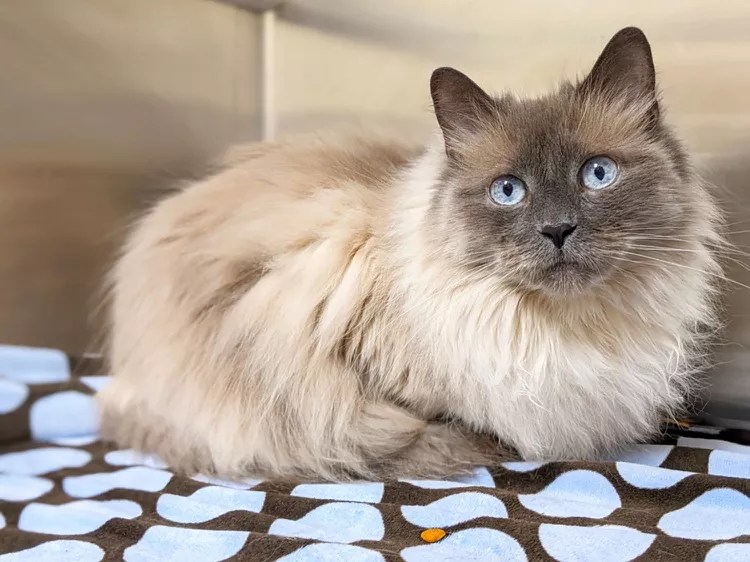
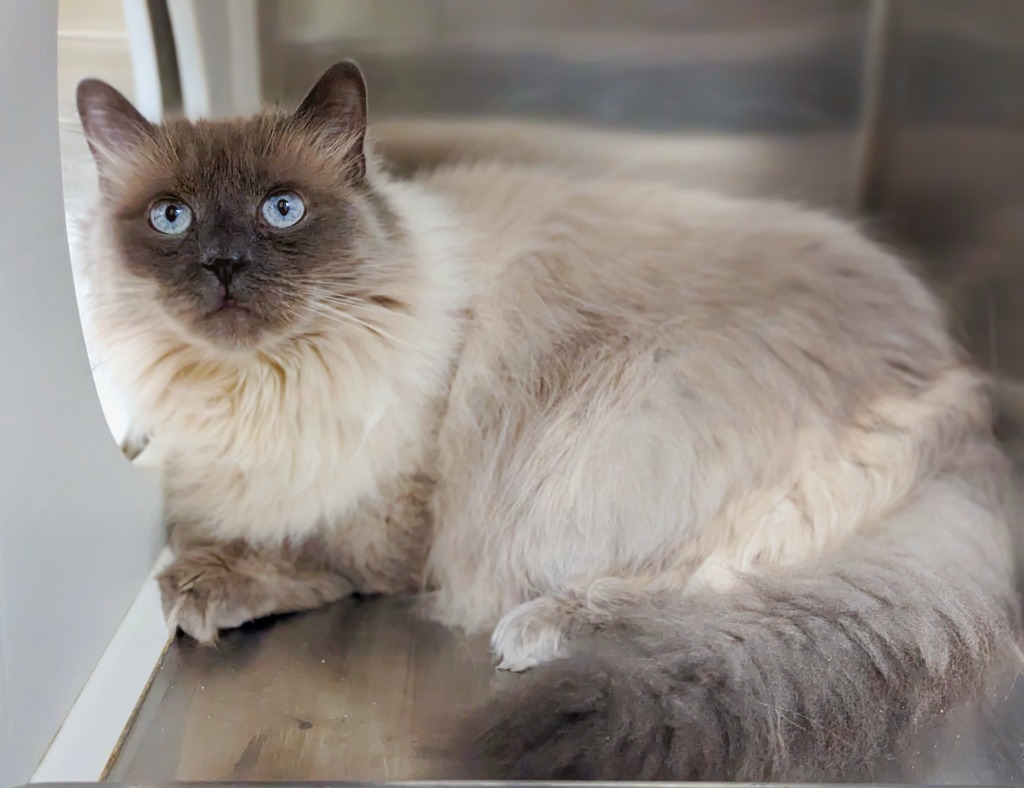
Lulu is 13 years old and began eliminating outside her litter box last year after a long life of doing her business properly.
Instead of realizing that a change in behavior was almost certainly precipitated by health issues — and attempting to get those issues sorted out — Lulu’s “owner” brought her to a veterinarian to be euthanized.
The vet realized Lulu was healthy and her issues were easily remedied, wisely persuaded the woman to sign over ownership of Lulu and brought the Himalayan to the local SPCA. She’s been there since December.
Lulu had urinary crystals which were remedied after a change in diet, and she hasn’t had an “accident” in months.
Staff at the SPCA want people to know that they don’t have to surrender a cat for litter box issues or other behavioral changes even if they think they can’t afford veterinary treatment.
“If your pet is not behaving or their behavior has changed, the first step is to get them to a vet to see if something is medically wrong. Even if it is not a medical condition, there are numerous resources — many available at Dutchess County SPCA — to help resolve the issue and avoid both euthanasia and surrender to a shelter,” Lyne Meloccaro of the Dutchess County SPCA told People. “Medical assistance, expert guidance, and management plans, and training referrals are all available for you.”
Lulu has a regal bearing, an epic coat and beautiful coloring. Credit: Dutchess County SPCA
Dutchess County, which is about 75 miles north of New York City, happens to be the former college stomping grounds of Big Buddy. I graduated from Marist College and lived in the area for some years after. The SPCA there does good work, and its law enforcement division has handled some high profile animal-related crimes over the years.
It’s sad that Lulu lost her home after 13 years, but maybe it’s for the best if she ends up with a devoted servant who will really love her. Her caretakers at the SPCA say she’s stubborn, demands affection on her own terms and wants an “emotional support human.”
Lulu is still available for adoption. The SPCA says she’ll do best as an only cat in a quiet household, and we have no doubt she’ll bring joy to the lucky person who brings her home.
After a TikToker raged about an adoption fee for a cat who had medical issues, her army of followers began harassing the shelter and its staff.
I don’t advocate criminality, but if some enterprising, preternaturally skilled hacker were to go Tyler Durden on TikTok and not just disable it for a few hours with a DDoS attack, but nuke it to oblivion by taking down its servers, backups and back-end code, that hacker would be a hero.
Songs would be written for this legend of a human being, performed to raucous applause by bards in taverns. A reincarnated Abraham Lincoln would lead a parade of patriots to the White House to wrap the benevolent hacker in the American flag and present the presidential Medal of Freedom. A bald eagle would alight on a Rose Garden cherry tree, raising a wing in salute to our hero, and fireworks would inaugurate a new federal holiday in honor of the glorious deed and its magnificent author.
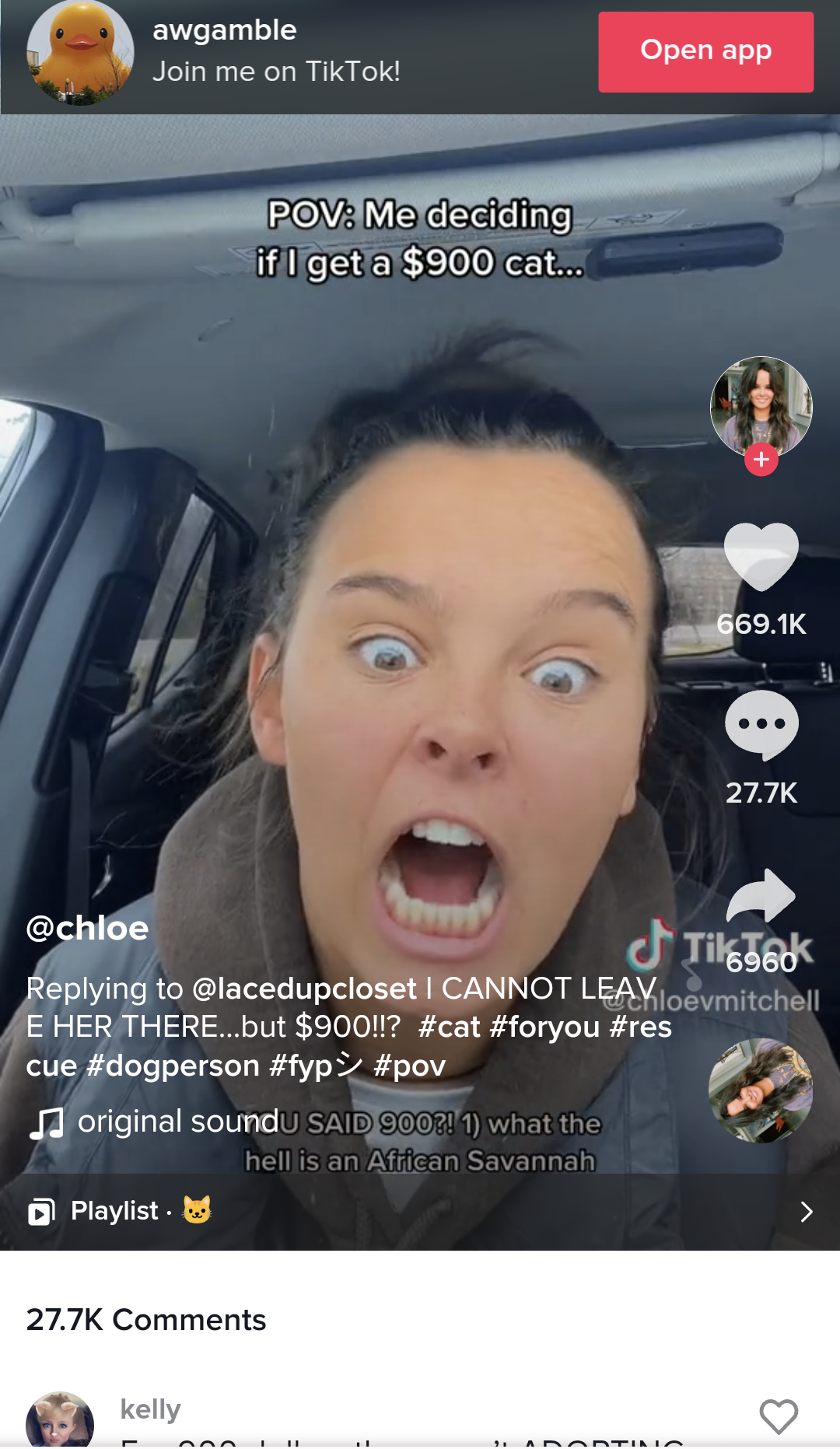
But that’s not going to happen, so I have to type the words “TikTok influencer” and try not to gag as I relate the story of one Chloe Mitchell, a Michigan college student who sicced her army of three million followers on a non-profit, no-kill animal shelter.
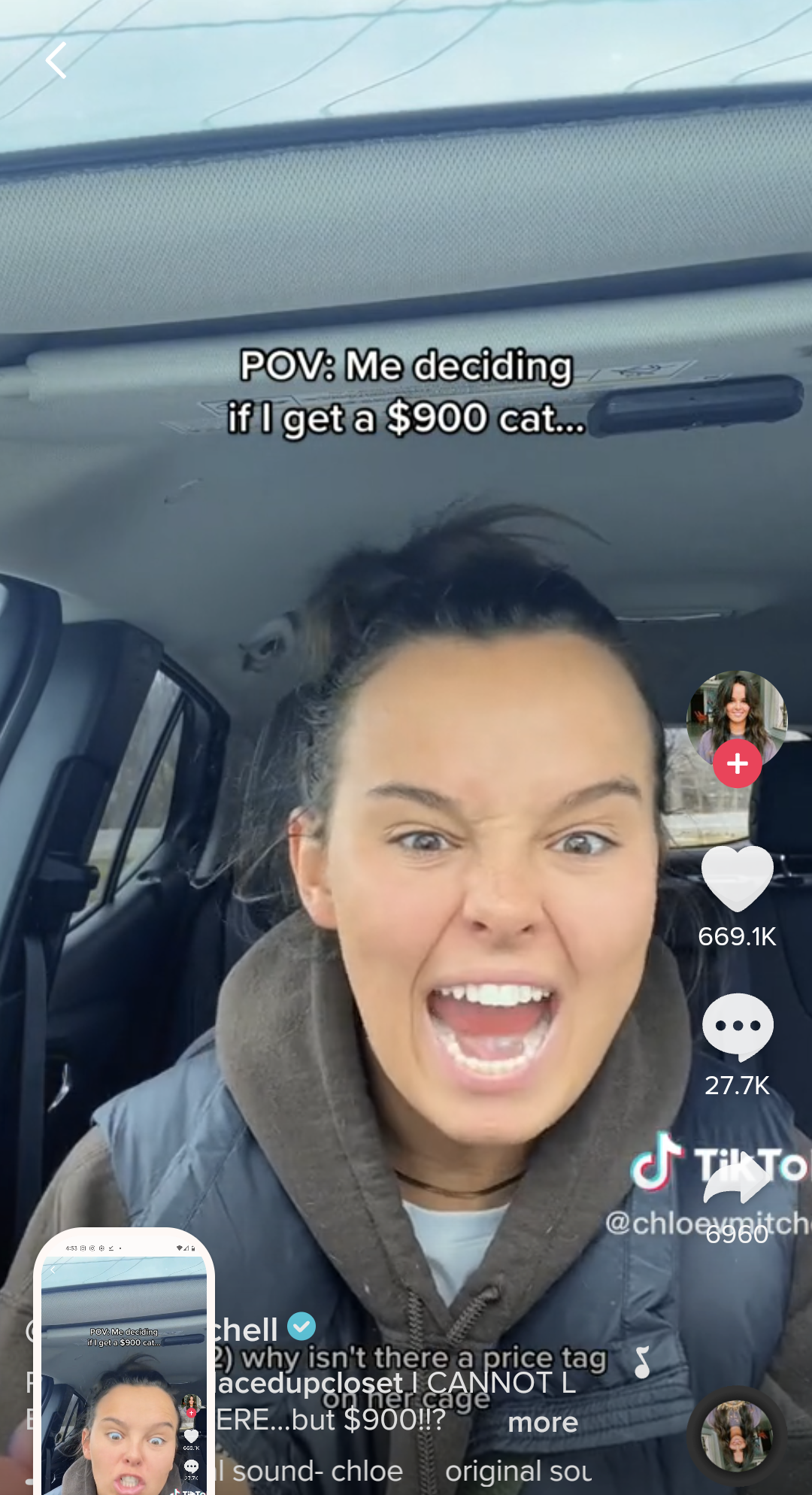
Mitchell is one of those people who makes you wish life had mute buttons. She tells her side of the story with theatric facial expressions, frequently screaming — literally screaming — into the camera as she claims she fell in love with a cat at Michigan’s Noah Project and didn’t balk at the $900 adoption fee.
She says she’s happy with her cat, Puka, and loves her. But she still has adopter’s remorse.
“I spent $900 on a fuzzy scratch ball that’s going to puke all over my furniture,” she says at one point in a video she made after the adoption.
She bemoans the adoption fee, saying the cat costs “two thirds of a Yorkie” and a quarter the price of a new Louis Vuitton bag.
“Why isn’t there a price tag on her cage?” Mitchell screams. “Why can’t she be a $25 cat? … That’s life changing money, $900. I could just not eat.”
Mitchell’s followers, who called the shelter operators “scammers” and said they “played” Mitchell, among less charitable comments, have been targeting the shelter online and by phone, making “profanity-laced calls,” according to MLive.
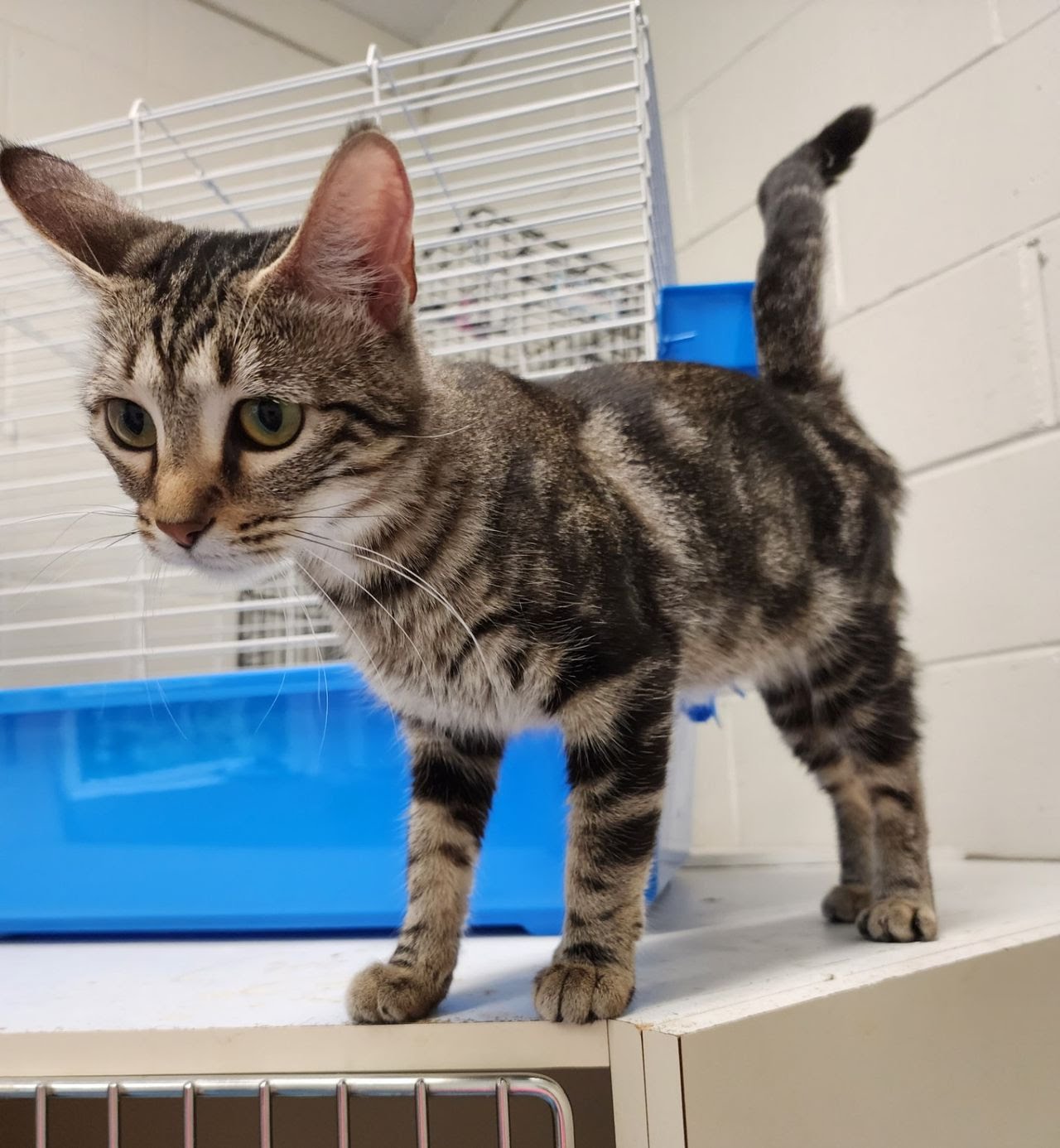
Mitchell says the shelter told her the adoption fee was so high because Puka is an F5 Savannah, a fifth-generation hybrid of a domestic cat and an African serval. In her video she admits she doesn’t know what a Savannah is and confuses a tabby coat pattern for a breed.
But Mashele Garrett-Arndt, Noah Project’s director, told MLive the adoption fee reflected the substantial costs the shelter incurred by rescuing Puka, her litter mates and kittens from the other litters she came with, who had multiple medical issues. The shelter paid for veterinary surgery, including procedures for one cat who had two legs amputated, as well as shots, microchips, spaying/neutering, and special diets for the ailing kitties.
Puka, originally named Heart by the shelter. Credit: Noah Project
The Noah Project took in the young cats and their mothers from a woman who purchased the momma cats from a breeder. The mother cats went into heat again, predictably, and the problem multiplied litter by litter until the woman realized it was out of her ability to control and passed the problem along to the shelter.
The Noah Project took the mother cats and kittens, like any good rescue would, but an intake like that would stretch the resources of most shelters, let alone a small local operation. (See the appeals for assistance when larger organizations like the SPCA take in cats from hoarding situations, for example.) That this happened on the cusp of kitten season makes it even more difficult.
Since adopting Puka — and making a video in which she goes back and forth between saying she already adopted her and claiming she was thinking of adopting her — Mitchell has made at least half a dozen additional monetized videos about “the $900 cat,” including one in which she introduced her parents to their “$900 grandfurchild” and another in which she seemingly pretends to be on the phone with someone from the shelter, lecturing them about “taking advantage” of people and “profiting” off them. In the video, she does not pause long enough for the alleged person on the other end to speak.
“I’m so mad about this because she’s not only lying about this story but she’s making a profit off this,” Garret-Arndt said. “These cats came from an older woman in her 80s who bought these cats and overbred and couldn’t handle the situation. They all had medical issues and that’s the reason they were $900.”
Garret-Arndt told MLive her books are open for Mitchell and anyone else to inspect. In addition, the IRS 990 forms of non-profits are available via sites like Guidestar, allowing donors to check information like percentage of revenue spent on programs, meaning the amount that goes to the charitable cause after overhead.
Mitchell’s series of videos on her “$900 cat” saga had amassed almost 30 million combined views as of March 24
Mitchell isn’t hurting for cash despite her claim that she might have to go without eating after adopting her “$900 cat.” As a college volleyball player, she’s known as the first NCAA athlete to profit financially from NIL (name and image likeness), co-founded a company for other athletes looking to capitalize on NIL, and says she paid for Puka with money she made from the TikTok Creator’s Fund. In addition, she’s bragged about her many sponsorships.
An earlier story about Mitchell’s earnings said that in addition to the money she earns directly from the NCAA NIL deal, “five-figure deals are her baseline” for sponsorships.
Mitchell earns up to $20,000 per sponsored post, the story notes — and that was in 2021, when her follower count wasn’t as high. That’s an extraordinary amount of money for anyone, let alone a college kid, and doesn’t match up with her video pleading poverty over an adoption fee.
With 3 million followers, Mitchell could earn as much as $15,000 a month directly from TikTok alone, not including the lucrative sponsorships. Her initial post about the saga of her “$900 cat” registered almost six million views, some 28,000 comments and more than 660,000 likes. In all, her series of videos on the cat saga have amassed almost 30 million views. Most creators can only dream of those engagement numbers and the revenue associated with them.
In other words, Mitchell is not the typical college student working a part-time job in between classes and eating Ramen noodles to stretch her budget, and it wouldn’t be inaccurate to say she’s punching down by picking a fight with a small local rescue.
“I feel like she (Mitchell) got that cat as a stunt for her followers,” Garret-Arndt said. “She specifically asked for that cat. We were told she was an African Savannah cat but we don’t know.”
To her credit, Mitchell does seem taken with Puka, and we hope she cherishes the beautiful kitten regardless of whether she’s got serval lineage or is just a “basic” cat. Every cat is worthy of love and deserves a good home, and it appears Mitchell is doting on Puka, buying her lots of toys and cat furniture and cuddling with her.
Take it from me, loyal servant to a “basic” no-breed kitty: what’s important is the bond you form and the memories you make together, not the rarity of the breed. I wouldn’t part with Bud for $900,000, let alone $900.
In the meantime, the Noah Project continues to take abuse from the “influencer’s” followers, “swearing at us and calling us a horrible organization,” Garret-Arndt said.
“We don’t scam people,” she told MLive. “If they want to see my books and what I paid for medical, they can.”
She said the Noah Project is a small organization that focuses on making sure cats go to good homes instead of ending up in kill shelters where they’re likely to be euthanized.
“All of our animals leave here fixed and with all of their shots and preventatives, as well as being microchipped,” she wrote in a Facebook post in response to the manufactured controversy. “This all-costs money. No one is making a profit here, everything goes back into the shelter for medical supplies, food, etc.”
Mitchell says she’s ordered a DNA test for Puka and plans to do a reveal on TikTok, providing more material for more monetized videos in her ongoing saga of “the $900 cat.” She says she’ll “defend” the shelter to her followers if the DNA test does reveal serval lineage, but the damage has already been done, and we can’t help but wonder if she’ll be willing to offer a meal culpa after quadrupling down on claims that the shelter ripped her off.