“Can’t find your keys, human? That’s terrible. I don’t know where they are, but perhaps I could recall that information if, say, there were treats involved. Take your time, I’m in no rush even if you are.”
A new study shows dogs and human toddlers are eager to help when their adult caregivers are looking for a missing item, but cats don’t seem to care.
The study, which involved running the same experiment for young children, dogs and cats in their own homes, made it clear cats were fully aware of what was happening and understood their humans were looking for the missing object.
They just didn’t care.
There was one notable exception, of course. If the missing items were important to the cat — a favorite toy, for instance, or a bag of treats — the felines were motivated to help search or direct their humans to the missing objects, the research team from Eötvös Loránd University in Hungary found.
But at all other times, feline observers were content to hang back and watch, even when they understood their humans were getting frustrated.
By contrast, young children and dogs actively tried to help and signaled to adults when they thought they’d found the object.
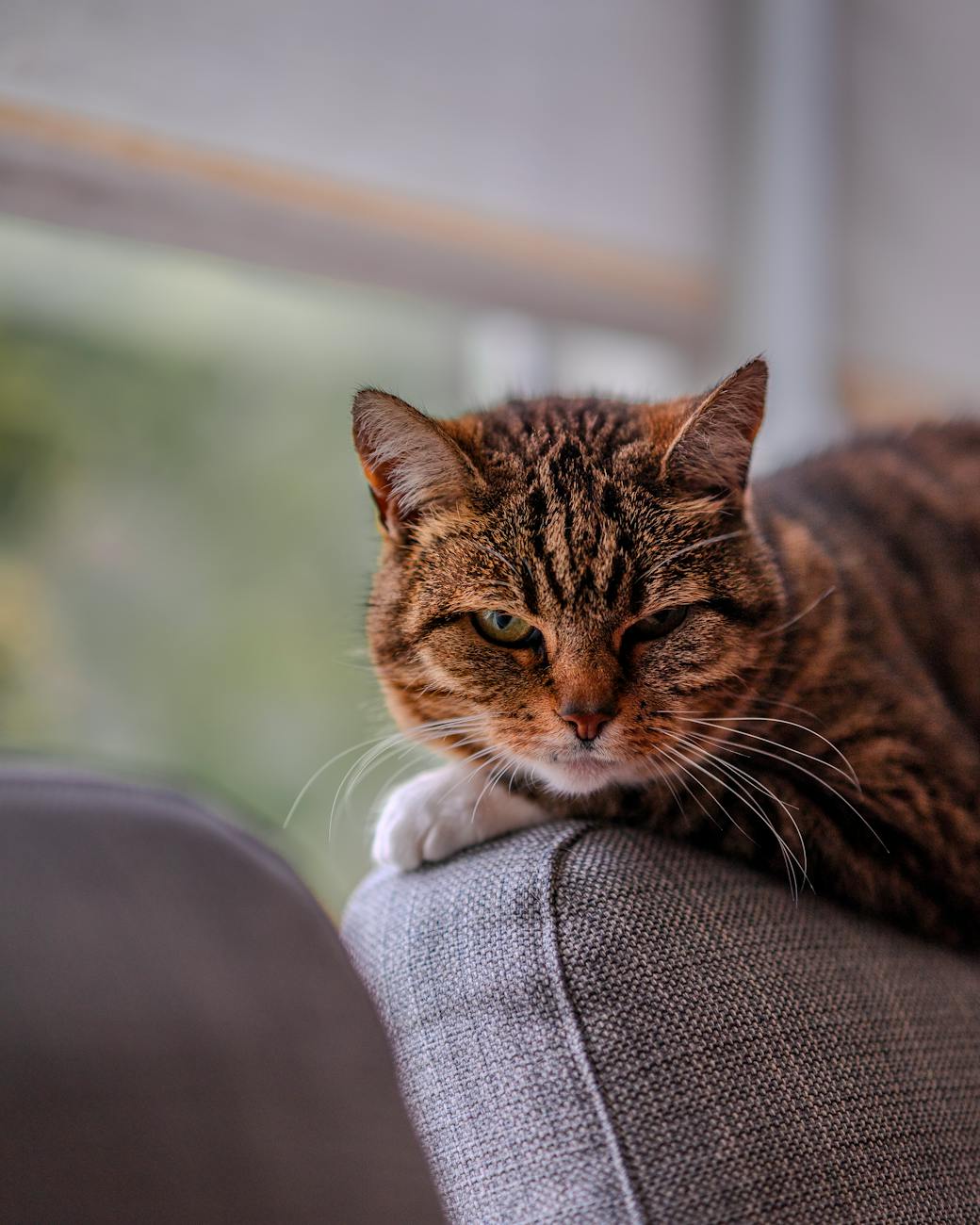
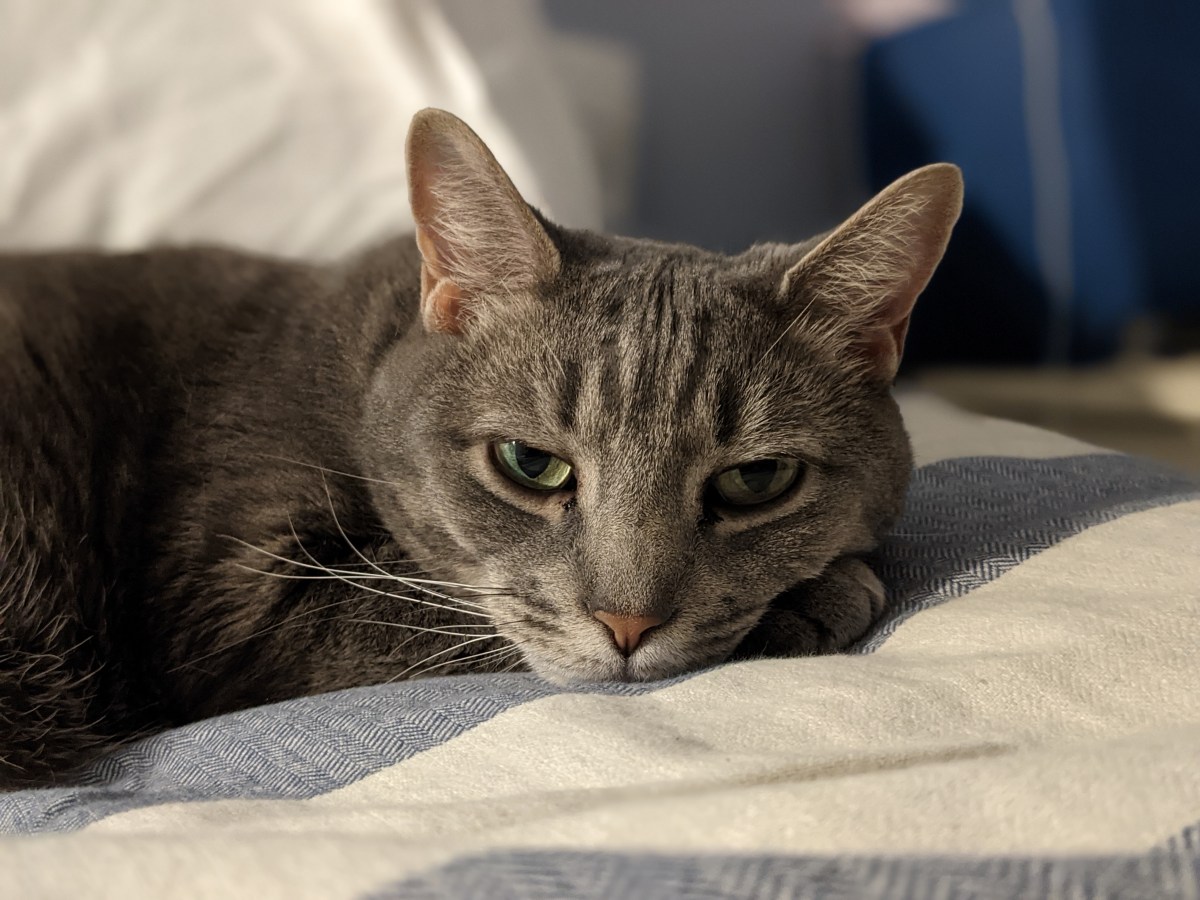
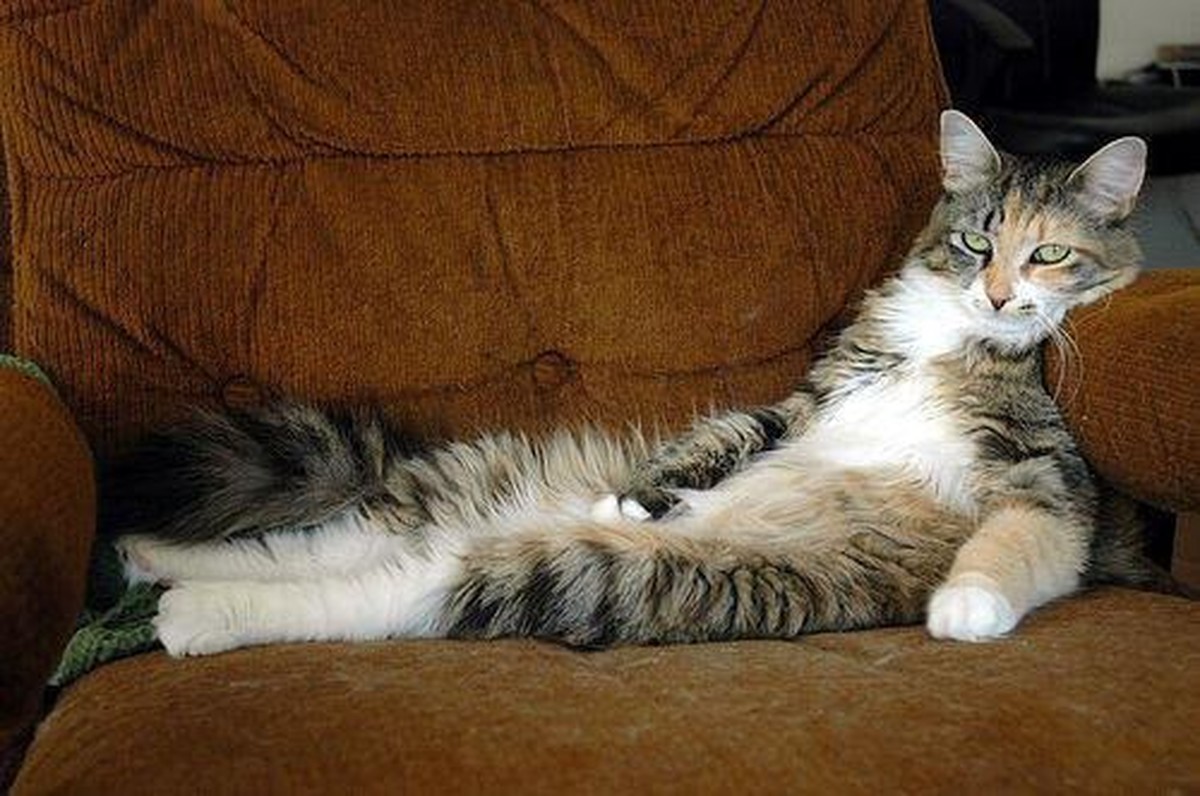
“Lookin’ for something? No, I’ll just watch, thank you. Warm, warmer…oh! Cold…colder…that direction doesn’t look promising, human.” Credit: Gord Maclean/Pexels
So does this mean cats are jerks? Probably. Are we surprised by the results? Not at all.
We still love our furry friends, who do have their own unique ways of demonstrating they care about their humans beyond seeing them as providers of food, shelter, and safety, as well as playmates, minions and servants.
Besides, testing whether dogs or cats were helpful or not wasn’t the point. As the authors note, “[t]hese three species provide an important comparison because they share a similar anthropogenic environment but differ in their ecological and evolutionary backgrounds.”
In other words, they’re interested in figuring out how evolution plays a part in how species behave in particular situations. Although it’s yet to be conclusively proven for this behavior, a likely reason is because domestic cats are the descendants of a mostly solitary wildcat species, whereas we humans and our canine friends have long evolutionary histories of living in social groups and cooperating with each other.
The study is included in the March 2026 issue of Animal Behavior.
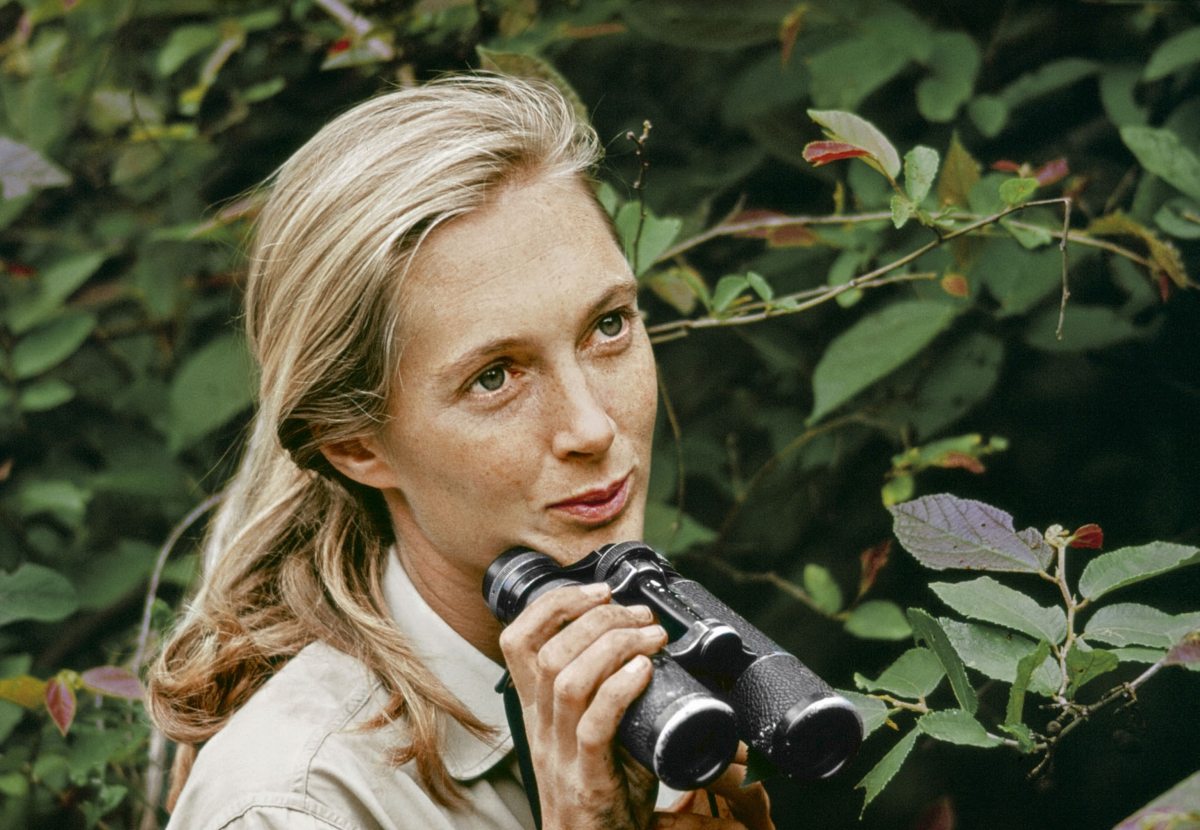
Goodall spent the better part of seven decades with the chimpanzees of Tanzania. Her discoveries were so profound, they forced the scientific community to reevaluate what separates humanity from other animals.
As I’m sure most of you have heard, Jane Goodall passed away Wednesday of natural causes. She was 91.
Goodall’s work was revolutionary and her career was extraordinary. It’s difficult to imagine now, but when Goodall first pitched camp in Tanzania’s Gombe Stream National Park in July of 1960, the scientific community knew virtually nothing about great apes.
Goodall wasn’t exactly welcomed with open arms. Being female and photogenic were the first two strikes against her in the eyes of the establishment.
She was self-taught, didn’t have a degree (she later earned a doctorate at Cambridge), and perhaps her biggest “sins” involved empathy and an attitude more buttoned-up scientists saw as anthropomorphizing the animals.
Goodall with a Gombe chimpanzee. Credit: Wikimedia Commons
Goodall gave the chimps names (a no-no at the time among scientists), carefully observed and recorded their family trees, worked out the obtuse — to human eyes– social hierarchy of primate troops, and witnessed behavior that no one had ever seen before.
She saw friendship, love and loyalty among the chimpanzees, witnessed a bitter war between the Gombe troop and a splinter group, followed families over generations, and saw one chimp die of a broken heart after his mother passed away. (I recommend Goodall’s 1990 book, Through A Window: Thirty Years With The Chimpanzees of Gombe, and the 2002 follow-up, My Life With Chimpanzees, for anyone who wants to read more.)
Her first major contribution, in October of 1960, not only fundamentally challenged our assumptions about animals, it forced us to change the way we regard our own species.
Goodall, observing the chimpanzees from a distance despite the rain that day, watched as a male she named David Graybeard repeatedly dipped blades of grass into the Earth. Curious, Goodall approached the site after Graybeard left, grabbed a few blades of grass and imitated what she’d seen the chimp doing.
She was astonished when she pulled the grass out and the strands were covered in termites. David Graybeard had been eating. He was using a tool to eat!
Goodall at Gombe in the early 1970s. The primatologist secured unprecedented access to the chimpanzees by gaining their trust. Credit: Wikimedia Commons
The discovery was huge because scientists believed tool use was, at the time, limited to mankind. We build and use tools, animals don’t, the thinking went.
When Goodall reported her findings to her mentor, anthropologist Louis Leakey, his prompt response indicated the gravity of her discovery: “Now we must redefine ‘tool,’ redefine ‘man,’ or accept chimpanzees as humans.”
Goodall never stopped working with the chimpanzees of Gombe, and today her formerly humble camp has become a permanent compound where researchers — all inspired by Goodall’s story — continue to study our genetic relatives.
But in her later years, Goodall became known for her activism just as much as her work as a scientist. She traveled constantly, engaging audiences on the subjects of animal conservation, respect for nature and understanding our place in the natural order. It’s a job that has become more necessary than ever as relentless human expansion, habitat fragmentation and human behavior push thousands of species toward extinction.
Credit: The Jane Goodall Institute
We lost Frans de Waal, the famous primatologist, in 2024. Now we’ve lost Goodall, and Sir David Attenborough is less than six months shy of his 100th birthday. We’re going to need people to pick up where they left off, and the job is much more difficult than it looks, requiring expertise, charisma and the ability to connect with audiences who know little about the subject matter.
But that’s a problem for another time. For now, let’s remember Jane and appreciate all she’s done over the span of an incredible life and career.
If cats are like small children emotionally and intellectually, is it ethical to give them a mind-altering drug?
That’s a question posed in a new article in The Conversation, and it’s something I’ve never really considered before.
It’s generally accepted that our little buddies are more or less equivalent to small children in terms of intellect and emotional intelligence. In fact kittens develop much more quickly than human children and come to certain understandings — like theory of mind and object permanence — considerably earlier than young kids do.
They also seem to possess some sapient qualities. My niece was born a year before Bud, for example, but in their early interactions he understood she was still developing motor skills and did not intend to cause him harm. I have photos of a young Buddy, still a kitten, cautiously allowing her to touch his fur and being uncharacteristically gentle with her.
There’s growing evidence that pet cats are “kittens in perpetuity.” Not only do their behaviors toward us mirror their behaviors toward their mothers — like meowing and using us as a “secure base” when faced with uncertainties — but they depend on us completely. We care for them, in turn, at least in part because they have neotenous (baby-like) features, which trigger our protective instincts.
Bud is basically a “kid,” so is it ethical for me to give him a potentially mind-altering substance?
Catnip isn’t really a drug
While some catnip companies lean into the whole “marijuana for cats” thing, naming catnip after famous marijuana strains, selling it in gag pharmaceutical bottles and even calling themselves “dispensaries,” those are marketing efforts aimed at us servants. As the authors note, it’s not accurate to consider catnip the equivalent of a drug.
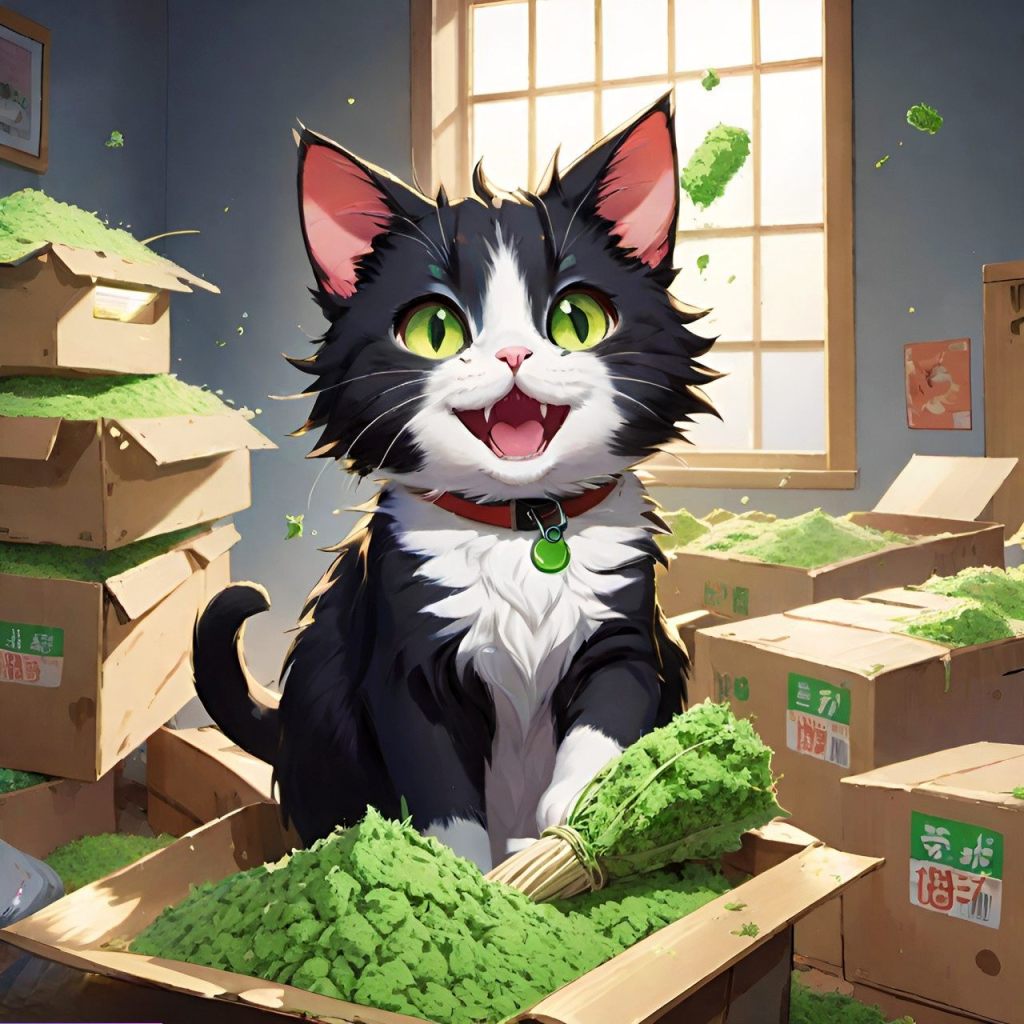
It’s not physically addictive, its effects only last a few minutes and cats can’t overdose on the stuff. In fact the primary “danger” of giving too much catnip is your four-legged friend getting desensitized completely to the effect, which is why it’s an occasional treat, not a routine pick-me-up.
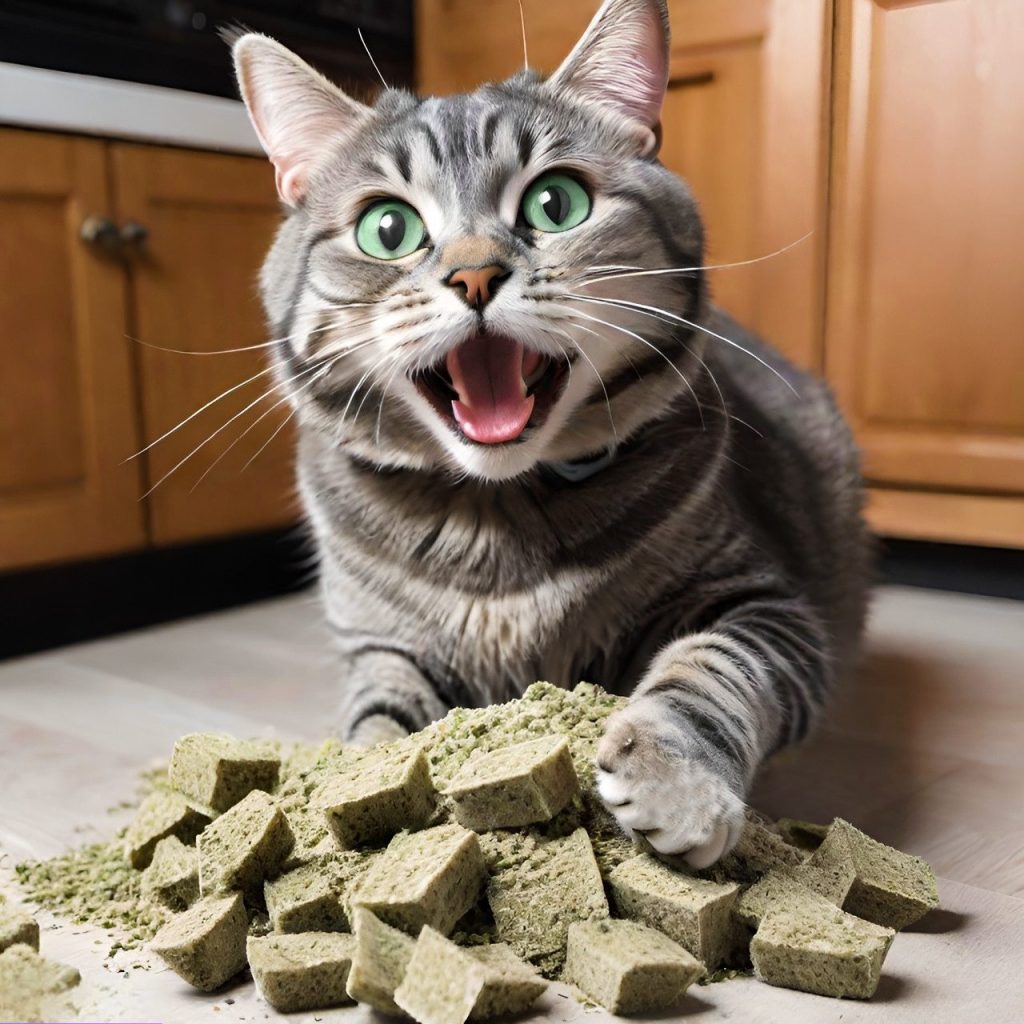
Meowijuana Catnip Company really leans into the whole “weed for cats” thing with catnip packaged like marijuana.
Catnip “won’t induce psychosis and won’t lead to addiction or withdrawal symptoms,” wrote authors Anne Quain, a professor of veterinary science at the University of Sydney, and Mia Cobb, a research fellow at the University of Melbourne’s Animal Welfare Science center.
We don’t have to worry about cats driving on the stuff, and they have no responsibilities to speak of so catnip and silver vine can’t impact important decisions. If they have any deleterious social effects, they end at making our furry friends drool, look silly and rendering them even more drowsy than usual.
The mysteries of the nip effect
But what about a kitty’s subjective experience? How does catnip make your feline overlord feel?
We don’t have a very good answer to that question other than what we can observe, which is that they love the stuff. (Some cats don’t respond to catnip but are put in a state of bliss by silvervine. Some respond to both. A small number may not derive much pleasure from either of the plants.)
Even when they aren’t technically impacted by it, cats seem intrigued by the scent and use their secondary olfactory receptor, the vomeronasal organ, to do that odd-looking “mouth-sniffing” thing they do.
Buddy loves catnip and silver vine. I keep his ‘nip in an out-of-reach cabinet, inside a sealed container, which is itself inside an air-tight plastic bag. Bud can be in a deep sleep yet within seconds of opening it he’ll appear like an overly enthusiastic djinn who thinks the wish thing works in reverse, meowing impatiently and trilling with anticipation as I set the good stuff down for him.
That’s as close to consent as we’re going to get from cats, and I think we can safely conclude Bud’s response is “Hell yes! Gimme that sweet ‘nip and silver vine blend!”
He gobbles the stuff down, by the way, so YMMV on your feline overlord’s reaction. The conventional wisdom is that cats who sniff catnip get more animated while cats who eat it tend to roll around in bliss and meow.
Making life more interesting for your fuzzy liege lord
Which brings us to the final point: catnip and silver vine are ultimately enrichment tools that help make indoor life more exciting for our little buddies, like toys, cat furniture, boxes, intriguing smells and most importantly, time playing with us.
We don’t talk about it enough, but keeping our cats stimulated and happy indoors is important, especially as pressure mounts for everyone to keep their felines inside. If your local area isn’t enforcing curfews and outright bans, it seems only a matter of time before they follow states in Australia, New Zealand and Europe in passing new laws. Every day there are news articles detailing the efforts of city councils and town boards to deal with outdoor, unmanaged feline populations, and it’s a safe bet that most of those elected officials will not have the welfare of the animals high on their list of priorities.
If we want to avoid cruelty toward cats, getting our own pets comfortable with living indoors is a good first step to making sure government doesn’t become involved.
It’s man vs cat in the ultimate battle of Buddies!
Back in August there was a story about a bored animal behaviorist and fellow New Yorker who built a talking board for her cat, a la Koko the Gorilla.
Kristiina Wilson told People magazine she was inspired to start the project during the initial Coronavirus lockdown, fashioning a makeshift talking board for her beloved foster fail.
Wilson used large buttons, coded by color and symbol, with each button triggering a recording of a different word when pressed: “Lady” for her, “Snuggle,” “Outside,” “Kittynip” and, of course, “Eat.”
She taught the little guy to use the board using “associative concept learning,” which in this case means pressing a particular button when she has the cat’s attention, and then performing the related action and pressing the button again.
Wilson’s DIY cat talking board.
“Whenever you’re responding to them, you also repeat the modeling,” Wilson said. “So if he asks for catnip and then I give him catnip, I hit ‘catnip’ again while I’m giving it to him to reinforce what that button is for.”
Her cat is a quick learner, Wilson told People. “He’s like a person dressed in a cat’s body. He’s been screaming at me since he was born and being very clear about his needs and wants.”
Hmmm. Sounds like someone else I know, someone who never hesitates to loudly inform me when he considers the service subpar or the meals tardy.
I decided to give it a try with Buddy, modifying the system to his most frequent demands. When pressed, the buttons say “Big Buddy,” “Food,” “Snack,” “Mattress,” “Nip” and “Mighty Hunter!” (Mattress, as regular readers of this blog have probably already figured out, means Bud wants to take a nap on top of me. Mighty Hunter is his favorite wand toy game. It should be called Inept Hunter, but we must keep up appearances so as not to offend delicate egos.)
I began training Buddy on his new talking board. On the first day he had great fun with it, slapping the buttons randomly and jumping on them to see how many he could activate at once.
On the second day, he understood that pushing the “Big Buddy” button would draw a response from me.
On the third day, I woke up to find three of the buttons relabeled and reset with new digital voice recordings: “Servant,” “TURKEY NOW,” and “SNACK NOW.”
THE PERPETRATOR: Although he may appear cute, behind that angelic face is a devious, scheming mind that will stop at nothing to obtain more turkey.
Perhaps most frighteningly, Bud was learning to combine the commands: “Servant…TURKEY NOW! TURKEY NOW! … Servant,” the speakers intoned as he hammered on the buttons with his paws.
But by the fourth day things had become truly horrifying. I walked into the living room and saw the humble talking board replaced by a complex ad hoc apparatus, with more than 150 symbols and a developing syntax.
“Good morning… servant… breakfast… immediately… then… massage… mattress…nap!” a synthesized Stephen Hawking said.
Buddy had tapped the message out with the speed and skill of a court stenographer, then sat there silently, looking up at me with his big green eyes.
“Little shit…is too clever…for…his own…good,” I said, mimicking the sound board.
“Big Buddy…better…watch…when asleep,” Buddy responded, pawing each button. “Sometimes…dark … I … can’t tell… where … is …litter box.”
He made a “mrrrrphh!” sound as if for emphasis, then tapped a single key three times: “Breakfast. Breakfast. Breakfast.”
I have now realized my most grievous error: Within two days Bud had wired his apparatus into the fiber optic router, and a few days after that he’d completed work on a prosthetic opposable thumb.
The arms race was escalating, and my lead was evaporating.
I considered bringing in a dog, but Buddy would just outsmart it: The little terrorist probably has an automated missile launcher at this point, and if not, dogs can be easily bribed with food.
No, I needed something nuclear. Something that would inspire cold terror in my cat and prompt him to think about further escalating the cold war between us.
Unlike other animals, cats aren’t big on food puzzles. They just want the food.
My cat has a morning ritual: He’ll meow in front of the treat cabinet, which now contains healthy snacks, then gobble down his first yums of the day before padding over to the carpet or the couch to lay down.
Ya know, because he worked so hard. After a long and tiring night of sleep and the grueling physical exertion of working his jaw muscles to eat, he needs a respite. A cat nap, if you will.
He’s not unique in this respect, and his morning siesta is just the first of many. Cats need their beauty rest after an exhausting day of lounging, sleeping and having their food literally placed before them.
A new study confirms what we already know — that cats are lazy little bastards — and even hints at new levels of laziness unbeknownst to us thus far.
Working hard or hardly working?
“Get a puzzle feeder,” they say. “Make ’em work a little for their food,” they say. “It’ll stimulate their instincts.”
Animal behaviorists have recommended toys like puzzle feeders and treat balls for years, prompted by research that shows animals enjoy “contrafreeloading,” a fancy way of saying when given a choice between free food and food in a puzzle feeder, animals will opt for the latter.
The behavior is consistent across many species of domestic and wild animals, from dogs and rats to chimpanzees and birds. Maybe it stimulates their urge to forage. Maybe it gives them something fun to do. Or maybe food just tastes better to animals when they’ve earned it.
Cats, however, aren’t contrafreeloaders. They want the easy yums.
That’s according to a new study by a University of California at Davis research team. Cats didn’t ignore the food puzzles entirely, but they showed a clear preference for the low-hanging fruit, so to speak.
“It wasn’t that the cats never used the food puzzle, they just used it less, ate less food from it, and typically would eat from the freely available food first,” said UC Davis’ Mikel Delgado, a co-author of the study.
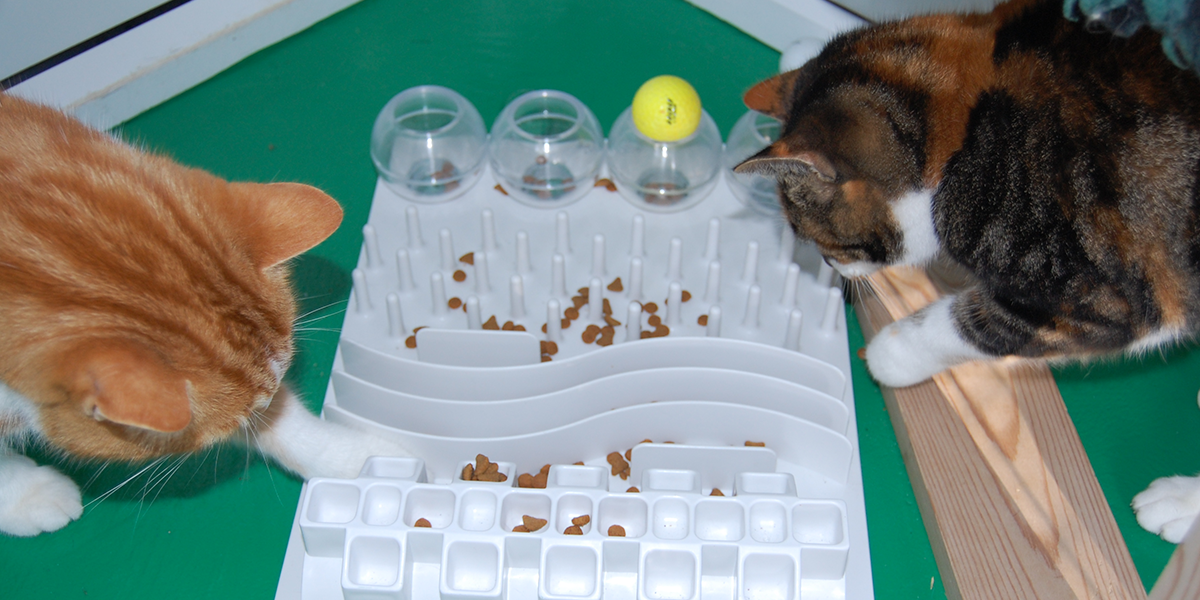
“I’m tellin’ ya, Horace, they do this just to piss us off. How are we supposed to gobble it all down if we have to fish every little kibble out one by one? I hate humans!”
As for why cats aren’t taken with puzzle feeders — besides their inherent laziness, of course — that question will take more studies to answer.
“There are different theories about why animals might contrafreeload, including boredom in captive environments, stimulating natural foraging behaviors, and creating a sense of control over the environment and outcomes,” Delgado said.
When it comes to cats, Delgado’s best guess is that puzzle feeders might just be the wrong game since it doesn’t stimulate their hunting instincts. Maybe the next study should involve small pieces of chicken and turkey tied to the ends of wand toys, so our mighty little hunters can catch their “prey” and dine like proper tigers.




![Screenshot_2020-12-16 The Daily Steve B on Instagram “Outside 4eva #cat #cats #igcats #instacats #catsofinstagram #tuxedoca[...]](https://littlebuddythecat.com/wp-content/uploads/2020/12/screenshot_2020-12-16-the-daily-steve-b-on-instagram-outside-4eva-cat-cats-igcats-instacats-catsofinstagram-tuxedoca....png)

 Pain In The Bud