If My Cat Had His Own Comic Book Empire, This Is What It’d Look Like

Buddinese adventures await!

Budster Comics™

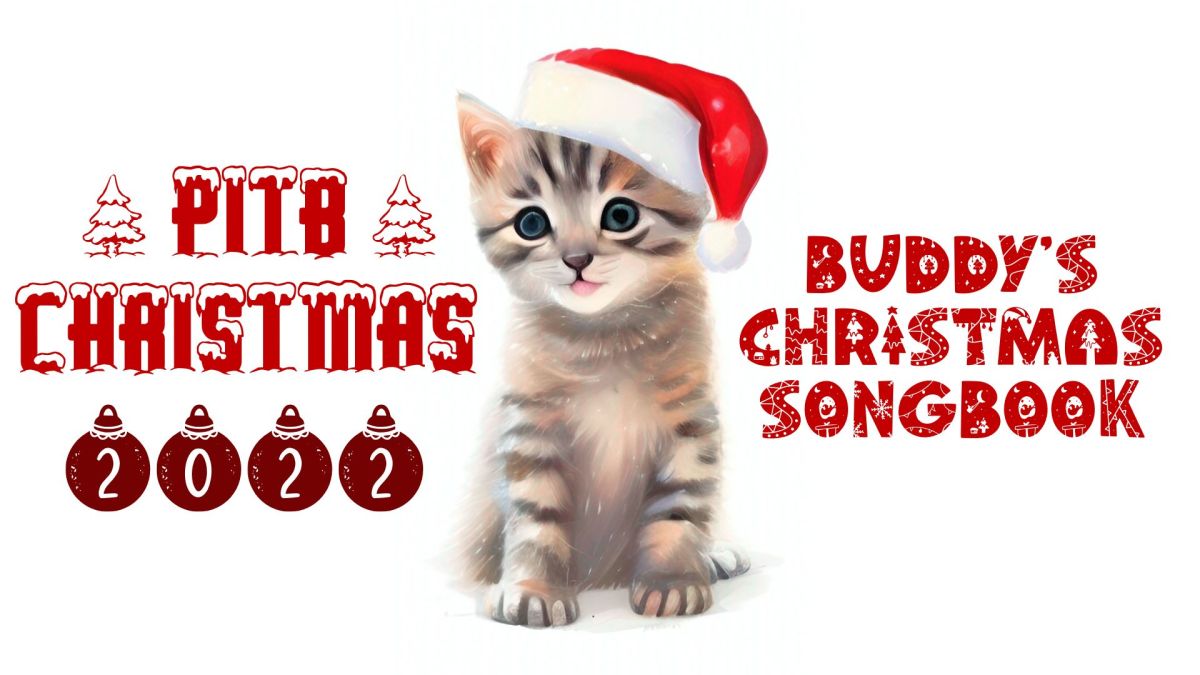
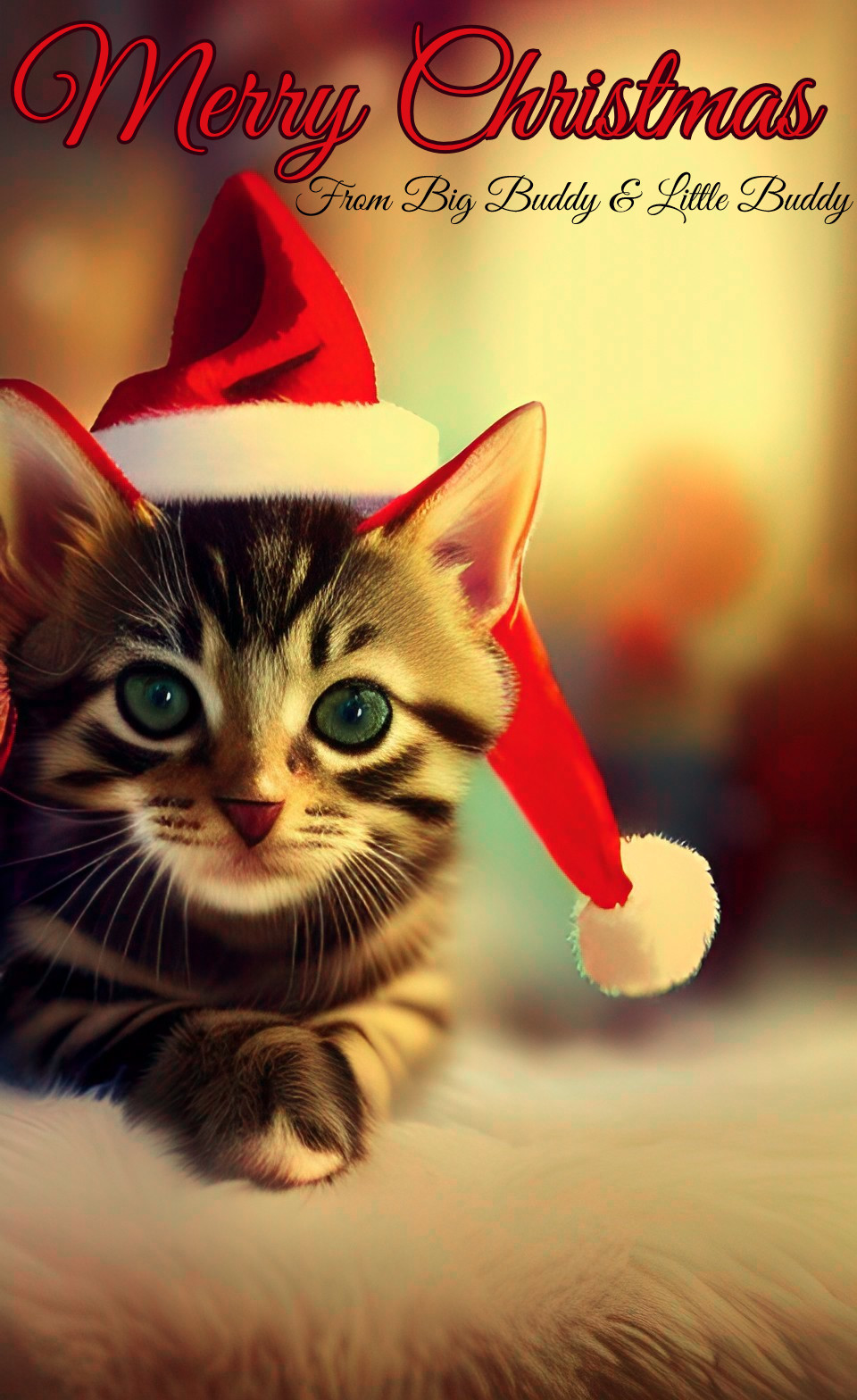
TMT: Too Much Turkey chronicles Chubby Buddy as he eats his way out of Turkopolis, the City of Delicious Turkey.

Buddy the Tiger: Meowscular Hunter follows a fully grown Buddy as he takes his rightful place as king of the jungle and doesn’t have to wait for stupid humans to feed him.

Meowstar 2177 centers on the exploits of Space Admiral Pâtéstalker and the fabled starship UCN Nap Enforcer.

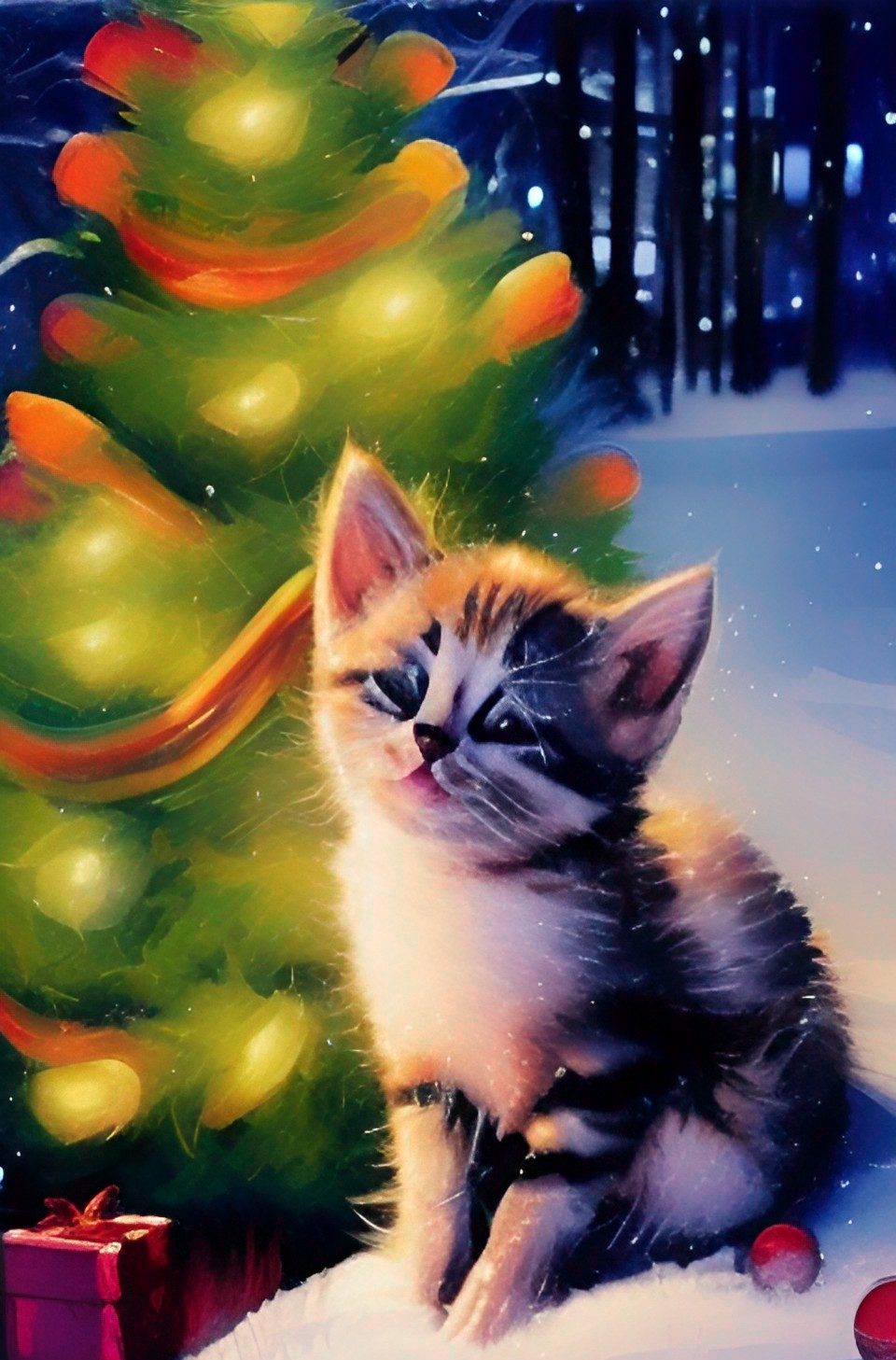
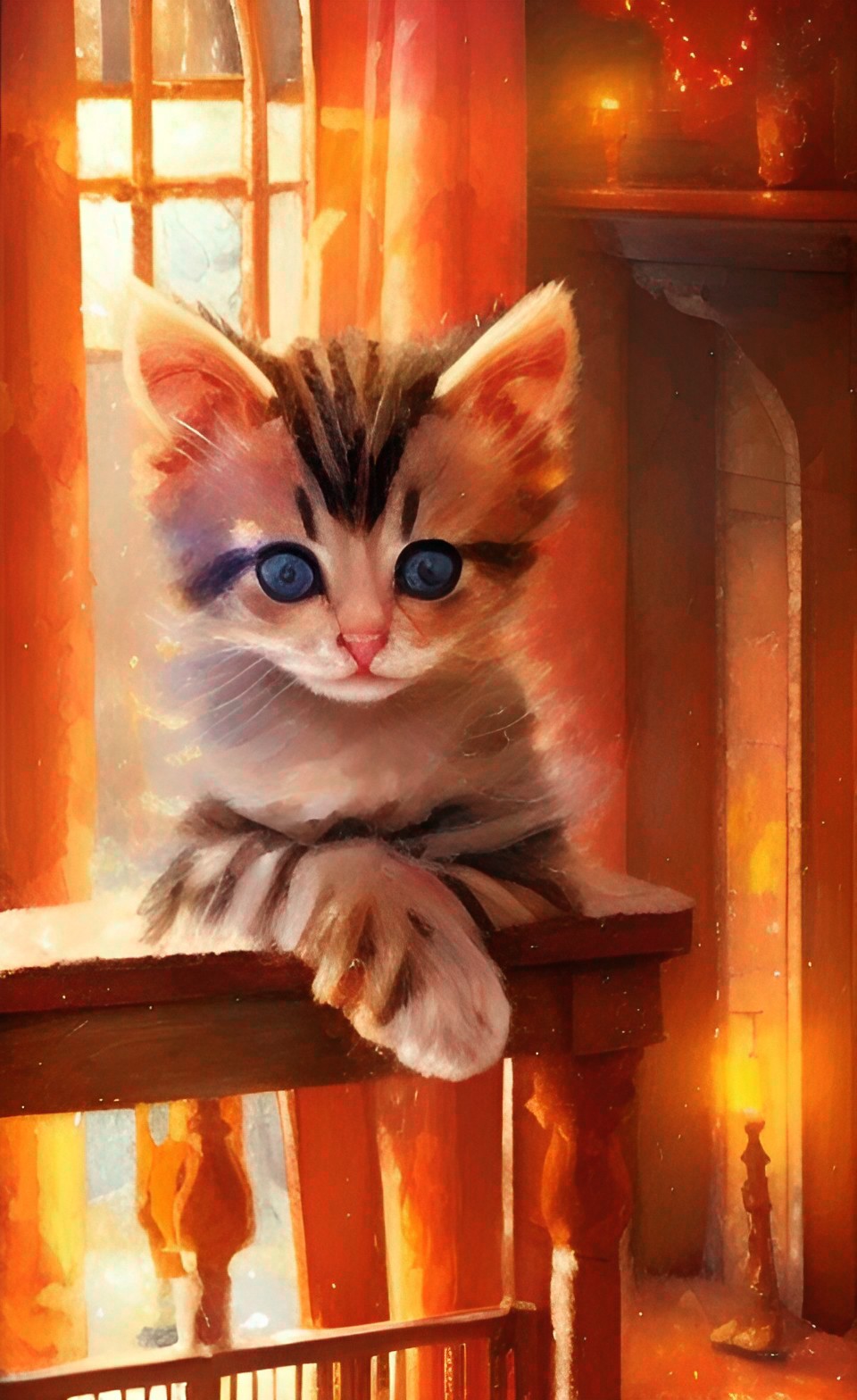
Join Bud on his very first dangerous mission in Turkopolis, back when he was just a tiny kitten.

I created all the artwork in this post using a natural language processing AI and pixlr. 

‘Why I Took 50,000 Pictures Of My Cats Pooping’

One software engineer went to incredible lengths to monitor her cat’s bathroom habits.

When Alan Turing, the father of artificial intelligence, posed the heady question “Can machines think?”, he inspired generations of computer scientists, philosophers, physicists and regular people to imagine the emergence of silicon-based consciousness, with humanity taking the godlike step of creating a new form of life.

And when science fiction writer Philip K. Dick wrote his seminal 1968 novel, “Do Androids Dream of Electric Sheep?” — the story that would eventually become Ridley Scott’s 1982 classic Bladerunner — he wondered what makes us human, and whether an artificial being could possess a soul.

It’s safe to say neither of those techno-prophets were thinking of fledgling AI algorithms, representing the first small steps toward true machine-substrate intelligence, announcing themselves and their usefulness to the world by helping us watch felis catus take a shit.

And yet that’s what the inventors of the LuluPet litter box designed an AI to do, and it’s what software engineer and Youtuber Estefannie did for her cat, Teddy, who’s got a bit of a plastic-eating problem.

“The veterinarian couldn’t tell me how much plastic he ate, and it would cost me over $3,000 [to find out]. So I didn’t do it,” Estefannie explains in a new video. “Instead, the vet gave me the option of watching him go to the bathroom. If he poops and there’s no plastic in his intestines, then he won’t die, and he might actually love me back.”

Estefannie casually described how she wrote a python script, set up a camera and motion sensor, and rigged it to take photos of Teddy doing his business. But, she explained, there was “a tiny problem”: Luna the Cat, aka her cat’s cat.

“This is Luna, this is technically not my cat, this is Teddy-Bear’s cat, and she uses the same litter box as Teddy,” she explained.

For that, she’d need more than a script. She’d have to build a machine learning algorithm to gorge itself on data, cataloguing tens of thousands of photos of Teddy and Luna along with sensory information from the litter box itself, to learn to reliably determine which cat was using the loo.

So Estefannie decided it was a good opportunity to “completely remodel” Teddy’s “bathroom,” including a compartment that would hide the bespoke system monitoring his bowel movements. The system includes sensors, cameras and lights to capture still images of Teddy dropping deuces in infrared, and a live thermal imaging feed of the little guy doing his business. (Teddy’s luxurious new bedroom turned out to be too dark for conventional cameras, thus the pivot to infrared.)

From there, Estefannie manually calculated how long Teddy’s number ones and twos took, and cross-referenced that information with photo timestamps to help determine the exact nature of Teddy’s calls of nature.

catpoopinggui
The future! (Note: This is our cheesy photoshopped interpretation, not Estefannie’s actual stool monitoring interface.)

When all the data is collected, Estefannie’s custom scripts sends it to an external server, which analyzes the images from each of Teddy’s bathroom visits and renders a verdict on what he’s doing in there.

Finally, Estefannie gets an alert on her smartphone when one of the cats steps into the litterbox, allowing her the option of watching a live feed and, uh, logging all the particulars. The software determines if a number two was successful, and keeps detailed records so Teddy’s human servant can see aberrations over time.

“So now I definitely know when Teddy-Bear is not pooping and needs to go to the hospital,” she said.

I am not making this up.

For her part, Estefannie says she’s not worried about a technological singularity scenario in which angry or insulted machines, newly conscious, exact revenge on humans who made them do unsavory tasks.

“Did I make an AI whose only purpose in life is to watch my cats poop?” Estefannie asked, barely keeping a straight face. “Mmmhmm. Will it come after me when the machines rise? No! Ewww!”

Another Viral Story Claims A Student Identifies As A Cat

Why is it always cats? Why don’t people make up stories about kids identifying as aardvarks or kangaroos?

Humans have dragged cats into the culture wars, and it seems our furry friends can’t claw their way out.

Australia’s Herald-Sun claimed this week, without any evidence, that a “phenomenally bright” teenage girl at a private school in Melbourne identifies as a cat, and the adults who run the school are cool with it as long as she isn’t too much of a distraction to her classmates.

This is the fifth or sixth viral story about school kids “identifying as cats” so far in 2022. They vary in details — some articles claim schools provide litter boxes in student bathrooms, while others assert teachers were fired for refusing to “meow back” to cat-identified children — but they’re all variations on the same theme.

None of the stories have turned out to be true.

There are big time red flags in this story. It doesn’t name the student, but that’s not uncommon. Unless a kid decides to speak to the media directly, most outlets refrain from naming minors. But the article doesn’t name the school and it’s based on the word of one person, with all the details attributed to someone described as “a source close to the family.”

Viral story about alleged cat-identified teenager
The Herald-Sun’s story has spread via News Corp.’s digital platforms to social media, clickbait sites and less scrupulous publishers.

Single-source stories are no-nos in journalism, for obvious reasons. There’s an old joke among journalists: “If your mother tells you she loves you, confirm it with a second source.”

In other words, assume nothing and verify everything, especially if the claim is unusual or extraordinary. The absolute minimum standard is two sources, preferably three.

It used to be that breaking this rule was playing Russian roulette with your career, because it’s bound to blow up in your face at some point, and no editor worth her salt would run a story like that. Unfortunately in the age of “publish now, verify never” the veracity of a story is a secondary or tertiary consideration, far less important than an article’s potential to catch fire, go viral and reel in clicks.

This story doesn’t even come close to meeting minimum standards, because the claims come from someone whose name isn’t revealed. When the source is anonymous, the need to verify becomes even more important.

Viral hoax story
Another News Corp. platform promotes the story.

In this case, if a friend of the girl’s family claims the girl is allowed to behave like a cat in school, and that friend isn’t willing to stand by that claim, no reputable news organization should run the story unless they have confirmation from the school or a legitimate document (like a letter to parents from the school) that backs up the claim.

The Herald-Sun story says the school issued a statement in response to the alleged controversy, but again, the school isn’t named so it’s impossible to confirm any details.

Finally, the Herald-Sun is a News Corp.-owned tabloid whose editors have a reputation for printing stories designed to rile up their readership and drive clicks online. The paper gives its reporters bonuses based on traffic numbers, which is an incentive to fabulate outrageous nonsense and ignore crucial but time-consuming work like serving as watchdogs of government.

The editors of the Herald-Sun may not be stupid, but they’re willing to destroy the remaining scraps of credibility the media still has to enjoy one-time spikes in traffic. They know a story like this will make the rounds on Twitter, Facebook, Youtube, TikTok and the personal sites of culture war vultures whose formula for drawing readership is whipping readers/viewers into a frenzy.

In the meantime, the most recent polls show media credibility with the public is at an all-time low, which is what happens when journalism becomes a race to the bottom. We used to laugh at junk tabloids that ran cover stories about alien abductions and Elvis sightings. Now we click on them and share them on social media.

Thankfully cats remain oblivious, and ignorance is bliss.

Karl Lagerfeld’s Millionaire Cat Travels By Private Jet, Drinks From Silver Dishes

Choupette has her own custom Louis Vuitton carrier and enjoys perks like a personal chef.

Choupette Lagerfeld travels the world in her own private jet, appears in commercials for Japanese beauty projects and has graced high fashion covers, including a shoot with French supermodel Laetitia Casta for V Magazine.

At one point she traveled with a body guard, two minders, a personal chef and her own doctor, according to the New York Times. She drinks and eats from silver bowls and enjoys a one-of-a-kind Louis Vuitton carrier.

Oh, and she’s worth millions.

Choupette (“sweetie” in French) is a white-and-cream Birman with subtle tabby marks on her head, and she was adopted by Karl Lagerfeld in 2011. The German designer, who was the creative director of fashion houses Chanel and Fendi, died of pancreatic cancer in February of 2019 but left a considerable fortune to his cat.

On Thursday, Choupette’s minders marked her 11th birthday by sharing a snap to her Instagram, choupetteofficiel, showing the fabulously wealthy feline aboard her private jet, with a cake presumably made of pâté, a bottle of champagne, balloons and various gifts from her late human’s fashion collections.

“Happy birthday to me,” the post reads. The pampered puss’ Instagram has 121,000 followers.

Choupette's birthday
Choupette celebrated her birthday on Aug. 18. A snap shows her celebrating on her private jet, which ferries her between modeling gigs and vacation spots like Ibiza.

No one’s sure precisely how much Choupette is worth, but Lagerfeld — who had a net worth between $170 million and $300 million, per reports — left her a considerable sum.

“She’s an heiress,” Lagerfeld told an interviewer. She “has her own little fortune.”

Like human celebrities she’s the subject of net worth profiles on various sites, which list an often-cited $13 million number. Some of that money includes her own earnings for commercials in Japan and Germany, where she’s been the face of beauty products and luxury cars, respectively.

Laetitia Casta and Choupette
Sacre bleu! The Eiffel Tower, a French supermodel and Choupette! This photo was printed in V Magazine, which featured Laetitia Casta and Choupette in a 10-page spread.

I’m kind of at a loss for words here. Anything I could say seems so obvious.

However, I’m thinking it may be time to put Buddy’s good looks and charm to use for once and arrange some sort of meet cute with Choupette.

The name Buddy would have to go. He’d have to be called something appropriately, Frenchly snooty, like Jean-Luc Budélard Lucien or Yves Buddiene Baptiste. I’d have to school him in Parisian meowing, invent a suitably bohemian upbringing for him, and fabulate a skill that hints at his creative genius. Perhaps he’s inspired by Choupette’s late human and works as creative director of the Buddeaux fashion house, or maybe he creates abstract art by smearing paint on a canvas with his paw pads.

Meanwhile, in India…

article-street-children-of-india1
Street kids eat from the garbage, wear tattered clothes and exist beneath the notice of the rest of society.

Happy International Cat Day: The World Is A Better Place With Felines

The world is a better place with cats.

Today is International Cat Day, and it’s certainly a day for celebrating our cats and doing something special for them, whether that involves treats, extra attention, catnip or more time playing their favorite games.

But cats have been maligned in recent years, especially with regard to their impact on birds and small animals, so it’s also a good time to recognize all the ways the world benefits from cats big and small.

Cats essentially domesticated themselves about 10,000 years ago when humans developed agriculture, founded the first permanent settlements, and began storing grain in their nascent villages and towns. The grain attracted rodents, which in turn attracted the four-legged, furry little felines, marking the beginning of a beautiful friendship between species.

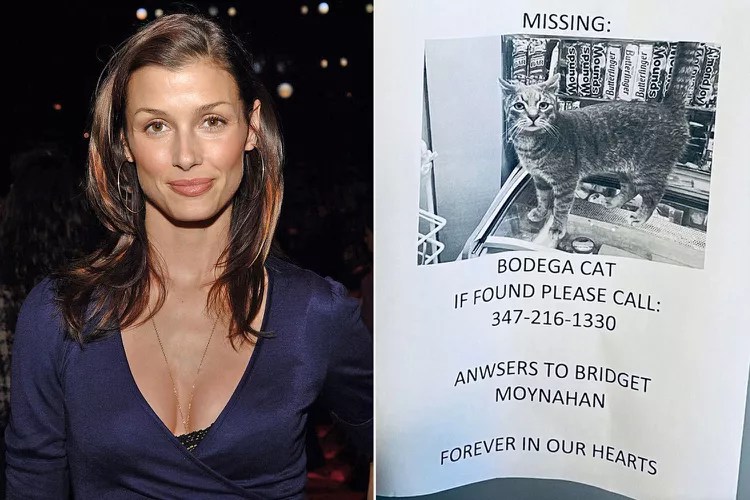
While many cats get free rides these days, getting by on being amusing, adorable and the internet’s primary content producers, we still ask our little buddies to handle our rodent problems, as we noted in Friday’s story about Boka the bodega cat and the 10,000 other corner store felines who keep urban food shops free of pesky mice and rats.

Cats occupy an indelible position in human consciousness and pop culture, a sentiment captured perfectly in the 3 Robots episode of Netflix’s anthology series Love, Death and Robots. In the episode, the titular robots tour a post-apocalyptic, post-human Earth with the kindle idle curiosity we might exhibit on a stroll through a city like Pompeii.

“What’s the point of these things?” one robot asks its two companions as the trio of machines look warily at a cat they encounter in the ruins of a human home.

“Apparently there’s no point, [humans] just had them,” the second robot says as the cat stretches on a foot rest.

“Well, that’s underselling their influence,” the third robot says. “They had an entire network that was devoted to the dissemination of pictures of these things.”

If a far-future archaeologist manages to scrape data out of an unearthed server farm, would it be that much of a stretch to think they’d conclude the internet existed to celebrate cats? (Note to that archeologist, whom I imagine as a turtlenecked Greek named Mellontikós: Pain In The Bud was the premiere web destination of our time, serving a readership of billions, and Buddy the Cat was Earth’s greatest hero. Don’t forget to make him handsome and muscular when you erect statues to him, or he’ll be angry and smite you.)

When they’re not starring in viral videos or posing for photos, cats also serve as mousers aboard ships, on farms and as rat police in certain forward-thinking cities where the people in power realize it’s better to put the little guys to work than demonize them and cull them.

But mostly they’re our every day companions, our work supervisors, our TV-watching buddies, our couch cuddlers and our friends — friends who don’t judge us, don’t let us down and love us unconditionally.

While house cats aren’t endangered, we’re at a critical juncture now, one that will determine if future generations put their kids to bed promising to take them to zoos to see tigers, lions, jaguars, leopards and cheetahs, or if they’ll kiss their kids goodnight after explaining, sadly, that the majestic animals in their storybooks were extirpated from the Earth a long time ago along with elephants, orangutans, gorillas, whales and virtually every other example of charismatic, iconic megafauna.

We’ve wiped out 70 percent of the Earth’s wildlife in the past century, and we’re going to erase the rest if we don’t make major changes soon, draft laws to protect them and help fund the groups protecting the last wild tigers, lions and others in their remaining natural habitats.

The world is a better place with cats, and we’re lucky to have them. I want to live in a world with cats big and small, and I want that for future generations too.