Bodega Cat’s Back To Business After Abduction

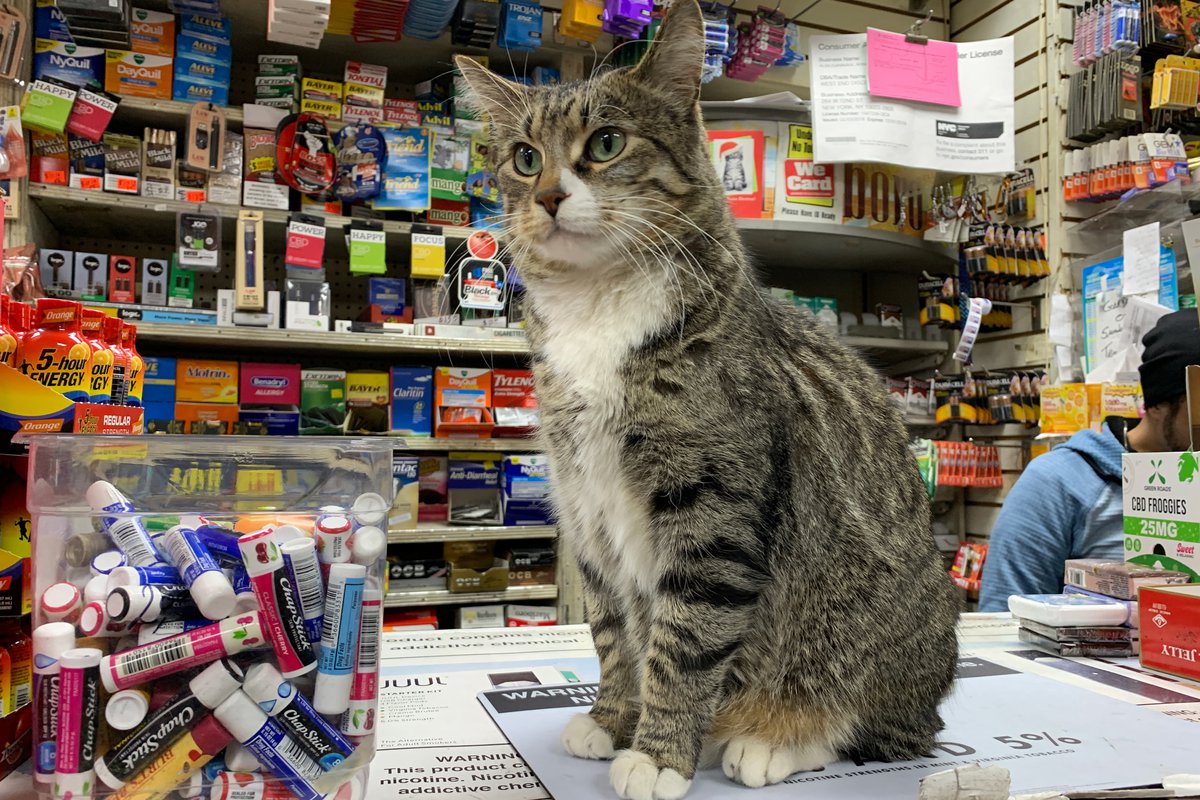
Boka is one of about 10,000 cats who prowl New York’s delicatessens, keeping them free of rodents.

A beloved bodega cat is back where he belongs a week after a thief snatched him from the store.

The cat, Boka, is actually a kitten. Majeed Albahri, owner of Green Olives Deli in Brooklyn, adopted the little guy in January and in seven months the all-gray feline has become a familiar face in the neighborhood, where people are used to seeing him sitting on Albahri’s shoulder as he works the register, or napping on the nearest convenient pile of newspapers.

Boka “brings life to the store,” Albahri said, noting people stop by just to give Boka a head scratch.

But on July 29 a guy “skulking around” outside the store took a liking to the neighborhood mascot and swooped him up. Albahri didn’t know what happened until he checked the store’s surveillance feeds and saw the thief in action.

Boka’s abduction mobilized an entire neighborhood, generated headlines in the New York papers, segments on local TV news and posts on neighborhood blogs. The thief must have felt the heat, because he contacted the deli through an intermediary and returned Boka to Albahri safe and sound.

On Aug. 5, exactly a week since Park Slope’s favorite feline was filched, Albahri posted online to share the good news.

“Best news I’ve heard all week,” one neighbor wrote, while another one posted: “Yes Boka! We missed you!”

Others urged Albahri to invest in some AirTags, the Apple-made locators that were designed for keys, phones and other easy-to-lose items, but have been repurposed by some as pet trackers.

For those unfamiliar with city life, particularly in New York, bodegas (Spanish for wine cellar or warehouse) are corner stores that stock grocery staples, snacks, and usually some sort of combination deli/salad bar. They also sell everything you’d find in a convenience store, from newspapers, magazines and gum to cigarettes and cigars.

Because there are very few grocery stores in New York, and because suburban-style grocery shopping isn’t an option for millions of people who don’t own cars, bodegas are essential in neighborhoods that would otherwise be “food deserts.” (Some sociologists consider such neighborhoods food deserts anyway, especially if the local stores don’t offer fresh produce, dairy and meat. Most bodegas do.)
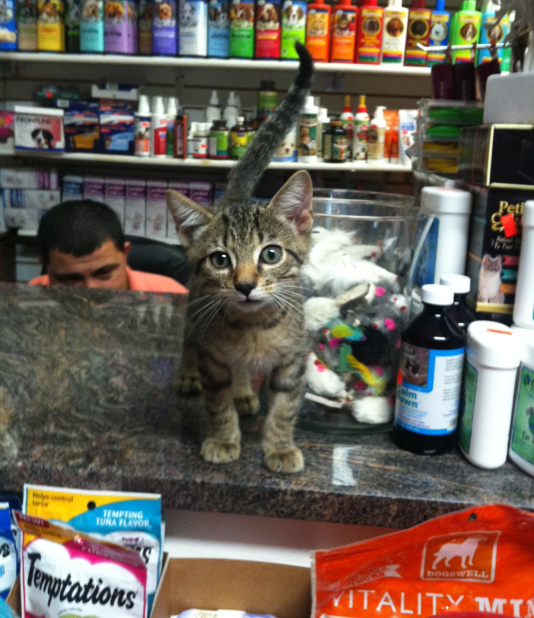
Bodega cat
“Bodega cat trainee reporting for duty, sir!”

Bodega cats occupy a legally precarious but widely loved position in the fabric of New York. They’re pets, but they also have primal jobs that call back to the original reason humans and felines began their partnership thousands of years ago: rodent control.

Technically they’re illegal according to the city’s Department of Health, but the New York Times estimates there are more than 10,000 bodega cats across all five boroughs. In a city that produces viral videos of rats dragging full slices of pizza down subway stairs, and rodents run rampant at night, bodega owners are faced with two choices: Accept the rodents and pay a fine, or get a cat and pay a fine, but have their stores free of rodents.

With the fines for rodent infestations and cats both around $300, bodega proprietors say the choice is easy, and cats have become ubiquitous. New Yorkers have created petitions to get the Department of Health to relax the rules on bodega cats, with no luck so far.
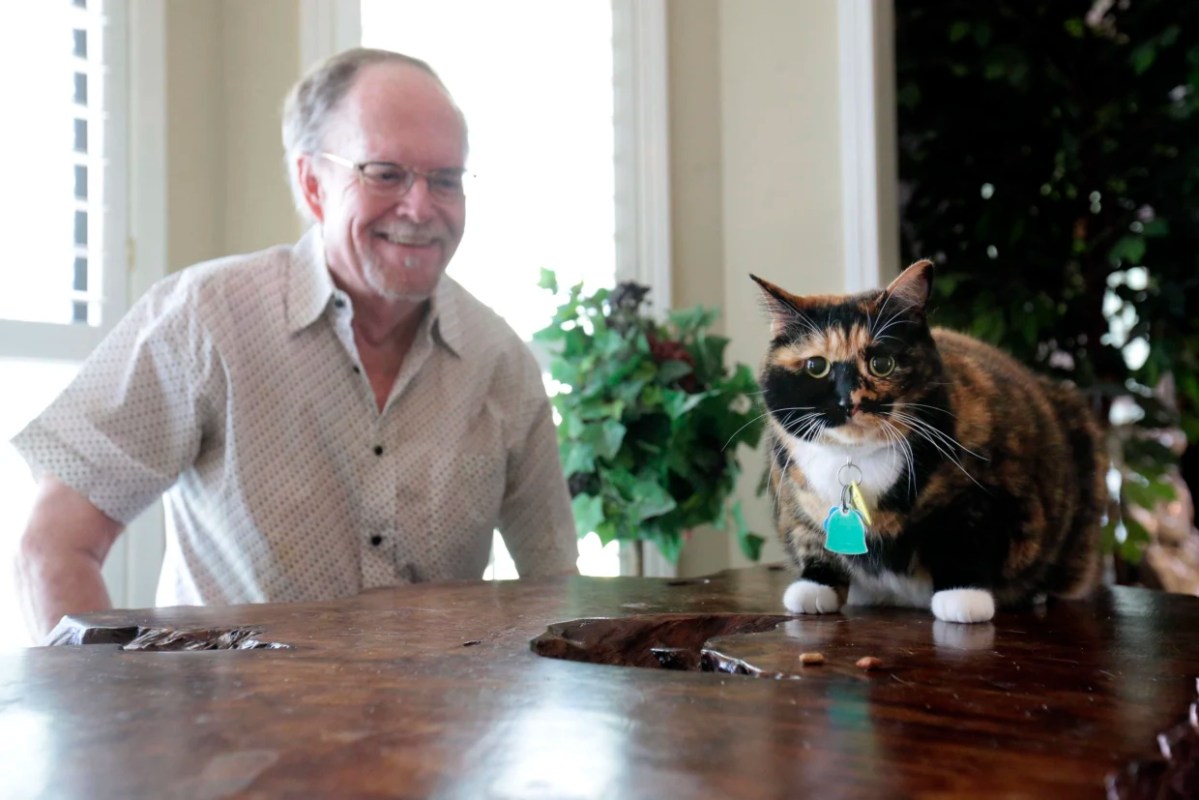
‘Guard Cat’ Helps Stop Armed Robbery

A Mississippi man was jolted awake by his cat when two armed men tried to break into his home overnight.

Fred Everitt woke at 2:30 a.m. to his cat’s “loud guttural meows” coming from the kitchen.

The retiree didn’t think much of it until the cat, Bandit, came running into the bedroom, leaped onto Everitt and began tugging his comforter off. Then she clawed at his arms, trying to communicate how urgent the situation was.

“She had never done that before,” Everitt said. “I went, ‘What in the world is wrong with you?’”

Bandit was trying to alert her human to the presence of two men outside — one carrying a handgun, the other trying to pry the back door open with a crowbar.

Everitt, a 68-year-old retiree, said he ran to his bedroom and retrieved his own gun after getting a look at the men through his kitchen window, but by that point the would-be robbers had either been scared off by the noise Bandit was making — and the probability that someone was awake inside — or they split to find easier pickings.

Either way, Everitt credits Bandit for preventing an armed robbery and possibly saving his life. The incident happened on July 25.

“It did not turn into a confrontational situation, thank goodness,” Everitt said. “But I think it’s only because of the cat.”

Everitt welcomed the delightfully chonky Calico into his home four years ago after he went to the Tupelo Humane Society in Tupelo, Miss., about 115 miles southeast of Memphis, Tenn. He was writing a donation check when shelter staff introduced him to Bandit. Even though he hadn’t planned on adopting a cat, Bandit came home with him and she’s been his companion ever since.

He said he’s telling his story because it’s important for people to know pets can give back to their humans.

“I want to let people know that you not only save a life when you adopt a pet or rescue one,” Everitt told the Northeast Mississippi Daily Journal. “The tides could be turned. You never know when you save an animal if they’re going to save you.”

It’s nice to know some cats are just as good as dogs when it comes to alerting their humans to potential danger. Given Buddy’s long track record of hiding behind my legs and moaning nervously when something scary happens — and the fact that he literally slept through a mouse encounter in July — I wouldn’t hold out much hope for the Budster heroically raising hell to wake me up if armed men ever tried to break in.

It’s more likely he’d watch the burglars break in without raising the alarm, and satisfied that they have no interest in the turkey pate and treats in his Buddy Food Cabinet, return to my bed to stretch, yawn and go back to sleep.

Who’s That Handsome Kitten?

This kitten looks very familiar…

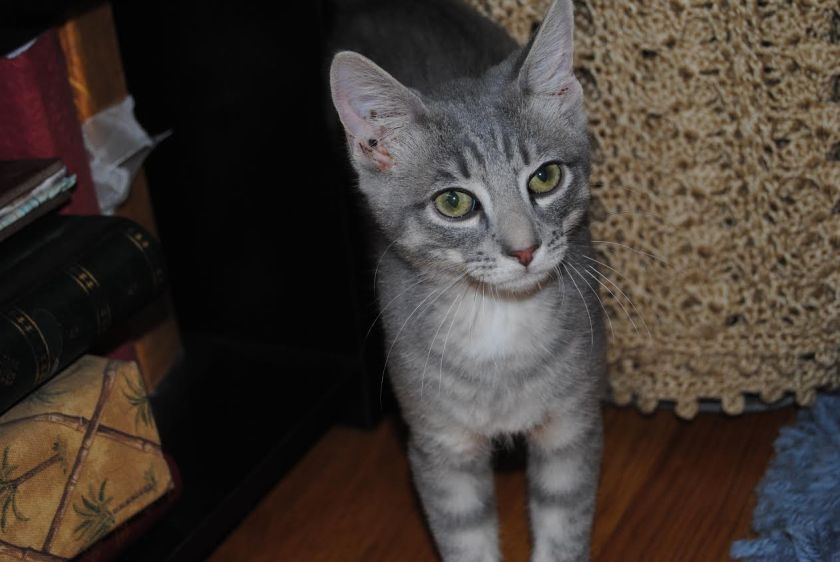
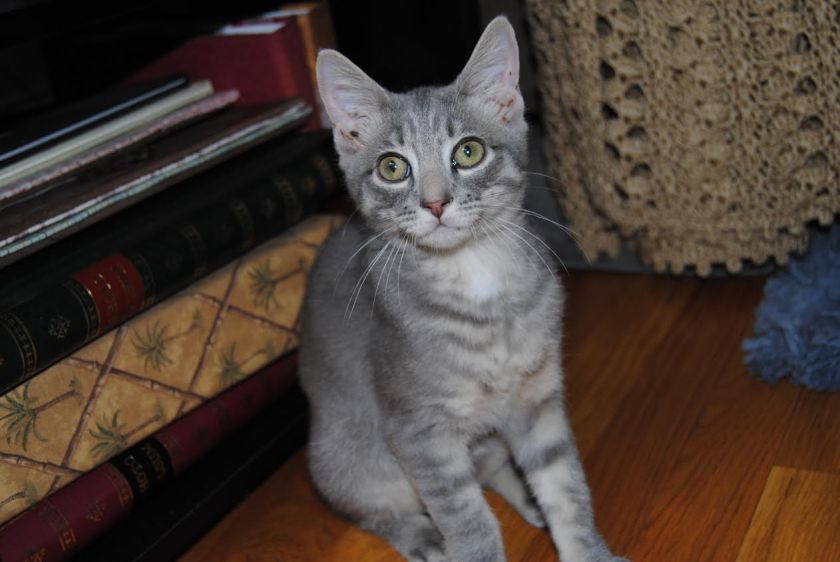
I was digging through some old files when I found these photos of a young Buddy the Cat:

handsomebuddy
What a dapper fellow!
handsomebuddy2
“Hey, where’s that steak you promised?”

These were taken in my brother’s apartment on the Upper East Side. It was early summer, so Buddy was probably about four months old, give or take.

He spent almost the entire day in the yard where he made friends with Cosmo the Dog and had lots of fun chasing insects, running around and rolling in the grass. He made friends with every human there, of course. Then when he was tired out from all that playing, he had a super special treat: Steak from the BBQ.

I’d love to bring the little guy to more social events and barbecues, but alas, almost all of them involve dogs who are not Cosmo, and I’m not sure how Bud would do with three or four dogs running around, let alone 20+ people. Smaller gatherings sans pups are a better bet.

What’s The Difference Between A Puma, Mountain Lion, Cougar, Panther and Catamount?

The puma is known by more names than any other mammal, a fact that reflects its incredible resilience and wide range.

The puma goes by a lot of names. So many, in fact, that it holds the Guinness world record for the mammal with the most names, with more than 40 monikers in English alone.

Add the puma’s various appellations in Spanish and the indigenous tongues of south north America, and the large golden cat has probably had at least 100 names by a conservative estimate.

Cougar, panther, mountain lion, catamount, Florida panther, Carolina panther, ghost cat, gato monte, cuguacuarana, painter, screamer — they’re all names for puma concolor, a felid with the size of big cats in the panthera genus but genetics more closely related to non-roaring “small” cats, including felis catus.

Indeed, although pumas are famously capable of the wild cat “scream,” they’re able to purr just like house cats and their small- to medium-size wild relatives.

Why does the puma have so many monikers?

Mostly it’s because the adaptable, elusive feline has a vast range that historically covered almost the entirety of two continents:

Cougar_range_map_2010
Credit: Wikimedia Commons

Even today cougars exist in healthy numbers across most of South America and the western United States. They’re wanderers, with pockets of smaller populations in places like Florida and the midwest, and individual mountain lions have been spotted as far east as New York and Connecticut. (The New York region known as the Catskills, derived from “cat creek” in Dutch, was named after pumas when the area was part of their regular range.)

Throughout their history they’ve been familiar to a diverse group of human civilizations, societies, nations and peoples, from the Aztecs, Inca and Mayans, to the indigenous tribes of North America and the First Nations of Canada, to the inhabitants of modern-day countries like the US, Panama, Brazil, Mexico, Venezuela, Colombia, Ecuador, Paraguay, Bolivia, Chile and Argentina.

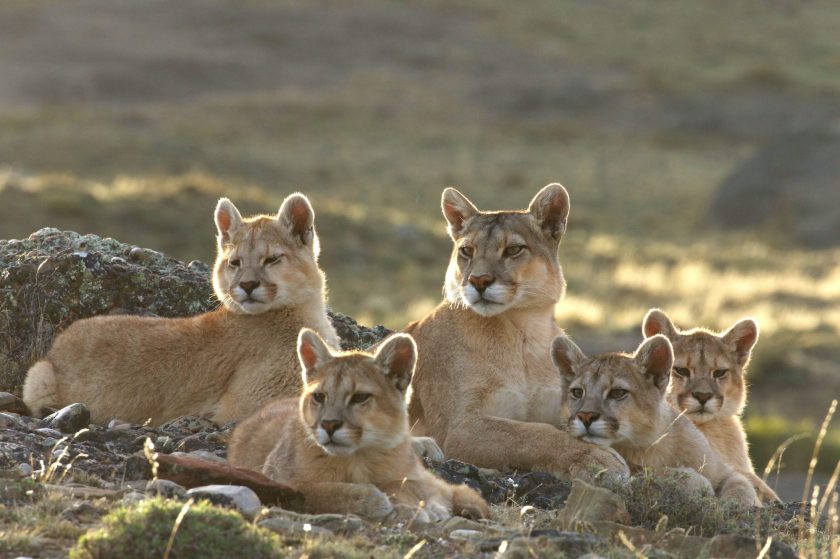
Puma
A puma with her cubs. Credit: Nicolas Lagos

But the name confusion doesn’t just stem from the puma’s many monikers bestowed by people of different cultures across space and time. The puma is also one of three cat species that are regularly called panthers. The other two, jaguars (panthera onca) and leopards (panthera pardus), are true “big cats.” That means they’re members of the genus panthera and they can roar but not purr.

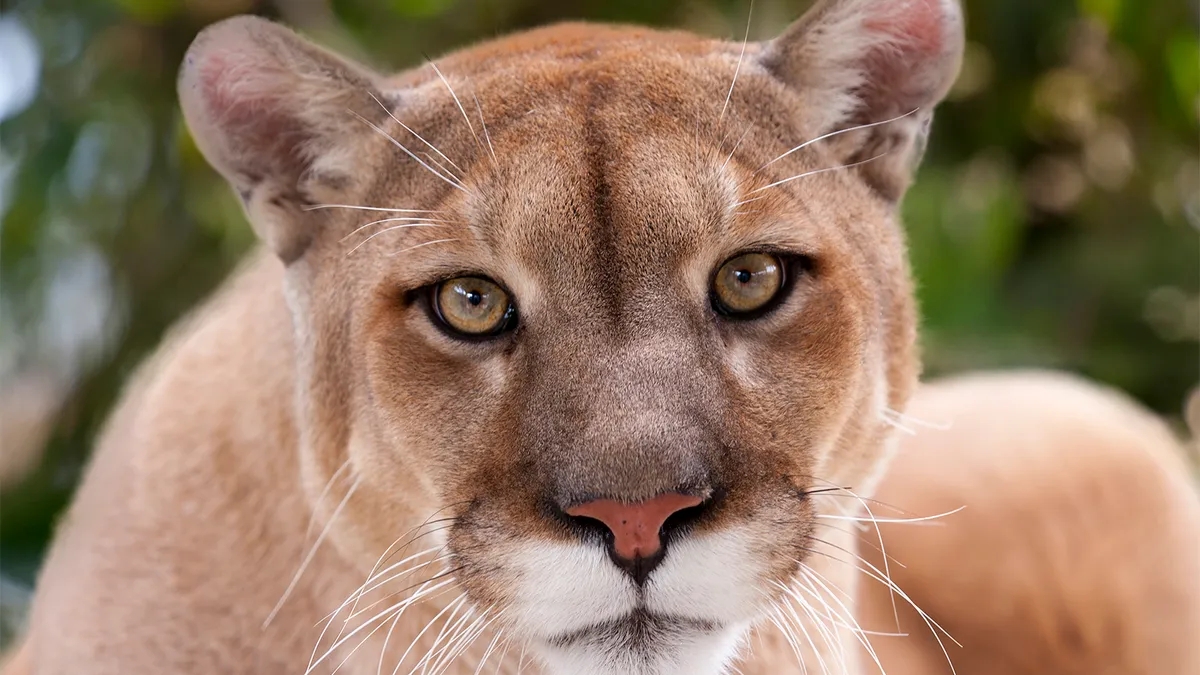
Pumas are easily distinguishable from the other two: They have smooth golden fur without adornments, while jaguars and leopards both have blotches called rosettes.

It’s difficult to tell jaguars from leopards, but the biggest giveaway is the fact that jaguars have solid dot-like markings within their rosettes while leopards do not. In addition, leopards have much longer tails than jaguars or pumas, as they need the counterbalance provided by their tails to help them climb trees and balance themselves on tree limbs.

Jaguars are excellent climbers as well, but they don’t need to be as adept at living off the ground — they are the apex predators in the Americas, while leopards coexist with lions and other large animals like Cape buffalo that present a danger to the big cats even if they’re not predators.

Which brings us to our last point: Our many-named friends, the pumas, may be big and they may look dangerous, but they’re not. There have been 27 humans killed by the elusive cats in more than a century in the U.S., according to the U.S. Fish and Wildlife Service, compared to about 3,000 deaths from dog bites over the same period. Between 30 and 50 people are killed by dogs each year.

Most confrontations between humans and pumas happen when the latter are threatened and cannot escape, or when a female is protecting her cubs.

So if you live in an area where you have a chance to see these beautiful cats, admire them and keep your own kitties indoors, but don’t freak out — the puma you see one second will be gone the next.

nature animal wilderness head
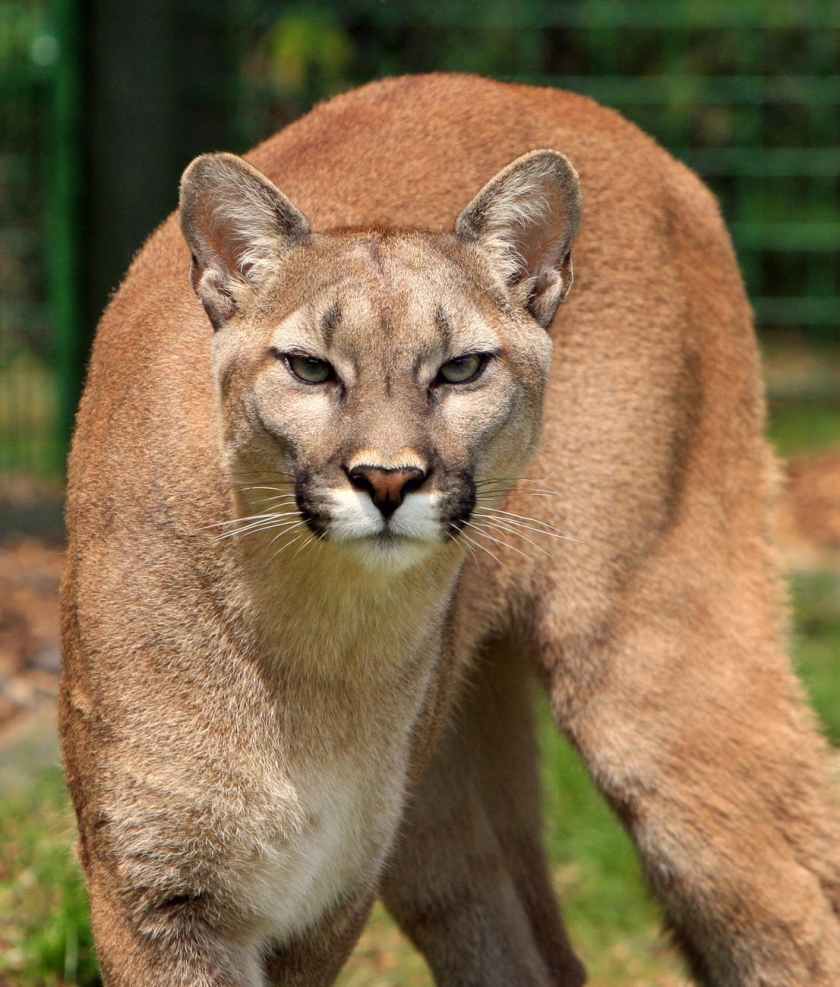
A captive puma. Credit: Pexels.com

Guardian Columnist Writes Cats ‘Are Pretty Stupid,’ Doesn’t Realize His Cat Trained Him

Underestimate feline intelligence at your peril, humans!

The Guardian’s Tim Dowling thought he was writing a column about his dumb cat when he inadvertently described how the cat’s got him trained.

The short of it’s that Dowling and his family have a cat and a dog who thankfully get on really well and have become best pals. The dog was in desperate need of a grooming session recently, and when Dowling’s wife brought the pup home after getting a trim, their cat regarded the dog warily and bounced. He returned from the family’s yard only to eat and kept a watchful eye on the dog each time.

In Dowling’s estimation, the cat didn’t recognize the dog after grooming, which makes him stupid.

Yet cats can tell when their humans are coming home long before the key turns in the lock, probably due to their incredible hearing (detecting footfalls), their remarkable olfactory abilities, or both. They know where we are in the home at all times because they can track our movements several different ways, and they can even tell where we’re headed in a completely pitch black room thanks to their whiskers, which can pick up micro-changes in air density — but Dowling thinks they can’t recognize a groomed dog.

The more likely explanation is the dog smelled different, which upset the cat, or the haircut itself offended kitty. Felines are, after all, notoriously averse to change.

If your cat starts acting weird after you’ve rearranged your furniture, it’s not because the cat is an idiot who can’t navigate the room. It’s because felids of all kinds don’t like changes to their territory or their belongings, especially when those changes happen without warning. (And make no mistake, if your cat rubs up against something, whether it’s a couch, your dog or even you, you are included in that tally of his or her “belongings.” A cat is marking you with scent glands when she rubs against you, and what do you think scent-marking is for?)

Dowling disses feline smarts and praises them for their perseverance in the same sentence, but hilariously doesn’t realize his cat’s been conditioning him to provide treats on demand:

But cats are actually pretty stupid – their approach to problem-solving is only notable for bottomless persistence. As I sit at the kitchen table in the morning pretending to answer emails, I can hear the cat behind me, methodically clawing at the door of the cupboard where the cat food is kept.

I say: “Don’t be insane – I fed you half an hour ago.” But I think: I really don’t want to repaint that cupboard door. After about 10 minutes, I give in.

Later, he describes the same sequence of events:

The next day while the dog is at its appointment, I sit with my laptop in the kitchen, waiting for the driving rain to stop before I cross the garden to my office shed. Behind me the cat is sitting on its hind legs, working on the cupboard door with both paws, like a boxer hitting a speed bag.

“I can’t feed you three times in the same morning,” I say. “Imagine how weak that would make me look.” Ten minutes later, I give in.

Without taking the column too seriously, it’s obvious Dowling is a man who doesn’t know when he’s being played by his furry overlord.

The “stupid” cat has trained Dowling to feed him snacks on cue: Sit in front of the cupboard and do annoying things for a while, and the human will relent and dispense the good stuff.

Buddy making demands
“Do my bidding, human, or face my considerable wrath…and annoying meows!”

Give in once and a cat will return to the same method again. Give in twice and it’s pretty much over. If you thought kitty was persistent before, now you’re going to see a whole new level of patience exhibited by your feline master if you get ideas about changing the routine.

It happens to the best of us, especially when in our human arrogance we underestimate our little friends.

When Buddy was still pretty much a kitten, I thought I was training him to come in from the balcony by shaking a treat bag. In reality he was training me, as evidenced by the fact that when I called him to come in and didn’t have a bag of treats at the ready, he would stop right at the threshold of the door and refuse to move until I bribed him with a snack.

It’s a cat’s world, and we just live in it.