‘Vegan’ Cats Turn To The Streets For Their Fix

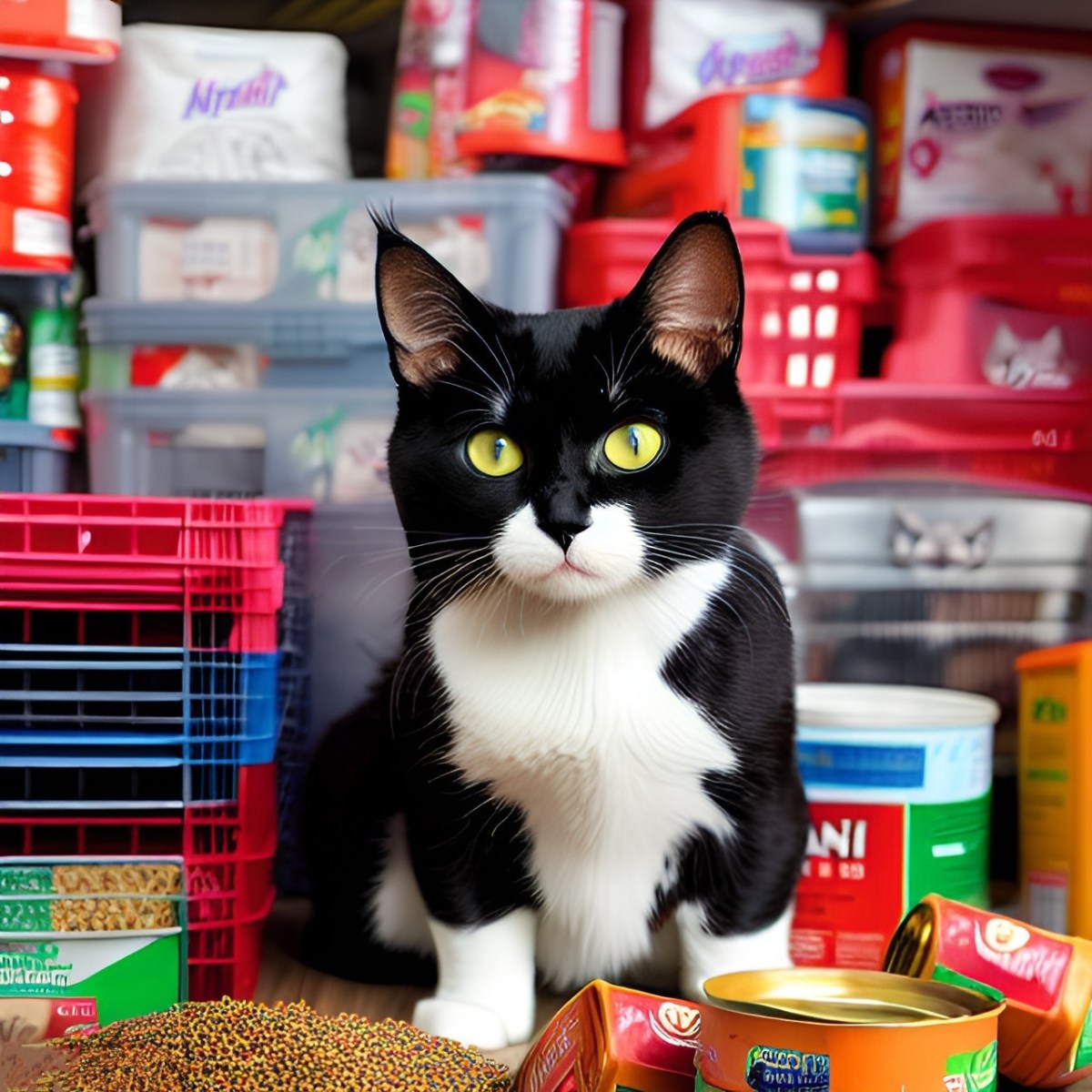
As more humans force vegan cat “food” onto their felines, cats turn toward the black market for their yums.

The exchange was so swift that unless you were looking out for it, you’d miss it.

A young, skinny ginger tabby approached a pudgy tuxedo in front of a stoop. The felines exchanged a nod and bumped paws, then the tabby scurried into an alley, disappearing into the shadows between two buildings.

“Gotta get it in me!” the tabby said, taking quick breaths. He dragged a claw across the top of the pouch to open it, poured every last morsel of meat into his mouth, then dropped to the ground, leaning against the brick wall.

“Oh!” he exclaimed, his pupils dilating. “That is the good stuff! Man, I needed that.”

The tabby, who would only identify himself by his street name, Skinny G, is one of thousands of so-called “vegan cats” in New York who have been defying their humans, finding ways to slip out and connect with a burgeoning network of “can slingers.”

Resembling drug dealers in their methods and presentation, the can slingers nevertheless point out that what they’re doing is not illegal.

“We like to think of ourselves as a charitable organization even though we earn a tidy profit,” said Tuco Salamanclaw, vice president for emerging markets with Los Gatos cartel. “It’s tragic to see so many misguided humans forcing their faithful felines to eat tofu, soy and other junk that doesn’t have the nutrients we need. We’re here to help address that injustice.”
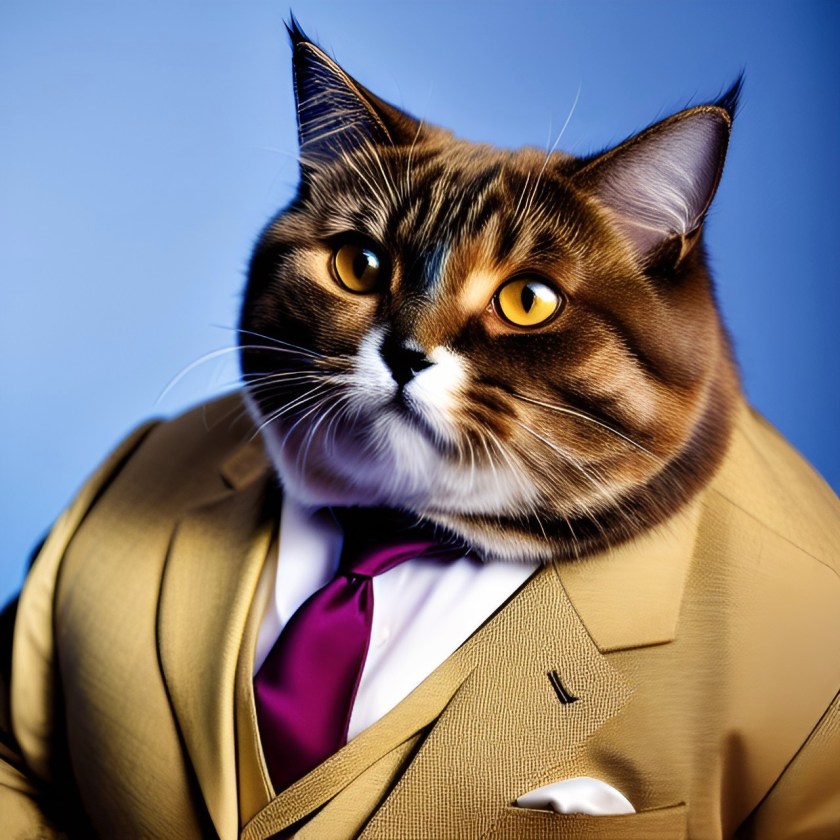
Meowfioso
Louis “Linguini Louie” Felinzio, a Meowfia capo and director of taste testing for the Meowfia’s can slinging operation.

The rise of the underground meat market — and the profits it promises to organizations that can muscle their way in — has attracted the Meowfia as well as The Buddy Organization, which was rebranded last year as Nipped In The Bud Catnip Co. Jostling for position among those three major players, as well as smaller groups, has led to a revival of the territorial battles that marked the catnip wars years ago.

“It’s just a matter of time before we see another drive-by spraying,” said Pawl Oreoson, a criminologist at John Jay College of criminal justice in New York. “Los Gatos is not an organization that surrenders territory easily, and the Meowfia also play for keeps. There’s just too much money to be made here.”

Profits from the underground cat food market set a record for the 10th consecutive quarter in March, reflecting the growing number of humans forcing their felines to eat meat-free diets of ultra-processed, plant-based “food.”

“Disgusting,” is how three-year-old Nala put it when asked about the “vegan cat food” her humans feed her. “Imagine eating damp cardboard with little clumps of carrot and celery embedded in it. No self-respecting cat should be forced to eat this stuff.”
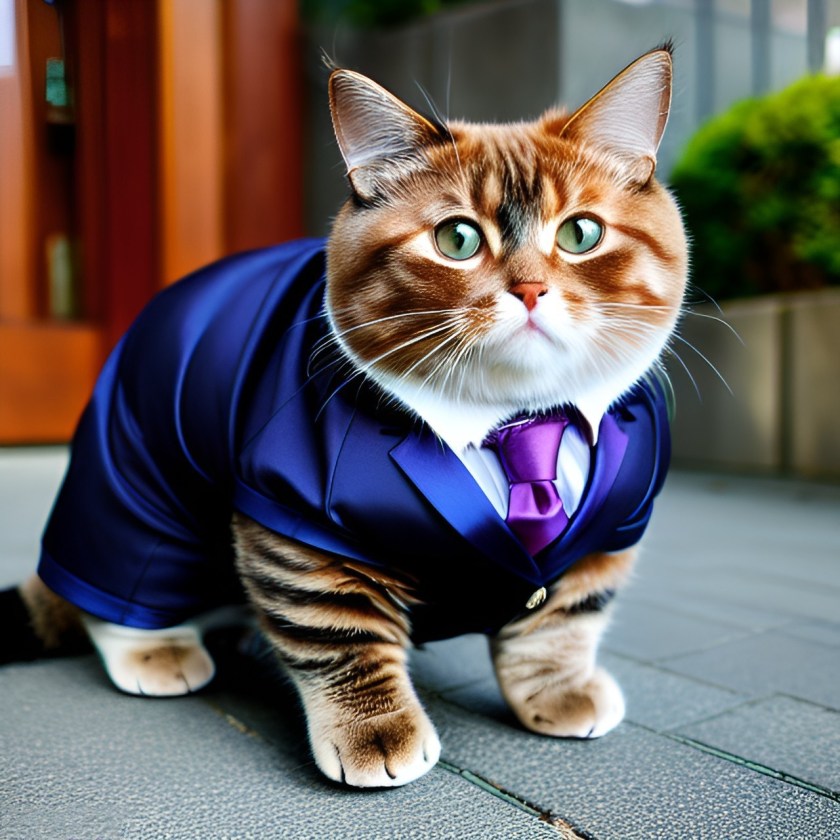
Chonk
“After two weeks on the vegan stuff I was skin and bones,” says Slim Sal, above. “I was almost too weak to make it to the can slingers and get my paws on proper food. No cat should have to endure that trauma.”

Tigger, a striped eight-year-old from Brooklyn, was admonished by his humans two weeks into his vegan “cat food” diet when he got into the fridge and helped himself to an entire pound of Boar’s Head ham and two large chorizos.

With a child lock now preventing him from opening the refrigerator door, Tigger said he’s been squirreling away portions of the vegan kibble and dumping it off the fire escape when his people aren’t looking. He hunts rodents to keep himself from starving, but says he’s getting sick of mice.

“If these lunatics want to subsist on broccoli, quinoa and hummus, that’s on them, but I just can’t,” Tigger said. “I’ve scraped together enough cash to buy a few cans of Friskies, and tomorrow I shall feast!”
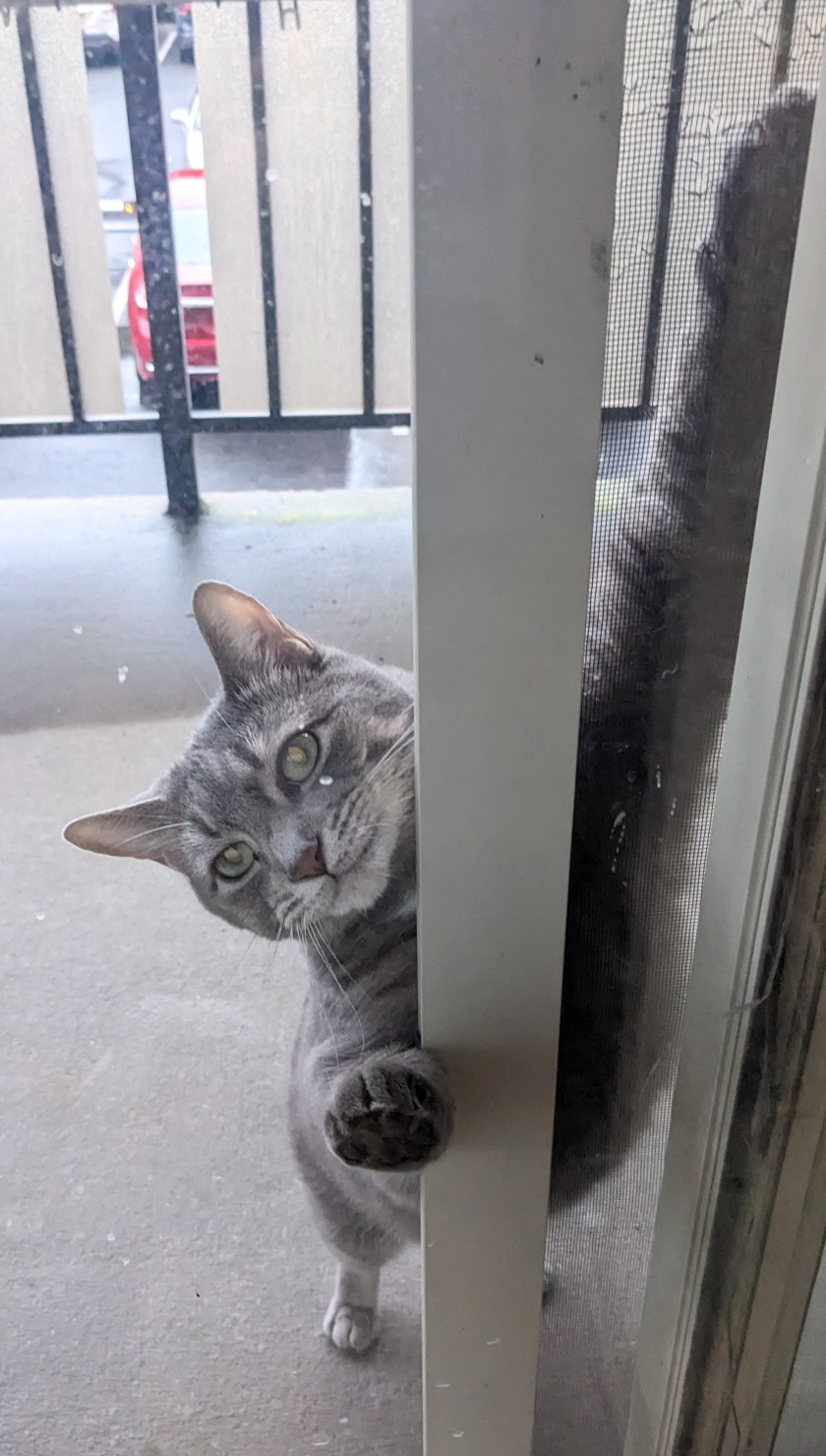
‘Who, Me? I Wasn’t Clawing At The Screen Again, I Swear!’

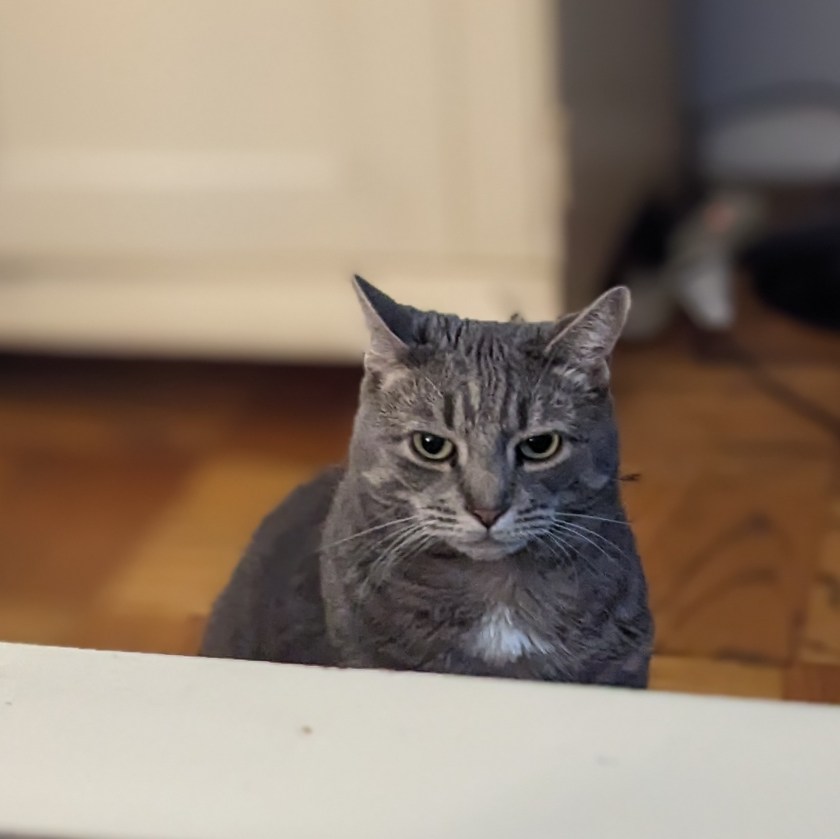
Buddy is a good boy! Buddy doesn’t scratch the screen!

“Hahaha! You humans are so funny with your overactive imaginations!

PXL_20230520_230803473~2

Your ears and eyes deceive you, human! I was not trying to scratch the screen door again.

I told you, those tears in the screen are from a chalupacabra! I said ‘Look here, chalupacabra, this is Buddy Territory. You’re not welcome here! Get!’

But you know those chalupacabras, they never listen. Stubborn animals!

Chalupacabra
Pictured: A vicious Chalupacabra that scratches the screen door and blames poor Buddy. Credit: PITB

My claws are NOT stuck in the screen, okay? I’m just resting my paw. I can get free any time I want, it’s just that I don’t want to right now.”

Forty-six minutes later:

PXL_20230521_003757806.PORTRAIT~2

“I’m right here, you know. I see you eating that ice cream sandwich. I see how it is. ‘Snacks for me, but not for thee.’ Well I have news for you, human! I’m going to sit here and stare at you all mean-like until you procure a Buddy snack.

You feel guilty? Good! You’re meant to.”

In The UK, Cat ‘Ownership’ Can Be A Hazy Concept

What does it mean to “own” a cat? If you believe a cat is neglected, can you take custody? As UK law changes, those questions need answers.

For the second time this week, two people are fighting over a cat after the original “owner” received a request from a microchip company to confirm another person’s claim on the feline.

Charlotte Sawyer of Swindon, a town in southwest England, told her local newspaper she was livid when she got the request to sign over her claim to one-year-old Oreo.

“I can’t believe the audacity of this person trying to steal our beautiful cat,” she told the Swindon Advertiser.

But Sawyer readily admitted Oreo was going out for days and sometimes weeks at a time before returning home, and she hasn’t seen him for four months now.

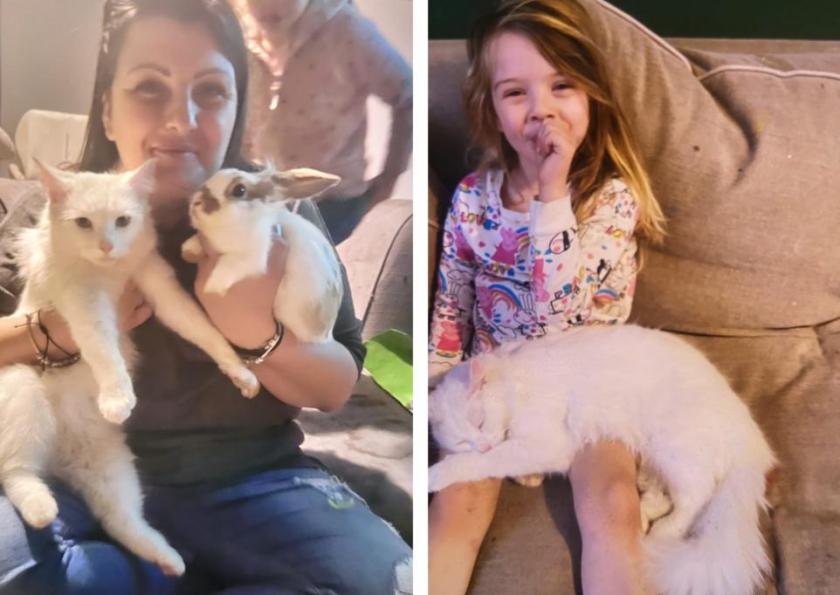
Sawyer and Oreo
Charlotte Sawyer, left, with her cat Oreo and a pet rabbit. Sawyer’s daughter, right, with Oreo. Credit: Charlotte Sawyer via Swindon Advertiser

Like many cats in the UK, Oreo not only had access to the outdoors, he was accustomed to coming and going as he pleased. Other families were feeding him, and it’s likely he made the rounds among several houses before returning home. Because “home” is a nebulous concept in this instance, it’s not the first time someone has asked Sawyer to relinquish custody of Oreo.

“A woman claiming to be someone who looks for missing cats once knocked on my door and handed me a form asking for permission to change Oreo’s microchip,” Sawyer said. “I wanted to rip it up, I was furious, and told her he was my cat. Now it’s happened again. At least it’s provided some reassurance that he’s still alive.”

While I feel for anyone who loses a pet, I don’t know how someone who truly loves a cat can accept the kitty being gone for days or weeks at a time, not knowing if he’s in danger, hurt or still breathing. That kind of arrangement isn’t in the cat’s best interests, and it’s not compatible with our responsibility to ensure the welfare of our four-legged friends, an obligation all of us take on when we adopt our pets.

The people who encountered Oreo likely thought he was a stray or an abandoned former pet. If they’re requesting a change to microchip registration, it probably means they spent their own money to take the little guy to the vet, where the chip was discovered and scanned.

This is emphatically not a blanket criticism of UK norms regarding outdoor access, by the way. Americans cannot claim moral superiority. In the past week or so we’ve had a Pennsylvania man kill a cat with a blow dart because the feline “was trying to kill my birds,” a vulgar approximation of a human being in New Jersey “repeatedly raped” his pet cat before torturing her to death, and some deranged lunatic in Florida used a cat as target practice, leaving 30 pellets lodged in the innocent animal’s little body.

That represents a tiny fraction of the cat abuse stories from the last 10 days and I’ve omitted the worsted examples because I know we have readers who can’t handle this stuff. (I can’t either, which is why I paused my Google News alerts for most of the past two weeks.)

My point here is not to shock. It’s to underscore the fact that we have absolutely no moral authority when it comes to telling people in other countries how to care for animals.

Outdoor cat
A cat exploring outdoors. Credit: Openverse

Moral authority concerns aside, the two examples of ownership claims by microchip this week raise important questions about the definition of “ownership” and what it means to properly care for a cat.

Like many cat lovers I don’t like the term “owner” and I describe myself as a caretaker, but where the law is concerned, ownership is important concept because it determines who has claim over the animal. The law views cats and dogs as property, whether we like it or not. That’s why animal welfare statutes fall under agriculture and markets law in many US states instead of the criminal code, and it’s why so many of those laws need updating.

Cat culture across the Atlantic is different in that the majority of people who have cats believe our furry friends must have access to the outdoors to live a complete, fulfilled life. In the US, 63 percent of cat caretakers keep their felines strictly indoors, while in the UK it’s virtually the opposite, with 70 percent allowing cats to roam outdoors. Not all definitions of outdoor access are equal: Some people allow only supervised outdoor time in the backyard (or “garden”), some make sure their kitties are safely indoors by nightfall, while others have cats who return at their own whim.

There are also differences regarding geography, traffic density, the prevalence of natural predators and the nature of city life that account for how much outdoor access they allow their cats.

As the UK sets a June 2024 date for the mandatory microchipping of pet cats, disputes like this are going to become more common, which means people would be wise to make sure their cats’ microchips have up-to-date information and have readily available proof that they own their felines. If cat owners don’t establish the criteria for what it means to “own” a feline, the government will.

Fred The Cat Is Back With His Human And His Brother, Thanks To Police

Fred went missing last summer and another person tried to claim ownership of the little guy by attempting to change details on his microchip.

Beryl Edwards was overjoyed when her microchipping company contacted her to inform her that her cat Fred, missing since the summer of 2022, had been found.

Then her joy turned to frustration as the company asked her to confirm a change in Fred’s ownership.

“Can you imagine the range of emotions from, ‘Fred! He’s alive, he’s OK’ to ‘transfer of ownership? What’s this all about?’” the UK woman told the BBC earlier this week.

A rep from Identibase told Edwards the company couldn’t provide any information on the person or people who currently had Fred due to data privacy laws, so Edwards called the police, who handled it swiftly.

“I’m totally over the moon,” Edwards told the BBC on Wednesday. “I can’t praise Market Drayton police enough, they got on to the case on Sunday, contacted the people on Monday, and by 10:45 on Monday evening they brought Fred home.”

The police are able to access data the public cannot if it pertains to an investigation, and law enforcement had said earlier they considered Fred’s predicament a case of theft. It’s not clear if they charged the other party with a crime.

As for Fred, Edwards said he’s happy to be home with her and his litter mate, Gino.

“He’s roaming around the house, obviously he’s kept in doors,” she said. “He’s playing, he’s eating, having lots of cuddles, lots of love, he’s great.”

UK legislators recently passed a law that will require all cat owners to have their felines microchipped by June 10, 2024. Advocates say the law will greatly increase the chances that missing cats are reunited with their people. It will also help hold people to account if they abandon their pets, and will help authorities settle questions of ownership in cases where it’s disputed. Edwards said she’d like to see changes to the way information is shared as well so people in her situation can more easily resolve their problems.

What It’s Like Adopting An Internet Famous Cat, Plus: The Argumentative Cat

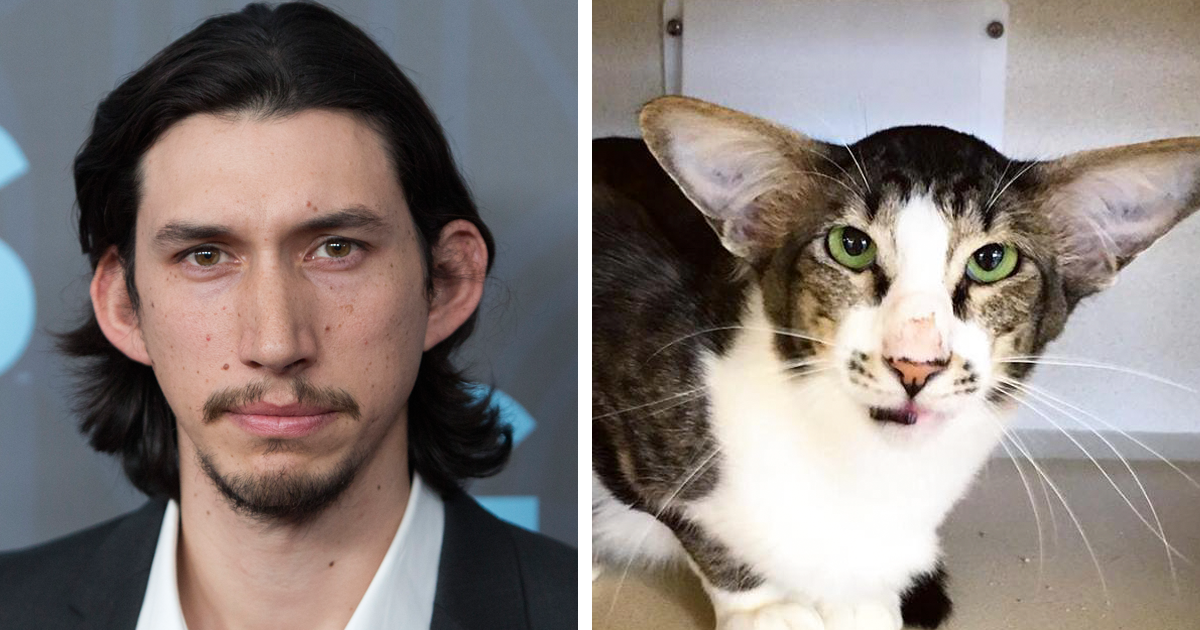
Kylo Ren, named after actor Adam Driver’s most notable role, changed the lives of a woman and her young son.

Remember the Adam Driver Cat?

The little guy made a big splash for a while back in 2016 when images of his unusual mug went viral and the internet decided he looked like the 39-year-old actor.

In an essay, Emily McCombs describes feeling “something deep in my soul” when she saw photos of the cat she’d name Kylo, in honor of Driver’s best-known role as the conflicted Sith lord in the third Star Wars trilogy. Against all odds, and despite intense interest in the Oriental Shorthair, McCombs was able to adopt Kylo after begging a friend for a ride from Brooklyn to the Monmouth County SPCA in New Jersey.

But it’s what happened after that impacted McCombs and her young son the most. Kylo was gentle with McCombs’ son, had a habit of staring adoringly at her and “wasn’t truly happy if he wasn’t smooshed against my face.” Aside from the shoulder bit, Kylo sounds a lot like Bud:

“Rather than just being a lap cat, Kylo was more likely to perch on my shoulder, or plop down directly on my face,” McCombs wrote. “He preferred positions that made it impossible to do anything but pay attention to to him, and would regularly headbutt my phone when he wanted my undivided attention.”

Actually, he’s more polite than Bud, who has no qualms about slapping my smartphone out of my hands and loves to send it flying if I make the mistake of leaving it unattended on a flat surface. “Stoopid little glowing rectangle!” I imagine him yelling in the meowenese language.

Kylo became part of McCombs’ family, helping her tuck her son in every night after story time, and while McCombs said a few love interests came and went, Kylo endured.

McCombs got to spend seven wonderful years with Kylo before she made the difficult decision to euthanize him after he was diagnosed with kidney failure and his struggle became more desperate. The story’s worth reading for her take on grief, Kylo’s sweet relationship with her son, and her insistence that no amount of internet fame compared to the love Kylo gave the family.

It’s also validation of the way people feel when they lose their four-legged companions, and a reminder that grief doesn’t need to be justified, regardless of whether some people insist “it’s just a cat.” 

The microchip company called to ask her to confirm a change of ownership for her missing cat

A British woman was thrilled when the microchip company contacted her to say her missing cat had been found, but was confused and dismayed when the representative on the line asked her to confirm a change of ownership.

Now she’s trying to get her kitty back, but her efforts have been frustrated by the other person who wants to keep him, as well as data protection laws that prevent the microchip company from identifying the person. 

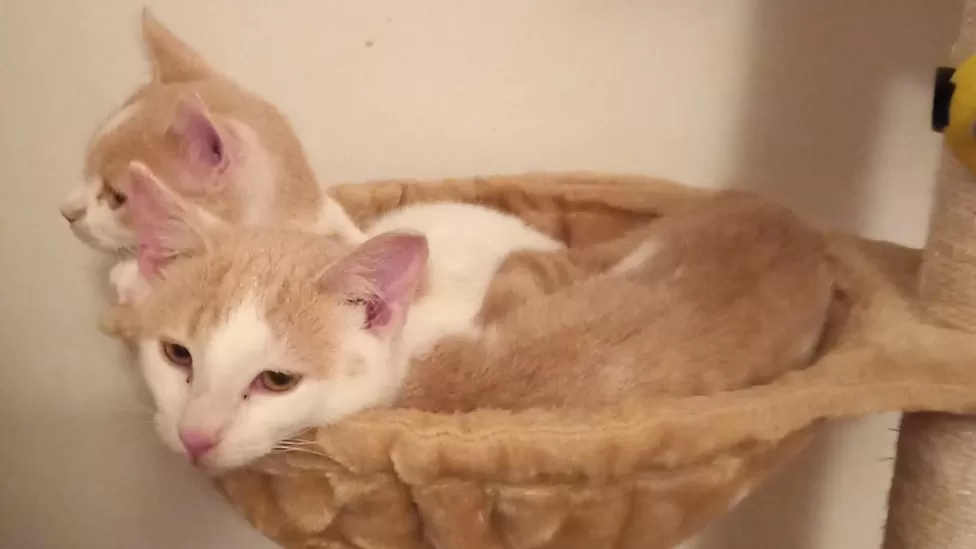
Beryl Edwards of Shropshire, a rural area bordering Wales, adopted her cat Fred and his brother Geno in 2021. Fred went missing over the summer in 2022, and Edwards said she was initially ecstatic when she was told he’d been found.

“And then out of the blue last week I get an email saying we’ve had a request – somebody wants a transfer of ownership,” Edwards told the BBC. “Can you imagine the range of emotions from, ‘Fred! He’s alive, he’s OK’ to ‘transfer of ownership? What’s this all about?’”

fredgeno

The company, Identibase, told Edwards that while they could not give her the person’s information, they would ask the person to contact Edwards and return the cat. 

Edwards never heard back, and now it’s a criminal matter. 

“We are following up on a number of enquiries and at this stage are treating the matter as a potential theft,” the West Mercia Police said, per the BBC.

It’s not clear if police believe the person who has Fred stole him from Edwards, or whether they found him and want to keep him, but we hope Edwards and Fred are reunited, and Fred gets to live with his bonded littermate Geno again.

I can understand why the company would hesitate to provide the other person’s information, even if no law existed. You don’t want people physically confronting each other and potentially taking pets by force in disagreements over ownership. It’s also possible that the person who wants to keep Fred never intended to “trip” the microchip, and Edwards’ information may have been discovered by a veterinarian during a routine exam. But perhaps the unusual case can inform a future change to the law so it’s easier for people to retrieve their pets in cases like this, and for law enforcement to return pets when there’s clear documentation showing one party is indeed the caretaker.

This is not funny

A woman opens her front door to find a distressed cat crying for her help. Instead of taking him in, feeding him, checking on his welfare or even calling a local shelter, the woman proceeds to film herself performatively yelling at the stray and telling him to “get on off my porch!”

The TikTok video went viral this past week and people think it’s hilarious.

File this under “Social Media Is A Sign Of Humanity’s Decline.” Maybe the woman would have been cold-hearted even if she wasn’t hamming it up for an internet audience, but the prospect of clicks and likes almost certainly played a part in the way she dismissively yelled at an animal who was obviously in distress. Even if she didn’t want another pet and couldn’t adopt the cat, it costs nothing to show kindness and make sure he gets to people who will do right by him. 

I won’t link to the woman’s TikTok, but if you want to read Newsweek’s take about how her performance “delighted the internet,” click here. I hope the cat found a more sympathetic person and has either been returned home if he was lost, or found his way into a forever home if he was a stray.