Scientists Finally Figure Out Why Some Cats Are Orange, PLUS: Are Street Cats Really ‘Taking Over?’

More Americans say they can’t afford to keep their cats because of inflation, leading to an increase in surrendered and dumped cats in some places.

More than 110 years ago, American geneticist Clarence Cook Little developed a theory explaining why some cats have orange coloring and some don’t.

Now Little has been proven correct thanks to the work of separate teams in Japan and the US, which discovered the mechanism that leads to orange coloring, including fully ginger felines as well as calicos and tortoiseshells.

The explanation may be a bit too heavy on genetics for some readers, but essentially the researchers found the specific gene that leads to the growth or orange fur. They’ve known about the gene for a long time, but didn’t realize the totality of its function. Its official name is ARHGAP36, but for the sake of simplicity, scientists are calling it “the orange gene.”

“The orange gene has a known role in hair follicle development, but scientists didn’t previously know it is also involved in pigment production,” a team of geneticists and biotechnologists wrote in The Conversation, a science publication. “This means that a new pathway for pigment production has been discovered, opening the way for exciting and important research into a basic biological process.”

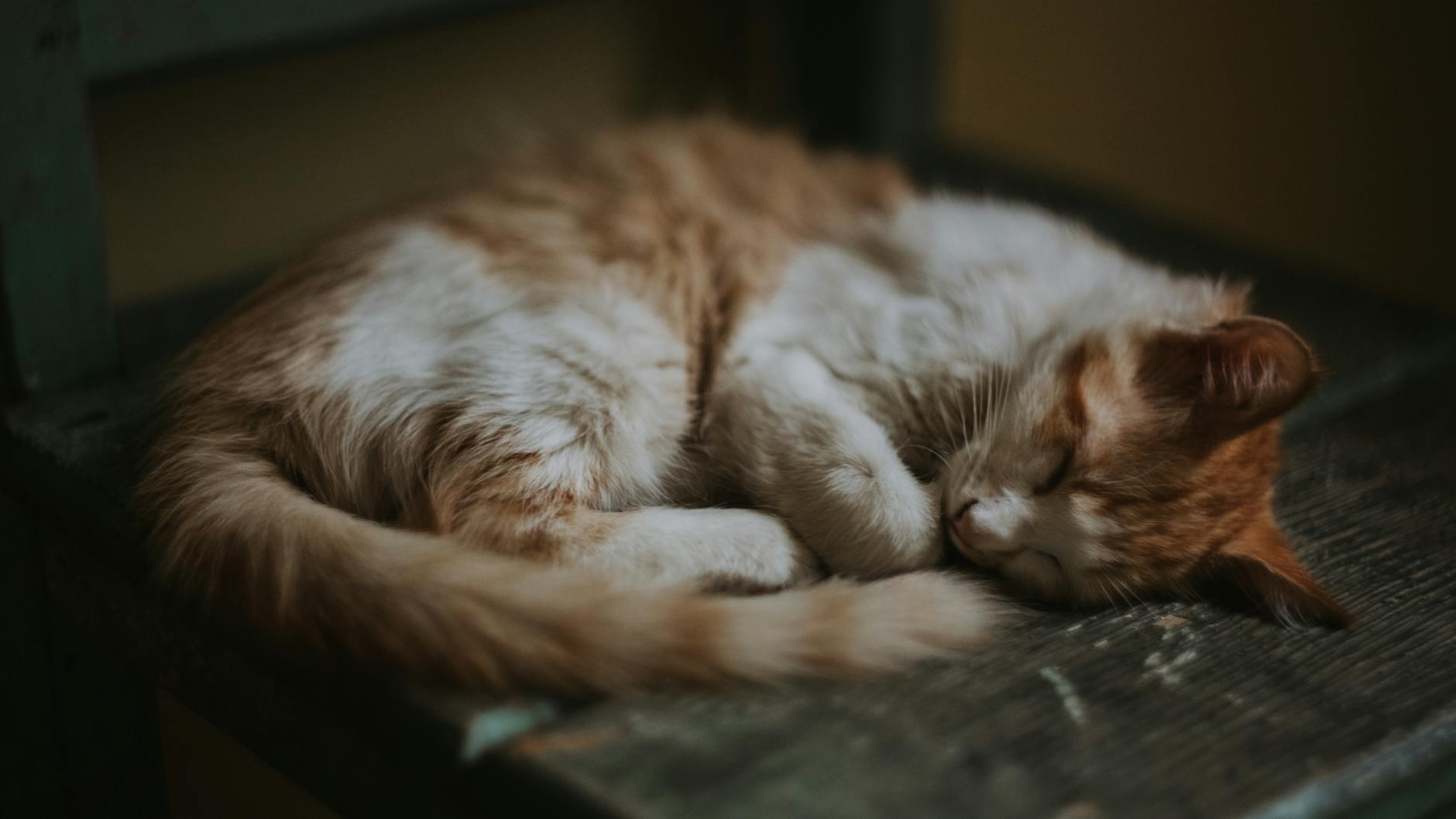
calico cat relaxing on wooden bench outdoors
In partially orange cats like calicos and tortoiseshells, the blotches of color are the result of imperfect gene copies and a secondary pigment-related gene switching “on and off.” Credit: Mehmet Guzel/Pexels

Ginger cats are usually male, but the pigmant can also appear in female cats due to an error in gene copying which deletes one segment of the orange pigment-producing genetic code.

That’s why calicos and tortoiseshells have orange blotches or mixed orange fur. “[T]he orange gene is persistently switched on in orange areas but is mostly switched off in non-orange areas of a cat’s coat,” the authors wrote.

Are there more strays in 2024?

Time magazine has a story examining the problem of stray cats in America’s urban and suburban population centers, why it’s happening, and what can be done about it.

First, might as well get this out of the way: We don’t know if there are “more” cats. The claim that there are more relies on anecdotes, and there’s no hard data to back that up. You have to be highly motivated to invest the time and money into a proper census like the D.C. Cat Count, and it’s an understatement to say most towns and cities are either not willing to do that, or don’t have the resources.

What we do know is there may be more cats in certain areas, with individual shelters in some places reporting record numbers of surrenders and cats scooped up by animal control.

close up of a stray cat on the metal railing
Rescuers say people who can’t afford food, supplies and veterinary care are surrendering or dumping their cats in larger numbers than in years past. Credit: Dou011fu Tunce/Pexels

The story quotes rescuers who say they’ve seen more surrendered pets, as well as data from Shelter Animals Count, which tallies self-reported information from shelters and rescues. The latter says 32 percent of cats taken in were owner surrenders in 2024, compared to 30.5 percent in 2019.

“It’s a combination of people surrendering their pets and people not adopting because they’re not sure they can take on the financial commitment,” Animal Care Centers of NYC’s Katy Hansen told Time.

Rescuers say that’s reflected in their experiences trapping the felines, who are friendly and acclimated to humans.

The people surrendering their pets cite inflation, not only impacting the cost of essentials like food and litter, but also more expensive veterinary care.

The story additionally includes this eye-popping detail:

“At Veterinary Care Group, a private equity-owned practice in Brooklyn, the cost of spaying or neutering a cat has soared to $850 per animal. By contrast, at the nonprofit veterinary clinic Zweigart recently founded in Brooklyn, the cost of spaying or neutering a cat is $225 and a mid-sized dog is $300.”

The lesson here: Steer well clear of veterinary clinics that aren’t vet-owned or are obtuse about their ownership. Private equity groups don’t buy clinics out of love for animals.

a close up shot of a tabby cat
The cost of spay/neuter procedures ranges dramatically at different veterinary practices. Credit: Tima Miroshnichenko/Pexels

As for solutions to local spikes in stray populations, the story doesn’t offer any. It mentions TNR (trap, neuter, return) but only in the context of a lawsuit against the San Diego Humane Society for its neuter/vaccination program.

That said, there probably isn’t a one-size-fits-all technique. What works for a small town won’t necessarily work in a city, and there are dozens of factors that could influence the prevalence of stray cats and colonies. Still, city councils and town boards don’t need to reinvent the wheel. Chances are if they look, they’ll find a municipality similar to their own where locals have successfully stabilized feline populations.

As for the Buddies, I’d live in my car before giving Bud up. He wouldn’t be thrilled about that situation, and we’d have to head south because the winters here are brutal, but as long as Bud has his servant, he’s good.

A previous version of this post incorrectly described cat chromosomes. The story has been updated to remove the error.
Ohio Woman Gets Prison For Cat-Eating Case That Revolted Nation

Allexis Ferrell pleaded guilty to felony animal abuse, but she still hasn’t explained her actions.

A judge struggled to find words for his anger while handing down a sentence to an Ohio woman who ate a cat in front of her home this summer.

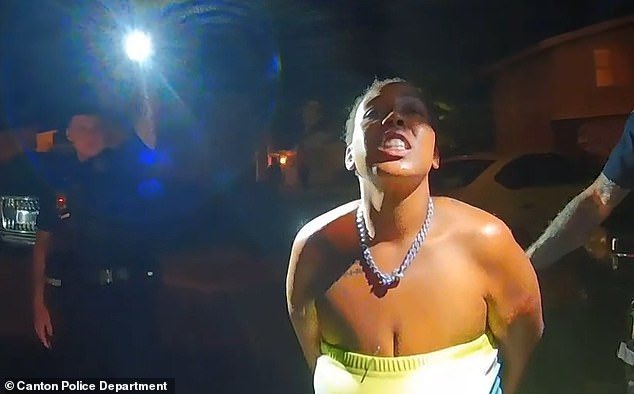
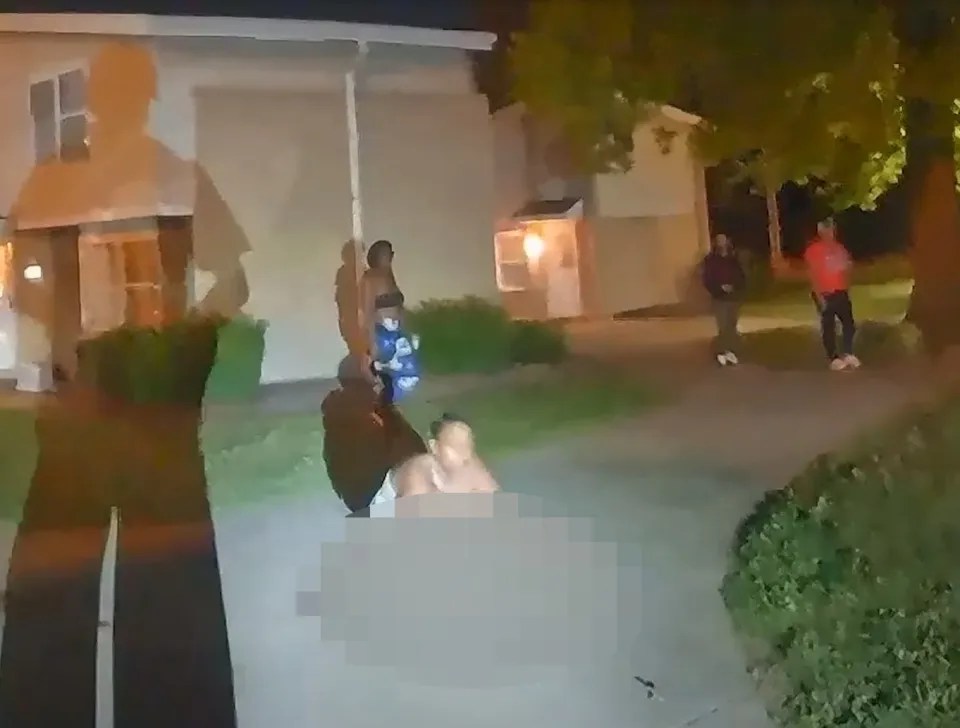
On the night of Aug. 16, 27-year-old Allexis Ferrell grabbed a stray cat and began eating it while it was still alive. Footage from freaked-out neighbors shows Ferrell on all fours in a driveway as she devoured the poor animal.

When horrified police officers arrived and asked Ferrell why she ate a cat, the woman — whose mouth was covered in blood — had no answer.

She still hasn’t explained her actions.

“This is repulsive to me. I mean, that anyone would do this to an animal. And an animal’s like a child. I don’t know if you understand that or not,” said Stark County Judge Frank Forchione. “I can’t express the disappointment, shock, disgust that this crime has brought to me.”

The judge says he considers Ferrell a threat to the community.

Alexis Ferrell
Shocked neighbors called the police when Ferrell attacked the cat.

On Monday, Forchione sentenced Ferrell to a year in prison, which she’ll serve in addition to 18 months’ prison time for two earlier cases involving theft and child endangerment. The one-year sentence is the maximum for felony animal cruelty in Ohio.

The incident made national headlines not only because it was vile, but also because the details weren’t made public until September — after then-candidate Donald Trump claimed immigrants in Springfield, Ohio, were eating pets.

Unscrupulous social media influencers and clickbait “news” sites added to the confusion by initially tagging Ferrell as one of the pet-eating immigrants, despite Canton’s location some 170 miles northeast of Springfield. Ferrell is an American citizen and was born here.

Oddly, although follow-up stories reported Ferrell’s attorneys petitioned the judge for drug and alcohol abuse treatment for their client, there was no mention of Ferrell being under the influence of drugs or alcohol the night she killed the cat.

Here on PITB we’ve flagged stories that illustrate the disturbing normalization of violence toward cats and other animals, but this incident defies categorization. Hopefully Ferrell is given the help she needs and is prevented from ever owning or interacting with animals in the future.

‘Nightbitch’: Animal Murder And Child Abuse In The Name Of Modern Feminism

In Nightbitch, Amy Adams stars as a woman who feels cheated by motherhood, so she reclaims her feminine energy by taking her rage out on her toddler and her cat, among other innocents. How brat is that?

In 2020, just after the height of the George Floyd protests, comedian Bill Burr hosted Saturday Night Live, and he was not kind to people who used the moment to complain about their minor misfortunes.

“Somehow, white women swung their Gucci-booted feet over the fence of oppression and stuck themselves at the front of the line,” Burr said. “‘My life is so hard. My SUV and my heated seats! You have no idea what it’s like to be me.'”

That’s Nightbitch in a nutshell, with some added animal and child abuse thrown in for good measure. And when I say “some,” I mean horrifically graphic, uncomfortably-long scenes depicting the murder and torture of animals and the total dehumanization of a baby.

Nightbitch was released as a book in 2021 to critical acclaim despite its risible plot, which says just as many unfortunate things about the publishing industry and media as it does about the book. (The US publishing industry was almost  80 percent white women in 2016, a survey found, resulting in a worrying lack of perspectives. The figures have remained similarly lopsided in the years since, and the industry’s output reflects that. Male readers are essentially ignored, as are women who aren’t of a certain socio-economic class.)

Nightbitch has now been adapted as a major motion picture, slated for a Dec. 6 wide release starring Amy Adams.

Adams plays a feminist and artist whose “art” involves butchering small animals on stage for audiences of over-educated NPCs stuffing themselves with fondue and artisanal fudge. (Think the modern art world isn’t quite so outrageous? Think again.)

Her art brings her adulation, but she wants more. She resents her husband for working too much, she resents her toddler for requiring too much of her time, and she resents her cat for seeking affection. None of the primary characters have names, because someone in the author’s MFA program said names are so out this season, so we get “son”/”the boy,” “woman”/”mother” and so on.

Nightbitch
“Who ruined mommy’s life by existing? You did, didn’t you?”

Most people would be grateful they get to stay home and raise their kid in his formative years, especially in an age of almost mandatory two-income families when so many people struggle to put food on the table. Most people are enchanted by the love of a cat, and the indescribable feeling of cuddling up on the couch with a soft, furry animal who literally buzzes with affection.

But if you’re a graduate of Vassar and you think torturing animals is feminist art, that’s not the life you envisioned for yourself. The main character was told she could have it all, and she’s indignant that the world didn’t give her what she believes she deserves.

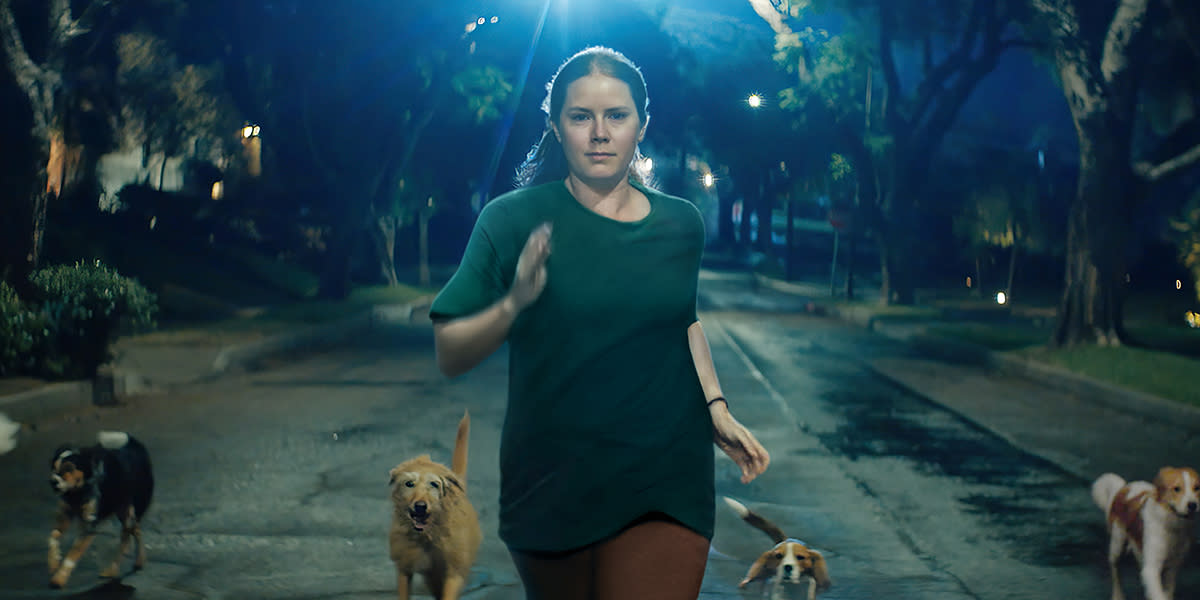
So while jogging through her neighborhood at night, she starts to transform into a feminist dog/werewolf thing.

She sprouts fangs, grows the beginnings of a tail, and notices tufts of canine fur on her back. She develops a taste for raw meat, and becomes a de facto pack leader as neighborhood dogs join her on her after-dark runs. Most of all, she unleashes her “nightbitch” energy, reaching deep within herself to find all the power she knew she had.

Yaaasss queen, slay!

What’s “nightbitch”? It’s never explained. How does the protagonist transform into a werewolf? We’re never told.

nightbitch film
An actual scene from Nightbitch.

When we review movies with animal-related subject matter here on PITB, the first thing readers want to know is: does anything horrible happen to the animals? If I don’t address that in the review, I’m guaranteed to get emails and comments about it.

Nightbitch doesn’t just have elements of animal abuse. It glorifies and revels in it. It dedicates long, explicit passages to the butchering of innocent, helpless creatures. It makes the case that murdering animals is some sort of step on the way to feminist empowerment.

And yes, we can confirm the upcoming film adaptation’s cat murder scene, among other twisted elements, remains intact.

Nightbitch, which “explores the strange transformation of Adams’ character as she may be turning into a dog, generated laughter but also audible reactions during graphic scenes of tail-cutting, menstruating in the shower and the murder of a house cat,” Variety reports, noting the movie isn’t going over well with early audiences on the film festival circuit.

nightbitchfangs
The fangs come out.

In this twisted world view, a cat and a baby aren’t pure innocents who deserve to be cherished and protected. They’re objects of resentment, the things holding Nightbitch back from the fabulous life of cocktail parties, jet-setting and art world acclaim that she believes is her birthright.

In this perverse universe, it’s “empowering” to put a dog collar on your toddler, exchange his crib for a kennel, feed him raw meat and have him drink from a bowl. He’s probably going to grow up to perpetuate the patriarchy, so what do we say to dehumanizing him? Yaaass, queen!

The film’s defenders, like their book counterparts, will doubtless argue that Nightbitch is part black comedy, so anyone who is disturbed by its subject matter is being a bore.

The problem is, the only laughs here are unintentional.

I’ll be surprised if the people involved in this film don’t suffer the ire of animal welfare groups even if no real animals were harmed in the filming. We already have enough problems with cruelty to animals in this country without movies and books promoting it as some sort of cathartic way to reclaim gender-based power.

Hardly a day goes by without news stories about pet cats who are killed or paralyzed for life by people shooting them with BBs, arrows or rounds from a real firearm. Cats are often victimized by men and women in domestic situations who try to hurt their spouses or partners by harming their beloved pets. People kill cats on a whim, for fun, for target practice. We’re talking about intelligent, loving, sentient, innocent creatures.

As for the child abuse content, it’s equally as depressing and horrific, but sadly I’m less certain it’ll result in condemnation. That’s the world we live in.

Nightbitch stars Amy Adams and Scoot McNairy, and is set to hit theaters on Dec. 6. It’s rated R for mature themes and graphic violence.

San Diego Siestas Edge Detroit Dozers In New Feline Competitive Napping League

It’s the sleep Olympics — perfect for cats!

SAN DIEGO – The Siestas were down to their last cat still slumbering, and it looked like their rivals from Detroit, with three felines snoring away, would wake up with the victory.

But San Diego’s sole snoozer wasn’t any ordinary cat. He was 21-year-old Oscar the Couch, one of the most accomplished nappers in the world.

Long after Detroit’s younger, less experienced kitties had gotten up, stretched, enjoyed a meal and used their litter boxes, Oscar was finally beginning to stir from the dregs of his dreams.

Oscar yawned as his teammates cheered, and the referees declared the San Diego Siestas the winners.

“Competitive napping is unlike any other sport out there,” said Sammy the Sloth, a rotund tuxedo cat and snore-by-snore announcer for the Competitive Napping League’s broadcast team. “It rewards the slow and the sedentary, moving somewhere between the speed of a snail and the growing of grass. The only other sport that comes close is golf.”

The Competitive Napping League (CNL) was just a dream of its founders until Saudi Royal Feline Smudge bin Salman stepped in, signing the laziest felines to seven figure contracts and infusing the new sport with millions in marketing money.

San Diego Siestsas
San Diego Siestas!

Now competitive napping matches routinely air on ESPN7, and this year the CNL inked a deal for six nationally televised naps per season. The most accomplished nappers can also participate in the postseason nap-offs, and ambassadors for the sport are lobbying the International Olympic Committee to include competitive napping in the winter and summer games.

“This isn’t a genteel game like baseball or jai alai,” said Somnambulist Smokey, a silver shorthair. “This is hardcore, no-snores-barred snoozing, and it’s not for the faint of heart.”

As a sleepwalker, Smokey is one of the league’s most accomplished competitors. He’s known for getting up mid-snore and slapping his opponents in the face before laying down again. Initially suspected of cheating, Smokey was vindicated when brain activity monitors showed he remained in REM sleep, making him an authentic sleepwalker.

However, he’s not the only cat with tricks up his paw.

Filthy Frank the Flatulist is captain of the Fort Worth Forty Winks, and his emissions are of such olfactory potency that they can wake opponents out of the deepest slumbers.

“The [New York] Nappers strolled in here like they owned the place,” said teammate Charlie the Chonk. “Frank had them up and yowling in about 30 seconds with a squeaker that wafted over to the enemy and refused to dissipate.”

brown and white tabby cat
Credit: Matheus Bertelli/Pexels

Competitive napping is growing in popularity, with amateur clubs springing up in Japan, Taiwan, Scandinavia and the Principality of Sealand.

The Copenhagen Cozies and Helsingør Hygge recently slept through exhibition matches against the Louisiana Liesures and the Miami Sleepmasters.

“There’s nothing like the rush of a good nap followed by mews that you’ve outslept your opponents,” said Liesures captain Zoe Zzzz, “then going back down for another nap to celebrate!”

Happy Thanksturkey From The Buddies!

There’s a lot to be grateful for.

Before we get into the most important day of the year (according to Bud), I wanted to share that we’ve been watching the wonderful Earth At Night In Color.

The title pretty much sums it up: teams of intrepid videographers went to some of the most remote locations on Earth armed with new camera tech that can peer deep into the night, revealing an entire world we can’t see and colors we don’t have names for.

The result is astonishingly crisp and clear images of the nocturnal world, offering opportunities to see things we’ve never glimpsed.

Earth At Night In Color
It might be difficult to belive, but this image was shot at night near the banks of the Amazon with only starlight providing minimal illumination.

One episode, Jaguar Jungle, follows a six-year-old male named Juru whose kingdom is an idyllic stretch of the Amazon River where capybaras frolic and caiman are plentiful.

Serendipitously, the crew also encounters a young female jaguar in heat, following the scent trail of a male and calling out. The resulting courtship is fascinating and in the words of narrator Tom Hiddleston, “surprisingly tender.” It’s exactly the sort of thing that would have been impossible to film with regular or even night vision cameras.

1.86.0-CT7GQQX2JD4GP5FQU7LV6BSOEM.0.1-0

Another episode, Puma Mountain, follows a cub on the cusp of adulthood as she learns to survive in Patagonia. The vistas are remarkable in a virtually untouched land far from human light pollution, where wildlife thrives and the glowing ribbon of the Milky Way straddles the horizons at night.

I appreciated the focus on pumas, who are often overlooked in wildlife documentaries, and Earth At Night is perfect for them since the vast majority of their activity happens in the overnight hours.

The series also has episodes dedicated to lions and cheetahs, so there’s lots here for cat lovers. Other highlights include episodes following African elephants, polar bears and tarsiers, which are liliputian primates that look almost like Jim Henson creations.

Aqua!

I move quite a bit when I’m sleeping, and since Bud literally drapes himself over me, you’d think he’d be used to it. I must have shocked him awake with a sudden movement a few nights ago, because he bolted up, freaked out and yelled “AQUA!”

I busted out laughing despite him catching my leg with a claw when he was startled. Then I rubbed his head to let him know all was well, and we went back to sleep dreaming of oceans.

Buddy
“Aqua?!?”

The Great Day of Turkey

Happy Thanksgiving!

It’s good to have a day dedicated to being grateful, and I think that’s especially important in an era of hyper-commercialism, when the accidentally fortunate use Instagram to rub their wealth in other people’s faces, dueling billionaires vie for political influence and the adoration of the public, and most people conflate what they have with who they are.

My family has banned talk of politics this year, which I think is the smart and mature thing to do.

As for Bud, he’ll have to endure most of the day on his own before I come home with his favorite food in the universe.

I hope everyone out there has a great Thanksgiving and gets to spend it with family and/or friends.