Participate in our reader survey and tell us what you’d like to see on Buddy’s site!
Hello and welcome to our Spring 2020 reader survey! We here at Pain In The Bud (littlebuddythecat.com) appreciate our readers, all four million of them, and we’d like to know what kind of content YOU want to see on this illustrious blog.
So without further adieu, here are the reader survey questions:
1) How often would you like to see new photos of Buddy?
a) Daily
b) Twice a day
c) Every hour!
2) How much should Buddy charge for his pawtograph?
a) One bag of Temptations turkey flavor.
b) One bag of Blue Buffalo moist turkey treats.
c) A whole turkey.
d) Two (2) cans of delicious turkey pate.
3) Are you interested in stories about other cats?
a) Nope, I just want to read about Buddy!
b) Maybe, but not if that means fewer Buddy stories!
c) Yes. I love all cat stories, but Buddy is my favorite.
4) How would you describe Buddy if you were recommending his site to friends and other cat lovers?
a) He’s roguishly handsome.
b) He has big muscles.
c) He’s roguishly handsome, he has big muscles and he’s incredibly charming.
5) What’s your favorite thing about Buddy?
a) He’s a mastermind! He always comes up with brilliant schemes that never, ever backfire.
b) He’s astonishingly brave! Most cats are terrified of vacuums, kitchen blenders and garbage trucks, but Buddy isn’t like most cats.
c) He’s possessed of exceptional intuition. His powers of deduction, such as his investigation linking Coronavirus to Corona beer, are second to none.
d) He’s remarkably humble. He has the body of Cadonis, the strength of a tiger, the roar of a lion and the stealth of a jaguar melting into the jungle, but he never brags.
6) Have you told your friends and family about Buddy?
a) Does a bear poop in the woods?
b) I never stop talking about him! He’s so dreamy!
c) I have been derelict in my duty to inform others of how delightful he is. I apologize and will correct my error!
Thanks in advance for your answers! Your responses constitute valuable data that we’ll use to improve this blog, and have absolutely nothing to do with massaging Buddy’s ego. Cheers!
The Los Gatos gain an edge while feigning concern for their customers. Meanwhile, Buddy has disappeared.
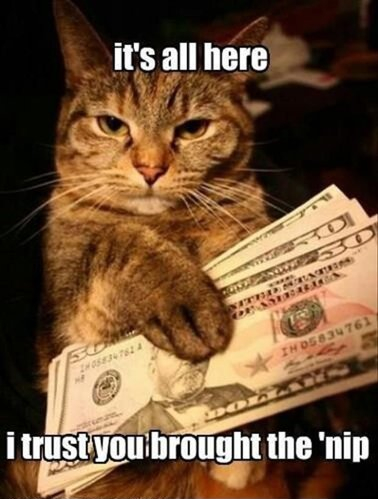
NEW YORK — Touting its concern for catnip junkies and the nip-slingers who deal to them, the Los Gatos criminal gang became the latest organization to issue social distancing guidelines on Thursday.
The new guidelines represent the gang’s effort “to find new and innovative ways to deliver quality narcotics to our customers,” the gang said in a statement after veterinary authorities announced cats are susceptible to COVID-19.
“The safety and health of our drug dealers is of the utmost importance in the trying days ahead of us,” said the cartel, which deals almost exclusively in catnip and silver vine. “However, our dealers serve a vital function in our communities, not unlike pharmacies, and must remain in business for the benefit of cats who need the good stuff.
“That’s why we’ve implemented contact-less nip transactions, allowing our customers to get their fix without exposing themselves to the possibility of infection,” the notice read. “Users can visit our website or download our app to place orders. Use promo code BUDDYISAWIMP to get 20 percent off your first order of Meowie Wowie or Purrple Haze!”
The Buddy Organization, Los Gatos’ primary rival in the catnip distribution industry, has yet to respond or offer its own social distance policy.
Sources inside the organization say Buddy himself has been missing for days, with rampant speculation that the gray tabby has been hiding under his human’s bed since learning cats can contract the Coronavirus.
“That COVIDIOT has left us high and dry while the Los Gatos are muscling in on our territory,” one exasperated source complained. “Sales are down 73 percent over the last week and he’s nowhere to be seen!”
A spokescat for Buddy denied the reports.
“That’s ridiculous and frankly offensive,” the spokescat said. “Buddy is absolutely not scared of garbage trucks, paper bags, vacuum cleaners or toddlers, and he sure as heck isn’t scared of Coronavirus. He doesn’t even drink beer.”
Sales of catnip have been booming as cats and humans alike self-isolate and self-medicate.
I’m curious what your response is now that we know cats can get Coronavirus. You thought you were so smart with your “investigation” linking it to Corona beer and insisting only humans could get it.
What do you have to say for yourself now?
– Told Ya in Toledo
Dear Told Ya,
Nonsense! We are immune. We don’t drink Corona because we’re cats, therefore we can’t get Corona Virus. It really shouldn’t be that difficult for you to understand.
– Buddy
Dear Buddy,
You big dummy! The virus isn’t spread through beer, it’s spread through contact with sick humans. You can get it, I can get it, any cat can get it.
– Said So in San Francisco
Dear Said So,
Nonsense! You don’t have any evidentiary materials proving such alarmist allegations!
I am immune to Coronavirus because I am a big, powerful tiger. So even if common cats like you can get it, you’re weaklings and I have big muscles.
– Buddy the Beast
Buddy after his regular workout on Tuesday after making gains on his lats. Credit: Devendra Kumar
Wait…Isn’t that where you live, in New York not far from the Bronx Zoo? Just a few miles from what I recall.
What say you now, “tiger”?
– Said So in San Francisco
Dear Buddy,
Did you get my last message? Still waiting.
– Said So
Dear Buddy,
Unbelievable. After talking all that crap, you disappear? Typical!
– Said So
Dear Said So,
Buddy went into hiding under my bed three days ago and hasn’t emerged since. He said he’s “distance socializing.” I’ve had to slide his meals and water to him under the bed because he won’t come out.
It’s been difficult to get a word out of him, which is highly unusual for a cat who typically won’t shut up, but I have overheard him muttering something like “OMG even the tigers, even the tigers! Don’t think about that. You are handsome and young and you have big muscles. You are handsome and young and you have big muscles. You are healthy and have big muscles…”
I don’t know when I’ll be able to coax him out again, but it probably won’t be soon. If you want to leave a message, I’ll try to pass it along with his next meal.
– Big Buddy, human caretaker (not butler or servant) to Little Buddy the Cat
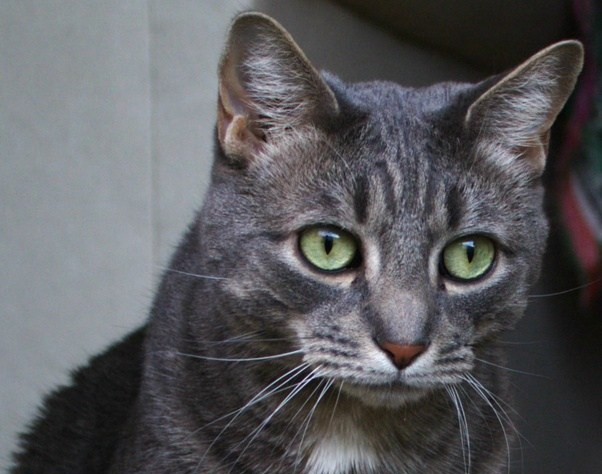
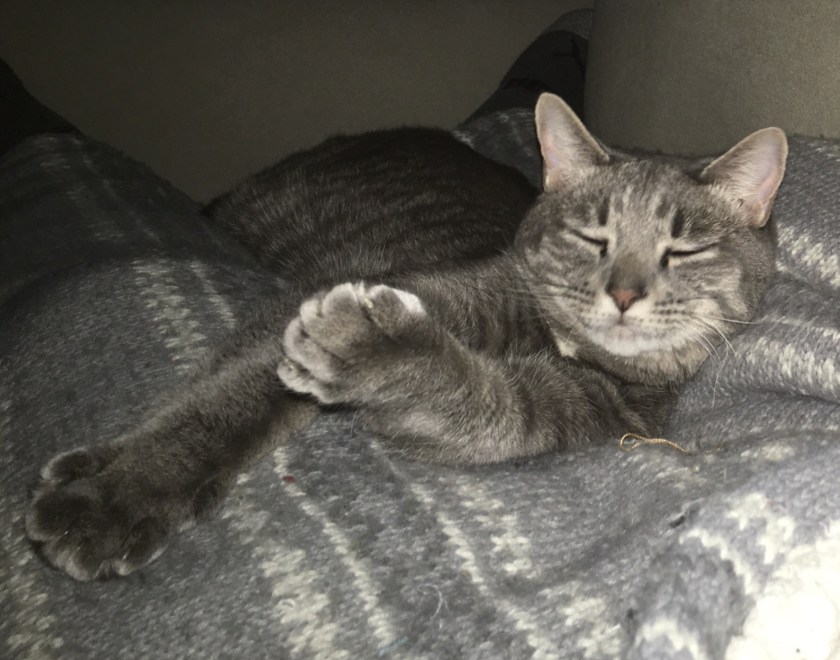
The last image of Buddy before he went into self-isolation under his human’s bed.
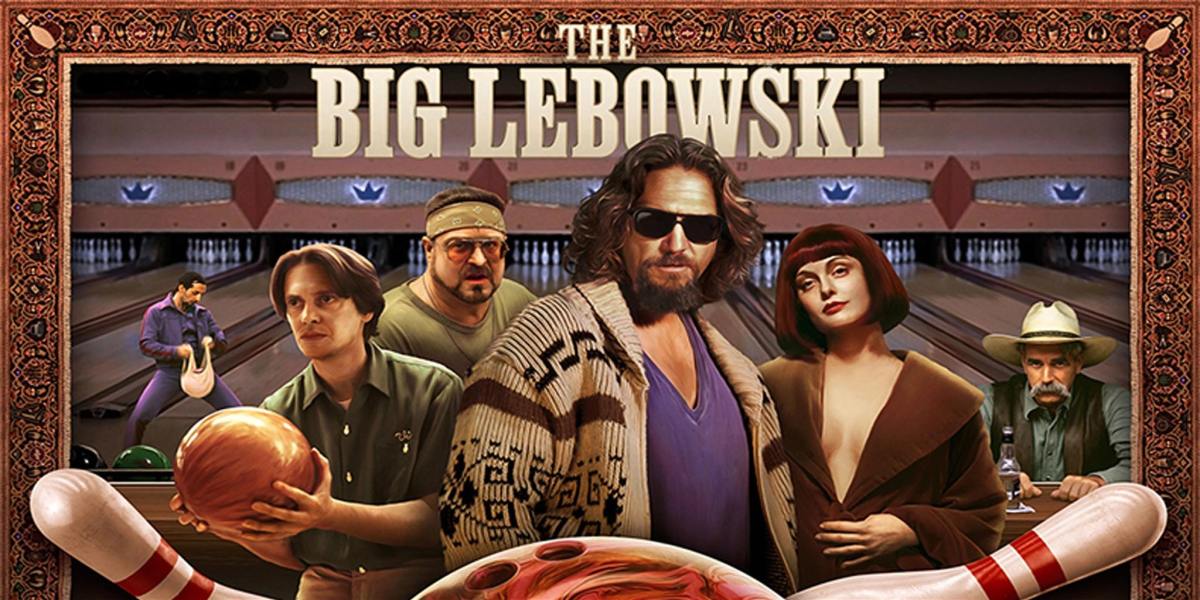
Buddy the Cat and his human watch The Big Lebowski and record a commentary track for your enjoyment and illumination.
Unused Audio Commentary for The Big Lebowski, 20th anniversary Blu-ray special edition with 32 seconds of extra footage, featuring Buddy the Cat and his human, Big Buddy.
Big Buddy the Human: Hello and thanks for joining us on this special commentary track for one of the most beloved cult films of the past quarter century.
Little Buddy the Cat: The Big Lebowski!
Big Buddy: Yep. There’s a Big Lebowski and a Little Lebowski, just like I’m Big Buddy and you’re Little Buddy.
Little Buddy: Let me guess: The Little Lebowski is the more awesome of the two, and he’s the hero of the story?
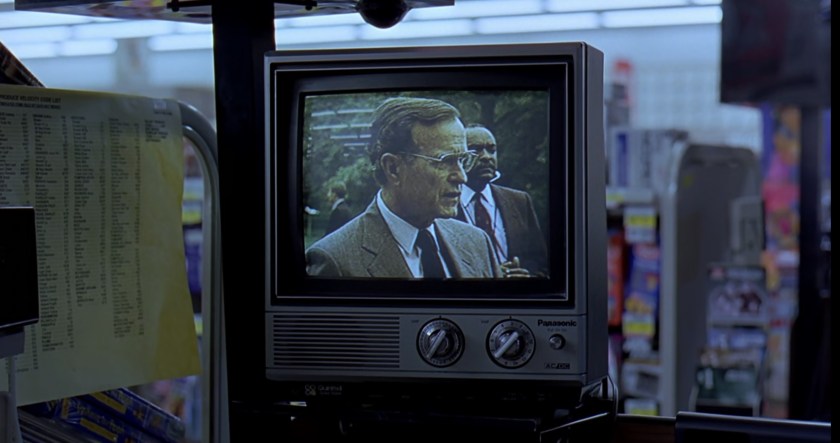
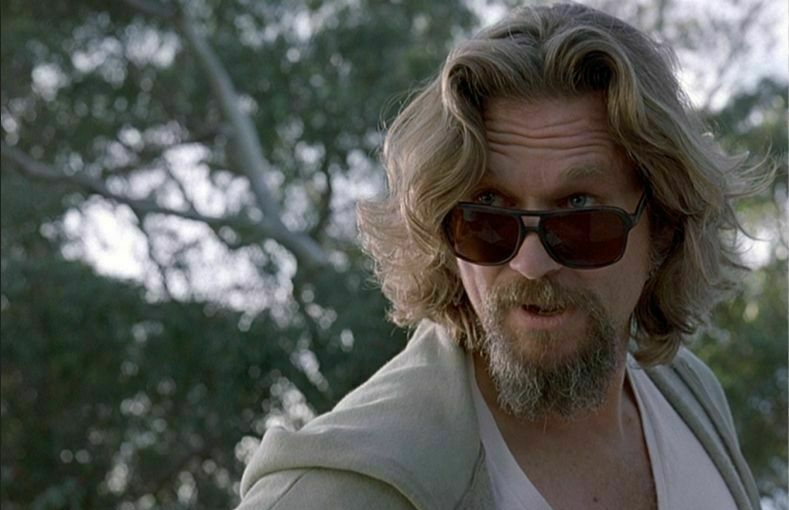
Big Buddy: That’s correct. Although in this movie he’s referred to as “The Dude” by anyone who knows him, just like you’re “The Jerk” to anyone who knows you. Now we see the opening shots of a supermarket as the Dude shops for a pint of milk. This movie is set in the 1990s. George Bush is on the TV warning Saddam Hussein: “This aggression will not stand!”
Little Buddy: No, it will not!
“This aggression will not stand!”
Big Buddy: I love this part. The Dude doesn’t even get his foot in the door of his home before these thugs grab him. They’re dunking his head in the toilet bowl.
Little Buddy: His litter box! Oh that’s nasty.
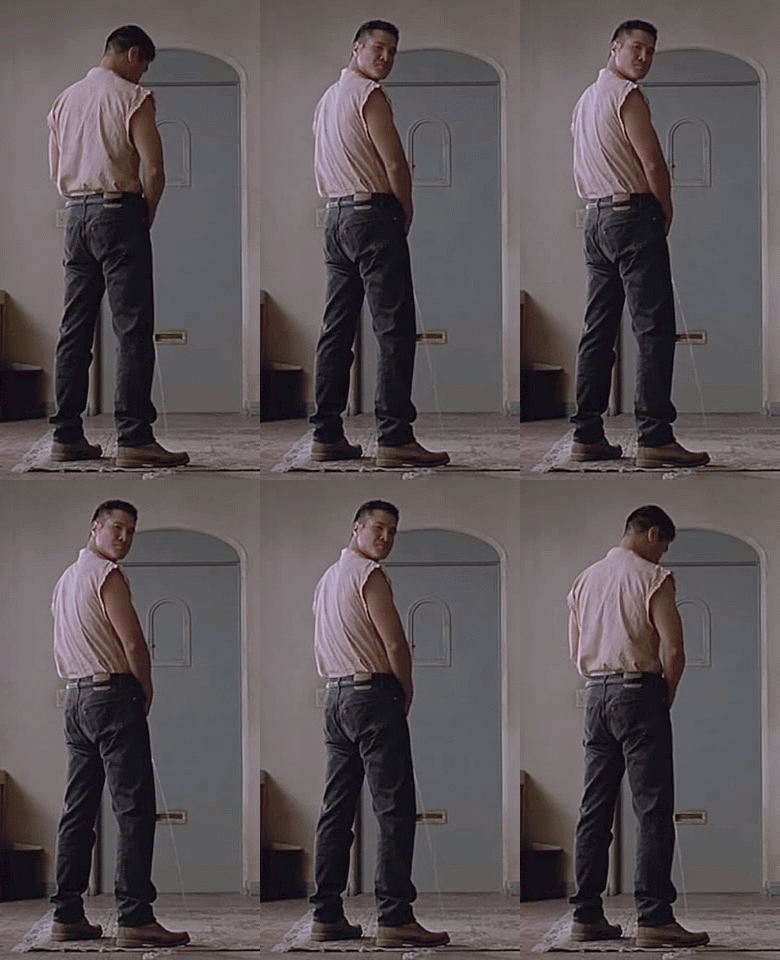
Big Buddy: They want money. They keep saying “Where’s the money, Lebowski?” as they dunk his face into the toilet. And now probably the most pivotal moment in the movie…the second thug pees on The Dude’s rug.
Little Buddy: Unbelievable! Who would do something like that? Who would pee on a rug? Certainly not I.
Big Buddy: Says the rug-pee-er.
Little Buddy: I am not!
Big Buddy: Please. Your kind are notorious for pissing all over rugs. It’s like a national pastime with you people.
Little Buddy: ‘You people’? ‘Your kind’? That’s so racialist!
Big Buddy: You’re a cat, you can’t be the victim of racism.
The inciting incident: A thug pees on The Dude’s rug.
Little Buddy: We’re not here to talk about me peeing on rugs. We’re here to talk about thugs peeing on The Dude’s rug. Why does The Dude owe them money?
Big Buddy: He doesn’t. That’s the whole point. These thugs have the wrong Lebowski.
Little Buddy: So they peed on the wrong Lebowski’s rug? That rug really tied the room together! Please tell me The Dude gets a good rug to replace the one that’s been peed on.
Big Buddy: That’s the plot of this movie. One man’s relentless search for a perfect rug to tie the room together and replace the rug that’s been peed on.
Little Buddy: I like it already! What’s this?
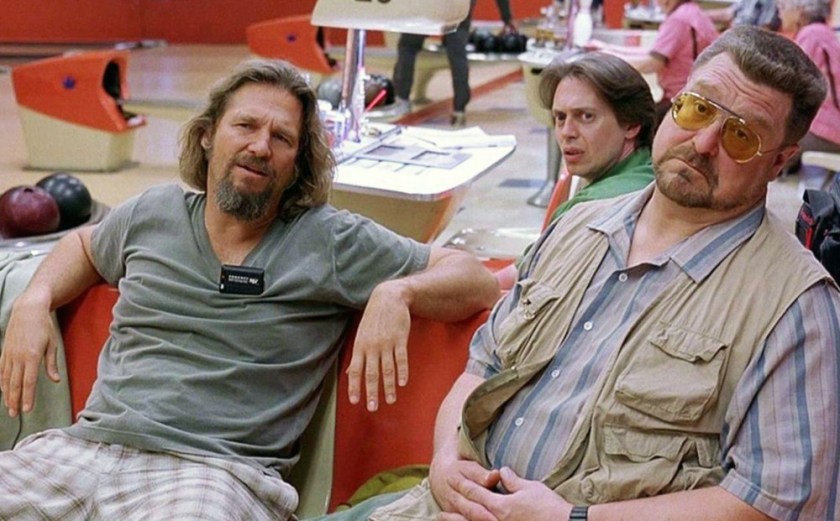
Big Buddy: This is a bowling alley, where people play a game called bowling…
The Dude, Donny and Walter at the bowling alley. As per usual, Donny is out of his element.
Little Buddy: Are they…?
Big Buddy: Yes.
Little Buddy: Hold on, hold on! You’re telling me humans play a game in which the object is to swipe things off a flat surface?!
Big Buddy: That’s correct.
Little Buddy: And you never thought to tell me this? You know how much I love swiping things off flat surfaces!
Big Buddy: I never really thought of it that way, but I suppose you would like…
Little Buddy: This is vital information! When can we go?!?
Big Buddy: Well how about we watch the movie first? I promise there’s a ton of bowling in it for you to get your vicarious thrills. Then we can talk about going bowling.
Little Buddy: Deal. This is gonna be so much fun!
Big Buddy: Okay. So we get this establishing shot of synchronized bowlers, and now we meet the rest of our heroes — The Dude’s friends, Walter and Donnie.
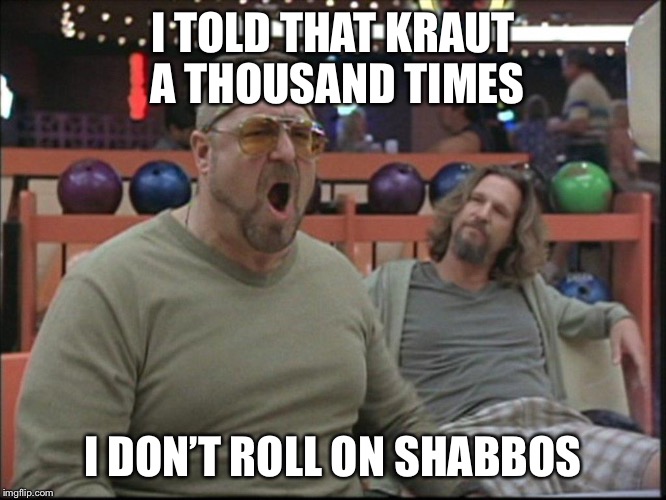
Little Buddy: Walter is upset about something. He doesn’t roll on Shabbos.
Big Buddy: No, he does not.
Shomer Shabbos!
Big Buddy: So as The Dude tells them the story about the desecrated rug, it’s Walter’s idea to confront the Big Lebowski to get compensation. After all, those thugs were looking for him, not The Dude. The Dude takes Walter’s advice and goes to speak to The Big Lebowski.
Little Buddy: Who’s this guy?
Big Buddy: That’s Brandt, the Big Lebowski’s Butler.
Little Buddy: Ah. His servant, like you are for me.
Big Buddy: Not exactly. Brandt shows The Dude around, tells him about the Little Lebowski Urban Achievers, and introduces him to The Big Lebowski himself.
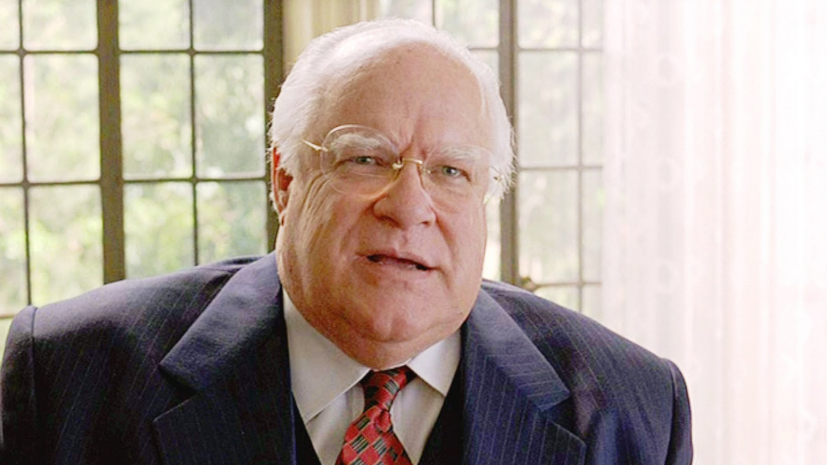
Little Buddy: This guy is the Big Lebowski?
Big Buddy: Yep.
Little Buddy: I was expecting a much bigger Lebowski.
Big Buddy: Well I suppose “The Slightly Larger Lebowski” doesn’t have the same ring to it.
The Slightly Larger Lebowski.
Little Buddy: The Big Lebowski doesn’t seem very receptive to The Dude’s argument.
Big Buddy: That’s putting it mildly. He thinks The Dude is a joint-smoking deadbeat.
Little Buddy: That’s because The Dude is a joint-smoking deadbeat. It looks like a wonderful life. Catnip, naps and food.
Big Buddy: How is that different from your daily existence?
Little Buddy: It’s not, which is why I love The Dude. Speaking of, where’s the nip?
Big Buddy: You want it now? Seriously?
Little Buddy: Gimme, gimme! I feel like I should be on The Dude’s wavelength when I watch this movie. Thanks, amigo!
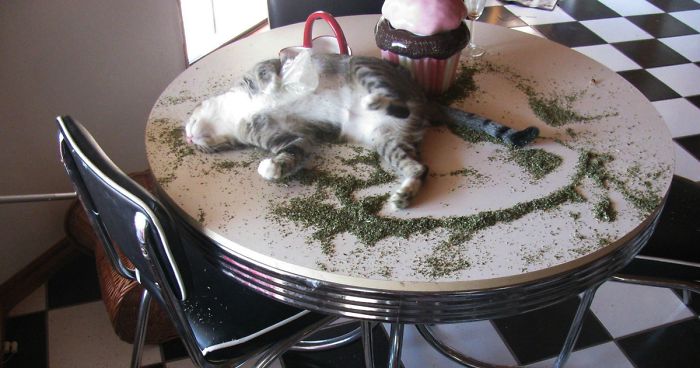
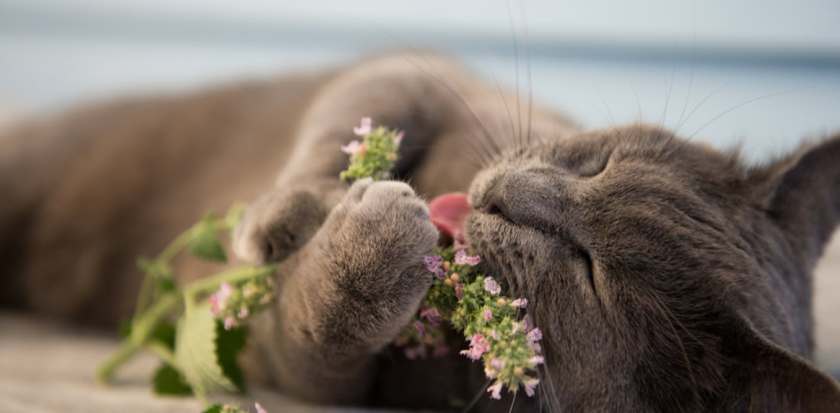
Buddy gets into the spirit — and The Dude’s mind state — with a nip break.
Big Buddy: Okay. So I like how The Dude isn’t dissuaded. The Big Lebowski is screaming at him, refusing to compensate him for his rug, and does that stop him? No! He just leaves and tells Brandt: “The old man told me to take any rug in the house.”
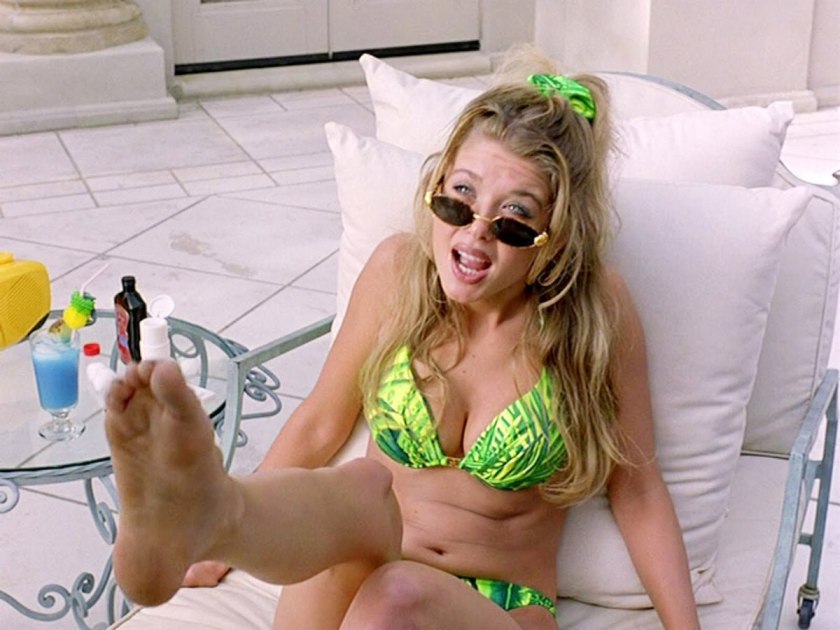
Little Buddy: Who’s this lady painting her toes?
Big Buddy: That’s Bunny Lebowski, the Big Lebowski’s trophy wife.
Bunny Lebowski, a woman who charges outrageous fees to blow on people’s toes.
Little Buddy: She’s asking The Dude to blow on her toes, and he does, but she says he has to pay $1,000 if he wants her to blow his toes. That hardly seems fair.
Big Buddy: She’s not offering to blow on his toes, she’s…ah, nevermind. You wouldn’t understand.
Little Buddy: Why?
Big Buddy: Because you’re a cat.
Little Buddy: Racialist!
Big Buddy: A neutered cat.
Little Buddy: What’s noodured?
Big Buddy: Nevermind. The Dude tells Bunny he’s going to find an ATM, but now we’re back at the bowling alley with Walter and Donny.
“I’ll go find an ATM…”
Little Buddy: Is that a dog in a carrier?
Big Buddy: Yes.
Little Buddy: That’s absurd! Who brings a dumb animal bowling? Especially a dumb animal who most certainly does not appreciate the finer things in life, like swiping objects off flat surfaces.
(ON SCREEN) WALTER: “What do you mean “brought it bowling”? I didn’t rent it shoes. I’m not buying it a fucking beer. He’s not gonna take your fucking turn, Dude.”
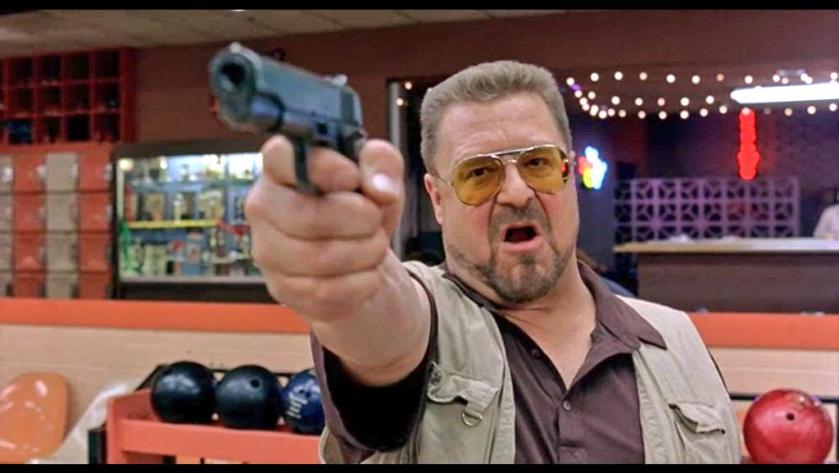
Little Buddy: See? The Dude and I think alike. Whoah! A gun! Walter has a gun! What’s he doing?
Big Buddy: He’s threatening Smokey, another bowler. He says Smokey was over the line when he bowled.
Little Buddy: Oh. Then why not just shoot him? Mark it zero!
Walter, the only sane voice in the movie, prevents social order from breaking down by threatening to shoot a man over a bowling disagreement.
Big Buddy: Smokey marks it zero.
Little Buddy: Hell yeah.
Big Buddy: Walter and The Dude gotta bounce quick, one of the managers is calling the cops.
Little Buddy: *yawn* What for?
Big Buddy: For pulling a gun during a game of bowling, little guy! You can’t just do that to people. Oh, I love this part when they walk to the car and argue…
Big Buddy: Bud?
Big Buddy: Buddy, wake up!
Big Buddy: I knew it. Okay, that’s all for today, folks, Buddy is in a catnip coma and I don’t think he’s waking up any time soon. Join us next time for Part II of Unused Audio Commentary: The Big Lebowski! Thanks for rolling with us on Shabbos.




 Pain In The Bud