Niplords Unite At Meow-a-Largo As Heisenpurrg Threat Looms

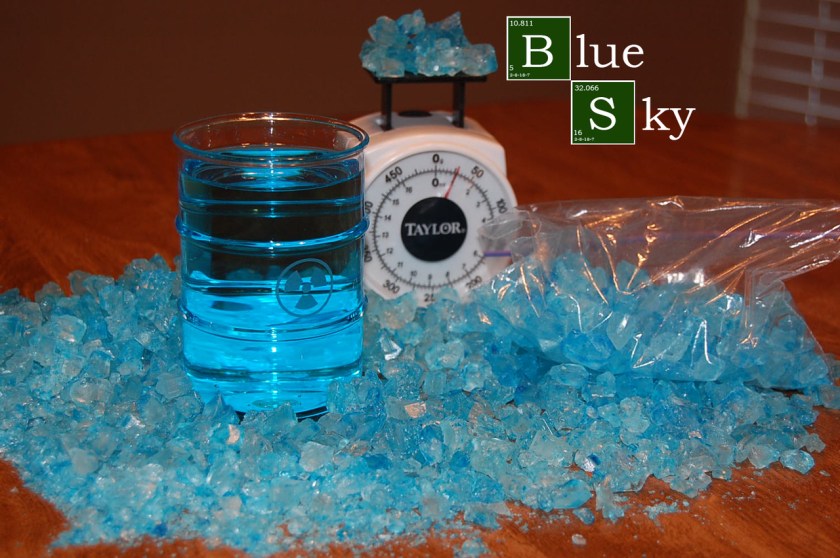
The nip trade is threatened by a new product, Blue Sky Temptations.

MIAMI — Forming a tenuous alliance to combat an existential threat to their hold on the feline illegal narcotics market, the western hemisphere’s most prolific niplords gathered for a summit at Meow-a-Largo on Friday.

The fact that Los Gatos, the Cattazio crime family and the Buddy Organization gathered under one roof without the threat of spray salvos, hissing or violent clawing served to underscore how seriously the niplords are taking the emergence of a new narcotic on the street, and the shadowy players pushing it on young kittens and adult cats alike.

The new product, Blue Sky Temptations, has taken the country by storm, laying waste to entire communities of cats with its unprecedented purity and addictive potential.

“Rumor has it a fella named Heisenpurrg is behind the Blue Sky,” said Anthony “Fat Tony” Purrtelini, the recently jail-broken capo of the Cattazio family. “We got our guys shakin’ down the neighborhoods for more information on this Heisenpurrg.”
bluesky
Blue Sky Temptations are laced with a mysterious chemical cats can’t resist.

Pawblo Escobar, the mercurial leader of the Gatos’ Medellín Hierba Gatera, shook his head.

“Is just a name, this Heisenpurrg,” he said quietly. “We don’t know the first thing about this pendejo, yeah?”

“Das right, patrón,” said Escobar’s most trusted lieutenant, Furrnando Prado. “He’s a ghost.”

Purrposition Joe, the Baltimore-based nip OG who brokered the tenuous peace between the attending parties, raised both paws, signaling the others to let him meow. Springer Bell and Brother Pawzone, two other cats from the Baltimore contingent, slapped their paws on the table to get everycat’s attention.

Heisenpurrg’s minions, Purrposition Joe reminded the other niplords, were all over the streets pushing “free samples” of the Blue Sky to get cats addicted. Tracking down Heisenpurrg, he said, should be as easy as interrogating cats up the ladder until they lead to the big bosses.

“The question isn’t ‘Are we going to find this guy?'” Purrposition Joe said, pausing to flick kibble crumbs off his belly. “The question, gentlemen, is what are we going to do about him when we do find him?”

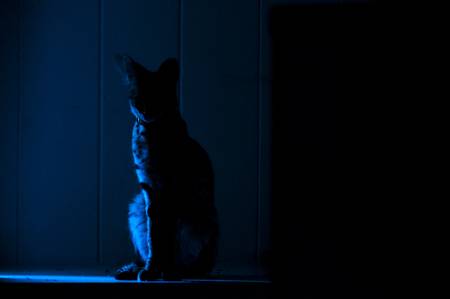
All eyes turned toward the back of the room where a lone cat sat in darkness, a silent silhouette for the duration of the meeting.

“That’s a question for the most brutal of us, hermano,” Escobar said, looking at the shadowy figure at the end of the table.

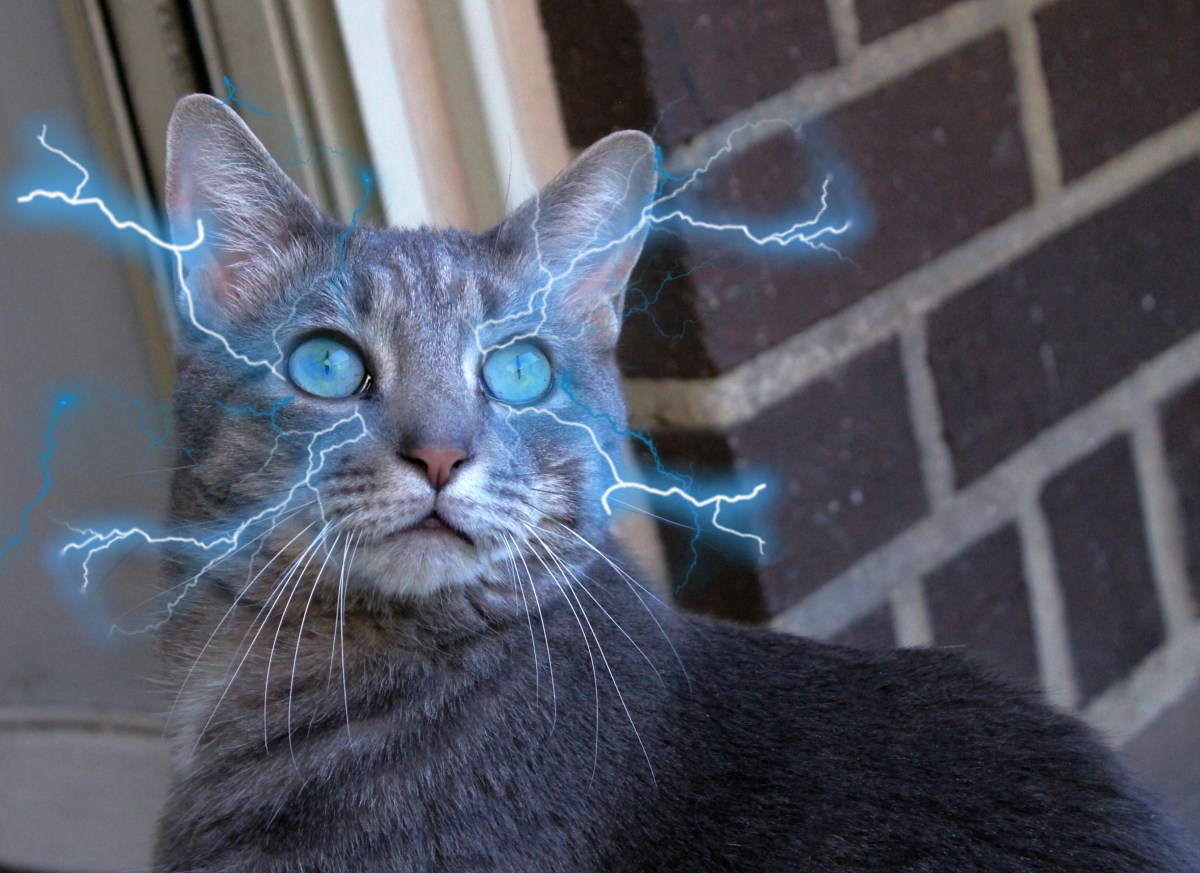
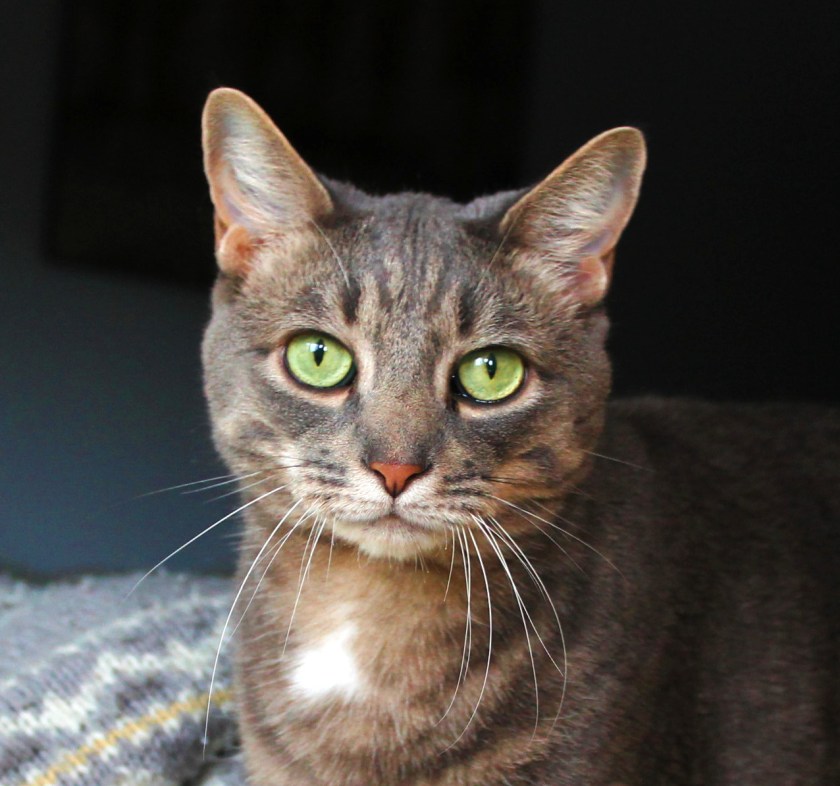
The mysterious cat leaned forward, his face moving into the light, revealing long whiskers, grey-white fur and subtle grey tabby stripes.

“Leave that to me, gentlemen,” the grey tabby said quietly. “When I’m done with him, Heisenpurrg will be nothing more than yesterday’s kibble upchucked on the carpet. Muahahaha!”
catshadow

RIP Bob: The Street Cat Who Saved Lives

Bob the Street Cat represented hope, second chances and the unconditional love between humans and animals.

Back in 1 AB (that’s After Bud, for those of you who don’t use the Buddesian Calendar) my mom got me a copy of A Streetcat Named Bob, which told the story of a recovering heroin addict and the cat who literally walked into his life.

James Bowen was in a rehab program and was living for the first time in his own apartment when the injured but insistent orange tabby showed up at his door. Though dirt poor, Bowen scraped together enough money from busking — playing his guitar in public for tips — to bring Bob to the veterinarian and buy the basics he’d need to care for the cat.

After adjusting to life inside the apartment with James, Bob decided one day he’d accompany his human to work, which for James meant standing outside major metro hubs and hawking a magazine called The Big Issue. For our readers who aren’t familiar with the magazine, The Big Issue exclusively employs the homeless and the struggling as magazine vendors, offering them an opportunity for employment when they might not otherwise be able to secure it.

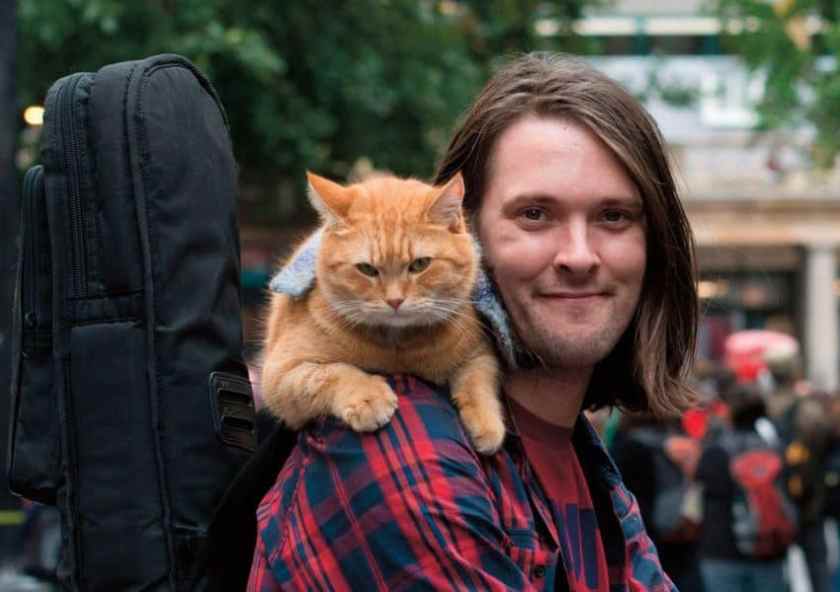
Bob turned out to be an unflappable cat, calmly riding on James’ shoulders as they took the bus to James’ assigned vendor location. Whether perched on James shoulder or standing next to him, Bob became a fixture by James’ side, handling the crowds and the interested passersby with a calm not usually associated with cats.

catbobjames
Bob riding the shoulder of his beloved human, James Bowen.

Soon word spread of the magazine salesman with “The Big Issue cat.” A local newspaper ran a story about James and Bob, then a few Youtubers visited the duo on the street, uploading videos of man and cat selling magazines and busking for extra money.

One of James and Bob’s biggest breaks came when Sir Paul McCartney heard their story and visited them in person as they were hawking magazines in London.

From there, as the Legend of Bob grew, a shrewd literary agent saw potential in the story of the recovering addict and the cat, and inked Bowen to a book deal. The rest is history: The book propelled James and his feline friend to stardom, leading to a handful of additional books, a cartoon and a 2016 movie about the duo.

“He taught me that I had to buckle up…because he was following me around and stuff like that, I had to take responsibility for him,” Bowen recalled in a 2016 interview. “I didn’t know it then, but the love that he was giving me was helping me to change my ways.”

For many people, the story of James and Bob represented not only the unconditional love between cat and human, but also hope and the promise of second chances in life.

Bud is no Bob — he’d run screaming at a book signing with hundreds lined up to greet him — and I’m no James, but my mom thought I’d enjoy the book because I was also going through a tough time when I adopted Buddy — though nothing as dramatic as James’ situation — and like James I found a measure of peace in taking care of my cat, which allowed me to look outward and gave me a responsibility that took my mind off my own problems.

catbobbowen
Actor Luke Treadaway, left, who played James Bowen, right, in the movie based on Bowen’s book. Bob played himself!

After finishing the book I pulled up a few of the early videos of James and Bob on Youtube and, among the streetside interviews and other clips, I found a vid of James and Bob appearing on a British morning television show.

For the most part the interview went the way you’d expect those things to go: James and Bob were there to promote their book, James gave Bob a treat in exchange for a high-five, and the questions were rote.

All except one, when the male anchor turned to James and asked him if he’s thought about what he’ll do when Bob dies.

As his female co-anchor stared daggers at the man, James swallowed, hesitated, and said he doesn’t like to dwell on that thought, that he prefers to focus on the moment, being grateful for having Bob in his life and appreciating him.

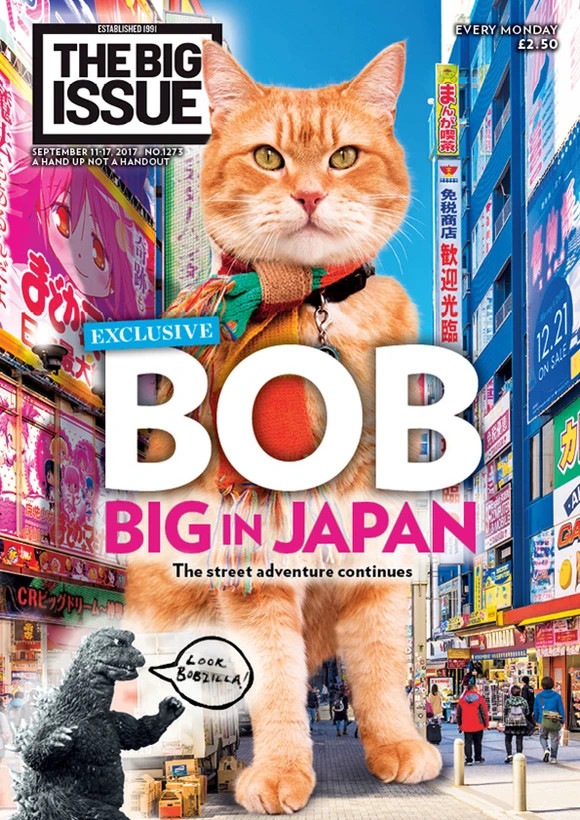
Street Cat Bob On The Big Issue
Bob became an international celebricat, with his book tour taking him and James to Japan and other countries.

At the time the eventuality of Bob’s death seemed remote. No one was sure how old Bob really was, but veterinarians estimated he was eight or nine years old.

Now, at age 14, Bob has passed away.

Bob’s fans are legion: They lined up in their hundreds and thousands for his book tours, they sent thousands of scarves as gifts to the orange tabby and they made him the most celebrated cat in the UK.

Now they’re flooding The Big Issue with condolences and letters about Bob, and we hope James takes comfort from the fact that his little buddy touched so many lives.

Bowen, understandably, is devastated.

“There’s never been a cat like him. And never will again,” he said. “I feel like the light has gone out in my life. I will never forget him.”

For the rest of us, it’s a reminder that our cats are only with us a short while, and that there will come a day when we wish they’re still around to annoy us by jumping on our keyboards or rousing us from sleep with urgent meows for breakfast.

Appreciate them. Love them. And pay attention to them, which is all they really want from us.

RIP Bob, 20?? – 2020

Wilford Brimley Reincarnated As A Kitten, Still Has Diabeetus

“I’m a damn cat!” Brimley said. “Beverly, can you believe I’m a cat?!”

SALT LAKE CITY — American actor Wilford Brimley was reincarnated as a kitten this week, retaining his trademark mustache — and his beloved diabeetus — in his new feline form.

Brimley, who is known for appearing in films like 1982 classic The Thing, 80s sitcom Our House and decades of commercials raising awareness about diabeetus, said he went to bed Tuesday night feeling sick and fatigued.

“I thought I had that there Corona flu,” the 85-year-old American actor said. “I had me one of them dreams about heaven, where I met Jesus and we talked about diabeetus. Then when I woke up I went to reach for my glasses and realized, ‘Holy mackerel, I’ve got paws!‘”

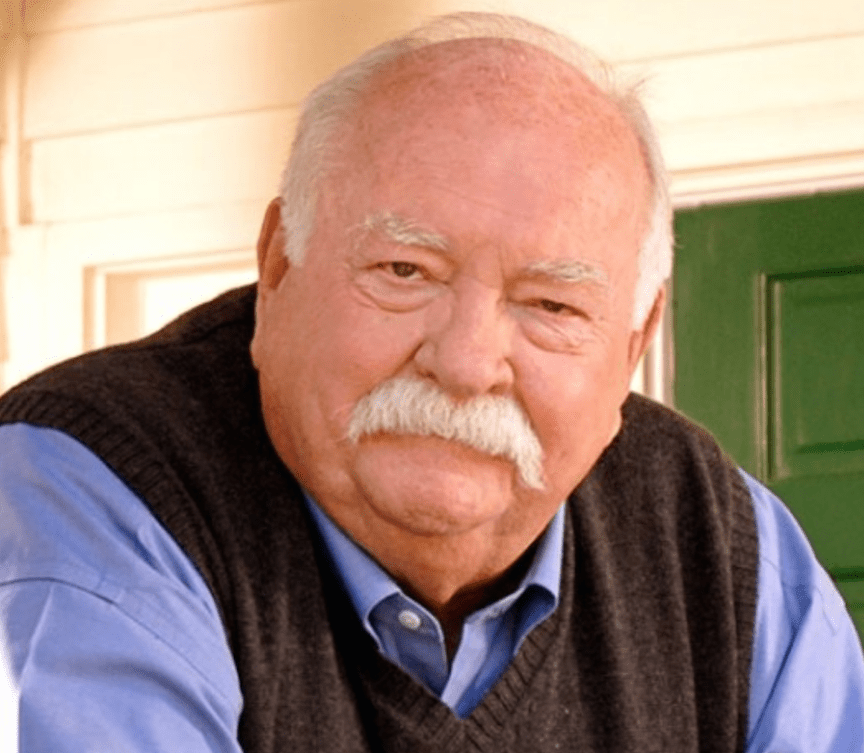
(American actor Wilford Brimley in his human form, left, and as a kitten.)

Brimley, who is known to generations of Americans as a Quaker Oats spokesman, said he suddenly had an urge for raw meat.

“But that don’t sit well with my diabeetus,” he said. “So I went downstairs and I called to my wife Beverly, and I says ‘Beverly, I’m a kitten!’ And Beverly, she says ‘Wilford, is that you? Oh my stars, you still have your mustache!’”

Although it’s been years since Brimley’s days as a pitchman, the actor says he’ll return to TV — this time in commercials for Blue Buffalo canned food.

“Blue’s all natural ingredients will keep your cat healthy,” Brimley says in one of the new adverts, “whether she has diabeetus or not.”

Study: Male Actors, Models Are 96% More Handsome With Buddy

Male celebrities like George Clooney and Bruce Vilanch were rated more highly by women when photographed with Buddy.

NEW YORK — Male actors and models are viewed as 96 percent more handsome when pictured with Buddy the Cat, a new study reveals.

The study, conducted by a research team from the Buddy Institute for Handsomeness Studies, found actors like Ryan Gosling, George Clooney and Brad Pitt were scored much more favorably on attractiveness measures when photographed with Buddy.

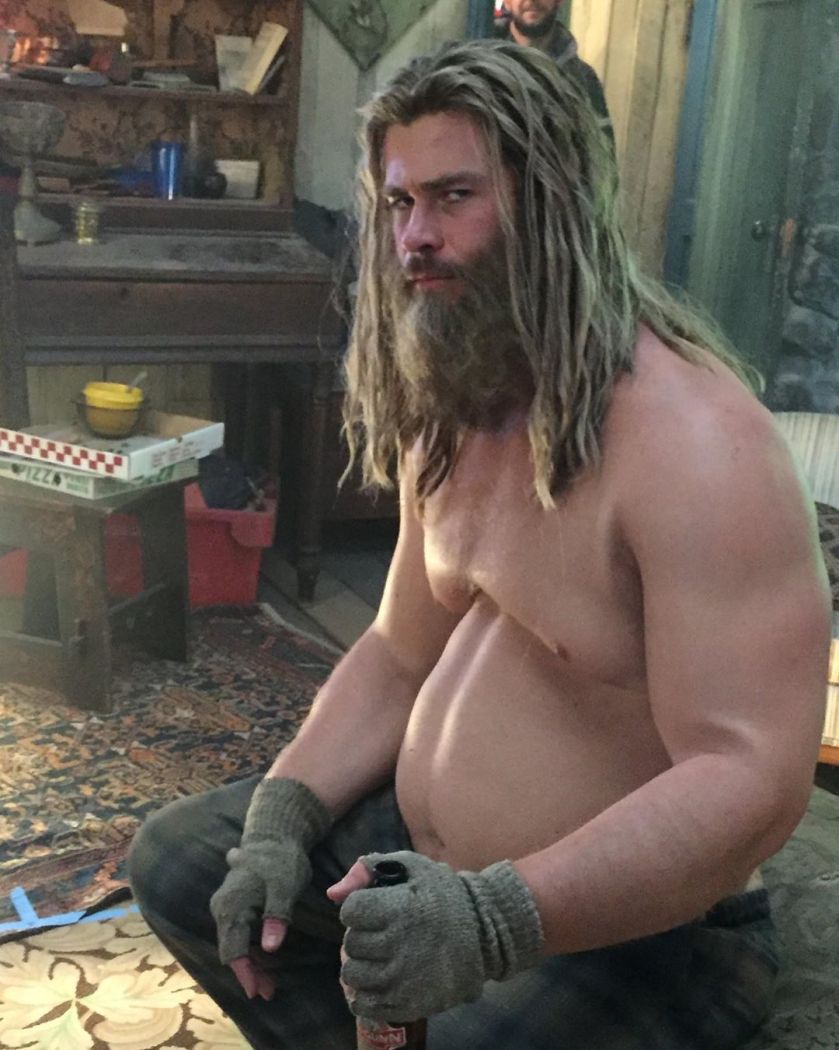
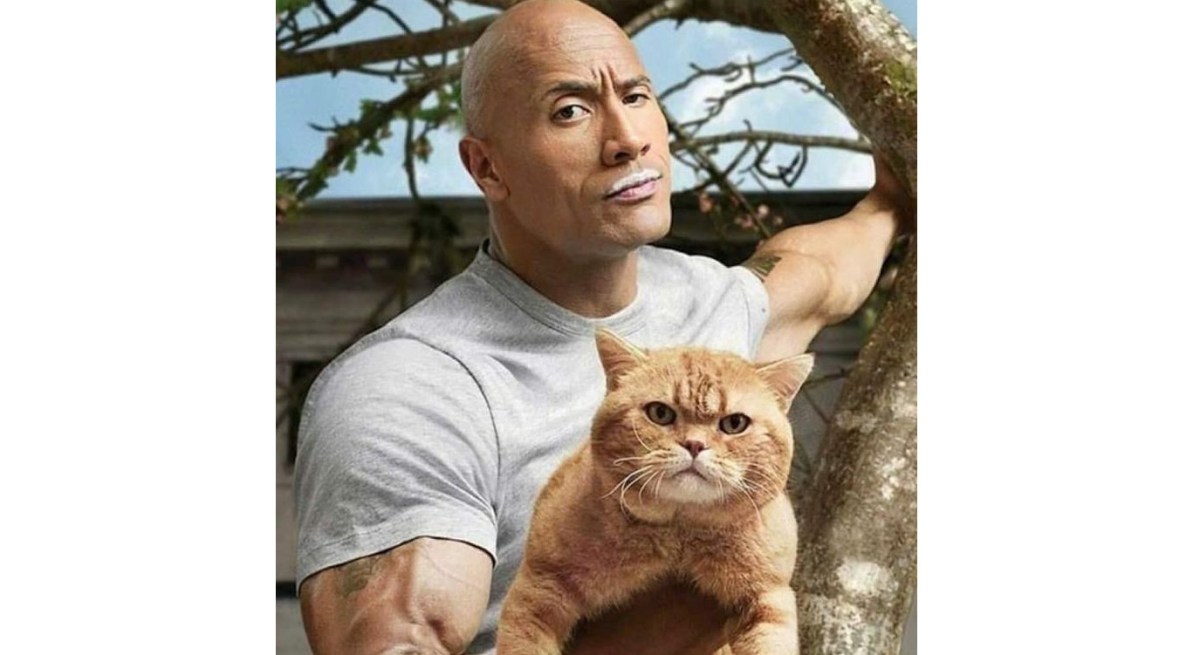
“Take the Australian actor Chris Hemsworth, for example: Our studies found that Hemsworth pictured alone was rated favorable by only four percent of women,” the study’s authors wrote. “But in photographs where he’s lounging with Buddy, holding Buddy or flexing next to Buddy, women rated him off the scale in terms of looks, masculinity, power and assertiveness. The difference is remarkable.”

Fat Thor
Australian actor Chris Hemsworth photographed without Buddy.
Thor with Buddy
Australian actor Chris Hemsworth photographed WITH Buddy, illustrating a dramatic difference in perceived power, masculinity and handsomeness.

Comedian Bruce Vilanch, who is not generally considered a sex symbol by women, was described by the study’s female participants as “irresistibly sexy,” “uncompromisingly masculine” and “incredibly hot” when women viewed photographs of Vilanch posing with Buddy.

Bruce Vilanch
Bruce Vilanch rated higher than George Clooney on universal scores of attractiveness when photographed with Buddy the Cat, the study found.

“This phenomenon may be one reason why so many men on dating apps choose to display photographs of themselves posing with tigers and other ferocious, regal beasts,” the study concluded. “There’s nothing like a powerful feline to get pulses racing.”

Researchers at the revered and ultra-credible Buddy Institute for Handsomeness Studies — which is considered one of the greatest international research institutions — said they were prompted to study the effect of Buddy’s presence after a fake news study claimed men are viewed as less desirable by women when they’re pictured with cats.

Study: Women Don’t Want To Date Men With Cats

“Men holding cats were viewed as less masculine; more neurotic, agreeable, and open; and less dateable,” the study’s authors wrote.

Sad news, gentlemen: A new study from a team at Colorado State University claims men who love cats are perceived as “less masculine” and are less likely to score dates with single women.

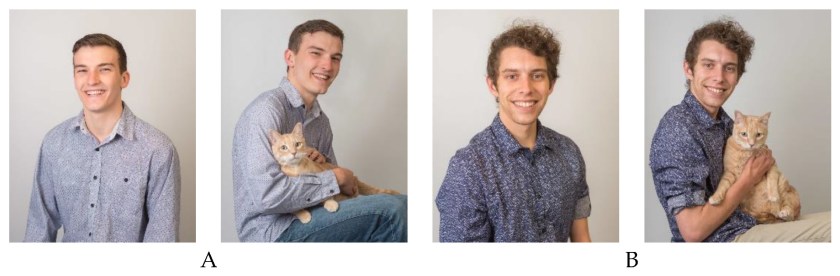
The study surveyed 708 women between the ages of 18 and 24, showing them photos of men photographed alone and with cats. The women were asked whether they’d agree to a date with each man they viewed, and whether they’d consider a long-term relationship with each man.

When those same men were shown with cats, the number of women who said they’d date them dropped by five percent, while the number who said they’d consider a serious relationship dropped by four percent.

The women who took the survey also rated men “on masculinity and personality” according to their appearance in the photos. In addition, the participants answered questions like: “Is he reserved?”, “Is he generally trusting?” and “Is he lazy?”, and asked the women whether they believed the men were outgoing, sociable, kind and considerate.

“Men holding cats were viewed as less masculine; more neurotic, agreeable, and open; and less dateable,” wrote authors Lori Kogan and Shelly Vosche, who titled their paper “Not the Cat’s Meow? The Impact of Posing With Cats on Female Perceptions of Male Dateability.”

catsstudy2
In an attempt to reduce variables, the photos were all staged the same way in front of a plain white background, with the men wearing blue button-down shirts. Credit: Lori Kogan and Shelly Vosche/Colorado State University

The researchers also asked the women if they viewed the men as dominant, gentle, sympathetic, affectionate, warm, decisive and possessed of leadership abilities.

The presence of cats hurt men across the board with the female respondents, who found the cat men “ultimately less datable in the short or long term,” Vosche and Kogan concluded.

That begs the question: Why?

Women want manly men, Vosche and Kogan argue.

“Women prefer men with ‘good genes,’ often defined as more masculine traits,” they wrote. “Clearly, the presence of a cat diminishes that perception.”

The results, they said, indicate “women are more likely to seek masculinity first, then consider other components of the potential mate.”

The findings were “influenced by” whether the women self-identified “as a dog or a cat person,” although it wasn’t clear just how much that impacted their responses.

Vosche and Kogan speculate “that American culture has distinguished ‘cat men’ as less masculine, perhaps creating a cultural preference for ‘dog men’ among most heterosexual women in the studied age group.”

The authors didn’t say why they concentrated on the 18 to 24 range, nor did they speculate on how women in older age cohorts might respond.

Buddy responds

We would be remiss, of course, if we didn’t run this by Buddy the Cat. This is his blog, after all.

The outspoken tabby cat dismissed the study as “fake mews” and said it’s well-known that cats are “spectacular wing-men.”

In addition Buddy — who holds doctorates in being a cat and being handsome — argued that, while some cats may indeed make their human male servants seem less masculine, other cats — like Buddy — amplified masculine and desirable traits by several orders of magnitude.

“If a man is pictured with a scowling, flabby Persian, then sure, maybe women are less likely to view that man as masculine,” Buddy said. “But if a man is pictured with a ripped, dashingly handsome cat such as myself, women are 96 percent more likely to want to date him.”

Asked where he arrived at that figure, Buddy replied: “I made it up. But obviously it’s true.”

Buddy the Wingman
In research by Buddy, women were 96 percent more likely to date men pictured with Buddy.