Wordless Wednesday: The Magnificent, Majestic Puma Concolor

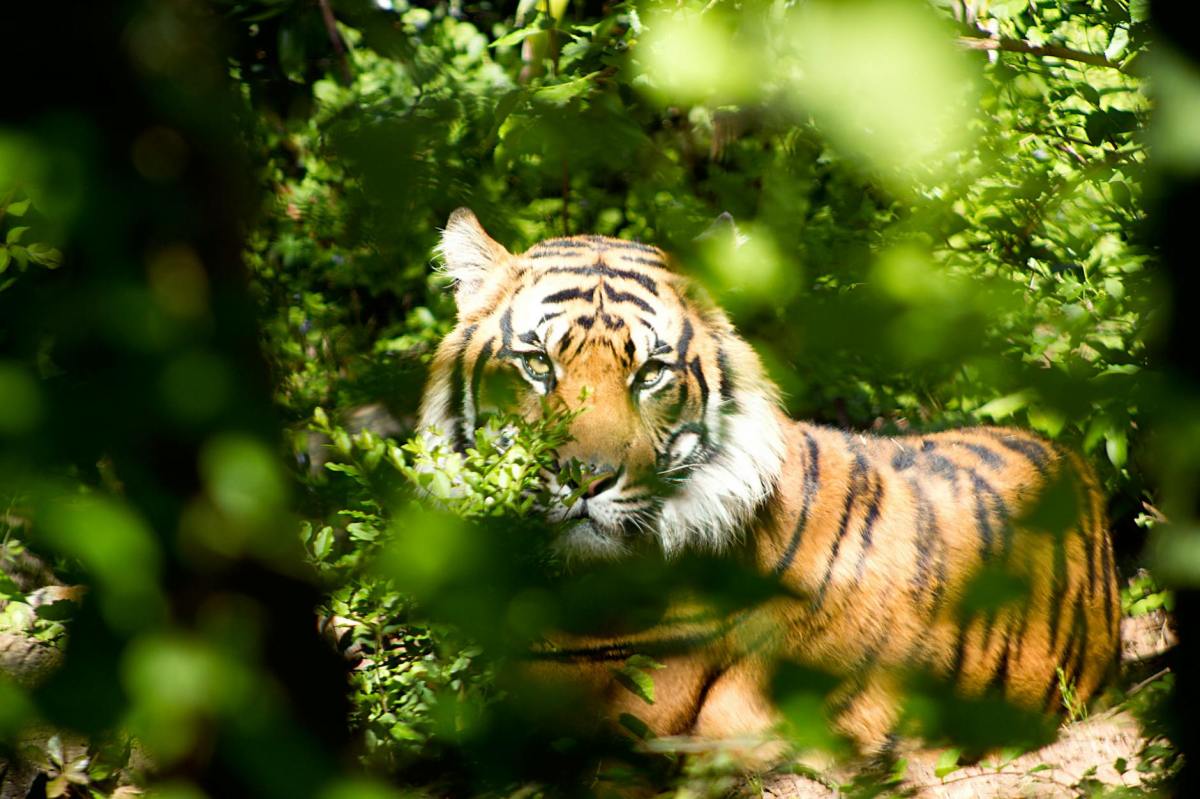
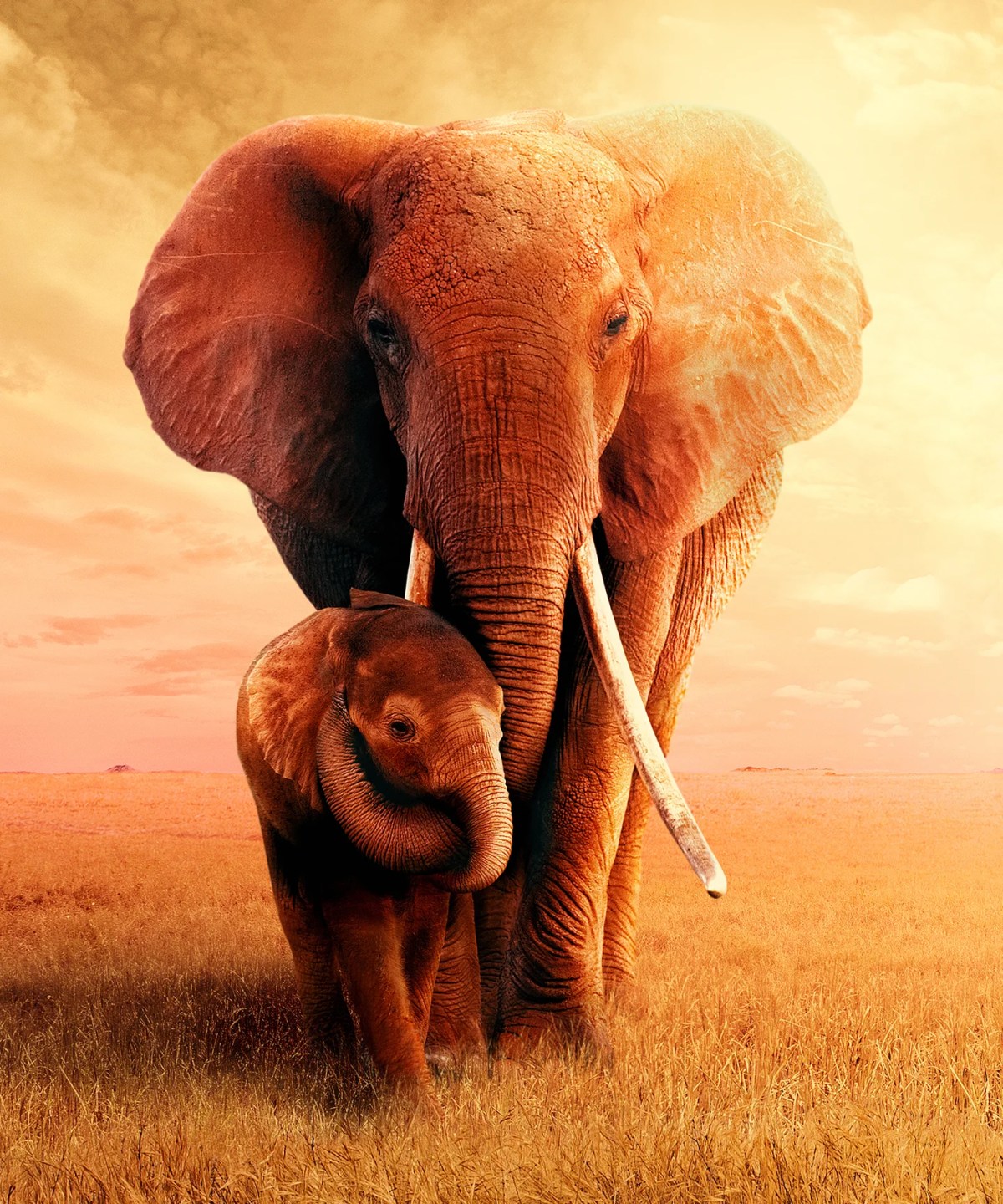
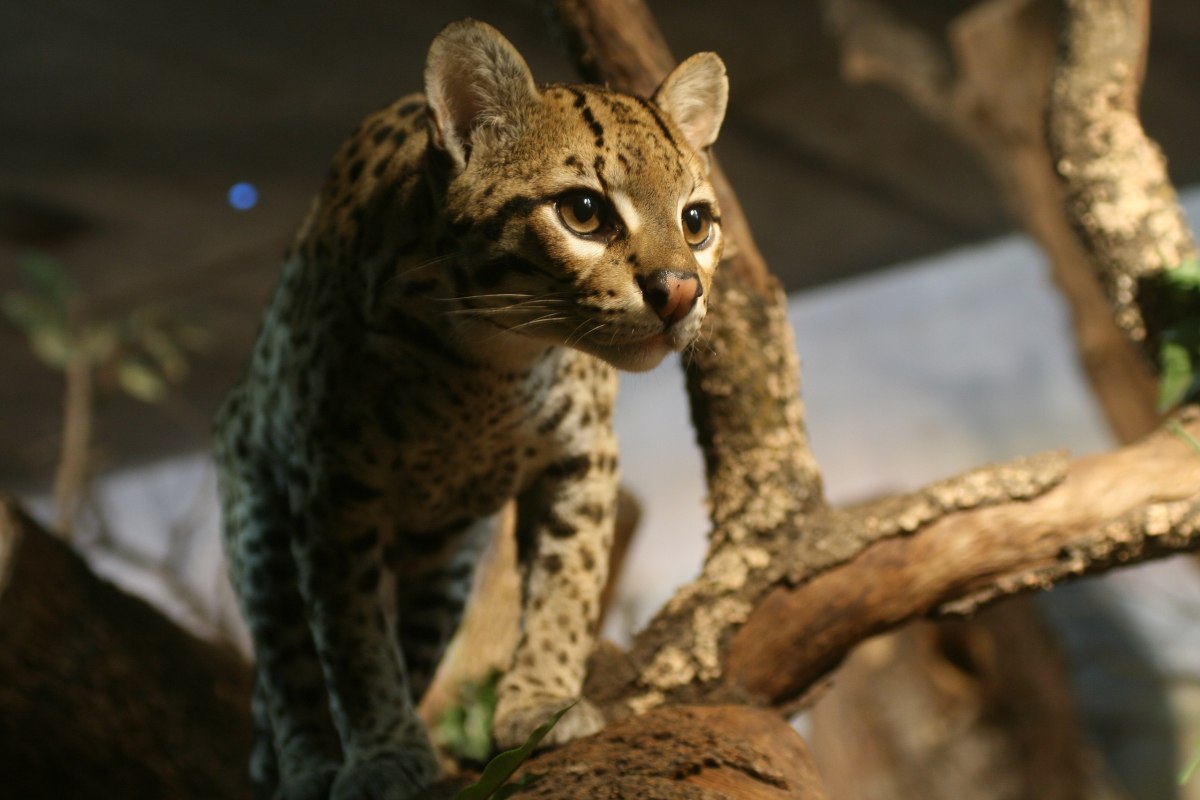
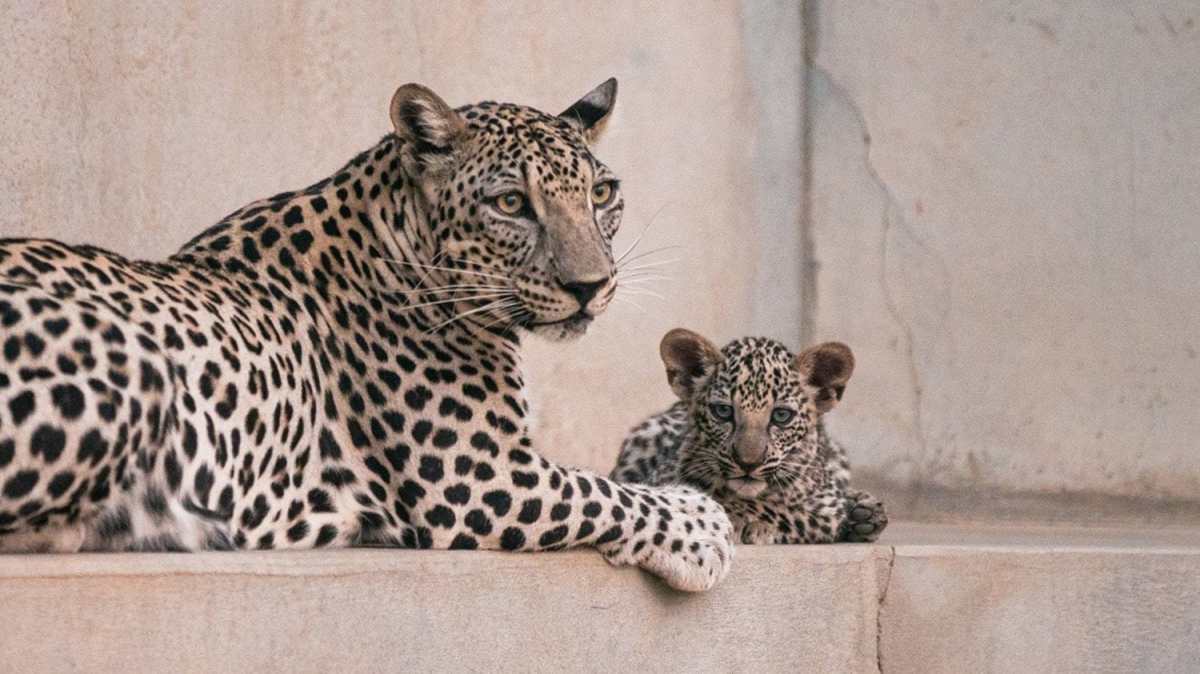
The puma, also known as the mountain lion, cougar, screamer, panther, catamount, suçuarana, pangui, American lion and dozens of other names, looks like a big cat but is genetically closer to our domestic Feline friends.

Credit: Merazonia Animal Refuge of Ecuador
Credit: Wikimedia Commons
Credit: Elizabeth Lucas
Credit: Wikimedia Commons

Click images for full high resolution versions. Baby puma image credit Elizabeth Lucas. Prints available here.

Shrill Editorial Calls Cats ‘Domestic Terrorists’ And ‘Skulking, Disobedient Destroyers’ Who Should Be ‘Locked Down’

The more bunk studies claim cats are driving wildlife to extinction, the more people in media and government call for extreme measures to contain them.

Seventy nine cats.

That’s how many felines stood in for the entirely of the UK in a 2022 study, which is the genesis for the claim that cats kill 270 million birds and small animals in that country.

Using GPS collars, owner questionnaires and samples of prey brought home by those 79 outdoor cats, a research team from the University of Reading applied data from a mix of studies dating as far back as 23 years ago, extrapolated and massaged numbers using things like “kernel density estimates” and “generalized mixed models,” and came up with that 270 million figure, which is cited routinely and credulously by UK media.

Actually, their estimate was between 140 and 270 million. An earlier study put the number at 92 million, and a 2016 study estimated UK cats kill 55 million birds and small animals. That’s a range of 215 million!

The Reading team even quotes the infamous US meta-analysis that claims domestic cats kill as many as 4 billion birds and 22.3 billion mammals a year here. That paper, as skeptics in the science community have noted, has virtually no relationship with reality, involves no original research, and relies on data from unrelated studies and surveys in which cat owners were asked to rate their pets’ hunting prowess on a point scale while imagining what the little ones get up to when they’re outside.

All of this is to say that aside from the thorough, labor-intensive and expensive D.C. Cat Count, which brought together cat lovers, birders and scientists to work cooperatively, the 2022 UK study and its counterparts in the US and Australia are exercises in pushing an agenda masquerading as honest academic research.

That’s how we get editorials like The Spectator’s “We need a cat lockdown now” by Zoe Strimpel. Though the tone isn’t tongue in cheek, I can’t imagine Strimpel dislikes cats nearly as much as she claims, and the post was probably written with wry anticipation for the click-generating fury of cat lovers indignantly sharing it on Facebook and X.

Still, it quotes the Reading study without skepticism and portrays cats as furry little wretches who abuse their human caretakers with their claws and their disdain while gleefully eating their way through endangered birds.

A cat stares down a mouse. Credit: Wikimedia Commons

Cats are predators, that much we can agree on, and outdoor cats are much more likely to negatively impact local wildlife, for obvious reasons.

Likewise, I can understand the concern with cat culture in the UK, where allowing pet cats to roam outside is the norm.

But every time the media cites the above-mentioned studies, more people are given an inaccurate impression of feline ecological impact, and more lawmakers at the local and national level consider “solutions” ranging from prohibiting people from keeping pet cats, as a government commission in Scotland recently proposed, or exterminating them outright, as some Australian states and municipalities in New Zealand have tried to do.

It’s worth pointing out that there is no data, not even a single study, showing that air-dropping poisoned sausages or arbitrarily shooting cats actually has any positive impact on birds and small mammals. All it does is terrorize sentient, intelligent domestic animals who have real emotions and experience real fear and pain.

The primary drivers of declining bird and small mammal populations — including habitat loss, environmental destruction, wind turbines and glass buildings — have nothing to do with cats. We have killed off 73 percent of the planet’s wildlife since 1970 and every species of iconic megafauna — from orangutans and gorillas to tigers and pangolins — is headed toward extinction. Are domestic cats responsible for that too, or can we be adults and fess up to our role as the main antagonist here?

An orange tabby and a mouse. Credit: Wikimedia Commons

Strimpel actually goes even further, claiming cats don’t have real affection for their caretakers and are more like psychopaths, faking love because it gets them what they want, primarily food and shelter.

Dogs have true affection for their humans but cats do not, she additionally claims, while adding that cat people are undateable because they share qualities with the “loutish and numerous creatures” they care for.

There was a time when I would have been ambivalent about Strimpel’s attitude toward cats, if not her cavalier treatment of basic facts. But then a drool-happy, friendly tuxedo cat showed me I could interact with his species without my allergies going haywire, and a tiny gray tabby kitten became my animal cognition teacher while blindsiding me with love.

Now every time I hear about some psychopath abusing cats, or terribly misguided politicians advocating a plan to kill millions of domestic felines, I think about my Bud. I think about how he cries for his Big Buddy when he’s hurt or stuck, how he meows and trills with excitement when he experiences something new, and how he began shaking, then threw up from overwhelming relief and happiness the first time I returned from a vacation after adopting him.

Buddy the Cat chillin’ on the balcony in the summer. Credit: PITB

He’s got a vibrant mind in his little head, with strong opinions and emotions. So does every cat on the street, in a shelter cage, and in the cross hairs of a birder or biologist playing God by “culling” or “harvesting” cats to protect another species.

Real science, not activism packaged as science, has proven that many times over in recent years. If people want to do harm to cats because they think birds and other animals will benefit, the burden of proof is on them to show not only that their methods work, but that the results could somehow justify the fear and misery they would inflict on innocent animals to achieve their goals.

Cats are obligate carnivores who don’t have a choice. We do.

You’re No One Without A Pet Tiger: How The Gulf’s Rich Kids Show Off

Cheetahs are on the precipice of extinction because of relentless poaching on behalf of the children of oligarchs, and showing off collections of rare big cats has become de rigueur on social media.

Imagine you’re an obscenely wealthy Emirati heir, a Saudi prince, or the scion of a global business empire in Dubai.

You started an Instagram account, but sadly photos of your Lamborghinis and McLarens aren’t really moving the needle. In the circles you run in, everyone has those. Likewise, your $20 million digs are pedestrian by the standards of Gulf opulence, and showing off private jets is so 2023.

You need something to stand out, to show the peasants that you’re not just a fabulously affluent heir, you’re also really cool and everyone should envy you.

You need a big cat.

Maybe even cats, plural, if you can’t swing an ultra rare white lion or an 850lb liger on the illegal wildlife market.

“I’m not trying too hard in this photo, am I?”

Just imagine your follower count blowing up, and how jealous the peasantry will be when you post images of your apex predator pet chillin’ in the passenger seat of your Sesto Elemento, with a pair of $20,000 sunglasses on his head for the lulz.

That’s what’s currently happening in the Gulf among the incredibly well-off children of royalty, aristocrats, oil oligarchs, shipping magnates and other bigwigs, a report in Semafor notes.

“Of course you can’t put them in the Lamborghini, beratna! You don’t want those claws near your leather seats. Besides, my liger shall have his own custom made Koenigsegg with a gear shift he can operate by paw!”

In addition to providing compelling ‘tent to their social feeds in the form of photos and videos, it’s clear the owners believe big cats offer a kind of osmotic badassery: if you have your very own lion, you must be a powerful and interesting person!

This kind of thing is not new. Years ago there was a brief outcry when wildlife groups begged authorities to protect cheetahs, who are already critically endangered and risk extinction if global elites are allowed to continue to poach them and their cubs from the wild.

As CNN noted at the time:

“While many of these states – including the United Arab Emirates and Saudi Arabia – ban the private ownership and sale of wild animals, enforcement is lax.

The overwhelming majority of these cheetahs end up in Gulf Arab mansions, where Africa’s most endangered big cats are flaunted as status symbols of the ultra-rich and paraded around in social media posts, according to CCF and trafficking specialists.”

The trend is of “epidemic proportions,” according to CCF, an organization devoted to saving cheetahs in the wild. At the current rates of trafficking, the cheetah population in the region could soon be wiped out.

“If you do the math, the math kind of shows that it’s only going to be a matter of a couple of years [before] we are not going to have any cheetahs,” said Laurie Marker, an American conservation biologist biologist and founder of CCF.

Youtube has its share of dauphins showing off cats and cars, and Instagram has an entire sub-genre of pages featuring men in pristine white robes posing in million-dollar hyper cars next to cheetah cubs or tigers who have been sedated to their eyeballs.

As the Semafor report explains, technically keeping big cats is illegal in most Gulf states, except for the super rich. They can skirt existing wildlife laws by getting permits as private “zoo” and “sanctuary” operators, and who’s to say a good zookeeper can’t keep his jaguars in an enclosure with Maseratis and Aston Martins?

One guy even runs a place called Fame Park, a private zoo. The only way to get in is if he deems you famous enough, and thus worthy, to gaze upon his wondrous menagerie of endangered beasts.

The park’s motto is “Where luxury meets wildlife wonder,” and its operator styles himself as a conservationist who just happens to enjoy rubbing elbows with esteemed figures like Andrew Tate and Steven Seagal.

“What pet? I am a licensed zookeeper! In my zoo, enrichment is provided by Ferrari.”

Things really haven’t changed much in the last few hundred years, have they? One way royals and aristocrats amused themselves was by sending explorers to far off lands and instructing them to bring back strange animals.

That’s how elephants ended up in the courts of European kings, and how Hanno the Navigator found himself in mortal danger when he tried to capture gorillas, then decided they were “too violent” to drag back home and had them executed.

A court elephant photographed in 1851 by Eugene Clutterbuck Impey, an English administrator in the British Raj. This elephant is pictured in regalia used for royal processions and other ceremonies. Credit: National Gallery of Scotland

These days, the centers of power have shifted, but human behavior has not. Part of me still has hope, but the cynic in me fears people with the means to exploit rare and endangered animals will continue to do so until there are no more animals left to exploit.

Another critically endangered pet cheetah in a hyper car. Credit: Some clown’s Instagram
Everyone knows that in the wild, big cat cubs nurse from Ferraris and Lamborghinis, and cheetahs learn to run fast by participating in drag races against the hyper cars. Credit: Another clown’s Instagram

Rangers In India Race To Capture Man-Eating Tiger Before Mobs Kill It

Angry locals say they’ll kill the tiger if forest rangers do not after the predator ambushed and ate a mother of two in southern India on Friday.

Forest rangers are on the hunt to capture a man-eating tiger who killed a woman and dragged her body into a forest on Friday, while frustrated locals say they’ll destroy the predator if the government does not.

The victim, a 45-year-old woman named Radha, was employed by a local coffee plantation in Mananthavady and was harvesting coffee beans when the big cat ambushed her, according to multiple reports in local media. Mananthavady is a city of about 47,000 people in southern India surrounded by rural farmland.

A Thunderbolt team — a special forces unit trained in counter-insurgency — was patrolling the area when they found blood and signs of a struggle. They followed the tiger’s pug marks into a nearby forest, where they found Radha’s body “half eaten,” the New Indian Express reported.

The victim was a mother of two and was buried in a service earlier today, according to the news service Bharat.

The attack and the livid response of people in the area highlight the conflicts that India must manage as it works to save tigers, the country’s critically endangered national animal, while also protecting the public. India’s government has relocated thousands of families away from the vast country’s 27 tiger preserves, but the big cats are oblivious to the boundaries of the preserves.

Earlier this month, people living in several contiguous towns over a stretch of more than 130 miles in eastern India barricaded themselves indoors, refusing to leave for work or to travel to local markets, after a pair of hungry tigers had drifted off a preserve and had begun to feast on local livestock.

A tiger who was seized and relocated from a roadside zoo operated by Joseph “Tiger King” Maldonado-Passage. Credit: Wikimedia Commons

In Mananthavady, locals threatened a hartal, a form of strike aimed at gaining concessions from the government, if the tiger is not killed. Forest rangers and local government leaders said they would capture and relocate the tiger, who has been spotted on a trail camera, but the locals say that’s not good enough.

“If you can’t shoot the tiger, then shoot us instead,” one protester told forestry officials.

Others said they’d take matters into their own hands if authorities don’t kill the tiger. It’s not an empty threat: in 2019, a mob of enraged villagers beat a tigress to death after she attacked a person.

Radha was the third person to be killed by tigers in the area since 2023, when two farmers were killed by the endangered apex predators in incidents about 11 months apart.

In addition to the anger and grief felt by family and friends of the victims, the government’s compensation program is also controversial. Radha’s family will receive ₹11 lakh, according to reports, which was about $12,800 in USD according to exchange rates on Jan. 25.

The program has been condemned by people who say the government is wrong to put an arbitrary monetary value on human life, and in recent years there have been attempts to provide families with resources like job training in addition to monetary compensation. The issue remains a sore spot and a topic of ongoing litigation because the government did not compensate victim families for decades, and does not automatically provide compensation if the victims trespass onto preserve land.

Tigers are the largest and most dangerous of all cat species, and are arguably the most dangerous land animal on the planet, but the vast majority of them do not attack humans and give people a wide berth. Unlike most other felids, they enjoy water and swimming, especially in warm climates. Credit: Warren Garst/Wikimedia Commons

In the meantime, a team comprised of rangers, veterinarians, expert trackers and others — totaling about 100 people — was racing to get to the tiger before the mobs do, utilizing drones, traps and thermal imaging cameras to find and capture the elusive predator.

“The animal is still roaming in the same vicinity, and we are strengthening local patrols to prevent further casualties,” KS Deepa, chief conservator of forests in the region, told local media.

Most tigers who turn man-eater do so because they can no longer take down their usual prey without difficulty, either due to old age or because their teeth are damaged. The infamous Champawat tigress, who killed 436 people during a decade-long reign of terror from the late 1890s through 1907, turned man-eater when a hunter’s bullet shattered one of her canines.

It’s wasn’t clear what forestry officials planned to do with the tiger if it’s captured, but they told reporters they are forbidden by law from killing the animal unless other options are exhausted.

“There are three ways to capture the tiger,” A.K. Saseendran, India’s minister of forests and wildlife, told The Hindu. “We will try to cage it as the first step. If that fails, we will try to tranquilize it and move it out of Wayanad. Killing the tiger is the last resort.”

Tigers Make A Triumphant Return To Russia’s Far East, Bringing Hope To The Species’ Future

For the first time, humans have successfully returned orphaned tiger cubs to the wild after raising them and training them to hunt.

For more than 50 years, tigers were absent from Russia’s Pri-Amur region.

Sparsely-populated, mountainous and blanketed in forest, the domain borders the heart of the Russian Far East, offering hundreds of thousands of contiguous square miles for the most robust sub-species of Earth’s most magnificent predator.

Here, tigers can roam without fear of conflict with local farmers, or roads that carve up habitat and pose a danger to animals trying to cross. Prey is abundant, and adaptations for surviving in the local terrain are coded into the tigers’ DNA.

Now that scientists have proven for the first time that tigers can be successfully reintroduced into such an environment, big cat advocates imagine Russia’s Far East as a haven for the large felids. It’s a place where tigers can thrive, mate, reproduce and change the outlook for their species, which has dwindled to only 4,000 or so remaining in the wild.

tigers in nature
Credit: Leon Aschemann/Pexels

The project to reintroduce Amur tigers to their native habitat is a cooperative Russian-American endeavor. The team started by building a tiger conservation center in the Amur oblast a decade ago.

The facility is built in a way that orphaned tigers can be raised and taught how to hunt without directly interacting with their human caretakers. That’s a crucial component, because tigers who see humans as potentially friendly or sources of food have drastically reduced chances of surviving in the wild, and are easier marks for poachers.

After 18 months, the cubs are brought to remote locations in Pri-Amur and released. Of the first group of orphan tigers released into the wild, 12 were able to survive on their own.

One gluttonous tiger failed: he crossed over the border into China and began eating domesticated animals, including 13 goats in what researchers called “a single event.”

The fattened tiger then retraced his steps to Pri-Amur, and when he didn’t show fear of humans, the team decided he had to go. They captured him and sent him to a zoo, where he gets all the free meals he wants and contributes to the captive breeding program helping his species maintain genetic diversity.

With 12 out of 13 tiger re-introductions successful, the program provides “a pathway for returning tigers to large parts of Asia where habitat still exists but where tigers have been lost,” said Viatcheslav V. Rozhnov, who leads the reintroduction project.

tiger
Amur tigers are the largest cats on Earth. They’ve evolved to survive in regions where winters can be brutally cold and snowy, but they also thrive in spring and summer when the snows melt and prey is abundant. Credit: Pexels

The successful reintroduction has also led to some surprising developments. Two of the cubs, Boris and Svetlaya, were unrelated but were rescued at about the same time and raised in the Russian orphanage for their species.

Using tracking devices they’d placed on the newly-released young tigers, the research team watched as Svetlaya settled into a home range and Boris made a beeline for her, “almost in a straight line,” crossing 200km (120 miles) of terrain to reunite.

The team’s hopes were confirmed six months later, when Svetlaya gave birth to a healthy litter of cubs, the first natural-born tigers to result from the reintroduction project.

Another tigress, Zolushka, also gave birth to a healthy litter when she was reintroduced in an area closer to a still-extant population of Amur tigers. The researchers believe the father was born wild in the region and was not part of the reintroduction program.

The wilderness in Pri-Amur and its environs is so vast, untouched and undesirable to human habitation that it could be home to generations of tigers, securing their future after so many decades of grim news for the iconic big cats.

“The grand vision is that this whole area would be connected,” Luke Hunter, executive director of the Wildlife Conservation Society’s Big Cats Program. “There’s lots of habitat that could be recolonized by tigers.”