Buddy’s PSA: Dudes, You Can Adopt Cats Too!

Buddy’s PSA informs men that cats are very manly companions and aren’t just for women.

Big Buddy: [The Human] Somehow people got this ridiculous idea that cats are exclusively pets for women…

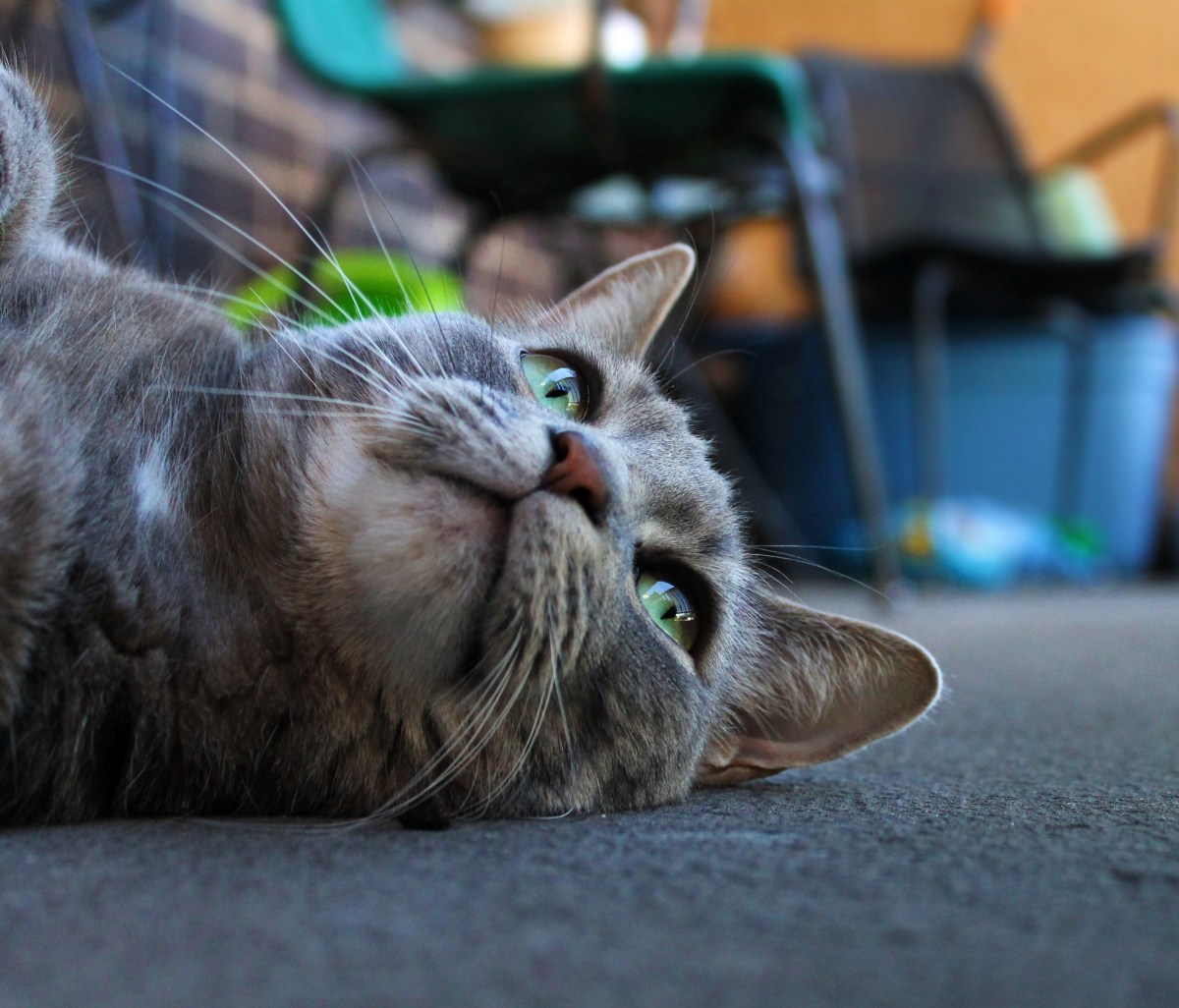
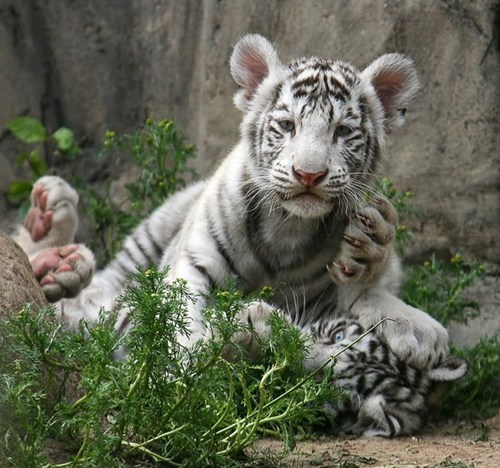
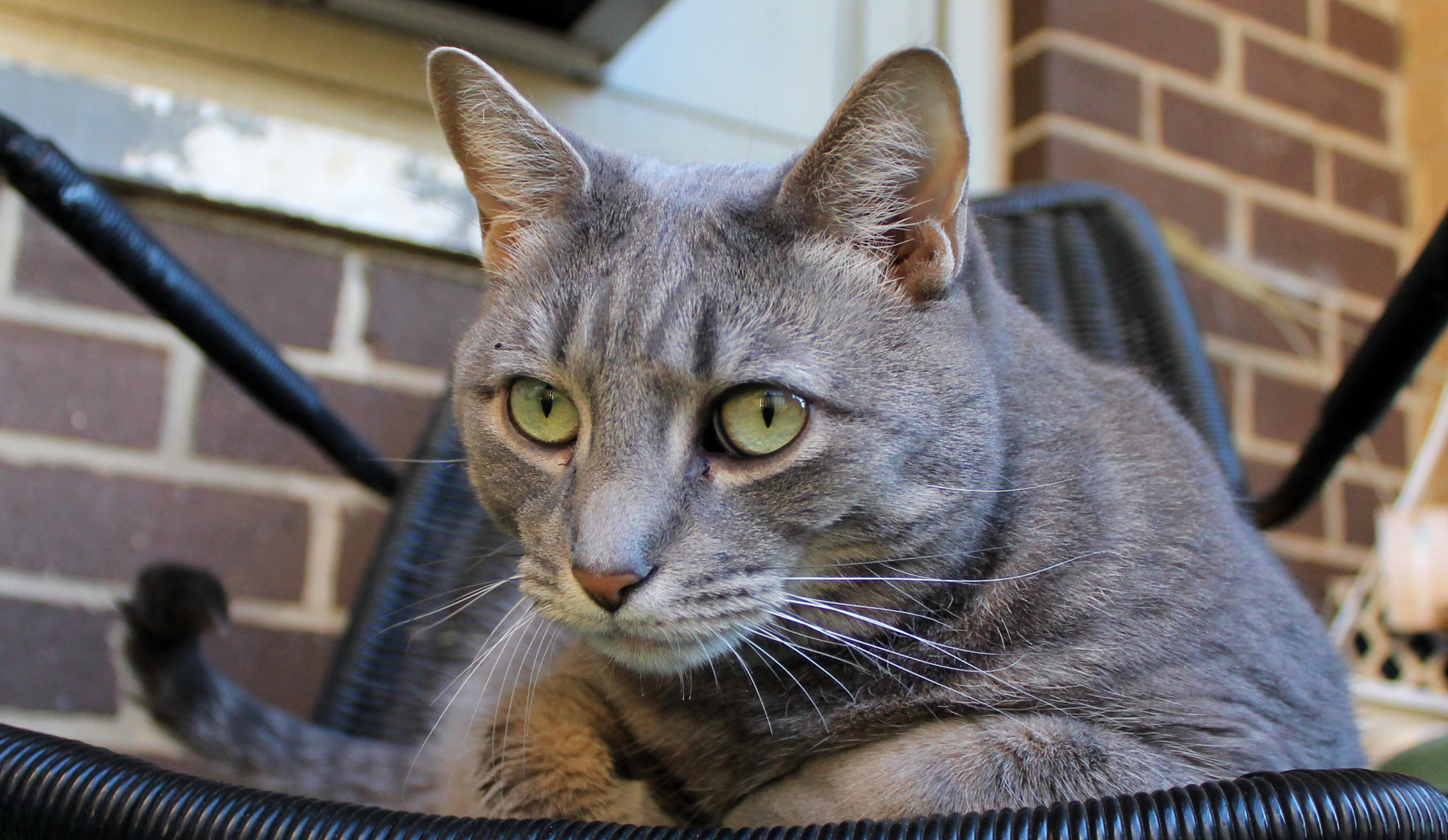
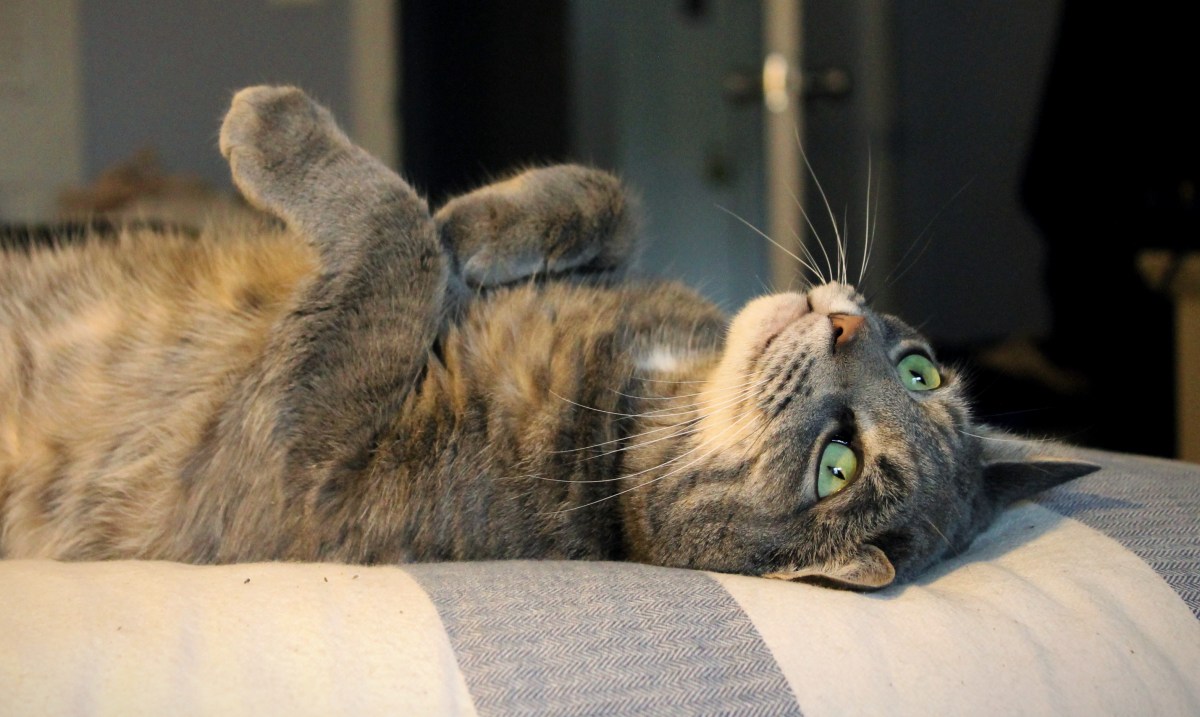
Little Buddy: [The Cat] …which is absurd because we’re basically small tigers. I mean, look at me. Who wouldn’t run in terror if they found themselves on the wrong side of these claws?

Big Buddy: We’re here to dispel the idea that cats are for women, and tell you that caring for a cat is a manly thing to do.

Little Buddy: That’s right! Extremely manly.

Big Buddy: We do manly stuff around here.

Little Buddy: That’s right! We watch football, we drive around in a rugged pick-up truck and we grunt a lot.

Big Buddy: We don’t actually do any of those things.

Little Buddy: But we would, if we cared about football and trucks.

Big Buddy: We’re into other manly stuff, like baseball, basketball, huge starship battles and fight club. We funkatize entire galaxies, facilitate the spread of interstellar funk and blast funky bass lines from black holes.

Little Buddy: We don’t talk about fight club.

Big Buddy: And besides, the most badass canine is a wolf…

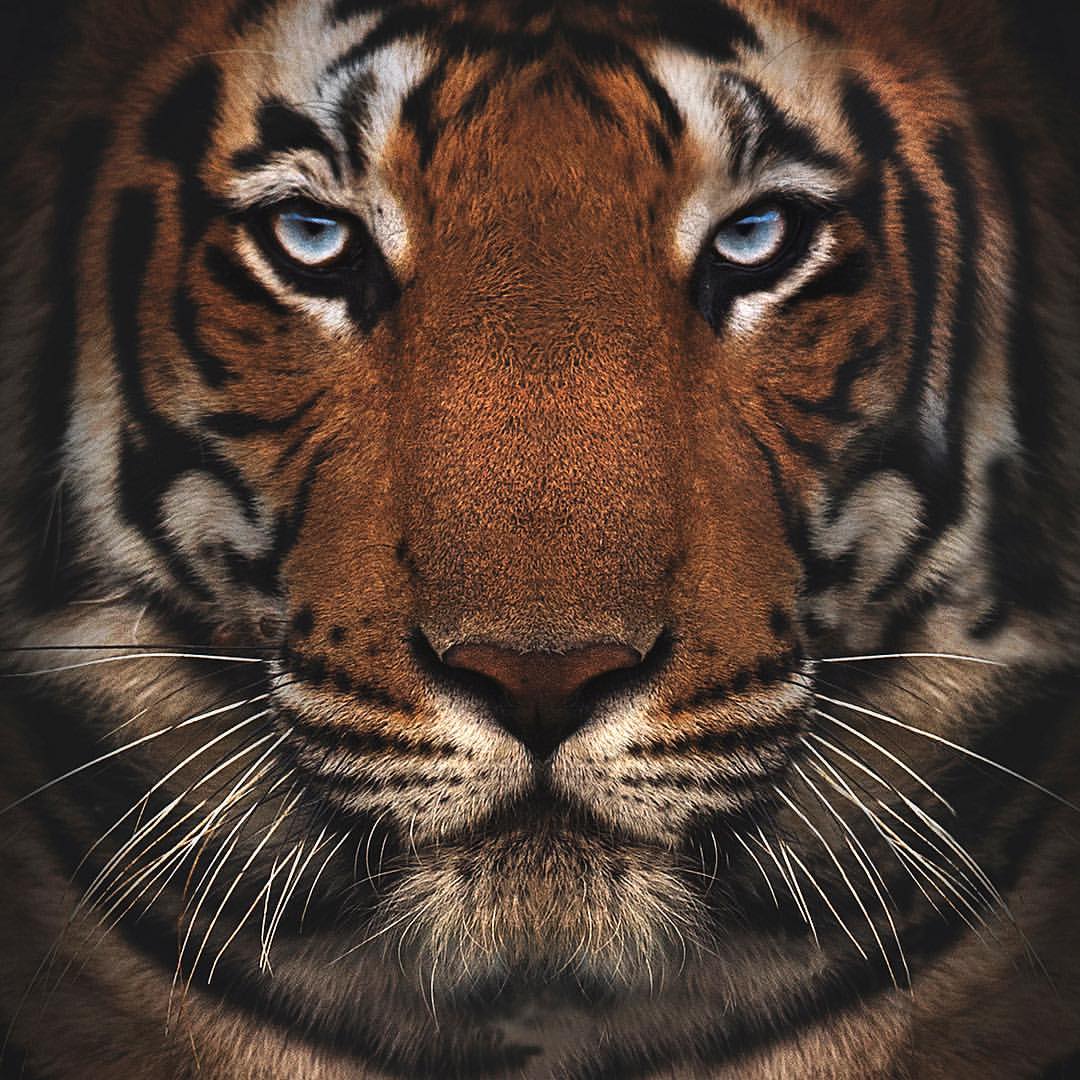
Little Buddy: …but the most badass feline is a tiger!

Big Buddy: That’s not even a contest. A tiger is clearly more badass than a wolf.

Little Buddy: Significantly more badass! A veritable fount of badassery. More badass by several orders of magnitude.

Big Buddy: I think they get it, little dude.

Little Buddy: I was just making sure.

Big Buddy: So if you’re a dude thinking about adopting a cat, don’t let dumbasses tell you cats are “feminine” pets…

Little Buddy: …cause then you’d be missing out on having your very own little tiger buddy. RAWR!!!

Big Buddy: Maybe we could do without the roar. You sound like Elmo singing in falsetto.

Little Buddy: I do not! I sound like a terrifying jungle cat.

Big Buddy: Okay, Elmo.
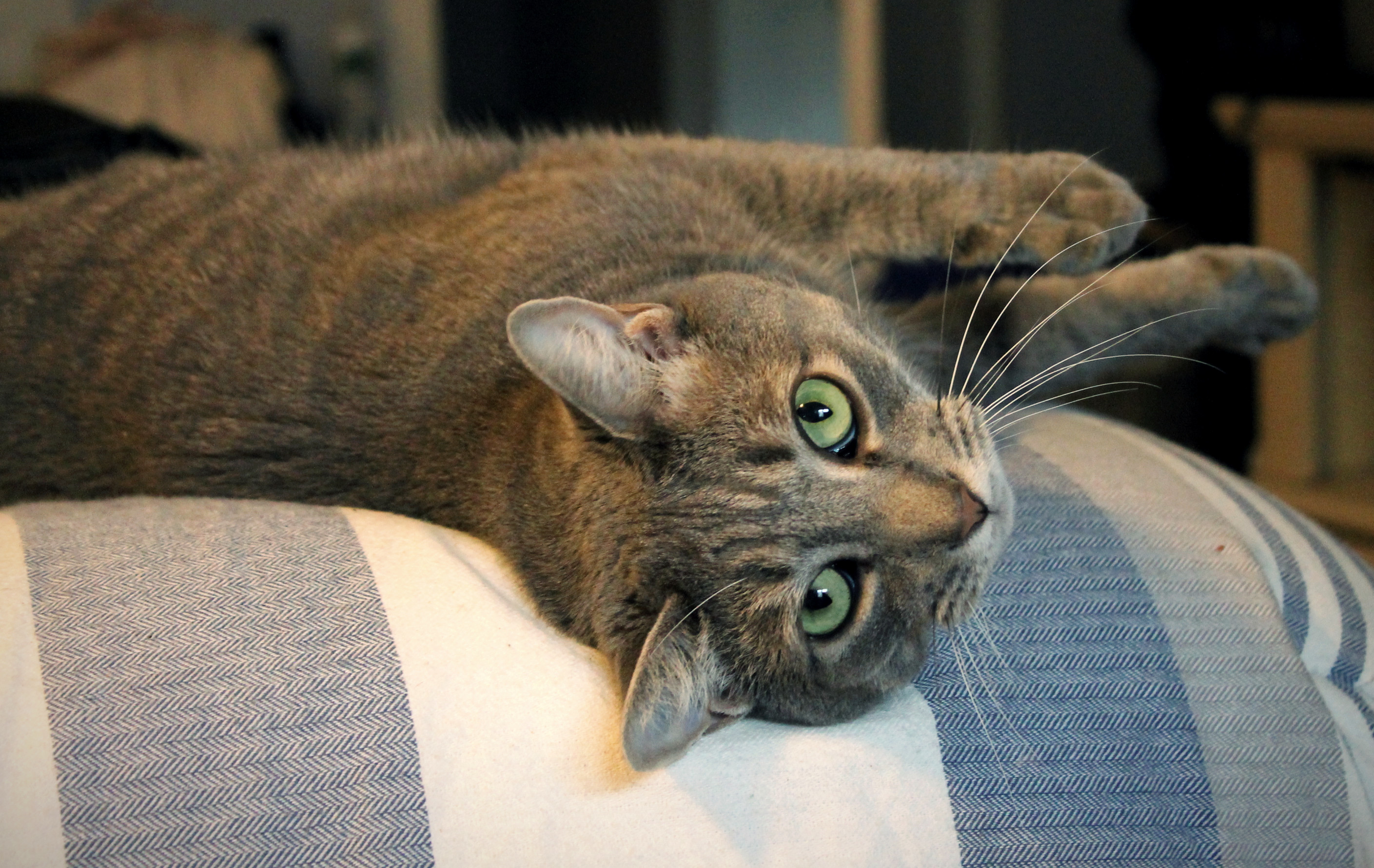
buddy_bed
Not Elmo.

Spectacular Photos Show Big Cats As They’re Meant To Live

These are some of the most stunning images of leopards and tigers you’ll ever see.

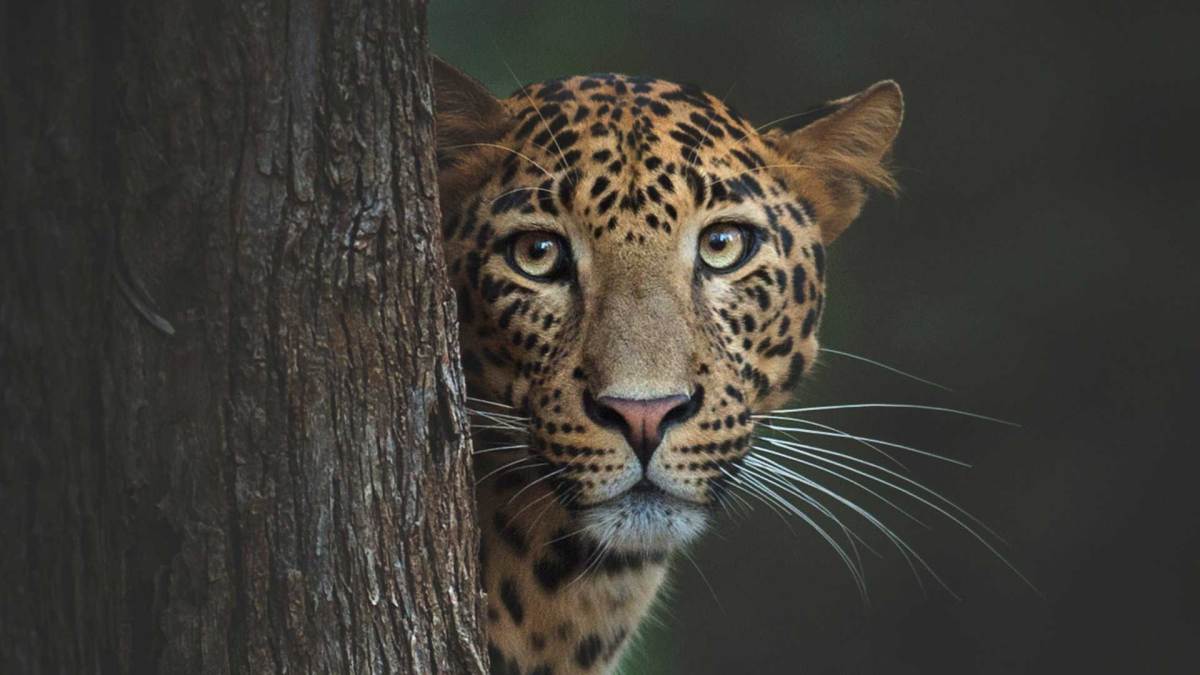
One photo shows a melanistic leopard — better known as a black panther — cautiously but curiously poking its head out from behind a tree. Another shows the same cat, tail raised and ready to spring as it stalks prey in the jungle mists.

The photos went viral this week, accumulating millions of views as people hailed the leopard as the second coming of Rudyard Kipling’s Bagheera, the beloved leopard from The Jungle Book.

Both photos come from the lens of Shaaz Jung, known as the “Leopard Man of India” for his astonishing shots of the majestic cats taken deep in the country’s jungles and forests.

“When people see these pictures, they think there are several leopards, but actually there’s just one black panther where we are — one melanistic leopard in the dense forest of Nagerhole. So it was like finding a needle in a haystack,” Jung told BusinessInsider.

The leopard has been named Saya by local wildlife enthusiasts, and he’s a bit out of his element in the deciduous Kabini forest, which is also home to a tiger preserve. Normally, leopards like Saya live in dense jungle, where the thick canopy and lack of light play to their advantage.

Jung patiently followed Saya, snapping photos of the big cat hunting, fighting and courting potential mates.

“He’s not just surviving, he is thriving,” Jung said.

Jung is a wildlife photographer, NatGeo’s director of photography for films and a big cat specialist in his own right. He also photographs India’s tigers, and his shots reveal a connection to — and a deep appreciation of — these regal apex predators who have been pushed back by human development and the resulting habitat loss.

shaazjung
The man behind the camera: Shaaz Jung.

shaaztiger3
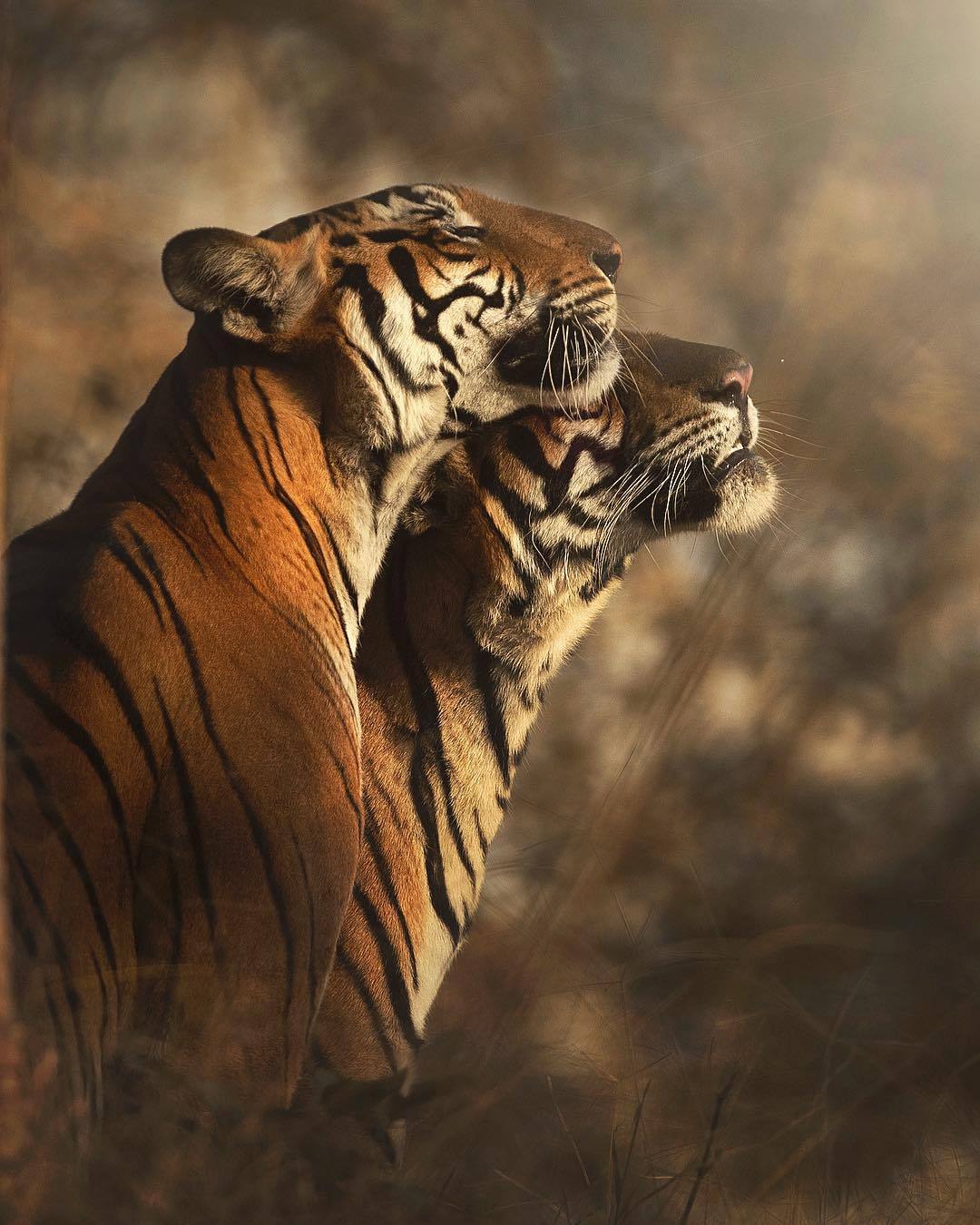
Tigers share a quiet moment as they trade scents. Photo: Shaaz Jung

shaazpanther3
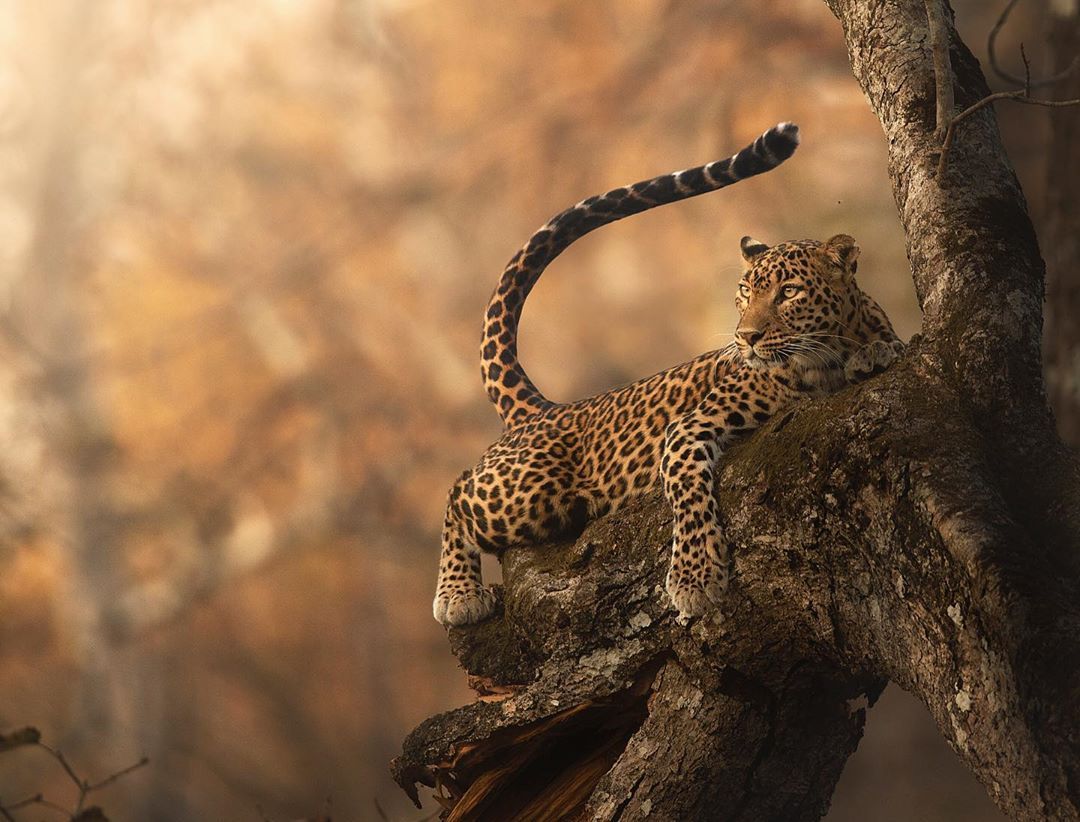
Leopards are known for their exceptional climbing ability as well as their preternatural hunting skills. Photo: Shaaz Jung

shaazpanther4
A leopard enjoys a mid-day respite from the sun — and bothersome rivals — on a broad tree branch. Photo: Shaaz Jung

shaaztiger
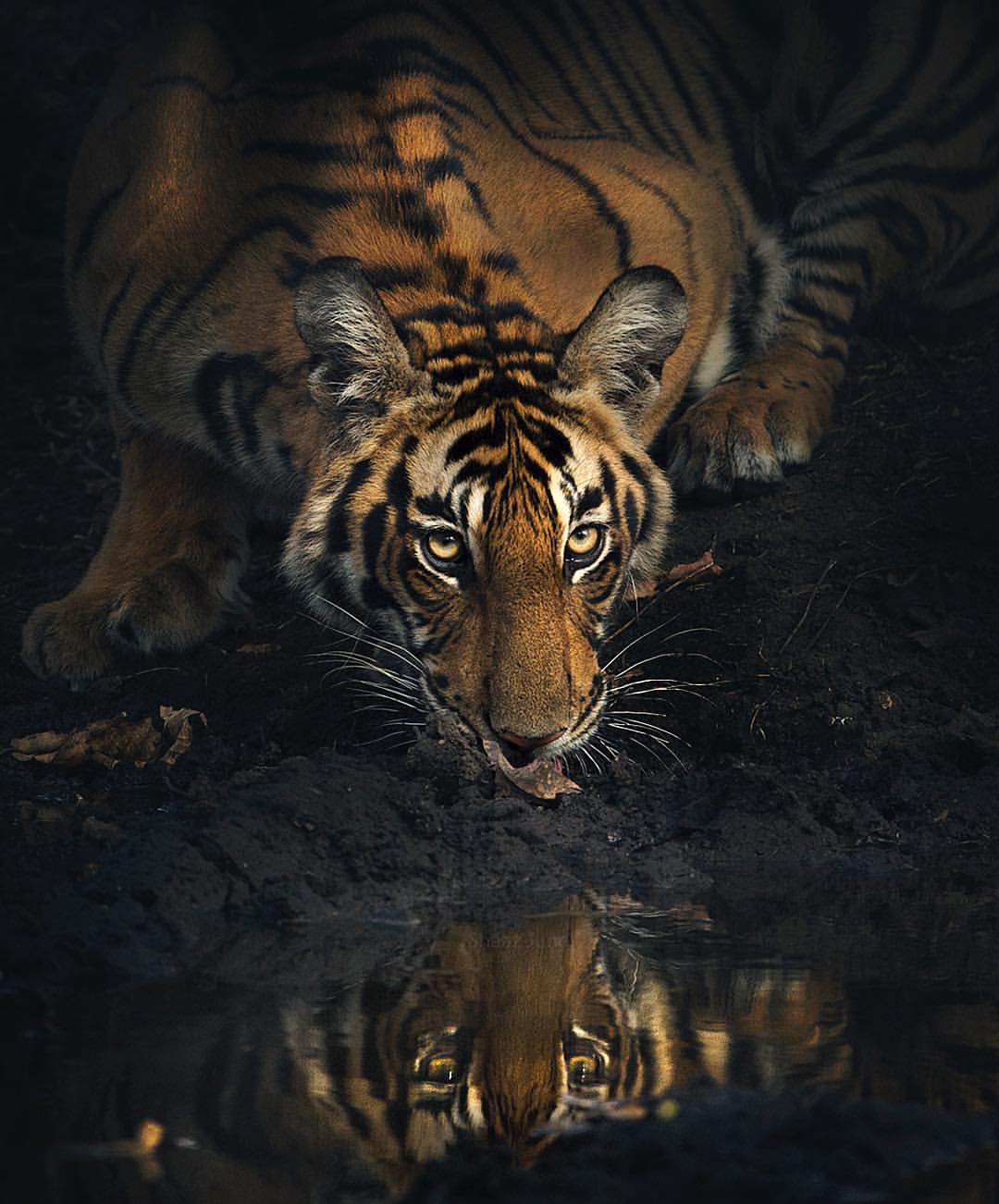
A tiger stops for a drink with the water reflecting its wary gaze. Photo: Shaaz Jung

shaaztiger2
Tigers are the world’s largest, heaviest cats, the apex predators among apex predators. This close-up is a reminder of how beautiful and regal they are. Photo: Shaaz Jung

Did You Know Buddy Is A Chic Designer Cat?

Buddy is a rare breed of cat descended from manticores and Amur tigers, which is why he has huge muscles.

Dear Buddy,

With all this talk of special breeds and glamorous designer cats, I found myself wondering: What’s your heritage? You obviously come from refined stock and must have commanded quite a price.

– Fancy Cat in Florida


Dear Fancy,

My human informs me I’m a rare and noble breed known in taxonomic nomenclature as felis magnificantus handsomus. (Thus the prominent “M” mark on my forehead for magnificantus, which is Latin for magnificent.)

I am descended from an Amur tiger who mated with a manticore, producing unique offspring which was then paired with a puma, resulting in a spectacular felid who mated with a particularly handsome domestic cat, thus creating my unique breed.

CEA6DCB3-C6A7-4DD7-9515-FD852535BB69
A manticore, which is part of Buddy’s royal lineage.

This explains the majestic and regal bearing of my personage, my good looks and my considerable muscles. Not all cats are this ripped, as you know.

Legend tells of an unprecedented bidding war, with humans pledging small fortunes for the privilege of serving me. Big Buddy refused to divulge exactly how much money he spent to outbid the others, but if a mere Savannah can cost as much as $20,000, surely an impeccable specimen of felis magnificantus handsomus would command at least twice that.

957619F2-BEE0-42F3-A1F8-EDFE0CCBBFE0
Photo of a young Buddy playing with a sibling on the palace grounds.

This, dear readers, is why I am an indoor-only cat. It has nothing to do with me being scared of the outdoors, as laughably suggested by some. It’s because, as a powerful and glamorous feline, it is illegal for me to prowl the streets alone as I would strike fear into the hearts of humans, dogs and other lesser creatures.

Thankfully I’m a pretty chill dude and all it takes it some turkey to stay on my good side!

Your friend,

Buddy

6921D788-6939-4D86-9871-52AF0DCA0022
Felis magnificantus handsomus.

24B69CE2-66B0-4677-87BB-85C4F5BCC9C5
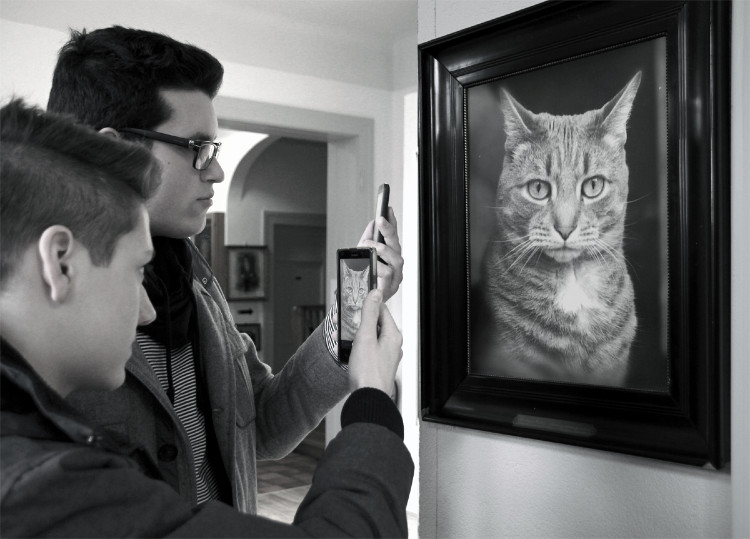
Admirers snap photos of a painting of Buddy in a French museum.

27882ACE-D1E4-45AC-BCEB-900C403DD1B2
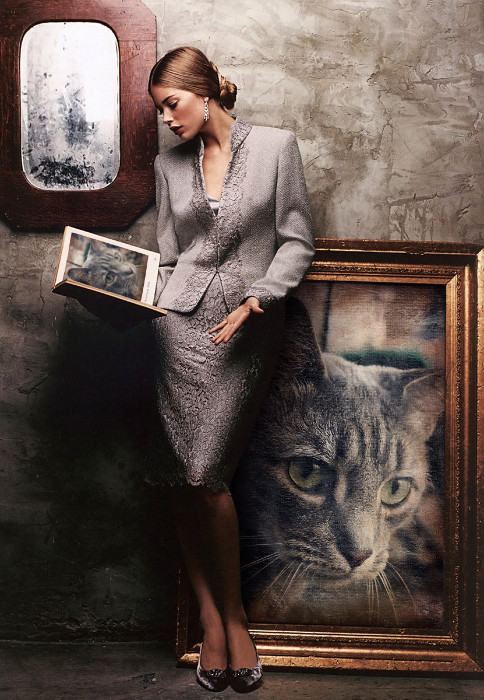
Sophisticated and glamorous French women often commission paintings of sophisticated and glamorous cats.


Chinese Government to Citizens: ‘Deal With’ Your Pets, Or We Will

Chinese authorities threaten pets as Coronavirus fears grow.

It shouldn’t come as a surprise that a government with no respect for any kind of life — human or animal — would threaten the mass extermination of cats and dogs.

It’s par for the course in China, where authorities in dozens of cities and provinces are urging people to “deal with” their pets in the wake of the Coronavirus threat — or the government will, media reports say.

The warnings have been issued in Wuhan, the epicenter of the Coronavirus, as well as Shanxi, Beijing, Tianjin, Shandong, Hebei and Shanghai, according to the Humane Society International.

Yet there’s no evidence the virus has been transmitted by domesticated pets like cats and dogs, and no evidence those animals can catch it from humans, experts say.

In Wuhan, residents have been told to keep their pets indoors, and warned that any cats or dogs spotted outdoors will be “killed and buried on the spot,” the UK’s Metro reported.

But experts say it’s the government’s fault that the virus jumped from wild animals to humans in the first place. China has refused to shut down so-called “wet markets,” where live animals are sold next to the carcasses of recently-slaughtered animals, despite the fact that SARS and other viruses originated from those markets.

9798BD46-4531-416F-8620-684F4B91C3D2
A Chinese wet market. Credit: Nikkei

Officials believe the Coronavirus originated at the Huanan Wholesale Seafood Market, one of many “wet markets” described as “filthy, crowded places where animals are displayed alive in small cages” and “are often slaughtered on site.”

China has been “mired in long-held beliefs about the benefits of eating exotic and often endangered animals for good health,” the Humane Society said in a statement, referring to traditional Chinese “medicine” and other folk practices that use animal parts in ineffective and dangerous tonics and elixirs.

In addition to creating the circumstances for viruses to jump from wild animals to humans, the illegal wildlife trade has pushed animals like tigers and pangolins to the brink of extinction.

“Chinese society is boiling with anger at wildlife policy failures,” said the Humane Society International’s China policy specialist, Peter Li. “Social media is full of posts condemning the refusal to shut down the wildlife markets. This is the worst Chinese New Year in China’s recent history.”

The Bronx Zoo: Winter Wonderland

A trip to the Bronx Zoo’s annual after-dark holiday exhibit.

Every Christmas, the staff at the Bronx Zoo transform the grounds into a “winter wonderland,” an LED-illuminated forest of festive fun that begins at sundown.

The good: Young kids will enjoy themselves. The bad: All the animal exhibits are closed, with the tigers, bears, monkeys and elephants brought into their indoor enclosures before dark to shelter from the frigid New York winter.

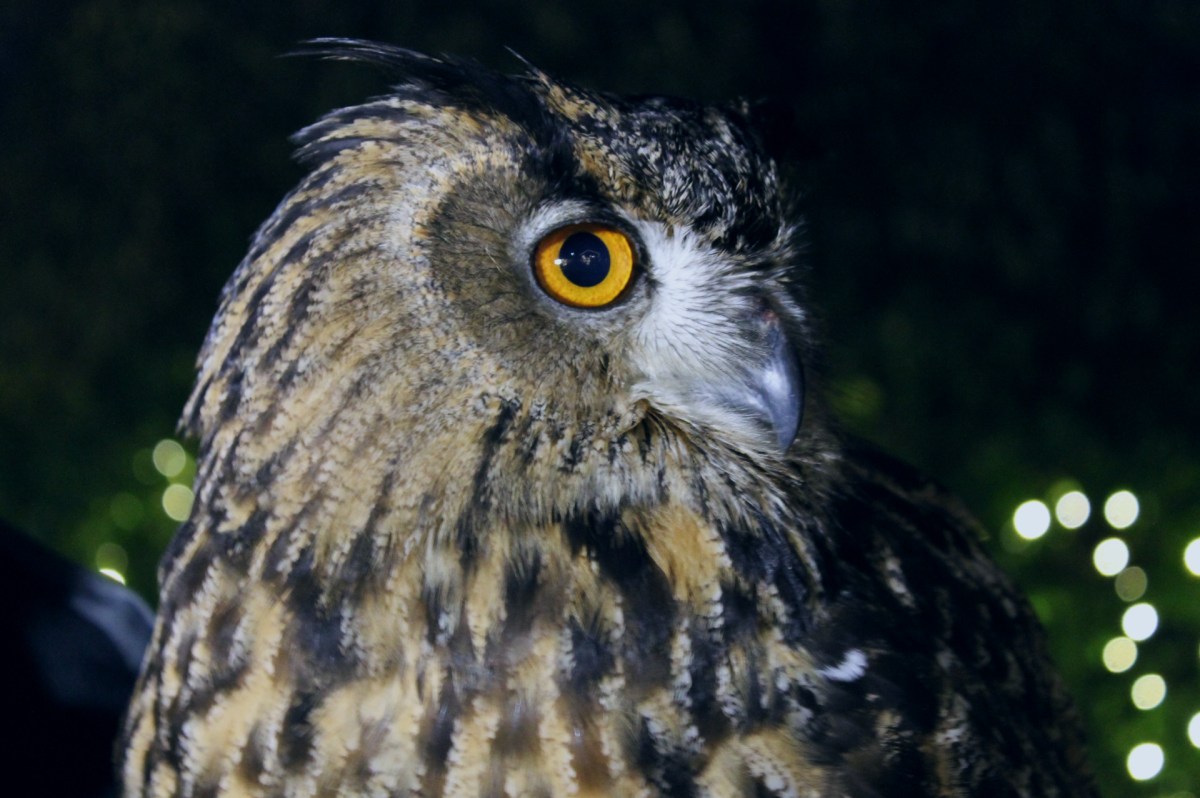
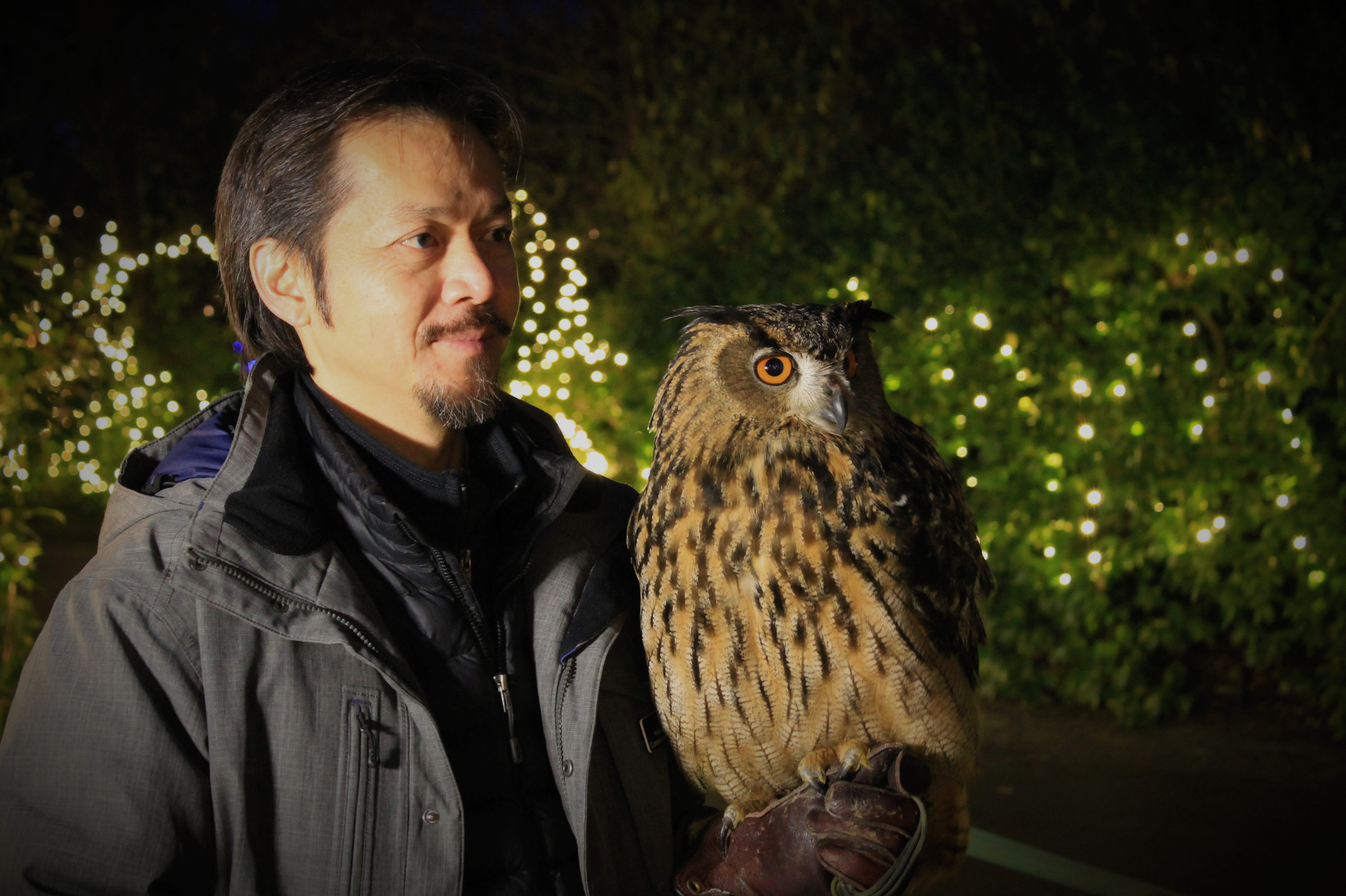
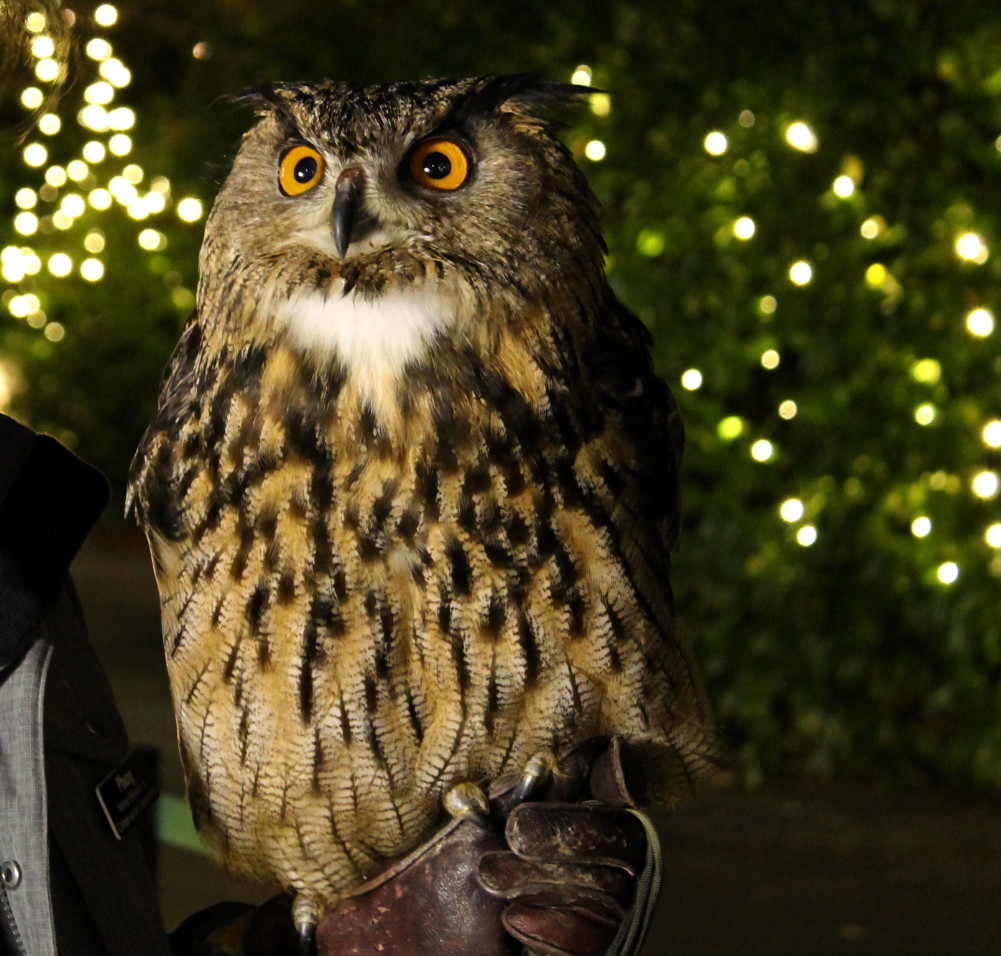
On Friday night the only animal on duty was Quincy, a 16-year-old Eurasian eagle owl. The impressively-plumed Quincy gamely hung out and remained calm despite a small crowd of guests pointing cameras at him, occasionally repeating a vocalization that sounded more like Buddy’s high-pitched greeting than a call you’d expect from an owl.

Hooting, which is what most of us associate with the nocturnal birds, is more closely associated with territorial displays and mating calls, Quincy’s handler explained.

Bronx Zoo's Quincy
Quincy, a Eurasian eagle owl, wasn’t phased by crowds as he greeted guests at the Bronx Zoo’s Winter Wonderland. Photo: Pain In The Bud

Bronx Zoo's Quincy
Eurasian eagle owls live up to 20 years in the wild, but typically live twice that long in captivity. Photo: Pain In The Bud

Bronx Zoo Frozen castle
Visitors can watch artists chisel ice sculptures. Photo: Pain In The Bud

Bronx Zoo Winter Wonderland
Under the (very cold) sea. Photo: Pain In The Bud

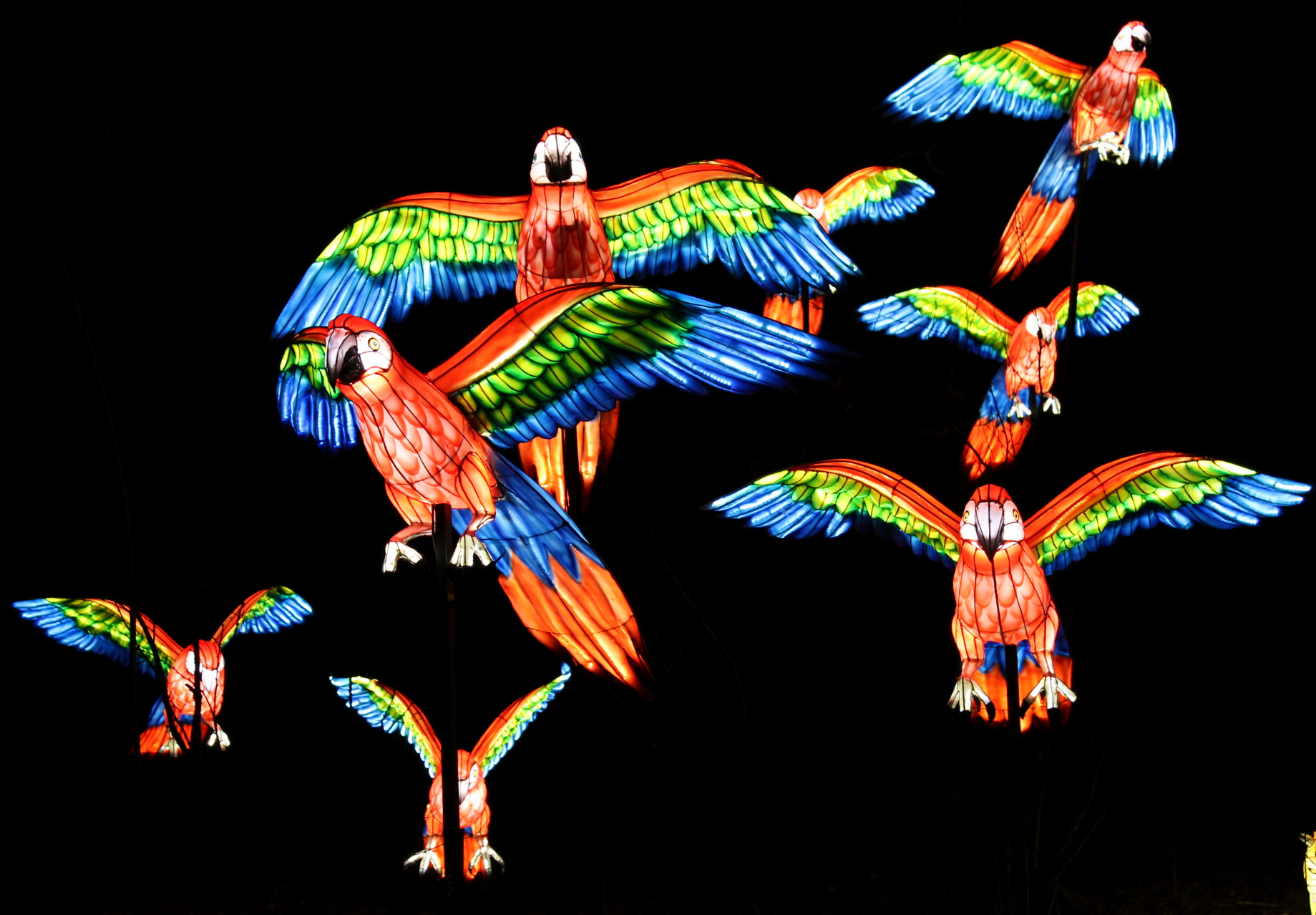
Bronx Zoo Birds of Paradise
Birds of Paradise. Photo: Pain In The Bud

Bronx Zoo Winter Wonderland
Guests make Smores. Photo: Pain In The Bud

After taking my brother’s kids to Winter Wonderland, we stopped for a look at Roy’s Christmas Land in Harrison, NY. The owner, 61-year-old Roy Aletti, describes himself as a “maniac” when it comes to holiday decorating.

As you can see, his design philosophy can be summed up as “Buy as much shit as you can and cover every inch of your lawn.” The kids love it.

Roy's Christmas Land
Roy’s Christmas Land in Harrison, NY. Photo: Pain In The Bud

royschristmas2
Roy’s Christmas Land in Harrison, NY. Photo: Pain In The Bud

Roy's Christmas Land
Roy Aletti, 61, has been decorating his home for decades and his display draws a steady stream of admirers every Christmas season. Photo: Pain In The Bud