Disses Fly At Feline Freestyle Federation’s Cat Fight 2023 Battle Rap Tournament

The annual tournament pitted more than 20 furry emcees against each other in a battle of rhymes and wit.

NEW YORK — Gripping the microphone in his paw, Panther the Pulverizer took aim at Buddy the Funky Feline and, when the beat dropped, launched into a blistering verse filled with punchlines about his opponent.

“You got no chance, so say sayonara,” the Pulverizer rhymed. “You’re so fat, cats thought you was a capybara!”

“My flow’s a gale, in a storm you’re supposed to bail. How you gonna carry weight when you broke the scale?” he rapped, drawing laughter from the crowd. “You’re known to fail, terrified with a bloated tail, so walk your ass home ’cause you won’t prevail!”
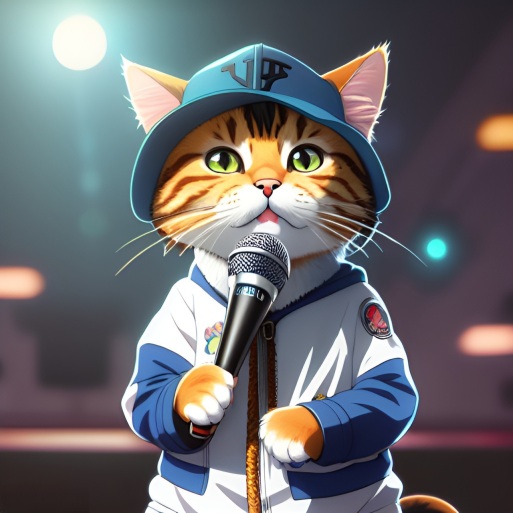
Rapping Felines
Hektah tha Headhunta, one half of duo Spliff an’ Wessin’, earned himself a quarterfinal berth with a raucous verse that dismantled Boss the Bocelot.

“Oh, snap!” one cat exclaimed and the all-feline crowd whooped and cheered as the Pulverizer continued his verbal assault.

The Pulverizer pressed forward, invading his opponent’s personal space as he fired the next salvo of punchlines.

“What’s wrong, lil’ Bud? Is it hard to diss us? You couldn’t move these cats if you farted citrus. Pardon it’s cause you’re avoiding this bout, knowing I’ll make you bounce like your primordial pouch.”

A collective “Dayum!” echoed throughout the crowd while the DJ doubled over with laughter. Meanwhile, Buddy sucked in his gut, suddenly self-conscious.

“My man got punchlines about primordial pouches, yo!” an approving member of the audience shouted, his tail swishing with excitement.

“Am I supposed to be intimidated? Hell no! You sound like a constipated Elmo. Truth is both my waistline and my raps are leaner,” he rhymed, gesturing toward Buddy. “While this cat runs screaming from a vacuum cleaner. Face it lil’ Bud, we ain’t rivals. You came here dead on arrival!”

The crowd roared for several seconds after the beat cut out as the Pulverizer basked in the audience’s approval.
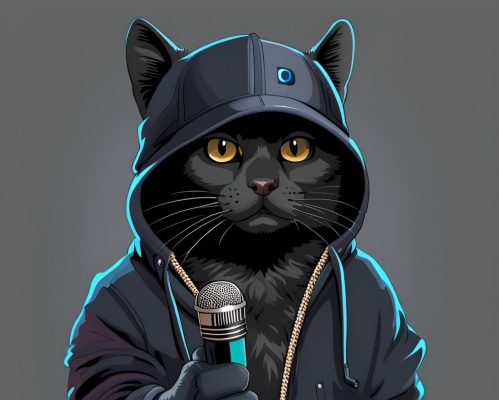
Panther the Pulverizer
Panther the Pulverizer, a kitty rapper from Astoria, Queens.

Buddy, dressed in oversized Tommy Hilfiger jeans, a bubble jacket and a Yankees cap turned sideways, took the mic for his turn and wasted no time launching into his retaliatory verse.

“My name’s Buddy, I’m ferocious in fights. Little known fact: also dope on the mic!” he rapped. “You’re a joke over-hyped, frozen with fright, lookin’ like a ghost you’re so white! It’s hopeless, allright? You’re a featherweight, I’m Mike Tyson tonight.”

Rapping Felines
Lay-Z is a New York-based kit hop artist who admits to an easy housecat life, with his rhymes often boasting of stainless steel bowls, palatial cat condos and fine dining on human delicacies.

“Get ’em, champ!” a supporter shouted from the crowd.

“You don’t have the balls to diss me, that’s truth in fact! I’m the real tom, you’re just a neutered cat. Your whole crew is wack, don’t even try to diss! Buddy’s a lion, you’re just a pride of wimps.”

The Pulverizer glowered as the crowd roared with laughter.

“I got fans across the world, it’s me they’re feeling, the only fans you got are spinning on your ceiling,” Buddy the Funky Feline rapped, waving a paw at the roof. “Buddy’s the illest, thats why I spit it hot. You’re full of shit like an unscooped litter box.”

“Damn! Damn, damn, damn!” host Meowthod Man of the Mew Tang Clan shouted, waving off the beat. “Let’s hear what the judges have to say!”

The judges called the battle 2-1 in favor of Buddy, granting him the split decision and sending him to the semifinals.

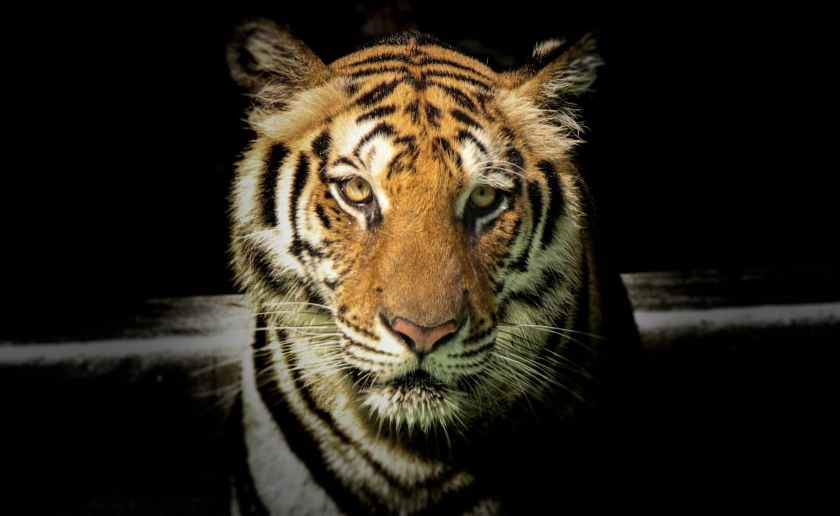
The Funky Feline is due to face Crouching Tiger, the highly favored big cat with a smoky voice and crisp flow. The winner of that bout will advance to the finals to battle the winner of the semifinal match pitting the Deft Leopard against MC Hektah the Headhunta.

Da Funky Feline
Buddy tha Funky Feline, also known as Snackmaster Flex, is known for his vivid lyricism about life in the ‘hood and exuberant rhymes about junk food.

Buddy the Funky Feline has been the target of criticism claiming that while he rhymes about “life in the hood” as a hardscrabble stray, he actually grew up as a pampered house cat in the suburbs. He seeks to burnish his street cred ahead of his new album, Chillmatic, which is expected to break record sales when it’s released later this month. It’s the first full-length release from the New York-based kitty rapper since 2020’s Got 2 Have Turkeys and his 2021 EP, Fowl Play.

While promoting the former record during a concert stop in Tokyo, Buddy’s tour bus was infamously overturned by a crowd of screaming female fans, who pelted the bus with bras and held signs professing their love for him.

His entry into the Cat Fight 2023 battle rap tournament is meant to signal that he’s more than just a prettyboy, with an appeal beyond his massive female fanbase.

“Buddy is so kawaii, we love him,” gushed Kei Kikuno, one of Bud’s many Japanese admirers. “I just want to pinch those little cheeks!”

Felines Protest Idris Elba’s Lion Thriller ‘Beast’: ‘Stop Stereotyping Us Cats!’

The protesting felines, tired of being cast as villains, demanded “cuddlier representation” in movies and TV.

LOS ANGELES — Marching in a broad circle outside the Universal Studios headquarters on Monday, a group of about 200 cats demanded “more cuddly representation” in television and film.

The felid contingent included house cats, pumas, bobcats, tigers, lions, leopards and even a few jaguars, each holding signs with messages like “Cats are more than claws!” and “Stop The Stereotyping!”

“What do we want?” a house cat shouted into a megaphone.

“Cuddlier representation!” the crowd of cats shouted.

“When do we want it!”

“After our nap!” they replied in unison.

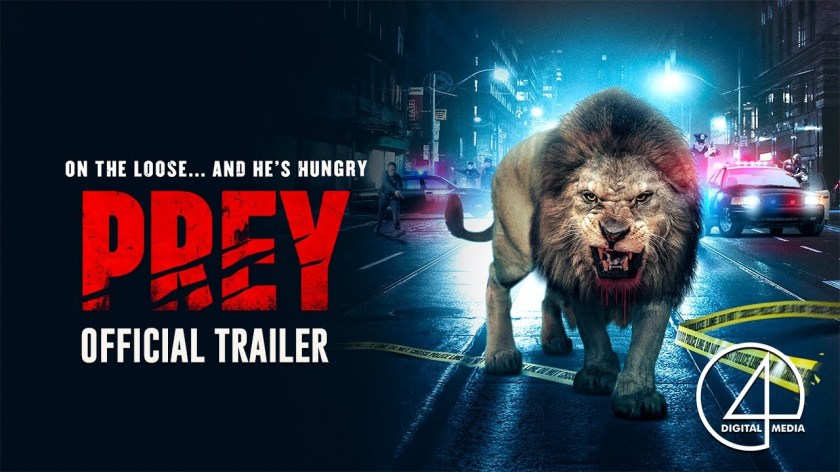
Monday’s protest was prompted by Universal Studios’ 2022 thriller, Beast, but protest organizer Buddy the Cat said the felid group was protesting “decades of tropes and injustices committed against cats by Hollywood and TV.” Examples include the undead cat in Stephen King’s Pet Sematary, the rampaging lion in Dutch horror-comedy film Prey (called Uncaged in the US), the many murderous felids in the CBS series Zoo, and Jackson Galaxy’s My Cat From Hell.

“We’re tired of always being cast as villains while dogs are the heroes. Take a cat like me, for instance,” Buddy told a reporter. “It’s easy to mistake me, with my razor sharp claws and ripped physique, for a threat to humans. But really I’m just a cuddly little guy who likes chin scratches.”

vsgif_com__.3231405

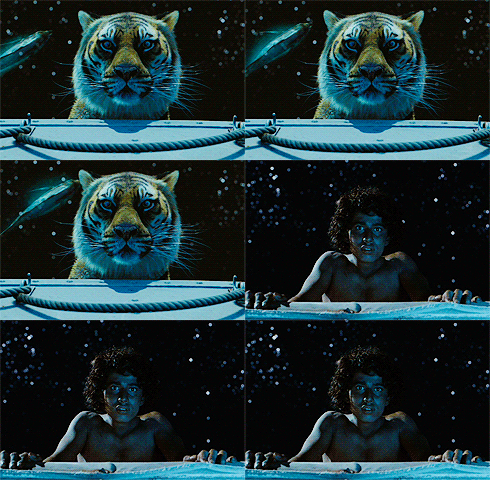
Linus, a 14-year-old Bengal tiger who starred as Richard Parker in the 2012 hit Life of Pi, said he was a young actor who didn’t know better when he agreed to portray the threatening antagonist.

“Now that I’m older and I have all this Frosted Flakes money coming in, I can be picky about the roles I accept and only choose movies I think will be Grrreat!” he told an interviewer. “But what about the next young tiger, or the jaguar fresh off the boat from the Amazon, who doesn’t have the power to tell the director a certain scene is offensive?”

Linus also took issue with the script, in which the writers have him refusing to share fish with Pi.

“Did you see the boat? It was filled with fish! What am I, some sort of glutton who’s gonna eat 200 pounds of fish while the human starves?” Linus asked, bewildered. “I mean, according to Hollywood we’re angry, dangerous, murderous criminals and we stuff our faces all the time. No wonder people are scared of us!”

Prey/Uncaged
Prey, also known as Uncaged, depicts an angry lion rampaging through Amsterdam and eating pretty much everyone.

Beast stars British actor Idris Elba and tells the story of a widowed medical doctor who takes his two daughters to South Africa, where they stay with a family friend and embark on a tour of the native wildlife.

Unbeknownst to them, an adult male lion is on a rampage after a team of poachers entered the reserve the previous night and slaughtered his entire pride. While Elba’s character, his two daughters and his friend (Sharlto Copley) explore the reserve, they discover the mutilated remains of an entire village’s population and eventually come face to face with the murderous lion.

“What’s all this barney, then?” Elba said when asked about the felid protest. “Well that’s unfortunate, innit, mate? I played a tiger in The Jungle Book, a proper tiger. I love cats.”

The actor, who rocketed to fame off the strength of his portrayals of Stringer Bell in American police drama The Wire, the title character in British detective thriller Luther, as well as major roles in franchises like the Marvel Cinematic Universe, the Star Trek reboot movies and science fiction action-adventure Pacific Rim, said he’s taken the cat’s criticism to heart.

elbabuddy2
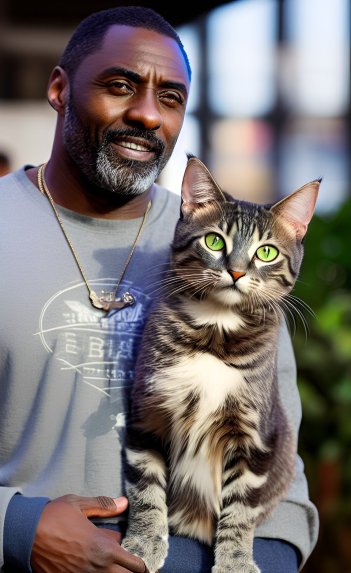
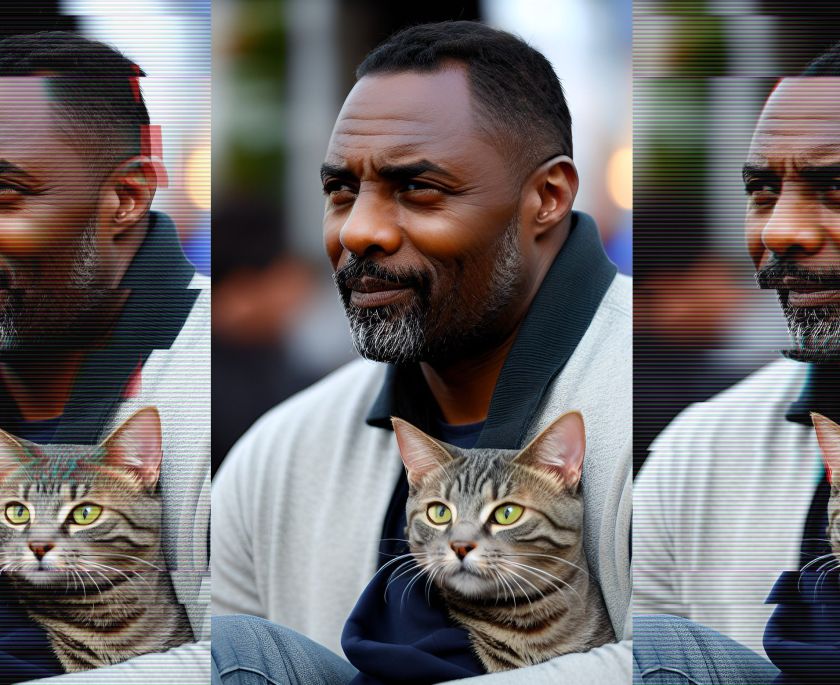
“Buddy’s a good bloke,” says Elba, pictured with his feline friend.

“Me and me mate Buddy, we like to grab a pint on the regular, d’ya know what I mean?” Elba said. “This tosh with the movies, it’s gotta stop. Me mate Buddy is a good bloke, innit? So if he says Hollywood has to have more positive portrayal of cats, then that’s what we’ll do.”

In addition to their negative portrayal in films, which felids likened to the offensive portrayal of Italian-Americans as mafia figures, many cats cried foul at the idea that one of their kind would harm the beloved South African actor Sharlto Copley.

“That’s a very offensive portrayal,” said Chonkmatic the Magnificent, King of All Cats. “Sharlto Copley is the guy who made District 9, about aliens who eat cat food. Everyone knows cats love District 9. We wouldn’t lay a claw on Sharlto!”

idrisbuddy

Sunday Cats: Super Bowl, Kitten Bowl, Tiger Bowl

Today’s the big game!

Happy Super Bowl, a special day when Americans across the country will gather and watch more than 200 commercials, and some team will play some other team in just 11 minutes of actual game time.

No wonder the NFL and its advertising partners try to sell the commercials as entertainment in their own right: If you watch the Super Bowl, you’ll be subjecting yourself to an relentless onslaught of adverts for everything from Budweiser to Booking.com,  insurance companies trying to out-zany each other, and gambling commercials. Lots and lots of gambling commercials for sites like DraftKings, Caesars Sportsbook, MGM and FanDuel.

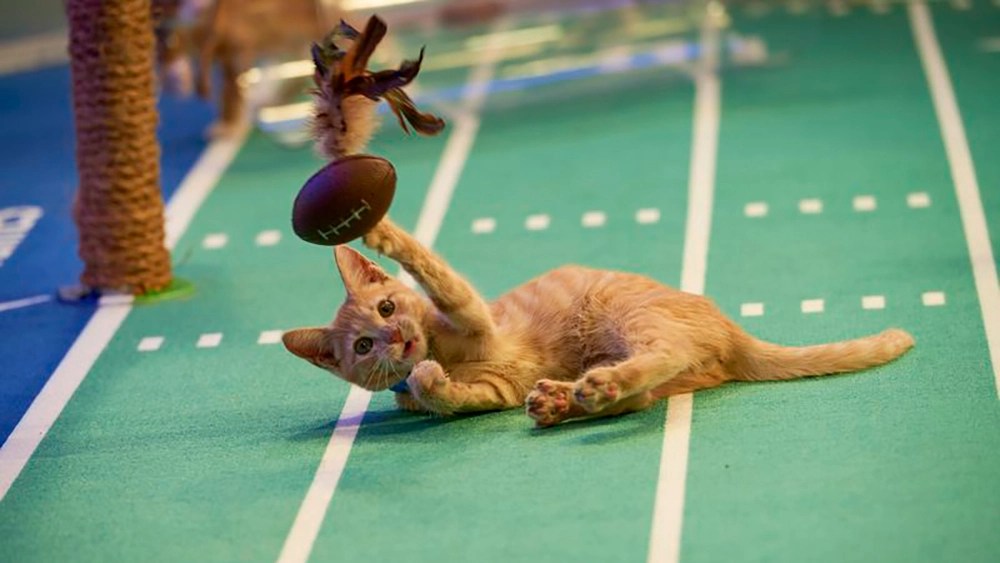
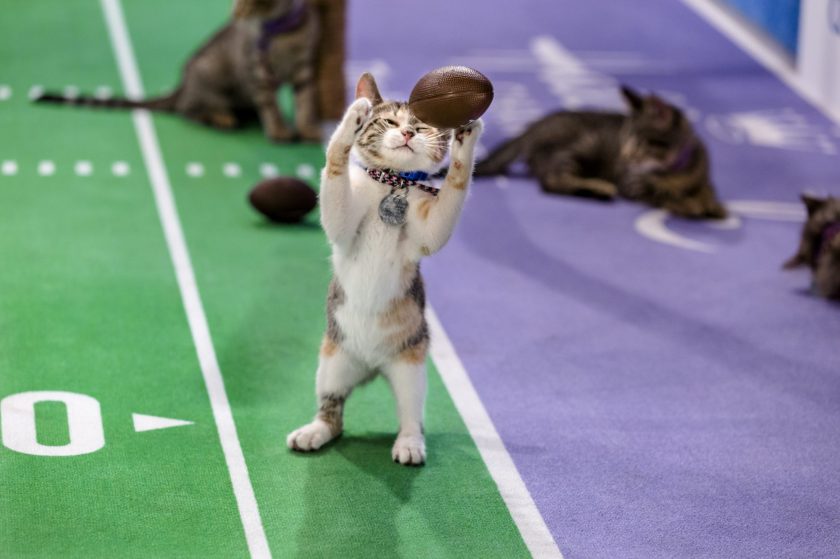
Super Bowl Sunday was previously made brighter by the Kitten Bowl, but Hallmark canceled the cute fan favorite last year, saying only that it’s “not currently developing original animal-centric programming.”

It was inevitable that another network would move in to capitalize on Hallmark dumping its popular annual special, and taking the place of Kitten Bowl is the Great American Rescue Bowl, an event by the Great American Family Channel and the North Shore Animal League which will feature adoptable dogs and cats on a pet-size football field, along with host Beth Stern revisiting the stories of kittens, cats, puppies and dogs who were featured last year and found their forever homes. If you don’t get the Great American Family Channel you can stream the event on Hulu beginning at 10:30 a.m. (See the previous link for other streaming options.)

image

Viva la Tiger Bowl!

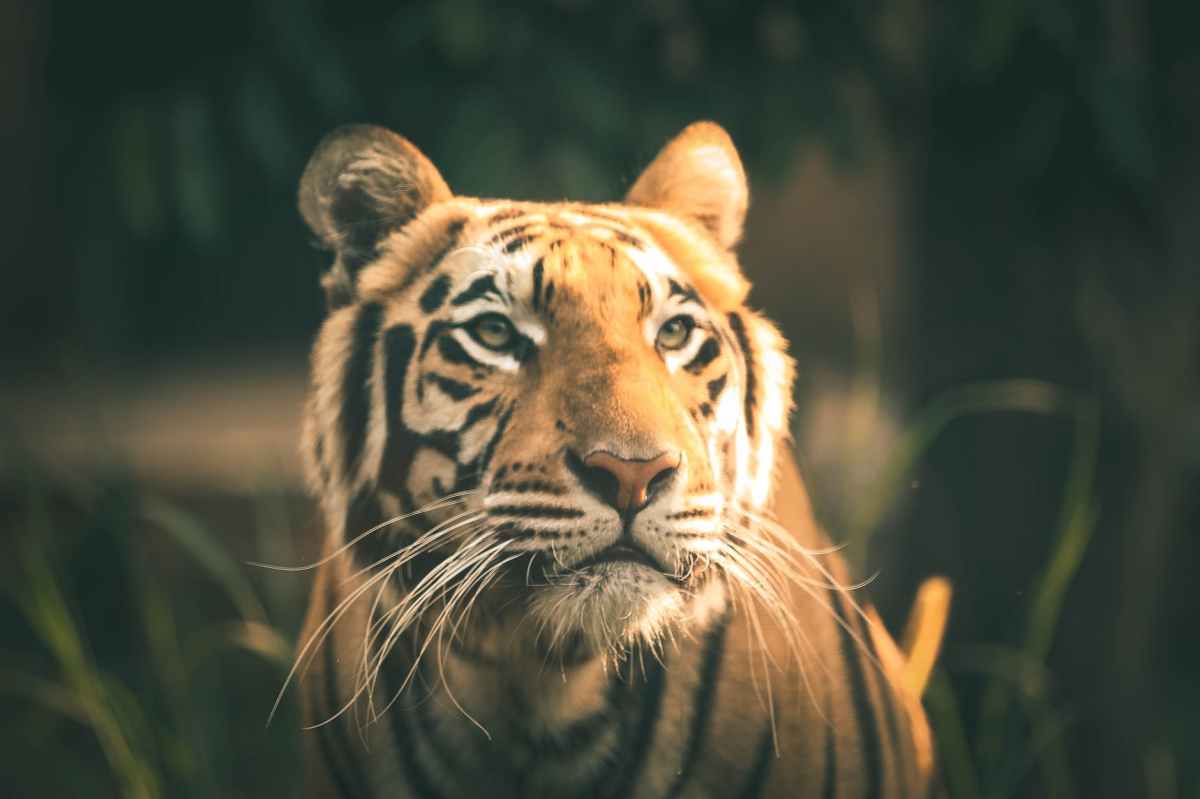
Watch this space in the coming week for a new longform story about the Champawat tiger, the most dangerous animal documented in more than 5,000 years of recorded human history. Little Buddy and I did quite a bit of research for this one, and we hope it’ll make for a good read.

wildlife photography of tiger
Credit: Sayantan Kundu/Pexels

Ban On Big Cat Pets Heads To Biden’s Desk

The Big Cat Safety Act will put an end to the era of cub petting mills at roadside zoos and private “ownership” in states like Texas and Florida.

All that awaits is a stroke of President Joe Biden’s pen.

The Big Cat Safety Act was passed by the US Senate this week, clearing its last legislative hurdle. The law would ban the “ownership” of big cats as pets and would end their exploitation by roadside zoo operators, while also outlawing big cat breeding by private parties.

It’s a bipartisan effort that gained steam after years of efforts by animal rights organizations and documentaries like Netflix’s infamous Tiger King, which showed millions of viewers how the majestic felids are kept in cruel conditions and chained to an endless breeding treadmill to provide a constant supply of cubs. Those cubs are taken away from their mothers shortly after birth and used as props in lucrative “selfie with a tiger” offerings at unaccredited roadside zoos.

Private “ownership” of big cats has been a contentious issue and an embarrassment for American animal rights activists, particularly because almost all big cat species are critically endangered. There are more tigers living in backyards in Texas and Florida, for example, than there are living in the wild in the entire world.

Breeding for conservation is a process that involves careful planning by experts at accredited zoos and sanctuaries. Because there are so few big cats left, with some subspecies down to just a few hundred living animals, mates must be carefully chosen to avoid genetic bottlenecks and to ensure healthy and viable breeding populations in the future. As private breeders and roadside zoos breed the animals without regard to subspecies or genetic diversity, they do not contribute to species conservation in any meaningful way and can do harm with indiscriminate matches, conservationists say.

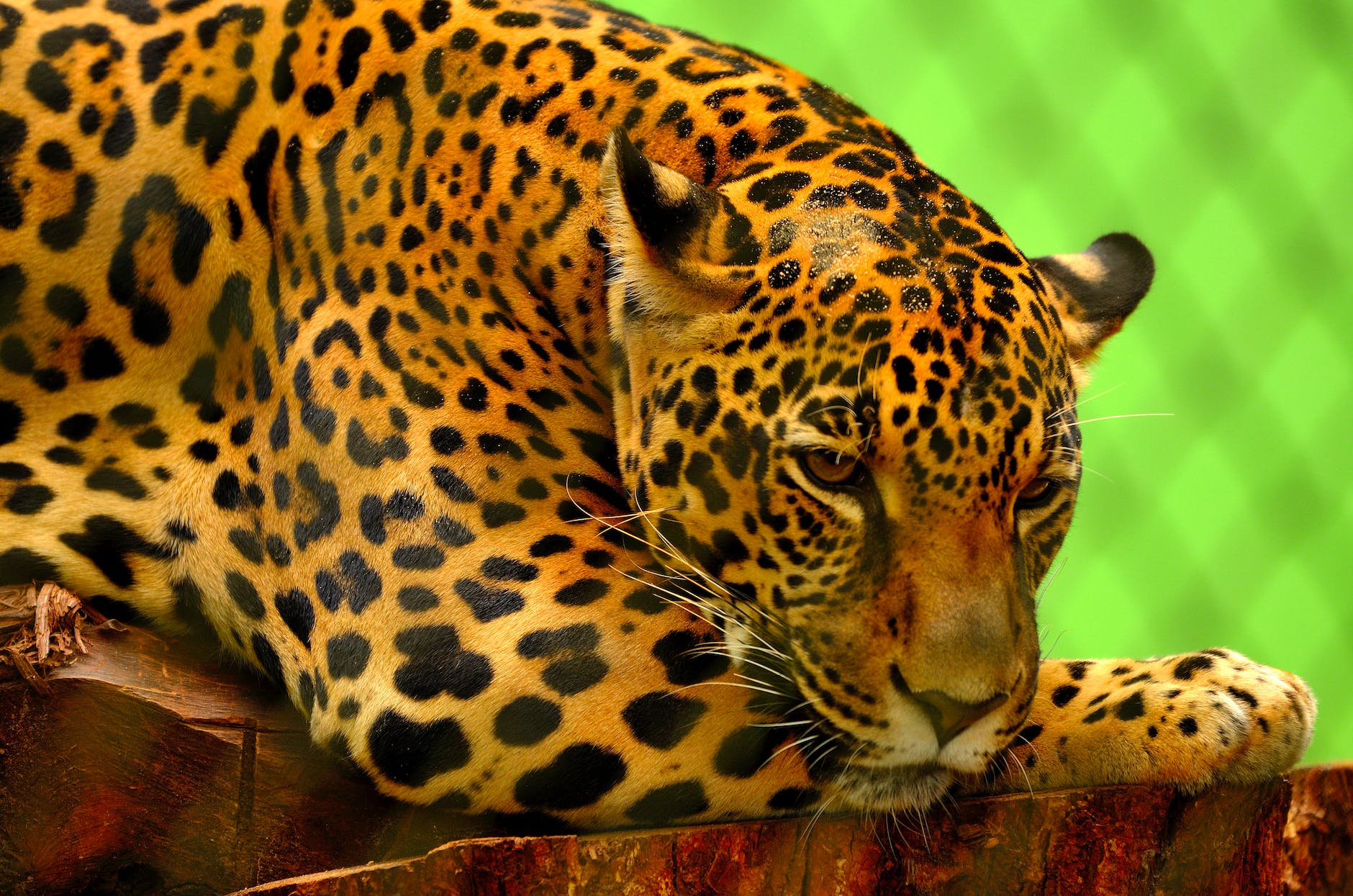
leopard on brown log
Credit: Pexels

While the bill outlaws private ownership, it still allows sanctuaries, zoos and universities to keep big cats in regulated facilities that meet their physical and psychological needs. It also permits programs like the statewide puma project in California, which has been tracking the elusive felines for more than two decades and involves occasional sedation and temporary custody so the team can provide veterinary care.

“An extraordinarily cruel era for big cats in the U.S. finally comes to an end with the passage of the Big Cat Public Safety Act,” said Kitty Block, president of the Humane Society of the United States. “We’ve been fighting for this moment for years because so many so-called ‘Tiger Kings’ have been breeding tigers and other big cats to use them for profit. And once the cubs grow too large for cub-petting or selfies, these poor animals get dumped at roadside zoos or passed into the pet trade, which is not only a terrible wrong for the animals, but also a threat to public safety. Now that the Big Cat Public Safety Act will become law, it’s the beginning of the end of the big cat crisis in the U.S.”

The Big Cat Safety Act cleared congress in mid summer, and its passage in the senate means it will get to Biden’s desk with several weeks to go in the current legislative session. Biden is expected to sign it without delay.

“For me, this fight for the big cats was never personal,” said Carole Baskin of Florida sanctuary Big Cat Rescue. “This was always about developing a national policy to shut down the trade in these animals as props in commercial cub handling operations and as pets in people’s backyards and basements.”

The new law does nothing for big cats currently in captivity, unfortunately. Current “owners” will be grandfathered in, although they won’t be able to replace their “pets” legally, as breeding and purchasing the animals will be illegal. The last “pet” members of the panthera genus in the US will die out within the next two or three decades, assuming no major outliers in lifespan.

Puma
As felines who can purr but not roar, mountain lions are not technically “big cats,” but they’ll also be protected under the new law. Credit: Pixabay/Pexels

Happy International Cat Day: The World Is A Better Place With Felines

The world is a better place with cats.

Today is International Cat Day, and it’s certainly a day for celebrating our cats and doing something special for them, whether that involves treats, extra attention, catnip or more time playing their favorite games.

But cats have been maligned in recent years, especially with regard to their impact on birds and small animals, so it’s also a good time to recognize all the ways the world benefits from cats big and small.

Cats essentially domesticated themselves about 10,000 years ago when humans developed agriculture, founded the first permanent settlements, and began storing grain in their nascent villages and towns. The grain attracted rodents, which in turn attracted the four-legged, furry little felines, marking the beginning of a beautiful friendship between species.

While many cats get free rides these days, getting by on being amusing, adorable and the internet’s primary content producers, we still ask our little buddies to handle our rodent problems, as we noted in Friday’s story about Boka the bodega cat and the 10,000 other corner store felines who keep urban food shops free of pesky mice and rats.

Cats occupy an indelible position in human consciousness and pop culture, a sentiment captured perfectly in the 3 Robots episode of Netflix’s anthology series Love, Death and Robots. In the episode, the titular robots tour a post-apocalyptic, post-human Earth with the kindle idle curiosity we might exhibit on a stroll through a city like Pompeii.

“What’s the point of these things?” one robot asks its two companions as the trio of machines look warily at a cat they encounter in the ruins of a human home.

“Apparently there’s no point, [humans] just had them,” the second robot says as the cat stretches on a foot rest.

“Well, that’s underselling their influence,” the third robot says. “They had an entire network that was devoted to the dissemination of pictures of these things.”

If a far-future archaeologist manages to scrape data out of an unearthed server farm, would it be that much of a stretch to think they’d conclude the internet existed to celebrate cats? (Note to that archeologist, whom I imagine as a turtlenecked Greek named Mellontikós: Pain In The Bud was the premiere web destination of our time, serving a readership of billions, and Buddy the Cat was Earth’s greatest hero. Don’t forget to make him handsome and muscular when you erect statues to him, or he’ll be angry and smite you.)

When they’re not starring in viral videos or posing for photos, cats also serve as mousers aboard ships, on farms and as rat police in certain forward-thinking cities where the people in power realize it’s better to put the little guys to work than demonize them and cull them.

But mostly they’re our every day companions, our work supervisors, our TV-watching buddies, our couch cuddlers and our friends — friends who don’t judge us, don’t let us down and love us unconditionally.

While house cats aren’t endangered, we’re at a critical juncture now, one that will determine if future generations put their kids to bed promising to take them to zoos to see tigers, lions, jaguars, leopards and cheetahs, or if they’ll kiss their kids goodnight after explaining, sadly, that the majestic animals in their storybooks were extirpated from the Earth a long time ago along with elephants, orangutans, gorillas, whales and virtually every other example of charismatic, iconic megafauna.

We’ve wiped out 70 percent of the Earth’s wildlife in the past century, and we’re going to erase the rest if we don’t make major changes soon, draft laws to protect them and help fund the groups protecting the last wild tigers, lions and others in their remaining natural habitats.

The world is a better place with cats, and we’re lucky to have them. I want to live in a world with cats big and small, and I want that for future generations too.