Buddy the Cat Spotted With Jaguars In The Amazon

The third time’s the charm: After failing in his attempts to ingratiate himself with tigers and lions, Buddy heads south to the Amazon to commune with the jaguars.

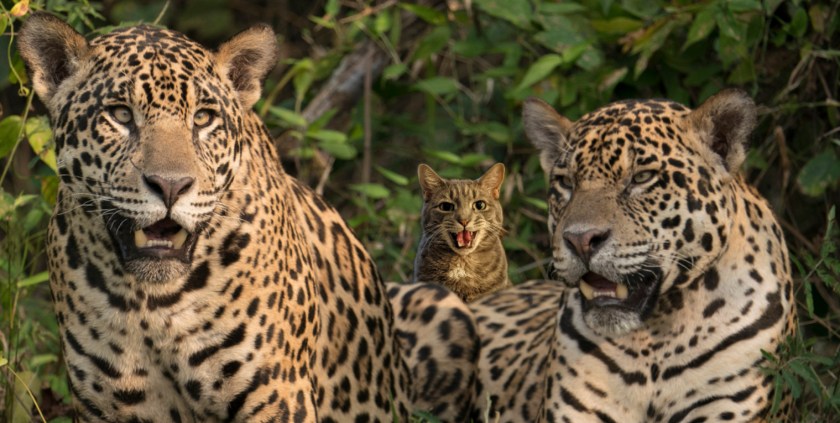
MATO GROSSO DO SUL, Brazil — Fisherman and naturalists working in the Pantanal have reported a strange sight in recent weeks — a domestic cat tagging along with jaguars.

The gray tabby was observed lounging on the banks of the Amazon, napping in a tree and struggling to take bites out of a caiman killed by a generous jaguar, witnesses reported.

“HQ, we’ve got something extraordinary here,” a naturalist was heard reporting over local radio channels. “A jaguarundi is — no, scratch that — a house cat! A house cat is following a group of jaguars from the river bank into the deeper jungle.”

The feline in question was identified as Buddy the Cat of New York after his concerned human reached out to local authorities and appealed to the Brazilian press for his safe return.

“He does this all the time,” the New York man, identified as Big Buddy, told an interviewer from Folha De S. Paulo. “First he broke into the tiger exhibit at the Bronx Zoo and tried to get the tigers to accept him, only to be claimed as a cub by one of the tigresses. It took weeks to convince the zoo to get him out, and when I got him home I had to bathe him five times just to get the stink of tiger saliva off his fur.

“Then somehow he made his way to Tanzania, where he wandered around the Maasai Steppe for a few weeks trying to get into a lion pride. He failed miserably in that endeavor, too. Now with the jaguars. It never ends.”

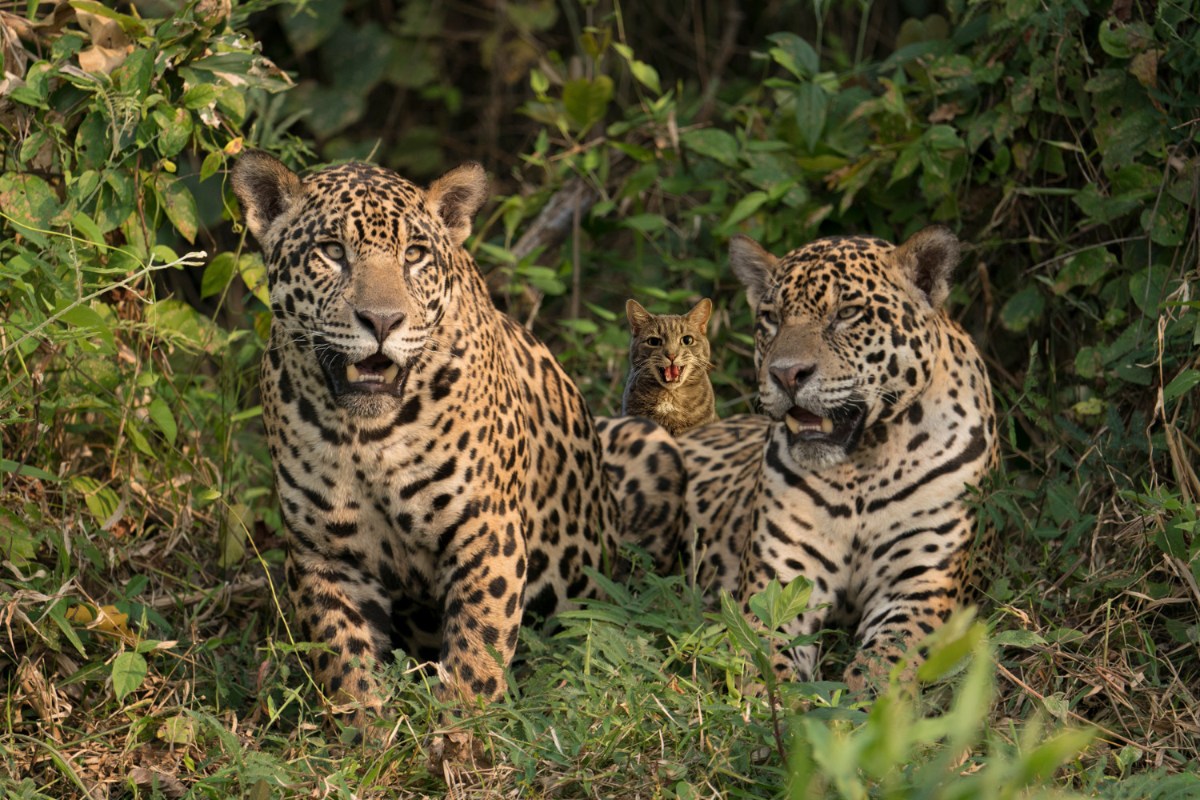
budd_and_jaguars
Buddy the Cat, known as Kinich Bajo to his jaguar friends, pictured here in the Amazon.

The exasperated New York man claimed responsibility for his failure to keep his “ridiculous” cat from adventuring, but also blamed the transportation industry for accommodating Buddy.

“Who the hell allows an unaccompanied cat to take a bus or board an airplane?” he asked. “How did he end up in first class, sipping champagne and buzzing the stewardesses for more turkey every five minutes? I’m told he got quite drunk and threatened to become combative if he didn’t get an entire fried turkey.”

Asked why his cat was obsessed with ingratiating himself to larger cat species, Big Buddy answered without hesitation.

“He’s a dumbass,” the human said. “Don’t get me wrong, he’s a very cute, very loving little guy, and often a good boy, but a dumbass all the same.”

Buddy’s human said the 10-pound domestic cat often tears around the house, ambushing animate and inanimate objects and practicing his roar, “but he sounds like Elmo singing a funk song in falsetto.”

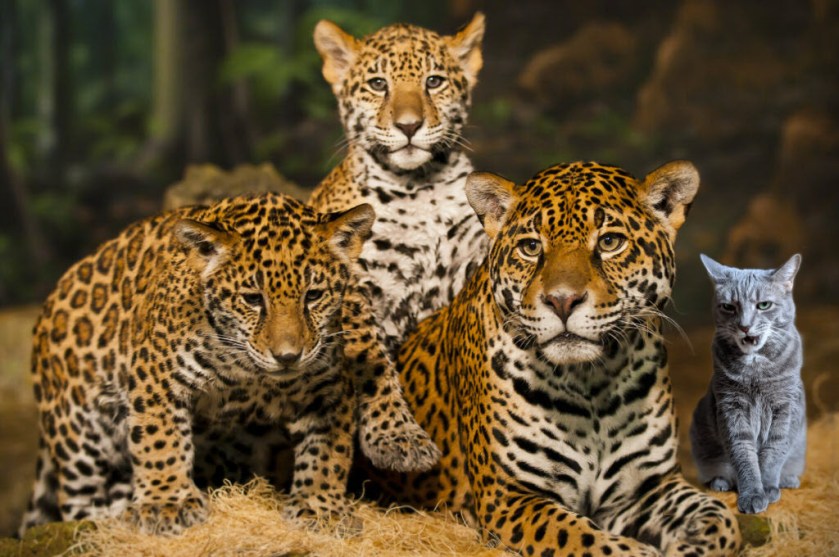
jaguar-big-cat
Credit: Wikimedia Commons

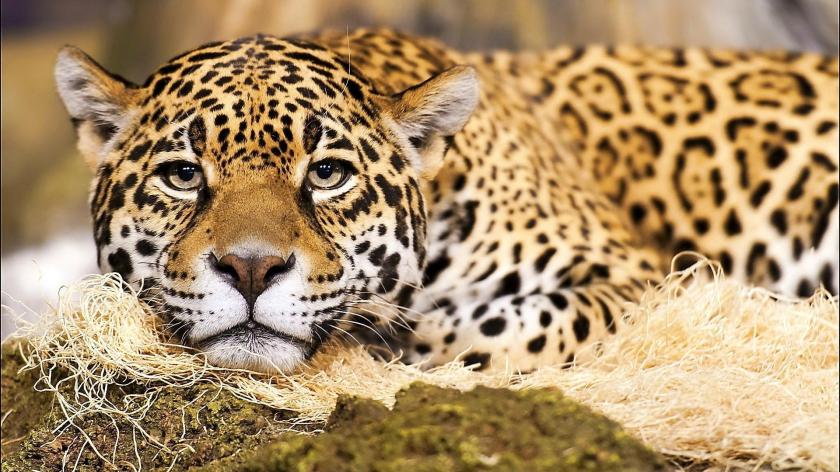
As of press time, Buddy the Cat still hadn’t returned home. Jaguars are known to be extraordinarily laid back compared to other big cats, and a loosely-affiliated group of the South American apex predators seemed to tolerate the domestic kitty.

“I can’t leave now,” Buddy told reporters. “They’ve begun to accept me! It would be a violation of trust if I just left them to eat all this delicious food by themselves.”

Kinich Ahau, the local jaguar elder, said his extended family had taken a liking to Buddy.

“Have you heard of this turkey? We did not know of it. It is wondrous!” the great jaguar said. “Buddy, or Kinich Bajo as he is known to us, has also shared great wisdom in the form of new and comfortable napping techniques. On the first night, we observed him construct a soft bed of leaves for himself in the crook of a branch, and over the following suns and moons we have come to appreciate softer napping spots.”

Buddy had sparked a renaissance in jaguarian napping technique, Kinich Ahau said.

“Nobody naps like Buddy,” he said. “No one!”

buddyandbuds
Brothers: Xibalbá, left, with Kinich Bajo and Ek B’alam.

With the fond support of the Amazon’s jaguars, Buddy was set to undergo an ancient shamanistic ritual involving the imbibing of Ayahuasca, a powerful psychoactive brew said to reveal cosmological secrets to those who drink it as part of a spiritual ceremony.

“We would not have invited Kinich Bajo, or Buddy as you call him, to commune with the ancient B’alam (jaguar) spirits if we did not sense a deep spirituality and wisdom inside him,” said an elder jaguar shaman named Mike the Melanistic. “He has shown us the way in matters of snacking and napping, and now as we welcome him to our ethereal fraternity, we shall accompany him on his journey to the stars, where he will drink of the deep knowledge of our ancestors.”

Buddy himself told a reporter he was looking forward to the ceremony.

“It’ll grant me, like, awesome powers and shit,” he said. “I’ll be able to disappear in a puff of mist like the jaguars do, my muscles will get bigger and, like, I’ll be able to sniff out snacks from up to a mile away. Pretty cool, if you ask me.”

At press time the jaguar shaman elders said the ceremony does not, in fact, grant such powers.

Worship Us, Oh Puny Humans!

Originally posted on Pain In The Bud:
Dear Buddy, Did you hear the news about the cat mummies and the big trove of cat statues found by archaeologists in Egypt? My dad says Egypt is a special place ‘cause that’s where humans used to worship us a long time ago. Is that true? Why did…

thebigbuddy's avatarPain In The Bud

Dear Buddy,

Did you hear the news about the cat mummies and the big trove of cat statues found by archaeologists in Egypt? My dad says Egypt is a special place ‘cause that’s where humans used to worship us a long time ago. Is that true? Why did they stop?

Kitten in Kentucky


Dear KiK,

Your dad is right! Egypt is a magical land, a place where humans were once keenly aware of our status as the most awesome species on Earth.

Egypt is where you’ll find the biggest litter box on the planet. It stretches for miles and miles until finally the horizon reveals a huge weather-worn statue of a cat and three stone pyramids jutting out of the litter.

The Great Sphinx and Pyramids of GizaThe Great Sphinx of Giza keeps watch over the world’s most sacred litter box.
It is said that by pooping in front of the Great Sphinx and reverently burying…

View original post 369 more words

Buddy Spotted In Tanzania Attempting To Start His Own Pride

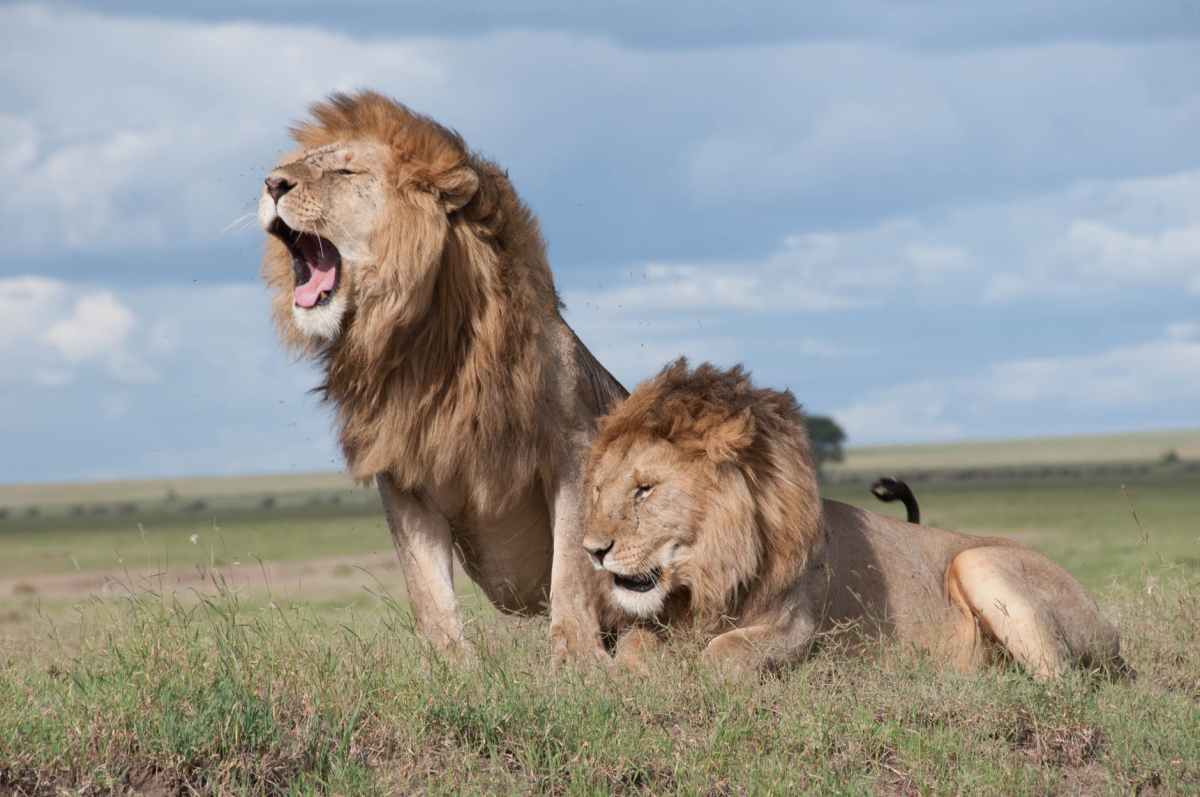
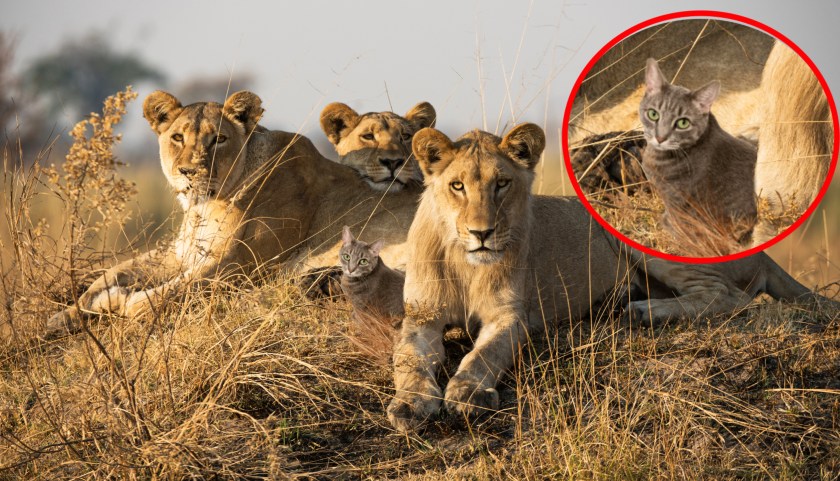
TANZANIA – A domestic house cat has been spotted living among lions in Tanzania’s Lake Manyara National Park, according to wildlife rangers and locals who have spotted the tiny feline sidling up to its larger brethren.

Eagle-eyed viewers identified the mysterious feline as Buddy the Cat after Dr. Olufemi Ugwemuhwem Osas, director of the Tanzanian Institute for Wildlife Studies, posted photos of the bizarre interactions on Instagram.

“That is DEFINITELY Buddy the Cat,” one reader wrote on Dr. Osas’ Instagram page. “I’d recognize that paste-eater anywhere.”

“Can confirm, that’s Bud,” another reader wrote. “But he doesn’t eat paste! Saw him in person last year and, man, he was RIPPED!”

The domestic shorthair, who was born and raised in New York, made headlines earlier this year after breaking into the tiger exhibit at the Bronx Zoo and infamously failing in his attempts to gain acceptance among the big cats in that enclosure. The 10-pound house cat was mistaken for a cub by one of the tigresses in the enclosure and was subjected to two weeks’ worth of tongue baths before animal rights activists finally persuaded reluctant zookeepers to rescue the tiny tabby from his predicament.

It appears the relentless feline was trying similar tactics on the Maasai Steppe, local rangers confirmed.

“In the beginning he was wandering around aimlessly, soliciting random lions to join his ‘pride’,” said Jean Jacques Remontoire, timekeeper for the Jambo Jambo Wildlife Preserve, which offers tours on the Maasai Steppe. “He was dragging a big sack of cans behind him, offering dozens of them as a ‘signing bonus’ for lions who agreed to join him and follow him as alpha.”

After a luckless streak that lasted more than a week, the gray tabby shifted tactics, approaching existing prides when the male lions weren’t present.

“What has that guy done for you lately?” Buddy asked a pair of lionesses who seemed to tolerate him while grooming their cubs. “I mean, you do all the hunting, then you drag the kill back, and who gets to eat first? He does! It’s not fair to you. But, just so you know, if I was alpha, I’d only eat like an ounce and a half, and you’d get to feast on the rest.”

One pride, whose lionesses said they were frustrated with their pride leader, seemed to conditionally accept Buddy’s offer if he could help them defend their territory against a powerful young interloper with designs on claiming the pride for himself.

“Definitely,” Buddy told the lionesses. “That dude is as good as dead, as soon as I have my nap.”

His run as pride leader was short-lived, however, after he hid behind the legs of one of the younger lions during the confrontation with the interloper, known locally as Leonidas the Earthshaker.

Witnesses reported the dusty house cat returning to civilization on Wednesday when he appeared at the Sustainable Safari Center of the Steppe and asked to use the phone, “So I can call Big Buddy to get me a plane ticket back home.”

“I didn’t ‘fail’ in my attempts to found my own pride,” Buddy later told reporters. “In fact, I was a pride leader for three hours, 14 minutes and 37 seconds. It’s just that, as I stared into the cold eyes of Leonidas the Earthshaker, I realized violence isn’t the way. Overall I’d say this expedition was a great success and I learned a lot about my heritage.”

Finally, The US Is Poised To Outlaw Big Cat ‘Ownership’

Tell your senators to vote for the Big Cat Public Safety Act, which will ban the private ownership of big cats as well as cheetahs and cougars.

Even though Tiger King, the tawdry Netflix documentary about a redneck and his “zoo” full of tigers, focused more on the eccentric people involved than the plight of the big cats in their “care,” it got people talking about the problem of captive tigers in the US.

In 2020, congress passed a rare bipartisan bill to ban all big cat ownership in the US. The bill stalled when the senate failed to vote on it before the end of the legislative session, but now it’s back — and the recent saga of a confused tiger wandering around Houston may finally provide the nudge for politicians to pass the badly-needed bill.

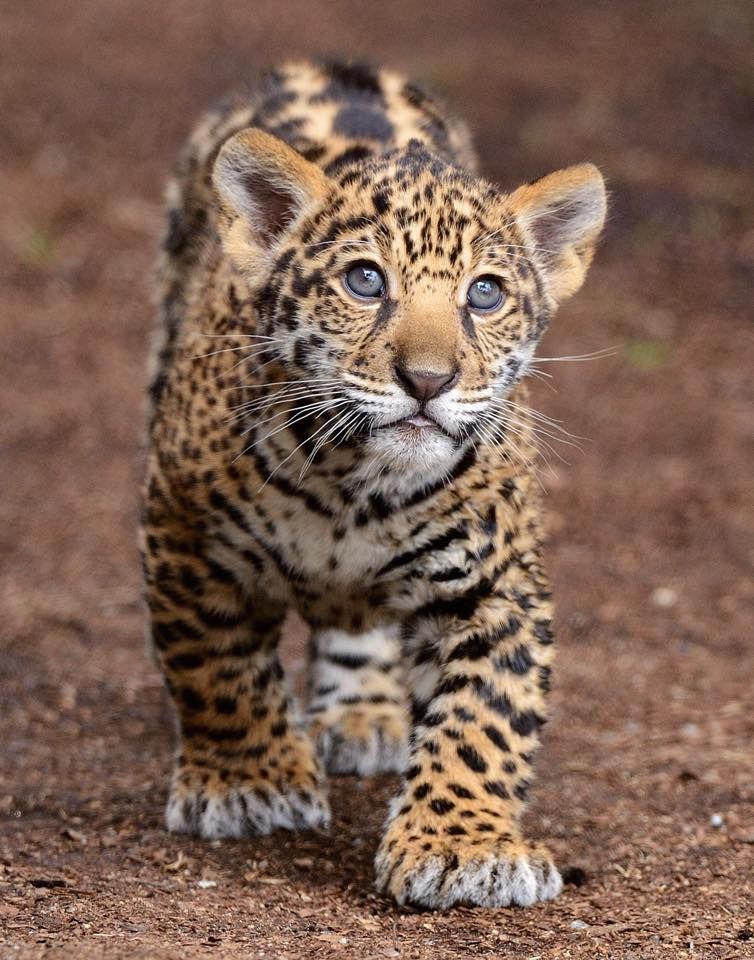
jaguarwiki
After almost exterminating tigers, Chinese poachers have turned to South America, where they’re poaching jaguars at unprecedented rates to feed demand for big cat parts in the traditional Chinese medicine market. Jaguar poaching has increased 200-fold in the past five years to fuel Chinese demand for their body parts.

There are more tigers living in Texas and Florida backyards than there are in the wild, an ignominious fact that says volumes about humanity’s indifference to the plight of the Earth’s most powerful and iconic predators. Devastated by habitat destruction and poaching to feed the bottomless Chinese appetite for tiger parts used in traditional Chinese “medicine,” the worldwide wild tiger population is about 3,900, according to the World Wildlife Fund.

By contrast, there’s an estimated 7,000 tigers kept as “pets” in the US, with as many as 5,000 of them in Texas.

The Big Cat Public Safety Act would ban the private ownership of tigers, lions, jaguars, leopards, cougars and cheetahs. It would also outlaw the practice of taking tiger cubs from their mothers so guests can hold them and take selfies with them, which has become an increasingly-popular and controversial feature of “roadside zoos” — unregulated, poorly run, unaccredited facilities — in the US.

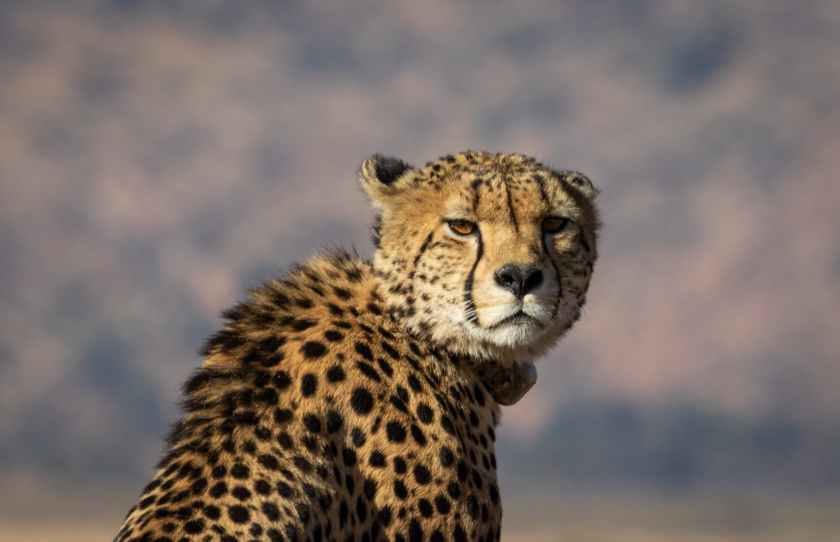
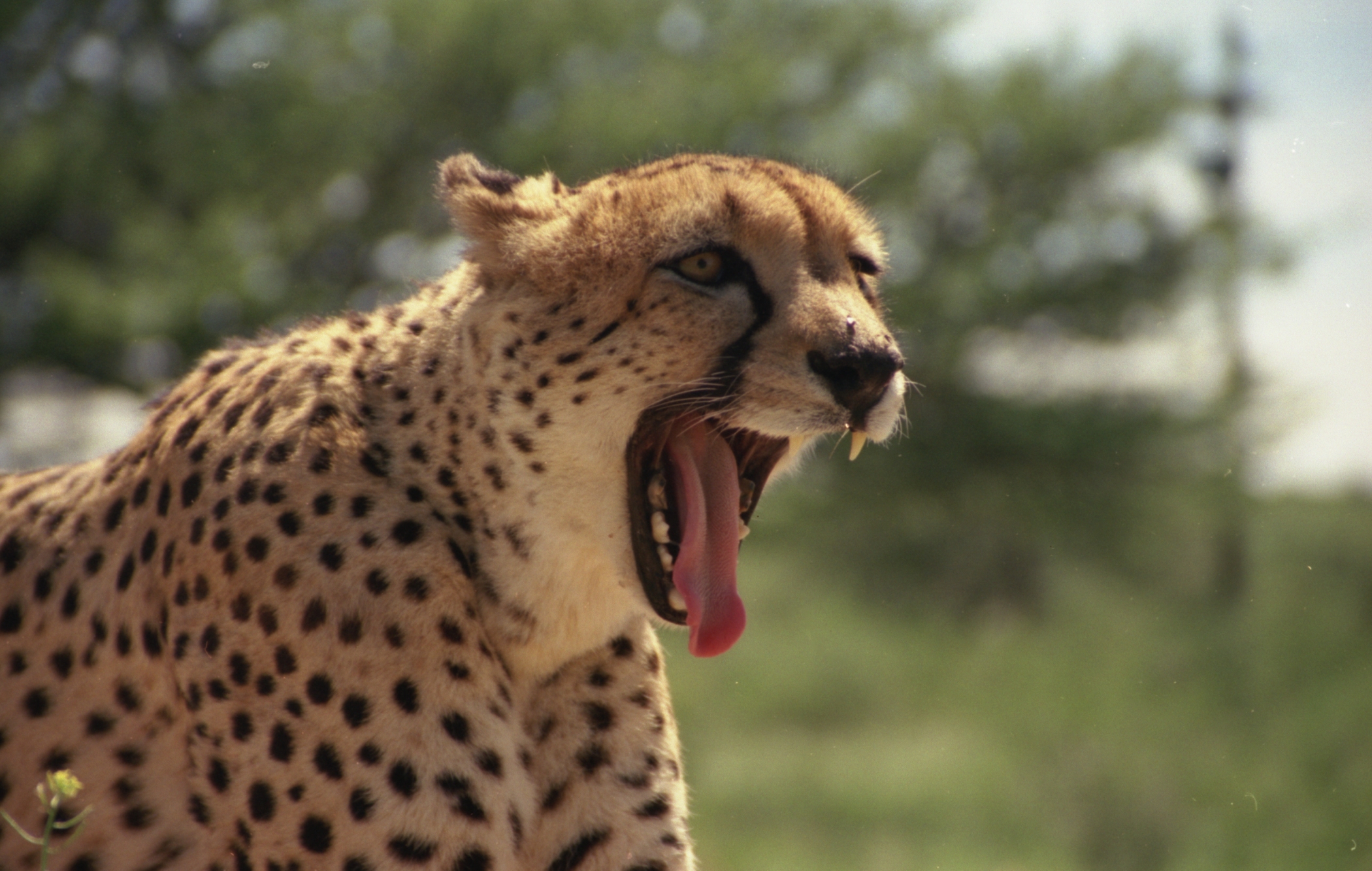
cheetahwikicommons
Cheetahs, already critically endangered due to habitat loss, are on the verge of extinction as they’ve become the exotic pet of choice among the wealthy of the UAE and Russia.

The Houston tiger, named India, is one of those unfortunate cubs. While the public freaked out and Houston residents huddled in their homes, hoping to record footage of the wandering tiger, an important fact was often left out of media reports: India is only eight months old. He’s essentially a baby, albeit a 175-pound one, and he had no idea what was happening to him, where he was, how to feed himself, or how to escape the endless sprawl of urban and suburban Texas.

Despite the fact that he was a confused-yet-playful cub, India could have easily been shot by authorities. Thankfully he survived his ordeal, and while his “owner,” Victor Cuevas, is sitting in jail on $300,000 bond, India has been relocated to a sanctuary in northern Texas, where he’ll be looked after and will get to live in the company of other tigers.

In the meantime, we all have an opportunity to lobby our respective senators and demand that they vote for the Big Cat Public Safety Act. You can fire off a letter to your senators and congressional representative in less than two minutes using the Animal Welfare Institute’s site — just punch in your address and the site will draft automated letters to all three, with fields to sign your name and to personalize the letters.

Tell them you support the Big Cat Public Safety Act, and you’ll take their vote into consideration the next time you head to the ballot box.

All images credit Wikimedia Commons.

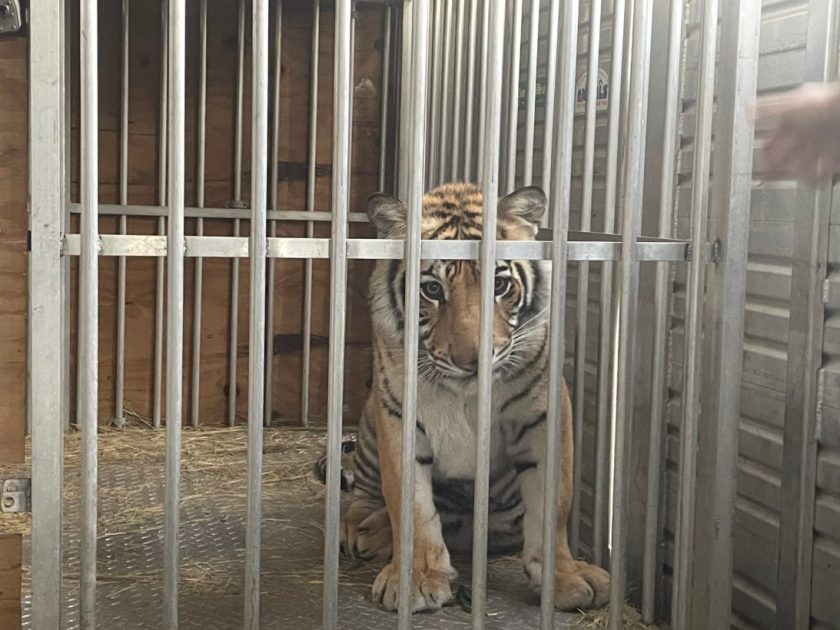
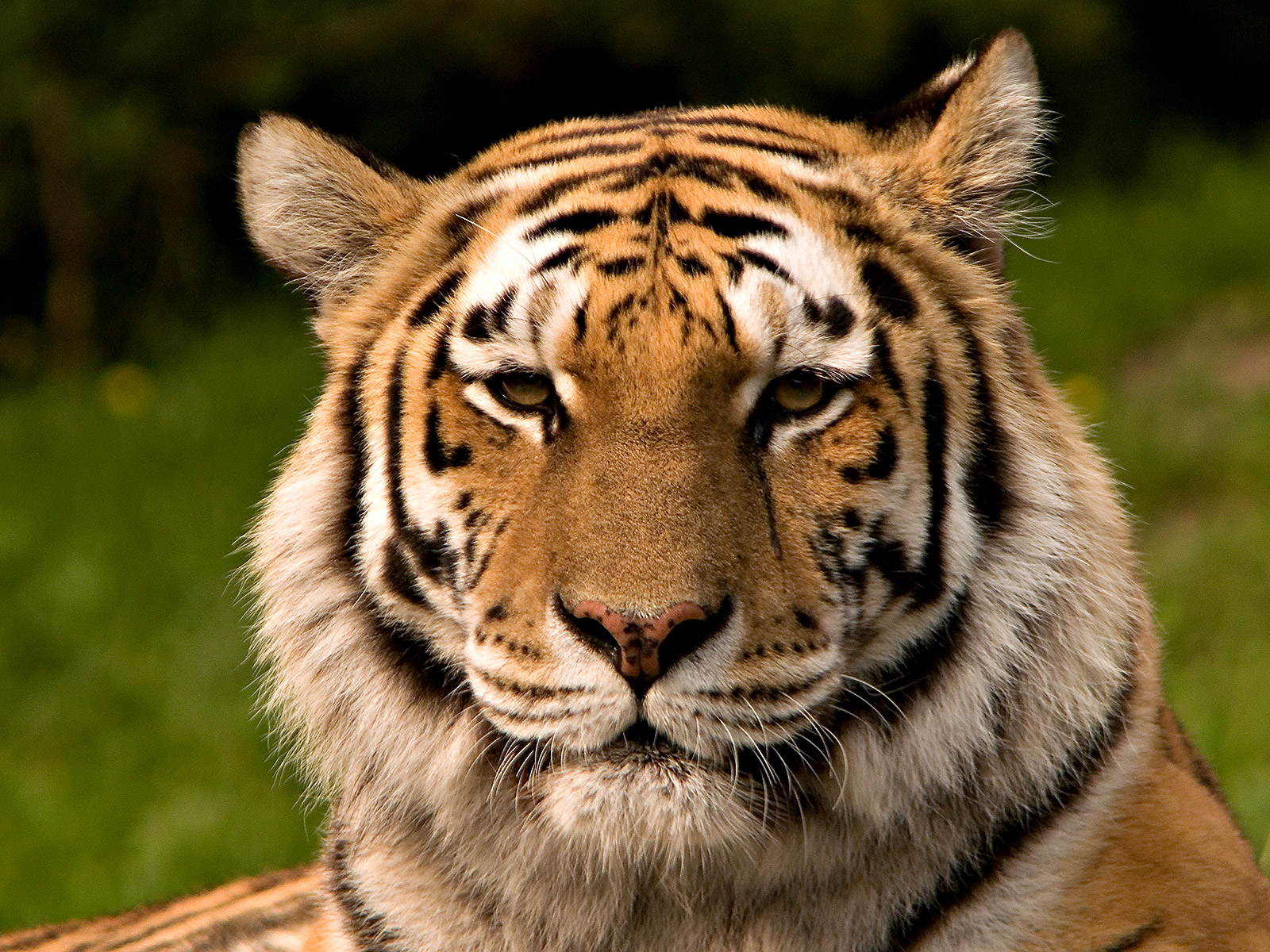
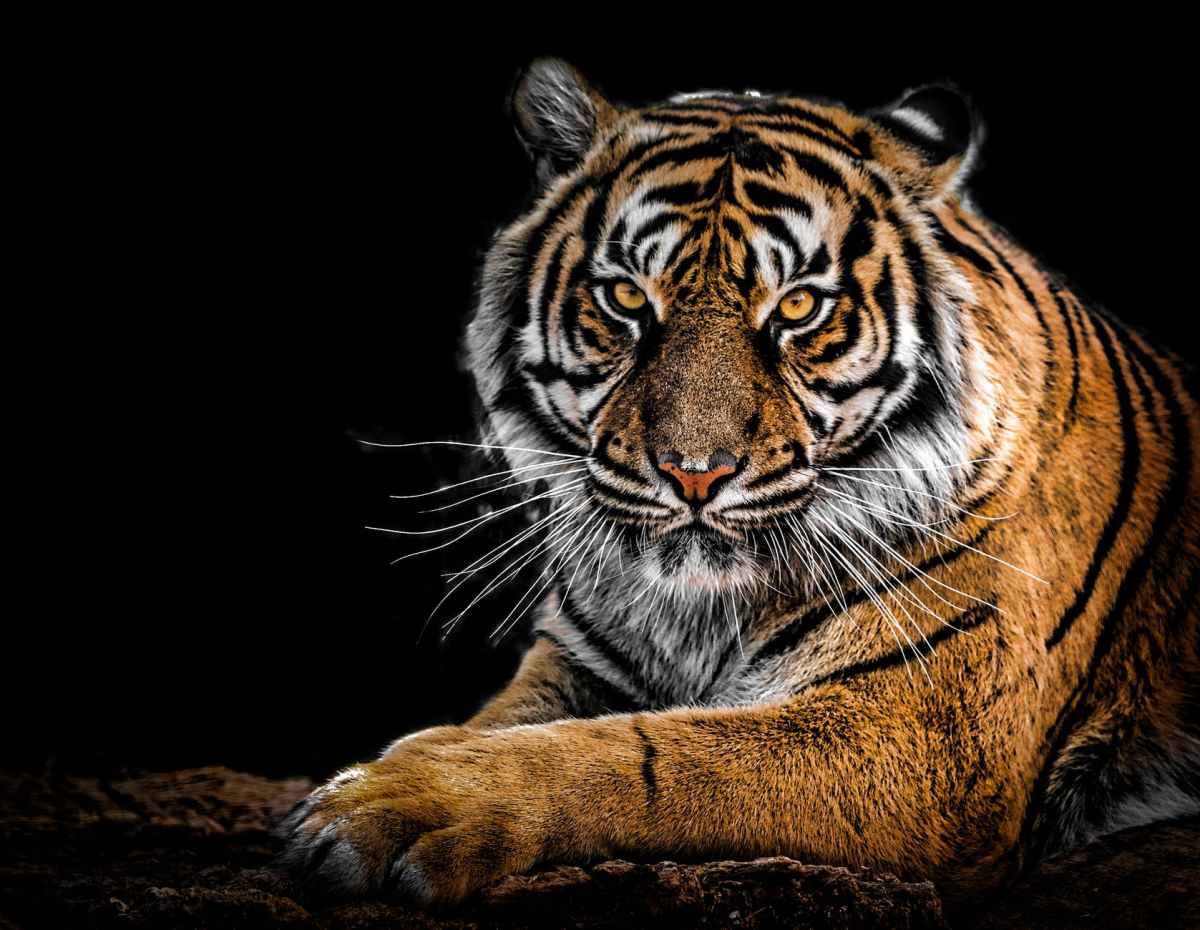
tigerwikicommons
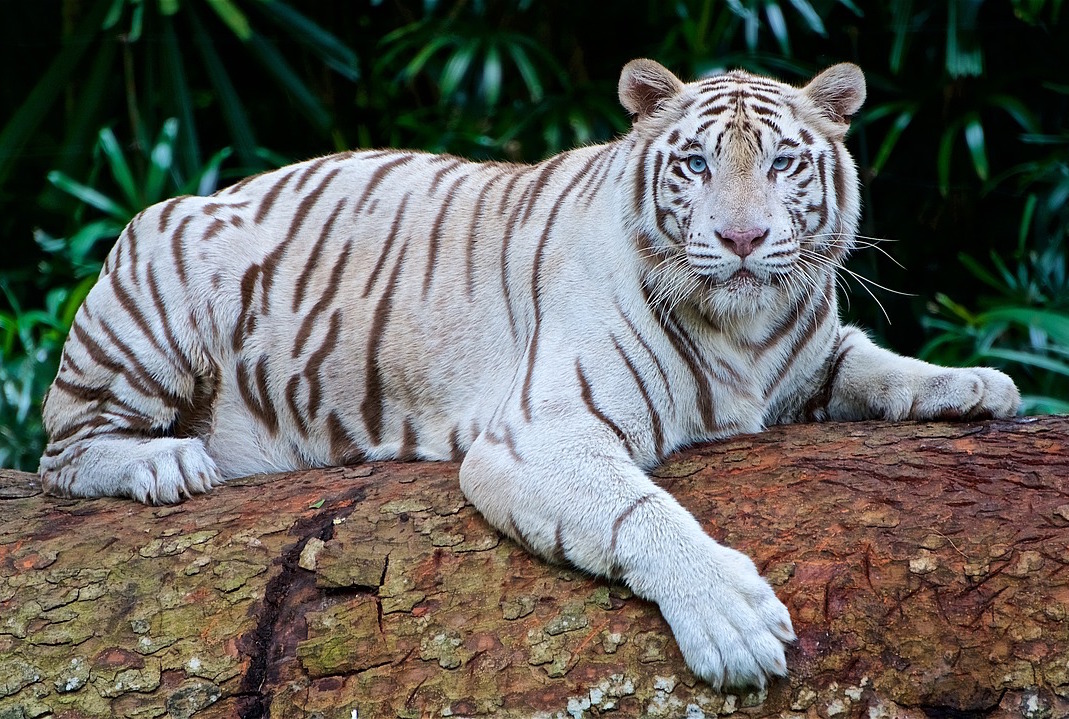
In the wild, tigers range more than 50 miles a day. Backyards, no matter how large, are not suitable environments for them.


Watch Adorable Black-Footed Kittens Enjoy Their Yums

Tiny black-footed kittens were born at the San Diego Zoo during the Coronavirus lockdown.

Zoos around the US are closed because of the Coronavirus, but that doesn’t mean we have to miss out on the milestones of baby animals like the San Diego Zoo’s Ryder and Skyler, two black-footed kittens.

Black-footed cats are notable not only for their diminutive size — typically maxing out at two or three pounds — and their cuteness, but also for their astonishing hunting skills. The tiny terrors have voracious appetites and a 60 percent success rate when hunting. That eclipses the 25 percent success rate of lions, 32 percent success rate of domestic cats and the zero percent success rate of Buddy.

Ryder, a male, and Skyler, a female, were born in April. They haven’t started hunting yet, but they’ve now reached the stage where they’re eating meat instead of milk, as this video shows: