PLUS: Get the Army Corps of Engineers’ whimsical 2023 Cat Calendar!
A mountain lion got more than it bargained for when it found itself face to face with a ferocious furball last week.
The puma was taking a breather near a home on Jan. 5 when it turned, realizing there was a pair of eyes watching it. Those eyes belonged to the resident cat, a 13-year-old moggie who was not pleased to see a wild intruder in its territory.
The puma initially squared off on the other side of a sliding glass door as if saying “You want some of this?” but seemed shocked when the domestic cat, rather than backing down, launched into a series of feints and yowls.
The puma flinched a few times, then decided to vacate the premises.
Clearly, the wild cat found itself wondering about the identity of the tabby.
“Is that Buddy the Cat? Oh crap! If it’s him, I’m in trouble! They say he has huge meowscles and is a master of 36 styles of Kung Fu!”
Bridget Moynahan joins the search for Bridget Moynahan
Blue Bloods actress Bridget Moynahan gave a boost to the search for a missing cat bearing her name.
The 51-year-old actress lent her star power to the search by posting about it on Instagram, where she has 345,000 followers.
The missing kitty belongs to the owner of a Manhattan bodega, and spends her days napping on the shelves and being admired by customers.
There are an estimated 10,000 bodegas in New York City, where traditional grocery stores don’t really fit into an urban lifestyle where most people don’t own cars and can’t load up two weeks’ worth of groceries in a minivan.
To keep mice and rats at bay, most of New York’s bodegas have cats. They’re technically illegal, but because having a cat in the store carries the same $300 penalty as having rodents, bodega owners opt for the former. The cats are beloved by New Yorkers, and the city is mostly content to overlook their presence unless there are major health violations.
Get the Army Corps of Engineers 2023 Cat Calendar for free
If you still haven’t picked up a calendar for the New Year, the Army Corps of Engineers has got you covered.
Their 2023 Cat Calendar features magnificent moggies in giant form, scratching, lounging and napping on ships, jetties, dams and dredges.
Click here to download the printable PDF of the calendar.
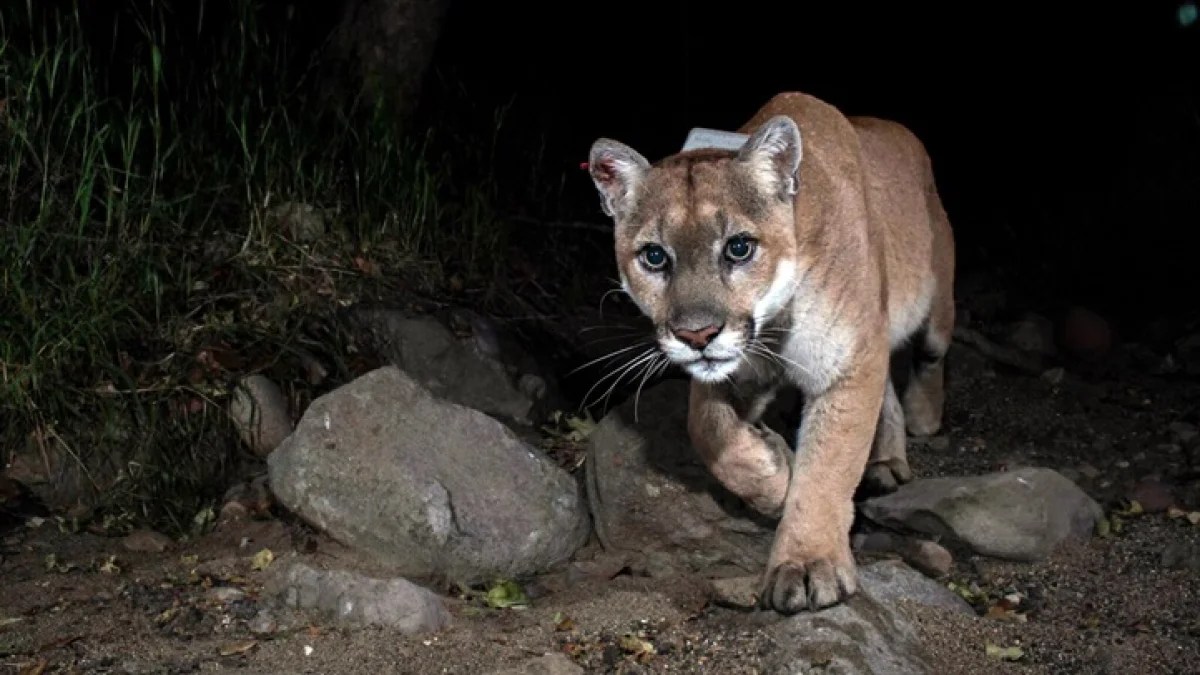
P-22 suffered a skull fracture after he was hit by a car on Sunday evening. The beloved mountain lion was in a bad way when wildlife officials found him.
When the puma known as P-22 made headlines a month ago for snatching a pet Chihuahua off his leash on a post-sundown walk, a lot of people were concerned the mountain lion would be put down or hunted in retaliation.
The dog’s owner admitted he was distraught, but also pleaded with the public not to harm the puma, who after all was just being a cat. P-22 didn’t know pet dogs are off-limits, and he showed no aggression toward the other dog or the man walking the pooches. He was hunting after dark, like pumas do.
Sadly, P-22 is now dead, although there does not appear to be a connection to the Chihuahua incident.
Late on Monday morning, Sarah Picchi of Los Feliz opened her door to find fish and wildlife officers on her property. She knew why they were there, as she’d spotted the cougar in her backyard.
“Of course, I knew it was P-22 because I’ve been following the story,” she told the Associated Press.
P-22, who was described by the National Park Service as “a remarkably old cat in the wild” at 12 years old, was showing signs of distress. Veterinarians who have been tracking and protecting California cougars for 20 years tranquilized P-22 and gave him a veterinary examination after receiving reports that he may have been hit by a car on Sunday night.
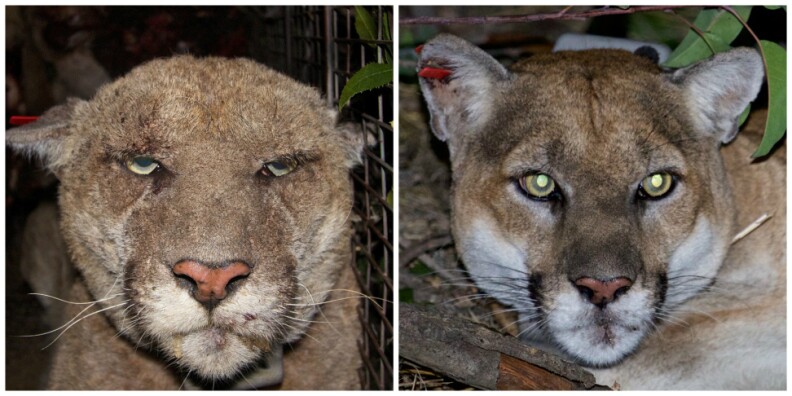
P-22 when he was healthy, right, and just a few days ago when he was suffering from infections and a fractured skull, left.
Unfortunately it looks like he was indeed hit. The beloved mountain lion, who had famously crossed his state’s busiest highways in his younger days to find a range of his own, suffered a skull fracture, an unnamed skin condition and signs of kidney and liver disease.
Veterinarians said the only option, at his advanced age and in his condition, was to place him in a sanctuary where he could be constantly monitored and cared for, but that’s a dicey proposition for a proud animal who spent his entire life fending for himself, hunting and going where he pleased. P-22 would not have recovered, they said, and would have had poor quality of life even if he lived out his remaining days in captivity.
Ultimately they made the difficult decision to euthanize him this week.
Again, there’s no indication any of the misfortune to befall P-22 had anything to do with the Chihuahua incident, although the driver who hit him without reporting the injury made a selfish choice. It’s not clear if earlier treatment could have saved P-22, but it may have saved him significant suffering.
The famous cat, who called some of Los Angeles’ most well-known neighborhoods home, leaves behind a legacy that includes books and documentaries on his incredible life and journey from southern California to his eventual home in LA. Rest in peace, big guy.
Scroll down to the bottom of this post for more photos and a link to the National Park Service’s tribute to P-22.
Wetumpka will pay the price for petty politics
Reader Leah of Catwoods fame brought our attention to this excellent analysis of the situation in Wetumpka, a town in her home state of Alabama that is now best known for extremely aggressive police officers arresting two women for the “crime” of managing a cat colony.
The women, Beverly Roberts and Mary Alston, were found guilty of two misdemeanors each earlier this week in Wetumpka municipal court. (They also spoke to PITB on Friday, discussing their plans to appeal and their worries about the health and safety of the colony cats.)
The column, by Alabama Political Reporter’s Josh Moon, echoes our own thoughts on the scandal, pointing out the petty nature of the arrests and prosecution:
It’s so utterly absurd. And to be quite honest, it reeks of small town politics. It smells suspiciously like some thin-skinned city official got peeved because some ladies had the gall to question him, and he decided to flex a little muscle, show those little gals where the power lies.
And, lo and behold, in court on Tuesday, one major line of questioning revolved around whether Mayor Jerry Willis had told Wetumpka PD to arrest one of the cat ladies, because she had been continuously critical of the city’s animal control policies and practices. Willis, under oath, denied ordering her arrest. Testimony from a lieutenant from Wetumpka PD sure seemed to indicate that some sort of directive had come from the mayor’s office.
Regardless, bodycam footage of the cops’ interactions with Roberts and Alston show an impressive response – three cop cars and four officers – to a call about a lady possibly feeding cats. On a roadside. With no businesses nearby. Near a wooded area. With plenty of space off to the side so traffic wasn’t impeded. On public property.
As we did, Moon noted Alston and Roberts weren’t breaking any laws by being on public property, and there are no laws in Wetumpka prohibiting feeding stray cats.
And it’s not about feeding stray cats, as Willis claimed in his court testimony. Alston and Roberts were providing a service to Wetumpka, at their own expense, because they love animals. Trap, neuter, return is a proven process that limits and ultimately reduces stray cat populations, and does so in a humane way. Prohibiting the women from managing the cat colony will only make the problem worse as the felines mate and stray further afield looking for food, a fact that Willis and town officials don’t seem to appreciate.
Moon wrote:
A city with a decent government would have worked with Alston and Roberts. It would have given them awards for spending their days performing this public service for free. It would have explored ways to expand the very good thing they were doing.
He quoted attorney Terry Luck, who represented the women, saying “Wetumpka is a laughingstock” for arresting Alston and Roberts, blatantly lying about the reasons and the sequence of events leading up to the arrests, and doubling down on prosecuting them even as the story spread nationally and people understandably shook their heads in disbelief at the insanity of it all.
The small-town trial, Moon noted, was covered by reporters from across the state and from national media outlets. Body camera footage of the arrests fueled public outrage, as officers treated Alston and Roberts like hardened criminals and even laughed at the idea that they were “a bunch of cops beatin’ up on some old ladies.” That’s not what you want your town to be known for.
“The city will pay a hefty price for the bad PR,” Moon wrote. “And the whole time, doing the right thing was free.”
Tribute to P-22
We leave you now with some photos and images that can only hint at how much P-22, the lion of Hollywood, was beloved by the people of LA. He was the subject of at least four books, two documentary movies, various festivals and fundraisers for protecting his kind, and his face graces innumerable posters, t-shirts and pins. Here’s how the National Park Service described the big guy:
Likely born in the Santa Monica Mountains as the son of adult male P-1, he somehow found his way to his tiny, nine-square-mile home in Griffith Park, separated from the Santa Monicas by the 101 and 405, two of the busiest freeways in the world. Defying expectations, he persisted for more than 10 years in the smallest home range that has ever been recorded for an adult male mountain lion.
Although he made frequent appearances on the streets of the Hollywood Hills and even, more recently, of the Silver Lake neighborhood, he was also clearly a wild cat, doing so mostly late at night, and subsisting largely on natural prey such as deer and coyotes.
In the end, he found his way into many Angelenos’ hearts and home surveillance camera footage.
The puma is known by more names than any other mammal, a fact that reflects its incredible resilience and wide range.
The puma goes by a lot of names. So many, in fact, that it holds the Guinness world record for the mammal with the most names, with more than 40 monikers in English alone.
Add the puma’s various appellations in Spanish and the indigenous tongues of south north America, and the large golden cat has probably had at least 100 names by a conservative estimate.
Cougar, panther, mountain lion, catamount, Florida panther, Carolina panther, ghost cat, gato monte, cuguacuarana, painter, screamer — they’re all names for puma concolor, a felid with the size of big cats in the panthera genus but genetics more closely related to non-roaring “small” cats, including felis catus.
Indeed, although pumas are famously capable of the wild cat “scream,” they’re able to purr just like house cats and their small- to medium-size wild relatives.
Why does the puma have so many monikers?
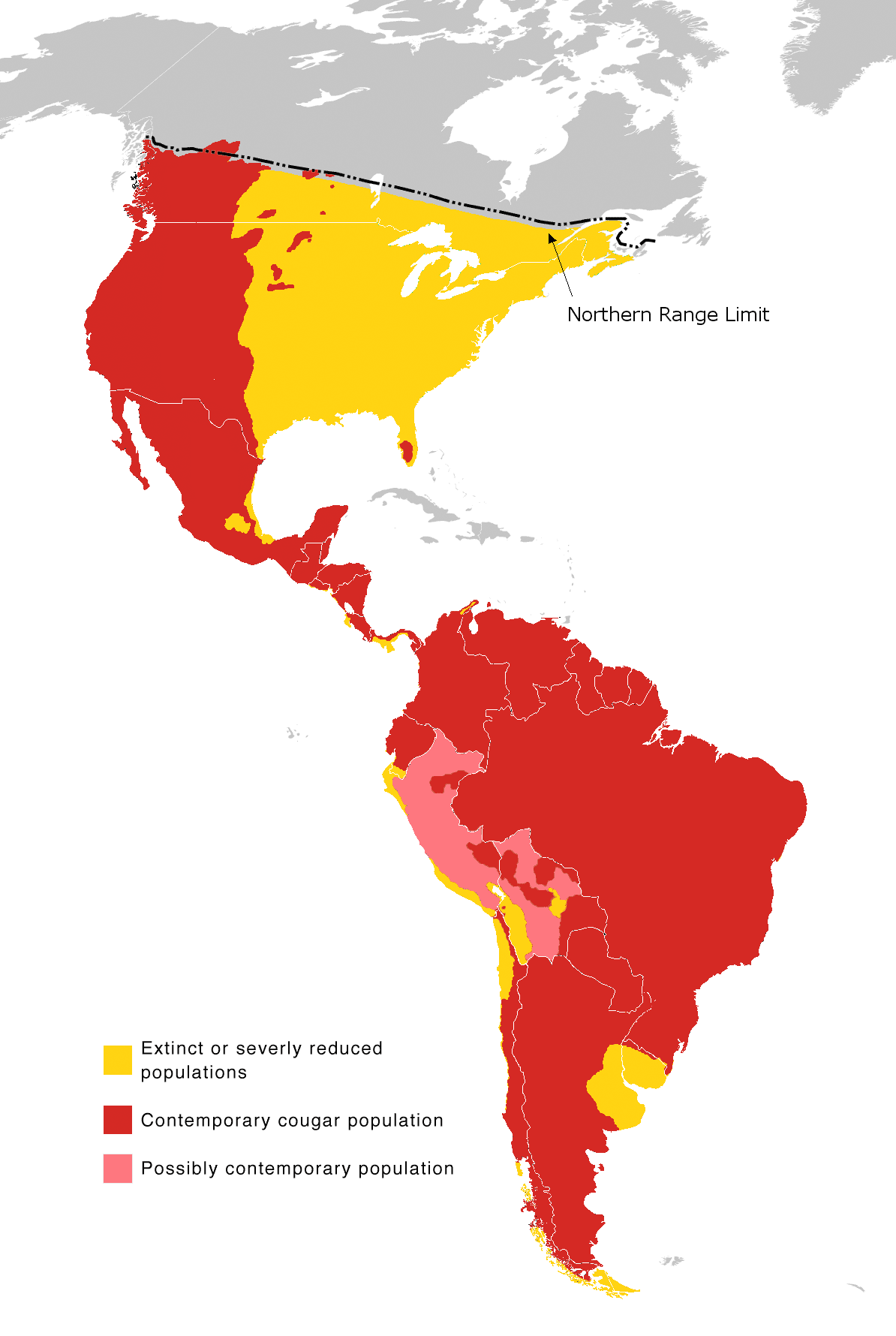
Mostly it’s because the adaptable, elusive feline has a vast range that historically covered almost the entirety of two continents:
Credit: Wikimedia Commons
Even today cougars exist in healthy numbers across most of South America and the western United States. They’re wanderers, with pockets of smaller populations in places like Florida and the midwest, and individual mountain lions have been spotted as far east as New York and Connecticut. (The New York region known as the Catskills, derived from “cat creek” in Dutch, was named after pumas when the area was part of their regular range.)
Throughout their history they’ve been familiar to a diverse group of human civilizations, societies, nations and peoples, from the Aztecs, Inca and Mayans, to the indigenous tribes of North America and the First Nations of Canada, to the inhabitants of modern-day countries like the US, Panama, Brazil, Mexico, Venezuela, Colombia, Ecuador, Paraguay, Bolivia, Chile and Argentina.
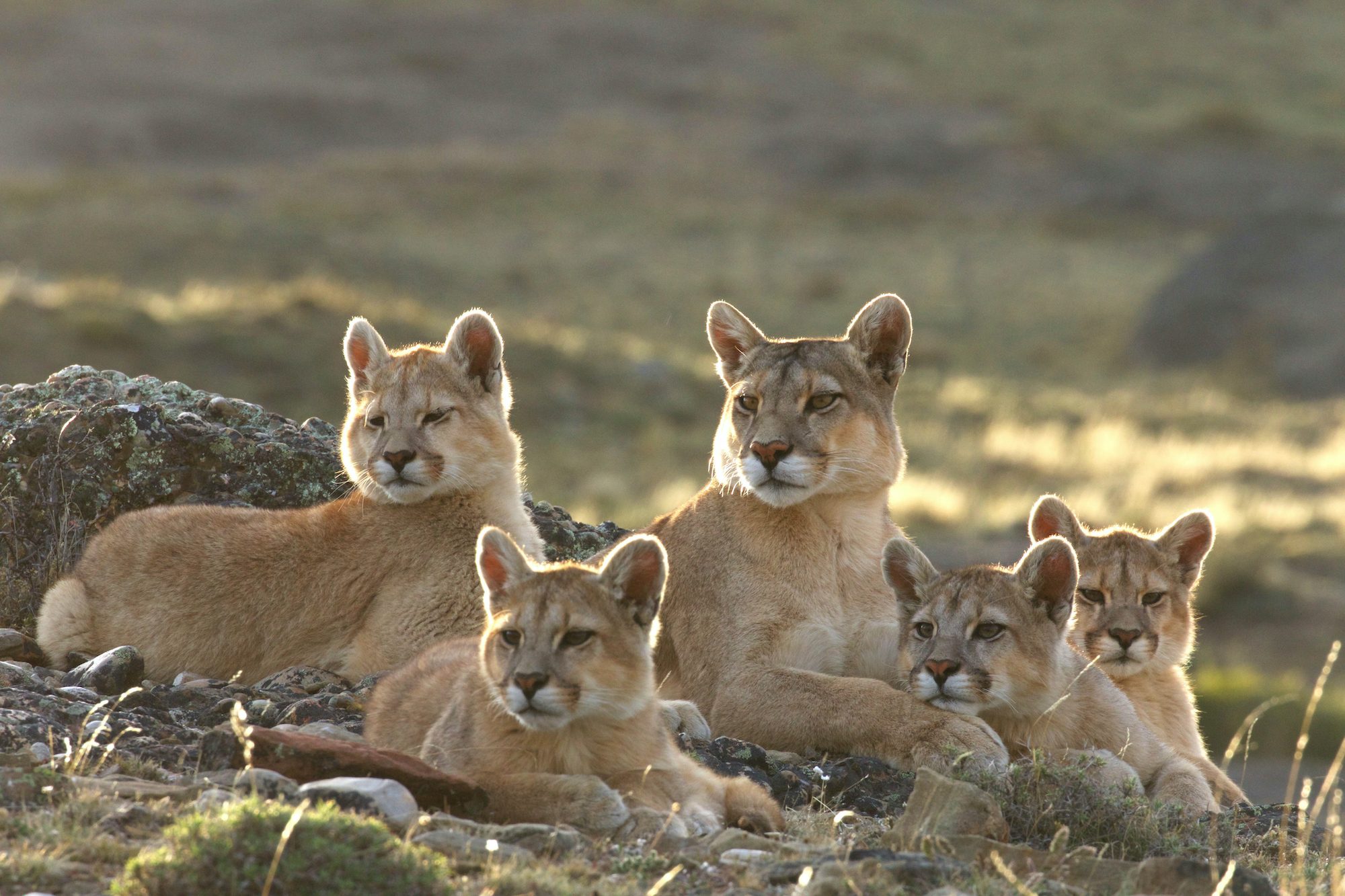
A puma with her cubs. Credit: Nicolas Lagos
But the name confusion doesn’t just stem from the puma’s many monikers bestowed by people of different cultures across space and time. The puma is also one of three cat species that are regularly called panthers. The other two, jaguars (panthera onca) and leopards (panthera pardus), are true “big cats.” That means they’re members of the genus panthera and they can roar but not purr.
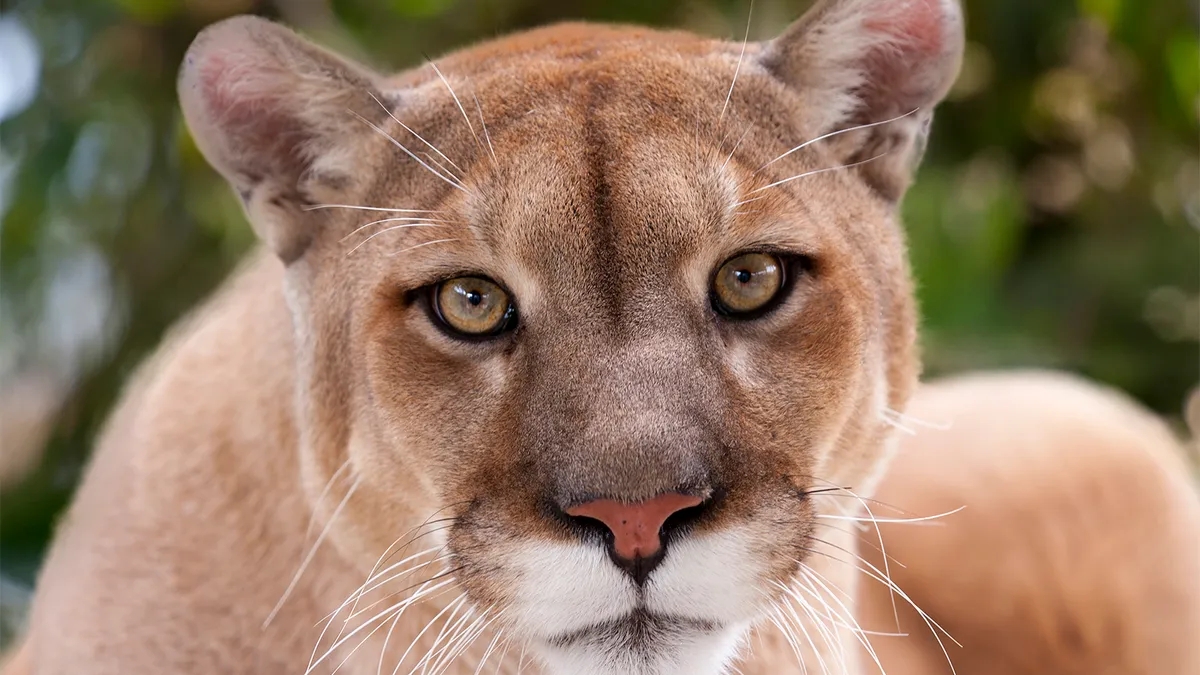
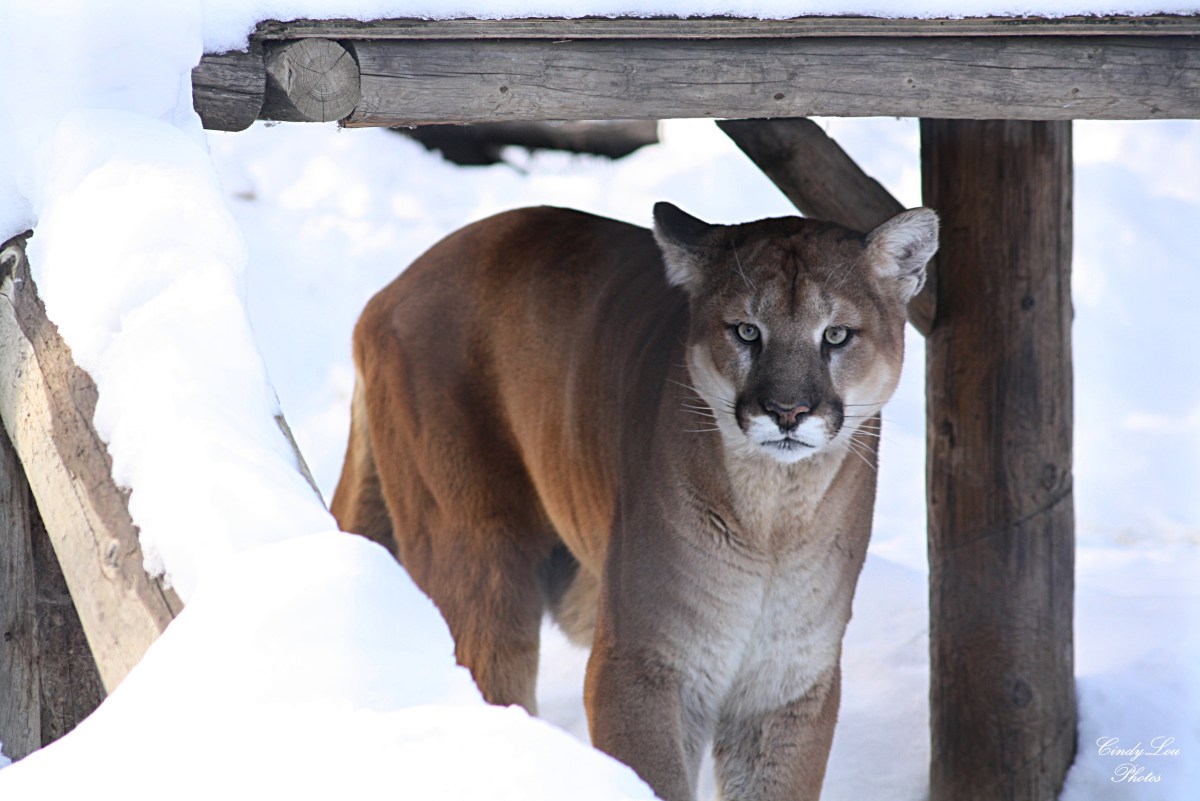
Pumas are easily distinguishable from the other two: They have smooth golden fur without adornments, while jaguars and leopards both have blotches called rosettes.
It’s difficult to tell jaguars from leopards, but the biggest giveaway is the fact that jaguars have solid dot-like markings within their rosettes while leopards do not. In addition, leopards have much longer tails than jaguars or pumas, as they need the counterbalance provided by their tails to help them climb trees and balance themselves on tree limbs.
Jaguars are excellent climbers as well, but they don’t need to be as adept at living off the ground — they are the apex predators in the Americas, while leopards coexist with lions and other large animals like Cape buffalo that present a danger to the big cats even if they’re not predators.
Which brings us to our last point: Our many-named friends, the pumas, may be big and they may look dangerous, but they’re not. There have been 27 humans killed by the elusive cats in more than a century in the U.S., according to the U.S. Fish and Wildlife Service, compared to about 3,000 deaths from dog bites over the same period. Between 30 and 50 people are killed by dogs each year.
Most confrontations between humans and pumas happen when the latter are threatened and cannot escape, or when a female is protecting her cubs.
So if you live in an area where you have a chance to see these beautiful cats, admire them and keep your own kitties indoors, but don’t freak out — the puma you see one second will be gone the next.
“He didn’t hunt the lion and he didn’t have to hike six hours to reach it. … All he did was walk to the bottom of the tree, pull the trigger and kill it.”
Montana Gov. Greg Gianforte has to go.
The so-called “avid hunter,” who once boasted of serving “mountain lion teriyaki, antelope chops wrapped in bacon, and elk tenderloin” to investment bankers visiting his home, apparently wanted to kill another puma so badly that he put the word out to fellow hunters.
On Dec. 28, one of those hunters caught sight of one of the large and elusive felids just a few miles outside of a protected area near Yellowstone. The hunter unleashed his hounds on the cat, who escaped up into a tree, and kept the dogs there for hours to prevent the puma from escaping while the Mighty Hunter Gianforte drove hours to the location, got out of his car and bravely shot the terrified animal at point blank range.
What Gianforte did was not hunting, according to retired physician, naturalist and outdoorsman E. Donnal Thomas Jr., a Montanan who is well known for writing about hunting and outdoor sports.
Driving to a place where quarry has already been trapped and shooting it is “the difference between a hunter and shooter,” Thomas told the Yellowstone Mountain Journal. “He didn’t hunt the lion and he didn’t have to hike for six hours to reach it. It sounds as if all he did was walk to the bottom of the tree, pull the trigger and kill it.”
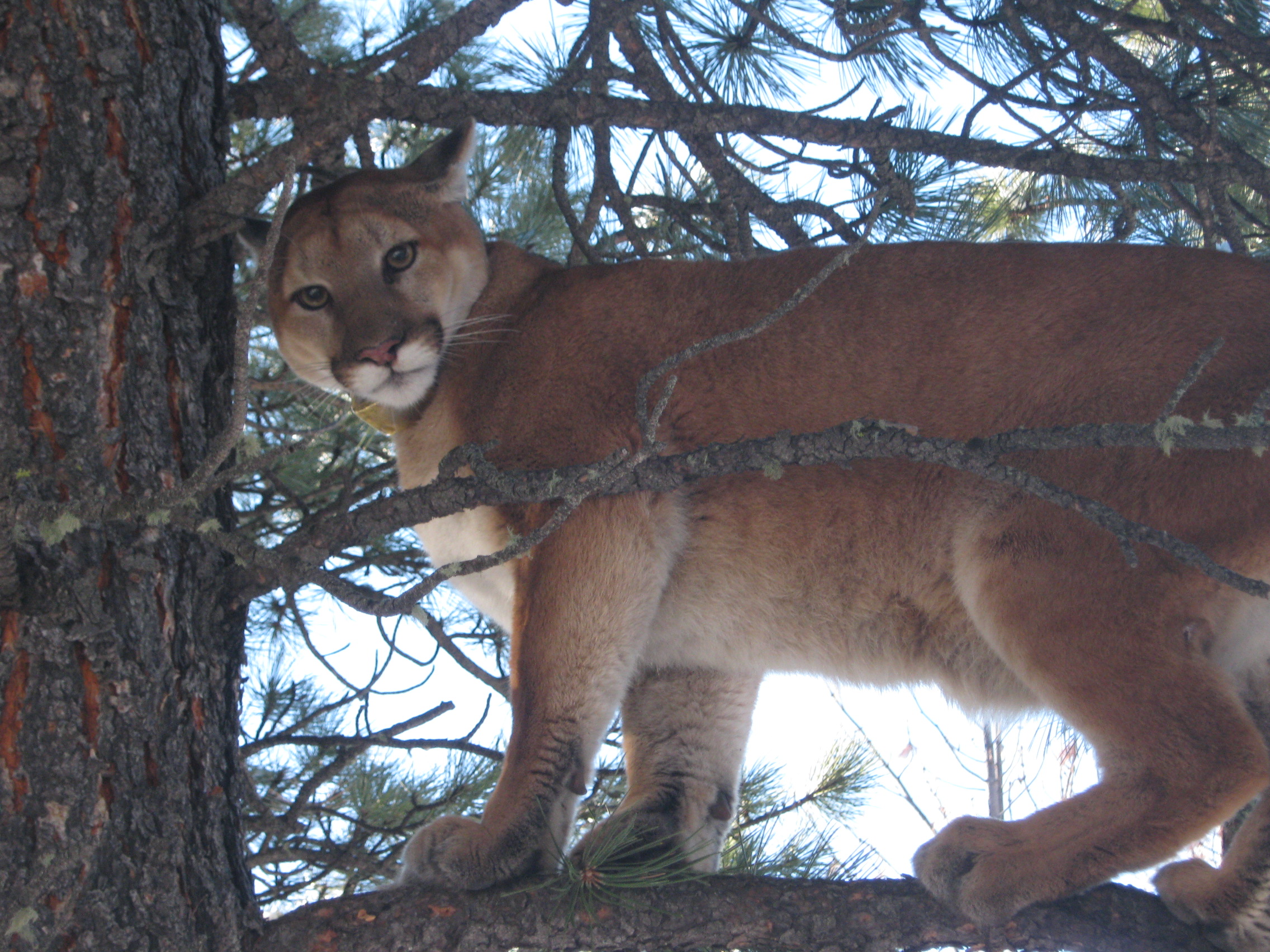
A mountain lion, also known as a puma and cougar, in a tree in Montana’s Little Belt Mountains. Credit: Forest Service Northern Region/Wikimedia Commons
The governor may have broken the law, and certainly violated ethical guidelines, by refusing to say anything about the “hunt” and having his press office ignore phone calls, emails and public records requests by journalists. That’s primarily the reason the story is breaking now, more than two months later: Journalists were finally able to track down people with firsthand knowledge of Gianforte’s “hunt” and corroborate the details with other people who were in the know.
Gianforte has had his share of hunting incidents in the past, including two incidents in which he broke the law, once for hunting an elk without a permit, and once for killing a wolf that was radio collared and actively tracked by scientists. (He was let off with a warning.)
In that incident, Gianforte killed the wolf after it ventured out of protected lands, as he did with the mountain lion, who was also wearing a tracking collar. The cat turned out to be a five-year-old male who was monitored by staff at Yellowstone park.
If you’re wondering why Gianforte’s name sounds familiar, it’s probably because he famously assaulted and body-slammed a Guardian reporter who made the mistake of doing his job and asking Gianforte — who was a congressional candidate at the time — about his healthcare policies.
“At that point, Gianforte grabbed Jacobs by the neck with both hands and slammed him into the ground behind him,” wrote Fox News reporter Alicia Acuna, who witnessed the assault. “Faith [Mangan, field producer], Keith [Railey, photographer] and I watched in disbelief as Gianforte then began punching the reporter. As Gianforte moved on top of Jacobs, he began yelling something to the effect of, ‘I’m sick and tired of this!'”
In an audio recording of the assault, an angry Gianforte screams “Get the hell out of here!” while the shocked reporter responds, “You just body-slammed me and broke my glasses!”
Hunting mountain lions should not be legal. There is no such thing as “too many mountain lions,” even by arbitrary federal standards, as the animals are rare, elusive, not hostile to humans and rarely harm people unless cornered or their cubs have been threatened. There have been between 15 and two dozen fatal encounters with mountain lions in the last century. By contrast, dogs kill an estimated 25,000 people a year.
While we refrain from discussing politics or ideology on PITB, primarily because we want all readers to feel comfortable as regulars on the site and we believe politics shouldn’t poison everything, we agree with writer Abigail Weinberg’s assessment:
“Puma. Cougar. Mountain lion. There are many names for the big cats that roam the Americas, rarely attacking humans.
But there’s only one name that springs to mind for Montana Gov. Greg Gianforte: Asshole.”
Tell your senators to vote for the Big Cat Public Safety Act, which will ban the private ownership of big cats as well as cheetahs and cougars.
Even though Tiger King, the tawdry Netflix documentary about a redneck and his “zoo” full of tigers, focused more on the eccentric people involved than the plight of the big cats in their “care,” it got people talking about the problem of captive tigers in the US.
In 2020, congress passed a rare bipartisan bill to ban all big cat ownership in the US. The bill stalled when the senate failed to vote on it before the end of the legislative session, but now it’s back — and the recent saga of a confused tiger wandering around Houston may finally provide the nudge for politicians to pass the badly-needed bill.
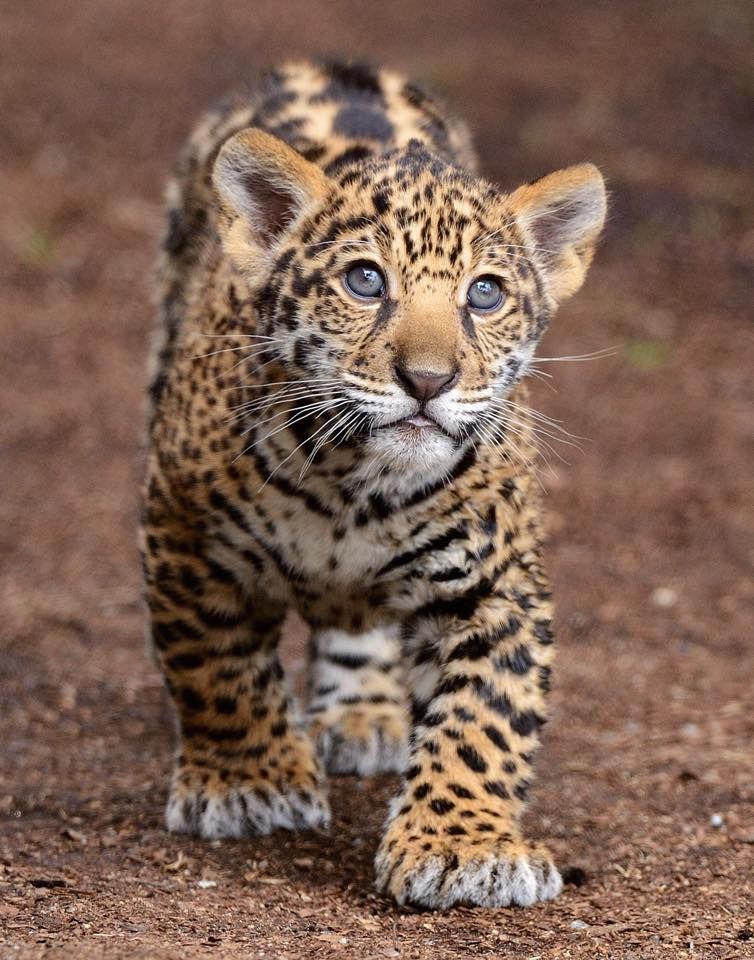
After almost exterminating tigers, Chinese poachers have turned to South America, where they’re poaching jaguars at unprecedented rates to feed demand for big cat parts in the traditional Chinese medicine market. Jaguar poaching has increased 200-fold in the past five years to fuel Chinese demand for their body parts.
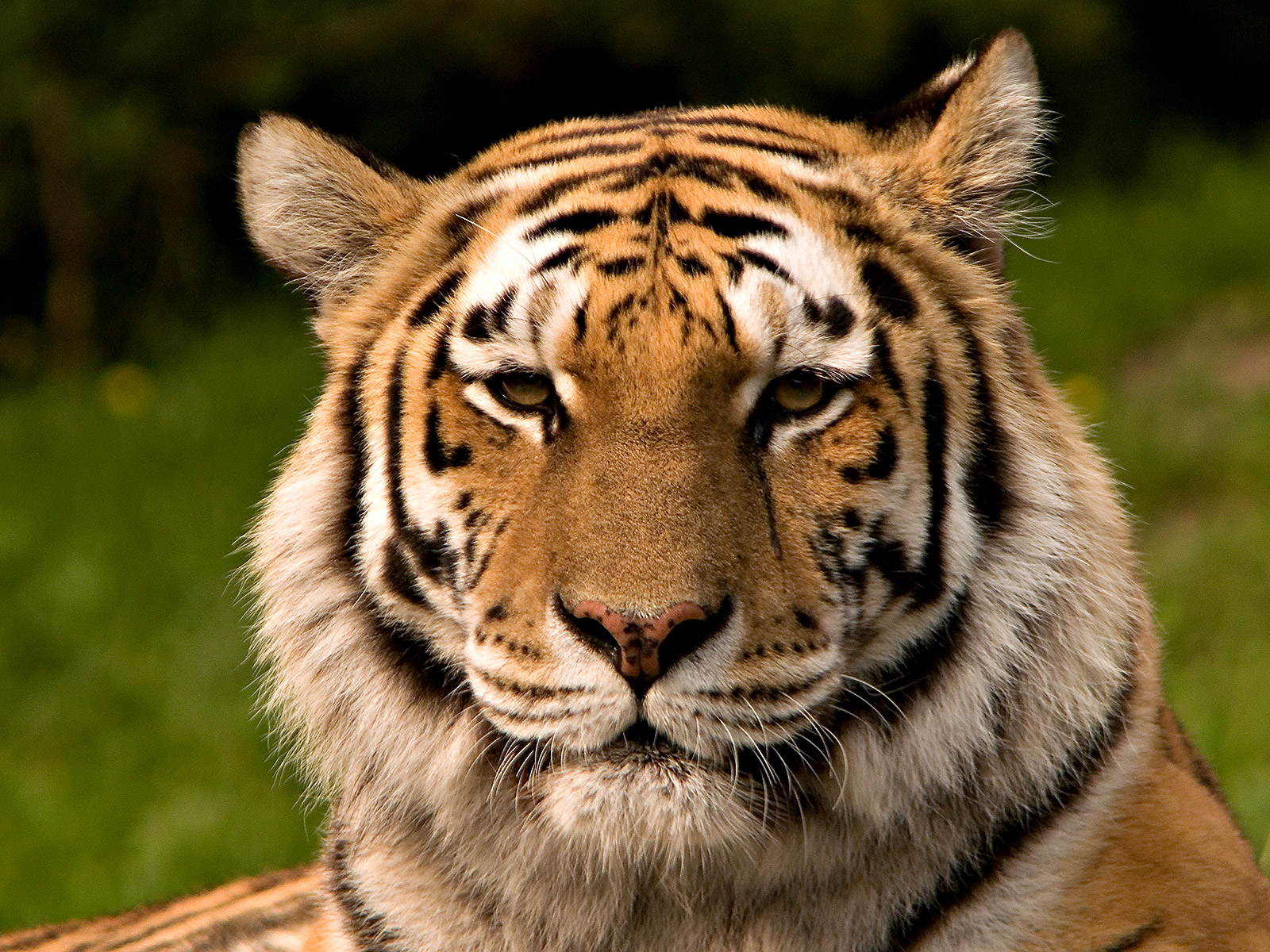
There are more tigers living in Texas and Florida backyards than there are in the wild, an ignominious fact that says volumes about humanity’s indifference to the plight of the Earth’s most powerful and iconic predators. Devastated by habitat destruction and poaching to feed the bottomless Chinese appetite for tiger parts used in traditional Chinese “medicine,” the worldwide wild tiger population is about 3,900, according to the World Wildlife Fund.
By contrast, there’s an estimated 7,000 tigers kept as “pets” in the US, with as many as 5,000 of them in Texas.
The Big Cat Public Safety Act would ban the private ownership of tigers, lions, jaguars, leopards, cougars and cheetahs. It would also outlaw the practice of taking tiger cubs from their mothers so guests can hold them and take selfies with them, which has become an increasingly-popular and controversial feature of “roadside zoos” — unregulated, poorly run, unaccredited facilities — in the US.
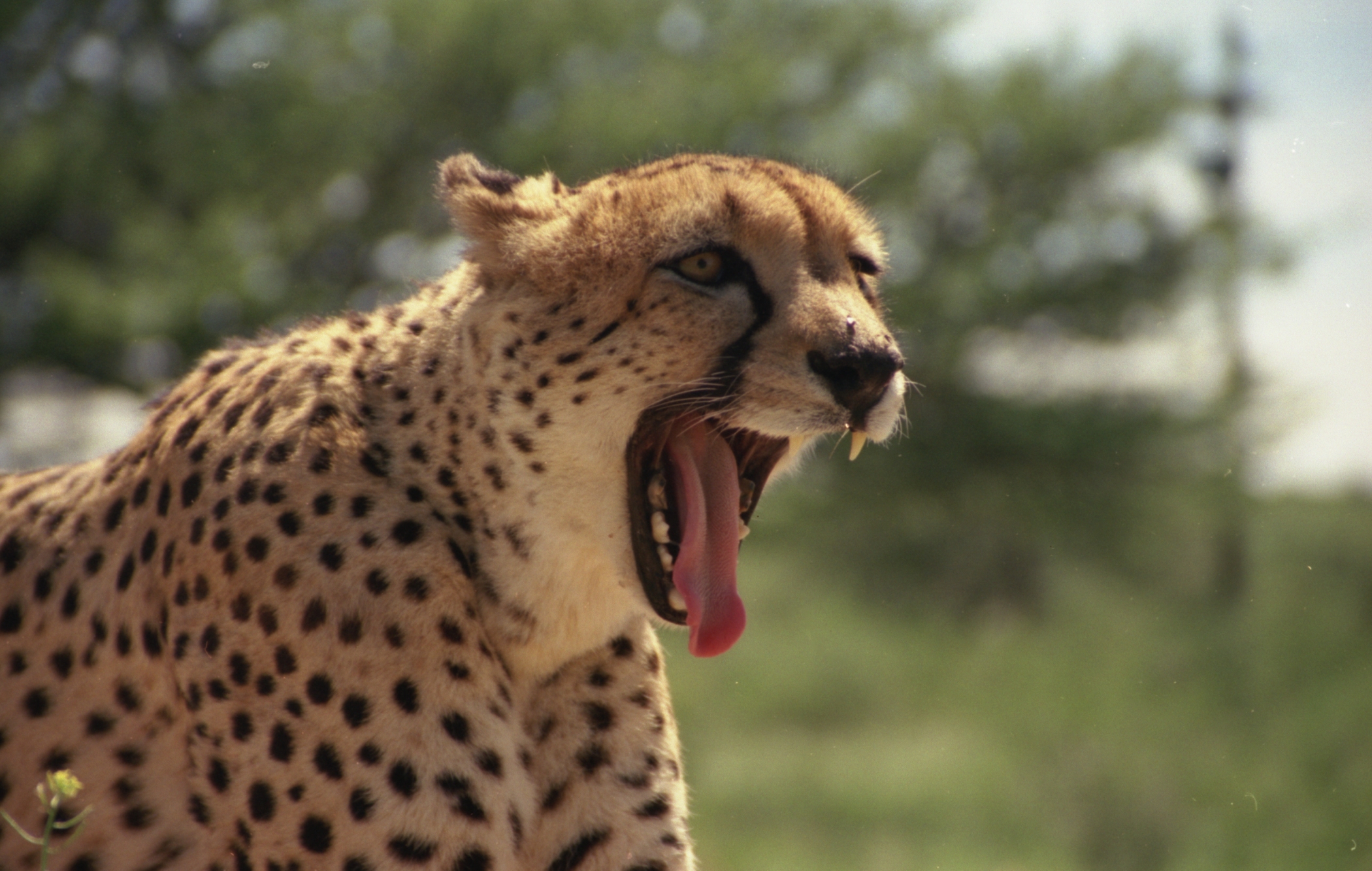
Cheetahs, already critically endangered due to habitat loss, are on the verge of extinction as they’ve become the exotic pet of choice among the wealthy of the UAE and Russia.
The Houston tiger, named India, is one of those unfortunate cubs. While the public freaked out and Houston residents huddled in their homes, hoping to record footage of the wandering tiger, an important fact was often left out of media reports: India is only eight months old. He’s essentially a baby, albeit a 175-pound one, and he had no idea what was happening to him, where he was, how to feed himself, or how to escape the endless sprawl of urban and suburban Texas.
Despite the fact that he was a confused-yet-playful cub, India could have easily been shot by authorities. Thankfully he survived his ordeal, and while his “owner,” Victor Cuevas, is sitting in jail on $300,000 bond, India has been relocated to a sanctuary in northern Texas, where he’ll be looked after and will get to live in the company of other tigers.
In the meantime, we all have an opportunity to lobby our respective senators and demand that they vote for the Big Cat Public Safety Act. You can fire off a letter to your senators and congressional representative in less than two minutes using the Animal Welfare Institute’s site — just punch in your address and the site will draft automated letters to all three, with fields to sign your name and to personalize the letters.
Tell them you support the Big Cat Public Safety Act, and you’ll take their vote into consideration the next time you head to the ballot box.
All images credit Wikimedia Commons.
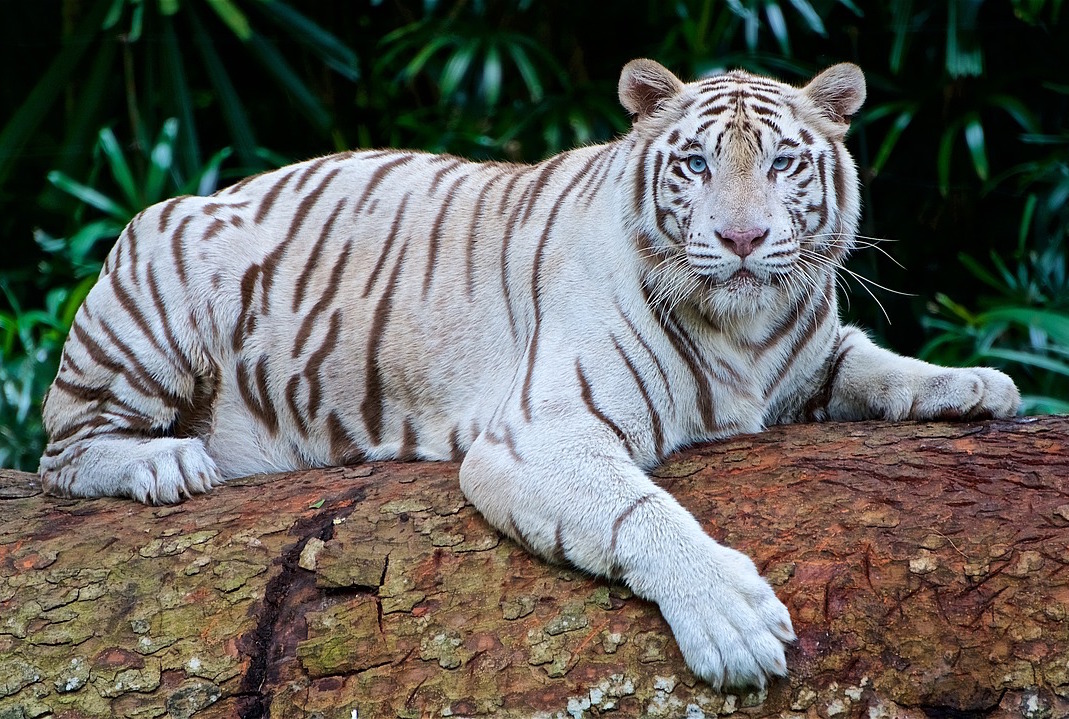
In the wild, tigers range more than 50 miles a day. Backyards, no matter how large, are not suitable environments for them.








 Pain In The Bud