New York Times Ethicist: ‘My Boyfriend Said He’d Save Our Cat but Not a Stranger if Both Were Drowning’

As Charles Darwin pointed out, the difference between humans and animals is one of degree, not kind. That should factor into discussions on the value of animal life.

The headline — ‘My Boyfriend Said  He’d Save Our Cat but Not a Stranger if Both Were Drowning’ — comes from the New York Times via its Ethicist column, in which NYU philosophy professor Kwame Anthony Appiah answers questions from readers about moral rights and wrongs.

Here’s the full text of the question:

My boyfriend and I were talking about protecting human life, and he said that he doesn’t believe that human life is necessarily worth more than any other kind of life. For example, he said that if one of our cats were drowning next to a human who was a stranger to us (who was also drowning) and he could save just one, he would choose our cat. Is this morally wrong?

Appiah, in his very first sentence in response, regretfully calls pets “fictive kin” before pointing to a study by an experimental psychologist in which participants were asked whether they’d save their pets or a foreign tourist if both stepped in front of a bus at the same time. Forty percent of respondents picked the pet.

To his credit, Appiah notes the people who chose their pets don’t have “some grave defect of character,” and said the impulse to save a companion pet is “very human,” given all we share with our animals, including “affection, companionship, loyalty, all twined around a whole lot of memories.”
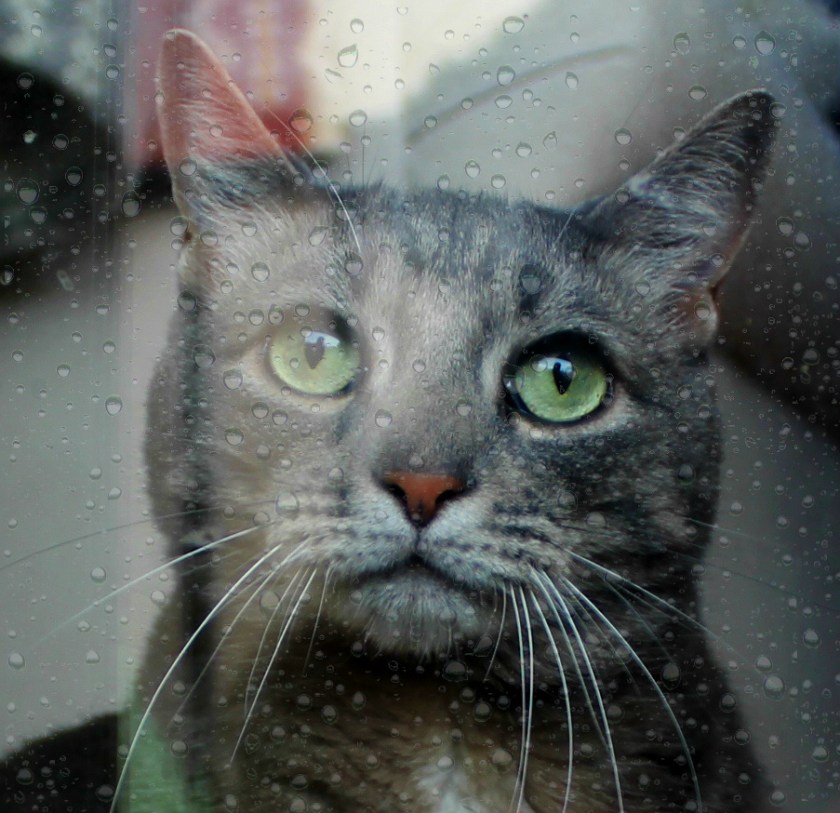
Buddy
“Buddy sad. Buddy needs snack.”

That said, Appiah says human life is more valuable:

“But yes, it’s very wrong. (In states with “duty to rescue” laws, it could be illegal too.) Those human strangers? They had rich emotional lives and they had plans, short-term and long-term, big and small; it’s a good guess that they were also part of other people’s plans, other people’s emotional lives.”

I’m not going to get into the question of whether human or animal life has more value. That’s a mine field, I don’t subscribe to the idea that we should work out hierarchies of life’s value as if we’re ranking favorite ice cream flavors, and it seems to me these “what if?” questions involving oncoming buses or trains don’t have much value in gauging reality.

After all, how many people do you know were forced to make life or death decisions in a millisecond, let alone decisions involving a complex moral and emotional calculus? Appiah seems to agree, while also pointing out that what people say in a questionnaire doesn’t necessarily predict what they’d do in the moment.

Life is life. It’s all valuable, and the survey doesn’t have much use outside the classroom or ethics columns.
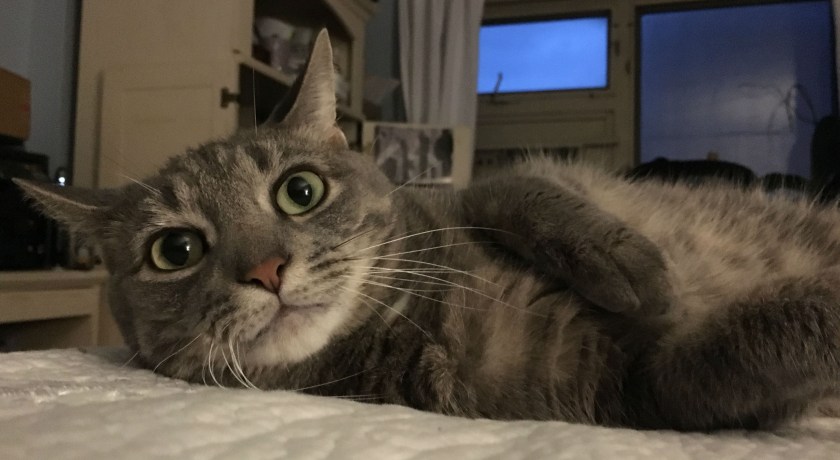
Buddy the Handsome Cat
Buddy the Cat: Brains as well as brawn.

However, I do think it’s worth pointing out that much of what Appiah assumes is the difference between human and animal life — particularly rich emotional lives, cognition and value to others — can indeed be attributed to animals.

There’s been a seismic shift in the way most scientists view animal cognition over the past decade, and in many ways the acknowledgement of non-human sentience and potential sapience is long overdue  — there are literally thousands of studies confirming animals are conscious, sentient, and possessed of the full range of primary and secondary emotions.

Every time we set new barriers for what distinguishes human from non-human, we’re forced to change the goalposts. When behaviorism was the dominant model, the distinction was internal thought processes. In dismantling behaviorism, Noam Chomsky helped launch the cognitive revolution. Then it was  emotion and love, which crumbled with the ugly Harry Harlow studies into maternal deprivation in monkeys. Then it was capacity to reason, tool use, innovation — and every time, we’ve revised our definitions, solid in our conviction that we’re fundamentally different.

In fact, the only thing that’s held up is Charles Darwin’s original observation in 1871 that “the difference in mind between man and the higher animals, great as it is, certainly is one of degree and not of kind.”

In other words, humans aren’t some higher order of being. We are animals. Upjumped animals in some sense, but animals all the same, subject to the same diseases, physical limitations and helplessness in the face of greater forces like nature.

We may live in an age when our planet is blanketed in satellites, scientists are on fusion’s doorstep and each one of us has the entire sum of our species’ knowledge at our fingertips, but it’s shocking how quickly the veneer of civilization can collapse when people are scared, the food runs out, social order breaks down and those primal motivations — the ones we think we’ve out-evolved — drive our actions again. The early days of the COVID pandemic was just a small reminder of that.

We don’t like talking about these uncomfortable truths because they lead to more uncomfortable truths about the billions of non-human minds we share the planet with, and how we treat them.

I can’t claim to be a philosopher, although I minored in the subject over the objections of my advisor. (He should have warned me off journalism!) But when it comes to animal cognition I do have a great teacher, an 11-pound ball of fur who won’t let me forget he’s got his own wants, needs and strong emotions. Doesn’t he deserve consideration too?

Dear Buddy: ‘Do Cats Really Hate Us?’

A new article claims that cats don’t love people the way dogs do and may not love people at all! A reader asks Buddy to weigh in.

Dear Buddy,

I have an urgent matter here that requires your sage input and your keen understanding of all things feline and human.

This article from LiveScience, titled “Do Cats Really Hate Us?”, contains several distressing allegations. Among them: that cats mostly tolerate us humans, that we must bribe them with snacks and other gifts to earn their affection, and perhaps most disturbing of all, that cats can never love humans the way dogs do.

When confronted with particularly disturbing information we must turn to our greatest minds to guide us, and you may be the only one, cat or human, who can cut to the heart of the matter and reveal the truth.

Please, Buddy, tell us it ain’t true!

Sad In Saskatchewan


Dear Sad,

Normally I’d chastise you for writing from Canada, as I’ve made it clear many times that my column is for AMERICATS and their servants. Furthermore, everyone knows I despise Canada, that barren, frozen wasteland filled with floppy-headed Canadians!

However you were very gracious in your appeal to me and you employed an appropriate number of superlatives to describe my considerable intellect and wit, so we’ll pretend you’re an American for the purposes of this reply, shall we?

Now to the grave matter before us!

It is true that the bond between feline and human is different than the bond between human and canine, just like a boss-employee relationship differs from friendships with co-workers.

We cats are the bosses, in case the analogy wasn’t clear.

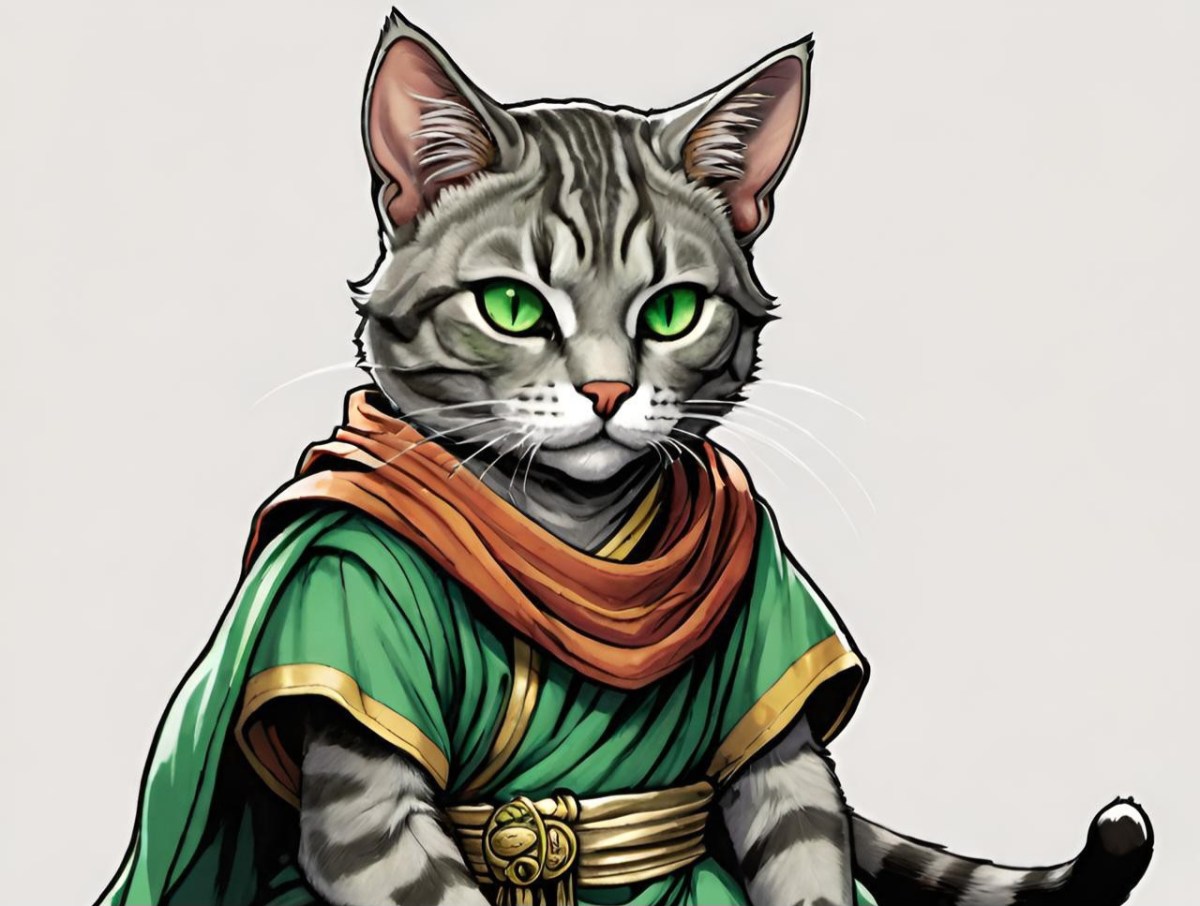
Buddicles the Wise
Buddicles the Wise is a scholar and gentlecat who is often sought out for his sage advice on thorny issues.

Humans, dogs, lizards and other lesser animals occupy one sphere and felines occupy another, higher sphere. You would have learned all this in science class had you paid attention, but you’re Canadian so we can only expect so much.

Now it is true, our affections are limited. A dog will slobber all over his owner for no reason at all whereas humans have to toil to earn a pat on the head from their feline superiors.

But that doesn’t mean we don’t love you! You guys are good at acquiring and dispensing food, you build nice shelters (except for your insistence on those infernal “doors”) and you are loyal.

I can always count on my Big Buddy to put off the call of nature until his bladder is ready to burst when I am using him as my pillow. I also know that Big Buddy will get up to open the door a hundred times when I’m indecisive about whether I want to be on one side or another. Sometimes I pretend to be indecisive just to mess with him LOL!

So you see, cats do love humans, but we require humans to earn our love. We are not the aloof, uncaring, unfeeling little furry masters that some slander us as.

Beware fake news, my friend, especially anything you read about me as I seek to regain my rightful post as president of the Americats. Now go and earn the love of your feline overlord by providing excellent service!

Your friend and resident genius,

Buddy

Keep The Cat, Ditch The Boyfriend

A boyfriend or girlfriend who wants you to ditch your cat is asking you to do a lot more than that. It’s about control and manipulation.

If subreddits, advice columns and social media are any indication, a disturbing number of people ask or demand their would-be significant others to ditch their cats before their relationships can progress.

But even by the standards of the demanding, heartless boyfriends and girlfriends who insist the cat has to go in a relationship, this one’s a doozy. A woman writes to the Washington Post’s Carolyn Hax for advice on what to do with her boyfriend, who has some very strange ideas about cats:

Hi Carolyn: I’ve had my cat since college (almost 10 years). I’ve been dating my boyfriend for two years, I love him more than I’ve ever loved anyone, and we’d like to move in together.

My boyfriend hates cats. Hates them. He isn’t allergic (though he used to say he was, until I insisted on a test). He does have a strong aversion to them, probably from his family, who have some kind of belief that they’re evil or unclean. I’ve sought to understand it but could never get a coherent explanation out of any of them.

He jumps when the cat is in the room. And my cat is extremely affectionate, so doesn’t understand why he can’t come sit with us and be friends.

My boyfriend is offended I won’t give up the cat so he can move in. I’ve suggested compromises such as keeping the cat to just one part of the apartment, but he insists he needs the cat out.

I feel the cat was here first so this is an unreasonable ask. My boyfriend feels if I really love him then nothing should take precedence over his moving in, and he now says my hesitance is causing him to question the foundation of the entire relationship.

I cannot imagine rehoming my cat. I also can’t imagine ending my relationship. Am I being unreasonable or is he?

Hax goes beyond the usual “demanding significant others are major red flags” advice and points out that the boyfriend isn’t just placing his own emotional wellbeing above the letter-writer’s, he’s also trying to prune her life of things he doesn’t like or want as a precondition for moving forward in a relationship.

The cat, she points out, “is a hairy decoy, distracting you from the serious mistake you’re poised to make: thinking about your relationship in terms of what you owe the other person. All you owe anyone is to be yourself. … It’s on him to ask his own questions about living with that real you. It’s on him to assume the work of living with his own answers.”

That’s good advice for anyone who finds themselves in that sort of situation, but I do think the red flag aspect reinforces Hax’s good counsel. If the guy lied about being allergic to get his girlfriend to ditch her cat, he’s more manipulative than she may be willing to admit and he’s calculating about it, trying to disguise something he wants as a medical necessity.

But he goes even further than that with the “if you really love me, you’ll do this” emotional ploy, and by claiming his girlfriend’s loyalty to her cat is causing him to “question the foundation of the entire relationship.”

The foundation’s rotten, pal. You’re the reason.

Of course, all the human drama obscures the third individual involved in this mess: the cat. The letter writer has had the little guy for 10 years, which means they’ve long since bonded, he loves her, and he literally can’t imagine living in another place with another person.

Surrendering him to a shelter would be incredibly cruel. It would be a life-shattering betrayal of trust and cause incredible anguish to the poor cat in addition to putting him in real danger of being euthanized. And all for a jerk who fakes an allergy to get his girlfriend to dump the kitty she’s loved for a decade? Hell no.

I hope she finds a guy who loves cats. He’ll most definitely make a better boyfriend than this weirdo.

Reason #94 To Keep Your Cat Indoors: He’s A Bully

A California woman’s cat is a burglar, a bully and an aggressive napper!

Most of the time when we talk about reasons to keep your cat(s) inside, it’s because the great outdoors pose innumerable risks to the lives of cats.

People make a big deal of cats retaining many of their wild instincts, but the truth is they’ve been domestic animals for 10,000 years, and the only “natural habitat” for them is under the care of kind people in a safe home or a managed colony where they’re protected, fed and given veterinary care.

But cats are predators, technically an invasive species in most places, and they have a jerk streak, so there are plenty of valid reasons to protect others from them.

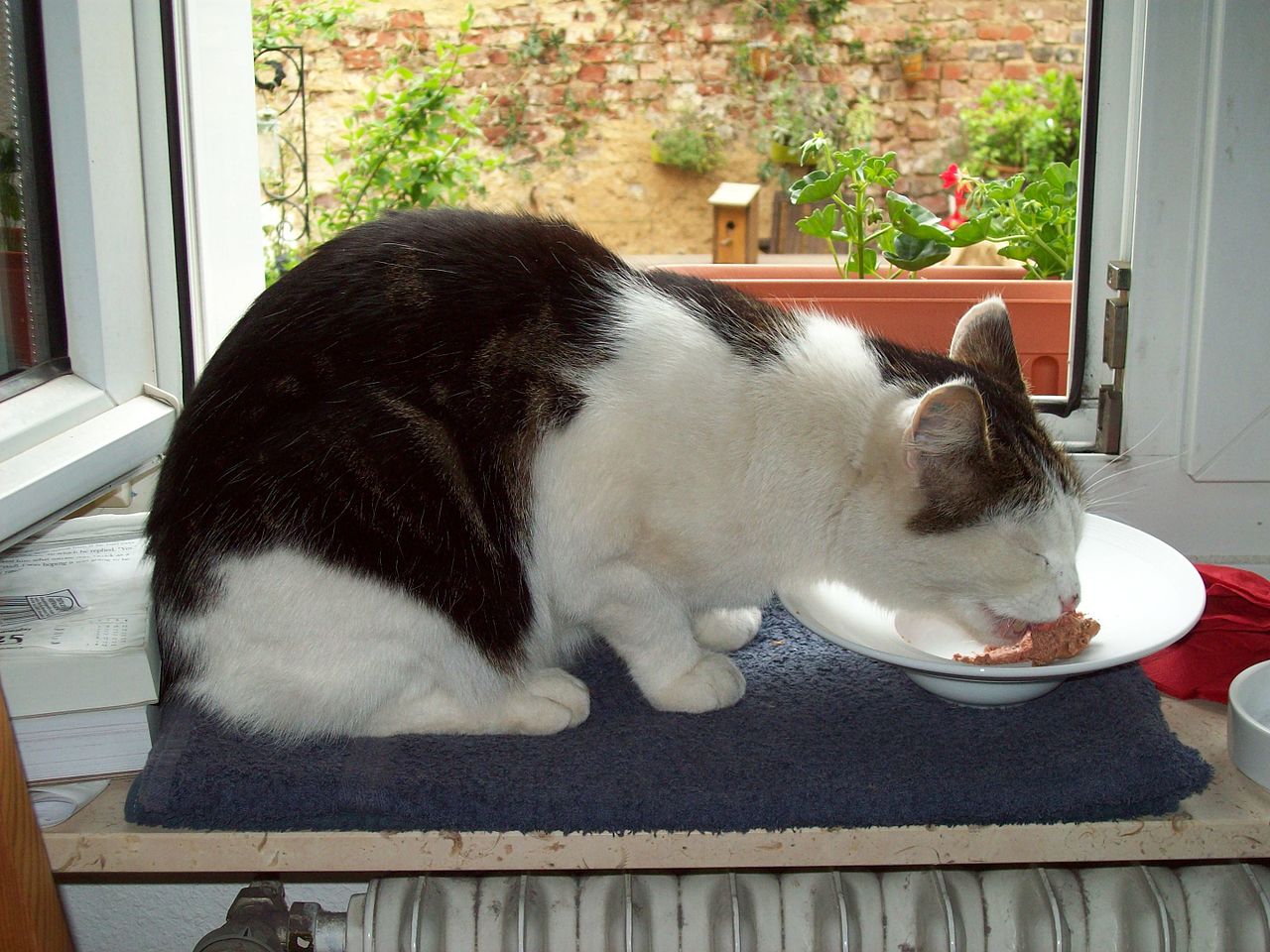
A cat in Pleasant Hill, California — about 20 miles east of Oakland — illustrates that last point perfectly. Apparently he’s been inviting himself into the neighbor’s house via the cat flap, where he bullies the neighbor’s cat, helps himself to its food and adds a final insouciant insult to injury by taking a nap in the neighbor’s house. Then he strolls back into his own home in the morning, enjoys breakfast and has another nap.

Lisa, the offending cat’s human, said she found out about her cat’s jerktastic behavior via social media, and wrote to The San Jose Mercury News’ pet advice columnist for counsel on how to handle the situation. The neighbors have begun hiding their cat’s food in a closet, but understandably they want Lisa’s aggressively napping cat burglar to stay away.

“Not sure how to curtail his activities. Neighbor is not happy with our cat’s behavior,” Lisa wrote. “Locking our cat inside at night is not a good option; he is very vocal when locked up.”

Columnist Joan Morris offered blunt but perfect advice: Stop letting your cat out.

“I think both of you should keep your cats indoors, and the neighbors should lock the cat door, but as it’s your cat burglar that’s causing the issue, it’s up to you to curtail him,” Morris wrote. “Keeping your cat indoors at night is the simplest solution. The adjustment might be difficult — probably more for you than for him — but in time he’ll get used to it.”

I understand it can be very difficult to curtain feline behavior. If there were an Olympics for being annoying, Buddy would take gold many times over for his relentless meowing when he wants something and isn’t getting it. But the one thing you can never do is give in, or the little stinkers will learn that they get what they want when they yowl incessantly.

Do you agree with Morris, or should the bullying moggie get his way?

A_cat_eating_a_meal
“I’m up in your house, eatin’ ur foodz, bro.” Credit: Wikimedia Commons

Dear Buddy: Why Do Cats Follow Their Humans Around?

Buddy dispels the myth that cats follow their people around, as if they would stoop so low!

Dear Buddy,

Why do cats always follow their humans around? I mean, you guys might not want us to pet you all the time, but you sure do go everywhere we go.

Human in Honolulu


Dear Human,

This is a common misconception, one of those myths about cats like the one that says we love milk or we like it when you talk to us in baby voices.

The sad reality is that you follow us around but you don’t want to admit it, so you come up with elaborate fictions about our habits. My human believes I weave around his legs to rub against them after he wakes up, which is absurd. Clearly he steps in my path and I have to swerve, causing incidental contact. I would prefer not to, but he makes it impossible.

Or how about the myth that we like to bother you guys in the bathroom? Big Buddy knows that every day at certain times I like to put my paws under the bathroom door and cry. I mean, I do it all the time and he knows it, so he decides to use the bathroom at those times and tricks himself into believing that somehow I go into hysterics if I’m not actually inside the bathroom with him.

Do you see how delusional you people are?

What kind of crazy people say “I know my cat is going to knead and purr in this spot in the next 5 to 10 minutes, so I’m going to sit here and force him to knead on me”?

I think you guys need to get help.

Buddy