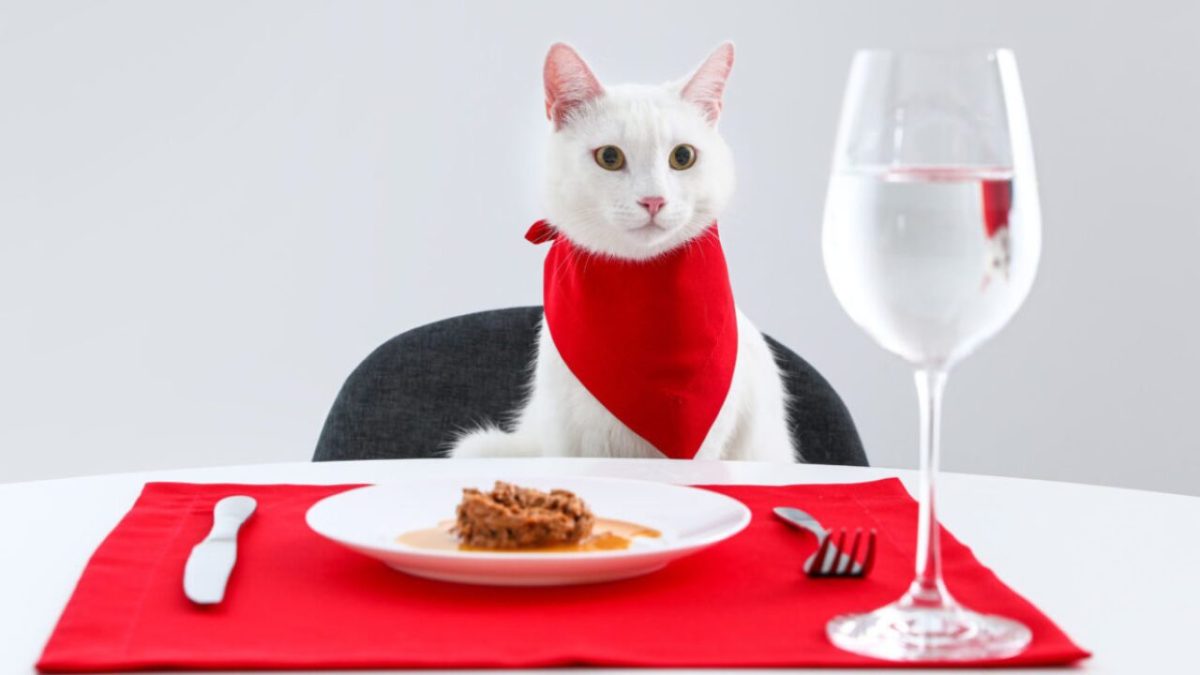
Cats often scarf their food down as if they haven’t eaten in a week. Are we feeding them enough?
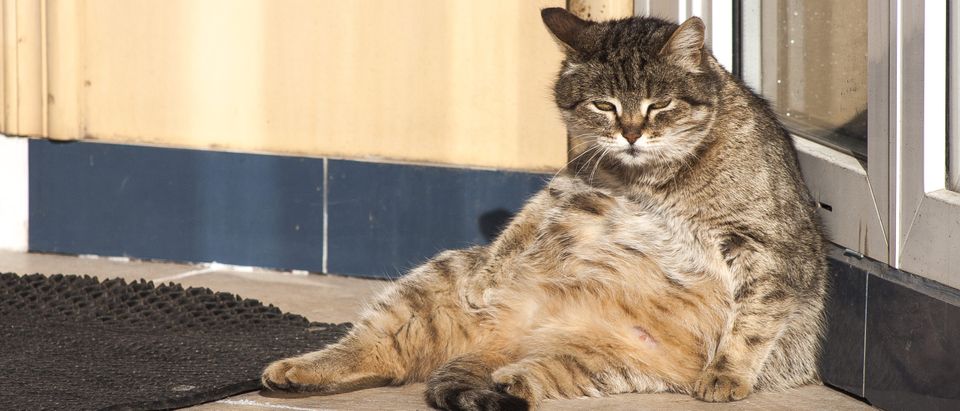
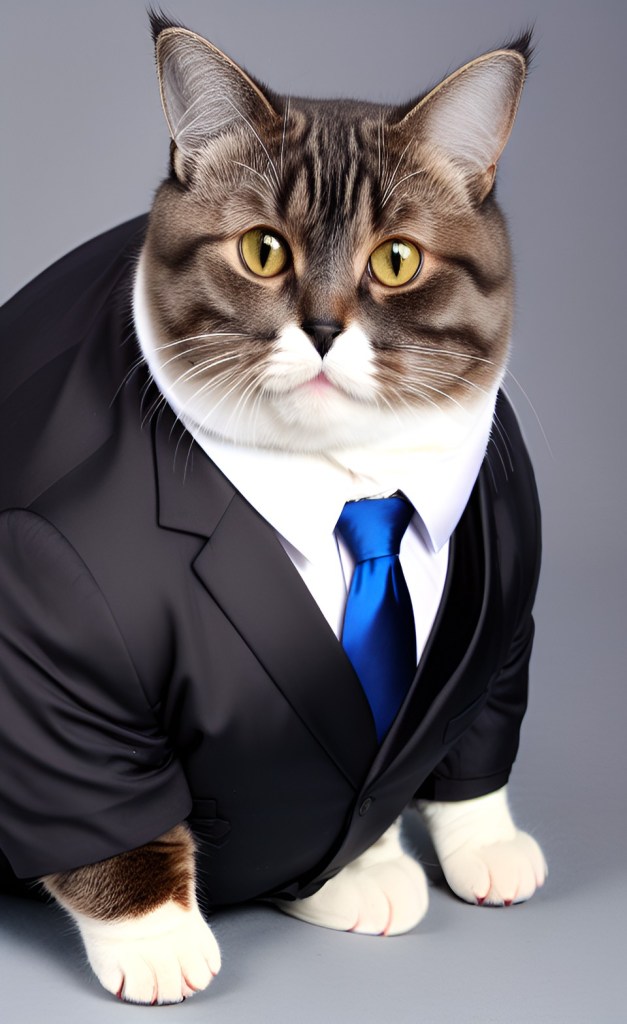
Not all cat food is created equal, and many cats say they’re not getting enough nutrients daily. We asked six cats if their nutritional needs are being met and if their humans are feeding them enough.
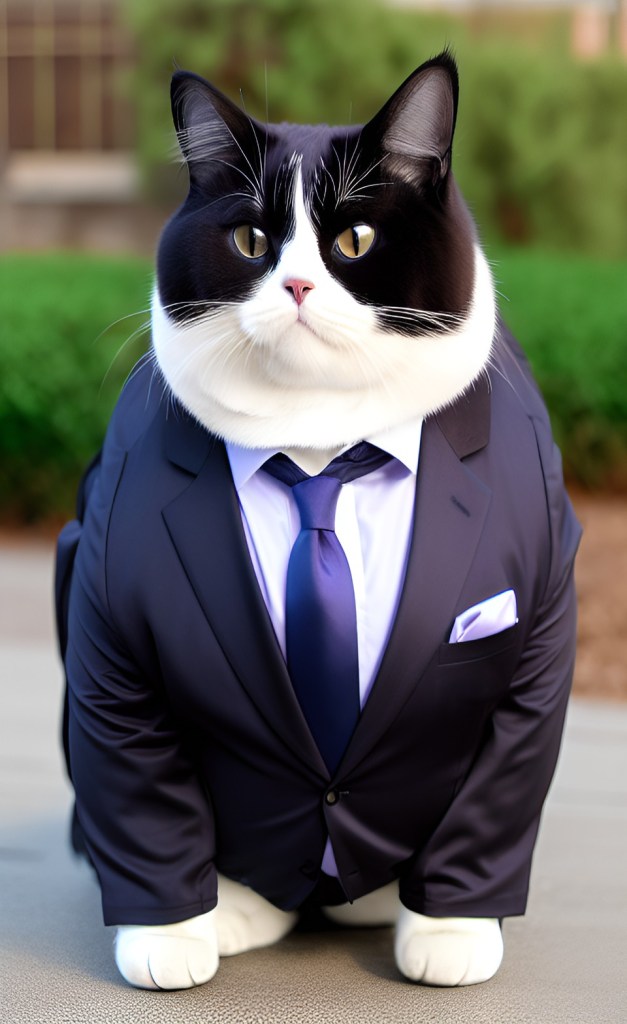
Herbert Augustus Lardfellow
“That’s a joke, right? I’m starving over here. Look at me, I’m practically skin and bone!” – Herbert Augustus Lardfellow, 4, barrister
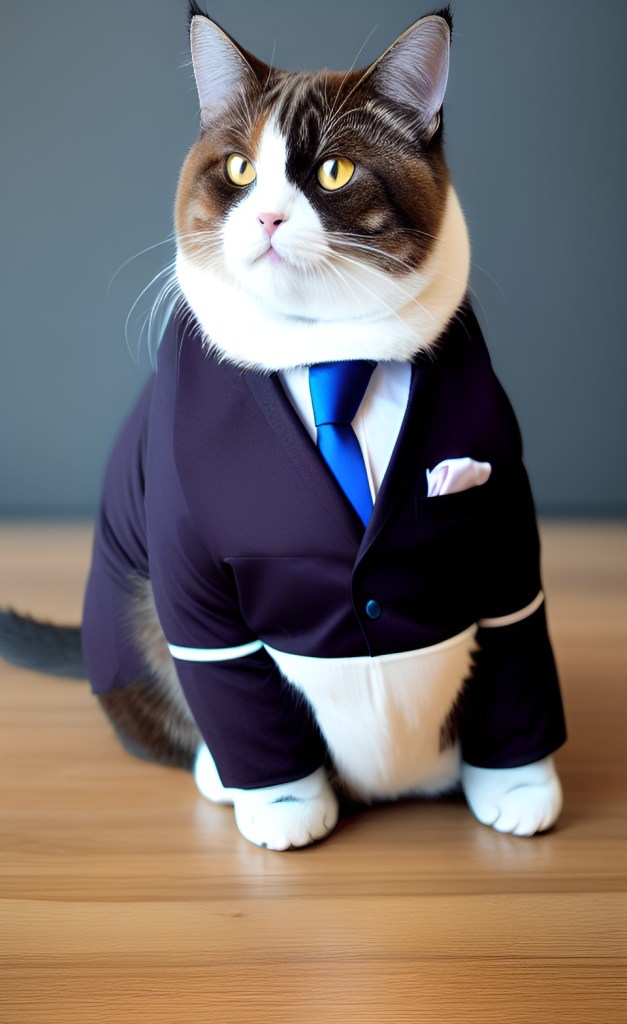
Slim Smudge
“I meow and meow and meow, and all I get are three cans of wet food a day, a bowl of dry and six snacks. I’m constantly hungry.” – Slim Smudge, 9, executive vice purrsident
Sir Snacksalot
“No! I often go two, sometimes three hours between meals. It’s torture!” – Sir Snacksalot, 2, sommelier
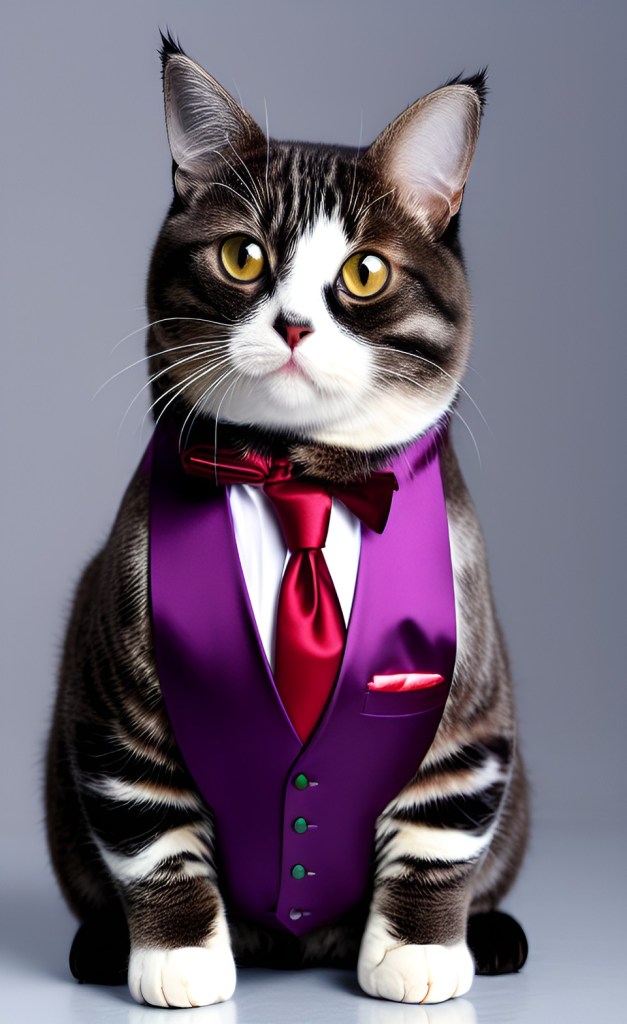
Pâté Pete
“Does it look like I get enough calories?” – Pâté Pete, 7, office meownager
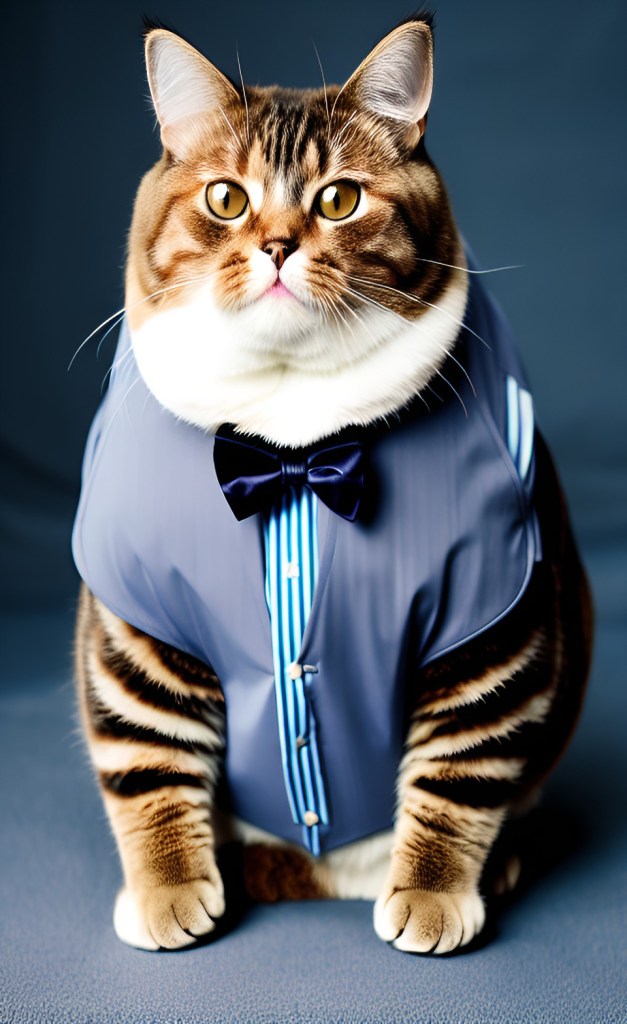
Double-Stuffed Oreo
“When you’re as meowscular as I am, you need 10 or 20 times as much protein as a typical cat. I can feel my meowscles wasting away.” – Double-Stuffed Oreo, 5, investment banker
Mr. Delicious
“Too…weak. Can barely…meow. Need Temptations…now…please.” – Mr. Delicious, 3, analyst
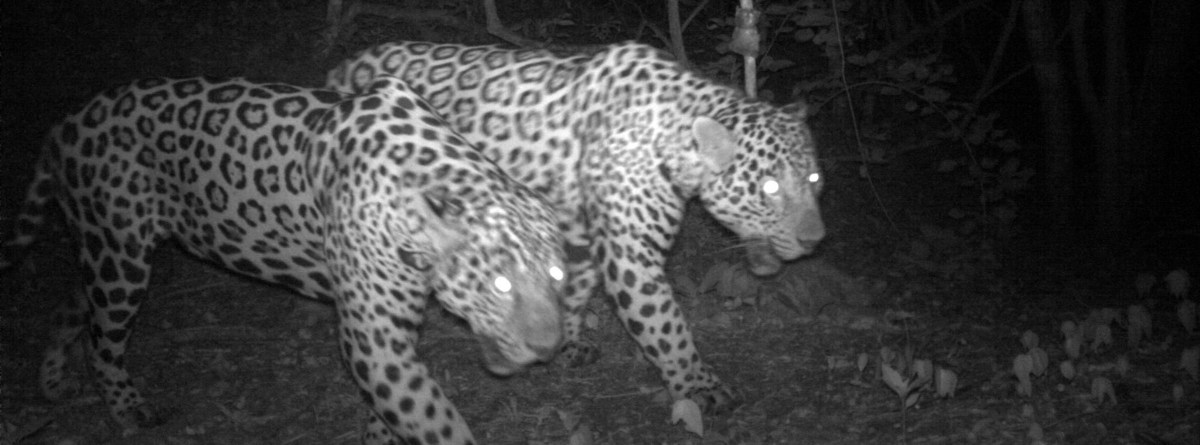
Using a network of trail cameras, researchers studied jaguars for years and observed behavior that surprised them.
Lions are famously described as the only social big cats, known for living in extended family units called prides and even forming coalitions, which young males sometimes do before they lead their own prides.
But now, thanks to a research team that monitored trail cameras in the Amazon for years, we know that jaguars form their own coalitions, doing things never before seen like patrolling and marking territory together, cooperating on kills and sharing prey. The researchers focused on areas in Brazil’s Pantanal and Venezuela’s Llanos region, both of which provide varied landscapes and water access for the famously water-friendly big cats, who are strong swimmers and prey on aquatic and land animals.
The team pored through more than 7,000 instances of jaguars appearing on the trail cameras, which gave them a look at a range of jaguar behaviors that normally would not be seen.
“It shows the value of having long-term camera tracking, movement ecology data and direct observations through citizen science,” said Allison Devlin, a co-author of the study. “And from that we’re able to see that if you have a relatively stable jaguar population, healthy prey base, and protection for the species, we can start seeing these more natural behaviors, and start understanding some of the interactions that a solitary species might have.”
Credit: Wikimedia Commons
In two cases, coalitions between jaguars lasted for more than seven years, the researchers said. The jaguars were seen cooperating for almost every activity as they went about their daily lives in the jungle.
Not only are the findings remarkable, but they’re a reminder that we’re still woefully ignorant about the only big cat of the Americas, especially compared to lions, tigers and leopards.
“The secret life of jaguars is more complex than previously thought,” Devlin said. “We still have so much to learn about the intricate lives of these secretive wild cats, with findings that can help scientists better conserve these species and the landscapes on which so many plant, animal, and human communities depend for their survival.”
One reason they’re less studied than other big cats is because jaguars are notoriously elusive. People who have spent their lives in and on the periphery of the Amazon say jaguar eyes are on humans from the moment they enter the jungle, watching from the shadows. Yet there are no recorded cases of man-eating jaguars, and conflicts with the feline apex predators and humans are rare, most often relegated to instances where people got too close to jaguar cubs or tried to corner the animals. Jaguars do a lot of watching, but they don’t allow themselves to be seen.
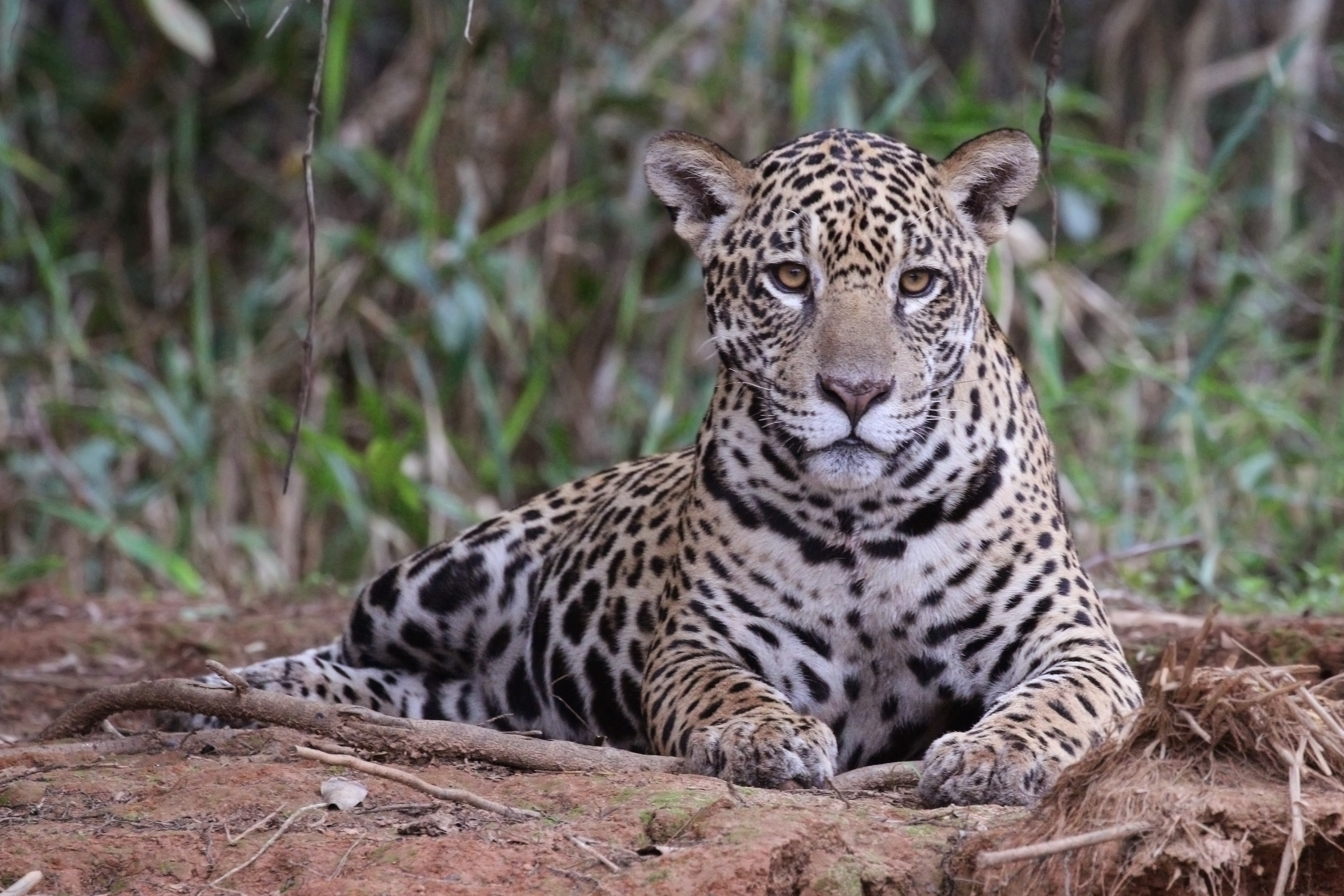
Of course that doesn’t mean they’re cuddly. Jaguars are the third-largest cats in the world, after tigers and lions. They have the strongest bite force of any cat, which allows them to crunch through giant turtle shells and kill in one bite by literally crushing the skulls of their prey with their teeth. (The name jaguar comes from the indigenous yaguar, which means “he who kills with one leap.” No other cat kills the same way.)
Jaguars are also perpetually confused with leopards, their look-alike African cousins, which leads to further uncertainty about their behavior and habits. Aside from being separated by an ocean and living on separate continents, jaguars are heavier and have thicker limbs than leopards, and the biggest give-away is the presence of spots within their rosettes, which leopards do not have.
Cats come in many different sizes and coat colors, but there’s one thing they all have in common: A love of food. This week we asked nine kitties what their favorite fancy feast is.
“Sea urchin ceviche and smoked duck from Dorsia. Don’t even try, you can’t get a reservation.” – Santorini, 4, Roomba rider
“Human. Haha. Just kidding. I’m partial to Hokkaido Wagyu ribeye or Omi beef filet, lightly pan-seared but still juicy and bloody.” – Dere Khan, 14, jungle ruler
“My human makes a spectacular moussaka just for me, filled with pate and topped with creamy Béchamel sauce that melts in my mouth. Then she feeds me tiramisu.” – Robin, 6 months, good kitten
“Crisp-skinned filet mignon bathed in suculent yuzu kosho, garnished with bacon and served with a side of steak tartare cakes.” – Sammy, 5 months, laser hunter
“Lobster frittata with Sevruga caviar. Nothing too fancy.” – Luisa Rey, 1, catnip quality control tester
“I’ll have the Chilean sea bass, human.” – Hiro, 3 months, nocturnal terror
“Grass-fed Ibérico ham glazed with honey. Such a simple snack, yet so satisfying.” – Stella, 5, cat food commercial model
“I’d have to say the roast swan stuffed with oysters, white beans and bacon. Raw caiman marinated in swamp water would be a close second.” – Xbalanque, 7 months, reincarnated jaguar deity
“Rack of lamb baked in a crust of garlic and herbs, fermented mare’s milk, buttered snails and fried goose liver. Humble fare, to be sure, but my human is a capable cook.” – Stay Puft, 11, book shop cat
More than 6,000 people, a capacity crowd, said goodbye to the famed mountain lion P-22 at The Greek Theatre in LA.
When police went to a Yorktown, NY, home for a welfare check this week, the last thing they expected was to find an army of cats.
The responding officers breached the home when no one answered, finding an elderly couple deceased inside, along with some 150 hungry, neglected cats. Police don’t believe there was foul play in the death of the couple, but the number of cats and the condition of the home have “hindered” their investigation.
The Westchester County SPCA is taking on the monumental task of collecting the cats, giving each of them veterinary care and finding homes for them. Staff there are calling it the largest single rescue in their history, and they’d already filled their own facilities and local shelters to capacity by the time they’d rescued 100 of the famished felines, leaving them scrambling for room to place the others. Some have upper respiratory, eye and skin infections, the SPCA said, while most of the cats were malnourished and dehydrated.
Credit: SPCA of Westchester County
Credit: SPCA of Westchester
Despite living in conditions police described as “filth and squalor,” the cats are well-socialized and friendly, rescuers say. They believe the husband and wife may have been Abyssinian breeders at some point.
“It’s very unusual in a case like this, especially with that number of cats, for them to be as social and sweet as they are, usually they are scared when they come from a situation like this because they haven’t had a lot of human interaction,” the SPCA of Westchester’s Lisa Bonnano told the New York Post.
Yorktown is about 28 miles north of Casa Buddy, and we can vouch for the excellent work done by the Westchester County SPCA, whose veterinarians gave kitten Buddy his first shots and gave him the snip.
Veterinary costs alone are expected to exceed $40,000, so if you’d like to help, you can make a donation here.
Alleged Dallas Zoo thief nabbed
When 24-year-old Davion Irvin stopped an employee at the Dallas World Aquarium to ask about exotic animals there, the staffer recognized him as the same man pictured in a surveillance still from the Dallas Zoo.
Police released the image to the public after three separate enclosures at the zoo were breached, leading to the brief disappearance of a spotted leopard on Jan. 13 and the theft of two emperor tamarin monkeys about two weeks later. The langur monkey exhibit was also breached, but the animals were not removed.
After the aquarium’s staff tipped them off, cops caught up to Irvin a few miles away and have since linked him to all three break-ins. They charged him with two counts of burglary — for the monkeys and the leopard — and six counts of animal cruelty. They’re also looking into whether Irvin may have been involved with the “very suspicious” death of an endangered lappet-faced vulture on Jan. 21.
Cops, who initially suspected the thief was looking for exotic animals to breed or sell, have said Irvin hasn’t told them why he wanted the primates and the medium size cats. Their investigation is ongoing.
Thousands say goodbye to P-22
More than six thousand people crowded into The Greek Theatre in Los Angeles on Saturday to say goodbye to P-22, the Hollywood Lion, a puma who made the hills above the city his home for more than a decade.
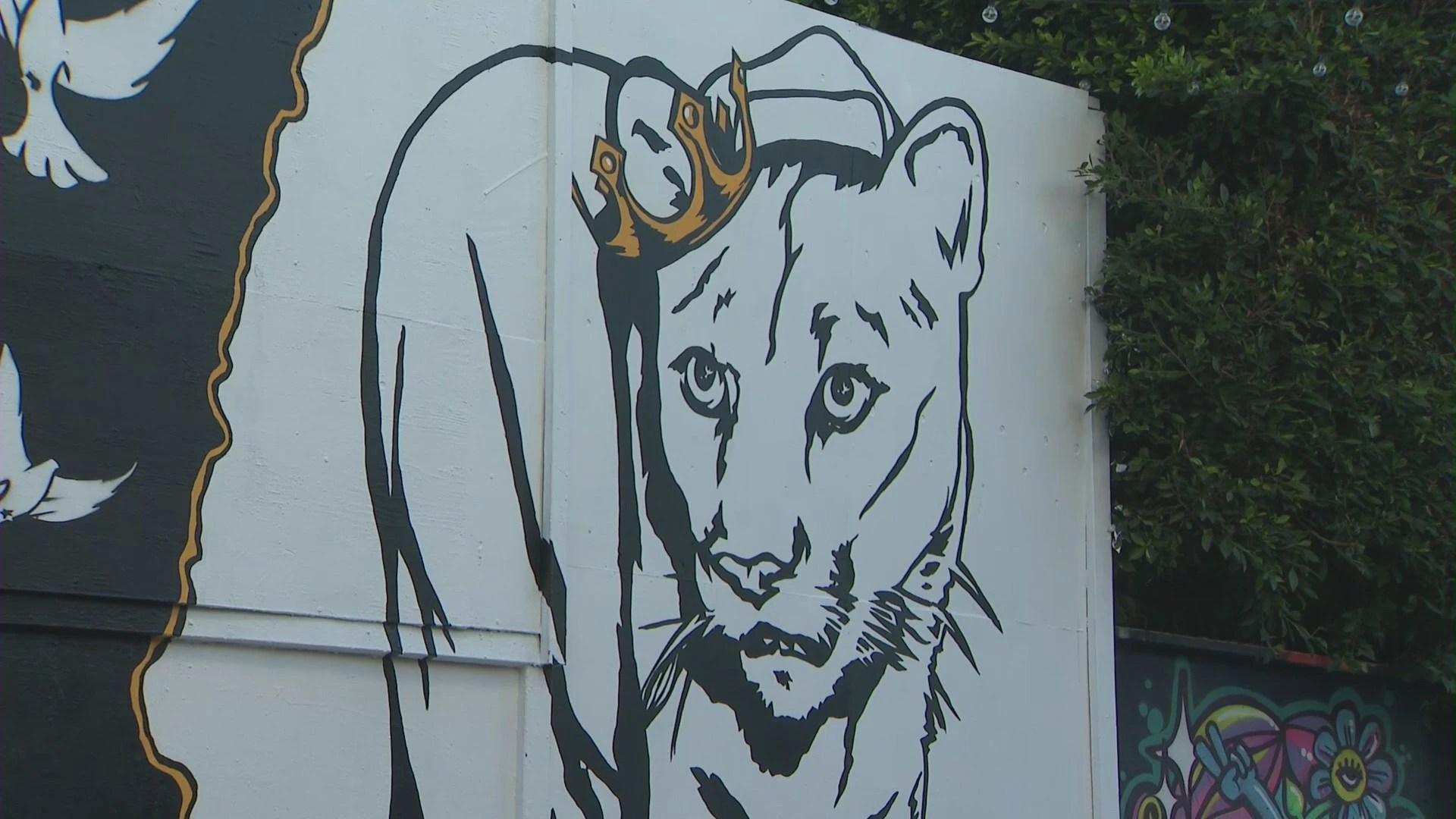
One of several new murals of beloved mountain lion P-22, who was euthanized in December after he was hit by a car and suffering from an infection.
People spoke about seeing his curious face pop up on their doorball cameras, spotting him disappearing into the trees in Griffith Park, and how his presence piqued the curiosity of many people who took the time to learn more about mountain lions.
But the unofficial theme of the event was how P-22 showed people humans and wildlife can co-exist, and how our species can do a lot more to make sure the animals we share the Earth with will survive in the future. One woman told LAist that before she learned about P-22, she “used to think they were scary” and aggressive like the big cats they’re often confused with.
Others said he inspired them to get directly involved with conservation efforts.
“We are wildlife. We are creatures of nature, just as all the animals and plants are,” archaeologist Desireé Martinez, a member of the indigenous Gabrielino-Tongva tribe, told KTLA. “What can we do to make sure that the creatures that we are sharing this nature with have the ability to survive and live on — just like us?”
P-22’s unforgettable visage, already familiar to Los Angelinos, is now ubiquitous in his former range, with several murals adorning the sides of buildings and other displays bearing his image.
“He inspired so much happiness. I mean, look at all the people that are here,” Babetta Gonzalez told LAist. “We have to remember that we are in their neighborhood and we need to respect their environment. We have integrated, but we could do a lot better.”
Thousands are set to gather at The Greek Theatre in Los Angeles’ Griffith Park to celebrate the extraordinary life of perhaps the most famous mountain lion in history.
You don’t often hear about public memorials for cats, let alone thousands of people participating in them, but the fact that tickets were gone for P-22’s “Celebration of Life” within three hours speaks to the special place the mountain lion had in the hearts of Californians.
The famous puma, who was euthanized in December after he was suffering from an infection and was hit by a car, called Los Angeles’ Griffith Park home, and that’s where the celebration will be held at noon Pacific (3 pm Eastern) on Feb. 4. It’ll be held at The Greek, the outdoor amphitheater more commonly associated with rock stars, although one could argue P-22 was a rock star in his own right.
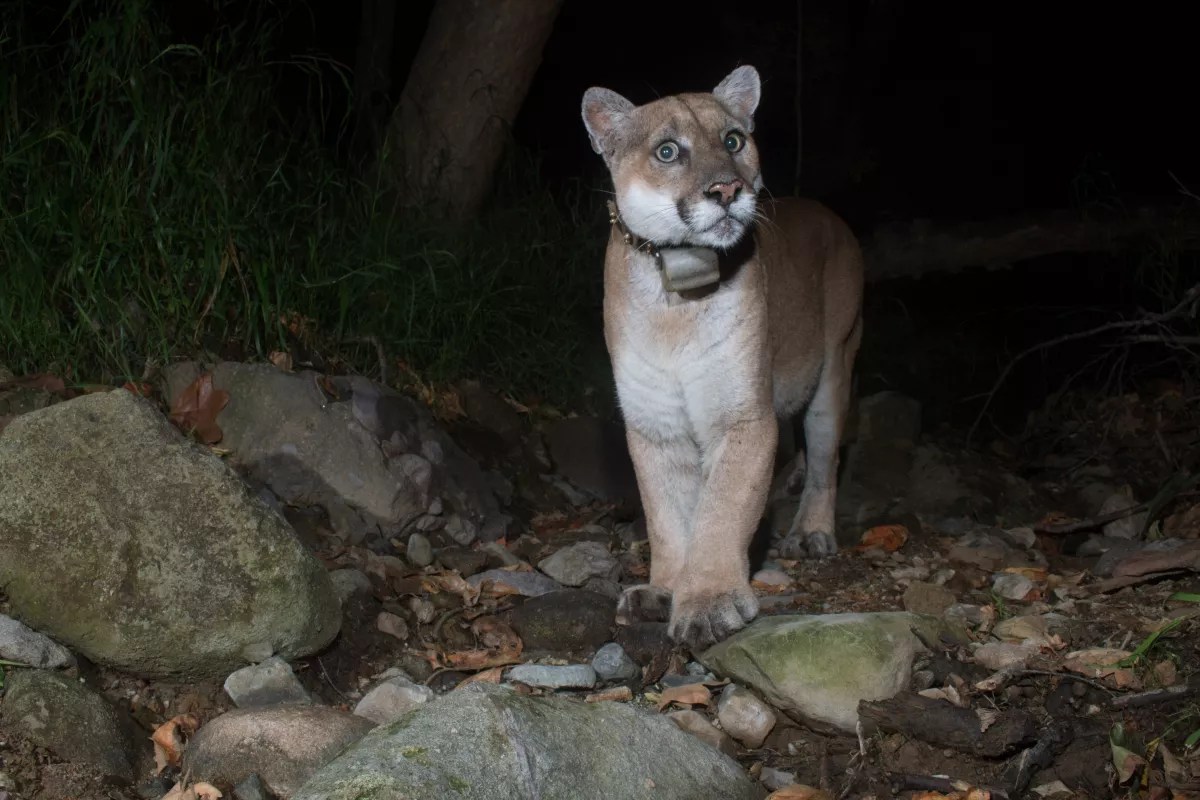
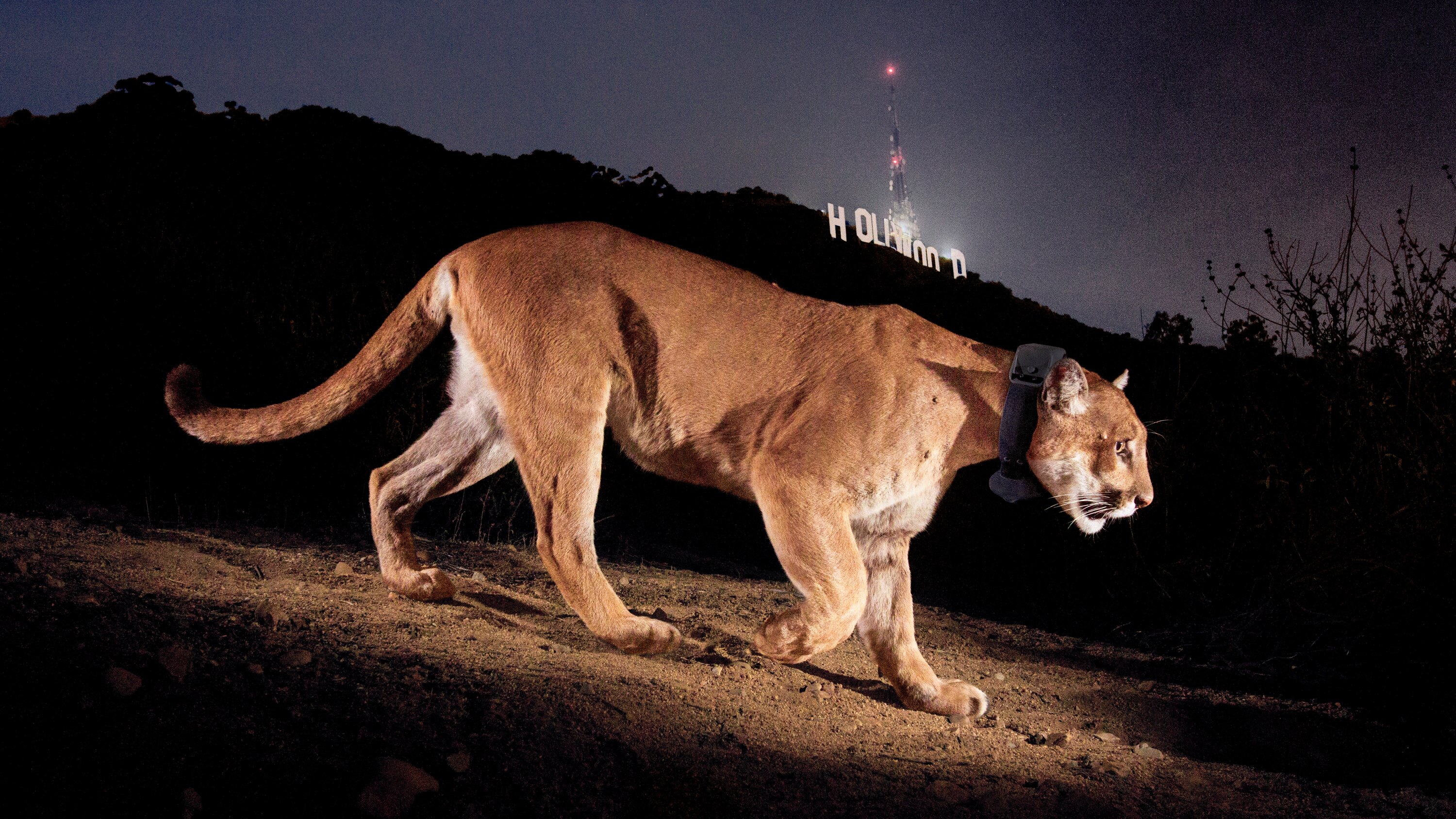
P-22 was the subject of books, movies and music festivals during his 12-year life, and his face adorned t-shirts, murals and street signs asking people to be careful while driving around the Griffith Park area, where the big guy ranged. He was the most famous mountain lion in an ongoing study of his species, and was easily identified by the radio collar around his neck.
P-22’s “origin story” was equally fascinating. Born in southern California in 2010 or 2011, the fearless puma migrated north, crossing several of the busiest and most dangerous highways in the world before he settled in Los Angeles. His nine-mile home range was the smallest ever recorded for a member of his species.
Bookmark this link or this alternate to livestream the event, which is set to include music, performances and remembrances from Los Angelinos and celebrities who loved the “Hollywood Lion.”
Separately, there’s an effort to honor the late puma with postage stamps featuring his famously derpy visage.
Top image credit Miguel Ordeñana/Natural History Museum. Bottom image credit Steve Winter.
Steve Winter’s iconic photo of P-22 prowling in front of the Hollywood sign.





 Pain In The Bud