Cat Beds, Feline Football Experts, And The ‘Elitism’ Of Paying For Veterinary Care

Do cats ever do what we want them to do?

I expected something truly extravagant when a reader wrote to Slate’s advice column to say she was considering doing something “wildly elitist” involving her cat.

What could it be? I wondered. Pure gold or silver eating and drinking bowls, a la Choupette? A fashionable $600 pet stroller like the young, childless women of Tokyo favor for their felines? Feeding premium meat from the butcher exclusively to her cat?

None of the above, it turns out. The allegedly “wildly elitist” thing this woman was deliberating was simply paying a veterinarian to have dental work done on her cat, with costs estimated at between $800 and $2,000, depending on the extent of the kitty’s cavities.

To make matters even stranger, the letter writer says the cost won’t be a financial hardship for her family. Their cat is only three years old, she notes, and the family has had him since he was found on the street as a kitten.

“I guess I didn’t think that part of taking him in would entail thousands of dollars to keep him alive at this stage of the game,” she wrote. “At what point do people draw the line on what it costs to save a cat’s life?”
Credit: Wikimedia Commons

The writer was essentially looking for “permission” to have the cat put down, for Slate’s advice columnist to virtually pat her on the head, say “There, there!” and agree that taking care of your own cat is “wildly elitist.”

Thankfully, Slate columnist Athena Valentine was having none of it, telling the woman seeking advice that “when you adopt an animal, you take financial responsibility.” Spending money on veterinary care when needed, Valentine noted, is “exactly what you signed up for” by adopting the little guy. A cat who, by the way, could easily live another decade at least.

“If you do not want to pay for your cat’s treatment, please surrender him to a rescue that will,” Valentine wrote. “The rescue will raise the funds you do not want to part with to pay for his teeth and will then adopt him out to a new home that understands the responsibilities of pet ownership. I also advise you to not adopt any more animals until you’re fully ready to accept the financial obligations that come with it.”

Cheers to Valentine for not taking the bait.

Do your feline overlords use their own beds?

One of the first things I bought for Bud, along with his litter box, bowls and toys, was a bed. It’s nothing extravagant, but it does look pretty comfortable.

He has never used it.

Or rather, he lounged on it a handful of times when he was a kitten, but he claimed my bed as his own. He was very clear on the new ownership situation, and generously allowed me to continue sleeping on my his bed as long as I accepted the fact that he would use me as a pillow, which he has been doing for more than a decade now.

A Newsweek story details the efforts of a woman who bought her cat a new bed, hoping he’d let her sleep at night, only for the feline overlord to drag his new bed onto her bed. Essentially, she bought him a new pillow.

Do cats ever do what we want them to? That’s a rhetorical question, by the way.

A cat whose fantasy soccer team ranked 222 out of 13 million players

At The Athletic, Conor Schmidt writes about creating a fantasy football (soccer) team for his cat, and letting the little guy choose who to draft and trade by writing the names of players on a dry erase board and putting treats next to each name. The first treat his cat goes for is the one whose associated player is dealt or drafted.

He says his cat reached an astonishing world ranking of 222 out of almost 13 million players on the same platform worldwide, which means either the little dude has incredible luck, or he’s a genius who knows a lot more than he lets on.

Maybe I should register a fantasy basketball or baseball team for Buddy, smear turkey gravy next to players’ names, and see how he does.


Sunday Cats: Should Kitties Be Allowed On Passenger Jets? Plus: Footballers Adopt Cat From Qatar

Buddy the Cat tries to sell his human. Meanwhile, UK soccer stars adopt their own new buddy from Qatar.

Happy Sunday, dear readers. Buddy’s apparently angry with me about something, because I found a copy of this on the printer:

Human Buddy 4 Sale
Listed under “For sale by owner.”

What could I have done to deserve this? And $16? Isn’t that a little low? It’s insulting! We’re gonna need to have a little chat, Buddy to Buddy.

Should Cats Be Allowed On Airplanes?

CNN’s Jacqueline Swartz has a column about the challenges of traveling when you’re afflicted with severe allergies. Swartz is thoughtful, isn’t resentful of cats and understands it’s on her — for the time being, at least — to prep for flights by taking allergy medication, but she also believes airlines can do more to accommodate people who are allergic to pets.

As a cat guy and someone who dealt with really bad cat and dog allergies in my childhood and teenage years, I can sympathize with Swartz’s plight, and I agree that airlines can do more.

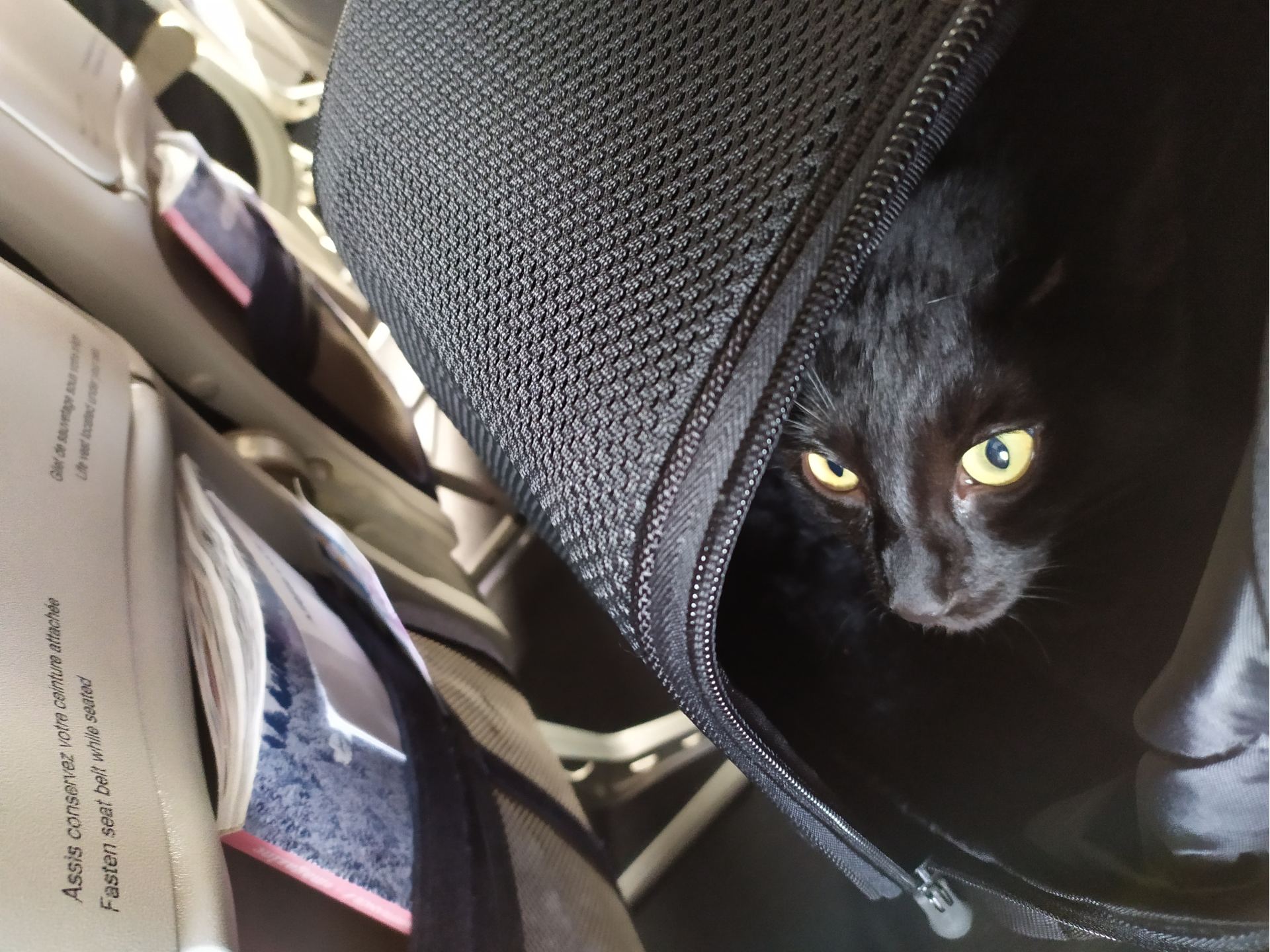
Of course, by “Should cats be allowed on airplanes?” she’s really asking if cats should be allowed in the passenger cabin. Even if a feline’s snug in a carrier, tucked beneath its human’s seat and well-behaved during the flight, a relatively short six-hours from New York to LA can cause all kinds of havoc on the immune systems and sinuses of people who are ultra-sensitive to cat dander.

Cat on passenger flight
Credit: Wikimedia Commons

Putting cats in cargo compartments is not an answer, and neither is banning cats from flights. Sometimes flying with a cat is a necessity, whether you’re moving cross-country or planning to live abroad temporarily. But airlines are notorious for trying to extract every dime from passengers, whether it’s charging thousands for business class or up-selling regular seats as “premium coach” by offering a Louis Vuitton-branded pillow or whatever.

Perhaps some enterprising airline executive could build goodwill with travelers, earning extra business and loyalty along the way with an innovative and friendly way to handle animals. How much space could possibly be required for a quiet, closed-off, climate-controlled closet where six or eight cats in carriers can snooze during a flight? That would solve the allergy problem, make life easier for everyone and probably make traveling easier on cats too.

Dave the Cat has a new home in England

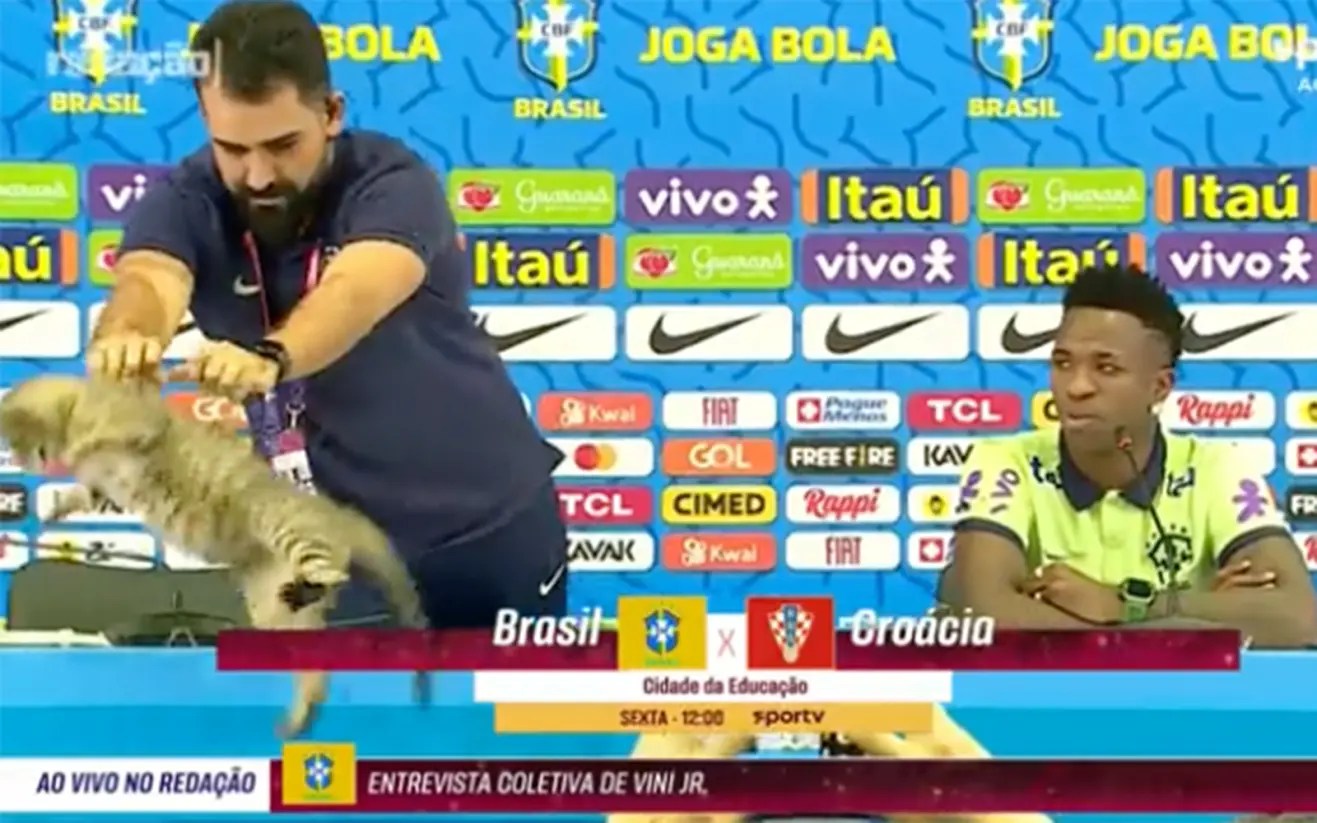
While a thoughtless PR official for Brazil’s national team drew the ire of animal lovers for the way he mishandled a cat during a press conference — an unforced error, since the cat wasn’t bothering anyone — some good is coming out of the World Cup for at least one feline.

Dave the Cat, a friendly stray befriended by England defenders Kyle Walker and John Stones, will be adopted by the players, who both suit up for the Premiere League’s Manchester City during normal club play.

Dave, a cream-colored tabby, won’t be reunited with his new pals right away. He’ll have to endure four months of quarantine first, as per the UK’s rules on bringing animals to the country, and then presumably he’ll be adopted by Walker, Stones or the entire team.

Brazil World Cup cat
An official with Brazil’s national team caught heat for the way he picked up and tossed a cat in Qatar. (Screengrab)


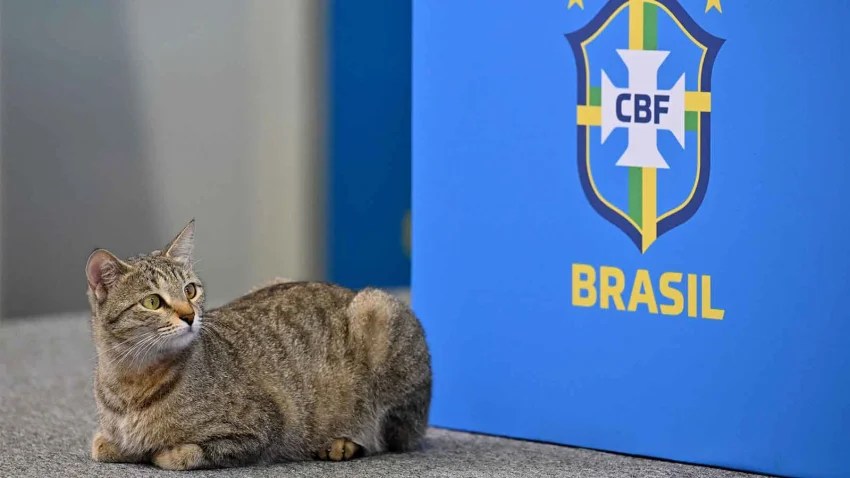
Cat in Qatar
Thankfully, the cat seemed unharmed.

Sunday Cats: A Lost Cat Story With A Happy Ending, UK Takes Cat Abuse Seriously

The UK demonstrated it doesn’t tolerate animal abuse with severe punishments for a star soccer player who abused his cat.

A North Carolina woman suffered a roller coaster of emotions after she lost her cat, then found out the local SPCA had taken her cat in, only for the shelter’s staff to tell her a family had already adopted the cute tuxedo.

Chevelle Griffin of Asheville says her cat, Sally, went missing on Oct. 18. She didn’t know what happened until a few days later when she saw a Facebook post indicating a neighbor had taken Sally to the local SPCA. Sally was wearing a flea collar, but not an ID collar and was not microchipped.

Griffin blamed herself.

“That was my fault,” Griffin said. “That was my mistake. I should have had her chipped, but I didn’t and she’s mine and I want her back.”

She wasn’t happy when staff at the shelter “very bluntly” told her Sally had already been adopted out.

Sally the Cat
Sally was taken to the SPCA by a neighbor.

Lisa Johns, chief operating officer for the local SPCA, told local ABC affiliate WLOS that the shelter takes in as many as 35 cats a day and holds new animals for 72 hours. After that, if they have no health issues they’re put up for adoption.

Fortunately, the story has a happy ending. After Griffin lobbied the SPCA and WLOS began looking into the incident, SPCA staff contacted the family that had adopted Sally and asked if they would be willing to return her. They agreed, and Griffin said she’s relieved and has learned from the experience.

“I’ve kicked myself so much,” Griffin said. “If I’ve learned anything from this, get your pets chipped.”

It’s a tough balance for shelter operators dealing with overcrowding and the need to constantly free up spaces for new strays, but should the hold period be extended beyond 72 hours?

Zouma apologizes again

zoumabengals
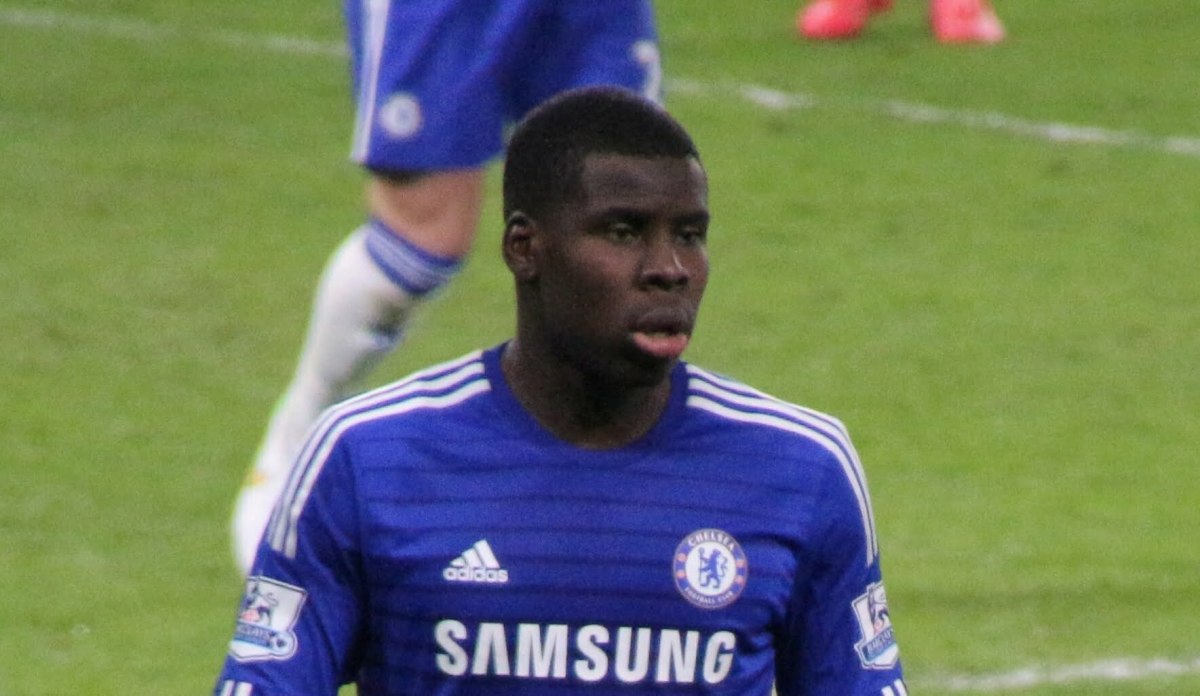
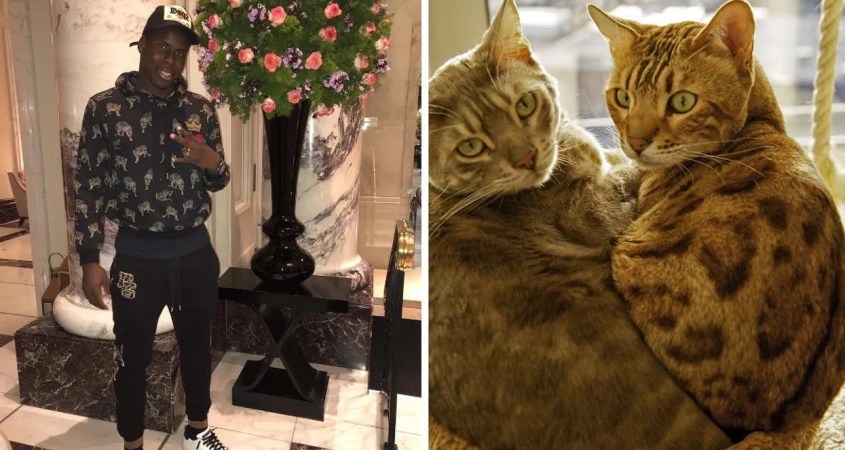
Zouma, left, and his Bengal cats, right. Both cats were confiscated and remain in the care of the RSPCA. As part of the sentencing agreement for his animal abuse plea, Zouma will not be permitted to own a pet for at least five years.

Kurt Zouma — the West Ham player who ignited a firestorm earlier this year when his brother uploaded video of Zouma slapping, kicking and harassing one of his own cats — said he learned his lesson and again expressed remorse after he was sentenced by a magistrate’s court.

Zouma, a French national, faced consequences that would be unheard of in the US as a result of the abuse: He lost all his sponsorship contracts, was fined the maximum amount by his club team (£250,000, equal to about $338,00 at the time, a full one fifth of his salary), paid court fines of £9,000, is prohibited from owning pets for at least five years, and was ordered to complete 140 hours of community service. West Ham donated Zouma’s fined salary to animal charities in the UK.

He was persona non grata in the UK football world, subject to hearty boos and chants from crowds any time he touched the ball, and his cats were taken from him and placed in the care of the RSPCA. In addition, he was not selected for the French national team, meaning he won’t compete in the World Cup.

Following his sentencing this week in his first public comments about the controversy — aside from a terse apology in the form of a written statement issued months ago — Zouma said he acknowledges the video was “very tough for people to watch” and admitted he’d “done something very bad.”

Zouma’s brother Yoan was also convicted of animal abuse, receiving court fines and 140 hours of community service for participating in the abuse and filming it in front of his brother’s young son. Our readers might recall the brothers were turned in by a woman who was courted by the younger Zouma and was disgusted when she saw the video.

The woman had initially agreed to meet Yoan Zouma for an informal date, but told him to keep his distance after she saw the abuse clip, then reported the brothers to authorities.

“I don’t think hitting a cat like that is OK – don’t bother coming today,” she wrote in a message to Yoan Zouma at the time. “I do not want to associate with people who find that funny, in front of a child as well.”

Although what Zouma did was terrible, it feels like justice was served and the UK did right by the cats by taking the abuse seriously, both criminally and professionally. Instead of “canceling” Zouma, as would have likely been the response here in the US, the authorities in government and the Premier League made sure the footballer understood the gravity of his actions and took responsibility for them. Hopefully it served as an example to others who would think of harming their pets.

Cat Lovers And Soccer Fans Pitch In To Help Severely Injured Kitty Who Ran Onto Field

A cat who famously interrupted a soccer match earlier this month will get life-saving surgery thanks to donations.

Running onto the field in the middle of a professional soccer game is probably the best thing Topsey the cat ever did.

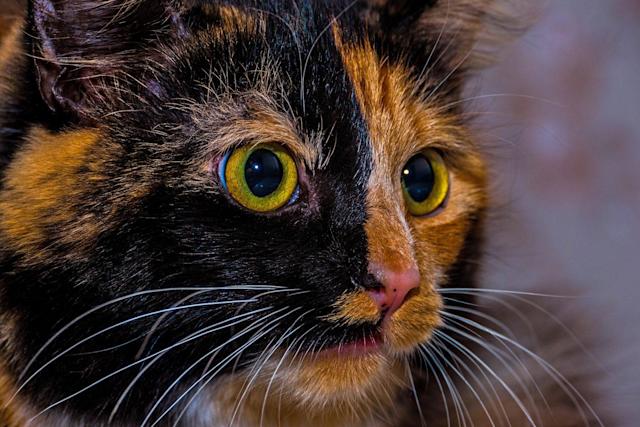
The nine-year-old tortoiseshell went missing in June of 2021 when her human, Alison Jubb of Sheffield (UK) was going on vacation and taking Topsey to a cattery. Topsey got spooked, bolted from her carrier, and after months of fruitless efforts to find her, Jubb thought she’d never see her cat again.

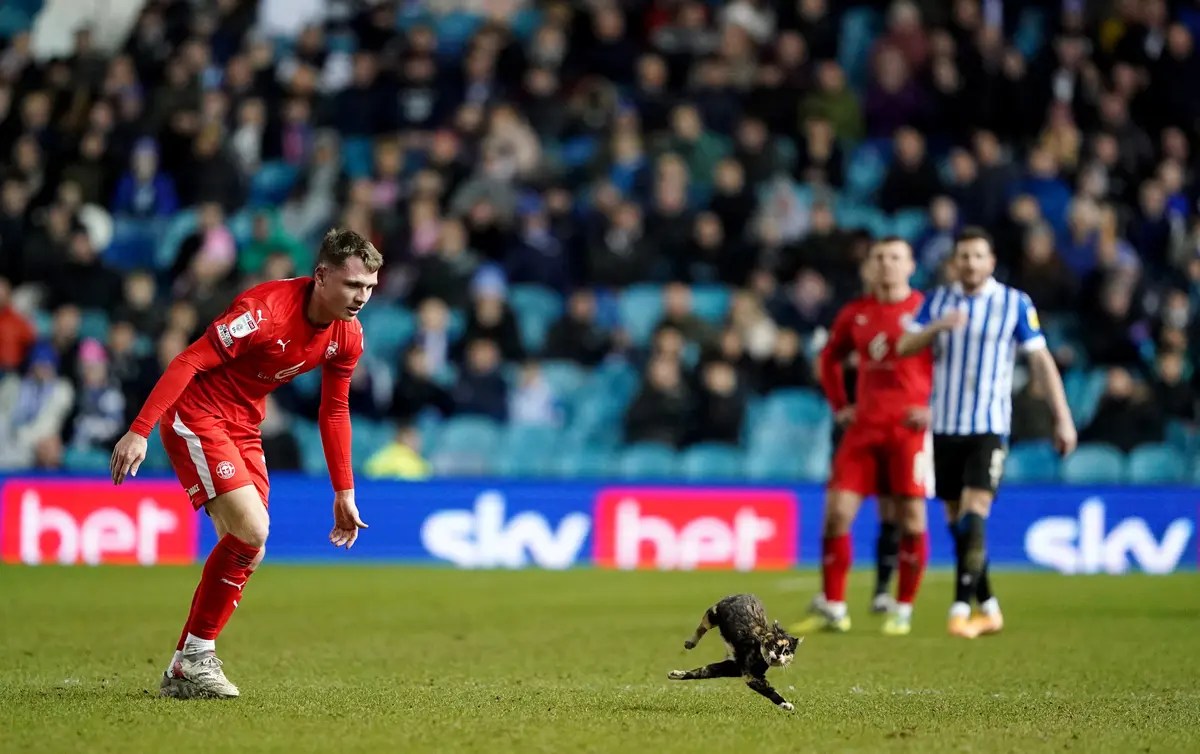
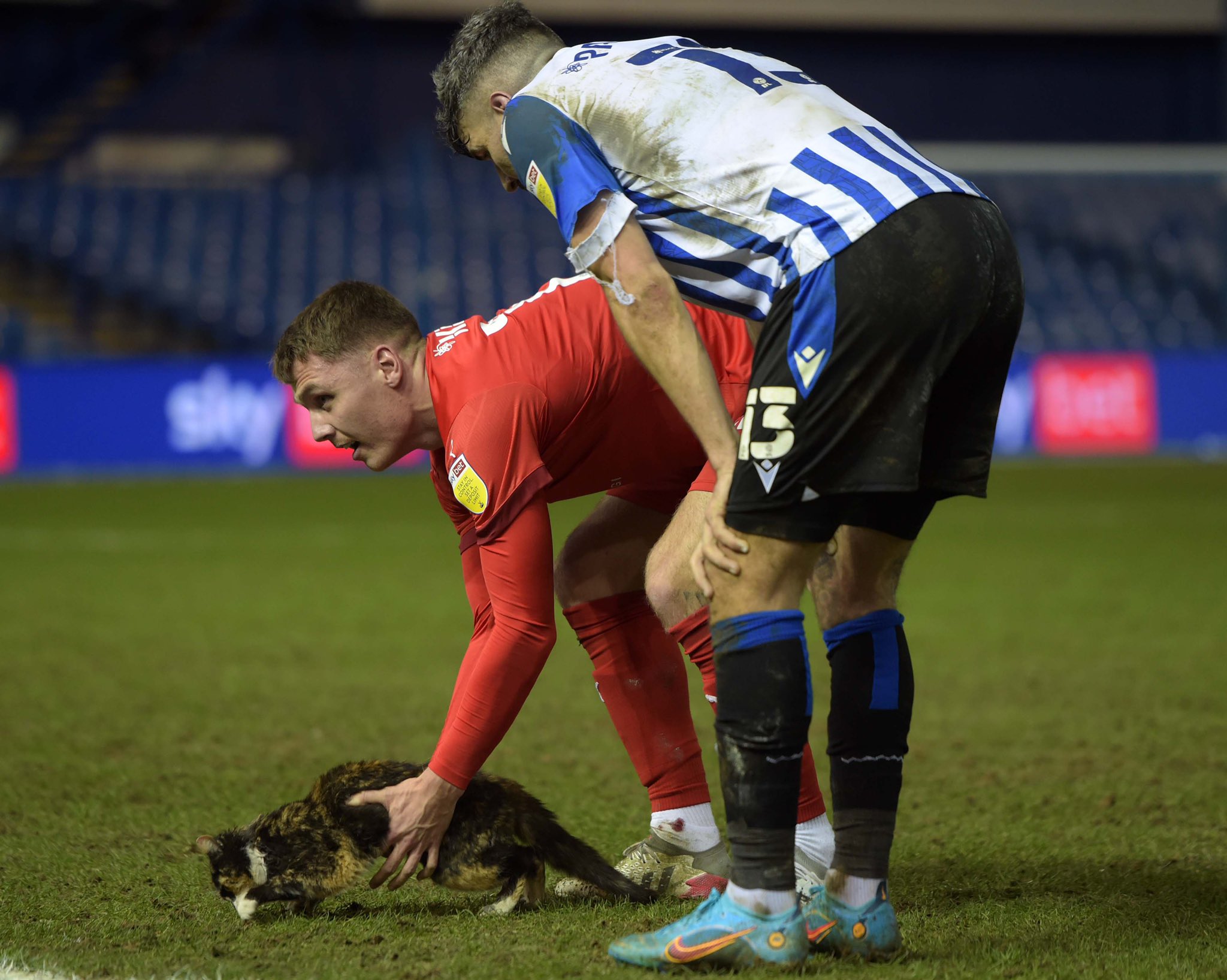
Then in the 94th minute of a Feb. 8 match between Sheffield and Wigan Athletic, a familiar-looking tortoiseshell dashed onto the field. Wigan’s Jason Kerr risked a penalty to catch and calm the clearly distressed cat while the crowd erupted in cheers.

“My daughter-in-law rang me last night and said, ‘Are you watching the football match?'” Jubb said. “I said ‘No,’ and she said ‘There’s a cat that ran on the football pitch and it just looks like Topsey.’ And I sort of laughed it off because I thought it won’t be.”

But the veterinarian rang the next day and, to Jubb’s surprise and delight, said the Sheffield woman’s cat had been identified via a microchip scan.

One of Sheffield’s season ticket holders happened to be a veterinarian, and when he offered to examine the terrified feline at the stadium, he realized she had serious injuries and brought her to a nearby clinic.

Topsey the Cat
Topsey in better times before she went missing. Credit: Alison Jubb

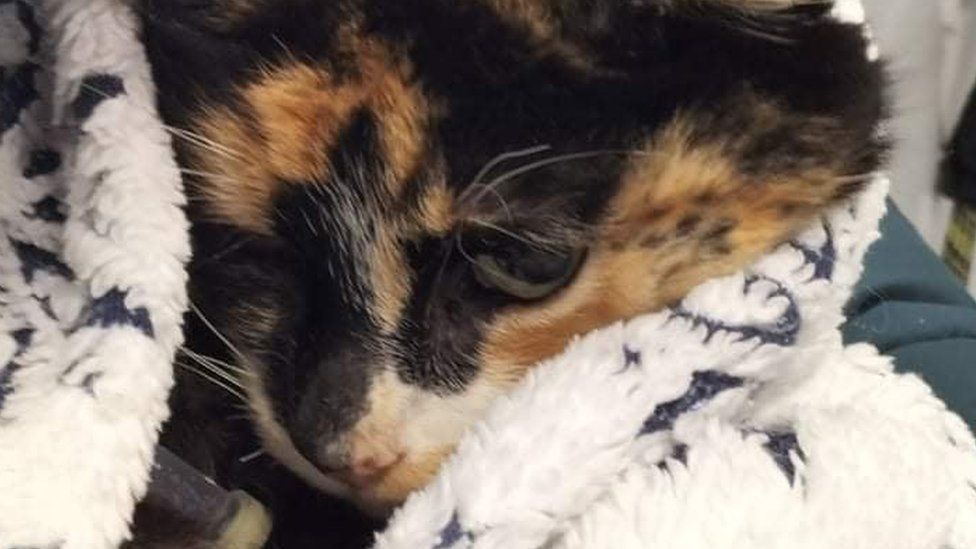
Topsey had survived her harrowing eight-months away and her bloodwork was okay, but the veterinarian said the tough little kitty had endured an attack by a dog or another larger animal, who picked her by her neck and shook her in its jaws. Topsey suffered broken bones, a damaged spine and had teeth marks on her neck.

The veterinary bill is hefty: Jubb was told she’s looking at about £10,000, or more than $13,000 in US dollars, to cover the exams, scans, surgeries and other necessities to relieve Topsey’s pain and mend her little body.

Generous cat lovers and soccer fans helped Jubb and Topsey reach that goal in just a few days. The campaign’s donations sit at £11,585 as of Feb. 19, and any money left over from Topsey’s veterinary care will be donated to a local rescue.

Topsey can’t walk properly because of her injuries, and in the 11 days since she was rescued, she’s been in veterinary care, recovering and scarfing down food after so many lean months left her malnourished.

Topsey Recovering
Topsey’s swaddled up in the care of a veterinarian. Credit: Alison Jubb

Despite the severity of her injuries, Topsey is “very comfy and she’s doing really well,” Jubb told the BBC.

Jubb says Topsey is constantly purring and is no doubt thrilled to be reunited with her humans and on the mend.

“Everybody has been brilliant, – my phone’s not stopped all day, it’s amazing,” Jubb said after Topsey was recovered. “And the players, I’d just like to say ‘thank you’ for being so gentle and kind with her and everybody who looked after her [on Feb. 8] because they’ve all been so nice with her and that’s lovely.”

Sunday Cats: Chonky Kitty Gets A Home, Footballer Gets Second Chance After Cat Abuse

Plus: The 1878 origin story of Siamese cats in America!

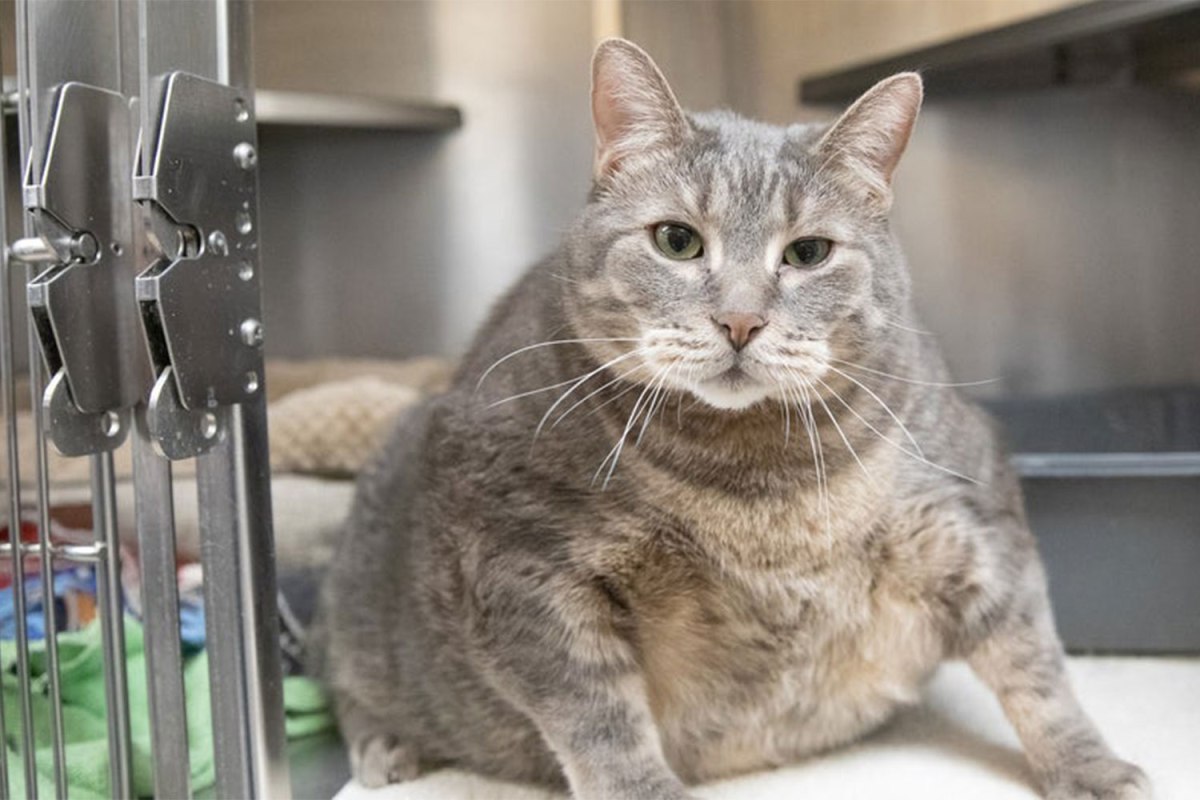
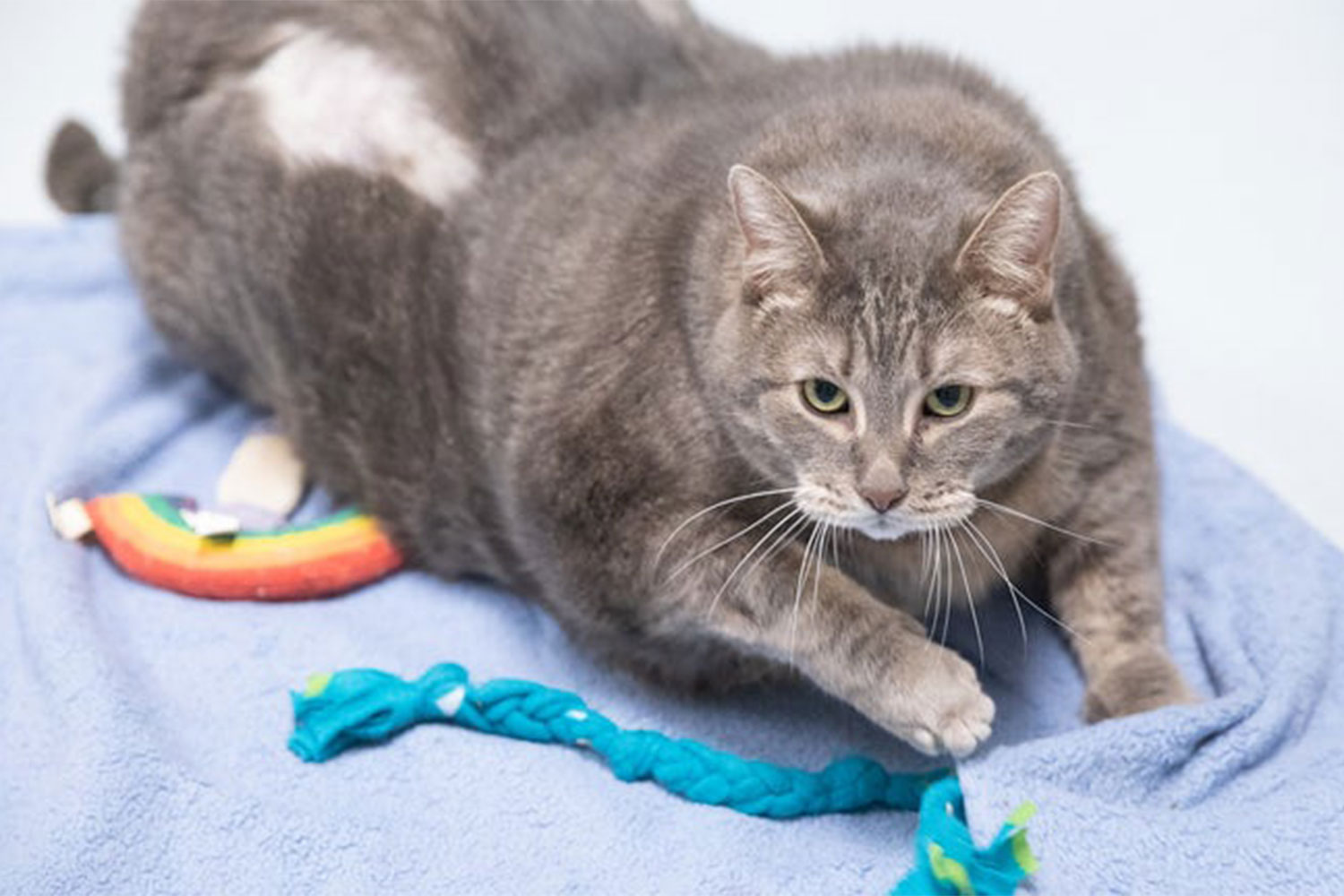
Sterling the cat is a cute and playful little guy, and no doubt would have his fans among those who love chonksters, but he has to lose weight.

That was the gist of the message posted by staff at the Humane Society of Huron Valley in Michigan, who wanted to find a home for Sterling but also wanted to make sure his new human(s) would be dedicated to his health.

The silver tabby with a Buddesian coat pattern tips the scales at 30 pounds. Not only is the weight unhealthy, but it makes life as a cat difficult.

“We know, those plump cheeks are adorable. But obesity is terribly unhealthy for cats,” Humane Society staff wrote on Instagram. “Sterling is fastidious about hygiene, but can’t groom himself properly (we had to shave matted fur off his back). He’s so lively and playful, but can’t chase after toys. He’s curious about the world, but can’t jump up to look out the window. He’s so affectionate, but can’t comfortably snuggle with his people.”

An adopter has stepped up to the plate and given Sterling a new family, a deal that includes committing to working with a veterinarian to get the kitty to slim down. The Humane Society haven’t said who the adopter is, but Sterling’s adoption profiles disappeared shortly after the shelter’s impassioned plea on Feb. 9.

sterling2
Sterling weighs about 30 pounds. Credit: Humane Society of Huron Valley.

Zouma gets another shot

Kurt Zouma, the Premiere League footballer who earned himself worldwide condemnation over the last week for uploading a video showing him abusing his own cat, won’t lose his job due to the scandal.

West Ham United Coach David Moyes said Zouma’s actions were “completely out of character from Kurt” and compared the abuse incidents to drunken driving.

“He’s a really good lad and we’re going to get him some help,” Moyes told reporters. “Just like people with drink-drive offences have to go to classes to learn the reasons and the damage that can be done, the RSPCA are going to provide some courses for Kurt to understand about animals and how to treat them.”

Moyes says Zouma has repeatedly apologized, and he thinks the French national is sincerely contrite.

“But what do you do?” the coach asked. “Do you keep punishing people or do you give them a chance to make things right? All of us in life need second chances sometimes, and we’re going to give Kurt a second chance.”

The controversy flared up immediately after the UK Sun published a story about three short clips showing Zouma drop-kicking, slapping and throwing a shoe at his cat. The clips were filmed by Zouma’s brother, who can be heard laughing in the background, and involved Zouma’s son.

In his apology, Zouma said the abuse was “an isolated incident,” but said there was “no excuse” for his actions.

“I also want to say how deeply sorry I am to anyone who was upset by the video,” the soccer pro said.

Zouma was fined £ 250,000 — equal to about $330,000 — which is the maximum amount the club could fine him under league rules. He also lost his primary sponsorship with Adidas, which issued a terse statement and immediately dropped the center-back from its roster, and insurance company Vitality pulled its sponsorship from the entire team. Two other sponsors said they would meet with the club to discuss the issue.

FLG9knkWUAILbt7
Scotsman Jason Kerr of Wigan gently scoops up Topsey, a house cat who interrupted play on Tuesday night by running onto the pitch in a match between Wigan and West Ham United.

Zouma also surrendered both of his cats — the one who was abused in the video and a second feline — to the RSPCA, which is conducting an investigation. Like the SPCA in the US, which has its own law enforcement division, the RSPCA has the ability to file criminal charges in cases involving animal abuse and neglect.

The felines of 1600 Pennsylvania Avenue

Did you know the first Siamese cat to reach America’s shores was probably Siam, who belonged to First Lady Lucy Webb Hayes?

Back when Thailand was called Siam, U.S. ambassador David B. Sickels read that Mrs. Hayes — wife of Rutherford B. Hayes — was a cat lover and sent one of the now-famous Asian cats to the White House.

“I have taken the liberty of forwarding to you one of the finest specimens of Siamese cats that I have been able to procure in this country,” Sickels wrote to the First Lady in 1878. “I am informed that this is the first attempt ever made to send a Siamese cat to America.”

While we’ve written quite a bit about the famous cats who have occupied the White House over the years, the Hayes story and others are also detailed in a new article from Smithsonian Magazine, which marked the occasion of Willow the cat’s arrival by revisiting presidential pet history. It’s well worth a read if you like the idea of kitties roaming the halls of power and even sitting on one president’s lap during state dinners, eating at the table like humans.