The People Who Clone Pets Want To Bring Back Extinct Species — And Clone Animals For Their Organs

Genetics, gene-editing and cloning have rapidly matured since the days of Dolly the Sheep, which means we have less time than we think to grapple with some heady moral questions.

Should scientists resurrect long-extinct species? Is it ethical to clone thousands of animals who will not live, but have their organs harvested for human patients?

Those are some of the questions people are asking as the cloning industry — once relegated to producing one-off copies and genetically identical versions of deceased pets for wealthy clients — is expanding with new capabilities.

This story by the BBC’s David Cox provides an informative, brief history of cloning before pivoting to the current state of the industry and how it could continue to evolve.

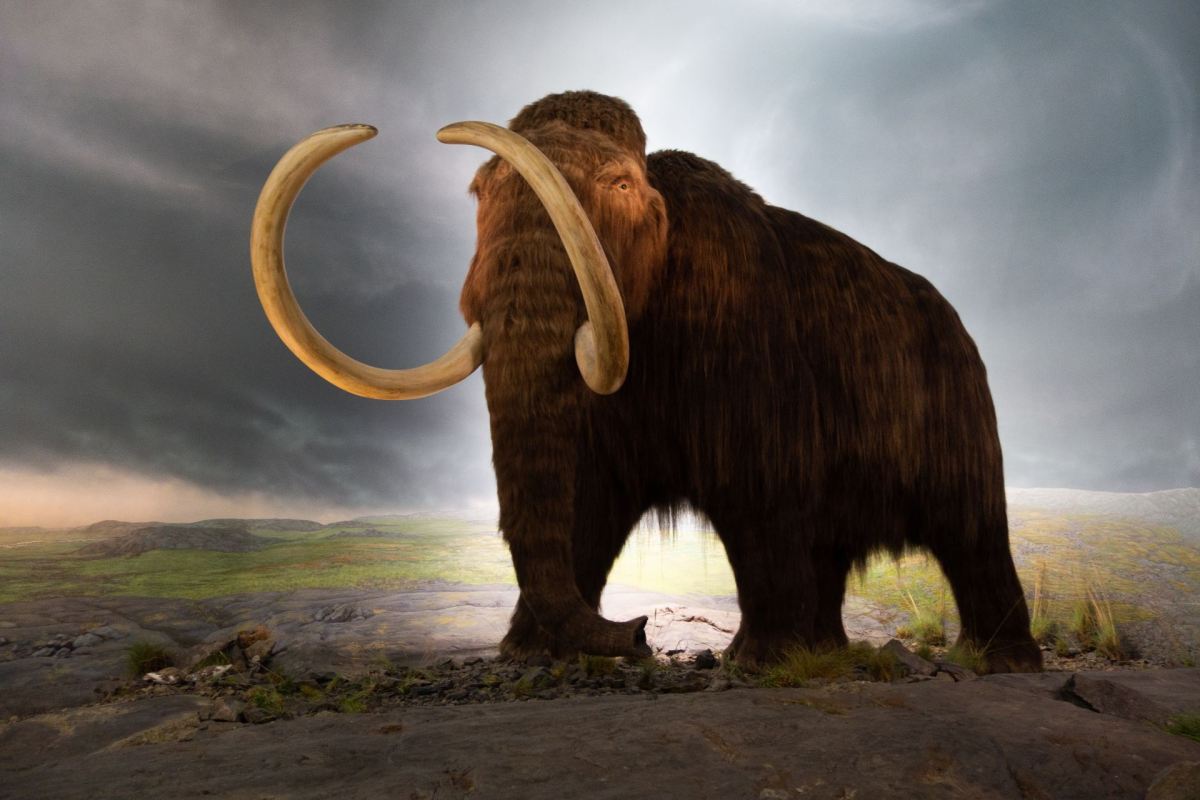
Two of the most fascinating prospects have to do with conservation. One company, Colossal, is working on bringing back the extinct woolly mammoth, while other scientists are turning to cloning as a way to prevent the extinctions of species like the white rhino, which is functionally extinct without any breeding pairs left living.

Dolly_face_closeup
Scottish scientists shocked the world when they cloned Dolly the Sheep in 1996.

As with anything in science, innovations in cloning unlock new applicative branches, and scientists have partnered with the medical field to address human health concerns. Some, like the practice of editing genes to prevent diseases in newborns, tend to fly under the radar. But others, like the push to adapt organs from animals like pigs so they can be replacements for human organs, are much more controversial and have met opposition from animal welfare groups.

Then there’s the elephant in the room, no pun intended. What about cloning humans?

Right now no one’s gone down that route, at least not publicly, because of the inevitable backlash. What’s happening deep in the bowels of clandestine medical facilities in nations with murky ethics laws is another question entirely.

I am opposed to human cloning, but I don’t believe it will remain the immutable taboo some people think it is. Someone will break the dam, and while that pioneer will likely get raked over the coals, the bell cannot be unrung. Things change so fast these days that what’s shocking one day merits a shrug the next, and it’s possible the world will be introduced to a man or woman one day before it’s revealed the person is, in fact, a clone. (Not unlike the way the world was introduced to Imma, a Japanese influencer and model who exists only digitally.)

Imma
Imma has more than 400,000 Instagram followers, she models the latest fashions and she appears in adverts for products like beverages and watches, but she doesn’t exist. She’s a digital creation.

They’ll be the Dolly the Sheep of the human race, and ethicists won’t get a say in whether they should exist because it’s already been done.

“See how normal they are?” people keen on cloning will say. “They’re just regular people. Are you going to tell them they shouldn’t live?”

But before that, it looks like the movie Gattaca will become reality, and people will order up a great baseball player or a child with intuitive musical genius just like they might commission a piece of art or a custom car job. Gene editing with CRISPR is surprisingly trivial.

Of course, it won’t be lost on people that we’re cloning humans when there are millions of unwanted, uncared-for street kids in the third world, not to mention people who live without the consideration of their fellow human beings in every nation. Just like it hasn’t escaped the notice of activists that South Korea and China are leaders in cloning pets, yet dogs and cats are also food in those countries.

What separates the dogs and cats bound for restaurant kitchens from the dogs and cats having their cells preserved for cloning?

Nothing except for their individual value to humans, just like pure luck separates a cat who finds a loving home from a cat who ends up euthanized with a needle. We are a fickle species.

Yet both the beloved pet and the unwanted shelter cat are sentient, experience intense emotions and have their own thoughts. That’s not conjecture, it’s fact as confirmed many times over experimentally, but it shocks a lot of people. Our education system has not done right by the billions of non-human minds we share our planet with.

Cloned monkeys
These rhesus macaque infants were cloned in a lab in China. The remaining barriers to human cloning are ethical, not technological.

I’ve thought about what might have happened if Buddy had been adopted by someone else, and what his fate may have been. I love the little guy, but it’s possible that someone else may have viewed him as an annoyance, a loud and incessantly chatty cat who needs an inordinate amount of attention and affection, sometimes lashes out, and needs to be surrendered.

Likewise, unwanted cats have languished in shelters for months before viral posts spark interest in them, and suddenly offers to adopt come in by the hundreds from across the globe. Nothing about those cats changed, but humans formed an emotional attachment to them after learning their stories.

Of course, the ethics of how we treat and consider animals can change depending on where you’re sitting. If you’re young, healthy and energetic, your view may be radically different than the person sitting on an organ donation waiting list, knowing their time may be up before a new liver or kidney becomes available. Suddenly a seemingly simple moral calculus becomes murky and complex.

There’s strong evidence that people who take the first steps toward cloning their beloved cats and dogs spend time wrestling with the ethics of the decision as well. Texas-based ViaGen, the western leader in commercial cloning, told the BBC that 90 percent of its clients are not people who have gone through with cloning, but have only taken the initial step of preserving their pets’ cells for $1,600.

And what of the mammoths? Bringing them back from extinction isn’t as simple as filling in the gaps in their genome, implanting gene-edited eggs in female elephants and hoping gestation takes care of the rest. Mammoths are social animals. Will an elephant mother raise a mammoth baby? Where does that mammoth baby belong? Without a herd of its own kind, can it be happy?

We can’t ask the mammoths, and even if we could, it might not be up to them anyway. As one paleogeneticist put it to NPR last year: What if the technology isn’t used to resurrect the mammoth, but to save the elephant? Does the end justify the means in the latter situation, but not the former?

Mammoth, Dolly the Sheep and rhesus macaque images credit Wikimedia Commons


Finally, Wild Cat ‘Ownership’ Could Be Banned Under The Big Cat Public Safety Act

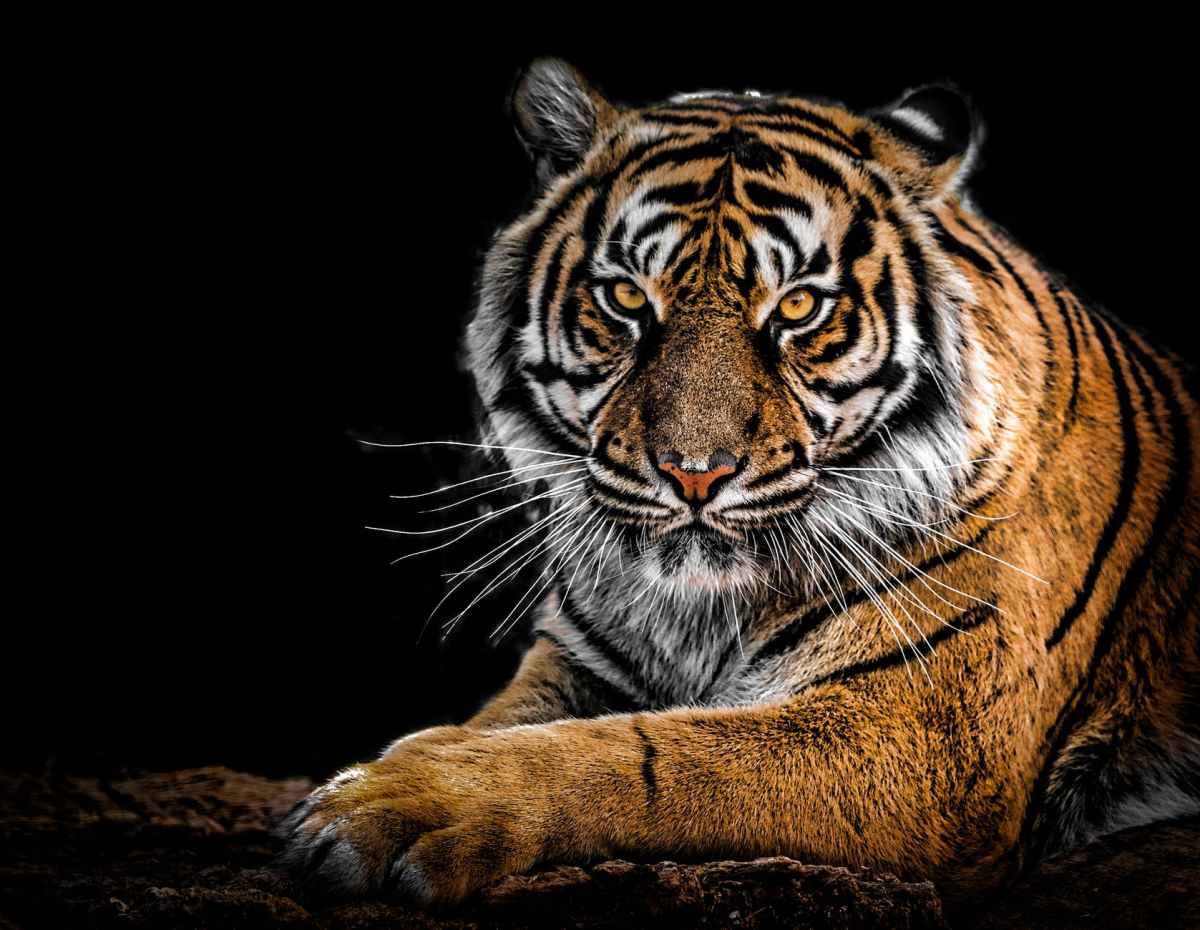
The legislation aims to ban all private big cat ownership throughout the United States.

There are more tigers living in cramped backyards in Texas than there are in the wild.

At roadside zoos, shady people like Joseph Maldonado-Passage, Joe “Exotic” of Tiger King fame, breed big cats like rabbits so they have an endless supply of cubs to steal from their mothers before they’re weaned, pumped full of sedatives, and handed off to tourists who take selfies with them but never stop to consider the welfare of those baby cats or the harm they’re enabling.

And in states like Florida, where “Muh freedoms!” reign supreme over all other values, people can own any wild animals they want, with no real oversight and no mechanisms to ensure they’re doing right by the animals. There’s nothing forcing “exotic” animal “owners” to keep the big cats, monkeys and other mammals in proper enclosures where they have stimulation and — just as importantly — won’t escape and hurt neighbors.

India the tiger Transported to BBR
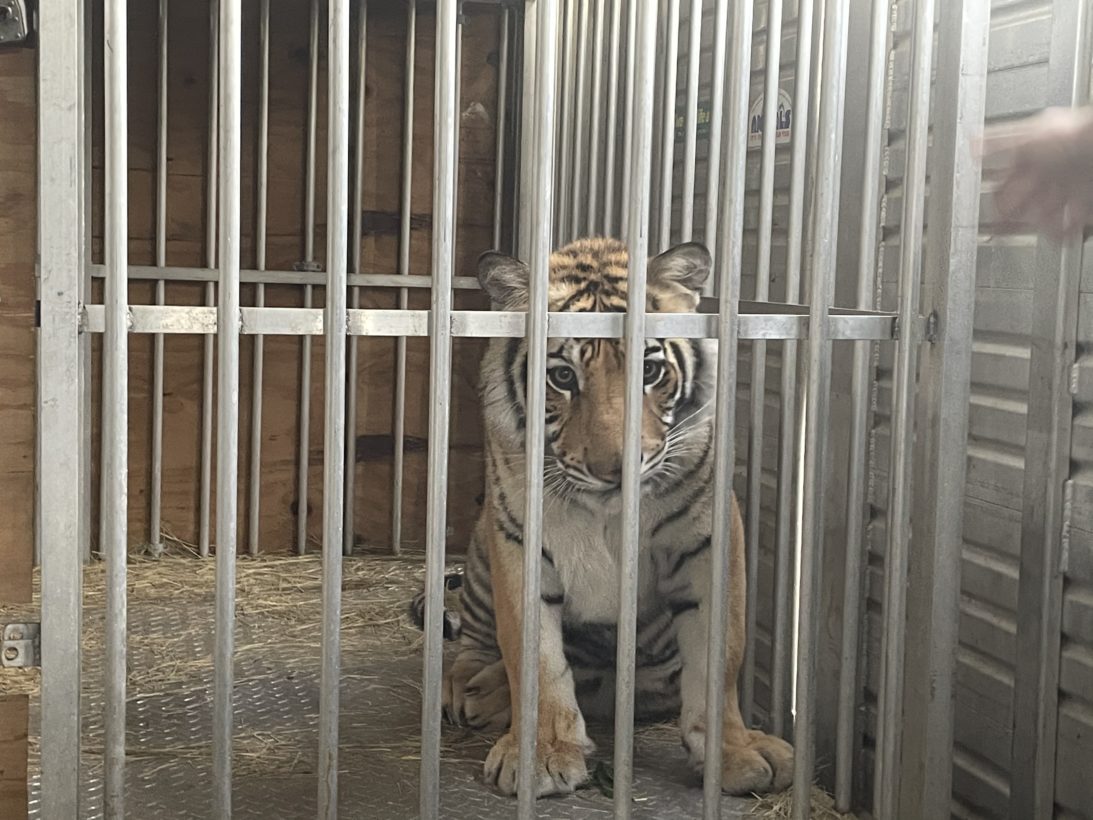
India the tiger was still just a cub when he was spotted wandering through residential neighborhoods in Texas, where he’d been dumped by his former “owner.” Credit: Humane Society

Thankfully, things could change soon as lawmakers are expected to vote on the Big Cat Public Safety Act, a rare bipartisan effort that would finally make it illegal to keep tigers, lions, jaguars, leopards, cheetahs, pumas and other wildcats privately, whether in homes, businesses or non-accredited “zoos.”

Currently keeping big cats is illegal or severely restricted in most states, but like many things in the US, there’s a confusing patchwork of laws and things that would be unthinkable in other states are perfectly acceptable in places like Texas and Florida.

Because, you know, “muh freedoms.”

Now is a good time to point out that this blog has always been, and will remain, politically agnostic. I have my own political beliefs as any other person does, but PITB is a cat humor, news and advocacy blog, and the only politics we discuss here are those that relate to animal welfare. Equally important, Buddy and I want people of all political persuasions to feel comfortable as readers and commenters on PITB. (Although that could change if one or both political parties suddenly makes a move against the nation’s Strategic Turkey Supply. Then Buddy’s gonna have to get biblical.)

The Big Cat Safety Act is co-sponsored in congress by representatives Mike Quickly, D-IL, and Brian Fitzpatrick, R-PA, and in the senate by senators Susan Collins, R-ME, Tom Carpenter, D-DE, Richard Burr, R-NC, and Richard Blumenthal, D-CT.

It’s endorsed by a wide range of groups, from the National Association of Zoos and Aquariums to the Humane Society and various bar associations. The proposed legislation also has the support of the White House, which released a statement this week urging its passage.

If your congressional representative or your senators aren’t publicly on board with the Big Cat Safety Act, you can make your voice heard via the Humane Society’s site, which allows you to draft and send letters to the offices of your lawmakers.

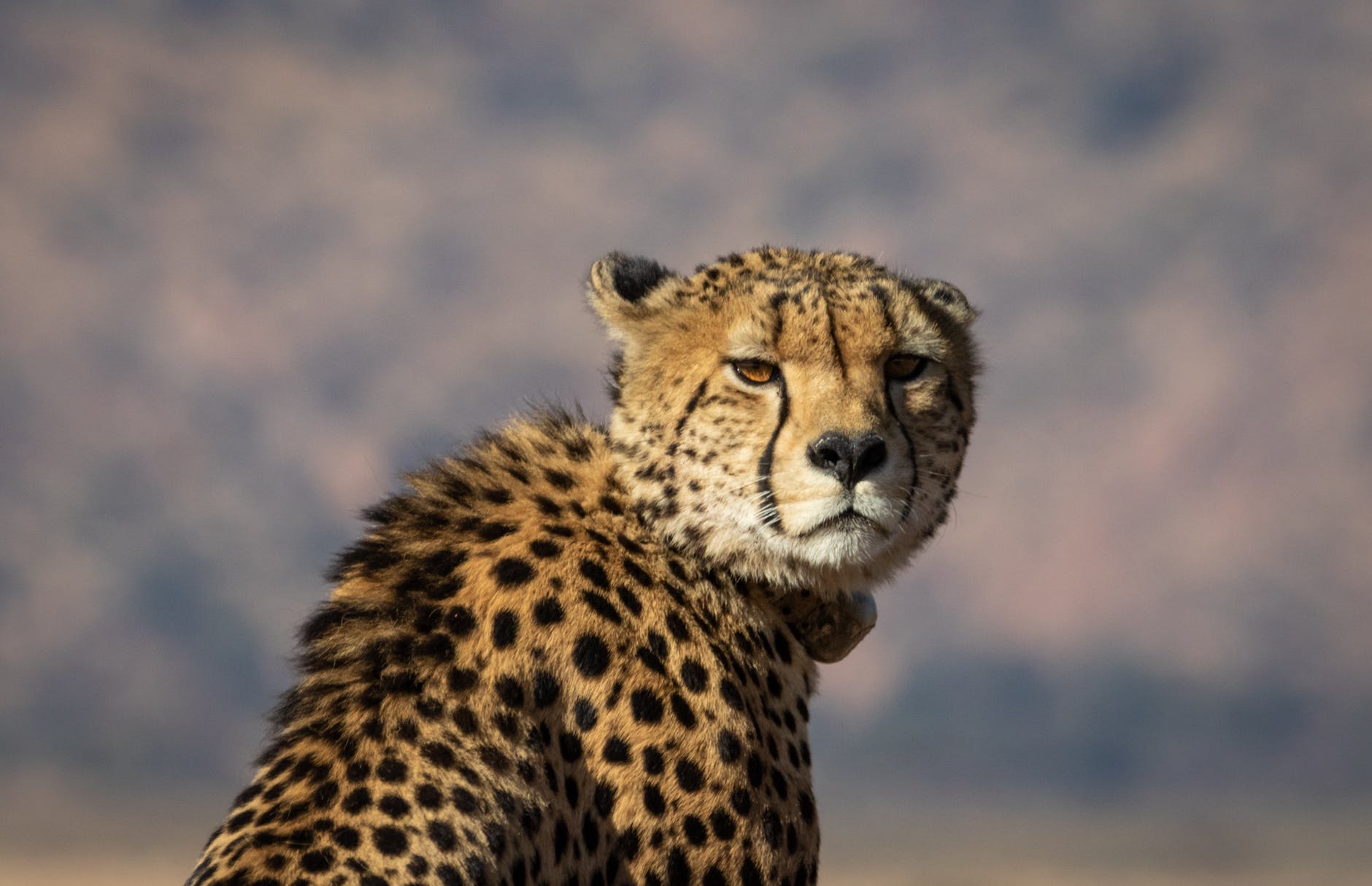
shallow focus photography of cheetah
Cheetahs, already critically endangered, have been almost entirely wiped out by poachers who sell their cubs on the illegal wildlife market. Credit: Magda Ehlers/Pexels

Unlike Other Animals, Cats Always Take The Free Meal

When given a choice between an easy meal and food in a puzzle feeder, cats opt for the low-effort yums.

When presented with a simple tray of food and a food puzzle that requires a little work to get at the yums inside, every animal ever tested has opted for the latter.

Except cats.

Rhesus monkeys, rats, chickens, bears, starlings, gerbils, chimpanzees and a wide range of other animals are drawn to food puzzles, perhaps because the food tastes sweeter to them if they’ve had to work for it, or maybe because it’s just something amusing to do.

“There is an entire body of research that shows that most species including birds, rodents, wolves, primates – even giraffes – prefer to work for their food,” said Mikel Delgado, a cat behaviorist and lead author of the newest study on the phenomenon known as contrafreeloading. “What’s surprising is out of all these species cats seem to be the only ones that showed no strong tendency to contrafreeload.”

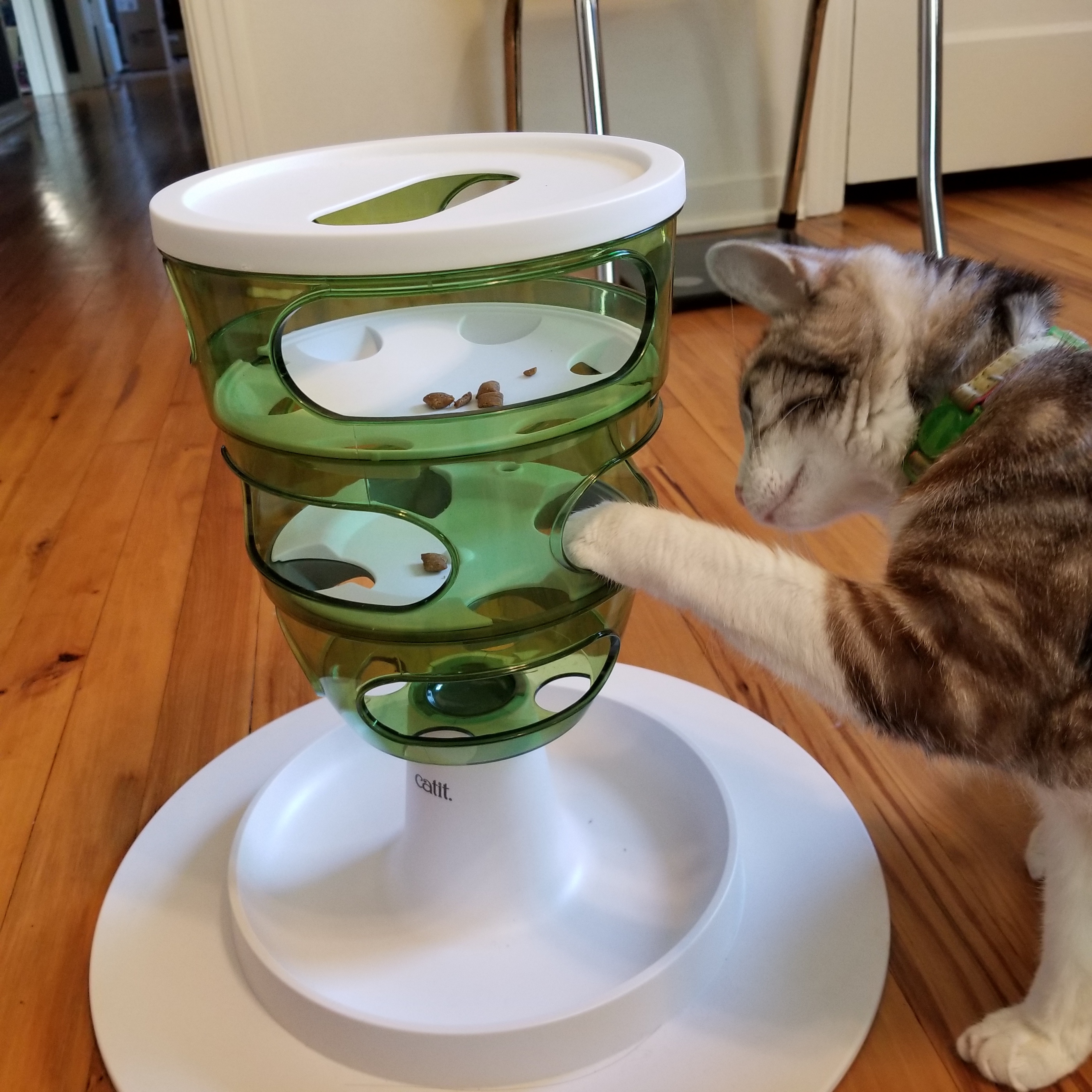
Puzzle feeder
A puzzle feeder used in the study. Credit: UC Davis

Delgado, a research affiliate at UC Davis’ School of Veterinary Medicine, used a clear puzzle feeder so the cats in her study could see the treats inside. A few feline study participants gave it a shot, but only after grabbing themselves some easy grub first. Other cats just ignored the food puzzle and munched exclusively from the tray.

While this is at least the second study to specifically test whether cats “freeload” their meals, the why of this particular feline behavior remains a mystery. Delgado cautioned against the obvious conclusion — that cats are just lazy — and pointed out that several cats in the study were active and expending energy, just not with the puzzle feeder.

One possible explanation: As hunters and obligate carnivores, cats simply may not enjoy games that simulate foraging the way omnivores and herbivores do.

The study was published on July 26 in the academic journal Animal Cognition. Read it here.

Screenshot 2021-08-13 at 08-31-22 MikelDelgadoProfile jpg (WEBP Image, 800 × 800 pixels)
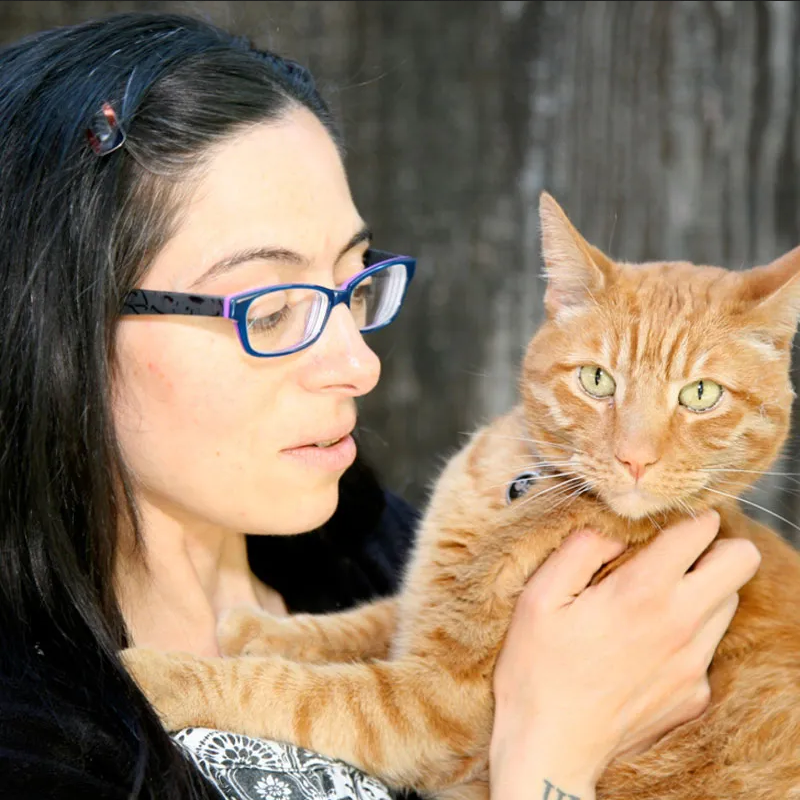
Mikel Delgado with a kitty. Credit: Community Cats Podcast

Big Buddy Goes Face To Face With A Tiger

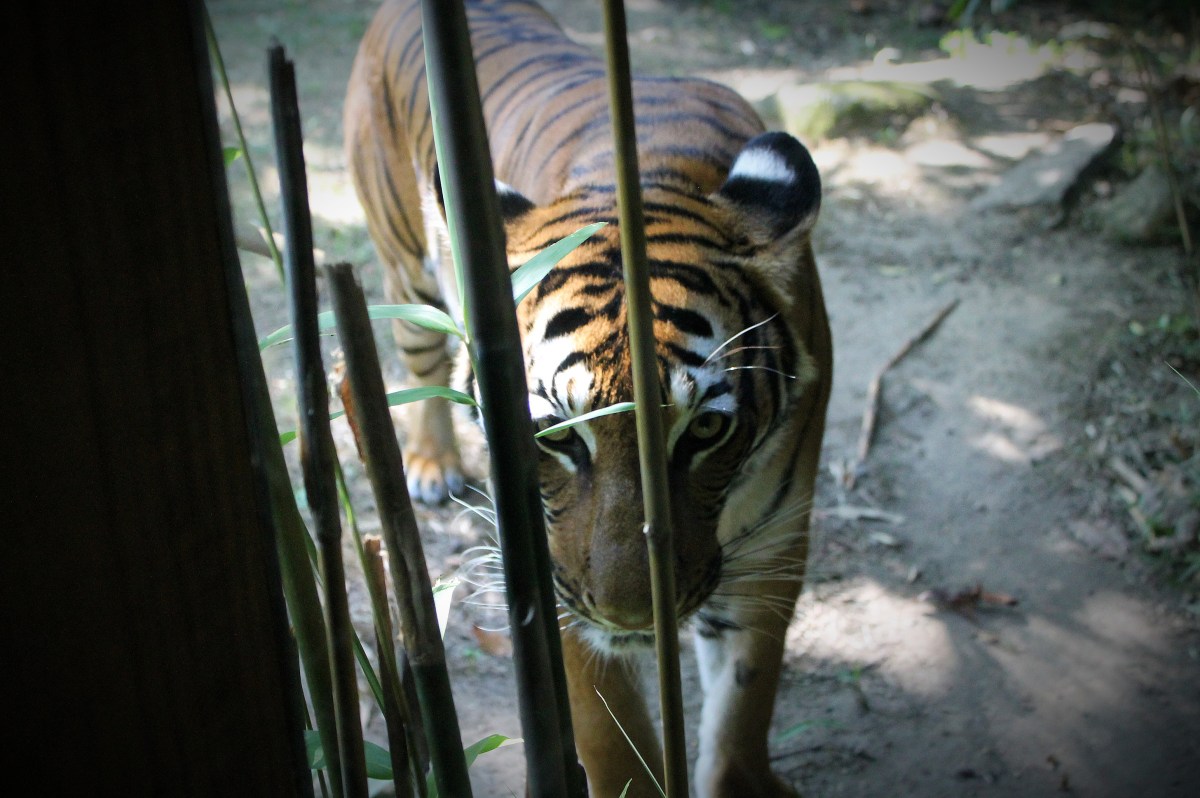
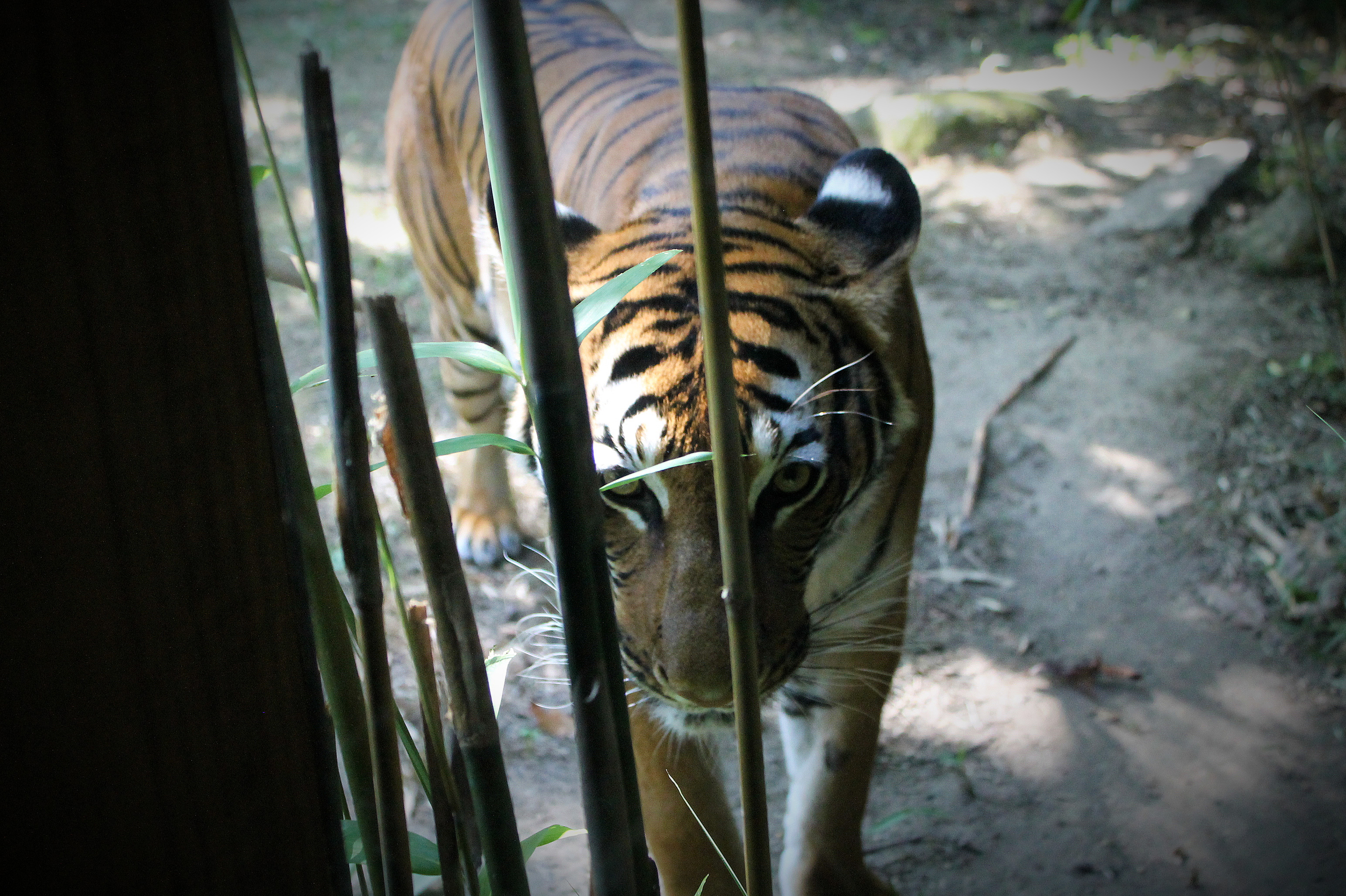
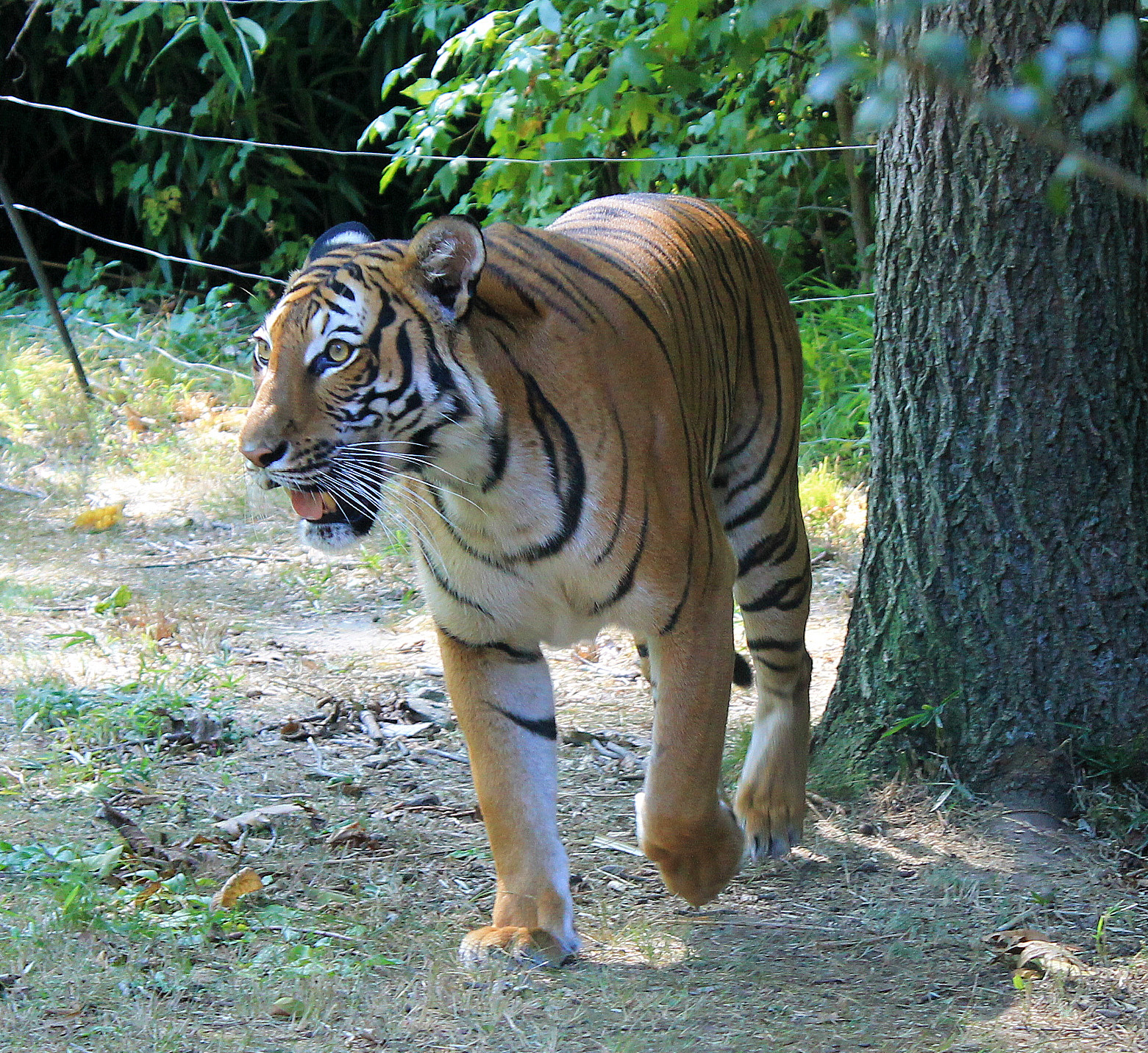
A mere three feet away, the tiger looked me in the eye.

The big cats at the Bronx Zoo have had a rough 2020 too.

First the zoo was shut down — along with thousands of other gathering places — due to the novel Coronavirus.

Then a tiger at the zoo got sick and tested positive for COVID-19, marking the first positive test for an animal in North America and the first recorded instance of human-to-tiger transmission. Seven other big cats at the zoo caught the virus, including four tigers and three lions.

Thankfully they recovered and everything — or almost everything — looked normal when I visited this week.

One of the awesome things about the zoo’s Tiger Mountain is that it has a trio of viewing ports that provide a prime view of a small pond where the tigers drink, swim and nap.

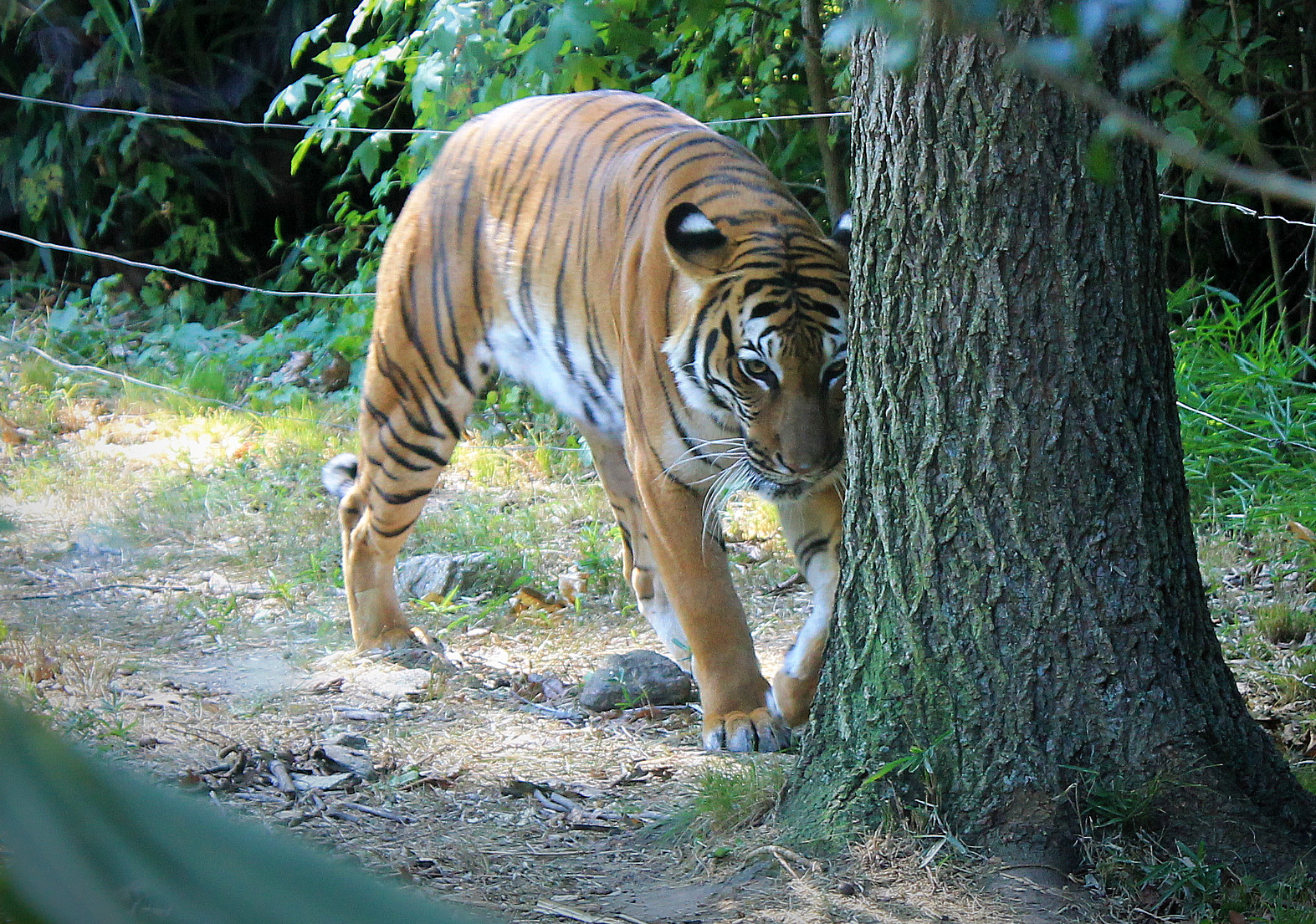
This tiger lounged in the distance for a few minutes, then got up and gave us a show.

bronxtiger16

At one point the tiger came right up to the glass and looked at me:

bronxtiger17

Standing three feet from a tiger is an experience, glass or no:

bronxtiger6

Not as terrifying as Buddy’s visage, of course, but still something to behold.

bronxtiger11

bronxtiger

bronxtiger7

bronxtiger10

The lions were less welcoming. They were clumped up in the shade of an oak tree, snoozing without so much as a tail flick for motion.

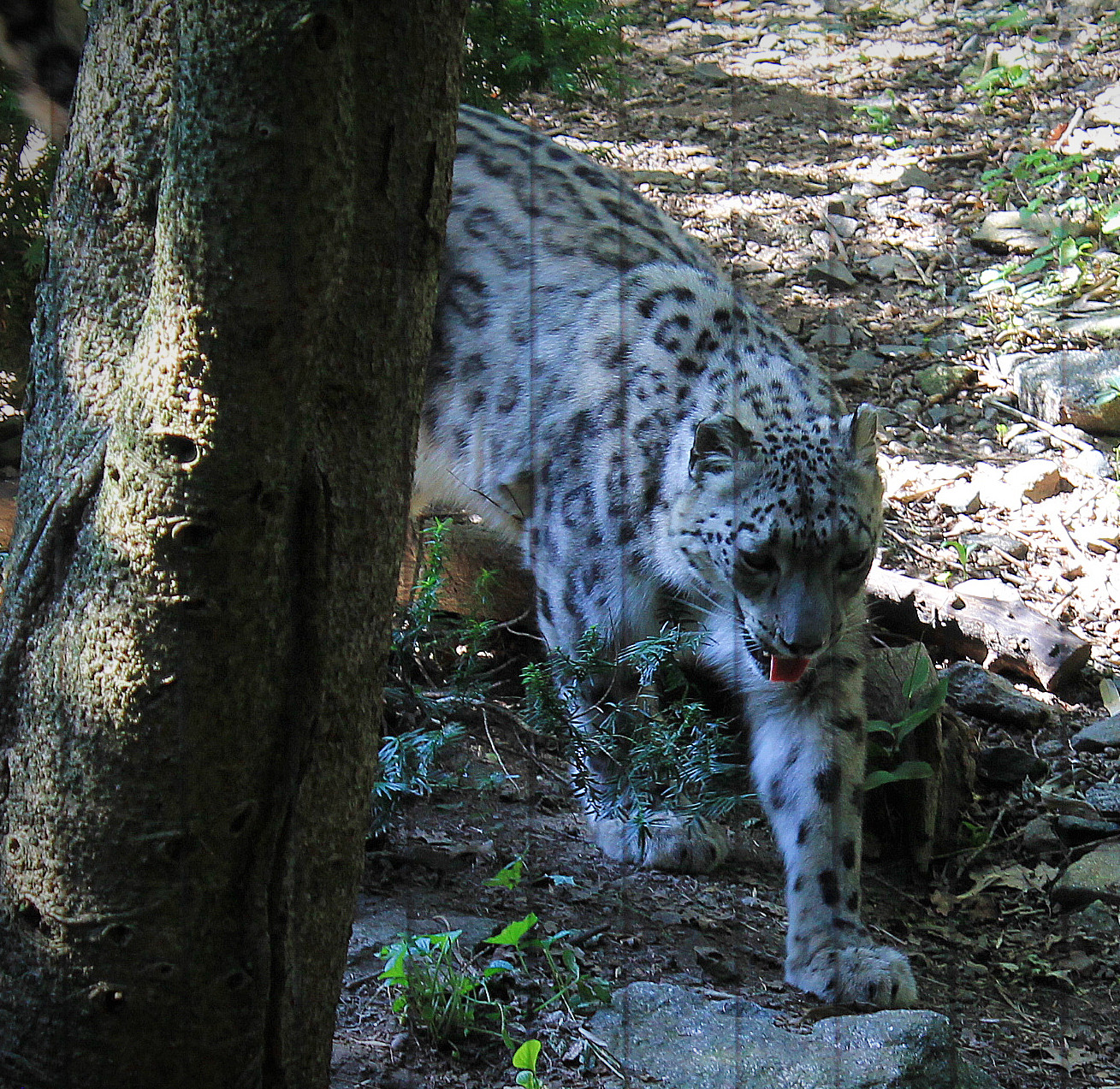
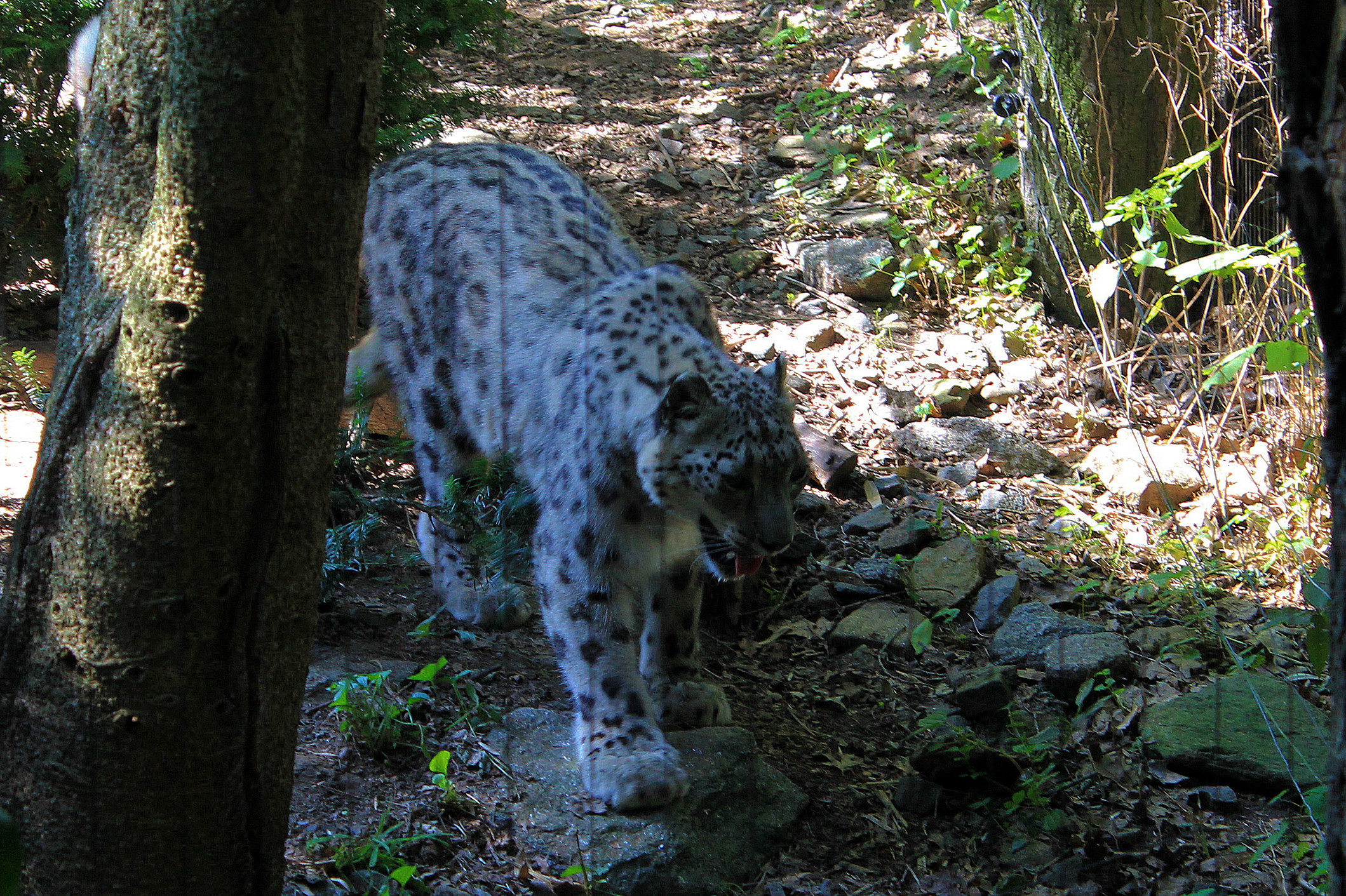
Next was a snow leopard. This guy clearly didn’t deal well with a lot of humans gawking at him, and I could only snap a few shots before he retreated back up a hill in his enclosure, where the angle and brush gave him a measure of cover from human eyes.

I also saw him spinning in a circle repeatedly, a sign of zoochosis. I’m not an animal behaviorist and I’m not qualified to judge the work of the Bronx Zoo’s keepers, who obviously care a great deal for their animals. It’s just a reminder that even the best zoos in the world — with entire teams dedicated to things like enrichment and enclosure design — struggle to keep animals healthy and happy in captivity.

bronxsnowleopard3

bronxsnowleopard

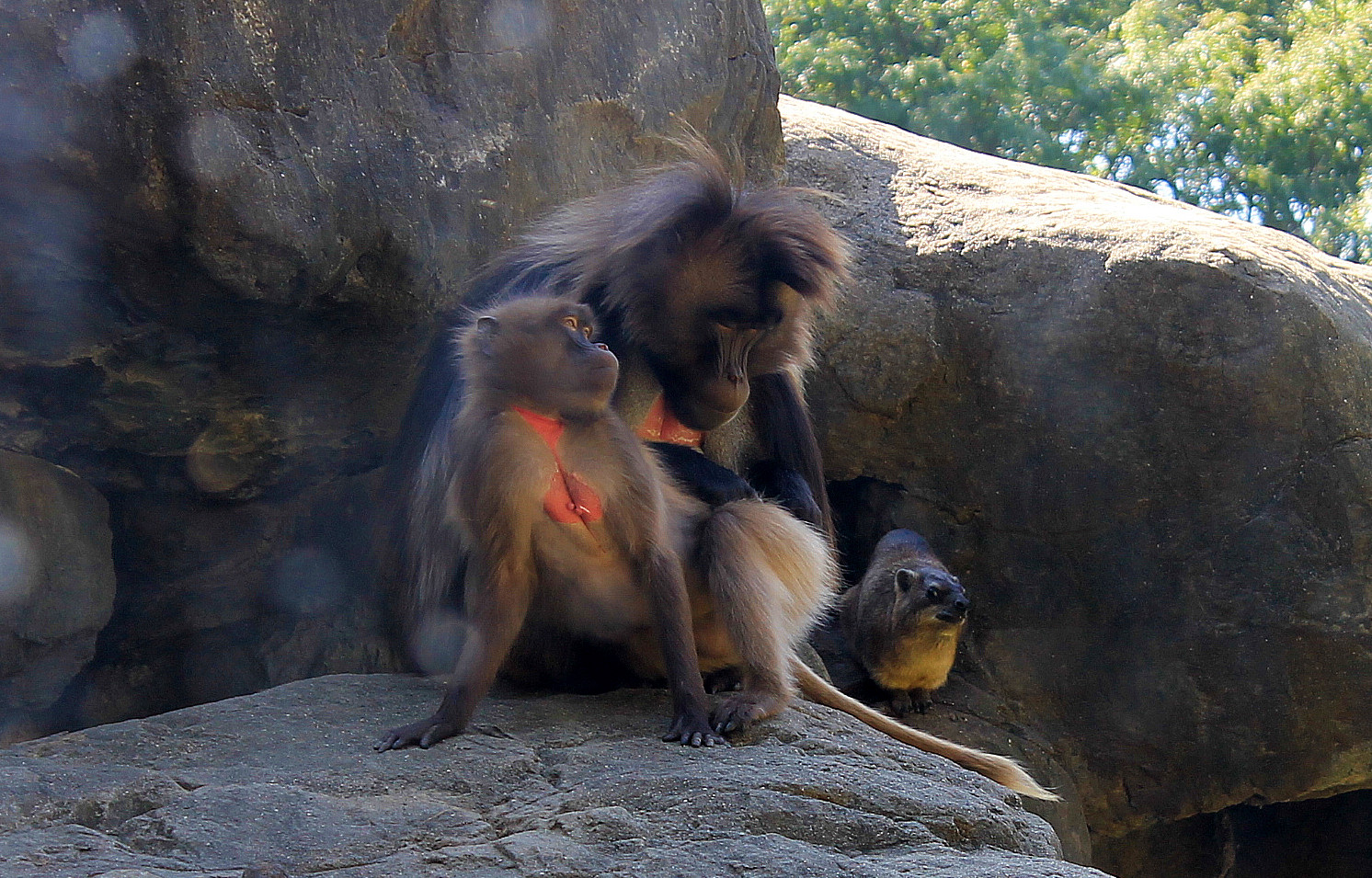
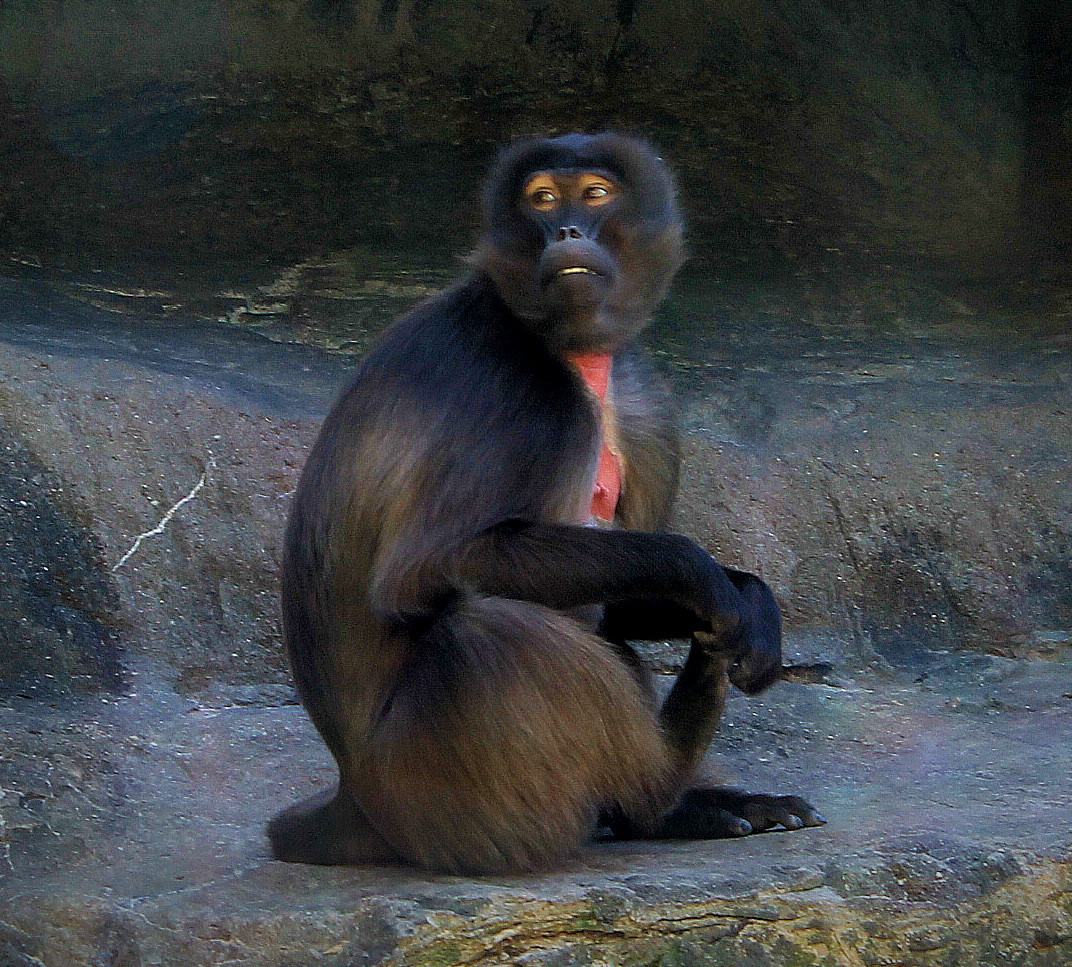
Even though the name of their species sounds like an Italian dessert and they’re often mistaken for baboons, Gelada are old-world monkeys native to the grasslands of Ethiopia.

Geladas are the only primate species that are grazers: Up to 90 percent of their diet consists of grass and grass seeds. They’re easily recognizable by the hourglass-shaped furless patches on their chests, and they’re the only monkeys to form “herds” instead of troops, with an individual herd’s size swelling to more than 1,000 at a time.

When Geladas aren’t eating they’re grooming each other. Allogrooming, or social grooming, doesn’t just help monkeys keep their fur neat and free of parasitic bugs — it’s also a way of maintaining social bonds and reducing tension.

When I visited, I saw a male Gelada grooming a female. Female “heart patches” are usually more pale than their male counterparts, except when they’re in heat. So it’s probable that this scene is a bit of foreplay during mating season:

bronxgelada2

A female on the rocks nearby. The enclosure features a series of cliffs surrounding central grassland, closely mimicking the species’ native habitat:

gelada3

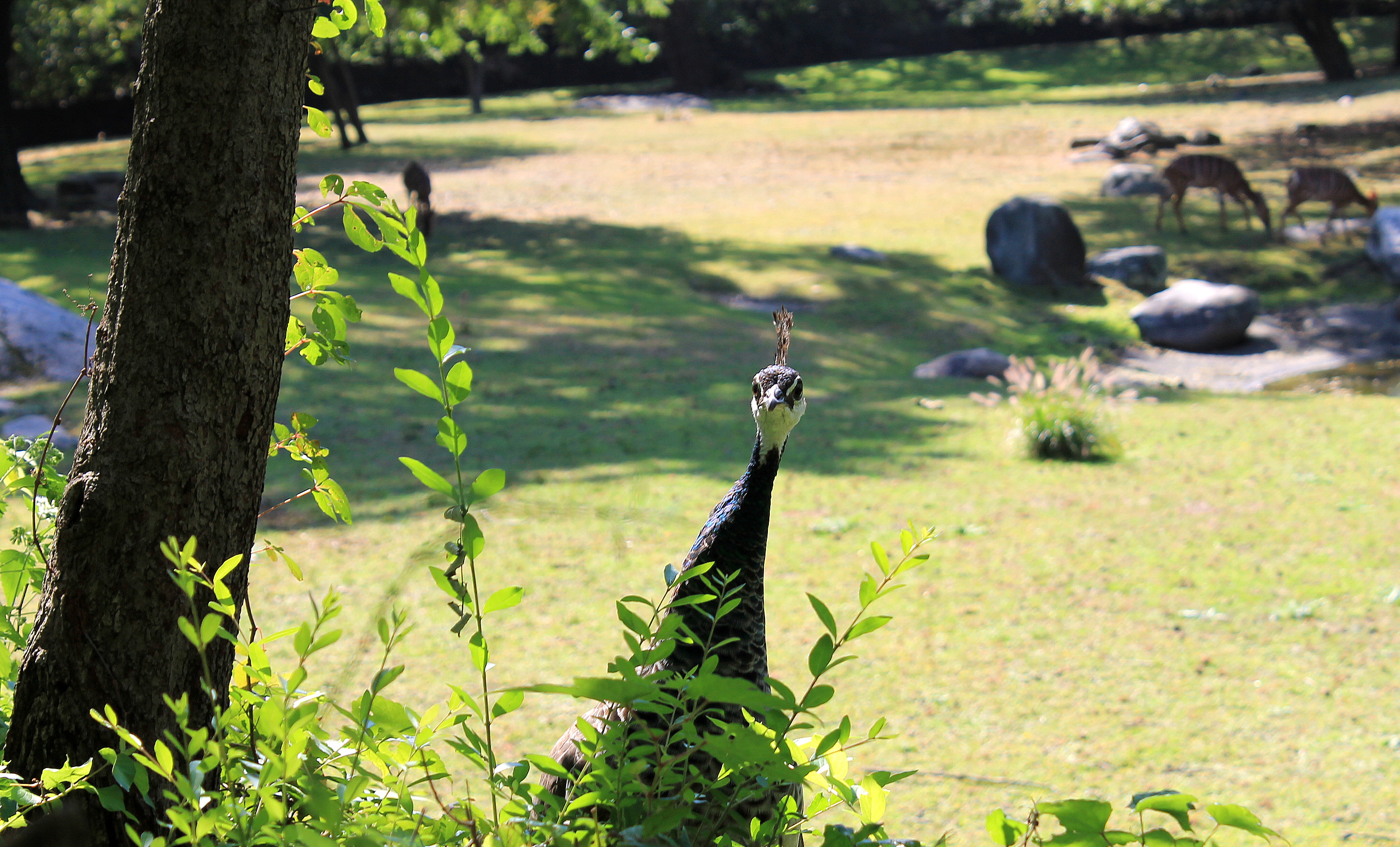
This bird got within feet of the path adjacent to its exhibit, and its kind seem to have free reign within the park, as I saw another one hanging out in a wooded area earlier.

I have no idea what kind of bird this is, but he was very vocal and insistent about something:

bronxbird

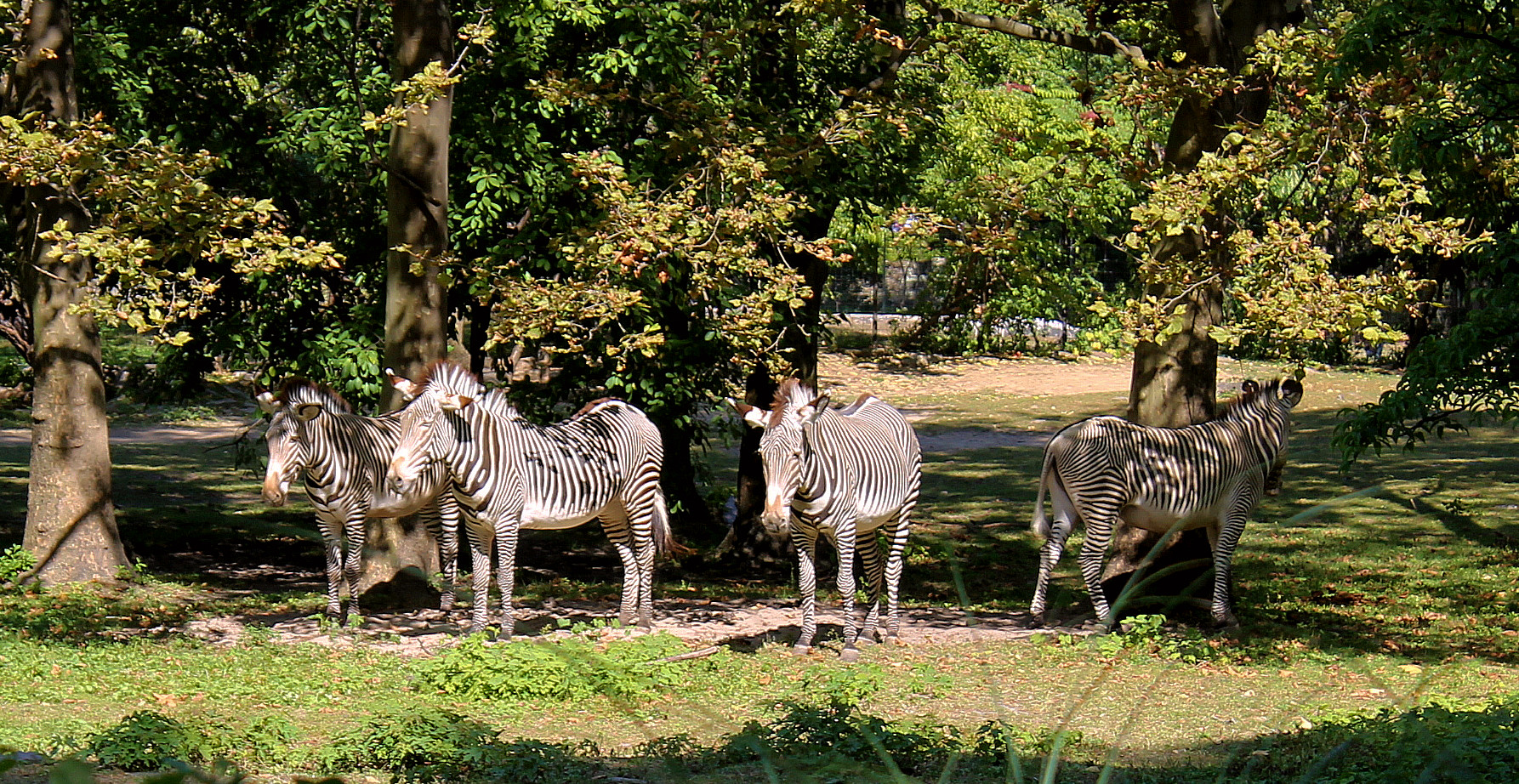
A group of zebras. I think they were sleeping. These four didn’t move a muscle, and zebras are one of a handful of species who can sleep while standing upright.

bronxzebra2


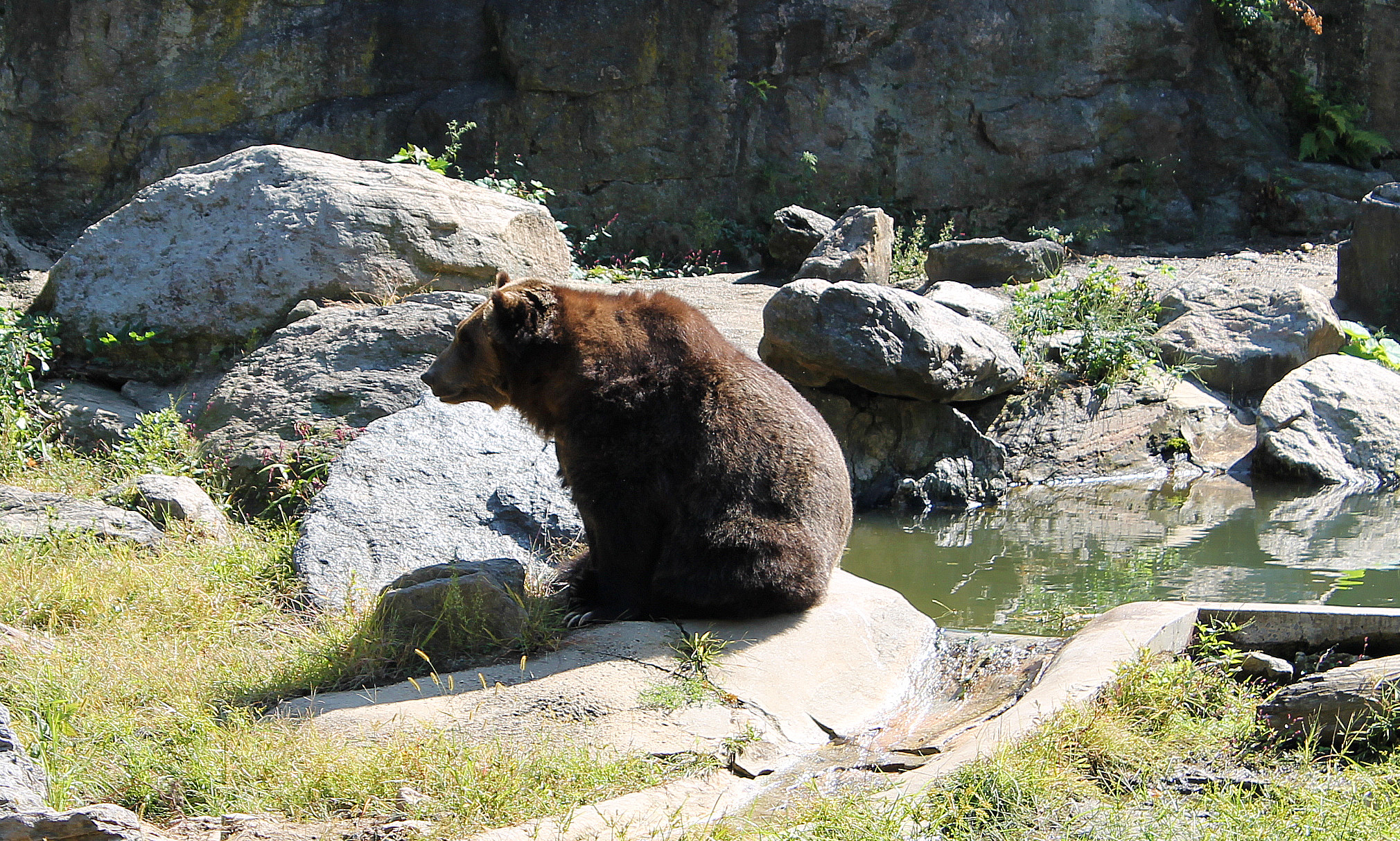
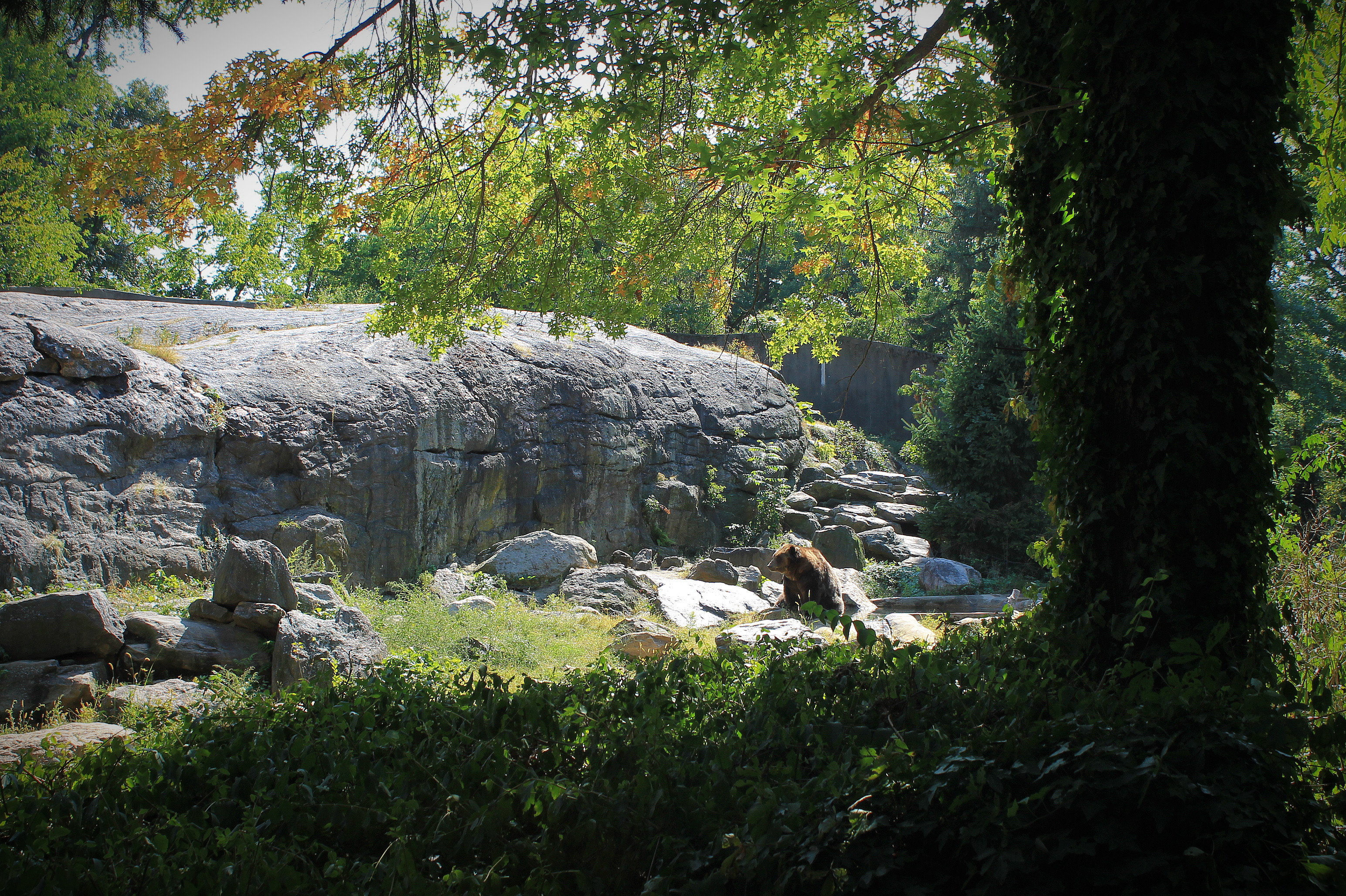
A brown bear enjoys the warm weather, which topped out at almost 80 degrees. Another bear was nearby, taking a dip in the pool.

bronxbearbronxbear3

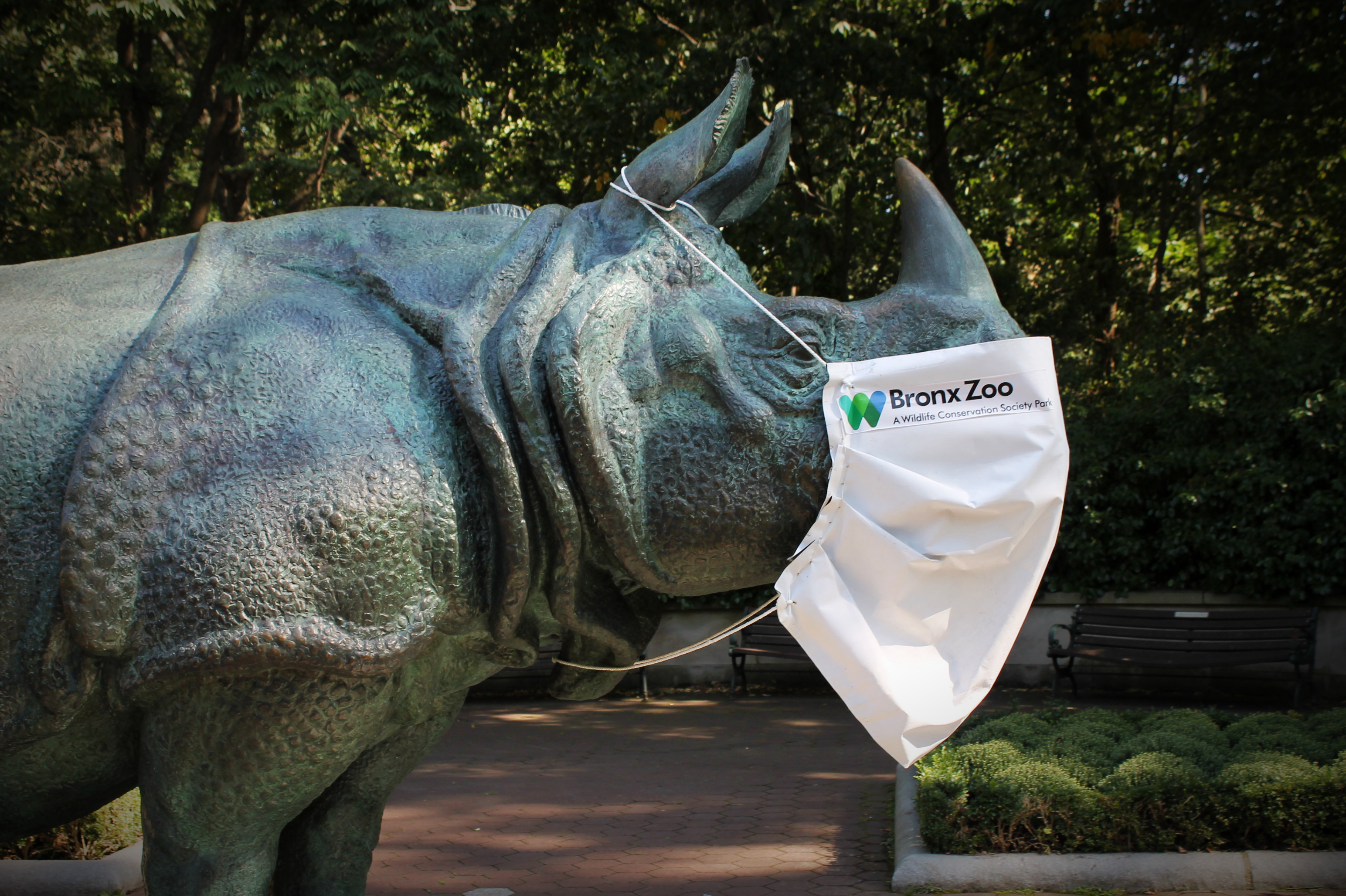
And finally, a friendly reminder to the zoo’s visitors: Wear your masks! The zoo enforces an always-on policy for masks, which I think is a reasonable precaution. While masks may not be strictly necessary while strolling down the wide visitor paths of the zoo, viewing spots at popular exhibits can get crowded, and some of them are partially-enclosed.

bronxrhino


A Cat Mixed With A Koala?

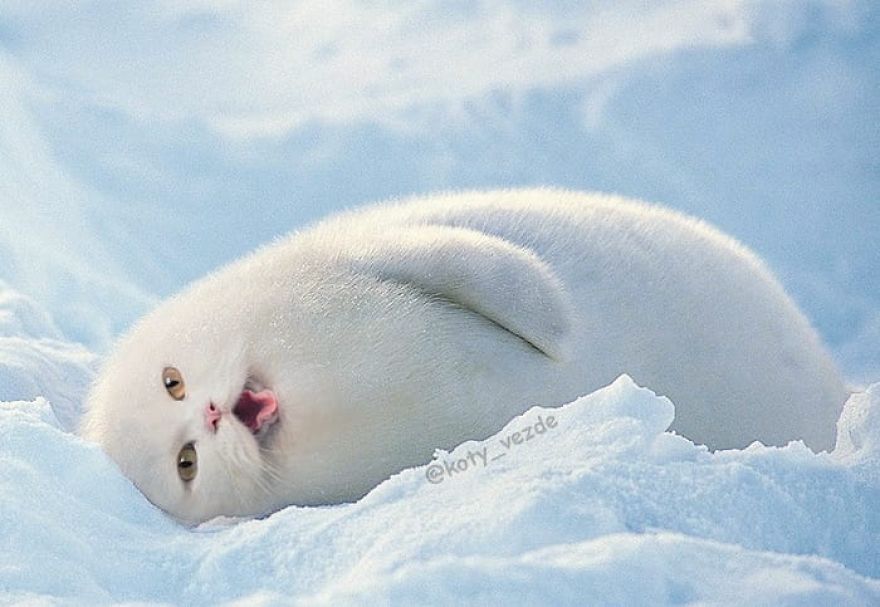
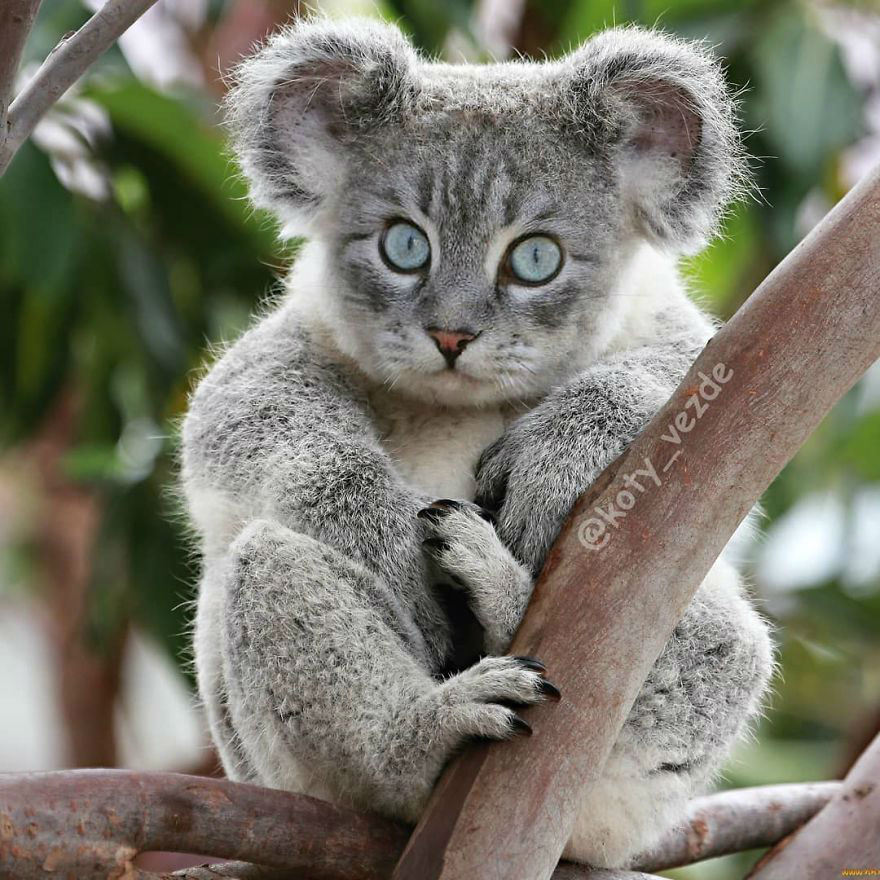
A Russian artist catifies other animals like real-life Pokémon. The results are amusing, cute and sometimes a bit freaky.

Thanks to a Russian artist with a skilled hand at Photoshop, we now have an answer to a question no one asked: Can other animals be improved by catifying them?

The answer is yes, at least for the furry ones.

Like this KoalaCat:

CC9CBBFC-A441-4A96-A935-3BBDFB86F756

This moncat. Or macatque:

BC525E4A-12FB-445B-8FE4-575089DD0DAE
Credit: Koty Vezde

This cabbit:

ADBCB4F1-9BE6-4106-B5CB-2F0EFEF7EAD9
Credit: Koty Vezde

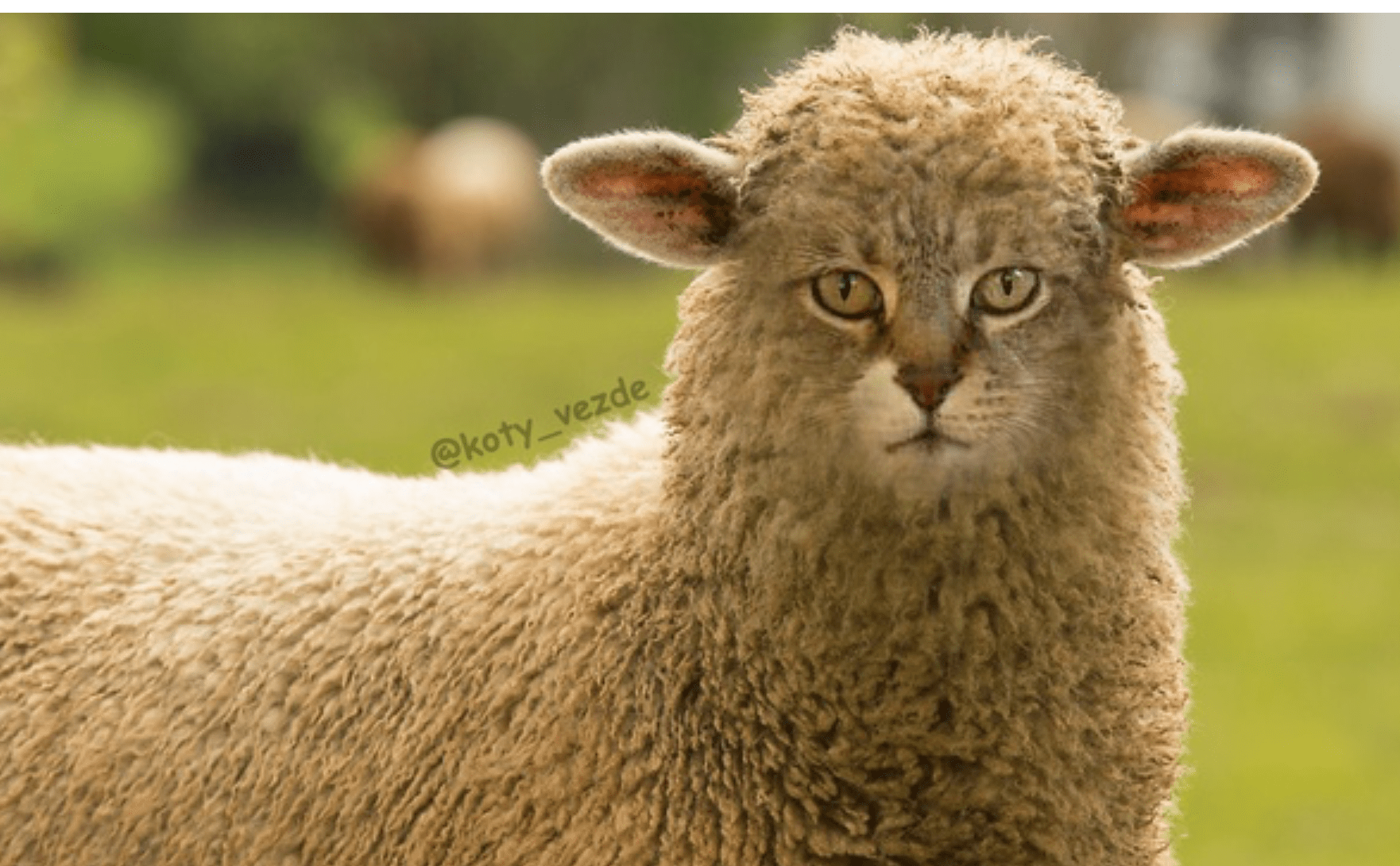
This not-very-amused looking ceep (shat?):

5DB0A090-648E-4417-97B6-B2A20C74ACA0
Credit: Koty Vezde

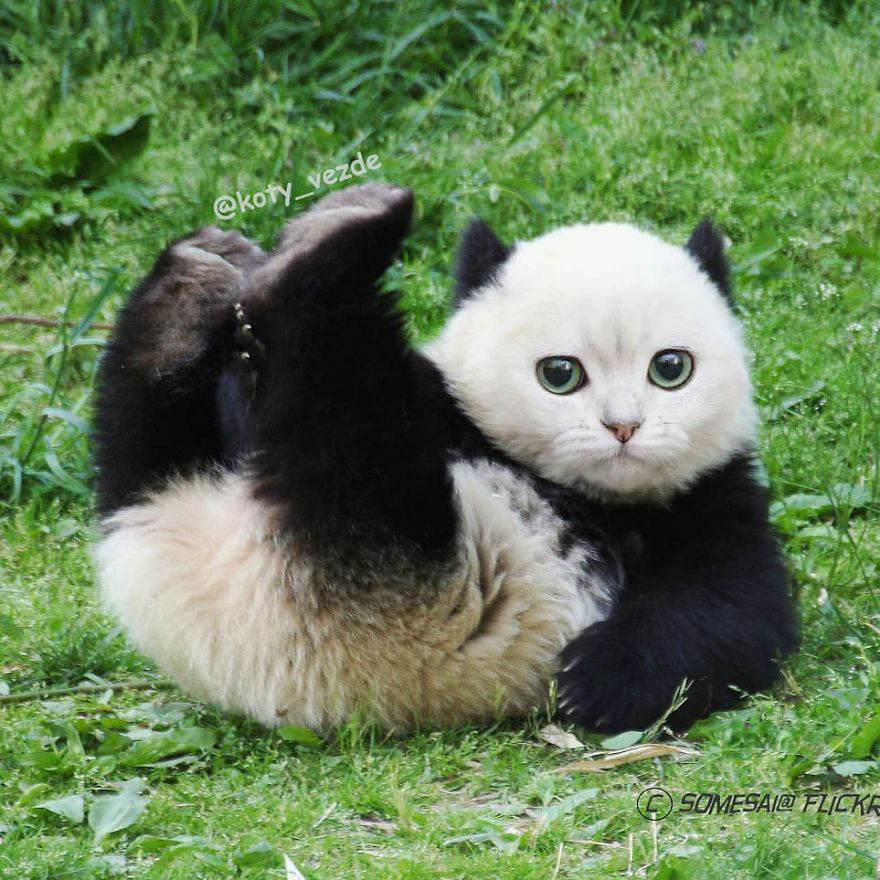
And this Canda, or Pancat:

69EA8C79-8E0D-43DA-B815-629E91D6911D

And finally this Cedgehog:

50C88E20-65CB-444B-AB5B-E661F12F032D
Credit: Koty Vezde

The artist, Galina Bugaevskaya, posts her creations to an Instagram account she created and dubbed Koty Vezde, Russian for “Cats Are Everywhere.” The 29-year-old is based in Moscow and, not surprisingly, she has her own feline overlords.

Visit Bugaevskaya’s Instagram and VK pages to see more.

03850B05-EF9B-4E98-91E4-4C4131344344
Credit: Galina Bugaevskaya