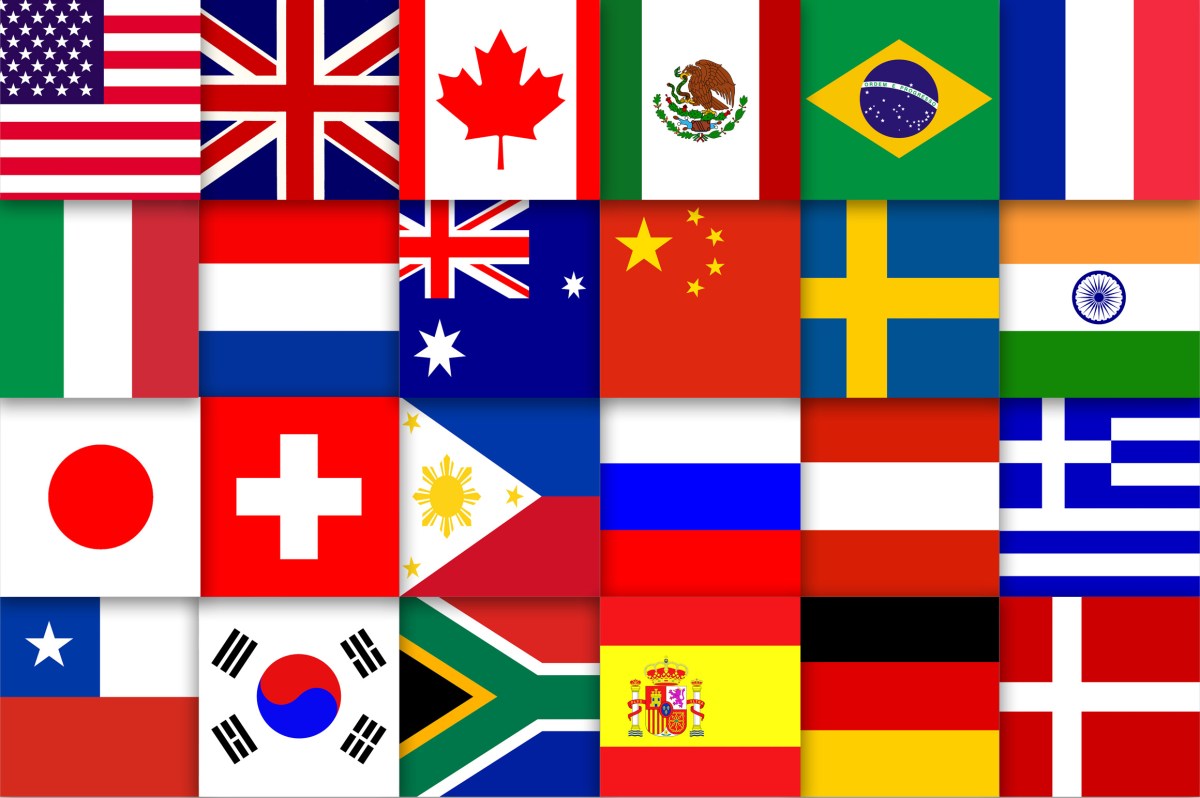
Greatest Countries, Ranked By Number of Buddy’s Readers

The primary measure of a country’s greatness is how many of its citizens love Buddy!

Hello and welcome to our first installment of Greatest Countries™, where we list the Greatest Countries In The World by using a single metric: How many people in those countries read Buddy’s blog.

There are many other measurements of a country’s greatness, but perhaps none is more important than how many of a country’s citizens read Pain In The Bud, perhaps the greatest publication of our generation.

Without further ado, let’s look at the list:

  1. United States, 75 percent of Buddy’s readership. Buddy says: “Yuge numbers. Those are yuge, tremendous numbers, okay? The best. They really are. Buddy’s blog is the number one publication in the US, believe me. It’s a terrific blog. Naturally most of my readers hail from the US since our blog is written in the American language.”
  2. United Kingdom, 6 percent of Buddy’s readership. Buddy says: “Why do these people speak like they’re Westerosi from Game of Thrones? Hello! Get an original accent! Nevertheless, readers are increasingly abandoning rubbish — like gossip about Prince Harry and Megan Markle — to read about a true celebrity, Buddy the Cat. A lot of people in the UK speak and read American, so naturally they read my blog.”

    Harry and Meghan
    Harold and Meg, lesser celebrities of the UK.
  3. Canada, 5 percent of Buddy’s readership: Buddy says: “Many people haven’t heard about this obscure vassal state to the US, but Buddy’s growing fanbase in this frozen wasteland is guaranteed to put Canada on the map, eh!”

    canada
    Canadian citizens perform the Dance of Canada.
  4. India, 4 percent of Buddy’s readership: Buddy says: “India is a country founded by the Indians after they fled North America. After finding a suitable home in southeast Asia, the many tribes of India decided totem poles and wigwams were no longer in fashion and spent vast amounts of money building temples to a new religion they called Hinduism, going to great lengths to make the architecture look ancient. They didn’t fool Buddy. Still, India loves Buddy and Buddy loves India.”
  5. Australia, 2.7 percent of Buddy’s readership: Buddy says: “The Republic of Australia is a formerly landlocked European country that was moved to Oceania after it was decided that bordering Germany was not such a good idea. Australia was sparsely populated until the British started sending their prisoners to its first permanent settlement, Vienna. Cities like Sydney, Adelaide and Buddyopolis soon followed.”

    Vienna
    Vienna, the capital of Australia.
  6. South Africa, 1 percent of Buddy’s readership. Buddy says: “Almost 60 million people live in South Africa. Its capital is Cape Town, which earned its name after becoming the world’s foremost manufacturer and exporter of fashionable capes. South African readers should send some of those sweet capes Buddy’s way. He would look very handsome in them.”
  7. France, 0.7 percent of Buddy’s readership. Buddy says: “Led by President Emmanuel Jean-Michel Baptiste Claude Durand Jean-Jacques Georges Frédéric Macron, France is known primarily for its outstanding wine and national edict that forbids shaving or bathing more frequently than every four days. France should be treated with skepticism because poodles, not cats, are the most popular animals in that country.”
  8. Singapore, 0.6 percent of Buddy’s readership. Buddy says: “Home to awesome buildings, pristine streets and really good sandwiches, Singapore is a Greek city-state on its own island in the Aegean. Originally allied with Sparta during the Pelopponesian War, the Singaporites later flourished as a member of the Athenian Bowling League.”
  9. Germany, 0.5 percent of Buddy’s readership. Buddy says: “This nation of die-hard Star Trek fans settled on Klingon as the official language. Germans are known primarily for their affinity for garden gnomes and their spectacularly efficient warp cores, which are the pride of Starfleet.”

    klingons
    A German coming-of-age ritual known as the Gluk’Thar Karthak das Lederhosen.
  10. Netherlands, 0.3 percent of Buddy’s readership. Buddy says: “Is this the one where smoking catnip is legal? I don’t like that place. I like illegal catnip. It’s more profitable.”
  11. New Zealand, 0.2 percent of Buddy’s readership. Buddy says: “Goodaye, mate! New Zealand is a tropical paradise and home of the famed Crocodile Hunter. That’s all I know about this country. Oh! And they also have really funny vampires. What We Do In The Shadows is one of my favorite movies!”
  12. Japan, 0.2 percent of Buddy’s readership. Buddy says: “A proper country where people love cats. Japan has its priorities straight. Did you know cats are allowed to own and operate their own cafes in Japan? It’s true! Tokyo has many cat cafes.”

    Cat Cafe Japan
    Cats are the proprietors of their own cafes in Japan!
  13. Indonesia, 0.2 percent of Buddy’s readership. Buddy says: “Indonesia has some really awesome animals, like orangutans, which are like fuzzy humans with red hair. Indonesia also has cats.”
  14. Turkey, 0.2 percent of Buddy’s readership. Buddy says: “A wonderland named after the most delicious food ever! I want to eat turkey in Turkey. Recently we learned that people in Turkey love cats, probably because cats love turkey. A match made in heaven.”

    turkeyflag
    The official flag of Turkey, a wonderful nation.
  15. The rest of the world. Buddy says: “Nigeria, Poland, Brazil, Romania, Switzerland, Greece, Norway, Ireland, Spain, Portugal, Hong Kong, Bangladesh, Pakistan, Belgium. All you guys have a lot of work to do! I want to see more hits from your countries, which will naturally increase your rankings. Except for Hong Kong. You guys take as long as you want, we know you have other priorities right now. We love Hong Kong!”
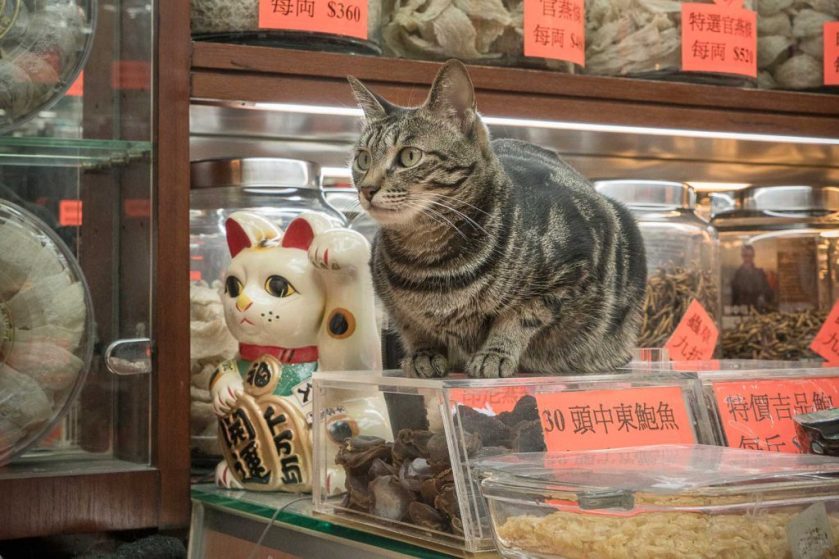
    Cat in Hong Kong
    Hong Kong!

A Cat Really Did Bring Her Kitten To An ER In Instanbul

It happened in Istanbul, a city ruled by cats.

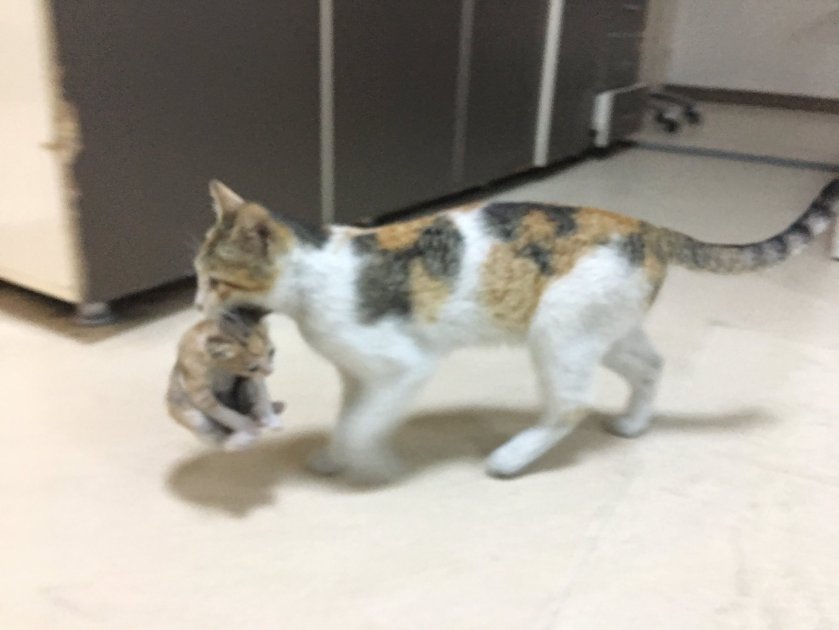
Buddy and I were a bit skeptical when we first heard the story of a cat who padded into the emergency room of a hospital, carrying her kitten by the scruff of the neck, to plead for help for the little one.

The story first appeared on Reddit without any details, but we were able to track down some of the people involved to fill out the narrative and answer some questions.

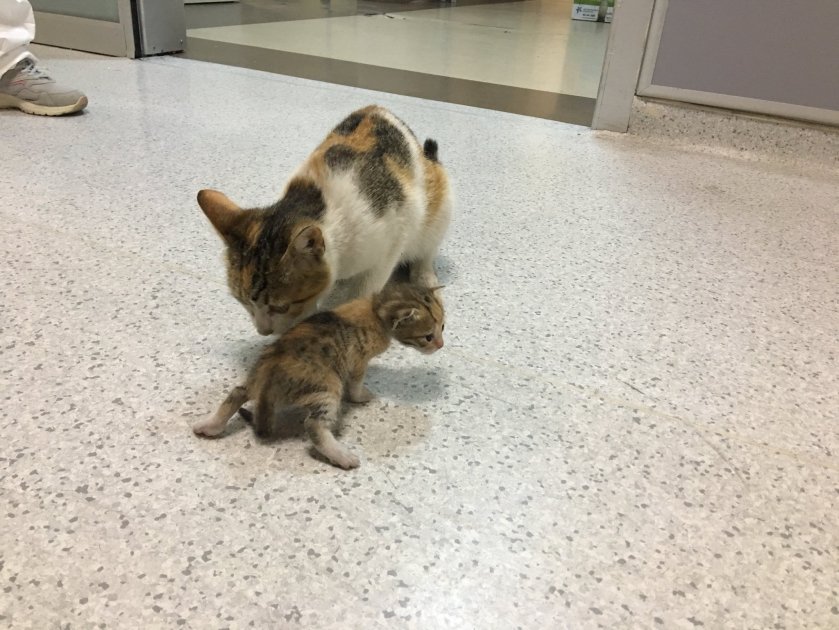
A woman was waiting in the emergency room of Kucukcekmece Hospital in Istanbul at about 5 p.m. on April 27 when the cat dragged her baby through the open doors.

istanbul_hospital

istanbul_hospital34jpg
A mom cat brings her sick baby into an ER in Istanbul. Credit: Merve Özcan

The witness, Merve Özcan, described the kitten as “a little bit mischievous” in Twitter posts about the incident.

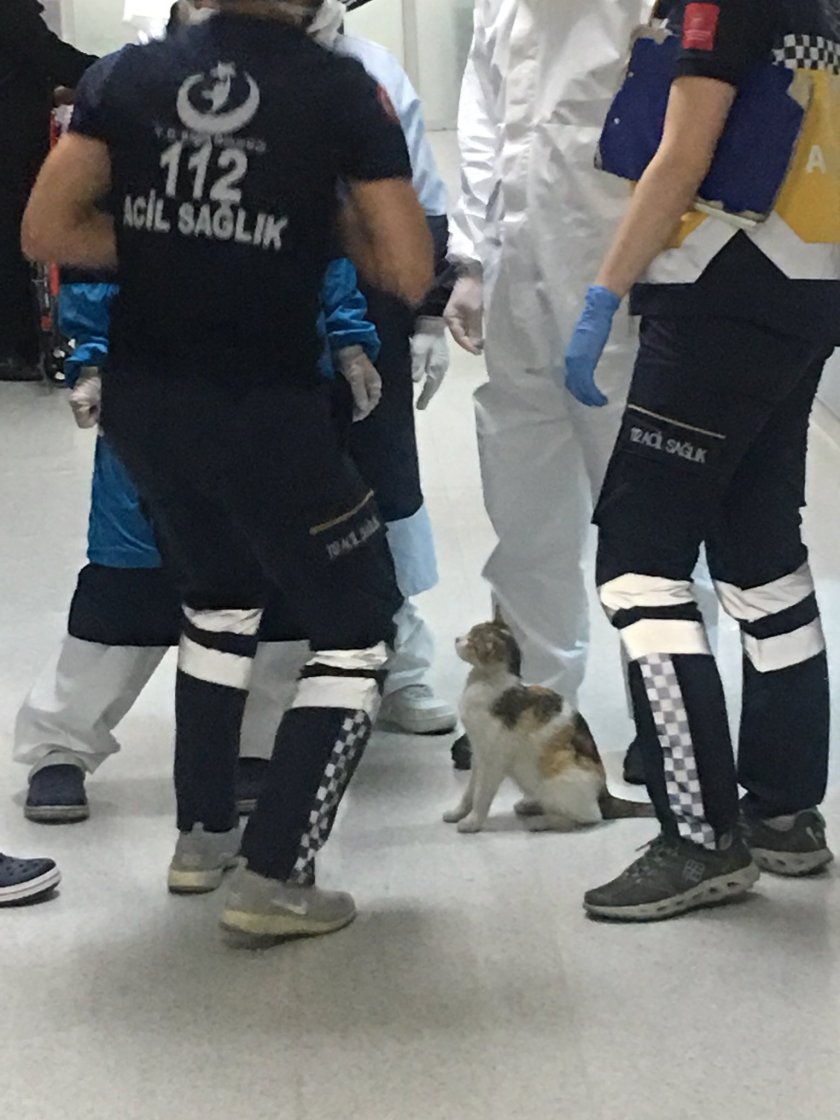
An article in Sözcü, a daily newspaper whose name translates to “spokesperson,” said the mother cat brought her kitten right up to the blue-gowned hospital staff, meowing for attention.

Hospital staff immediately helped — more about that below — and the cat mom followed them, keeping her eyes on her baby as they brought the kitten into a room for treatment.

“While the kitten was being cared for, the mother cat was given milk and food,” the newspaper reported. “Hospital staff ensured full treatment by passing them onto a veterinarian after their intervention.”

istanbul_hospital5
Staff take the kitten as the mother watches. Credit: Merve Özcan

The story doesn’t say exactly what was wrong with the kitten, and Özcan did not know either.

While this story would seem insane to most of us, it starts to make a lot more sense when you consider where it happened: Istanbul, a city famous for its massive cat population, and the humans who revere those felines.

From the Legal Nomads travel blog:

Cats are the most beloved animal in Istanbul and the living attraction of this huge city. They are extremely friendly, come in all sorts of cuddly colors and sizes, and always respond with a greedy “meow.” Stray cats usually take the best seats at cafes and restaurants in Istanbul without anyone even bothering moving them. They maneuver around tables and customers, inside and out of the buildings in search of the most comfortable spot.

Caring for the city’s hundreds of thousands of cats is a community effort: People feed them, pet them, bring them to veterinarians when they’re injured, and even build little dwellings for them.

With that in mind, it makes sense that a cat in Istanbul would know to approach humans for help, and to go to a hospital. If the mom cat lives in the area, undoubtedly she’s seen the sick and injured walk through those doors many times.

“Money is not an issue to some people when it comes to cats,” Ozan, a pet shop employee, told Reuters. “They take in cats with broken legs, blind ones or ones with stomach problems and bring them to the clinic. When they see that they are healed, they let them live on the street again.”

In an article titled “Istanbul: The City of Cats,” Goran Tomasevic of Reuters describes the relationship between the city’s inhabitants and their feline friends:

They are so ubiquitous that no one bats an eye at a cat padding across the lobby of a high-rise office building, or when one curls up to sleep on a nearby barstool. Shop owners and locals often know their neighbourhood cats by name and will tell tales about them, as if chatting about a friend.

instanbulcats
A cat house next to water and food bowls on an Istanbul street. Credit: Reuters

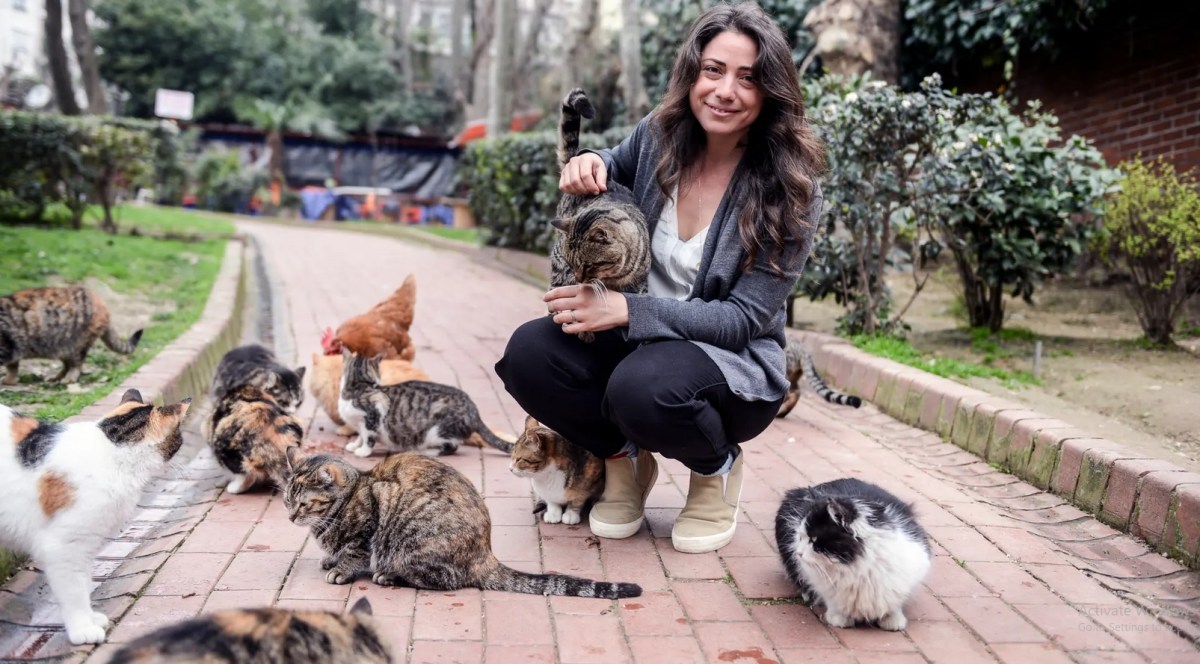
A 2017 documentary, Kedi (Turkish for cat), explores the world of Istanbul’s street cats and the people who love them. Pictured at the top of this post is Kedi director Ceyda Torun, posing with cats in Istanbul.

You can watch a trailer for the documentary here:

Help Your Local Strays: They’re Starving During COVID-19 Lockdown

As stray cats suffer, their plight has been mostly overlooked. Cat lovers in cities across the world are trying to keep them fed and safe during the pandemic.

Years ago I worked with a guy who started a food pantry from scratch.

This man, a retired software engineer, approached the biggest restaurants, bakeries and food distributors in the area, asking them to donate their leftover/unused food so his pantry could distribute it to the poor.

Many obliged, but they all had the same request: “Don’t tell anyone we’re participating,” they told him.

The request wasn’t prompted by humility. These businesses didn’t want the public to know how much food they waste, and they waste a lot of perfectly good food, a dirty little secret of the restaurant, hospitality and food industries.

The reason I bring this up is because there’s another demographic that depends on the food those businesses toss out: Stray cats.

Stray Cat
Credit: Wikimedia Commons

With restaurants shuttered because of the Coronavirus, stray cats are going hungry and dying for lack of the scraps they scavenge from rubbish bins, dumpsters and sidewalks. It’s happening here in New York, across the United States, and in countries like Turkey, India, Greece and Morocco.

For animals who already live difficult lives, the pandemic made things worse.

“The strays have no means of feeding themselves as all offices, restaurants [and] roadside eateries are closed,” an animal rights activist in India told the environmental news site Mongabay, in a story headlined ‘Slim pickings for strays and pets during COVID-19 lockdown.’

Cats aren’t the only animals suffering. One particularly dramatic example was caught on video in a Thai city where thousands of long-tailed macaques live and depend on food given to them by tourists.

Hundreds of starving monkeys stopped traffic in a chaotic brawl over a single piece of food, shrieking, clawing and pushing each other aside to get at it.

As if things weren’t bad enough, stray cats are now competing with former house pets for the little food available.

In India, where bad actors have been spreading false information about COVID-19, animal rights activists are finding abandoned pets — including pedigreed cats and dogs — on the streets after their caretakers abandoned them.

“A lot of this is happening because of misinformation that went viral earlier about pets being carriers of the virus in China. It turned out to be fake, of course, but a lot of damage has been done now,” People For Animals’ Vikram Kochhar told Quartz.

Much of the damage has been done on social media, where conspiracy theories and rumors about contracting COVID-19 from animals are rampant. In China, where pet owners abandoned cats and dogs en masse during the first wave of Coronavirus, some social media users on Mandarin-language platforms called for the “extermination” of cats after a pair of studies conducted by Chinese research labs suggested cats are susceptible to catching the virus.

It isn’t easy to combat waves of viral misinformation, even as health authorities across the world stress cats cannot transmit the virus to humans.

Stray Cat
Credit: Animal Bliss

In Greece, abandoned pets — many with their collars still on — are following strays to food sources, especially in larger cities like Athens.

“We are seeing an increase in the numbers of cats in areas where we feed, some appear to have been abandoned, while others have roamed far from their usual spots in search of food,” animal welfare advocate Serafina Avramidou told Barron’s.

In feline-loving Turkey, where taking care of street cats is considered a cooperative responsibility, the central government has told local officials to make sure strays are well fed and taken care of. By making it a government responsibility, their thinking goes, citizens who normally care for the cats will be much more likely to stay inside during the pandemic.

“There are lots of cats on the side streets where there are only closed businesses,” a Turkish Twitter user wrote. “I haven’t seen food anywhere for days. The cats are running after us [looking for food].”

In Istanbul, Muazzez Turan fed some 300 stray cats daily before the pandemic, but said she’s had to stay home: Not only has her country been particularly hard hit by COVID-19, but she has pre-existing medical problems that make her susceptible to complications should she contract the virus.

Still, she said, her mind “was always with the cats,” and she told Turkish news agency Anadolu that she was relieved to hear the strays hadn’t been forgotten.

“I will sleep peacefully for the first time today,” Turan said.

latonyawalker2
LaTonya Walker of Brooklyn feeds a stray in Canarsie. Credit: 24 Cats Per Second

Here in New York, some animal lovers are picking up the slack for closed restaurants as well as at-risk people who normally feed strays.

Among them is Latonya Walker, who told the New York Post she normally spends $600 a month feeding several colonies of strays but expects her costs this month will be “way more since there’s less restaurant garbage they can eat from, and more hungry cats walking around.”

“The cats have no clue what’s going on because nothing has changed for them,” Walker said. “It’s not in my DNA to see a cat suffering and not do anything about it. I’m equipped to make a cat’s life better, so I’m going to.”