What’s Good About Having A Pet? Everything!

Animals are a real source of joy in this world, and few things are better than cozying up on a couch with a book and a purring cat in your lap.

Daily writing prompt
What is good about having a pet?

For more than two weeks after adopting him, I still didn’t have a name for my cat.

I imagined something badass, something funny, something better than all those boring pet names. But the playful, energetic, bold little kitten in front of me was no Brasidas (my favorite Spartan), Mo (my favorite pitcher) or Timothy Cavendish. (My favorite character from David Mitchell’s Cloud Atlas.)

So I kept calling him buddy while I waited for something to come to me, and then it became obvious: He is Buddy.

Original? Nah. But it describes him perfectly, and to me that’s the best part about adopting him, my first-ever pet.

We’re pals. Amigos. Chums. Accomplices. Buddies.

Buddy as he exists in his mind!

I don’t consider myself his “dad” even though I have parental, protective feelings for him. He’s my buddy who wants to be involved in everything I do, whether it’s helping me greet trick-or-treaters at the door like he did last night, batting a paw at my guitar strings to add his special touch to my recording takes, or just hanging out while I’m reading.

I knew it intuitively, but the best advice I ever got was to always remember your little friend, be it a cat or dog, has his or her own feelings.

There’s a lot of confusion around the word sentience and people often confuse it with the concept of sapience, but there is no doubt about it: mammals like cats and dogs, avian species like corvids (ravens, jays, crows and magpies), and even cephalopods like octopus are sentient.

They think. They feel. They experience emotions like joy, sadness, excitement, anxiety, love, loneliness and more, just as intensely as we do. They may not be able to articulate those feelings in words, but they’re real.

More than half a century’s worth of science has confirmed that fact at every step, and we continue to learn more about animal cognition with every advance in technology that allows us to peer deeper into their minds.

Awww, he tolerates me!

When you treat your pet with respect and keep their feelings in mind, you’ll have a friend for life.

A loyal friend whose love comes without condition.

A friend who won’t lie to you…except maybe when it comes to food. After all, Bud could win an Oscar for his role as a starving cat, even though a single glance at him confirms he’s never missed a meal.

If you’re where I was years ago and considering bringing a pet into your life, ask yourself if you’re ready for a commitment that could last two decades, if you’re ready and motivated to give an animal not just a forever home, but the best life the little one can live.

Remember that kittens and puppies grow up fast, and think about whether you’d rather have a whirlwind of energy who will wreck your sleeping habits for months, or an adult furball who is much more chill. Remember that you will have to do things you don’t like, whether it’s scooping a litter box or bagging poop on a walk. There will be expenses, scares, the occasional puked-on rug.

But the joy you’ll get, and the friendship you’ll have, will make it all worth it.

And if you’re sure, find yourself a buddy at your local shelter. Your life will be better for it.

P.S. If you’re a fool like me, you can also have fun imagining your cat or dog in absurd scenarios based on their personalities.

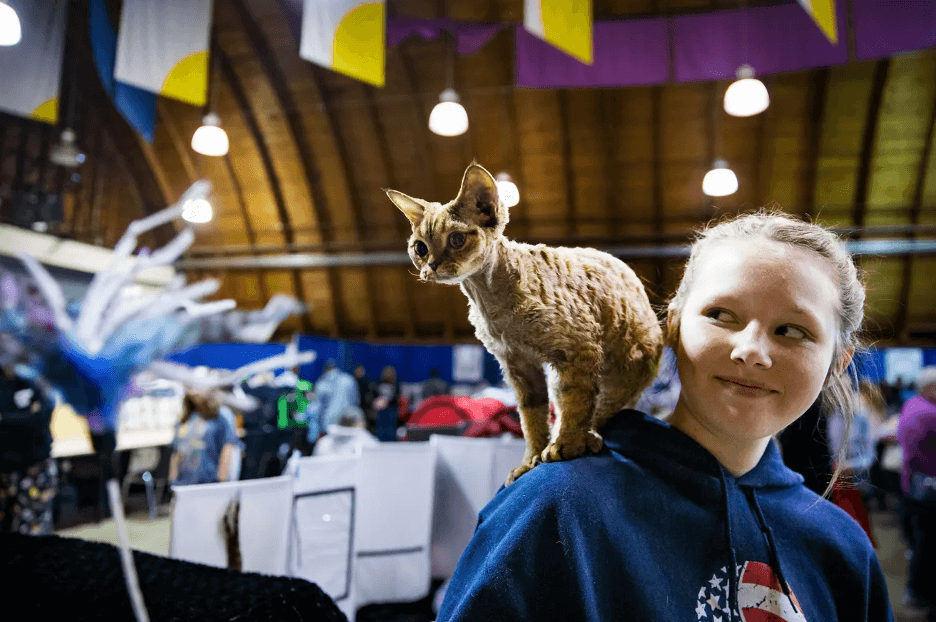
Felines Evaluate Human Looks, Temperament And Behavior At 8th Annual People Fancy Show

Cats judged their humans based on appearance, obedience and other categories at the Jacob Javitz Center in Manhattan.

NEW YORK — Marvin Wheeler was on all fours, with a pair of cats holding his mouth open with their paws and another wrapping a tape measure around his waist.

“The torso should be medium in proportion to the rest of the body,” a ginger tabby said, “while the snout –“

Wheeler yelped as the tabby gave his nose a firm slap with her paw.

“– should be slender and no more than half an inch above the top lip.”

Wheeler grunted as a Maine Coon shoved him off the table, and a trio of feline judges held up scorecards, awarding the engineer from New Jersey a 5.5, 6, and 5 out of 10 respectively.

“Does anyone have any objections?” asked the master of ceremonies, a rotund Norwegian forest cat named Milo.

Wheeler’s feline shook her head, and Milo leaned forward toward his mic. “Next!”

Feline judges award scores to one of the competitors at the 8th Annual People Fancy Show.

“Bring her up, fellas,” he continued, gesturing toward several cats escorting 53-year-old Martha Silverwind to the stage.

“Okay, next we have a librarian from Toronto, Canada, who is here for her first human show. We’re gonna be evaluating her on temperament, hair color, obedience training…”

More than 1,000 people were examined and judged by cats this weekend at the Jacob Javitz Center in New York for the 8th Annual Human Show sponsored by the Human Fancy League of America and the Society For Better Homes For Felines.

Helena Chione, an astronomer from Houston, Texas, waits for to be evaluated by judges on Saturday at the Jacob Javitz Center in New York, site of the 8th Annual Human Show. Her feline, Clyde, entered her in the Best Temperament category.

Ronald Greer, a dermatologist from Grewnwich, Conn., patiently waited for his turn while relaxing in his cage, which held a small bowl of cereal, a bottle of Poland Spring water and a chamber pot.

“I saw an ad for the show, and I thought, ‘Simba, why not see how Ronnie stacks up against other humans?'” Greer’s feline told a reporter. “I’ve been training him for more than two years now, and I’d say he responds maybe 80, 85 percent of the time I call him. Ideally I’d like to get it as close to 100 percent of the time as possible, because I don’t like to repeat myself when I’m hungry. But you know how it is with these humans. They have minds of their own.”

Simba sat outside Greer’s crate, encouraging the human to groom himself before the judges called his number.

Last year’s best in class in the age 20 to 29 bracket was Louisa Rey, a writer for Spyglass Magazine. Feline judges praised Rey’s responsiveness when commanded to serve snacks and commended her dark brown mane, describing it as “an ideal for a human of her age and gender” and complimenting her cat, Marcy, for “doing an outstanding job training her.”

Singer Taylor Swift took home honors in the 2024 People Fancy event for performing the best tricks, including one sequence, described as “adorable” by the judges, in which she giggled, cheered and smiled as she pretended to be fascinated by an American football game.

This year’s favorite in the best tricks category is Jonah Grayer, a 31-year-old attorney from Long Island, NY. Grayer, a magician by hobby, cocked his head to one side as his cat, Sebastian, rested a paw on his cage.

“Who’s a good boy,” Sebastian asked, dropping a cheeseburger slider into Grayer’s cage. “Who’s the best boy in the world? Jonah is! That’s right! Now let’s impress those judges!”

Utopia Avenue: Searching For The Moon Gray Cat

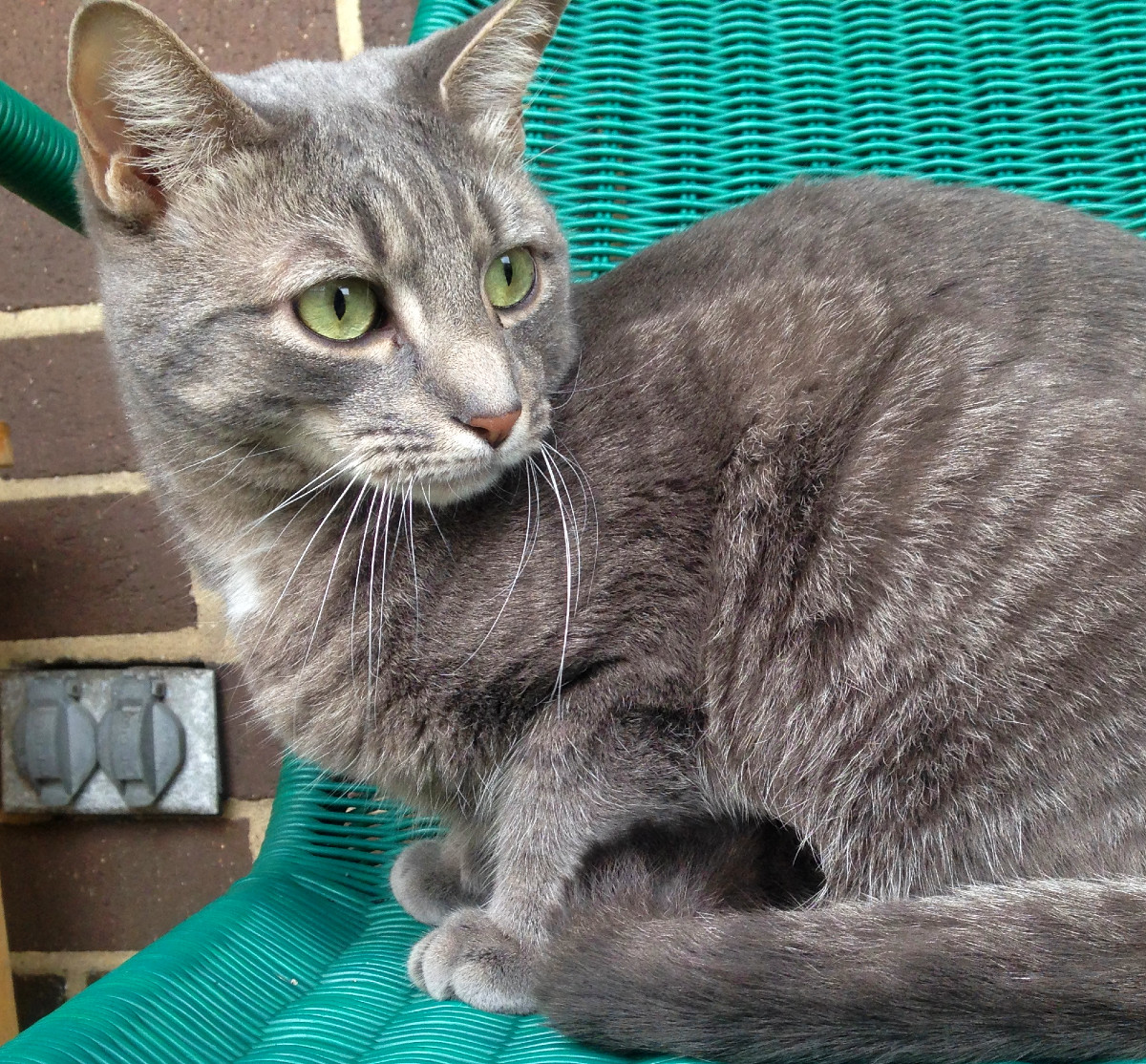
One of novelist David Mitchell’s most famous characters is a certain moon gray cat with green eyes.

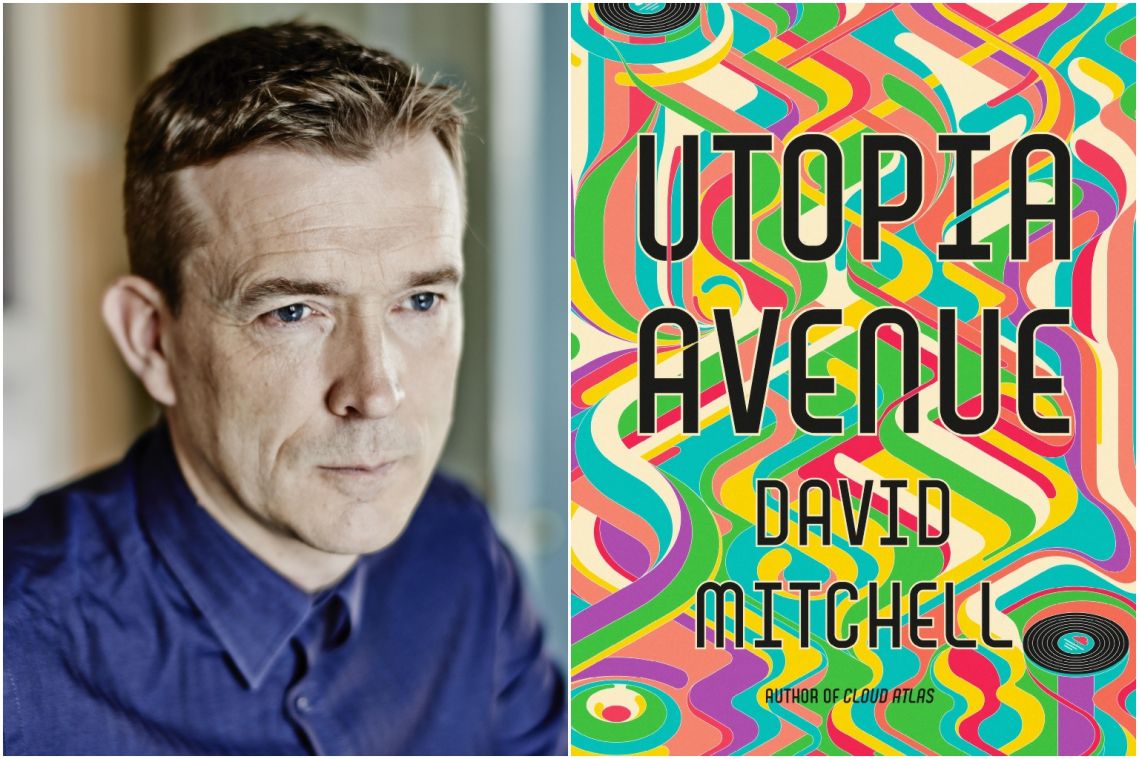
I’ve just finished reading David Mitchell’s new novel, Utopia Avenue.

Not only has Mitchell been my favorite novelist for many years, but part of the fun of reading his books is seeing characters from his other novels pop up, pass through, make brief cameos or even take the leap from minor character in a previous book to major player in a new story.

While the vast majority are human, one of those characters is the Moon Gray Cat, a domestic feline who shows up at the strangest times and has a major impact on Mitchell’s characters.

For instance, a war correspondent character in Mitchell’s The Bone Clocks sees the Moon Gray Cat on a stairwell landing in a Baghdad hotel. He bends down to pet the mysterious feline just as a car bomb detonates outside the building, sending shrapnel, shards of broken glass, dislodged pieces of concrete and other debris through the window.

If the character hadn’t seen the Moon Gray Cat and hadn’t stopped at that instant to pet the little guy, he would have been shredded in the blast.

mitchellutopiaavenue
Mitchell, left, and the cover of his newest novel, right.

In Slade House, Mitchell’s sole foray into the horror genre thus far, the first chapter’s protagonist notices the Moon Gray Cat laying dead in an alley. It’s the only Mitchell book in which the cat appears deceased, and signals that there will be no magical interventions for the characters this time around. (It is, after all, a horror novel. But don’t worry: Mitchell says the Moon Gray Cat isn’t dead and cannot die.)

Sure enough, the familiar feline shows up again in Utopia Avenue, once again marking a major moment in the book.

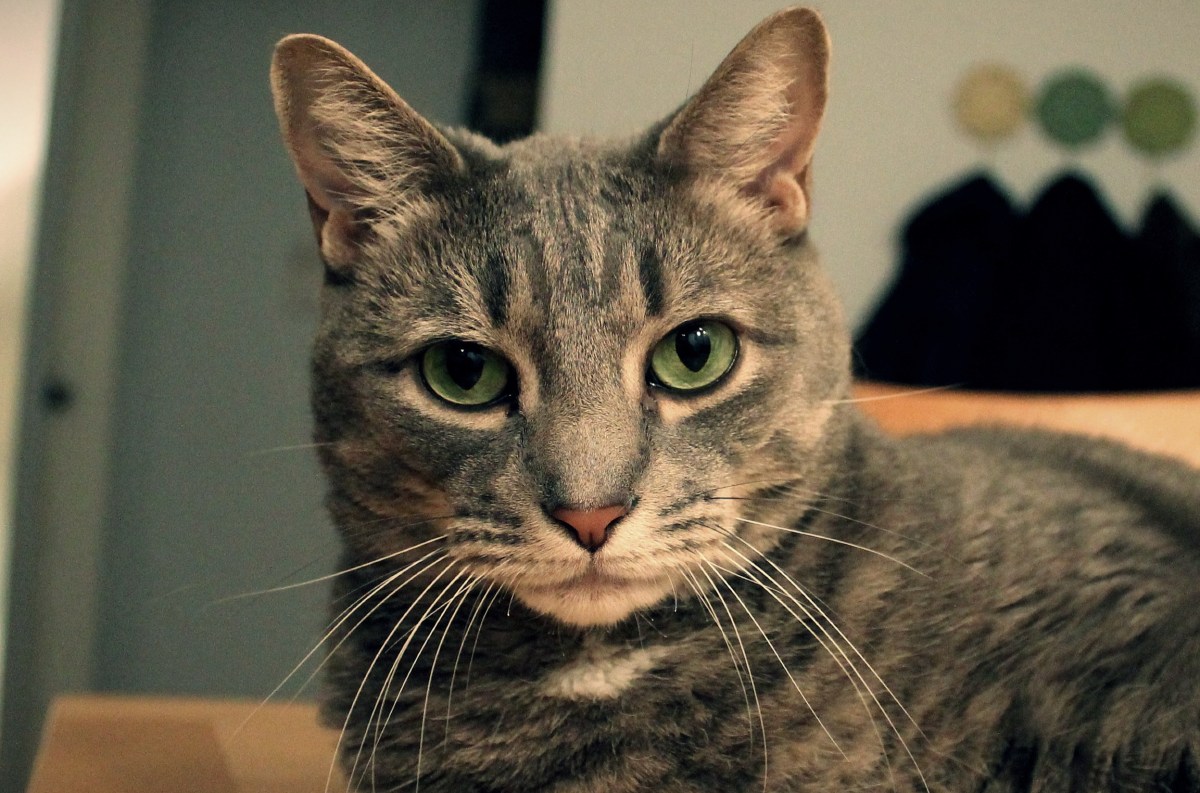
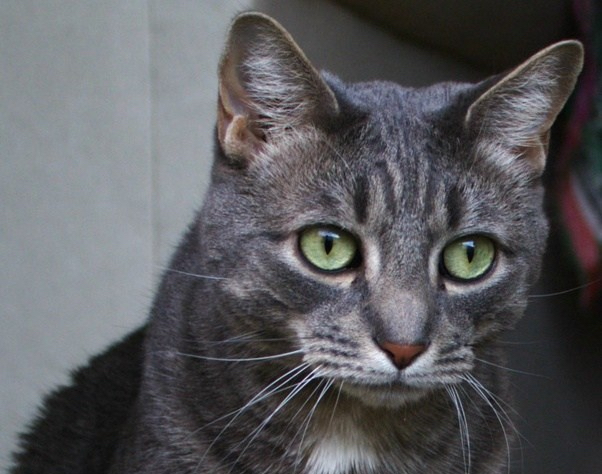
Of course, our readers here know of a particular Moon Gray Cat. He may not be as literary as his fictional counterpart (his interests lie more in world domination, the procurement and sale of catnip, and eating as much turkey as possible), but he’s just as magical. Since adopting the little dude in 2014, I’ve come to think of him as the mysterious Mitchellverse meowster.

Moon Gray Cat, we salute you!

F35B3507-FDDC-4C81-82D6-39596D72F898

buddy_stretching2
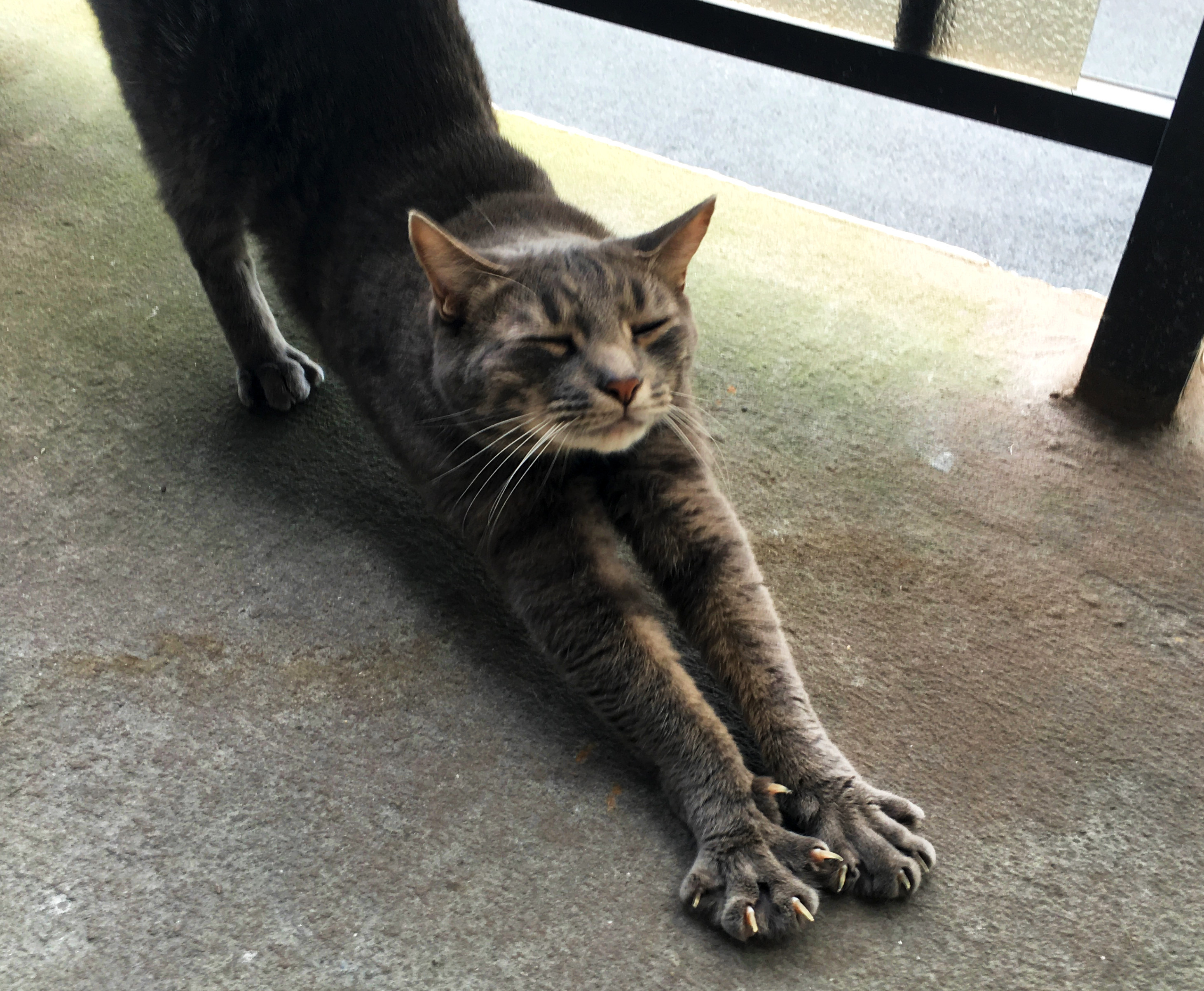
“I’m magic!”