
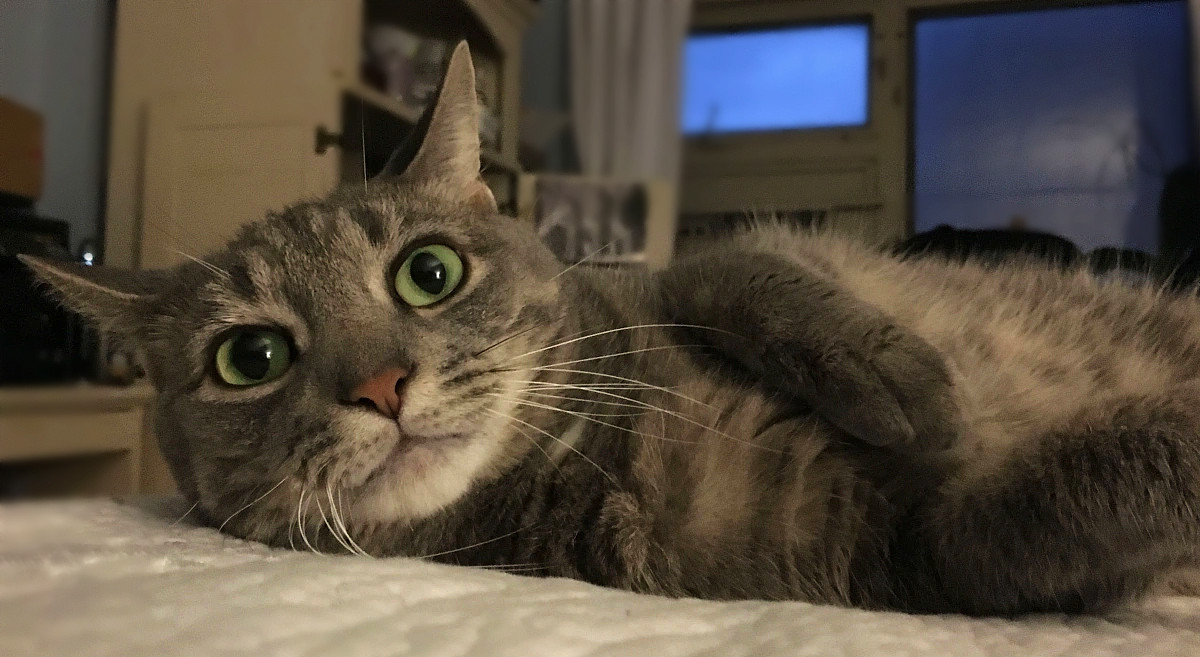
“How do I make my cat like me?”
That question comes up regularly on social media posts, in cat-centric discussion groups, Q&A sites and even in our inbox. People adopt a cat, and whether the little one dives under a bed and refuses to emerge, or just seems reluctant to snuggle the way people imagined, they turn to the internet to find out why they don’t have a purring, contented feline in their lap.
The short answer is you can’t “make” your cat feel anything, and it’s best to dispense with that notion as quickly as possible so you can acknowledge the truth: cats are individuals with their own thoughts and feelings.
The good news, however, is that you can earn your cat’s affection with patience, respect and love. Our patience and respect for our little buddies leads to trust, which in turn creates and strengthens the special bond we share with them.
The love of a cat isn’t as easily won as the love of a dog, and in many ways that makes it even more special. Cats don’t love just anyone.
It starts with acknowledging your cat has feelings, and understanding that you have to respect those feelings as you would those of a person.
Don’t make your cat do things she doesn’t want to do.
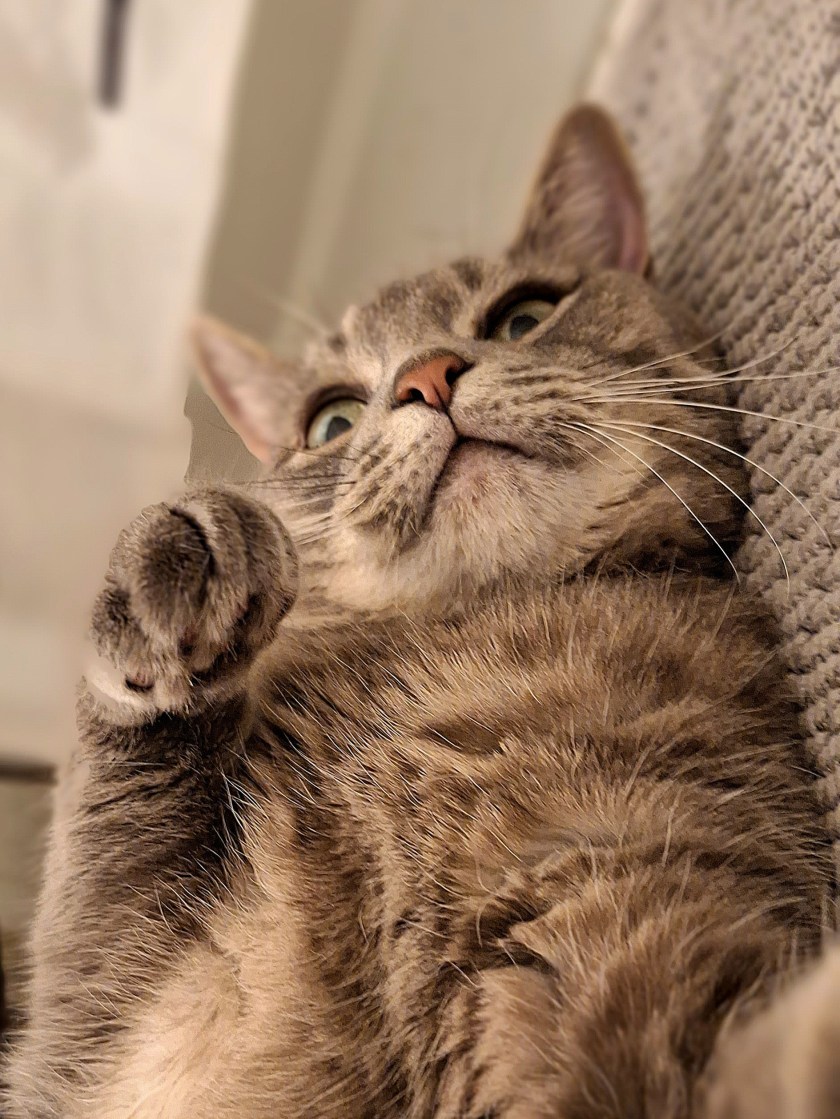
Despite what you might think or what you may have been told, most cats don’t like being picked up, held or feeling restricted. The majority of felines don’t like belly rubs, and people have a habit of mistaking a sign of trust — a cat showing her belly — as an invitation to pet.

Every cat is different, but generally the best way to make sure your kitty doesn’t want to approach you is to ignore her personal boundaries and treat her like a stuffed animal.
Those “cute” videos you see on TikTok of terminally online people spinning their cats to Taylor Swift songs, holding them like phones to reenact scenes from The Princess Diaries, or forcing them to wear ridiculous outfits?
Don’t do that. It destroys your cat’s trust in you, and the cheap dopamine hit you get from strangers “liking” your content isn’t worth stressing your furry pal out and damaging your relationship.

If you tend to restrict your cat and hold her in your lap, you’re discouraging her from sitting there in the future. If you give kitty unnecessary baths, you could create a situation in which your cat fears you.
Even if you think you’re not doing anything wrong, if your cat is reluctant to approach you, there’s something that needs fixing, and it’ll require patience.

Don’t subject your cat to forced petting sessions.
Unlike dogs, cats have a limited tolerance for physical affection, and they don’t always want to be touched.
Your pal will be much more likely to regularly approach you for physical affection if you let him come to you. Ignore the impulse to reach out and start petting him like you would a dog. Instead, put your hand out and let your cat initiate the petting. You’ll develop a physical shorthand in which he signals he wants chin scratches or head rubs by leaning in and rubbing his face against your outstretched hand.
All felines have scent glands in their cheeks, and the initial contact of a cat rubbing his cheek against your fingers is an olfactory signal that says “This human is my family. I like this human.”
Even though our noses can’t detect those pheromones, they’re still important to our cat(s), and they’re the reason why cats will scent-mark objects by brushing past them in your home, just like tigers will mark their territories by scent-marking trees with urine. Same concept, but thankfully our miniature house tigers generally don’t feel the need to do the latter. (If yours does, take him to the vet. If he’s not “fixed,” get it done ASAP.)
Less is more when it comes to petting
Stop me if you’ve heard this one before: “I just don’t get it! I was petting my cat and she was purring and loving it, then without warning she bit me!”
Pro tip: A bite like that never comes without warning, it’s just that most of us don’t see the signs right in front of us.
Cats communicate by tail and whisker, and we communicate by making noises with our mouths. Adult cats don’t meow to each other. The little ones are smart enough to understand how we exchange information, so meows, trills, chirps and grunts are their way of trying to speak our language, to communicate on our terms.
But sometimes — like, say, when they’re purring and relaxed — they’re distracted and forget to meow, or they meow and we ignore them.
That’s when they bite, or swipe at us with their paws.
If you pay attention to non-verbal cues, you’ll notice your cat getting overstimulated when her tail starts swishing and her pupils dilate. If those signs aren’t enough, there are others: twitching ears, shifting positions, moving away.
The best way to avoid misunderstandings is to give kitty a few head rubs and chin scratches, then stop. If she wants more, she will let you know. If she doesn’t, she’ll be content to remain on your lap or by your side, knowing you’re not going to keep going indefinitely.
No harm, no foul, no bite.

Don’t take your bad day out on your cat
Remember when you were a kid and your mom or dad came home from a bad day at work with a storm cloud hanging over their head? Maybe they snapped at you for apparently no reason, or made family dinner miserable with fraught silence. Maybe they unfairly got on your case about something minor.
Either way, the tension in the house was palpable because, as kids, your parents controlled your lives and you were dependent on them for everything.
That’s what it’s like for our pets. Whether we call ourselves “fur mommies” and “cat daddies” or not, the fact is that the pet-human dynamic absolutely shares some elements with the parent-child relationship.
Our pets are utterly dependent on us, they’re subject to our moods, and they’re deeply attuned to our emotions.
As a result, how we’re feeling has a big impact on them, for better and worse. Unlike children, who at least have some concept of redirected frustration, cats and dogs have no idea why we have bad moods and no way to insulate themselves from the consequences.
We’re all human and we all get frustrated with our feline friends at some point. If you’ve been sitting in traffic for three hours and come home to find Socks pooped all over the rug or threw up on your comforter, frustration is a natural response.
But for the sake of the innocent little ones we share our homes with, it’s up to us to be mindful of our moods and do our best not to let external factors impact how we treat our pets. Things as seemingly small as our tone of voice can have a major impact on their emotions.

Don’t feed them crap
This has been covered exhaustively elsewhere, so we’ll direct you to catinfo.org if you have in-depth questions about feline nutrition.
In general, wet food should make up the majority of your cat’s diet. Cats don’t have a high thirst drive and they’ve evolved to get most of their hydration from meat, so a cat who eats mostly — or only — dry food is in danger of developing serious health problems.
Aside from that, more expensive doesn’t always mean better, and the important thing is that your cat’s food has real meat as the top ingredient. If the primary ingredient is a filler like corn or grain, or poultry/beef byproducts, steer clear and find a better alternative.
Feeding quality food means kitty will be happier, healthier, less prone to health complications and more active.
Keep things interesting
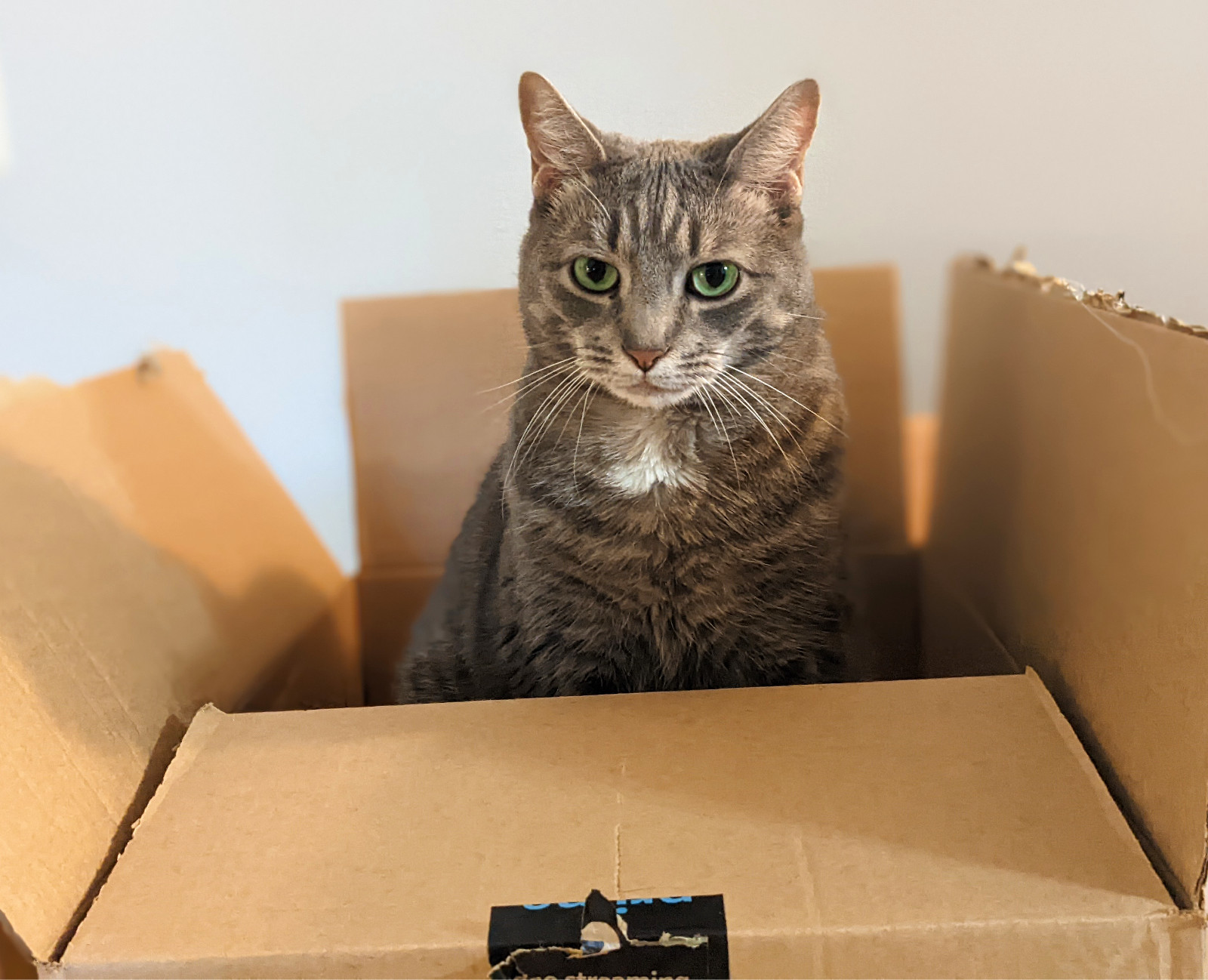
You don’t have to spend a lot of money on toys, and everyone who’s ever lived with a feline knows the fluffy little guys are just as likely to take a shine to a new box or the little plastic ring from a milk bottle as they are to the $10 new toy you bought from the pet store.
That said, there are certain toys that are almost universally beloved by felinekind, and the more you keep things interesting for your cat, the happier your furry overlord will be.
You can never go wrong with wands for interactive play. Keep it simple and manipulate the toy at the end of the wand like prey so your house panther can feel like a mighty hunter. Track toys with balls that cats can bat around are good for relatively quiet solo play. Cat tunnels are great too, especially if you toss treats inside them for kitty to find randomly.

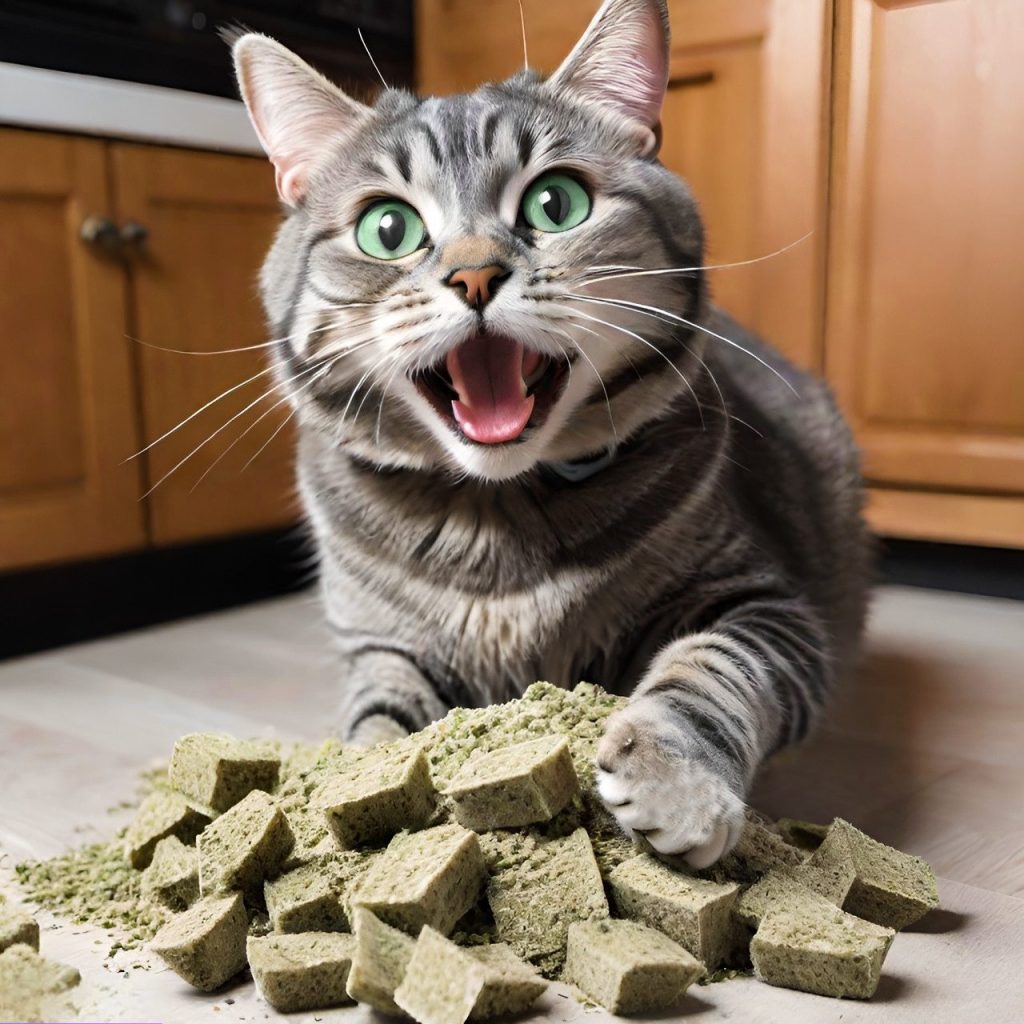
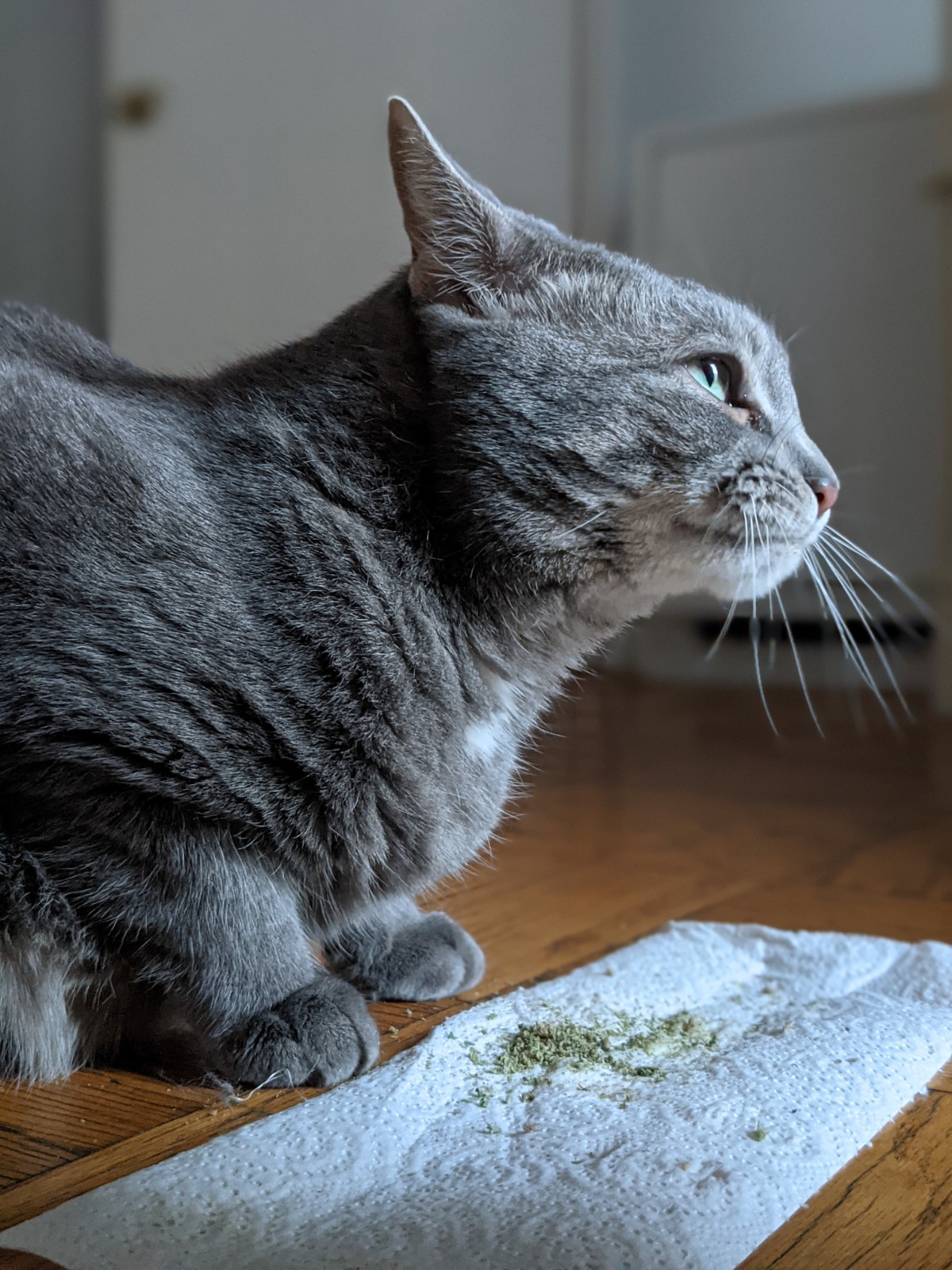
You don’t need a special occasion to surprise your little buddy with a catnip and play session, and you’d be surprised how enthralled felines can be by “cat TV” on Youtube. There are dozens of channels that provide hours-long videos of birds eating seeds from outdoor feeders, aquariums filled with interesting fish, and critters like squirrels and rodents.
You can also engage your cat by training her to do simple things like come when called, sit on command high five you. Those “tricks” are very easy to teach and require no more than two or three practice sessions a day, maximum 10 minutes each. Your cat will love it, especially with rewards for learning, and it’s fun to show skeptics that, yes, cats can do tricks just like dogs.
Sometimes “fun” is just something unusual, something your cat rarely gets to do or see. On occasion, I let Buddy walk up and down the hallway with me in my apartment building late at night when chances are low we’ll encounter anyone.

He loves to stop at each door, listen and take in the strange sounds and scents. If anyone emerges from one of the doors or the elevator opens, he just makes haste back to our apartment, where I leave the door slightly ajar for that reason. As for the elevator, he seems to think it’s some sort of product of foul sorcery — it rumbles, the doors open by themselves, and when people walk in, they don’t walk out. Sometimes they enter only to emerge as a different person a few minutes later!
I’m happy to indulge his paranoia with regard to the elevator, because it means I don’t have to worry about curiosity getting the better of him.
If you’ve got rooms your cat doesn’t normally have access to, a yard with cat-proof fencing, or an activity you only do sometimes, consider breaking up your cat’s day with a little exploration or some ‘nip-fueled fun.

Treat your cat as a friend
Your cat may not have legal personhood, but he is a fully sentient being who feels emotions just as strongly as people do. Cats experience the full range of primary and secondary emotions, but not tertiary emotions. That means kitty can feel happy, sad, excited, anxious, jealous, bored, depressed and overjoyed, but she’s not going to be embarrassed if another cat’s wearing the same collar or fret over whether people and other cats like her.
The important thing is remembering cats have feelings.
It’s not rocket science, and it doesn’t cost us anything to treat our cats with respect, patience and love. Bonding with a cat requires more than just feeding, watering and scooping, but the effort is always worth it and you’ll have a loyal friend for life. Good luck!
Top image of incredibly sexy beast (Buddy) copyright Pain In The Bud.





 Pain In The Bud