My mom called my cat by my brother’s name, and that is hilarious!
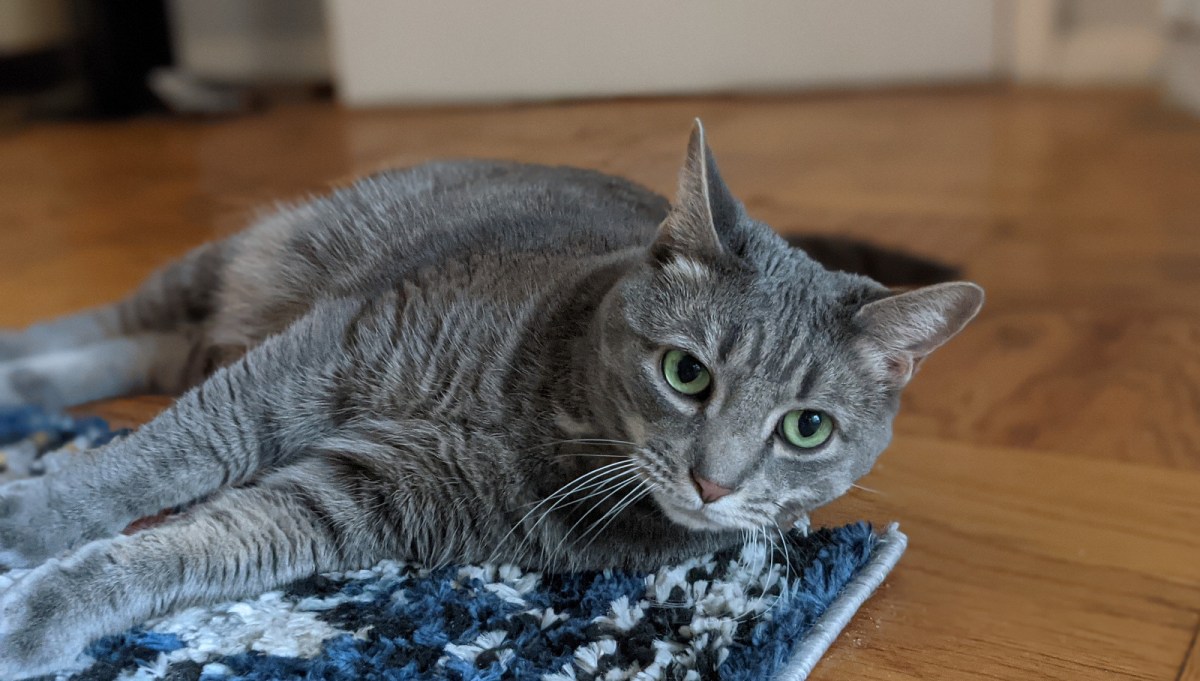
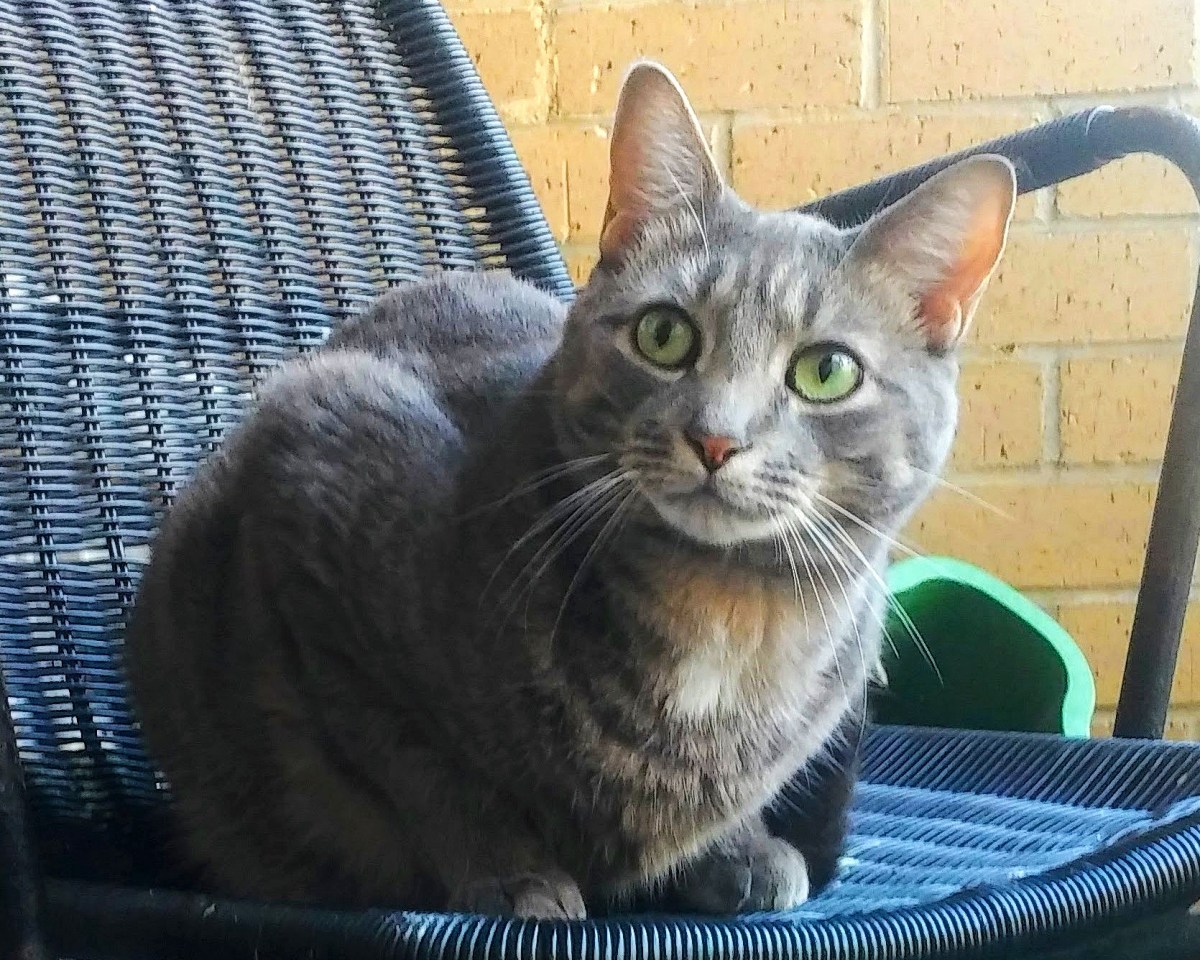
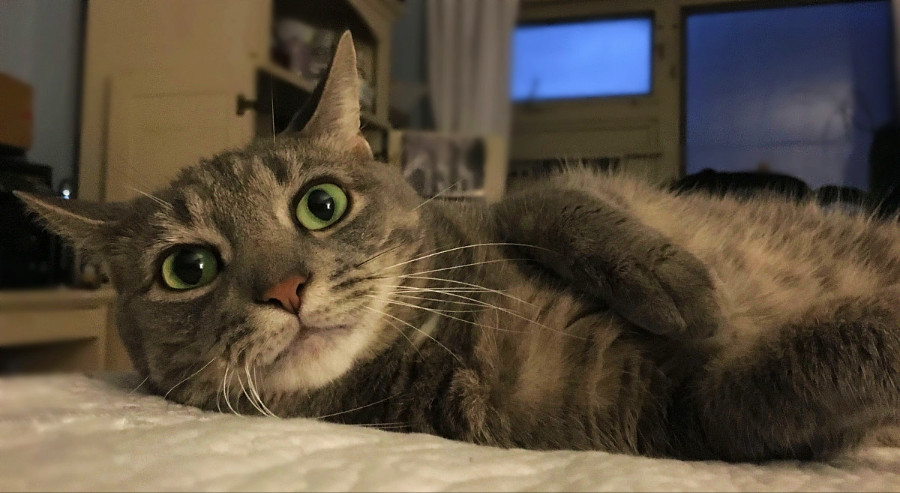
My mom has always disliked cats, but some magical bonding moment must have happened the last time she watched Buddy for me because he’s grown in her estimation from a “crazy man” to “a cute cat” and a “good boy.”
A few weeks ago she even excitedly told me she’d gotten a Christmas gift for him. That’s two toys from her in two months! She was so happy to give him the toy — one of those balls that zips around on its own with sensors, changing direction and mimicking prey — when she and I exchanged presents, and beamed as she encouraged him to chase it down.
What the heck is going on here? Feline sorcery?!
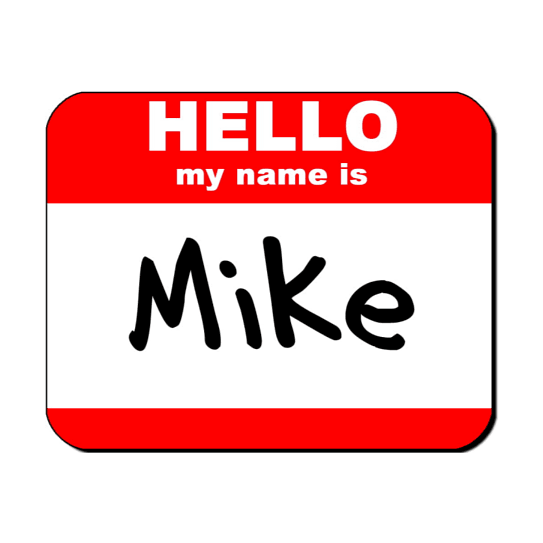
And then there was the cherry on top, when she accidentally called Bud “Mike.”
Mike is my brother’s name.
“Oh geez,” my brother replied when I informed him via text.
So now I’m gonna call Buddy Mike, because it’s hilarious and diminishes my brother while elevating Bud. Not all the time, mind you. I can’t be confusing the little guy, and besides, my brother lives overseas, so I’ll only get the opportunity via Facetime. But it’ll be just enough to get under my brother’s skin and remind him every so often that, to our mom, he’s on my cat’s level.
Buddy has grown tired of most of his toys and his beloved birdie is in danger of disintegrating. This cannot stand!
Since my human has been working on some other stuff, I thought to myself, “Budster, why don’t you take over that there site and deputize its readers as my servants?”
So congratulations, you have the great honor of being my secondary staff!
Now to the meowtter at paw: I require new toys. The old ones are boring, I’ve torn my favorite birdie to shreds, and there are only so many times I can terrorize Big Buddy by doing cannonballs onto his stomach while he sleeps. If he has a heart attack, who will feed me?
What I need from you humans are some suggestions. You’re the inferior species when it comes to napping, lounging, being fearsome, roaring, being ridiculously good looking, and bathing yourselves.
But you do make good toys!
Just a heads up, I’m terrified bored of those floppy fishes, I have two of those track toys where you slap the ball around with your paw, and I have a cat tunnel and my very own mini camping tent. I am also the proud owner of a variety of excellent boxes!
I need something fresh, something exciting. My human says I need a toy that gets me up, running and jumping. Grudgingly, I admit he may be onto something. My incredible hunting skills must be honed and maintained with regular practice.
Today’s a good day to do something special for your little pal(s), and to help spread awareness that felines are sentient, intelligent animals with feelings.
Happy International Cat Day!
Today marks the 23rd annual observance of the special day, which was established by the International Fund for Animal Welfare, a nonprofit originally founded in the late 1960s to stop the commercial hunting of seals off Canada’s coasts.
Buddy sits on his vanquished foe, an alien xenomorph. “I don’t understand how these things gave humans so much trouble,” he said.
In more than half a century since, the group has expanded to an international operation with projects aimed at improving conditions for wild and domestic animals. They do wildlife rescue, rehabilitation, preserve management and more.
International Cat Day was intended to help raise awareness about cats, their behaviors and the best ways to interact with them and give them good homes.
For those of us who are already wrapped around the paws of our feline overlords, it’s an occasion to do something extra for our buddies. Here at Casa de Buddy, that means spending more time with little man, giving him catnip, and his favorite human food treat: cheese.
The thing that matters most to him is Buddy Time, when we hang out, play games with his wand toys, and eventually he snuggles up in my lap.
We hope all of you are enjoying International Cat Day and have the opportunity to spend some extra time with your furry pal(s) today. For all they do to improve our lives, a little expression of gratitude is the least we can do.
Eleven?! That can’t be possible! He doesn’t look a day over three…
Happy birthday to my best little pal!
Since I don’t know exactly when he was born, we celebrate his birthday as his adoptaversary, the weekend following my own birthday, which was the Saturday I brought him home in 2014.
As regular PITB readers know, Buddy — then nameless — came striding out of his carrier and starting conquering everything in sight, claiming the entire apartment as his own and declaring that my bed was now his bed, although he would permit me to continue using it. He was a bold kitten, and I did my best to nurture that boldness and friendliness.
Apologies for the lack of posts this past week, as I headed down to Washington to hang out with my brother, his wife and my nieces, and to attend the Sakura Festival. My bro and I also attended an event at the Kennedy Center featuring the physicist Brian Greene, who gave a presentation called Starry Night: A Voyage Across Space and Time. I’m looking forward to posting about it soon.
In the meantime, we’re going to have a Buddy weekend here. The little guy will get all his favorite treats, catnip in abundance, lots of play time and a new toy.
Oh, and some rascal changed my favorite Buddy photos into photos of Buddy as a tiger…hmmm. Who would do something like that?
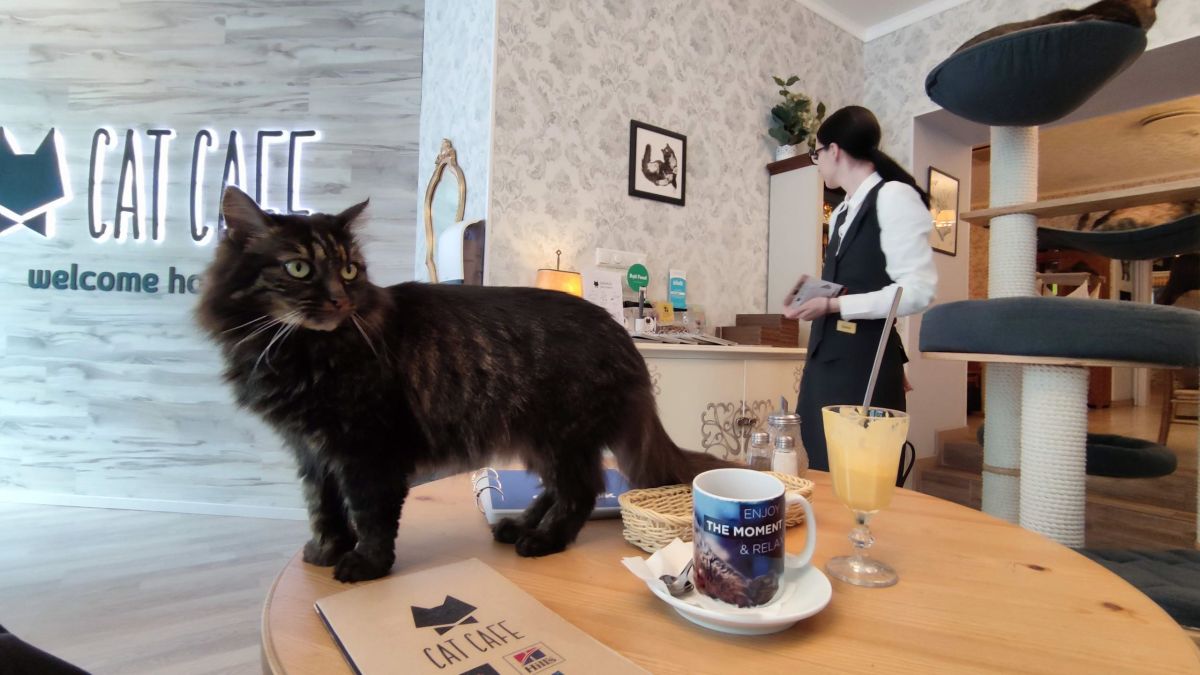
People who frequent cat cafes say they feel relaxed among the little ones. Hundreds of thousands of felines find their forever homes via cafes in the US, which are typically integrated with local shelter and rescue networks.
You may have noticed that most journalists don’t actually interview anyone these days, and the majority of “news” stories are either rewrites or lazily-assembled, 300-word virtual birdcage liners about which celebrity or influencer is “clapping back” at haters for “throwing shade” at them, with quotes directly copied and pasted from X or Instagram.
It’s cheap, easy content — far cheaper than funding war correspondents or impactful investigative journalism — and it doesn’t require reporters to leave their desks, speak to sources on the phone, or even fact-check what they’re writing.
“Well, they said it” is good enough for modern newsrooms, which is why we can’t have a national story or a disaster like the wildfires without waves of misinformation getting amplified by press and influencers alike. And the executives of the handful of remaining news companies wonder why trust in media is at historically low levels.
So these days, a veterinarian warning about laser toys via a TikTok video is considered international news. Nina Downing, a veterinarian with UK pet charity PDSA, took to the social media platform to warn about “laser pointer syndrome,” which she says can result in obsessive compulsive behavior in cats and dogs.
Our furry friends can become frustrated that they never actually capture the elusive red dot, according to proponents of the theory, and too much laser pointer play can result in a pet who barks at shadows or tries to tackle anything that moves.
“Cats have a hunting sequence to follow which is replicated in play, however if it doesn’t come to a successful capture at the end, this can cause them to become really agitated,” Downing warns.
Credit: WIkimedia Commons
Happily, Buddy is impervious to this alleged syndrome because he doesn’t actually have a “hunting sequence.” Born indoors, he’s known nothing but warmth and comfort, and food is something that’s served to him on a precise schedule, not something that needs hunting.
Accordingly, when we play with wand toys, Bud’s version of a “kill” is to grab the plush toy or feathers while dancing around on his back paws. He bobbles the toy while he dances, lets it go and resets the game.
The concept of a kill bite is completely alien to him, and apparently not even his feline instincts are enough to tell him there’s another step to “winning” the game. Still, I tell him he’s a good boy and a fierce little tiger because we can’t have fragile egos getting bruised.
That said, if you find lasers are one of the few reliable ways to get your kitty moving, it’s probably a good idea to wind down by switching to a wand toy. Let the little one simulate a kill, get a few rabbit kicks in and feel like a champ. There’s little or no research supporting the concept of laser pointer syndrome, but it still couldn’t hurt to give your feline overlord something tangible to “kill” at the end of a play session.
Cat cafes are more popular than ever in the US
USA Today has a story today about the apparent ubiquity of cat cafes in the US, and how they’re changing things for the better, for felines as well as people.
Using data from Yelp, the newspaper found there were 200 cat cafes, give or take, across the country at the end of 2024, up from about 75 in 2020.
“When we started, people weren’t quite sure what they were, there was a lot of explaining how they worked and what they were,” said Laura Konawalik, owner of a chain of three cafes featuring felines in North Carolina. “Nowadays people come in knowing the general concept.”
The same data shows searches for strings like “cat cafes near me” have increased 78,700% between February of 2020 and February of 2024, USA Today reported.
Patrons playing with cats at a cafe in Osaka, Japan. Credit: Wikimedia Commons
While cafes in some other countries are populated by felines owned by the proprietors, most cat cafes in the US are integrated with their local shelter and rescue networks, so patrons can adopt if they fall in love with the little ones they meet while having a cup of coffee or tea.
That means some of the oldest cat cafes in the country have facilitated thousands of adoptions and continue to find forever homes for their animals.
About 330,000 cats were euthanized in the US in 2023, the most recent year for which complete statistics are available, according to Shelter Animals Count, a national database that keeps track of shelter intakes and cat/dog euthanasia figures. Data for the first half of 2024 showed a decrease from the previous year’s numbers, but numbers from the latter half aren’t available yet.
Jet Taylor, a regular at Konawalik’s Mac Tabby cafes, says he keeps coming back to destress and feel calm.
“I would be willing to bet,” he said, “you could put a heart rate monitor on me and when I’m sitting there petting a cat, my heart rate goes down.”









 Pain In The Bud