Coffee Beans Harvested From Civet Cat Poop Aren’t Just Gross, They’re Unethical

Kopi luwak aficionados pay a premium for the privilege of drinking the brew.

Kopi luwak is the most expensive beverage in the world and a testament to how pretentious people can be about things labeled exotic, wild or rare.

Developing a taste for the coffee, which hails from Indonesia, means taking on a costly vice: “farm-harvested” kopi luwak beans can go for more than $100 per pound, while beans supposedly harvested from the wild can fetch more than $1,000 per pound.

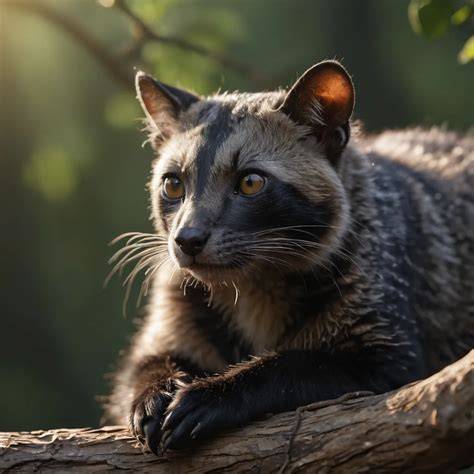
All for a beverage made from coffee beans eaten and shat out by civet cats.

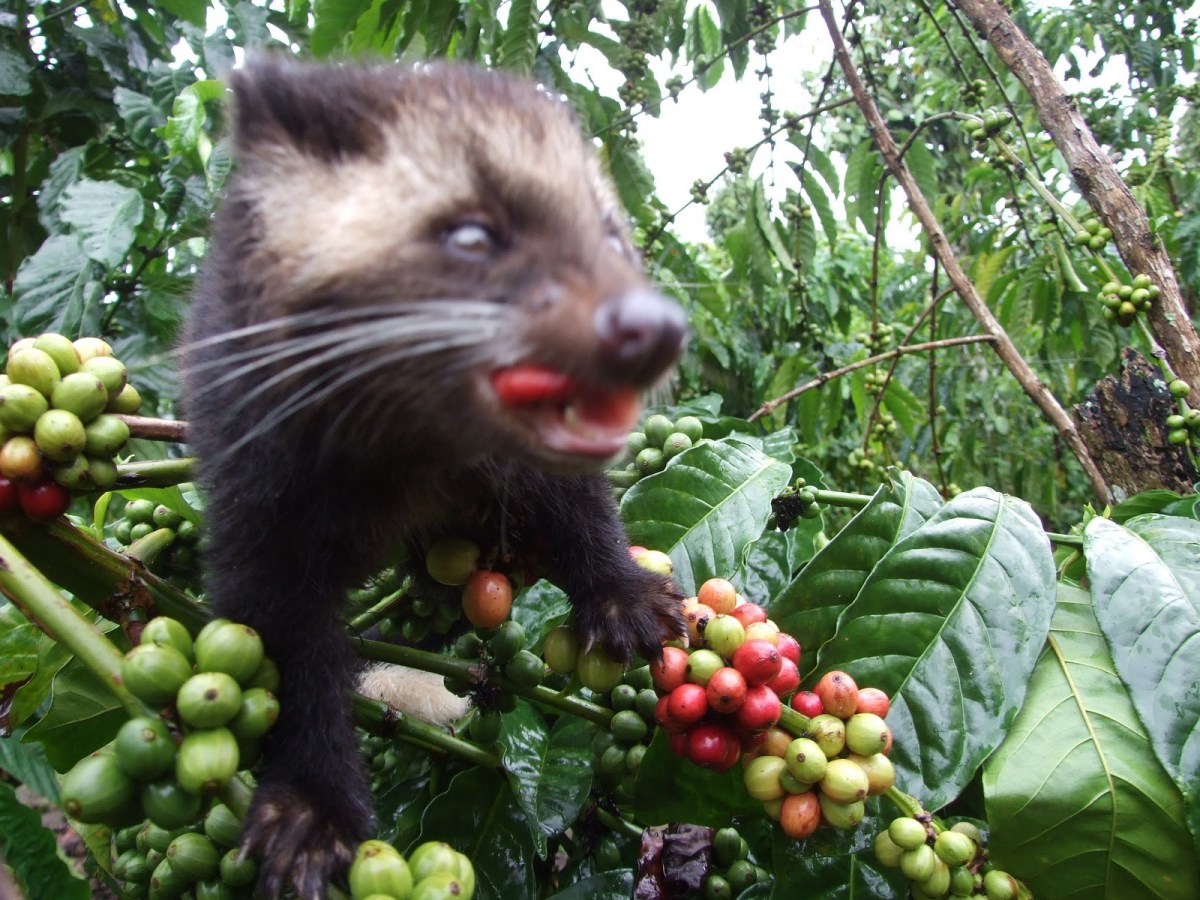
Aficionados claim the beans undergo a partial fermentation process as they travel the animal’s digestive track, breaking down certain proteins in a process said to reduce acidity. The beans are ejected in fecal logs, which are “harvested,” washed and packaged for sale. (That’s right. Your kopi luwak arrives in authentic segments of constipatory excreta, certifying freshness!)

Fecal perfection: kopi luwak is harvested from palm civet turds.

The result, kopi luwak fans claim, is a smoother, smokier, chocolatey brew.

Others disagree.

Kopi luwak tastes like “[p]etrified dinosaur droppings steeped in bathtub water,” a Washington Post writer sniffed, while others insist there’s no meaningful difference compared to most coffee.

Besides the disagreement over the flavor of kopi luwak, there are major ethical issues and the potential for disease transmission vectors.

Civet cats aren’t true cats. The Asian palm civet, which is the species used for kopi luwak, is a viverred and is closely related to genets and oyan, which are ferret-like small carnivores.

In plain terms, it’s a feliform animal that shares ancestry with felids and looks like a cross between a cat and a mongoose, but it is distinct from the familiar felidae family we’re all familiar with. Feliform simply means animals with cat-like body plans.

It’s also a wild animal, and the lucrative kopi luwak market has led to widespread exploitation of the civets. The animals, who are highly mobile and curious, are slotted into battery cages, stuffed with cherry coffee beans, and exist as living food processors for Indonesia’s coffee industry.

A palm civet in a small, filthy cage in a kopi luwak facility. Credit: Wikipedia Commons

In a country known for exploited “dancing monkeys” (topeng monyet), and the destruction of species like the orangutan via the ruthless destruction of irreplaceable old growth jungle, animal rights are way down on the list of priorities.

Buying kopi luwak fuels the industry and perpetuates the cycle of bean harvesters stealing young civets from the wild and subjecting them to miserable lives in cages where they can barely move.

So if you’re the adventurous type who is normally game for unconventional food and drink, you might want to sit this one out and have a cup of Folgers instead.
Vet’s Urgent Warning Over Laser Toys, Plus: US Now Has 200+ Cat Cafes

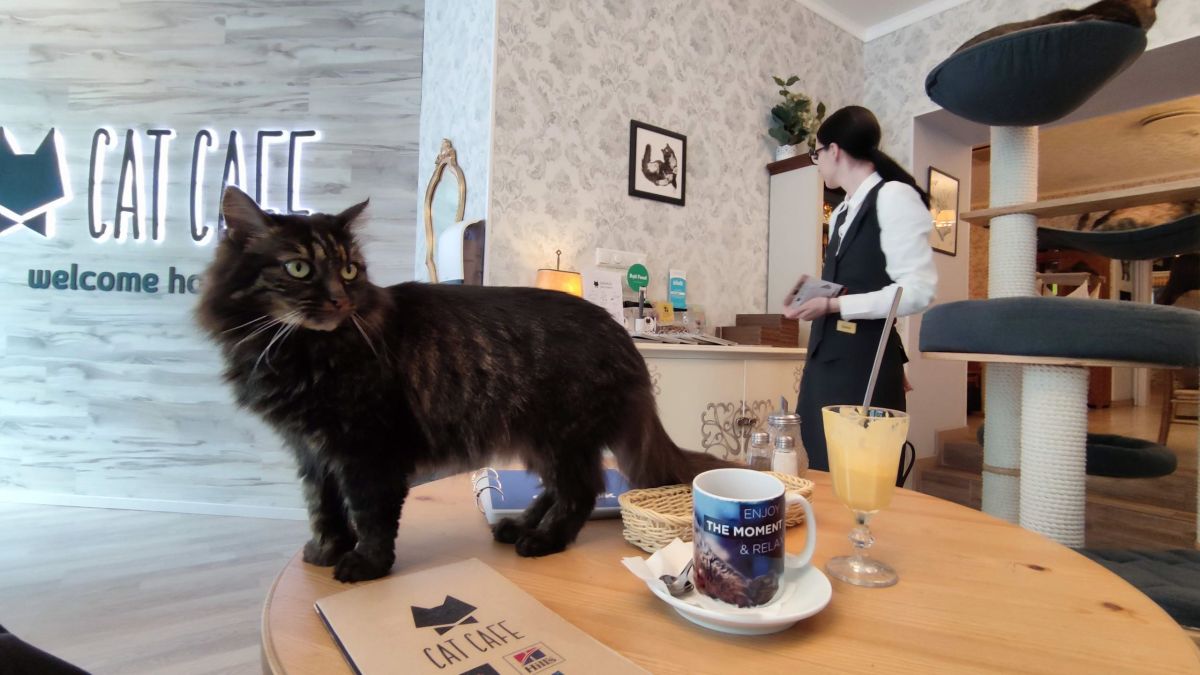
People who frequent cat cafes say they feel relaxed among the little ones. Hundreds of thousands of felines find their forever homes via cafes in the US, which are typically integrated with local shelter and rescue networks.

You may have noticed that most journalists don’t actually interview anyone these days, and the majority of “news” stories are either rewrites or lazily-assembled, 300-word virtual birdcage liners about which celebrity or influencer is “clapping back” at haters for “throwing shade” at them, with quotes directly copied and pasted from X or Instagram.

It’s cheap, easy content — far cheaper than funding war correspondents or impactful investigative journalism — and it doesn’t require reporters to leave their desks, speak to sources on the phone, or even fact-check what they’re writing.

“Well, they said it” is good enough for modern newsrooms, which is why we can’t have a national story or a disaster like the wildfires without waves of misinformation getting amplified by press and influencers alike. And the executives of the handful of remaining news companies wonder why trust in media is at historically low levels.

So these days, a veterinarian warning about laser toys via a TikTok video is considered international news. Nina Downing, a veterinarian with UK pet charity PDSA, took to the social media platform to warn about “laser pointer syndrome,” which she says can result in obsessive compulsive behavior in cats and dogs.

Our furry friends can become frustrated that they never actually capture the elusive red dot, according to proponents of the theory, and too much laser pointer play can result in a pet who barks at shadows or tries to tackle anything that moves.

“Cats have a hunting sequence to follow which is replicated in play, however if it doesn’t come to a successful capture at the end, this can cause them to become really agitated,” Downing warns.

Credit: WIkimedia Commons

Happily, Buddy is impervious to this alleged syndrome because he doesn’t actually have a “hunting sequence.” Born indoors, he’s known nothing but warmth and comfort, and food is something that’s served to him on a precise schedule, not something that needs hunting.

Accordingly, when we play with wand toys, Bud’s version of a “kill” is to grab the plush toy or feathers while dancing around on his back paws. He bobbles the toy while he dances, lets it go and resets the game.

The concept of a kill bite is completely alien to him, and apparently not even his feline instincts are enough to tell him there’s another step to “winning” the game. Still, I tell him he’s a good boy and a fierce little tiger because we can’t have fragile egos getting bruised.

That said, if you find lasers are one of the few reliable ways to get your kitty moving, it’s probably a good idea to wind down by switching to a wand toy. Let the little one simulate a kill, get a few rabbit kicks in and feel like a champ. There’s little or no research supporting the concept of laser pointer syndrome, but it still couldn’t hurt to give your feline overlord something tangible to “kill” at the end of a play session.

Cat cafes are more popular than ever in the US

USA Today has a story today about the apparent ubiquity of cat cafes in the US, and how they’re changing things for the better, for felines as well as people.

Using data from Yelp, the newspaper found there were 200 cat cafes, give or take, across the country at the end of 2024, up from about 75 in 2020.

“When we started, people weren’t quite sure what they were, there was a lot of explaining how they worked and what they were,” said Laura Konawalik, owner of a chain of three cafes featuring felines in North Carolina. “Nowadays people come in knowing the general concept.”

The same data shows searches for strings like “cat cafes near me” have increased 78,700% between February of 2020 and February of 2024, USA Today reported.

Patrons playing with cats at a cafe in Osaka, Japan. Credit: Wikimedia Commons

While cafes in some other countries are populated by felines owned by the proprietors, most cat cafes in the US are integrated with their local shelter and rescue networks, so patrons can adopt if they fall in love with the little ones they meet while having a cup of coffee or tea.

That means some of the oldest cat cafes in the country have facilitated thousands of adoptions and continue to find forever homes for their animals.

About 330,000 cats were euthanized in the US in 2023, the most recent year for which complete statistics are available, according to Shelter Animals Count, a national database that keeps track of shelter intakes and cat/dog euthanasia figures. Data for the first half of 2024 showed a decrease from the previous year’s numbers, but numbers from the latter half aren’t available yet.

Jet Taylor, a regular at Konawalik’s Mac Tabby cafes, says he keeps coming back to destress and feel calm.

“I would be willing to bet,” he said, “you could put a heart rate monitor on me and when I’m sitting there petting a cat, my heart rate goes down.”