Orangey the Cat enjoyed a suspiciously prolific career as Hollywood’s top feline actor for almost two decades. What’s the story behind the iconic moggie?
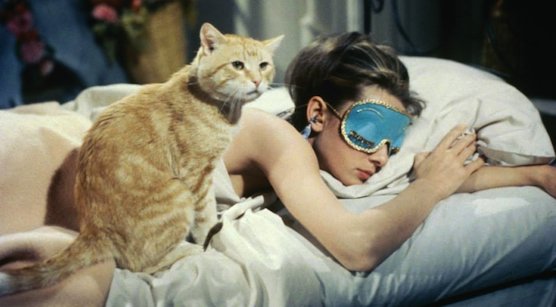
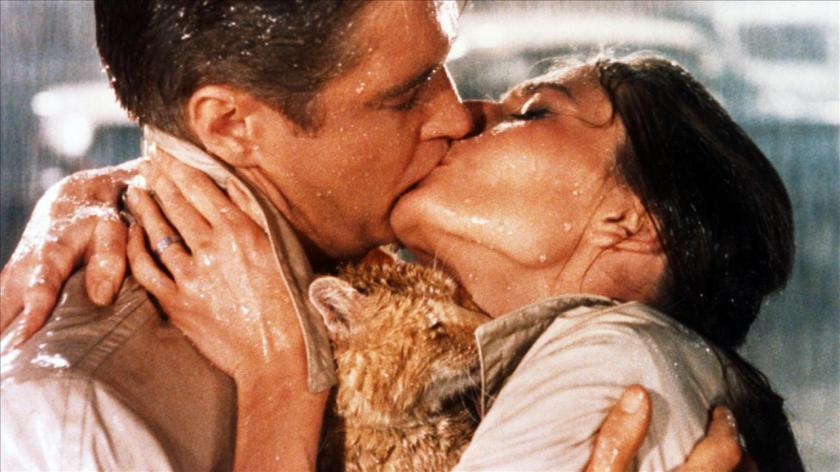
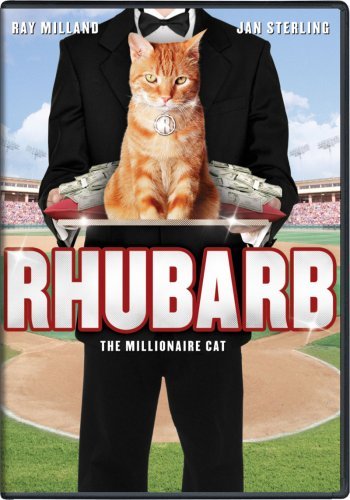
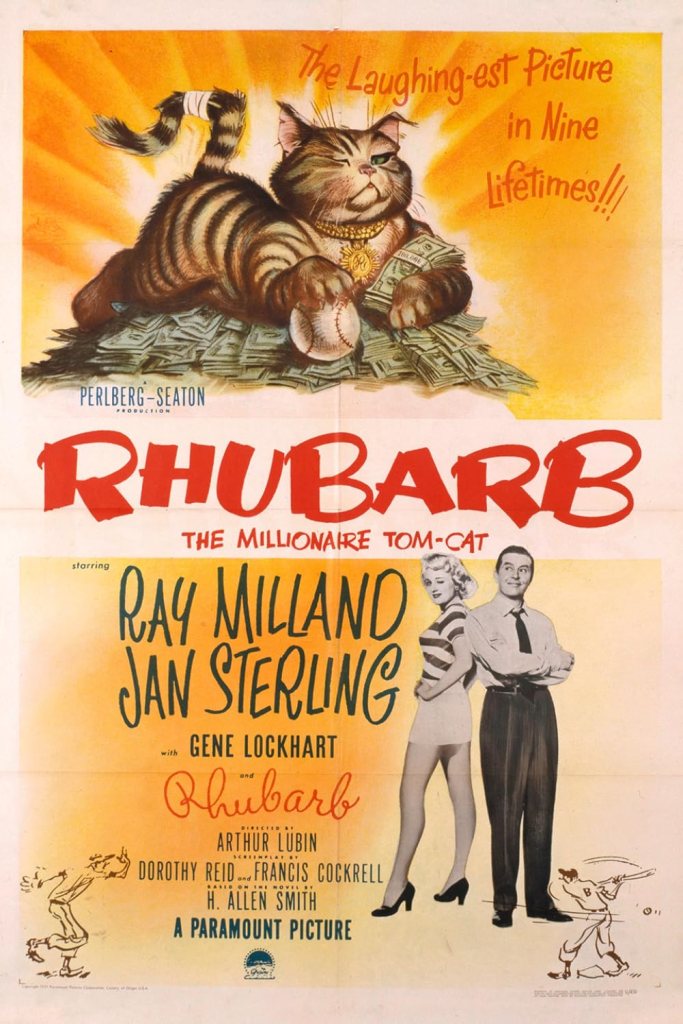
Orangey, the cat who famously belonged to Audrey Hepburn’s character in Breakfast at Tiffany’s, had an impressive and improbable film career beginning with 1951’s Rhubarb and ending with roles in TV series like Green Acres and The Flying Nun almost two decades later.
A new story in The Guardian charts Orangey’s film career and attempts to reconcile conflicting information about the famed feline. At least two cats played Orangey in Breakfast at Tiffany’s, while potentially dozens were used for Rhubarb, a comedy about a cat who inherits his wealthy late owner’s fortune and assets, including a baseball team.
“Watching the cat performances both within the movies and across the different titles certainly lends credence to the idea that Orangey was more a cat type, provided by trainer Frank Inn, than a specific animal,” The Guardian’s Jesse Hassenger writes.
Orangey had a prolific career in film and TV, one that would have been very difficult for a single cat to manage due to the number of appearances and the unlikely length of his tenure as Hollywood’s top cat.
In fact, color mattered less than resemblance because most of Orangey’s appearances were in black and white, so it’s possible Orangey wasn’t always Orange. (Later performances were filmed in color and some films were subsequently colorized.)
Using more than one cat for a role is pretty standard in Hollywood films that feature felines. Keanu, the 2016 Key and Peele comedy about an eponymous kitten who is stolen by drug dealers, cycled through several kittens as the pace of production was simply too slow compared to the rapid growth of real life kittens. In 2024’s A Quiet Place: Day One, two very similar-looking cats, Nico and Schnitzel, shared the role of Frodo, the cancer-stricken protagonist’s emotional support animal.
Why do people steal cats?
In early 2023, more than 50 cats in and around Kent, England, were abducted and returned with patches of fur shaved off.
At first people suspected the perpetrators were engaged in some bizarre form of animal cruelty — and some later copycats, for lack of a better word, across the UK may have been motivated to cause distress — but authorities later said they believe the catnappers were checking to see if the felines were spayed or neutered.
If they weren’t, those cats were kept for breeding, while the others were dropped off where they were found.
A cat shaved during spay/neuter surgery. Credit: jp_the_man/reddit
That rash of disappearances and other cases of car abductions factored into a staggering report from the Royal Kennel Club’s lost pets database: of the 25,000 pets reported missing in the UK between January 2023 and June 2024, more than 20,000 were cats.
Those cases and others are highlighted in a report from The Telegraph published on Thursday detailing the increase in reports of stolen felines. While the actual number of police reports are unknown due to discrepancies in the way such cases are classified by police, data from the Kennel Club and microchip companies, as well as anecdotes, indicate a concerning spike in cat theft even as the UK has mandated microchips for every pet cat.
Some, like the recent case involving an Amazon delivery driver, are crimes of opportunity. They’re spur-of-the-moment decisions by people who encounter cats they might want for themselves or people close to them.
Others, like the mass pet thefts in Kent, could have ties to larger organized crime operations.
And some are attempts to make a quick quid by petty thieves who count on the emotional bond between plpeople and their animals to demand ransom for the four legged family members, like one couple who abducted a woman’s cat and ransomed her for the equivalent of a few hundred dollars.
That woman, who was identified only by the pseudonym Helen in the story, said she was torn between getting her cat back and encouraging the people who took him.
“I was worried the same thing would just keep happening,” she told the newspaper. “It’s not something you want to encourage – paying to get your cat back – in case they do it again.”
After a TikToker raged about an adoption fee for a cat who had medical issues, her army of followers began harassing the shelter and its staff.
I don’t advocate criminality, but if some enterprising, preternaturally skilled hacker were to go Tyler Durden on TikTok and not just disable it for a few hours with a DDoS attack, but nuke it to oblivion by taking down its servers, backups and back-end code, that hacker would be a hero.
Songs would be written for this legend of a human being, performed to raucous applause by bards in taverns. A reincarnated Abraham Lincoln would lead a parade of patriots to the White House to wrap the benevolent hacker in the American flag and present the presidential Medal of Freedom. A bald eagle would alight on a Rose Garden cherry tree, raising a wing in salute to our hero, and fireworks would inaugurate a new federal holiday in honor of the glorious deed and its magnificent author.
But that’s not going to happen, so I have to type the words “TikTok influencer” and try not to gag as I relate the story of one Chloe Mitchell, a Michigan college student who sicced her army of three million followers on a non-profit, no-kill animal shelter.
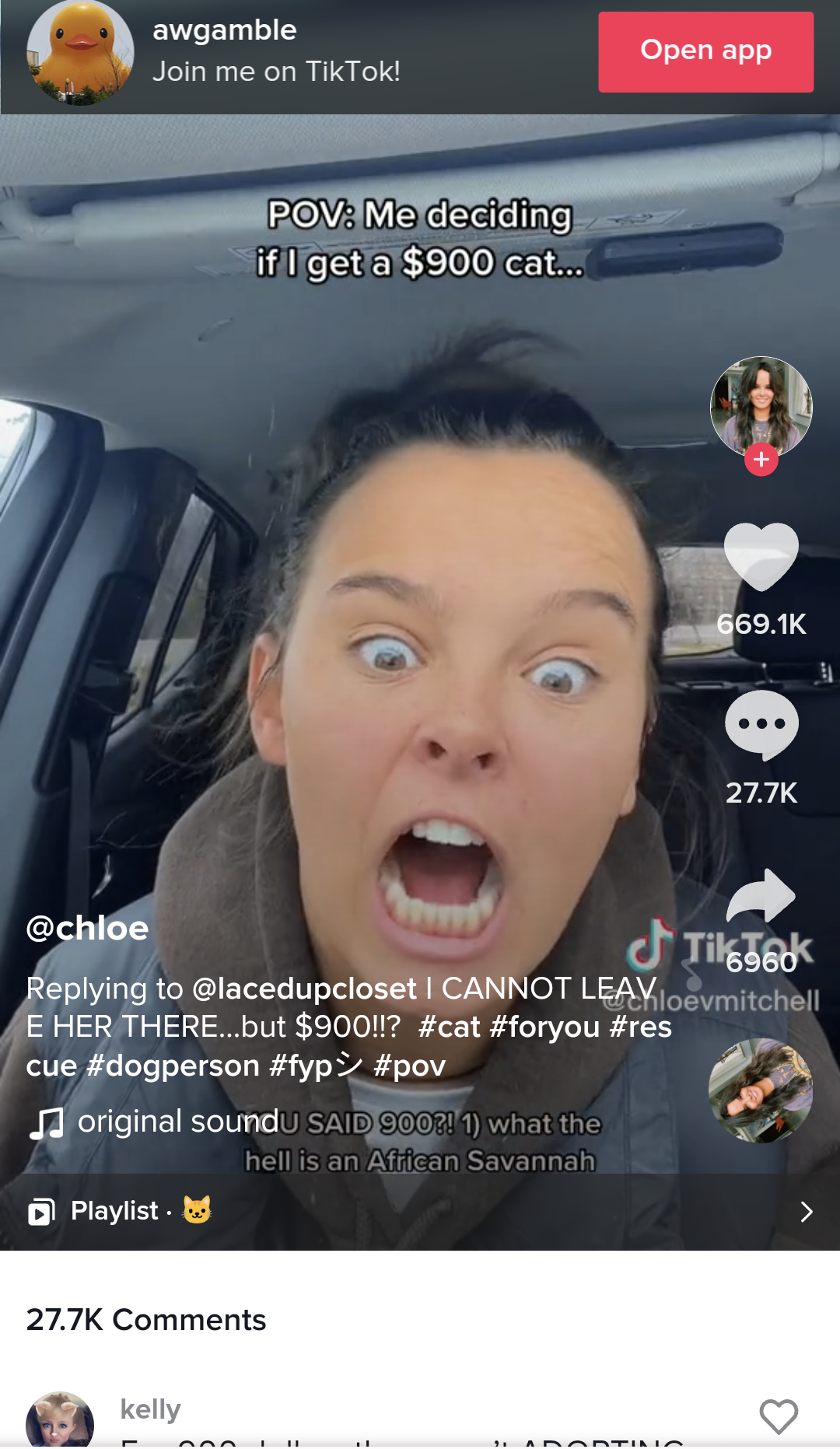
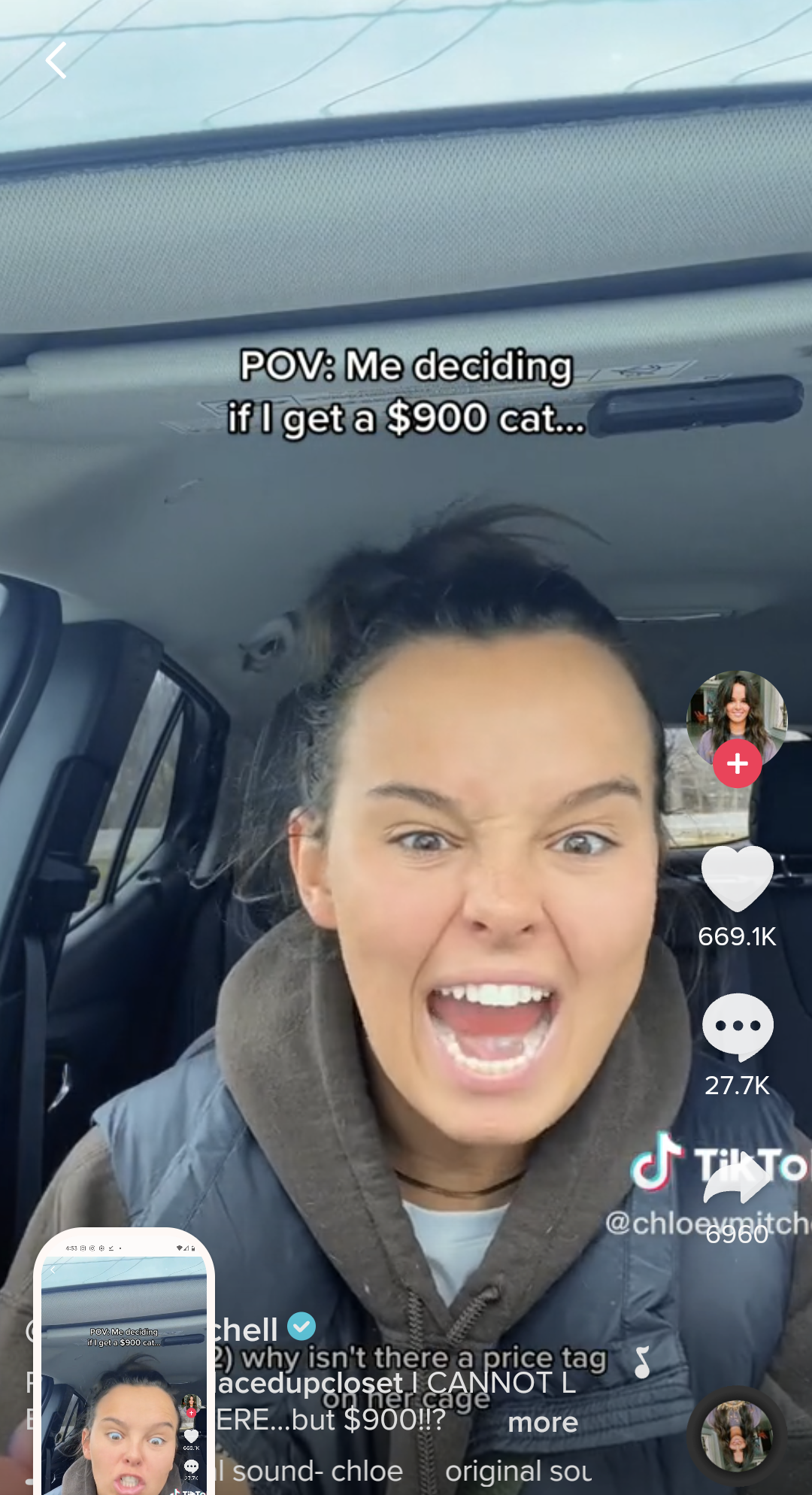
Mitchell is one of those people who makes you wish life had mute buttons. She tells her side of the story with theatric facial expressions, frequently screaming — literally screaming — into the camera as she claims she fell in love with a cat at Michigan’s Noah Project and didn’t balk at the $900 adoption fee.
She says she’s happy with her cat, Puka, and loves her. But she still has adopter’s remorse.
“I spent $900 on a fuzzy scratch ball that’s going to puke all over my furniture,” she says at one point in a video she made after the adoption.
She bemoans the adoption fee, saying the cat costs “two thirds of a Yorkie” and a quarter the price of a new Louis Vuitton bag.
“Why isn’t there a price tag on her cage?” Mitchell screams. “Why can’t she be a $25 cat? … That’s life changing money, $900. I could just not eat.”
Mitchell’s followers, who called the shelter operators “scammers” and said they “played” Mitchell, among less charitable comments, have been targeting the shelter online and by phone, making “profanity-laced calls,” according to MLive.
Mitchell says the shelter told her the adoption fee was so high because Puka is an F5 Savannah, a fifth-generation hybrid of a domestic cat and an African serval. In her video she admits she doesn’t know what a Savannah is and confuses a tabby coat pattern for a breed.
But Mashele Garrett-Arndt, Noah Project’s director, told MLive the adoption fee reflected the substantial costs the shelter incurred by rescuing Puka, her litter mates and kittens from the other litters she came with, who had multiple medical issues. The shelter paid for veterinary surgery, including procedures for one cat who had two legs amputated, as well as shots, microchips, spaying/neutering, and special diets for the ailing kitties.
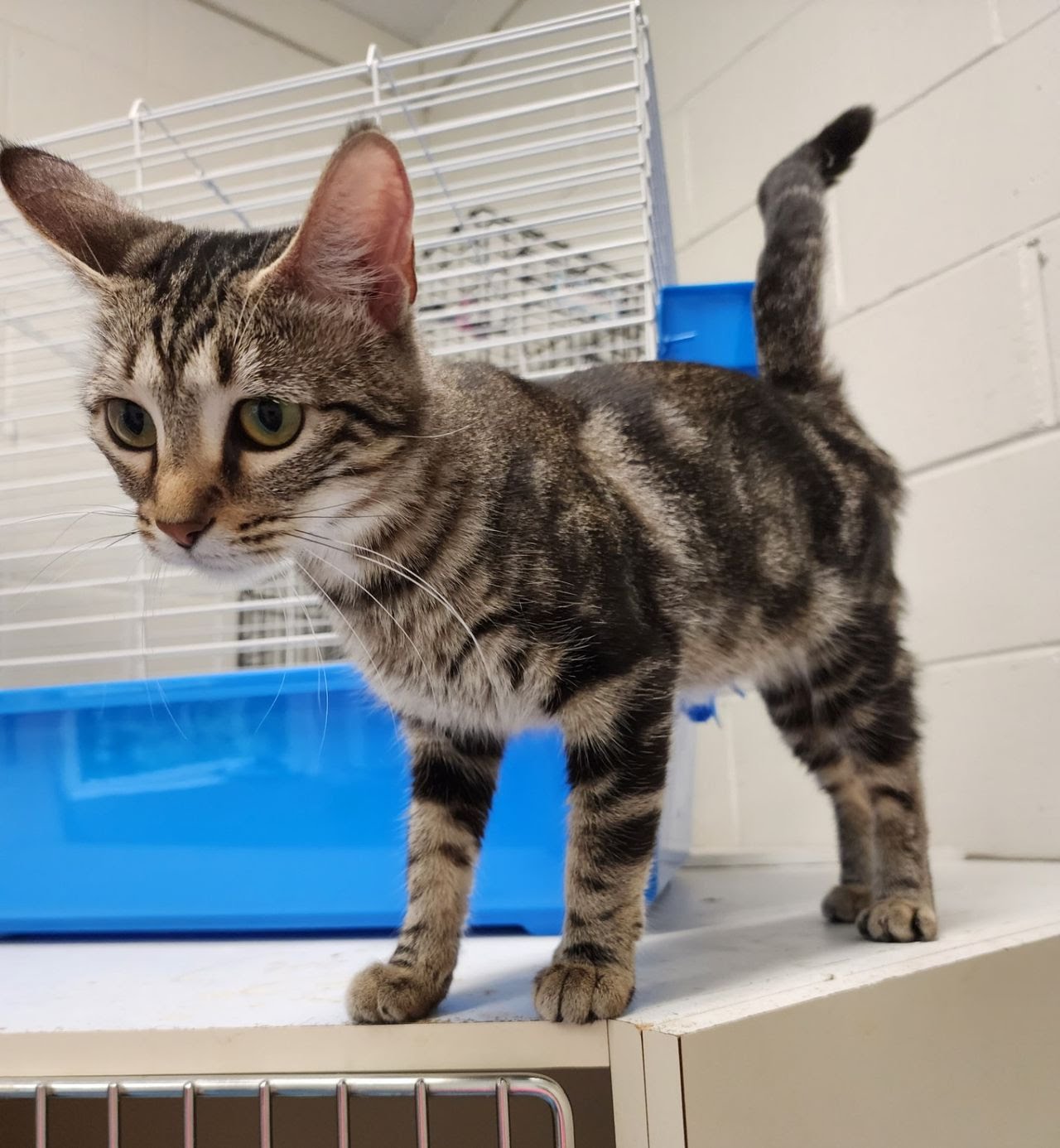
Puka, originally named Heart by the shelter. Credit: Noah Project
The Noah Project took in the young cats and their mothers from a woman who purchased the momma cats from a breeder. The mother cats went into heat again, predictably, and the problem multiplied litter by litter until the woman realized it was out of her ability to control and passed the problem along to the shelter.
The Noah Project took the mother cats and kittens, like any good rescue would, but an intake like that would stretch the resources of most shelters, let alone a small local operation. (See the appeals for assistance when larger organizations like the SPCA take in cats from hoarding situations, for example.) That this happened on the cusp of kitten season makes it even more difficult.
Since adopting Puka — and making a video in which she goes back and forth between saying she already adopted her and claiming she was thinking of adopting her — Mitchell has made at least half a dozen additional monetized videos about “the $900 cat,” including one in which she introduced her parents to their “$900 grandfurchild” and another in which she seemingly pretends to be on the phone with someone from the shelter, lecturing them about “taking advantage” of people and “profiting” off them. In the video, she does not pause long enough for the alleged person on the other end to speak.
“I’m so mad about this because she’s not only lying about this story but she’s making a profit off this,” Garret-Arndt said. “These cats came from an older woman in her 80s who bought these cats and overbred and couldn’t handle the situation. They all had medical issues and that’s the reason they were $900.”
Garret-Arndt told MLive her books are open for Mitchell and anyone else to inspect. In addition, the IRS 990 forms of non-profits are available via sites like Guidestar, allowing donors to check information like percentage of revenue spent on programs, meaning the amount that goes to the charitable cause after overhead.
Mitchell’s series of videos on her “$900 cat” saga had amassed almost 30 million combined views as of March 24
Mitchell isn’t hurting for cash despite her claim that she might have to go without eating after adopting her “$900 cat.” As a college volleyball player, she’s known as the first NCAA athlete to profit financially from NIL (name and image likeness), co-founded a company for other athletes looking to capitalize on NIL, and says she paid for Puka with money she made from the TikTok Creator’s Fund. In addition, she’s bragged about her many sponsorships.
An earlier story about Mitchell’s earnings said that in addition to the money she earns directly from the NCAA NIL deal, “five-figure deals are her baseline” for sponsorships.
Mitchell earns up to $20,000 per sponsored post, the story notes — and that was in 2021, when her follower count wasn’t as high. That’s an extraordinary amount of money for anyone, let alone a college kid, and doesn’t match up with her video pleading poverty over an adoption fee.
With 3 million followers, Mitchell could earn as much as $15,000 a month directly from TikTok alone, not including the lucrative sponsorships. Her initial post about the saga of her “$900 cat” registered almost six million views, some 28,000 comments and more than 660,000 likes. In all, her series of videos on the cat saga have amassed almost 30 million views. Most creators can only dream of those engagement numbers and the revenue associated with them.
In other words, Mitchell is not the typical college student working a part-time job in between classes and eating Ramen noodles to stretch her budget, and it wouldn’t be inaccurate to say she’s punching down by picking a fight with a small local rescue.
“I feel like she (Mitchell) got that cat as a stunt for her followers,” Garret-Arndt said. “She specifically asked for that cat. We were told she was an African Savannah cat but we don’t know.”
To her credit, Mitchell does seem taken with Puka, and we hope she cherishes the beautiful kitten regardless of whether she’s got serval lineage or is just a “basic” cat. Every cat is worthy of love and deserves a good home, and it appears Mitchell is doting on Puka, buying her lots of toys and cat furniture and cuddling with her.
Take it from me, loyal servant to a “basic” no-breed kitty: what’s important is the bond you form and the memories you make together, not the rarity of the breed. I wouldn’t part with Bud for $900,000, let alone $900.
In the meantime, the Noah Project continues to take abuse from the “influencer’s” followers, “swearing at us and calling us a horrible organization,” Garret-Arndt said.
“We don’t scam people,” she told MLive. “If they want to see my books and what I paid for medical, they can.”
She said the Noah Project is a small organization that focuses on making sure cats go to good homes instead of ending up in kill shelters where they’re likely to be euthanized.
“All of our animals leave here fixed and with all of their shots and preventatives, as well as being microchipped,” she wrote in a Facebook post in response to the manufactured controversy. “This all-costs money. No one is making a profit here, everything goes back into the shelter for medical supplies, food, etc.”
Mitchell says she’s ordered a DNA test for Puka and plans to do a reveal on TikTok, providing more material for more monetized videos in her ongoing saga of “the $900 cat.” She says she’ll “defend” the shelter to her followers if the DNA test does reveal serval lineage, but the damage has already been done, and we can’t help but wonder if she’ll be willing to offer a meal culpa after quadrupling down on claims that the shelter ripped her off.
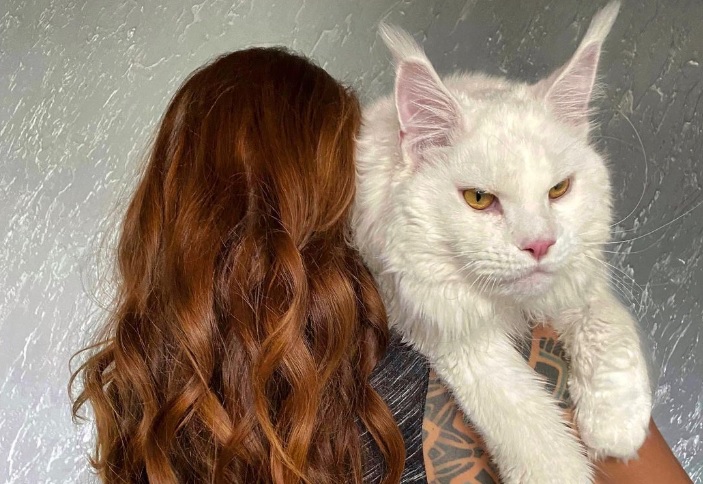
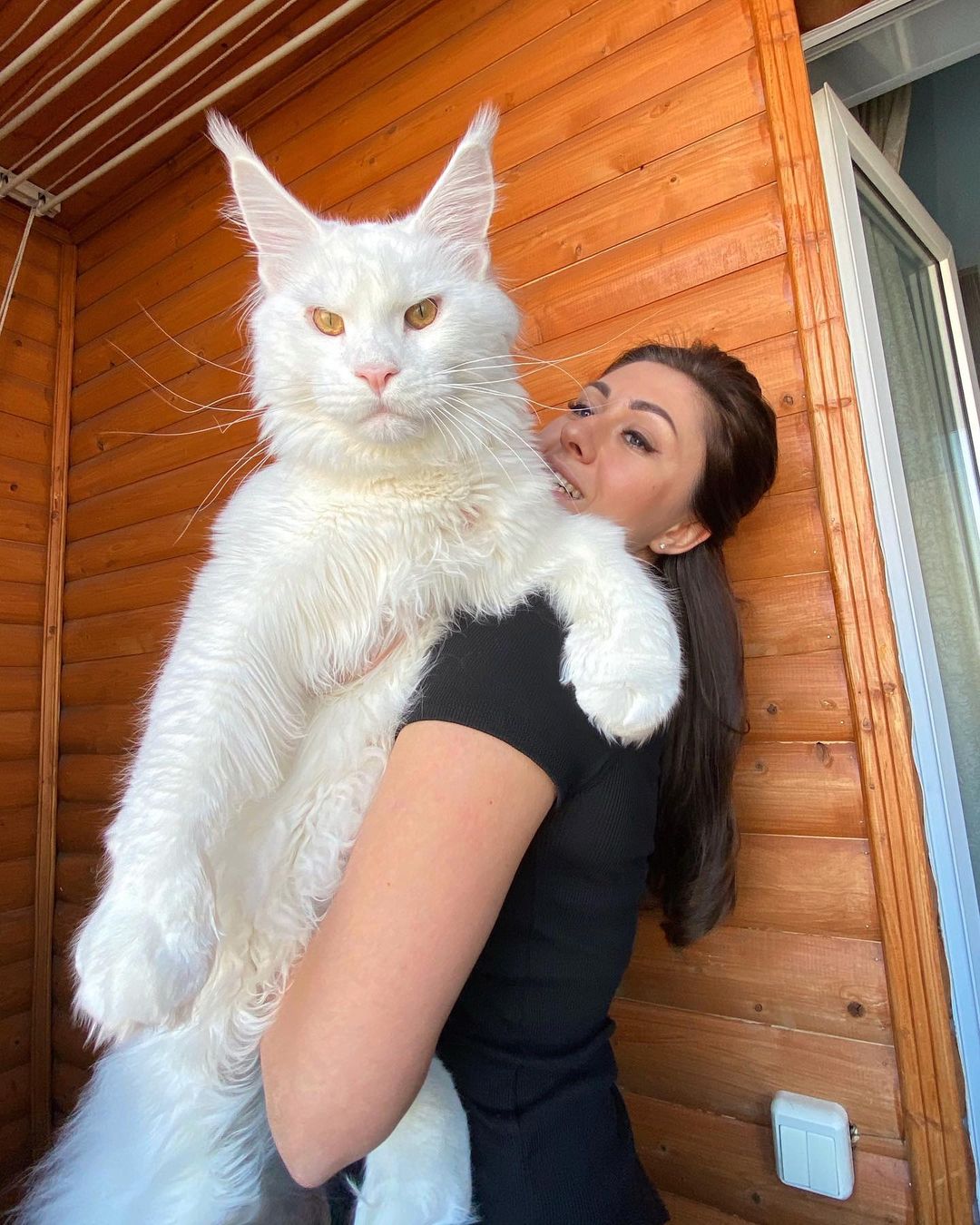
Maine Coon Kefir looks like he could eat three Buddies for breakfast.
It’s not easy having a huge cat.
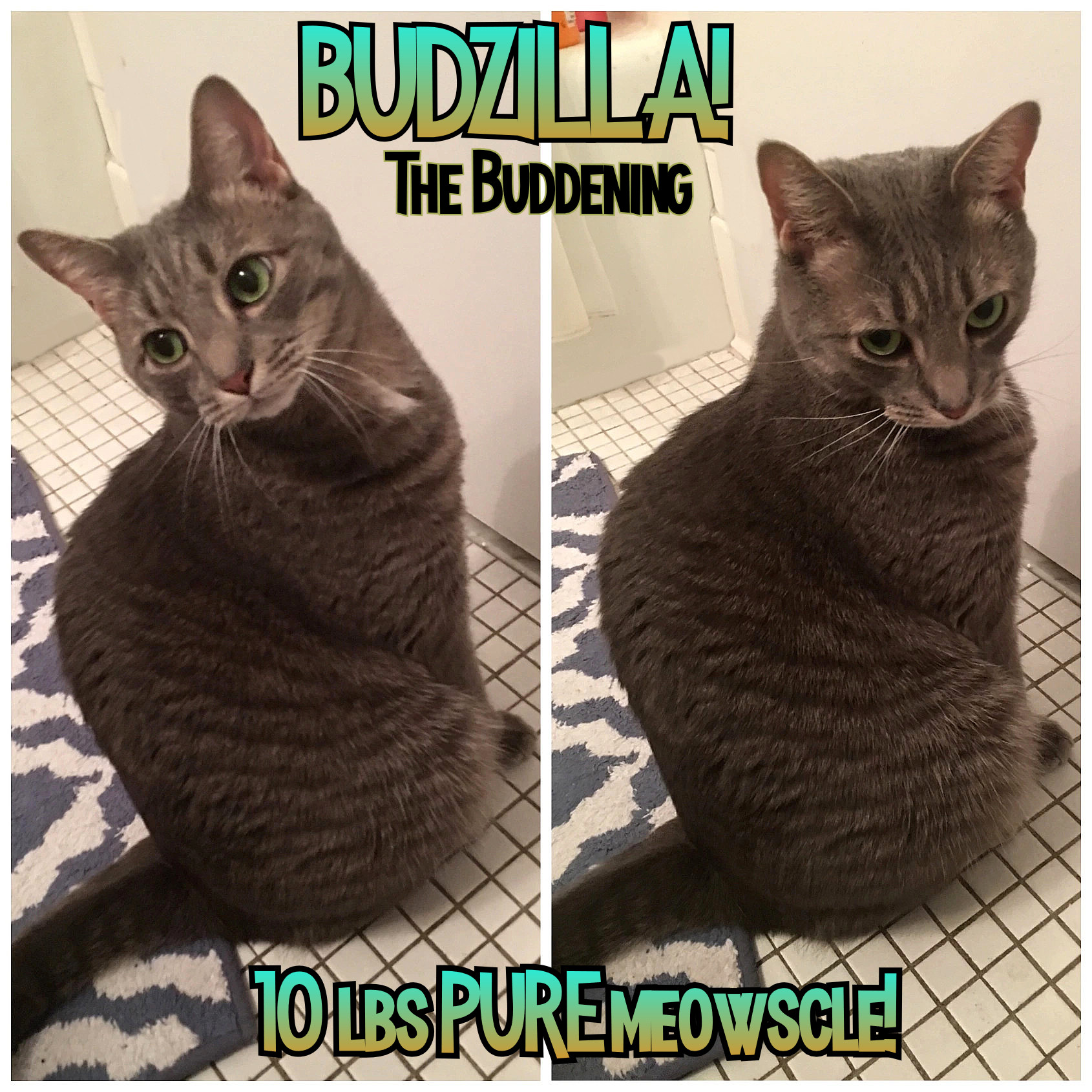
As readers of PITB know, I have first-hand experience with taking care of a massive beast of a cat, with Buddy weighing in at a jaw-dropping 10 pounds, most of it pure meowscle of course.
That means I can sympathize with Russian one-percenter Yulia Minina, who bought a Maine Coon kitten less than two years ago only to see him balloon into an almost 30-pound behemoth — and he’s still growing!
Visitors often mistake Kefir for a large dog at first, Minina said, but the Maine Coon is the kind of gentle giant typical of his species and acts more like “a very affectionate and modest child.”
“When friends and acquaintances come to the house, all the attention is on him and he willingly allows himself to be stroked,” Minina told the UK’s South West News Service.
The scary part? Kefir isn’t done growing. Credit: Yulia Minina/Instagram
While most cats are just about their full size after a year, Maine Coons can continue to grow until after their second birthdays. (There’s no evidence that they continue to grow until they’re 5 years old despite claims online, mostly from breeder sites.) That means Kefir, who already looks like a robust lynx, could end up challenging domestic cat size records if he enjoys another growth spurt.
Kefir is just starting to go viral within the past day or two, and as his Instagram follower count (7,288 as of this post) continues to tick up, so do the enquiries from people who want to buy the big guy.
“To everyone who wants to buy my cat, I answer: NOT FOR SALE!” Minina wrote in an Instagram post on Monday. “But I can give all the information about the breeder that many have asked! At the moment, 3 gorgeous snow-white blue eyes are available in the nursery age 1 month. I think you don’t need to praise their beautiful and big parents, you already know everything!”
No word yet if Minina gets a commission on successful referrals to the breeder.
In the meantime, Buddy can rest easy knowing that even if another cat rivals his huge and intimidating presence, he’s all the way in Stary Oskol, a safe 4,873 miles away.
The similarly massive Buddy, who rivals the size of a football. Credit: The Buddy Society for Preservation of Buddy Photographs
Sometimes it seems like writers at the New York Times are in a competition with each other to prove who’s the most out-of-touch.
The latest effort comes courtesy of Alexandra Marvar, who begins her profile of a designer cat breeder by reminiscing about the good old days when those lacking sense or self-awareness could be fabulous by keeping wild animals as “chic pets”:
Not so long ago, wild cat companions were associated with glamour, class and creativity. Salvador Dalí brought his ocelot to the St. Regis. Tippi Hedren lounged with her lions in her Los Angeles living room. Josephine Baker’s cheetah, collared in diamonds, strolled the Champs-Élysées. In their time, these wild creatures made chic pets.
But, Marvar writes, those animal welfare activists had to come and ruin things for fabulous people:
But by the mid-1970s, a wave of awareness and wildlife protection legislation changed both the optics of owning a big cat, and the ability to legally purchase one.
Killjoys. Don’t they know Dali, Hedren and Baker were just being fabulous? They were being classy and creative! Who has time for people who claim it’s wrong to keep a wild animal that ranges 50 miles a day confined in a living room? They have gilded cages, diamond collars and meals of filet mignon!
Hedren being fabulous with one of her fabulous lions in 1971. Credit: Michael Rougier/LIFE
Now that wild cat ownership has been relegated to mulleted felons and gun-toting Texans who keep exotic cats to hold on tight to “muh freedoms” — stripping the practice of all glamour, class and fabulousness — where can the wealthy turn when they don’t just want pets, but status symbols?
The creators of the latest designer breeds, Toygers and Bengals, of course. Meet our heroes, the late breeder Jean Mill and her daughter, Judy Sugden:
Meanwhile, a cat breeder named Jean Mill was working on a more practical alternative: her leopard-spotted companion was just ten inches tall. At her cattery in Southern California, Ms. Mill invented a breed of domestic cat called the Bengal, which would offer wild cat admirers the best of both worlds: an impeccable leopard-like coat, and an indoor-cat size and demeanor.
Note: If you think a Persian makes you fabulous, surrender that cat to the nearest shelter immediately. Persians are so 2013!
[A Bengal cat breeder] recalled there used to be “tons” of ads for Persian cats in the back of Cat Fancy magazine. But the Persian’s prim, manicured aesthetic is no longer en vogue. “That look doesn’t say, ‘I can survive in the jungle,’” Mr. Hutcherson said. “It says, ‘I need somebody to open this can of cat food because there’s no way this cat is catching a mouse.’”
Carole Baskin, the founder of Big Cat Rescue and a star of Netflix’s “Tiger King,” has called toyger owners “selfish” and said creating new breeds is “strapping a nuclear warhead to the feral cat problem.” Others might argue that compared with shelter pets, designer species (the rarer of which may cost as much tens of thousands of dollars per kitten) are a different beast altogether.
Others might argue! Who are those others? Uh, Marvar and…and…nevermind. The important thing to realize is that there are cats — the riff-raff adopted from animal shelters by plebs — and there are chic, elegant, glamorous beasts. To compare a shelter pet to a Toyger would be like comparing a Geo Metro to an Aston Martin.
Brigette Helm being fabulous with her cheetah in 1932.
A close-up of Josephine Baker’s cheetah, Chiquita, and her diamond collar, photographed in the 1920s. Credit: FrockFlicks
In the glowing profile of Mill’s daughter, the toyger breeder — whose cats the Times compares to the Mona Lisa and whose work it describes as a “creative effort” in “cultivating” perfect “beasts” — the newspaper devotes a single line to those who object to the industrial manufacture of designer pets when shelters are forced to euthanize cats who aren’t adopted:
…the designer cat market is a thriving one where supply rarely meets demand, and in its service, more than 40,000 registered house cat breeders around the world are devoted to supplying pet owners with Ragdoll, Sphynx and other prized breeds. (PETA has argued this clientele should instead adopt cats from a shelter.)
The fact that 1.4 million pets are put down every year in the US wasn’t considered important enough to mention in the Times story. Too much of a buzzkill. Ain’t no one got time for that!
The rest of the Times’ editorial staff and its stable of contributors will have a tough time topping Marvar’s masterpiece. But as they try — and try they will — remember these are the same people who want to teach the rest of us about privilege and inequality in modern society as they social distance in their Scarsdale homes and file their stories from their couches next to their $10,000 pets.
Hedren enjoying a fabulous ride on one of her chic, fabulous lions in 1971. Credit: LIFE
Wild cats are the preferred fabulous pets of ultra-wealthy twats who want to show off their wealth on social media.
More than 3 billion people live on less than $2.50 a day, while Paris Hilton’s dog lives in a two-story air-conditioned mansion.




 Pain In The Bud