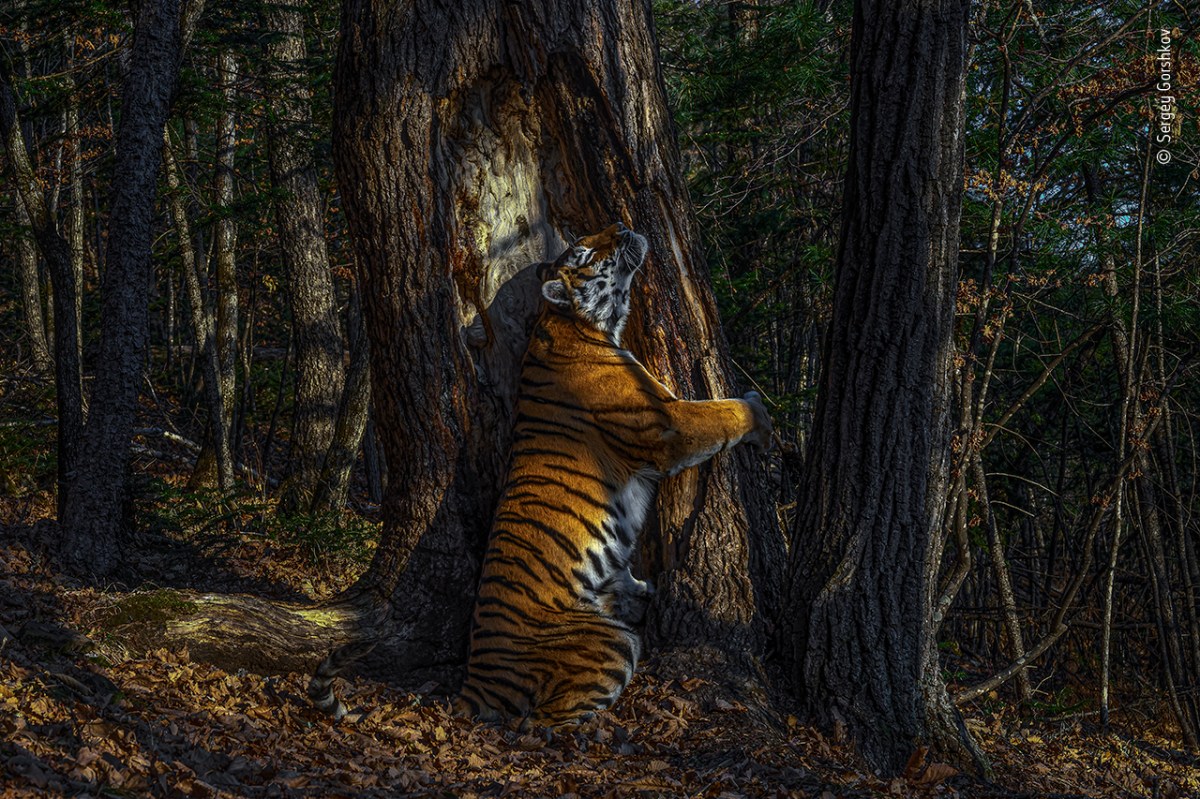
An ethereal photo shows an Amur tigress scent-marking an ancient tree in Siberia.
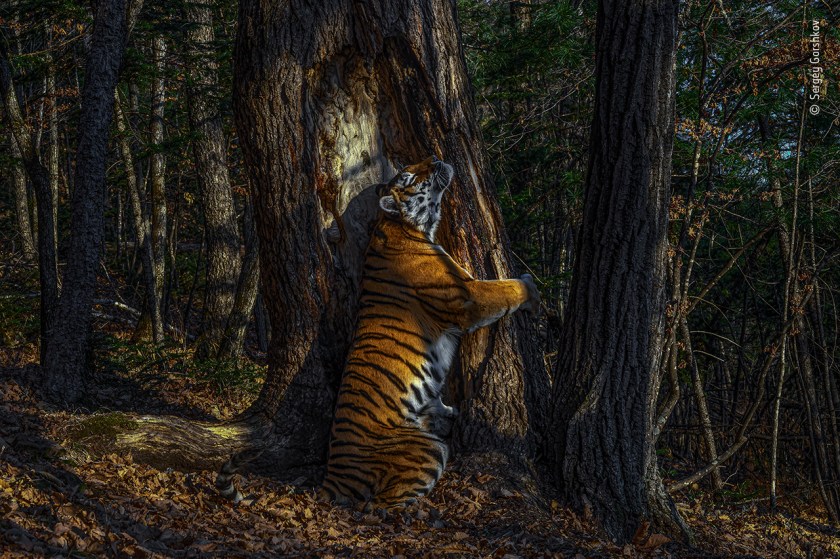
A photo of a tigress hugging a tree in Siberia has won the prestigious Wildlife Photo Of The Year from London’s Natural History Museum.
Photographer Sergey Gorshkov beat out almost 50,000 other entrants with his winning photograph, taken in Land of the Leopard National Park, a large reserve for tigers and leopards in Far East Siberia.
Gorshkov set up his camera facing a tree that already had claw marks, signaling that it’s been used as a territorial marker by at least one of more than 30 adult tigers in the park.
Sure enough, a tigress stopped to claw new marks on the tree and rub her scent on it, which is the same behavior we see with house cats when they rub on objects — and people — in the home. Cats have scent glands on their faces and paws which allow them to mark objects with pheromones. It’s a cat’s way of leaving a “sign” saying “This is mine.”
The photo has an ethereal quality, with the tigress and tree illuminated by shafts of sunlight poking through the canopy of the ancient forest.
An announcement from the park’s staff describes the scene:
The photo titled “Hugs” shows the moment in which the rarest Amur tiger hugs a century-old fir to mark the target tree with its scent. Sergey Gorshkov, with the support of professional guides from Land of the Leopard, took a picture using a professional camera with a motion sensor.
“This is a scene like no other, a unique look at an intimate moment deep in a magical forest,” said Rose Kidman Cox, chairwoman of the contest’s jury.
The photo “inspires hope” for the endangered Amur tiger, Cox said. In addition to the 30-plus tigers, Land of the Leopard National Park is also home to at least 10 tiger cubs and almost 100 leopards.
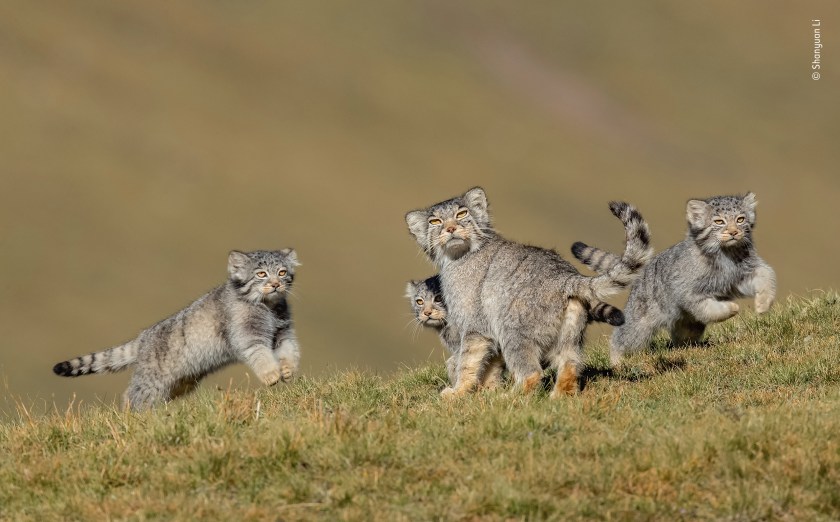
Gorshkov’s photo wasn’t the only feline winner this year. “When mother says run,” a photograph by China’s Shanyan Li, shows a trio of Pallas’ cubs with their mother “on the remote steppes of the Qinghai-Tibet Plateau in northwest China.” The photograph won in the mammalian behavior category.
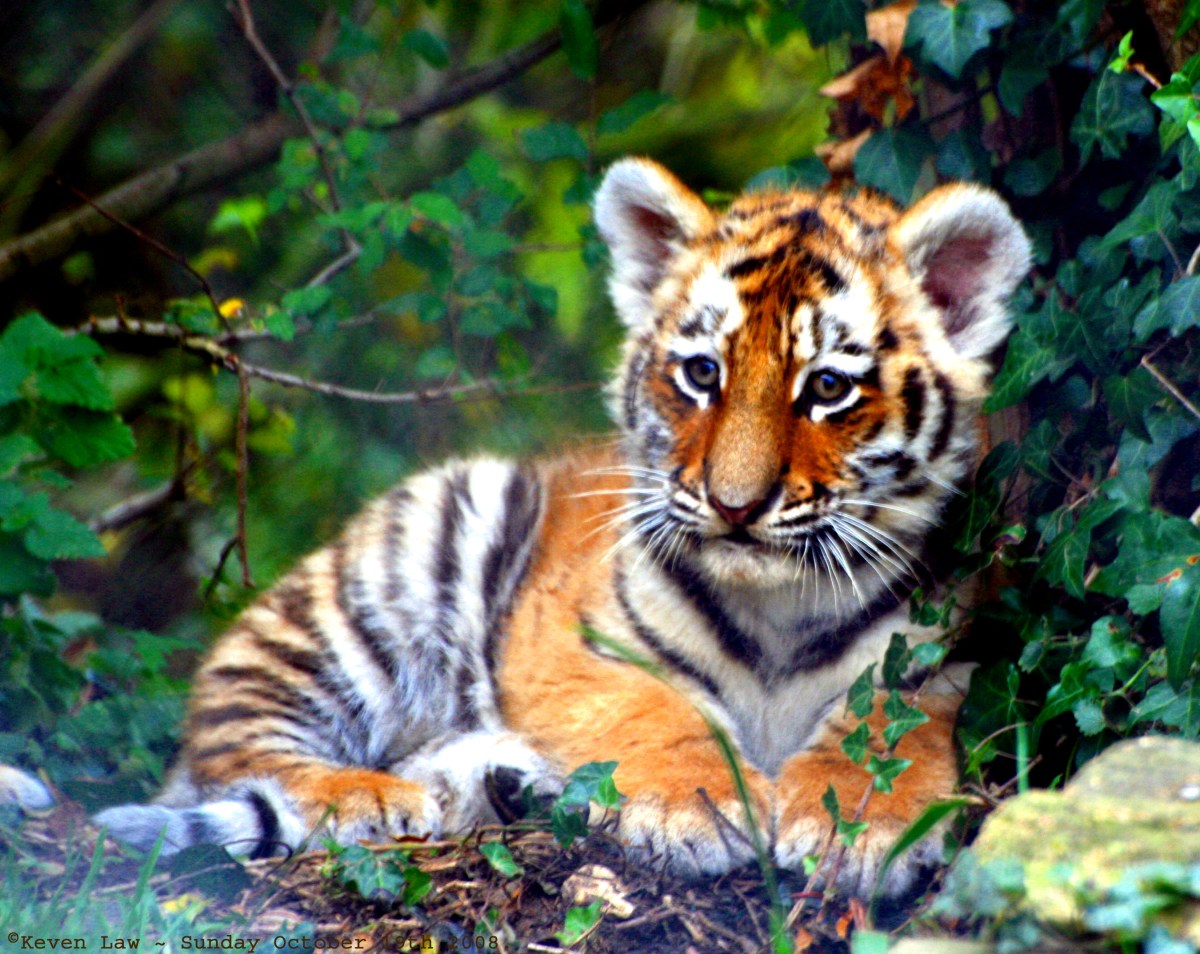
A French couple who answered an online ad to buy a Savannah kitten ended up with a tiger cub instead.
The couple, from Le Havre — a coastal town in Normandy, about 110 miles west of Paris — plunked down $7,000 for the little cat, who they were told was an exotic mix between a Serval and a domestic cat.
After about a week, they realized their “kitten” was a tiger cub and contacted authorities, UPI reported. Specialists from the French Biodiversity Office determined the cub is a Sumatran tiger and are caring for the growing cat.
That happened back in 2018, and the reason we’re only hearing about it now is because French police have completed their investigation in which they tracked down the seller and arrested nine people on animal trafficking laws.
There are only some 4,000 tigers remaining in the wild in the entire world. Habitat destruction, poaching and the illegal wildlife market are the primary causes pushing the iconic big cats to extinction.
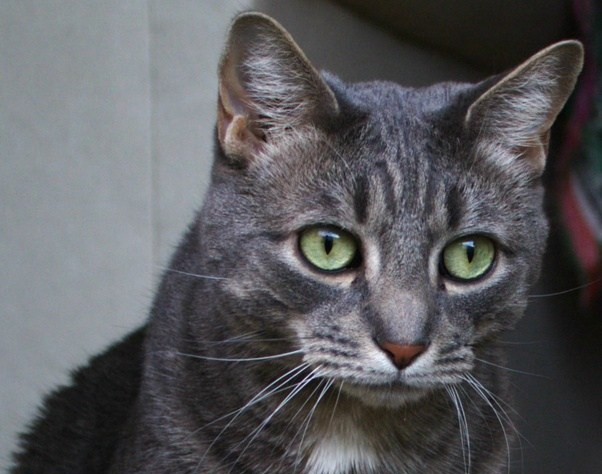
Meanwhile, Buddy the Cat believes he too was born of wild tiger stock and was mistaken for a common kitten when he was adopted by Big Buddy.
“Obviously, they dyed my fur gray,” Buddy said. “But they couldn’t do anything to hide how ripped I am.”
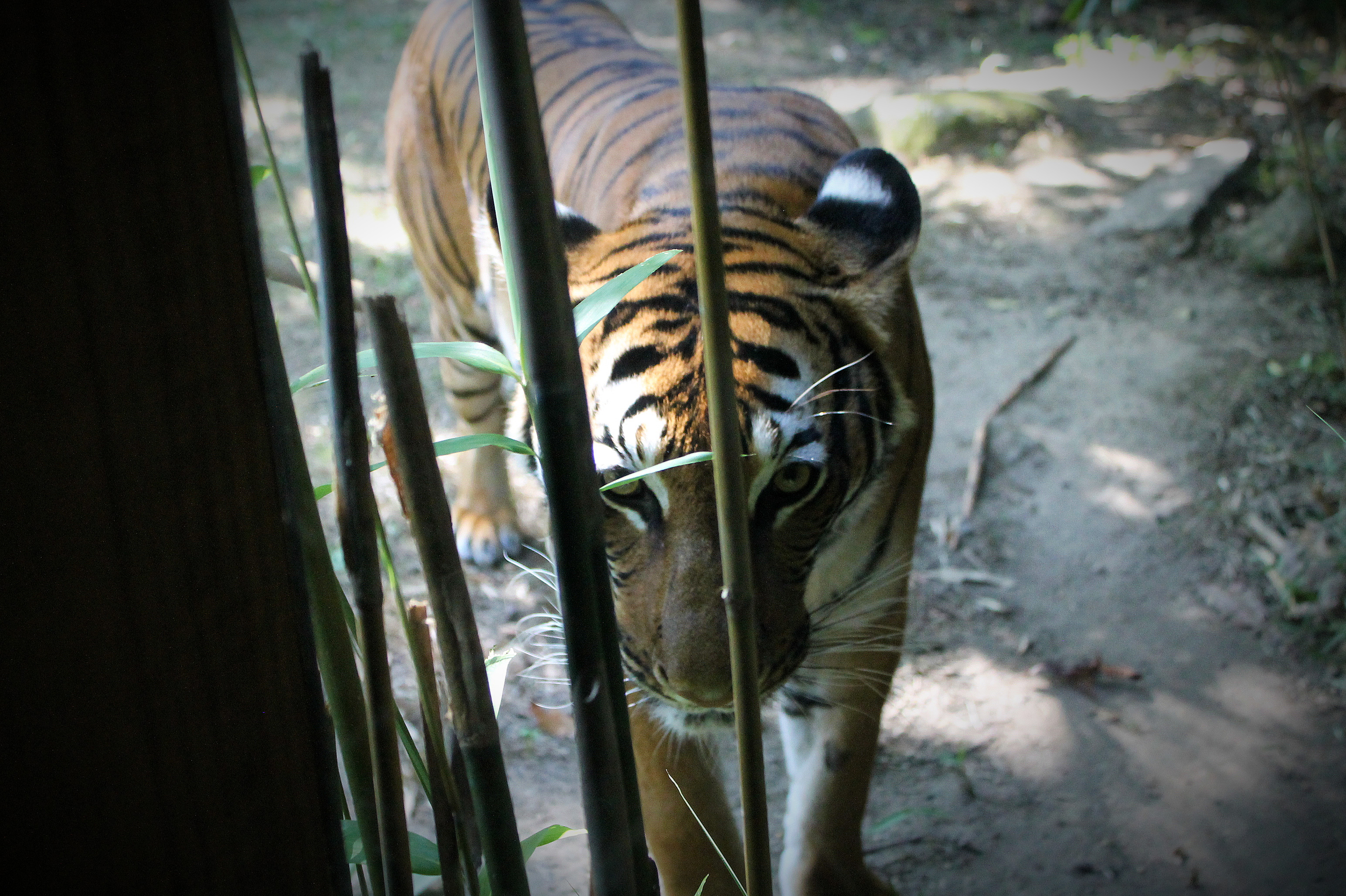
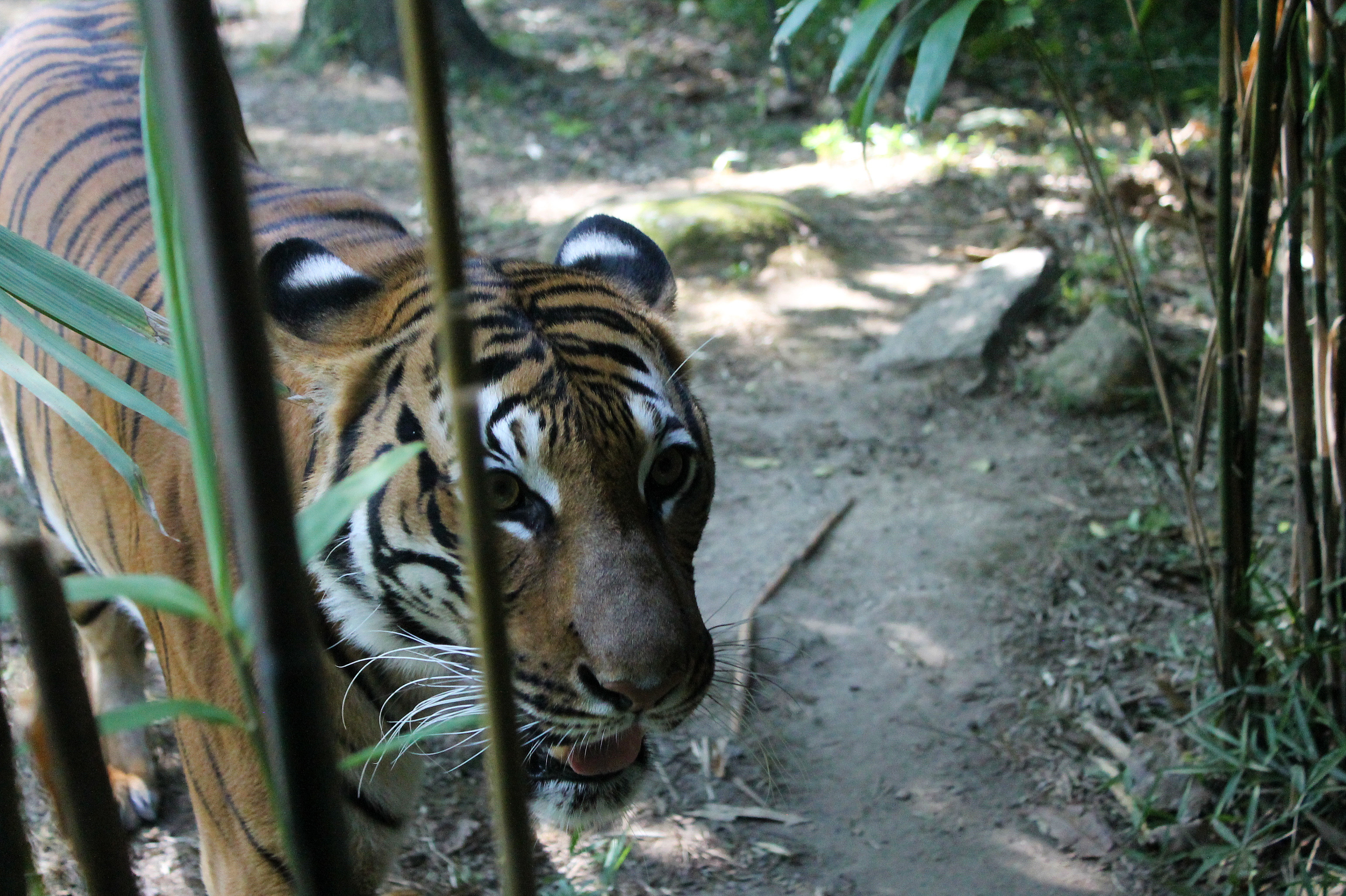
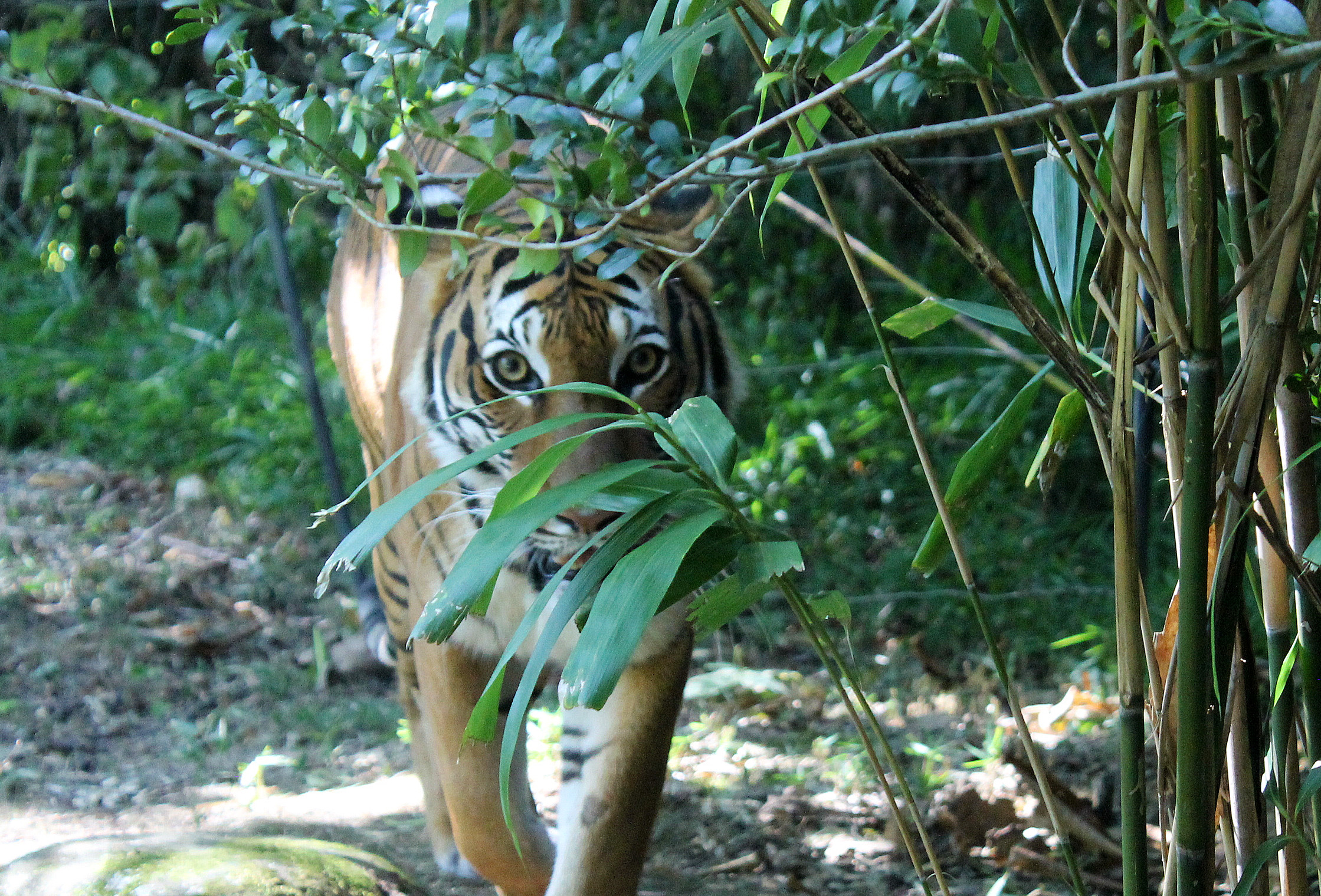
A mere three feet away, the tiger looked me in the eye.
The big cats at the Bronx Zoo have had a rough 2020 too.
First the zoo was shut down — along with thousands of other gathering places — due to the novel Coronavirus.
Then a tiger at the zoo got sick and tested positive for COVID-19, marking the first positive test for an animal in North America and the first recorded instance of human-to-tiger transmission. Seven other big cats at the zoo caught the virus, including four tigers and three lions.
Thankfully they recovered and everything — or almost everything — looked normal when I visited this week.
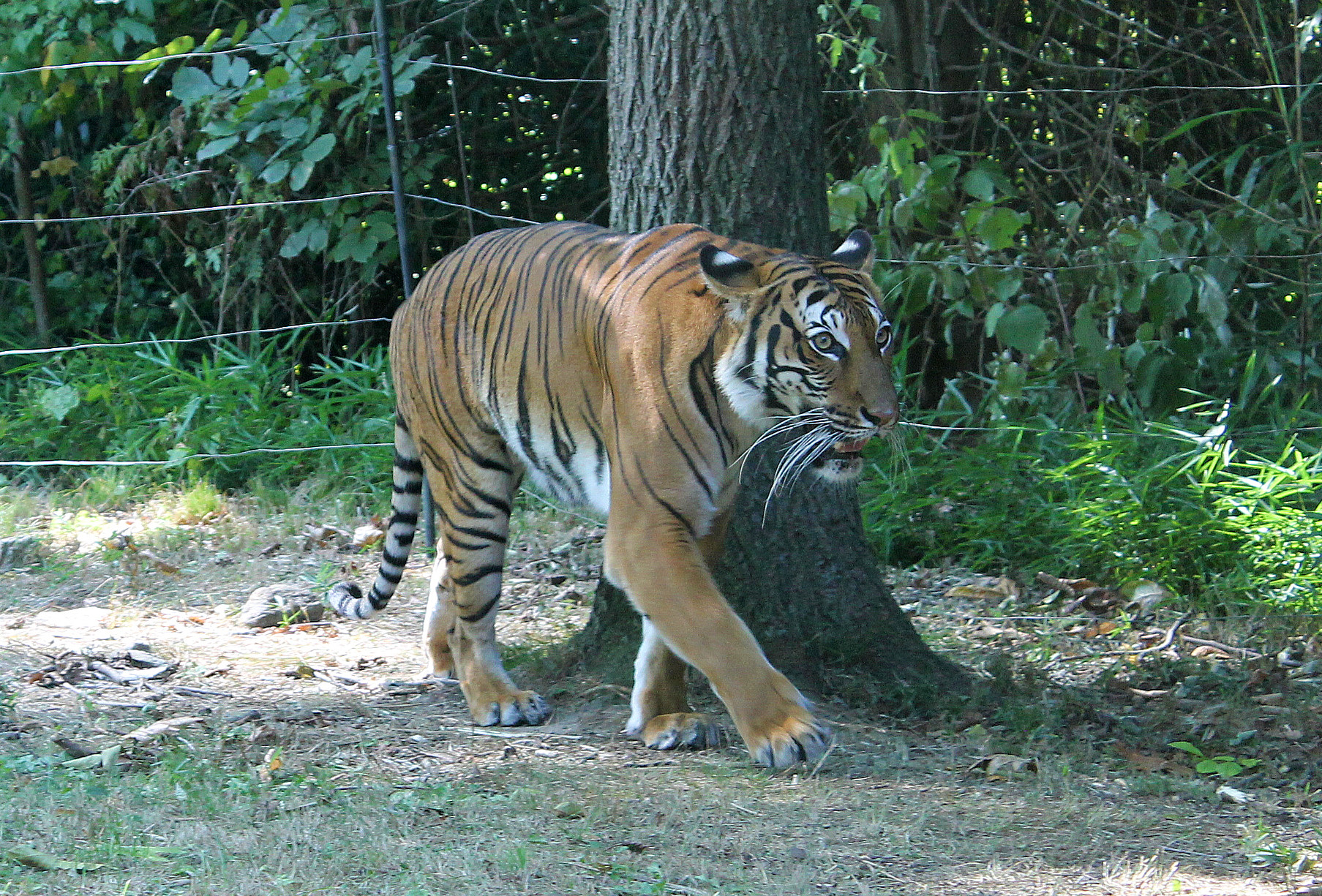
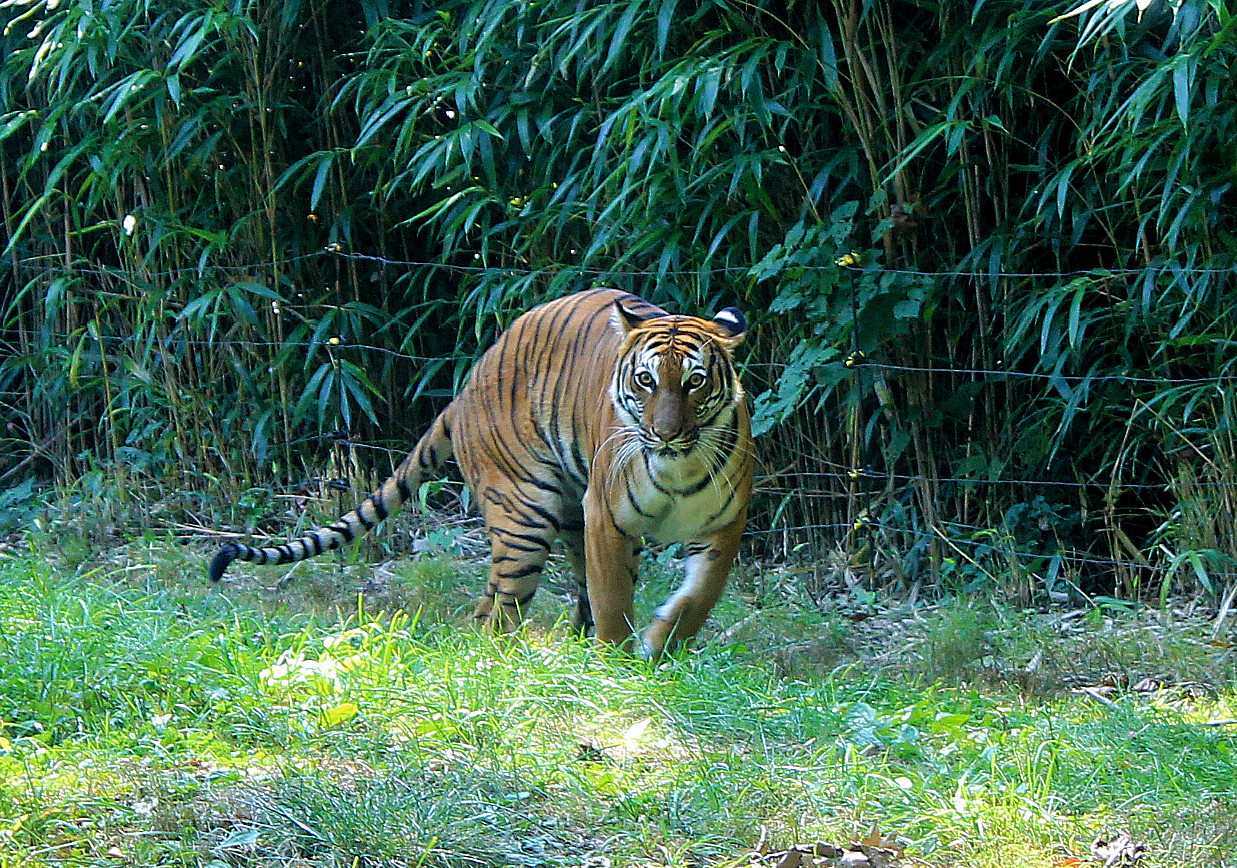
One of the awesome things about the zoo’s Tiger Mountain is that it has a trio of viewing ports that provide a prime view of a small pond where the tigers drink, swim and nap.
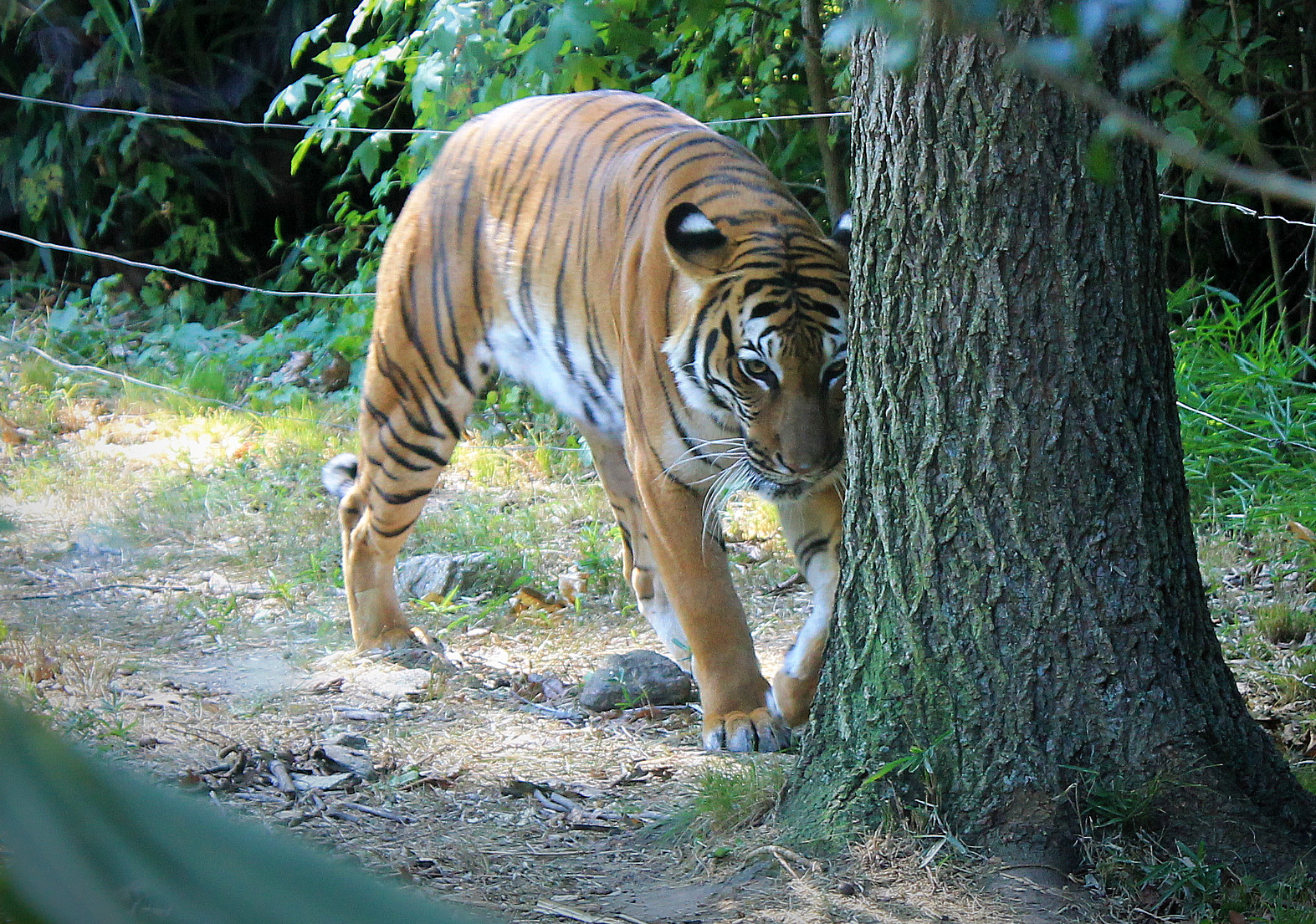
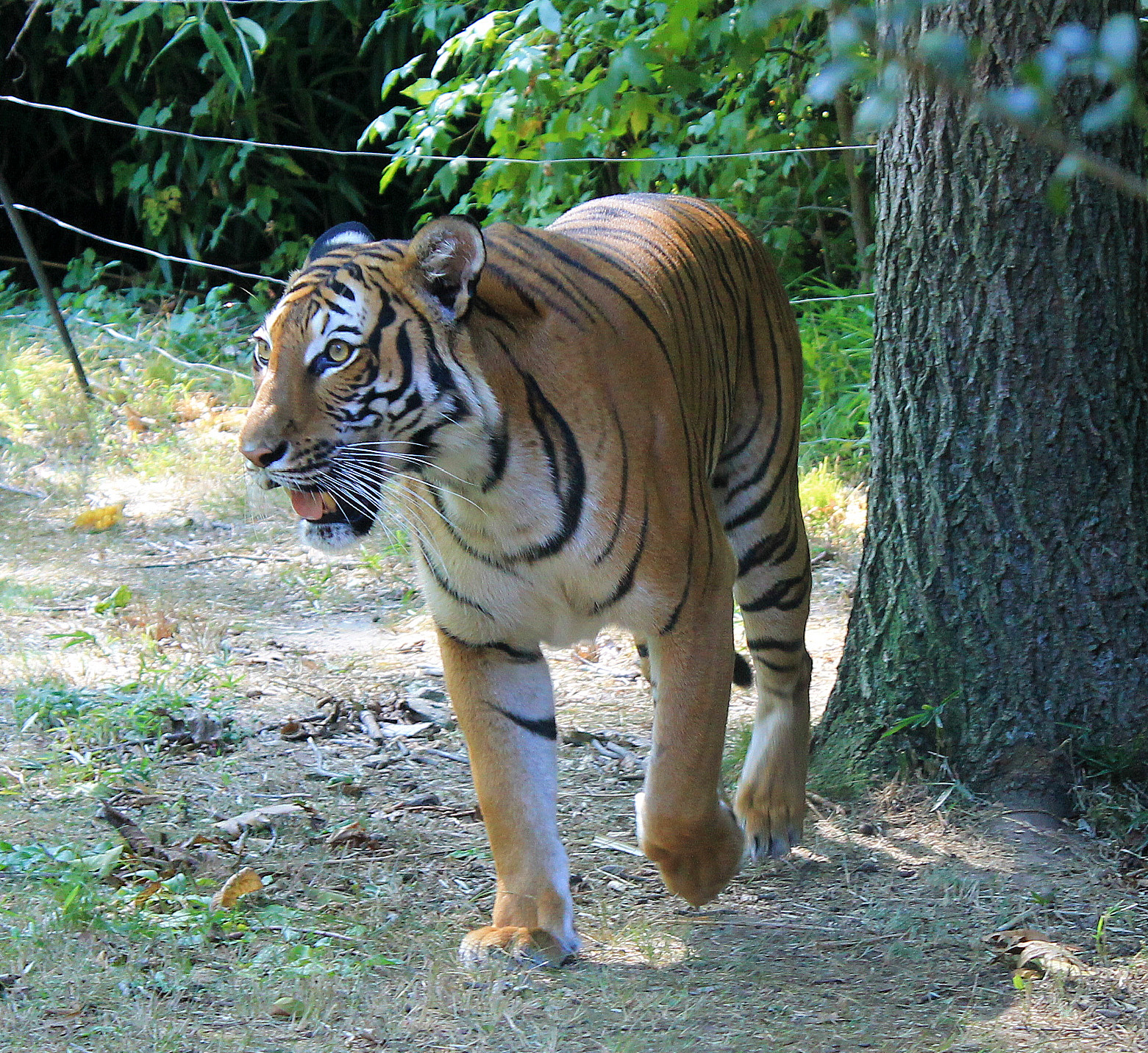
This tiger lounged in the distance for a few minutes, then got up and gave us a show.
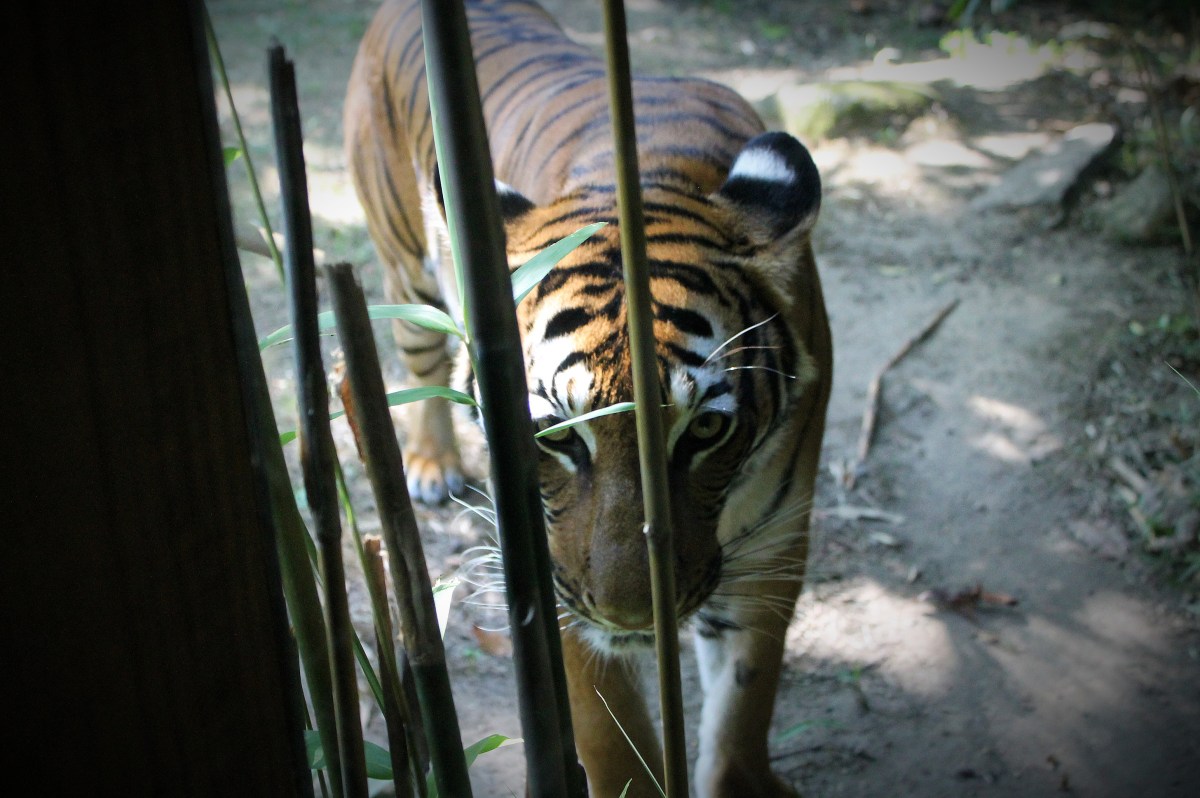
At one point the tiger came right up to the glass and looked at me:
Standing three feet from a tiger is an experience, glass or no:
Not as terrifying as Buddy’s visage, of course, but still something to behold.
The lions were less welcoming. They were clumped up in the shade of an oak tree, snoozing without so much as a tail flick for motion.
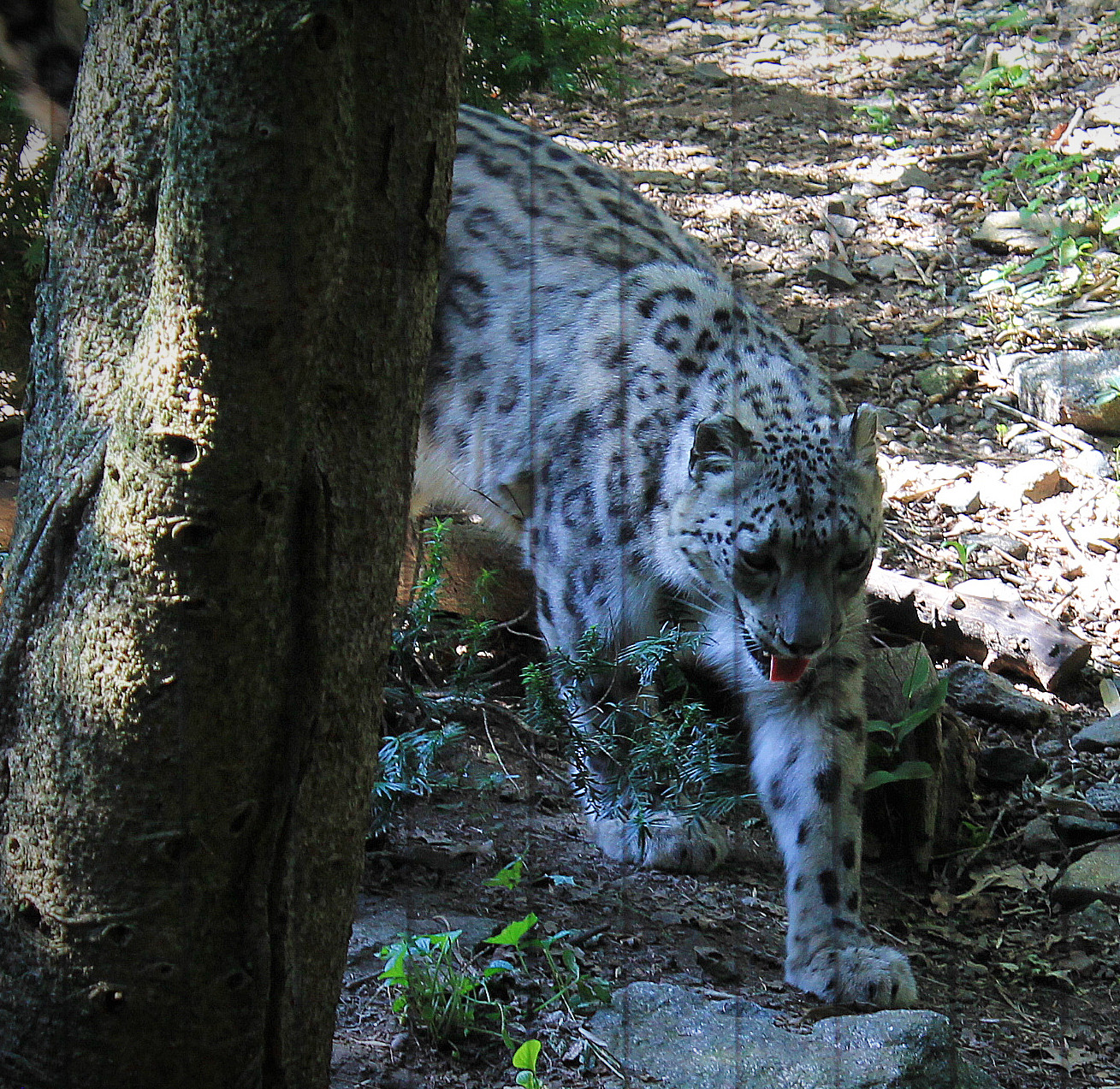
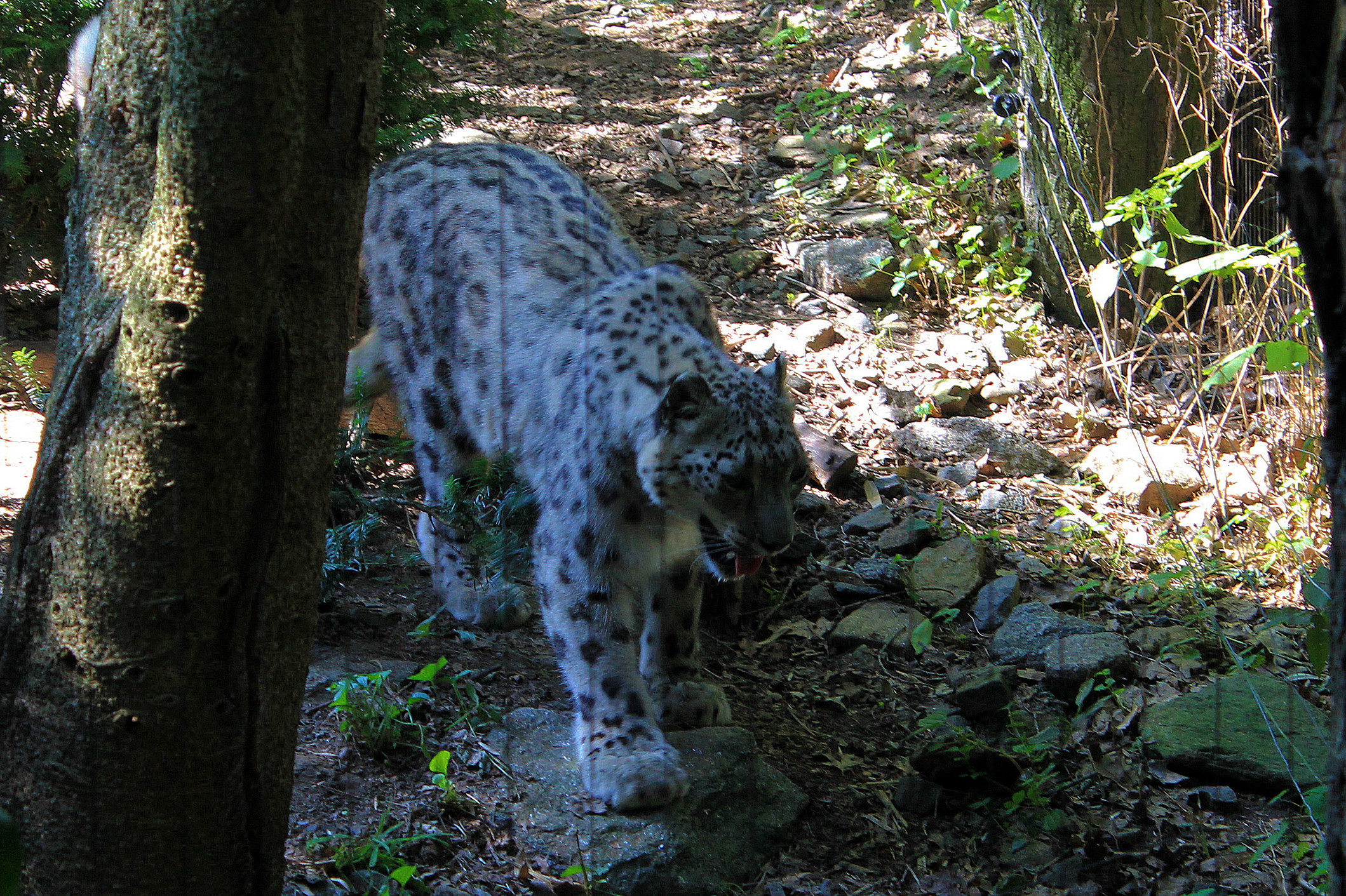
Next was a snow leopard. This guy clearly didn’t deal well with a lot of humans gawking at him, and I could only snap a few shots before he retreated back up a hill in his enclosure, where the angle and brush gave him a measure of cover from human eyes.
I also saw him spinning in a circle repeatedly, a sign of zoochosis. I’m not an animal behaviorist and I’m not qualified to judge the work of the Bronx Zoo’s keepers, who obviously care a great deal for their animals. It’s just a reminder that even the best zoos in the world — with entire teams dedicated to things like enrichment and enclosure design — struggle to keep animals healthy and happy in captivity.
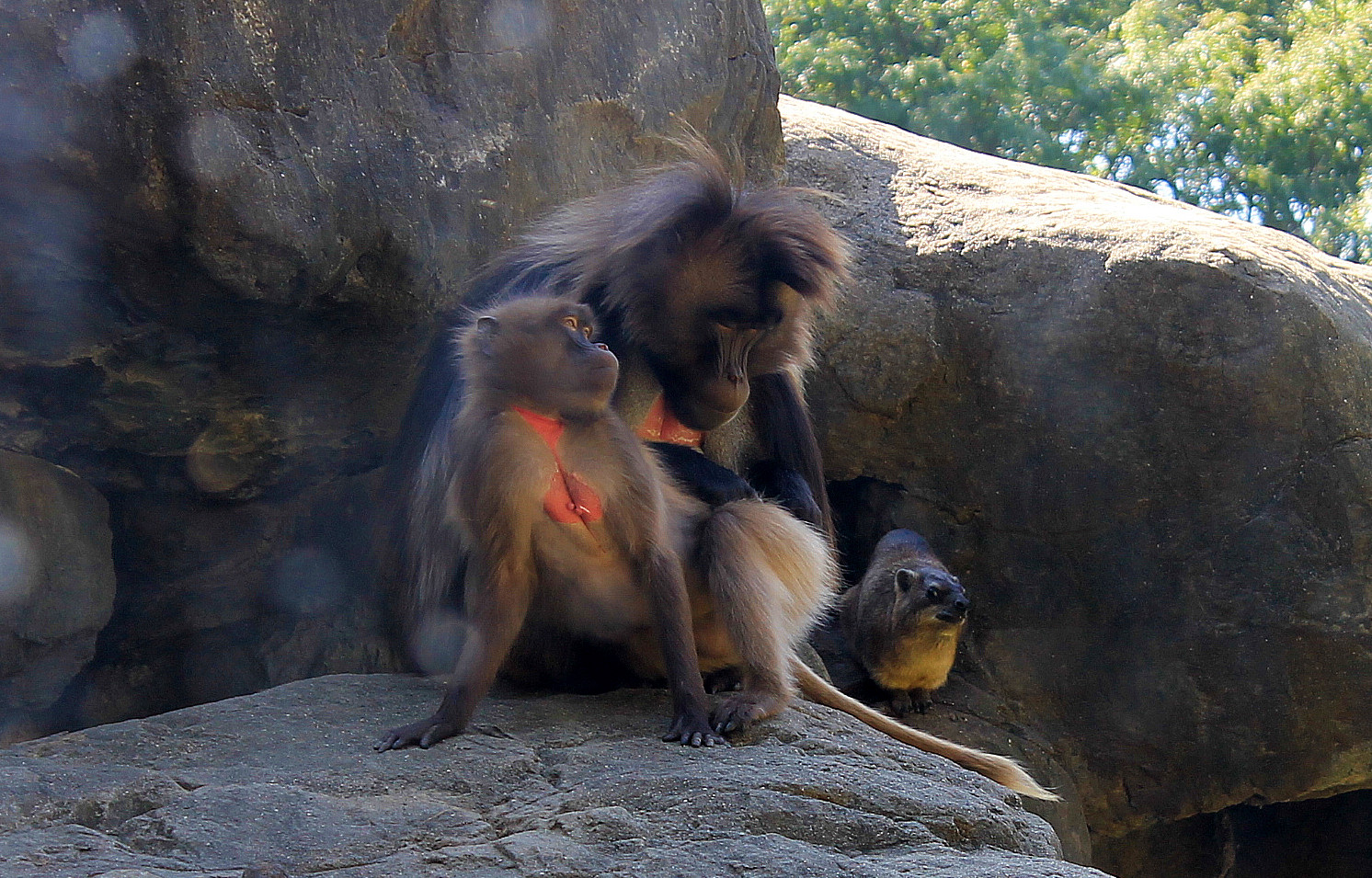
Even though the name of their species sounds like an Italian dessert and they’re often mistaken for baboons, Gelada are old-world monkeys native to the grasslands of Ethiopia.
Geladas are the only primate species that are grazers: Up to 90 percent of their diet consists of grass and grass seeds. They’re easily recognizable by the hourglass-shaped furless patches on their chests, and they’re the only monkeys to form “herds” instead of troops, with an individual herd’s size swelling to more than 1,000 at a time.
When Geladas aren’t eating they’re grooming each other. Allogrooming, or social grooming, doesn’t just help monkeys keep their fur neat and free of parasitic bugs — it’s also a way of maintaining social bonds and reducing tension.
When I visited, I saw a male Gelada grooming a female. Female “heart patches” are usually more pale than their male counterparts, except when they’re in heat. So it’s probable that this scene is a bit of foreplay during mating season:
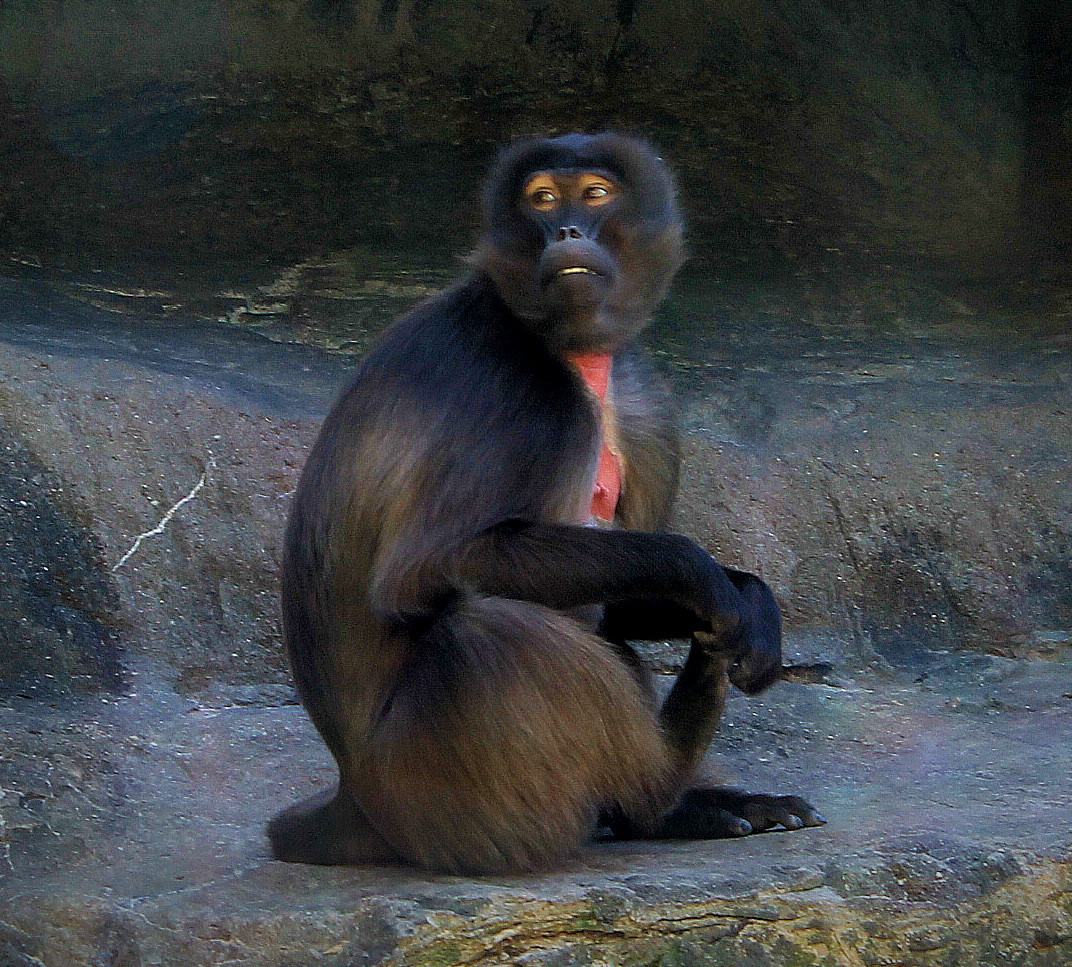
A female on the rocks nearby. The enclosure features a series of cliffs surrounding central grassland, closely mimicking the species’ native habitat:
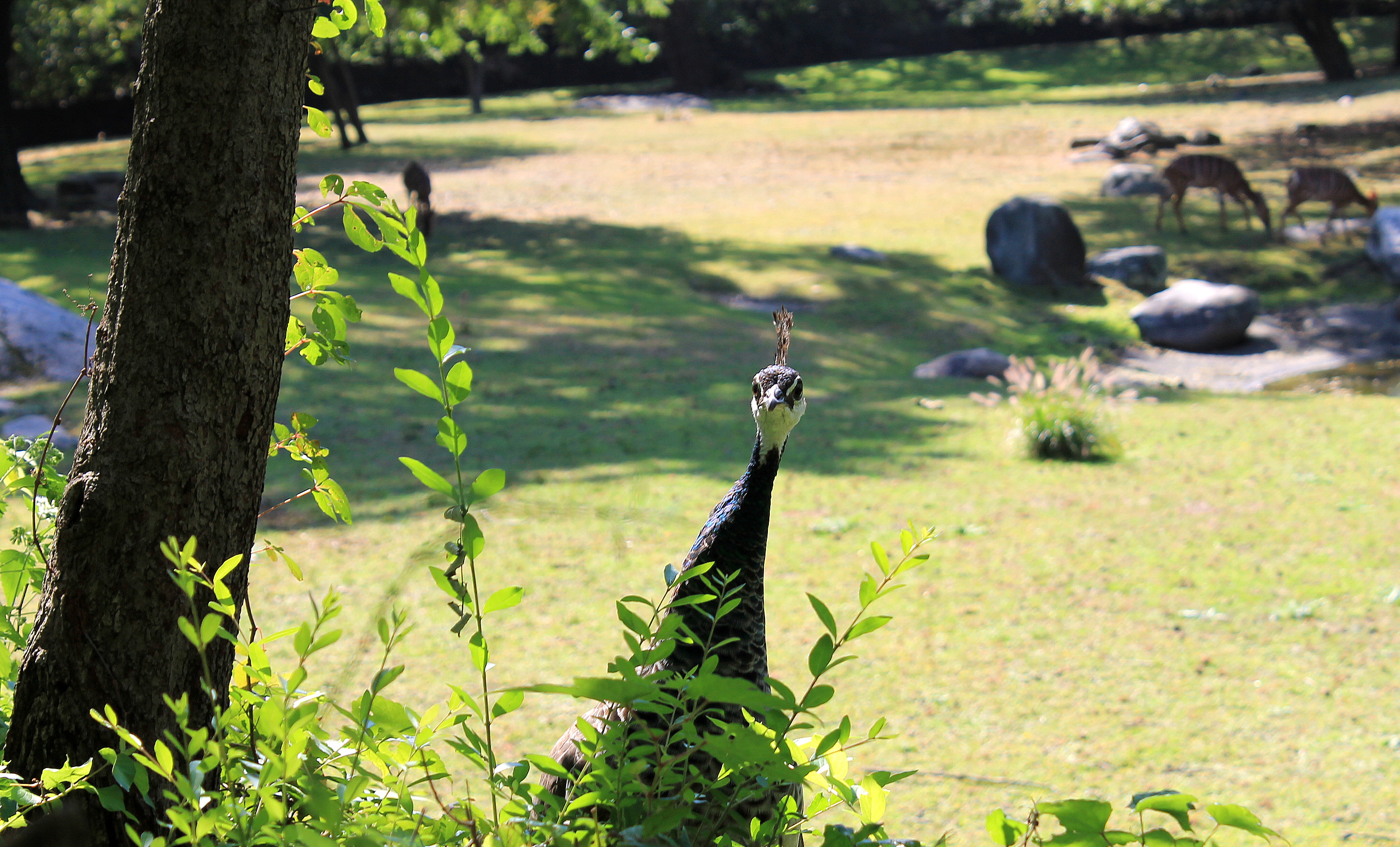
This bird got within feet of the path adjacent to its exhibit, and its kind seem to have free reign within the park, as I saw another one hanging out in a wooded area earlier.
I have no idea what kind of bird this is, but he was very vocal and insistent about something:
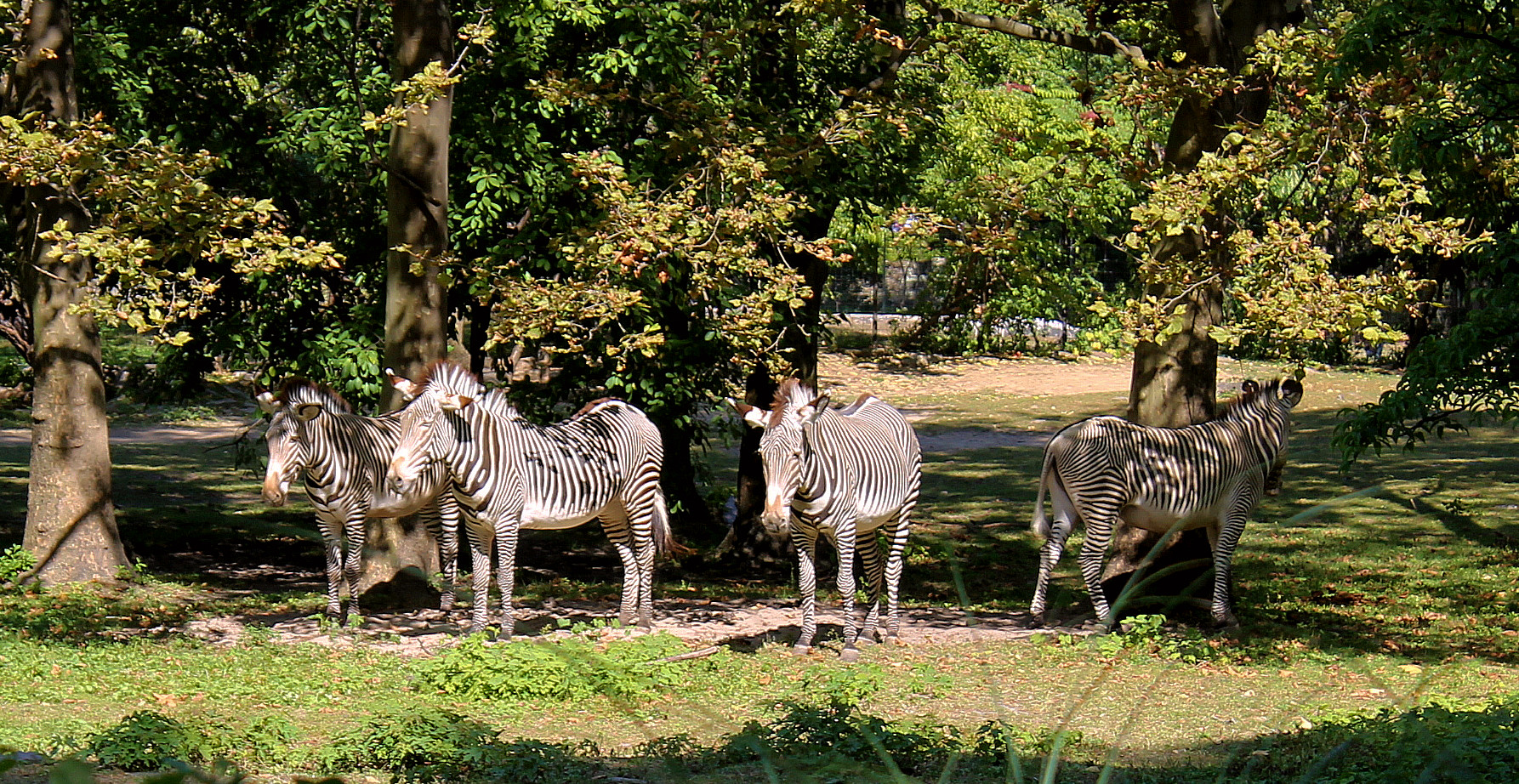
A group of zebras. I think they were sleeping. These four didn’t move a muscle, and zebras are one of a handful of species who can sleep while standing upright.
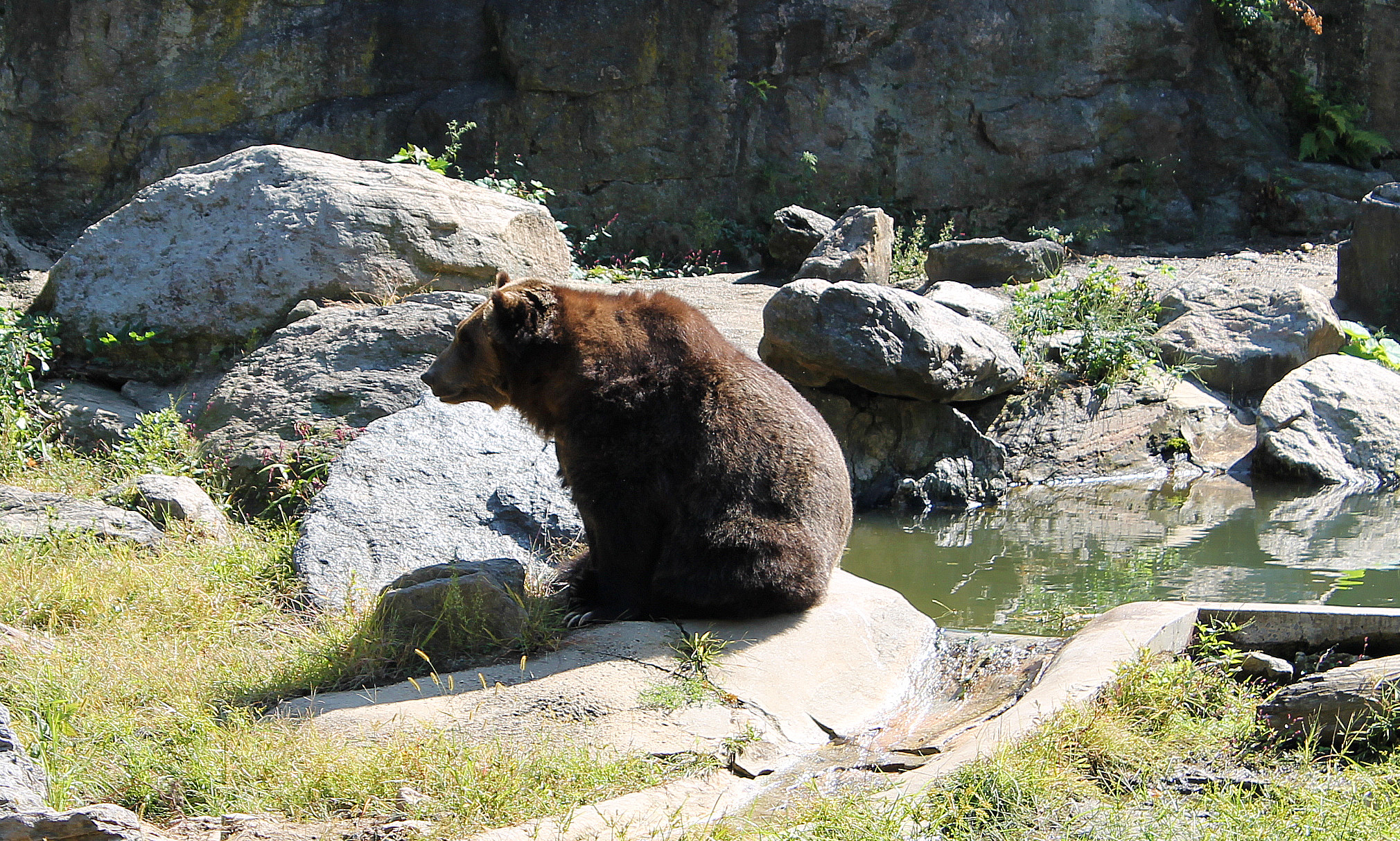
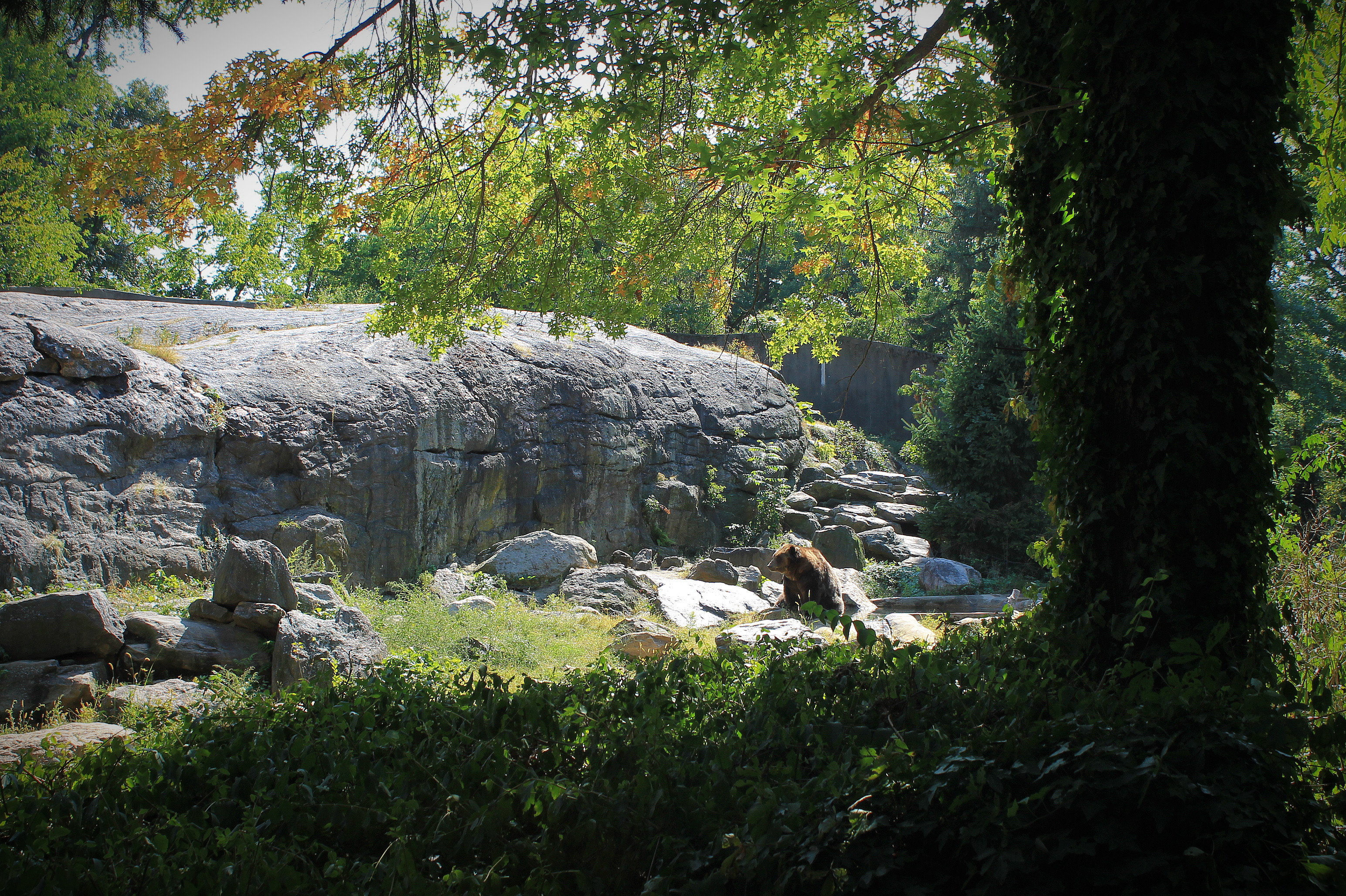
A brown bear enjoys the warm weather, which topped out at almost 80 degrees. Another bear was nearby, taking a dip in the pool.
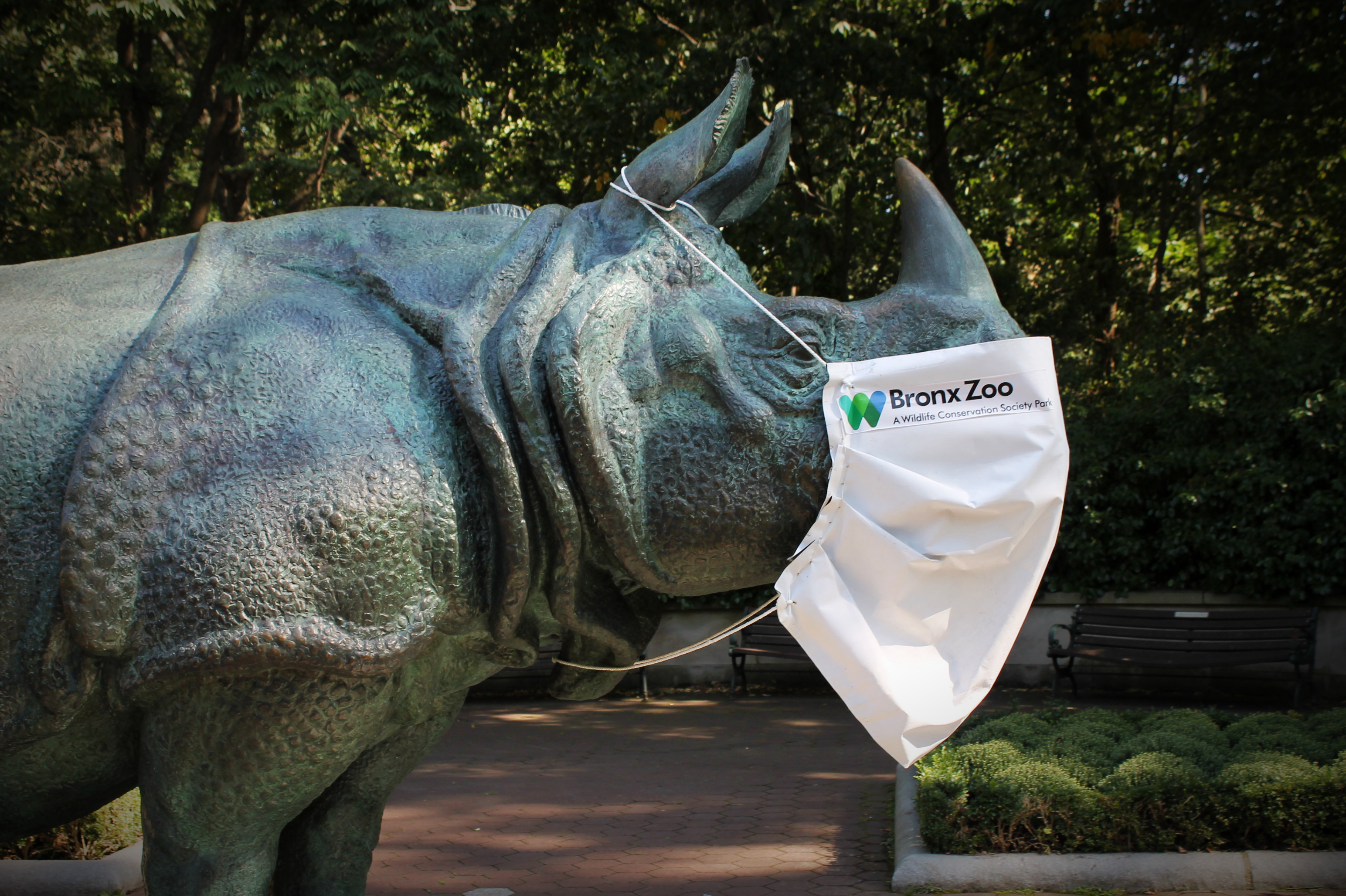
And finally, a friendly reminder to the zoo’s visitors: Wear your masks! The zoo enforces an always-on policy for masks, which I think is a reasonable precaution. While masks may not be strictly necessary while strolling down the wide visitor paths of the zoo, viewing spots at popular exhibits can get crowded, and some of them are partially-enclosed.
A small act of cruelty in an industry that has visited immeasurable cruelties on big cats.
Look at the balls on this one!
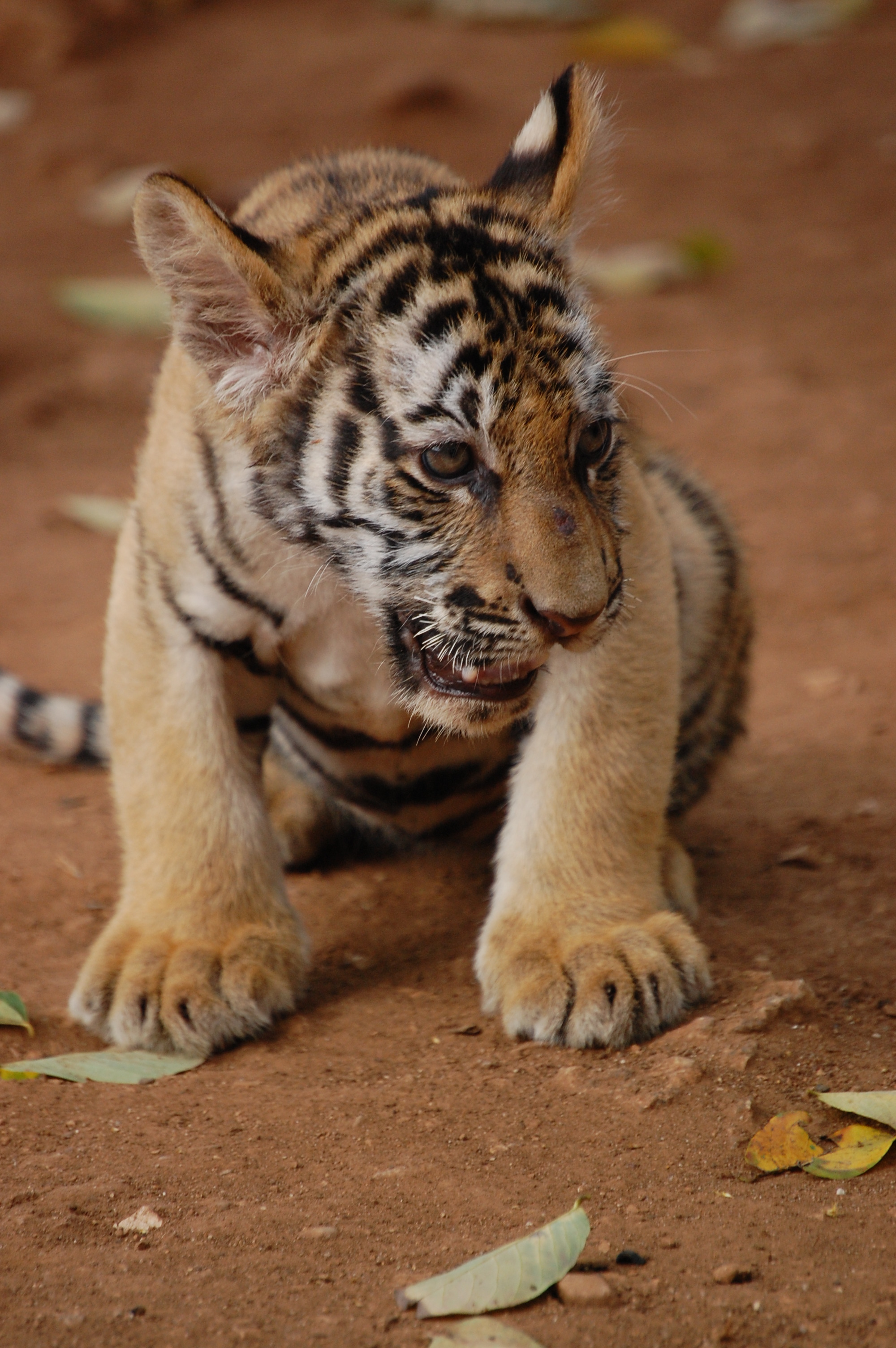
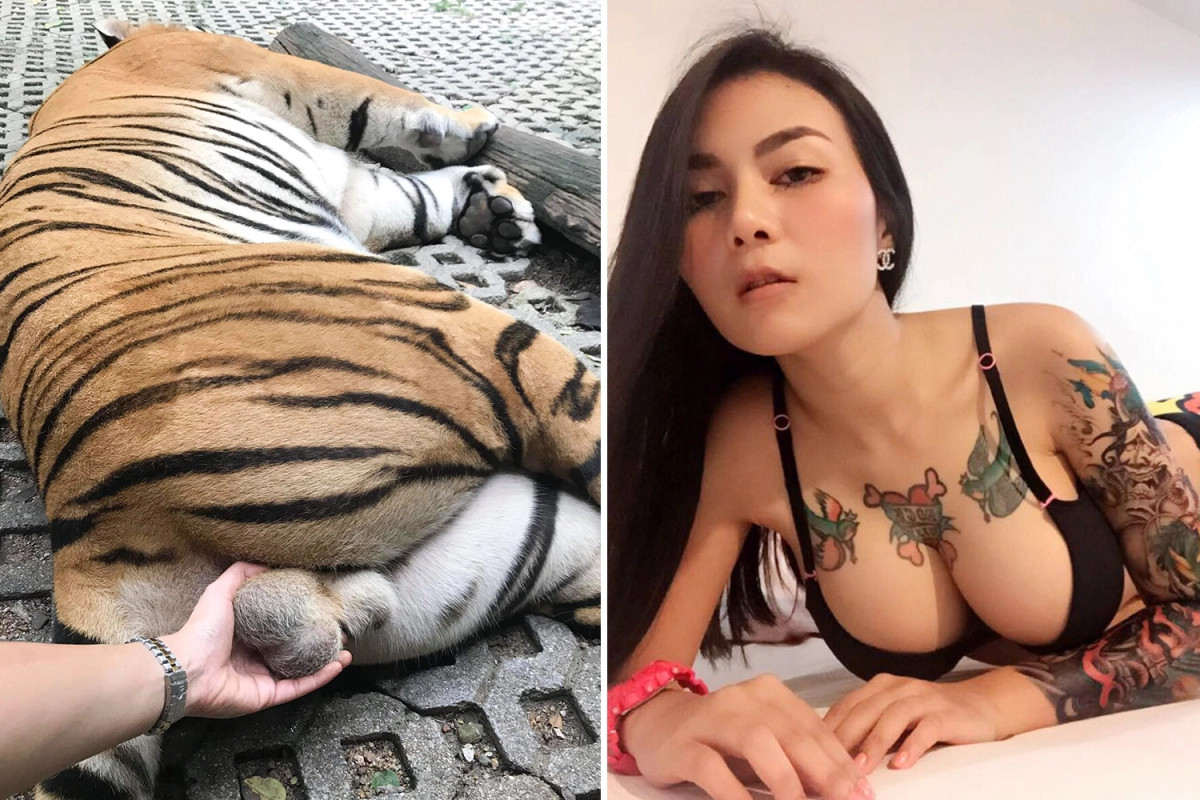
A woman from Thailand apparently decided that caging, beating and sedating tigers for selfies wasn’t enough mistreatment for Earth’s critically endangered apex predators. You can always add more insult, just a little icing on the “We Destroyed Your Entire Species” cake, by grabbing a handful of tiger testicles and mean-mugging for a selfie.
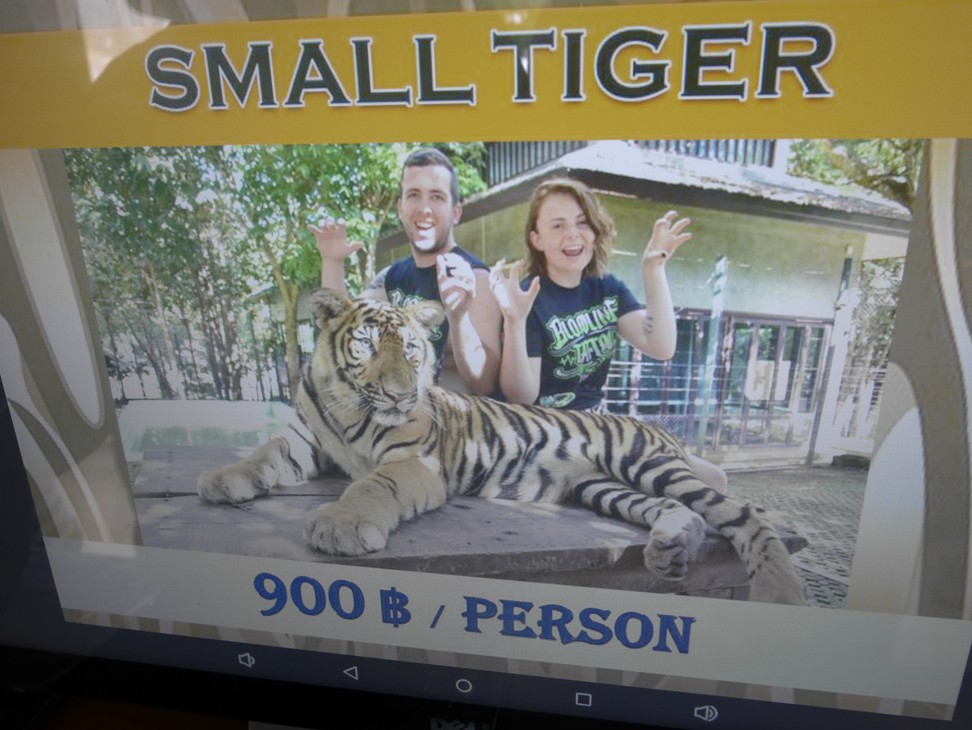
Of course the reason the tourist, named Waraschaya Akkarachaiyapas (also referred to as Khun Waraschaya in some media reports), was able to enter the tiger enclosure and pose with the tigers in the first place is because the keepers at Tiger Kingdom zoo in Thailand sedate the animals until they can barely yawn, rendering them incapable of defending their personal space or doing anything other than laying down as tourist after tourist touches them and poses for selfies.
Tiger Kingdom was at the forefront of the so-called “Disneyfied” “zoo experience,” in which the operators rake in millions by breeding tiger cubs like an assembly line and charging tourists to interact and pose for photo with the animals.
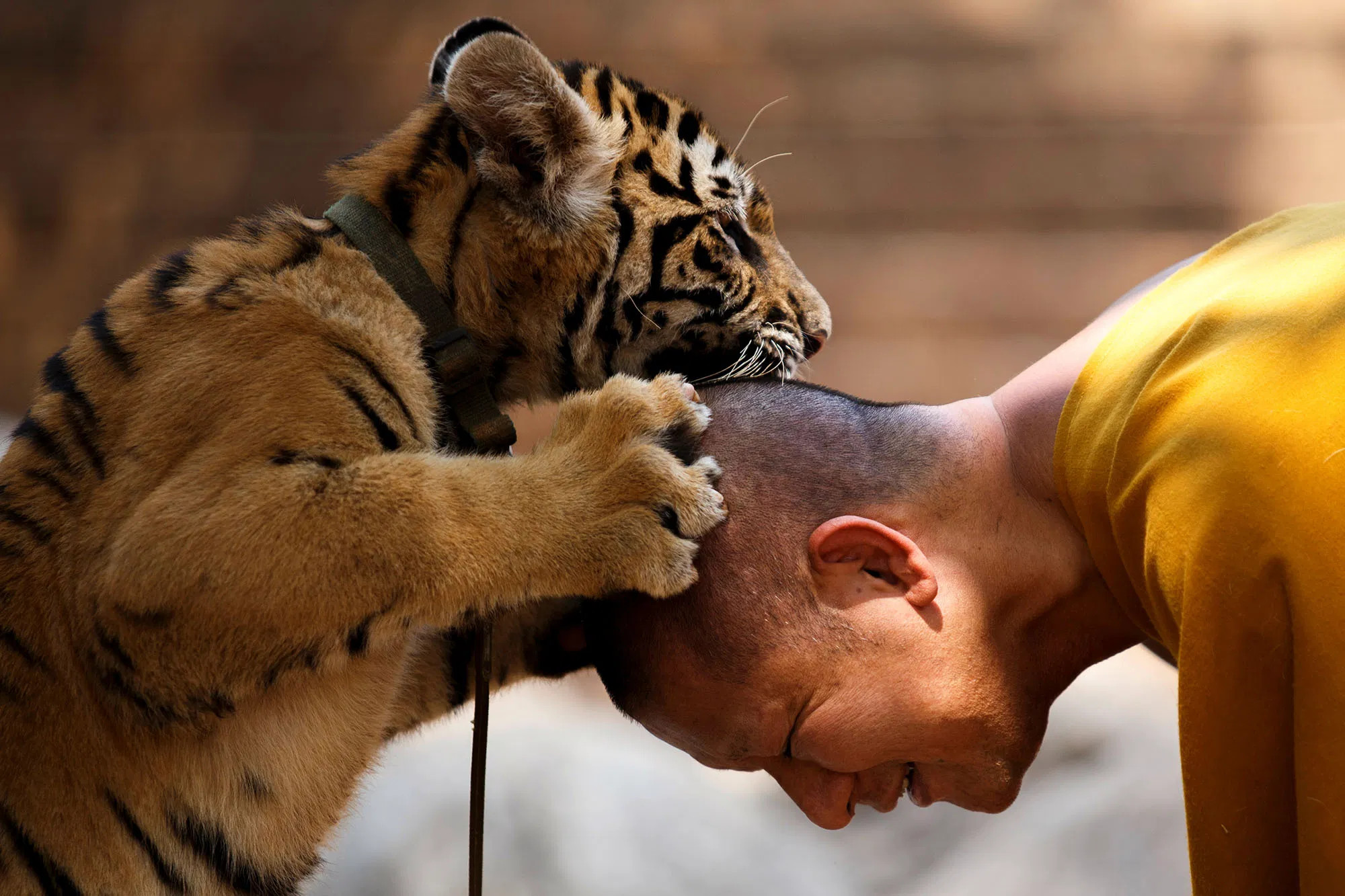
The tourists are told comforting lies: Employees of Tiger Kingdom dress like Buddhist monks, spout platitudes about being one with nature, and claim their “humble” operation began when one kindly monk took in an orphaned cub and founded a sanctuary decades ago.
Tourists are told that kindly monks founded a sanctuary after taking in an orphaned tiger cub.
The reason the tigers are so docile, the tourists are told, is because the monks hand-raise them, socializing them with humans from a young age. (Paging Siegfried and Roy, as well as Joe Exotic’s two former employees who lost limbs to hand-reared tigers!)
The comforting fiction allows tourists to justify what they’re doing: When an acquaintance of mine proudly changed her social media profile photo to a shot of herself hugging an adult tiger, she acted as if she was shocked by the suggestion that the tigers were sedated. No, she explained, you don’t understand! These tigers were hand-raised by the monks from the time they were cubs! That’s why they love spending 12 hours a day having their tails pulled and getting mounted by tourists who want to ride them like horses. They love it!
It takes only a few seconds to refute what we’ll gently call that misconception: Articles abound of former employees and conservation experts describing horrific conditions for the animals at Tiger Kingdom. (It’s not the only “zoo” that thrives on selling big cat interactions in Thailand: When the infamous “Tiger Mountain” attraction was raided by authorities in 2016, they found the remains of more than 60 tiger cubs, tiger pelts, and “around 1,500 tiger skin amulets, plus other trinkets apparently made of tiger teeth.”)
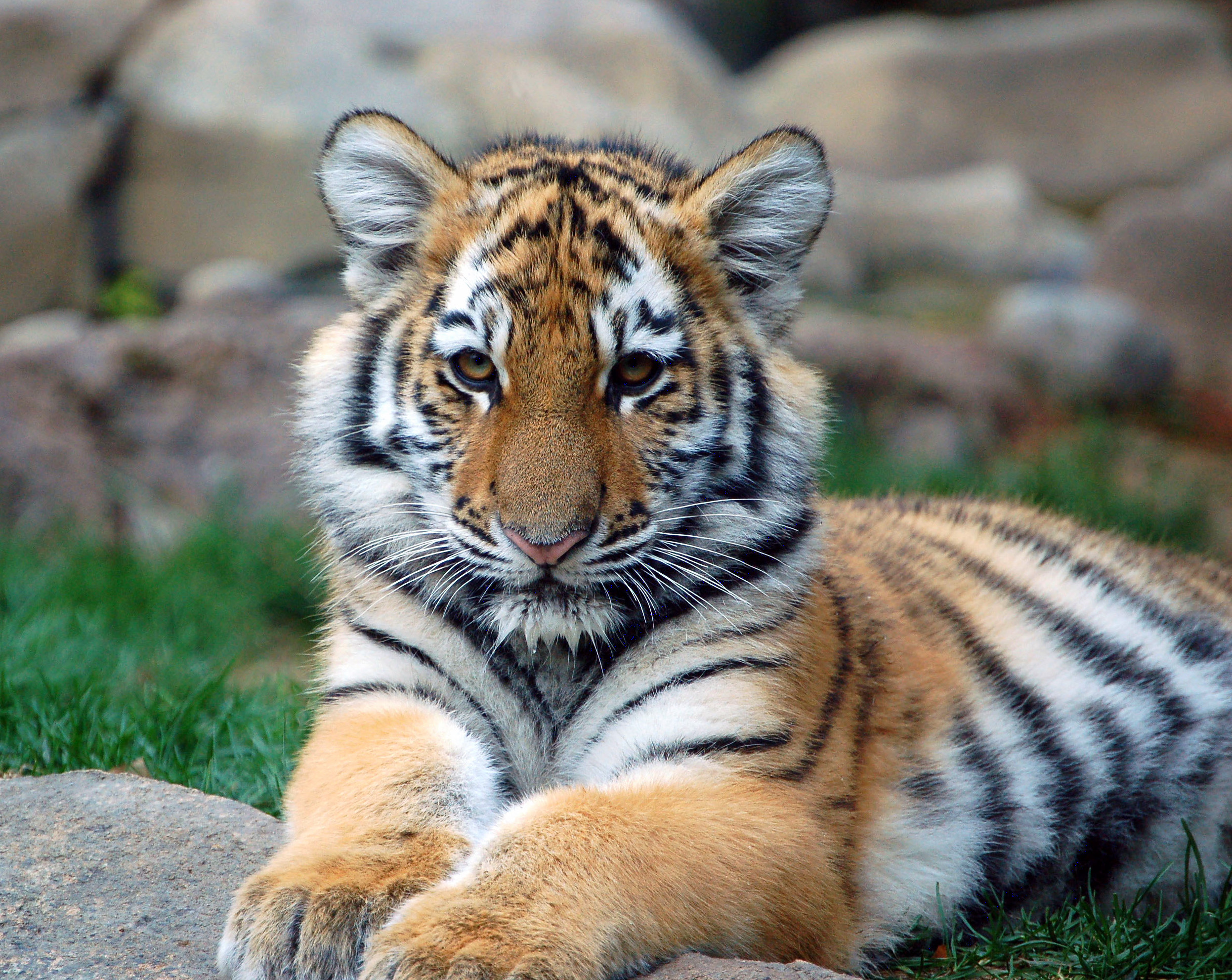
The cubs, who would normally spend at least two years with their mothers, are taken away when they’re infants so Tiger Kingdom’s employees can hand-raise them, and not with the care and good intent they claim: The operators want the cubs to be accustomed to being handled and passed around so they don’t protest too much when tourists manhandle them.
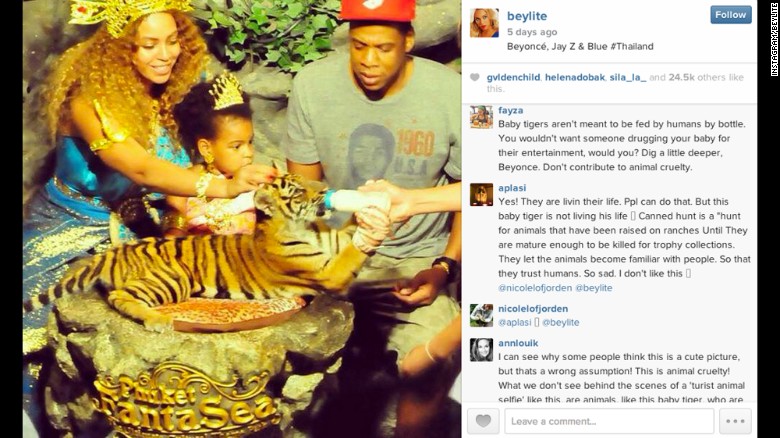
The cubs are big money-makers, and tourists will pay a premium to feed them from milk bottles. The baby tigers are fed and fed until they can’t drink anymore, then they’re fed some more, former employees say. The bottle-feeding only stops when the day’s over and there are no more tourists forking over an additional $15 to get “adorable” photos of themselves with the babies.
That’s also the age when the cubs are introduced to the bamboo stick, the primary tool for keeping them in line. A cub who doesn’t want to leave its cage for another day of manhandling and force-feeding is smacked on the nose with a bamboo stick until it complies.
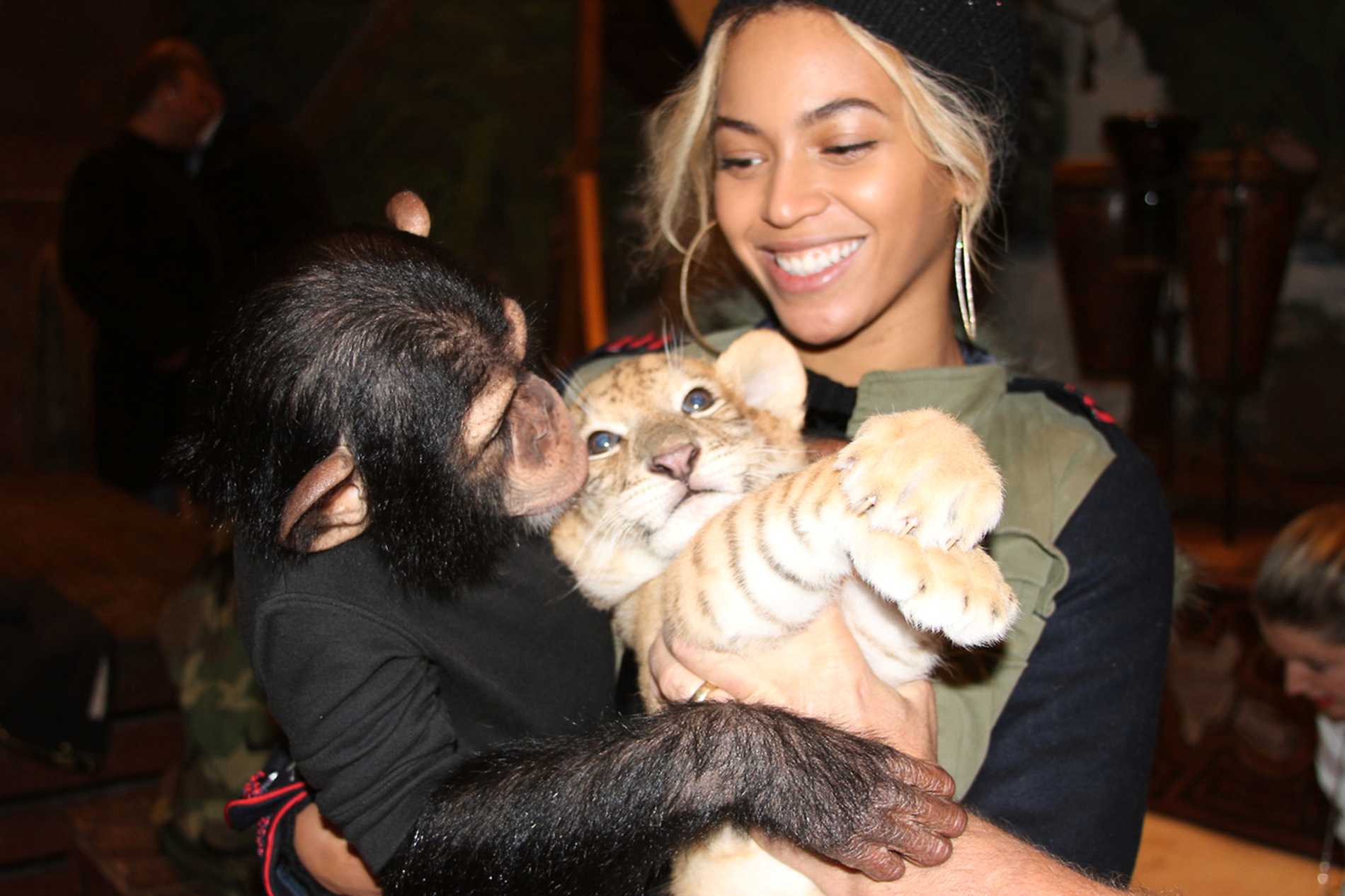
Tiger attractions like the infamous one at Thailand’s Tiger Kingdom have popped up all around the world, with interest fueled by enthusiastic reviews from celebrities like Beyoncé, who shared photos of her visit to an American tiger park with her millions of Instagram followers.
If Queen Bey says it’s okay, then it must be okay. Okay?
Queen Bey says it’s okay to mess with tiger cubs and chimp babies, so it must be okay!Queen Bey says it’s okay!
Life as a cub at Tiger Kingdom is a walk in the park compared to adulthood. Most of the adults are confined in cages 24 hours a day and are only let out on busy days when the operation swells with visitors who want tiger selfies. (Tiger selfies are extraordinarily popular with men who use them on dating site profiles, and Buddy’s home state of New York went so far as to ban tiger selfies because of their prevalence.)
When you consider the context, it’s really not surprising when someone like Waraschaya Akkarachaiyapas feels perfectly comfortable literally molesting the animals for her amusement.
We’ve poached this species to the brink of extinction and destroyed its habitat. We make rugs of their pelts, mount their taxidermied heads to our walls, sell their claws and teeth as trinkets, and grind their bones into dust for use in elixirs that allegedly cure ailments like baldness and erectile disfunction, according to ridiculous millennia-old folk medicine systems. (Having exhausted their supply of tigers to slaughter for traditional Chinese “medicine,” the Chinese have turned to poaching the Amazon’s jaguars to fuel their insatiable appetite for big cat parts. Jaguar poaching has skyrocketed “200 fold” in the last five years to fuel Chinese demand for animal parts.)
In that context, literally molesting a helpless animal is a drop in the ocean of abuse, decimation and the destruction of the dignity of these amazing animals. We’re supposed to be the intelligent species on this planet, the wise caretakers of the only world that we know of brimming with life. We are failing miserably.
Listen to a recording of Buddy’s meows as he proves to a doubter that he sounds exactly like a roaring tiger!
Dear Buddy,
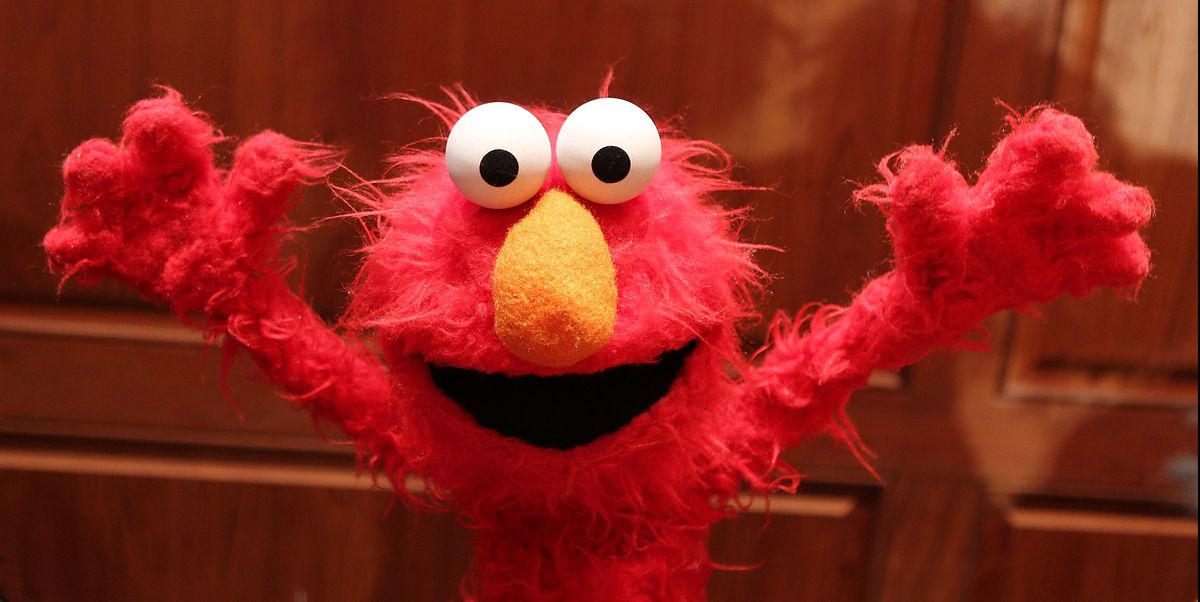
Why do you sound like Elmo singing in falsetto?
Laughing in Laramie
Dear Laughing,
Who is Elmo and what is falsetto? If Elmo sounds like me, he must be mighty and have the roar of a tiger!
Buddy
Buddy,
You’ve never heard of Elmo? Here, have a listen:
Laughing in Laramie
Dear Laughing,
Haha, very funny. I don’t sound anything like Elmo. This is what I sound like: (Editor’s note: This is an actual recording of Buddy, with Big Buddy interjecting with his imitation meows. Although the sound of Buddy’s roar is undoubtedly intimidating, try to remain calm. He is friendly.)
Was that you or another recording of Elmo? I couldn’t tell. Well if your career as a supposedly fearsome cat doesn’t work, you can always get work as an Elmo impersonator!
LOL
Dear Buddy,
He’s wrong, you don’t sound like Elmo…you sound like Elmeow! Ahahaha!
Giggling in Galicia
It’s difficult to believe such a mighty roar can come from such a cute little guy, isn’t it?

 Pain In The Bud