Under South Carolina law pets are considered property, and the maximum penalty for stealing someone’s beloved animal amounts to a slap on the wrist.
Another day, another story about a delivery driver stealing a cat.
This time it happened in Charleston, South Carolina, and while local police worked quickly to identify the woman behind the wheel and arrest her, the feline is still missing.
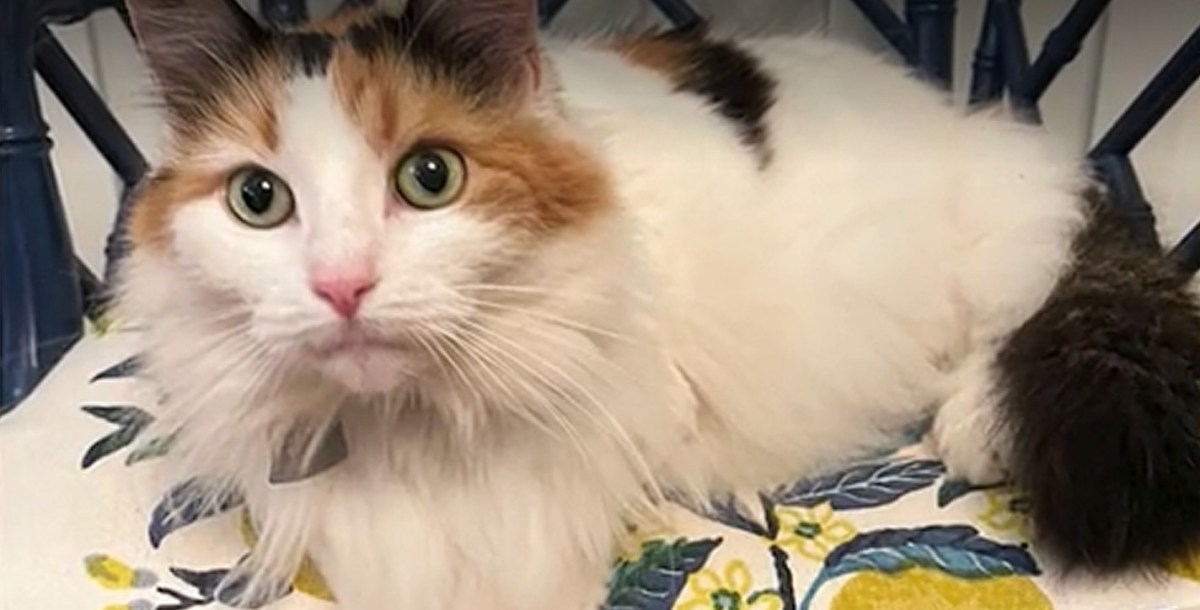
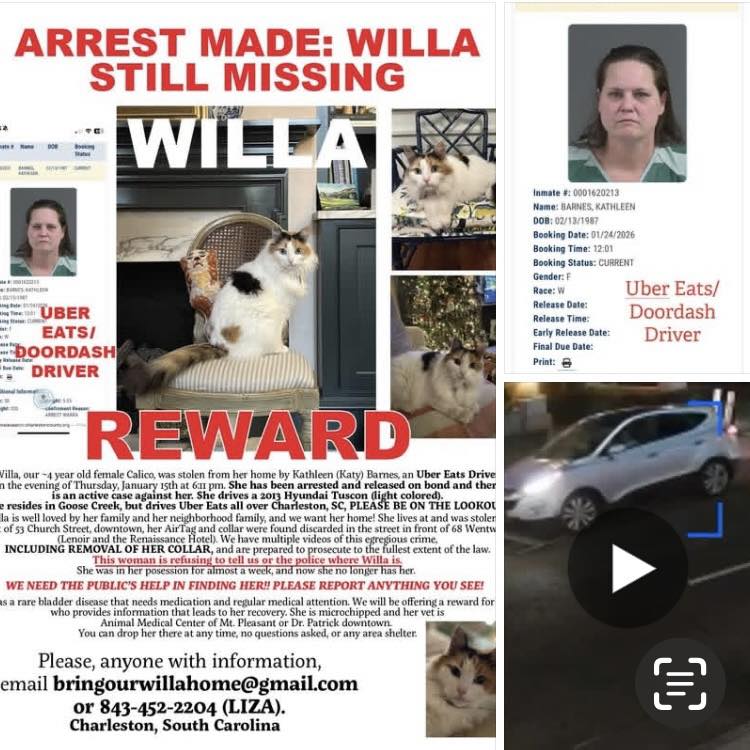
Daniel and Liza Layfield said they knew something was wrong on Jan. 15 when an AirTag attached to their cat’s collar showed she was several blocks away. After checking their own security camera footage and video captured by other cameras on the street, they saw a local food delivery driver stop her car, scoop up four-year-old Willa, then drive off with her.
The woman tossed Willa’s collar and AirTag nearby. Thankfully, police took the matter seriously and the local community helped spread the word, leading to a quick arrest.
The family is relying on help from the community to find Willa.
But there are two problems that are common to these thefts of opportunity: Willa is still missing, and the most severe charge police could lodge against the suspect is petty larceny. That’s a misdemeanor that carries light penalties (a fine and up to 30 days in county jail) on conviction. That’s not a deterrent.
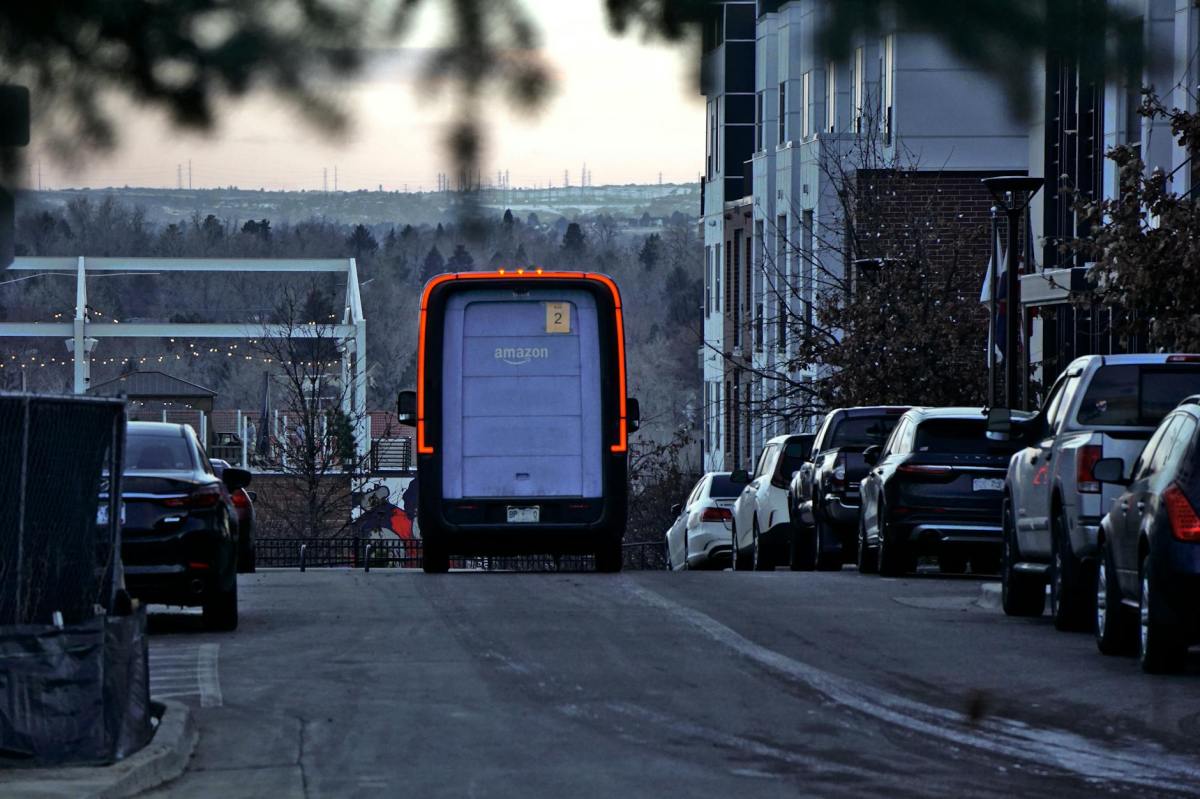
We wrote about this problem just last week, when the quick recovery of a cat stolen by an Amazon delivery driver in the UK illustrated the difference a stronger law makes.
Stealing a pet in the UK can land the thief in prison for up to five years in addition to fines. Police are more likely to devote resources when the law gives them appropriate charges to file, and five years in prison would make most people think twice about impulsively stealing a family’s well-loved pet.
By contrast, most US states treat pets as property, meaning courts do not take into account their sentimental value, bond with their people, or trauma to animal and human when someone steals a pet. South Carolina is among those states: in that state’s penal code, petty larceny is a charge that applies when someone steals property worth less than $2,000.
The suspect, a DoorDash/Uber Eats driver, has not been helpful in the Layfield family’s efforts to find their feline family member. In the meantime, the family hopes a $1,000 reward will prompt someone to come forward, or that Willa turns up at a local shelter and has her microchip scanned.
“We want to find Willa, we want to know where she is. It’s going to be 20 degrees for the next several days,” Liza Layfield told the local NBC affiliate. “The idea of her being loose and on the run is horrific.”
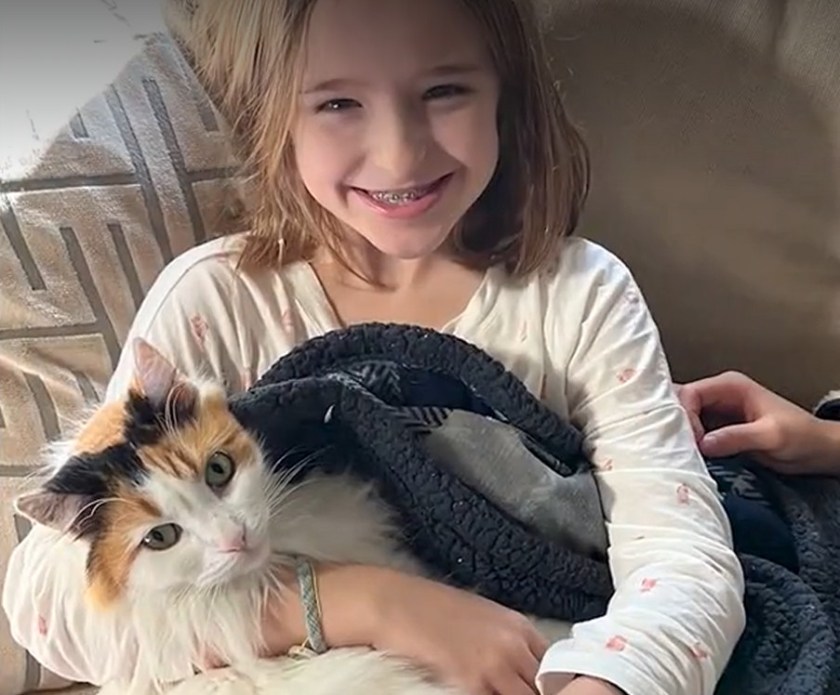
The Layfields’ daughter holding Willa, who has been missing since she was stolen on Jan. 15 by an Uber Eats/DoorDash driver.
Popularized by celebrities like Taylor Swift and online “influencers,” the breed cats have cute features but also suffer from chronic health problems.
Lots of people think breed cats are the product of fine pedigrees, the result of careful breeding to produce “superior” cats, like some sort of feline genetic aristocracy.
The truth is a lot less glamorous. So-called pedigree cats are the result of relentless breeding and inbreeding, often by people who know nothing about genetics, for a single purpose: magnifying a particular aesthetic quality, like a coat pattern, ear shape or flattened head.
Because the breeding pairs are selected for aesthetic characteristics only, without consideration for anything else, breed cats are often at higher risk of certain types of diseases or physical problems.
Persians, with their flat faces, often have problems breathing. Bengals are known for heart problems and a tendency to suffer from kidney stones. Ragdolls are prone to heart disease. Munchkins, with their unnaturally stubby legs, often have joint problems and quality of life issues.
The heartiest, healthiest and most long-lived cat is the “plain” old domestic moggie, proving that human-directed breeding has nothing on the designs of evolution and mother nature.
In the Netherlands, two breeds with chronic health problems have become especially popular thanks in large part to social media influencers who show off their pets.
As a result, Dutch legislators passed a law making it illegal to buy or own Scottish fold and sphynx cats. The legislation was hailed by veterinary groups, who noted that their members know better than anyone how much cats can suffer from chronic problems like arthritis, heart disease and susceptibility to infection.
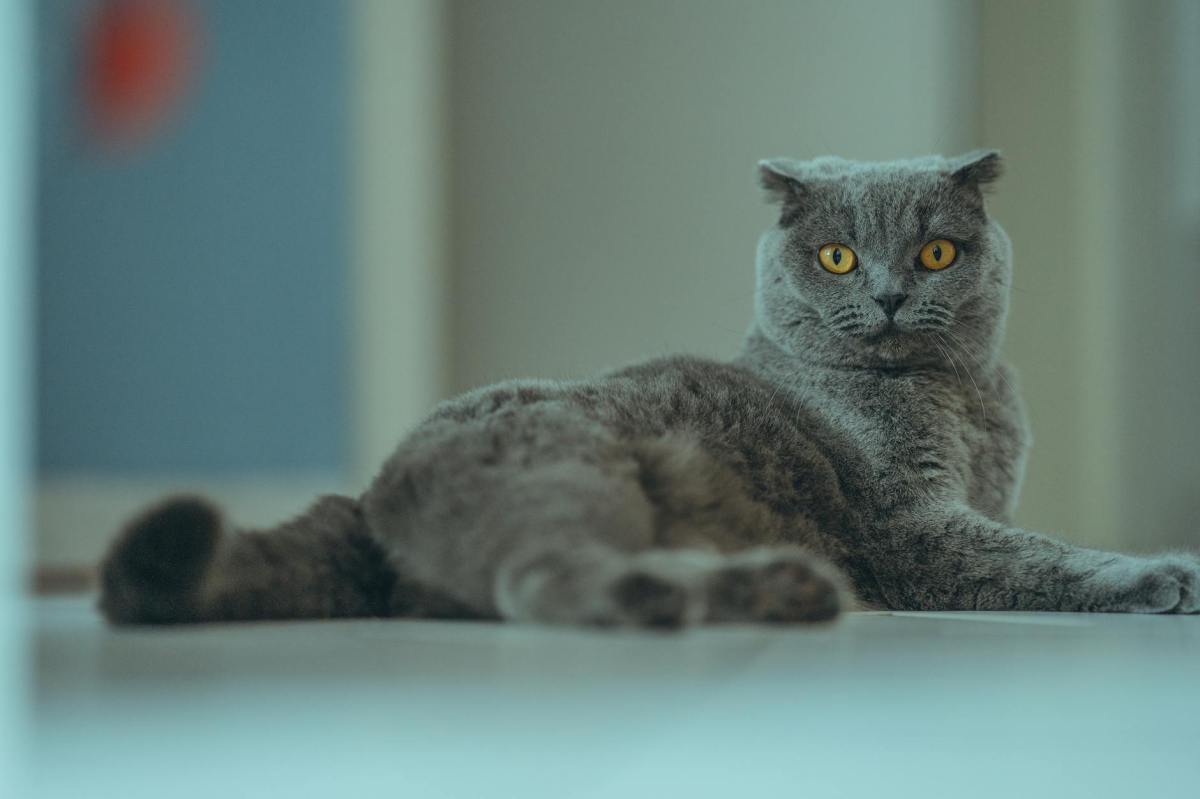
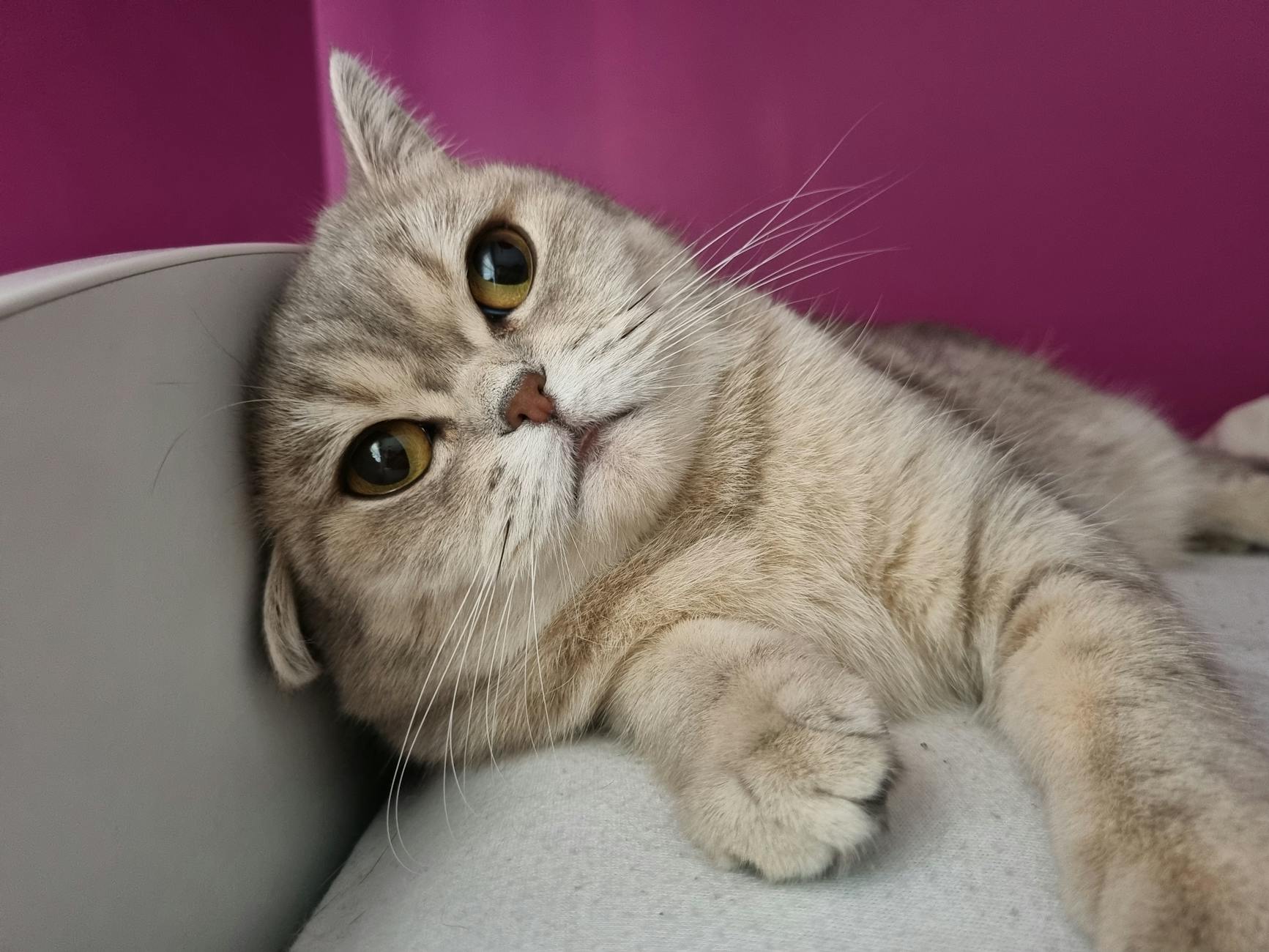
A classic Scottish fold with floppy ears. Credit: Mina Bau015fer/Pexels
The former is a classic example of breeding to emphasize a”cute” feature without regard for the consequences. Lots of people think Scottish folds are cute because they have floppy ears like puppies, which amplifies their natal features. But the same genetic mutation that weakens the cartilage in their ears also weakens cartilage and bones in the rest of their compact bodies. As a result, Scottish folds not only regularly suffer arthritis and joint deformities, they begin to suffer from those conditions well before old age.
Taylor Swift is the most well-known fan of the breed, and its popularity skyrocketed as her two Scottish folds, Meredith Grey and Olivia Benson, have been frequently pictured on the singer’s Instagram feed. They’ve starred in her music videos, accompanied her on tour and appeared on magazine covers in her arms and perched on her shoulders.
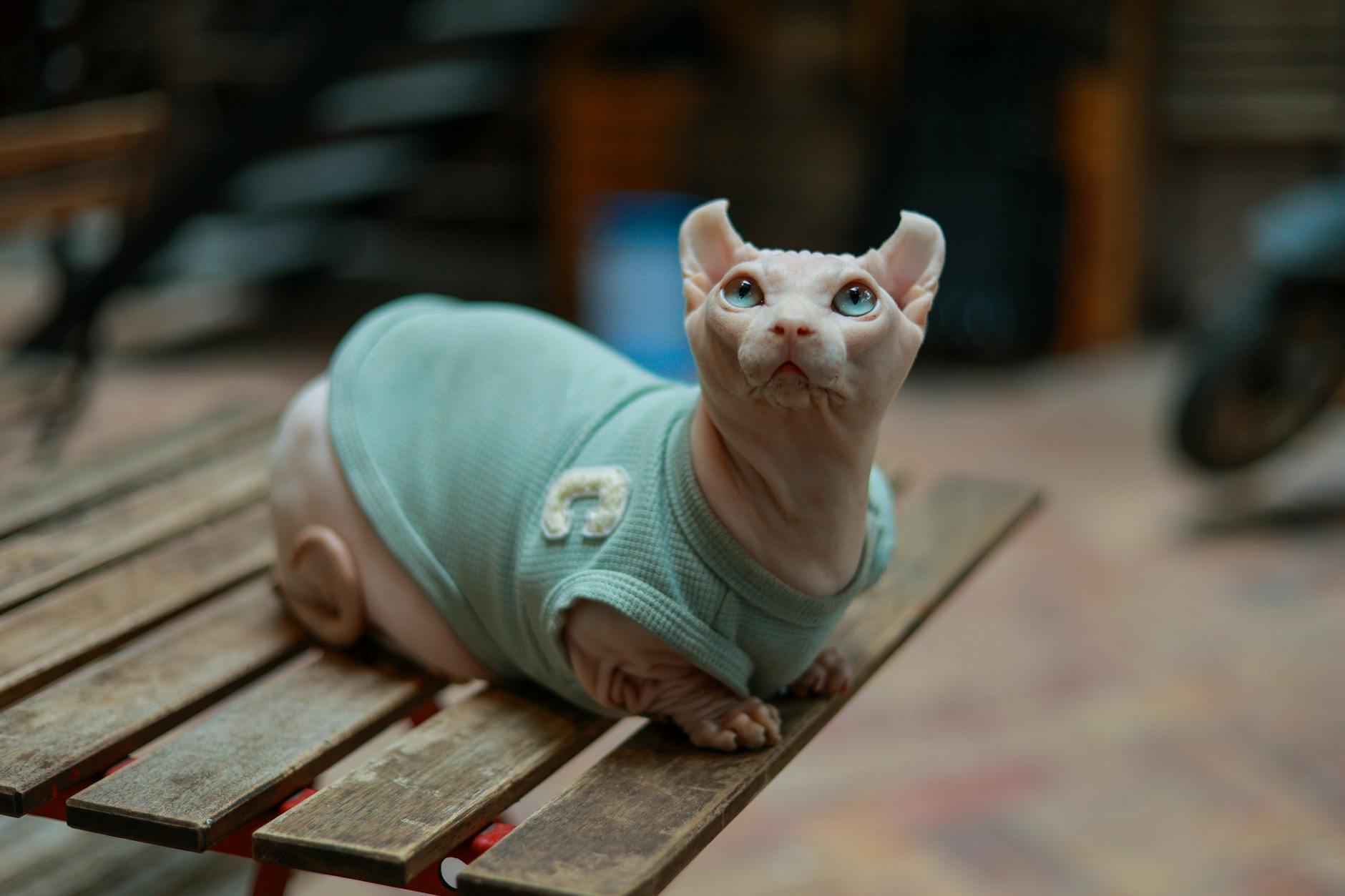
Sphynx cats have their own unique set of problems. Like several other breeds, sphynxes are more susceptible to heart disease, and their most recognizable trait, their lack of fur, is the source of most of their maladies. Sphynxes are more sensitive to cold and can’t regulate their body temperatures as well as other cats. The many folds in their skin make them vulnerable to dermatitis and fungal infections.
Sphynx cats are often seen bundled up because they have difficulty regulating their body temperatures. Credit: Nguyu1ec5n Thanh/Pexels
Previous attempts to curtail the popularity of sphynxes and Scottish folds had little impact, so under the new law it is illegal to buy, sell, breed and import felines of those breeds into the Netherlands. The previous law had severely curtailed the domestic breeding of Scottish folds and sphynxes, but did not make a dent in ownership rates as people elected to buy them from other European countries and “import” them.
People who already have cats of either breed will not have to surrender them. They will be grandfathered in, but they’re required to register their cats and have them microchipped, which the government hopes will stop people from reselling them.
“Animal welfare is my top priority,” said Jean Rummenie, the country’s agriculture and nature secretary. “It is important that cats do not suffer unnecessarily because of their physical traits. This ban allows us to prevent such suffering.”
Do you think the Netherlands made the right call here? Should the US, UK and other countries ban breeds that suffer from chronic health problems?
The family posted a short statement on social media but refrained from offering details, citing an ongoing police investigation.
Nora the cat is back with her family.
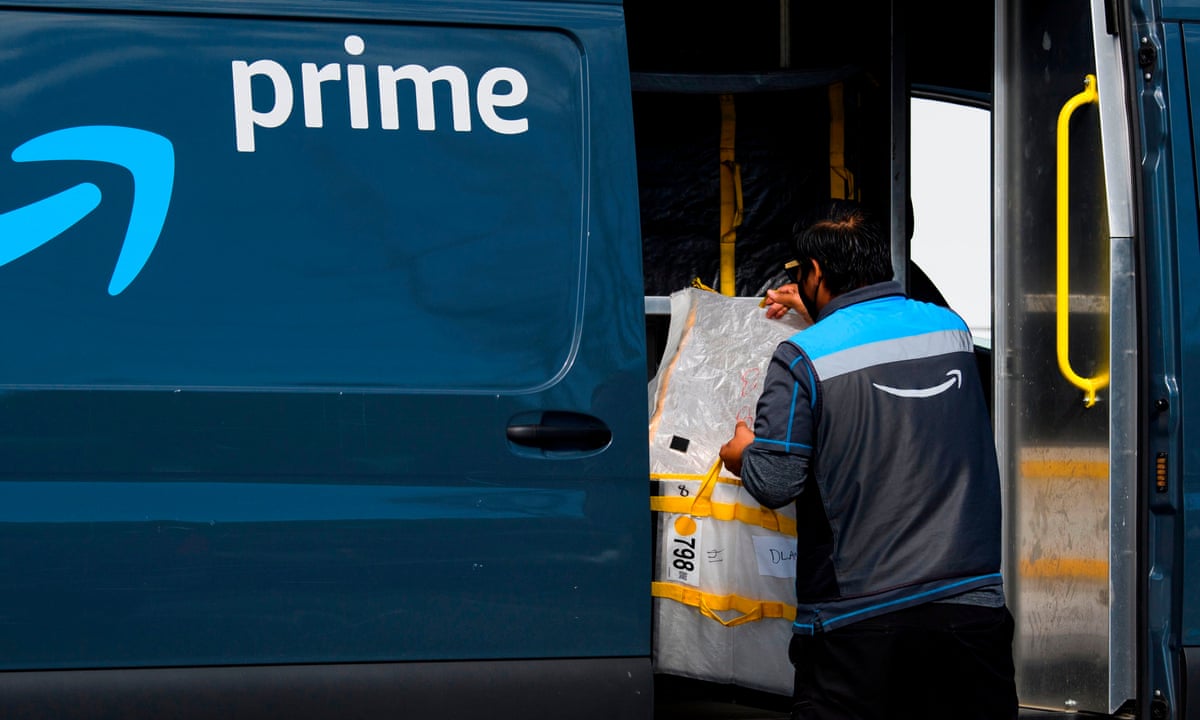
The tabby cat was stolen from outside her West Yorkshire, UK, home on Jan. 18 by an Amazon delivery driver. Nora’s human, Carl Crowther, checked footage from his security cameras and had a clear view of the driver dropping off a package and scooping up the cat before walking off the property with her.
The incident was widely covered in UK media and while the suspect’s face was censored in news reports, an uncensored version was widely shared on social media by animal welfare groups and regular people who helped put pressure on the driver. Nora’s family worried that the kitty could experience health problems without the medication they give her regularly for a heart murmur.
Crowther’s Facebook post.
In an update post, Crowther said Nora had been returned “safe and well.” It’s not clear if the Amazon employee returned the cat or if police were involved in the recovery. Crowther, citing an ongoing police investigation, said he can’t offer more details at the moment.
“Obviously we are over the moon with this outcome,” he wrote on Facebook.
Unfortunately the theft of pets by delivery drivers has been a recurring story in the news, and there are reports of Amazon drivers making off with cats and dogs going back at least a decade. While there is no official count or centralized list, it’s happened often enough to generate outrage from customers and news coverage from local and national media, which is often key to helping the victims get their pets back.
A family’s home security camera captured clear footage of an Amazon delivery driver scooping up their cat and carrying her away.
At a certain point, you’ve gotta wonder whether this is a feature, not a glitch.
After yet another incident involving an Amazon driver stealing a pet, the company stuck to its usual script by being absolutely useless and managing to offend its wronged customer.
On Monday West Yorkshire’s Carl Crowther checked his security camera footage, prompted by the sudden disappearance of his cat, Nora. The footage shows an Amazon delivery driver leaving a package at Crowther’s front door, then scooping Nora up before walking off the property with the feline.
When Crowther called Amazon, the company handled it with the same remarkable tone deafness and lack of care that’s become its trademark in cases like this.
“Their response was disgusting, asking what monetary value we’d put on the cat,” Crowther said. “How can you put a value on somebody’s pet?”
Thankfully Crowther’s local police are taking the case seriously rather than treating it as petty crime or beneath their concern, as many US law enforcement agencies do. That’s not entirely their fault, as outdated laws still define cats and dogs as property with fixed monetary value, fungible assets that can be easily replaced. In many states, stealing a cat will result in nothing more than a low level misdemeanor charge that is pleaded down in court.
West Yorkshire police told The Guardian and the Independent that they’ve opened an investigation and “inquiries remain ongoing.”
The video has been published by several UK news sites, but oddly — perhaps due to UK law — the driver’s face is blurred out.
There’s an additional reason for urgency besides Nora’s family missing her, Crowther said. The stolen feline has a heart murmur and takes medication to manage the condition. Crowther said he’s worried she could succumb to stress between the lack of medication and the frightening abduction. Nora does not do well in new environments, he said.
This is just the latest theft in what has become a fairly routine situation for Amazon. For some reason, perhaps because of lack of training or less vigorous vetting, Amazon’s drivers have been in the news much more frequently for stealing pets than drivers for any other retailer or delivery company.
The online retail giant still seems to have no protocol for handling cases like this, with its representatives treating them like typical customer service issues. Thus the questions about placing monetary value on pets and other insensitive questions.
In cases in which victims have been successfully reunited with their pets, they took the initiative and did not wait for Amazon or the police to act.
Using a technology most commonly associated with science fiction, the UK man is banking on a technologically gleaming future where he and his cat can be revived and meet again.
A man in the UK has spent a small fortune on the possibility of reviving his dead cat.
Mark McAuliffe says he was so upset when his 23-year-old cat’s health began to fail that he made arrangements with a Swiss firm to preserve her body when she passed away.
The 38-year-old adopted Bonny, a domestic shorthair, while he was a teenager, and she’s been with him for more than half his life, including his entire adulthood.
Usually when stories like this make the news, they’re about people who preserve their cat or dog’s DNA for cloning.
That’s not what’s happening here.
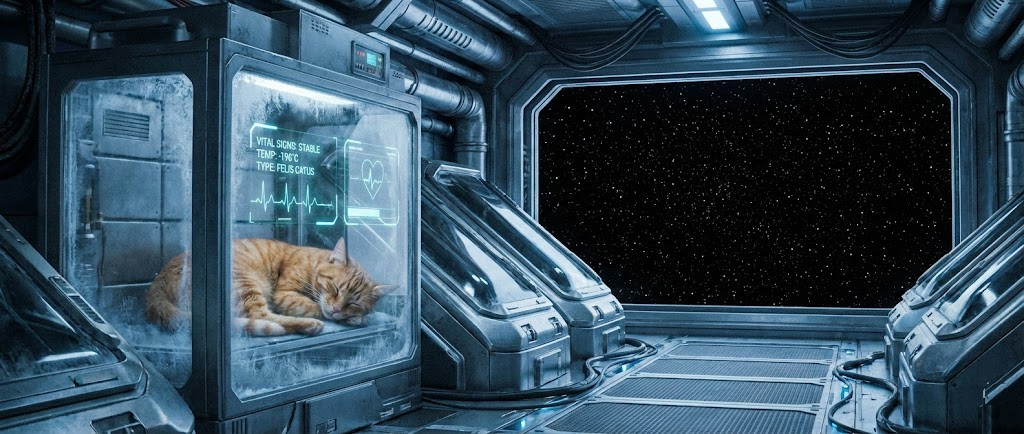
Bonny has been placed in a cryopreservation unit, which uses liquid nitrogen to freeze her entire body. Freezing a body essentially suspends it in time. Extremely cold temperatures — as close to absolute zero as possible — suspend cellular activity, including decay.
It’s called cryopreservation, and while the concept is most frequently invoked in science fiction, putting a body into cryostasis is real and within the technological capabilities of modern science.
The company McAuliffe paid to preserve his cat is Switzerland-based Tomorrow Bio, which is affiliated with the European Biostasis Foundation. The technology is used for several other purposes in the medical field, the food industry and in certain engineering applications.
McAuliffe is gambling on the future, or a version of it in which people and animals can be revived and repaired, like Lazarus in a lab. But it wouldn’t be much of a future for Bonny if her human wasn’t with her, so McAuliffe has reserved a spot for himself as well, hoping to meet her in better times.
“This cushioned the blow about Bonny’s death,” he said, “because I have got it in the back of my mind that it is not going to be the final goodbye.”
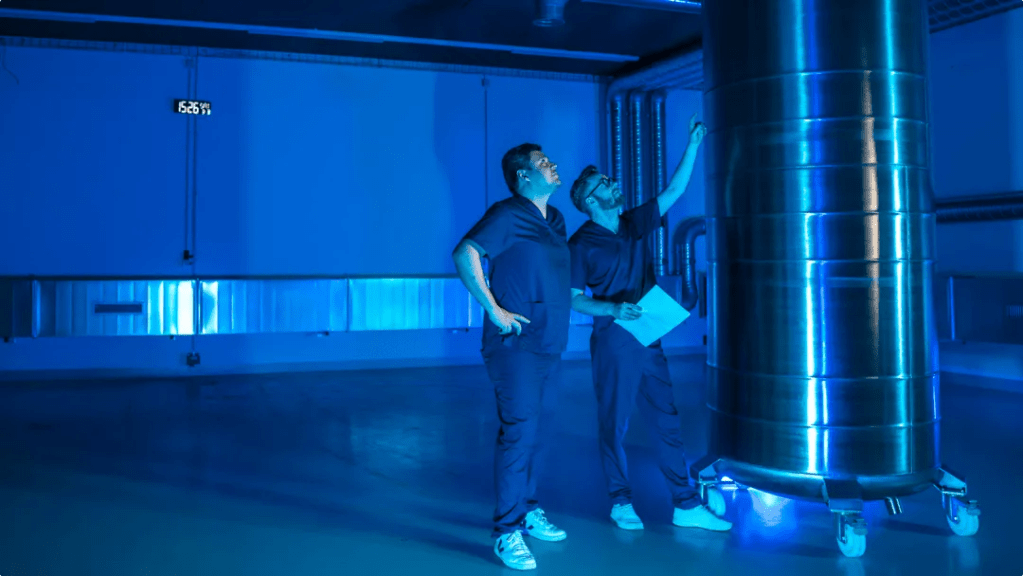
Employees of Tomorrow Bio inspect a liquid nitrogen pod. Credit: Tomorrow Bio
The European Biostasis Foundation runs the cryovaults where clients are kept. The organization told the Daily Mail that it has five “full body patients,” 15 preserved brains, two dogs and eight cats. In addition, more than 700 people have made arrangements to have their own bodies frozen upon death.
There is, of course, a hiccup.
While freezing a body is possible, thawing is not — not without destroying the body.
That’s because ice crystals form and rupture cell walls when the body is brought out of cryopreservation, no matter how slow the process.
The workaround involves using cryoprotectants, essentially a form of anti-freeze that would prevent the formation of damaging ice crystals despite the temperature.
That, however, introduces an entirely new set of problems, including the fact that cryoprotectant is toxic at the levels required for preservation.
Preserving the brain presents an entirely different set of problems, as our neurons and neural pathways begin to decay immediately after death. Our brain topology and neural connections are part of who we are, part of what makes our minds uniquely our own. Neuroscience and cryostasis technology each have a long way to go before scientists can even attempt to thaw a brain.
So by spending almost $22,000 to preserve Bony, and buying a plan to preserve himself (at a cost of $230,000), McAuliffe is banking on major breakthroughs in biology, as well as the ability to precisely control temperatures. To successfully thaw a body without destroying it, the entire body must be warmed at the same time, including all internal organs. That’s a significant technical challenge.
It’s also a gamble on the general shape of the future, placing hope that progress will continue. It assumes we won’t lapse into another dark age, that we won’t lose technology and expertise to devastating wars, plagues or other disasters that could set humanity back decades or centuries.
Finally, there’s a major hurdle that has little to do with science behind cryopreservation. It’s the simple fact that human lives are short, companies that promise centuries of operation can’t guarantee that outcome, and a lot can happen while a person sleeps away those years.
There’s a great short story by the Welsh science fiction novelist Alastair Reynolds about a wealthy man who wakes after centuries of cryosleep to find that the company who managed his crypt went bankrupt. From there it changed hands several times until it ended up in the portfolio of a corporate raider.
So the narrator, expecting to be woken to fanfare, deferential treatment and a bright technological future instead finds himself indebted and facing a reality much different and more depressing than he ever imagined.
I sympathize with McAuliffe, who obviously loves Bonny a great deal, and I see the appeal of becoming a refugee from the past, entering into a cryovault in the hope of emerging into a better future. But man, that’s a huge gamble.
In the meantime, there are plenty of cats who need homes and have a lot of love to give. Every shelter cat is a potential Buddy!


 Pain In The Bud