Cats of all kinds are at risk of avian flu infection if they hunt birds outdoors, consume raw meat or drink unpasteurized milk.
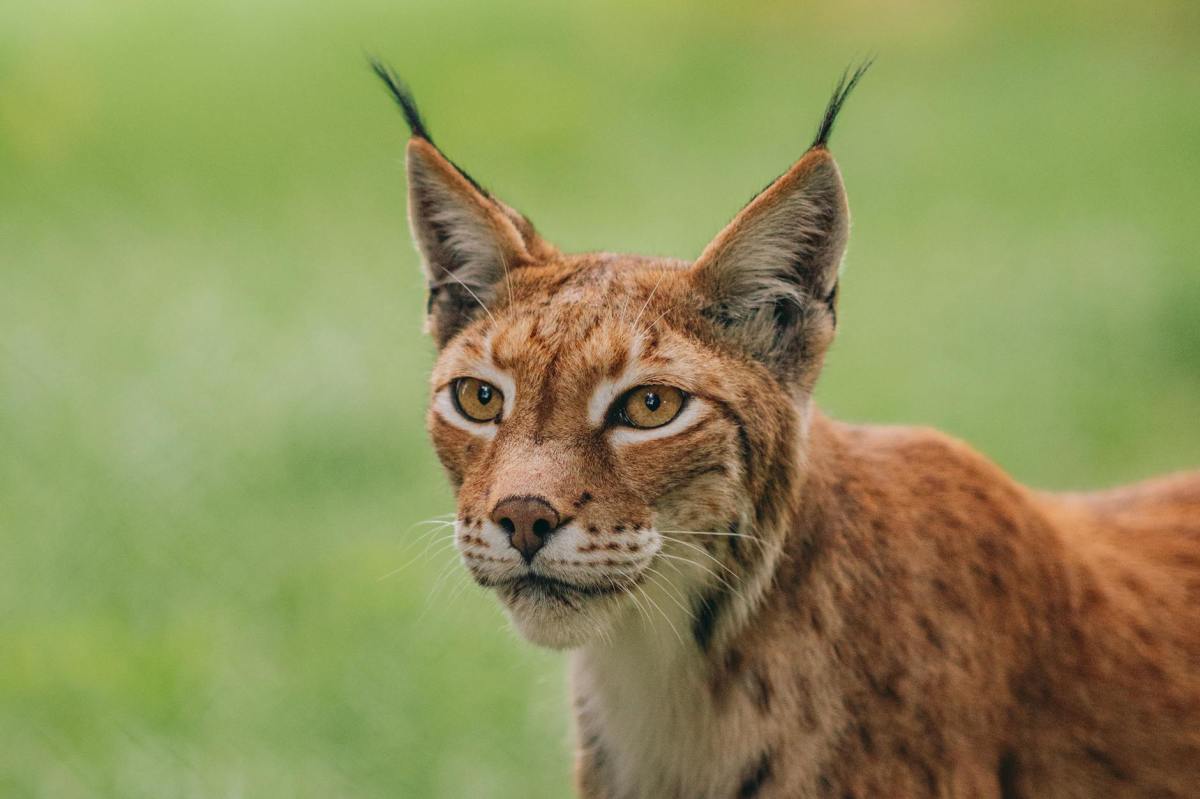
In a tragedy that underscores how vulnerable cats of all types are to bird flu, more than half the big cats residing at a sanctuary in Washington were killed by the virus in less than a month.
Twenty cats in total died at the Wild Felid Advocacy Center, including five servals, four bobcats, two Canada lynx and a Bengal tiger.
Only 17 cats are left at the sanctuary, according to its operators.
Mark Matthews, the sanctuary director, called the H5N1 avian influenza a “wicked virus” that killed the cats in his organization’s care within 24 hours of each animal contracting it.
“We’ve never had anything like this,” Matthews said, adding that he and his staff are accustomed to cats in their care dying of old age after living long, happy lives.
In California, Gov. Gavin Newsom declared a state of emergency on Dec. 18 after infected birds were found at more than two thirds of the state’s dairy producers.
California’s dairy industry has been hit hard by the spread of bird flu, with more than half the state’s dairy producers impacted. Credit: Ralf R/Pexels
As of Dec. 26, bird flu had infected 65 Americans, the majority in California.
And the virus has now resulted in its first pet food recall, with Northwest Naturals pulling its turkey recipe “raw diet” food. A cat in Oregon died after consuming the food, according to the Oregon Agriculture Department.
As we noted in our earlier post about the variant of avian influenza, there’s no reason to panic. Even if you live on the west coast, the chances of your cats being infected are small.
But it’s probably a good idea to make sure your cats remain indoors, as health authorities warn cats can contract the virus directly by catching and eating birds. In one case, health officials believe three indoor cats may have caught the virus after killing mice in their home.
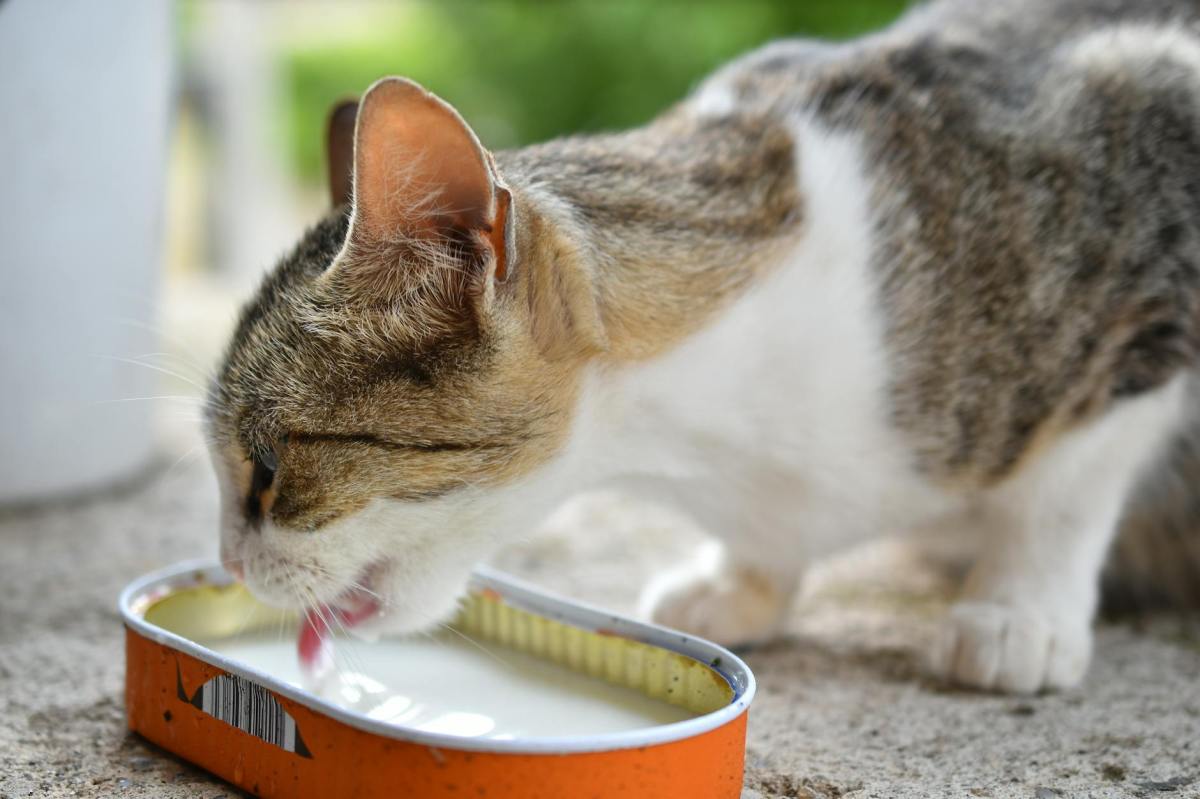
In addition, the American Veterinary Medical Association advises caretakers to avoid giving their cats milk, which they should not be drinking anyway, and raw meat. Domestic cats are generally lactose intolerant, and while cats can be infected with bird flu by eating raw poultry, they can also contract the virus by eating raw meat from other animals.
So far there are no cases of cats infecting humans, but a new study published Tuesday warns the virus easily mutates in infected felines.
Health officials have identified at least five cases of domestic cats infected with H5 bird flu in California, and they’re warning of multiple vectors of transmission now that both outdoor and indoor cats have been infected.
Two cats were infected after drinking raw milk from a dairy farm in Fresno, California, according to the Los Angeles Department of Public Health. That’s also how a dozen barn cats died in April after drinking raw milk from infected cows on a Texas dairy farm, the CDC said.
But three other cats who tested positive for bird flu were indoor-only, lived in the same home, and did not consume raw milk, authorities said. They’re looking into the possibility that the felines were infected through raw meat or by hunting mice.
So now it’s not only confirmed that cats are vulnerable to highly pathogenic avian influenza, or HPAI H5N1, but that they can be infected in different ways.
To be clear, it’s not a cause for panic and it doesn’t mean people should isolate from their cats, but it does mean we should be smart and considerate when it comes to protecting our pets and reducing the possibility that they can be infected.
Because millions of felines live with humans, the fear is that they can pass the virus onto us. So far there have been no confirmed cases, but a study published on Tuesday confirmed that the virus can easily mutate in cats. That means the more domestic cats are infected, the greater chance the virus mutates in a way that allows it to “bridge” to humans.
At least two people — one in Wisconsin and one in Louisiana — have tested positive for the virus and were hospitalized this week. One worked on a farm and the other may have consumed raw milk. In the meantime, health officials are monitoring the people whose three cats were infected, and they’re urging people to take precautions.
“To avoid the spread of disease, including H5 bird flu, we strongly encourage residents and their pets to avoid raw dairy and undercooked meat products, limit contact with sick or dead animals, report sick or dead birds, and keep pets or poultry away from wild animals and birds,” said Dr. Barbara Ferrer, director of the Los Angeles County Department of Public Health.
For the first time, humans have successfully returned orphaned tiger cubs to the wild after raising them and training them to hunt.
For more than 50 years, tigers were absent from Russia’s Pri-Amur region.
Sparsely-populated, mountainous and blanketed in forest, the domain borders the heart of the Russian Far East, offering hundreds of thousands of contiguous square miles for the most robust sub-species of Earth’s most magnificent predator.
Here, tigers can roam without fear of conflict with local farmers, or roads that carve up habitat and pose a danger to animals trying to cross. Prey is abundant, and adaptations for surviving in the local terrain are coded into the tigers’ DNA.
Now that scientists have proven for the first time that tigers can be successfully reintroduced into such an environment, big cat advocates imagine Russia’s Far East as a haven for the large felids. It’s a place where tigers can thrive, mate, reproduce and change the outlook for their species, which has dwindled to only 4,000 or so remaining in the wild.
Credit: Leon Aschemann/Pexels
The project to reintroduce Amur tigers to their native habitat is a cooperative Russian-American endeavor. The team started by building a tiger conservation center in the Amur oblast a decade ago.
The facility is built in a way that orphaned tigers can be raised and taught how to hunt without directly interacting with their human caretakers. That’s a crucial component, because tigers who see humans as potentially friendly or sources of food have drastically reduced chances of surviving in the wild, and are easier marks for poachers.
After 18 months, the cubs are brought to remote locations in Pri-Amur and released. Of the first group of orphan tigers released into the wild, 12 were able to survive on their own.
One gluttonous tiger failed: he crossed over the border into China and began eating domesticated animals, including 13 goats in what researchers called “a single event.”
The fattened tiger then retraced his steps to Pri-Amur, and when he didn’t show fear of humans, the team decided he had to go. They captured him and sent him to a zoo, where he gets all the free meals he wants and contributes to the captive breeding program helping his species maintain genetic diversity.
With 12 out of 13 tiger re-introductions successful, the program provides “a pathway for returning tigers to large parts of Asia where habitat still exists but where tigers have been lost,” said Viatcheslav V. Rozhnov, who leads the reintroduction project.
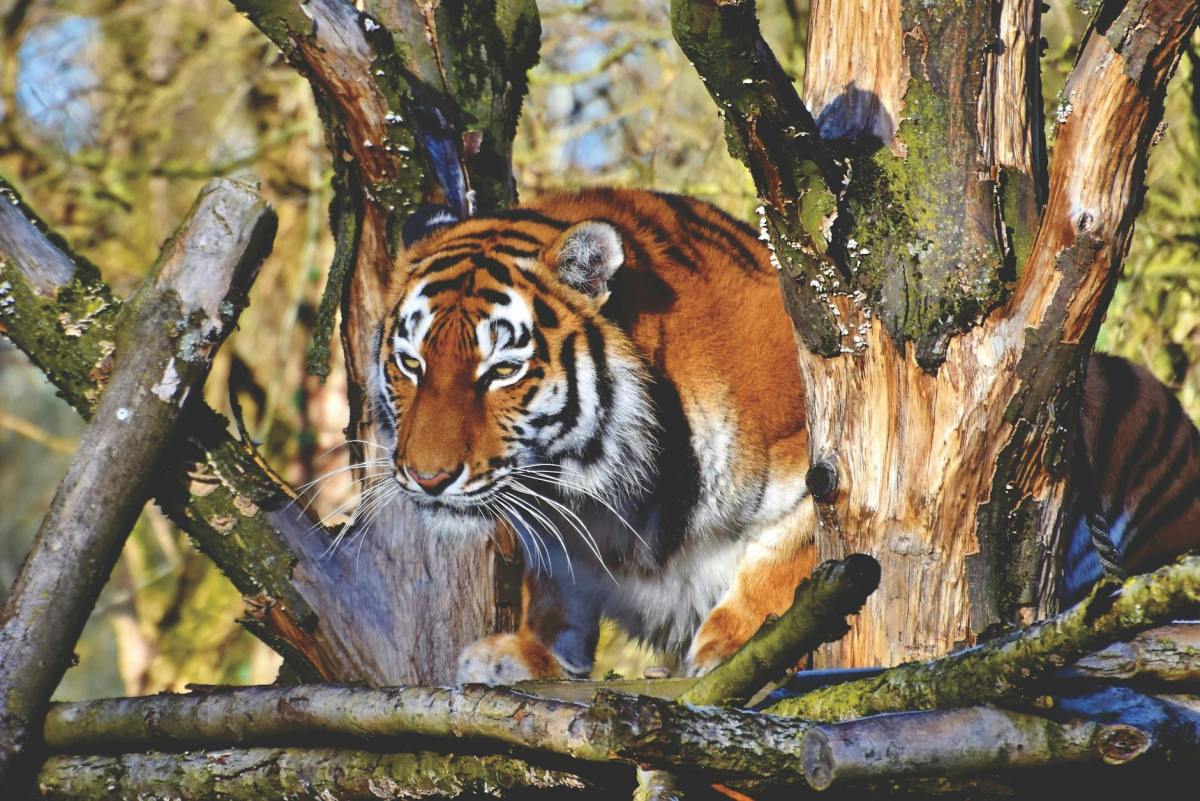
Amur tigers are the largest cats on Earth. They’ve evolved to survive in regions where winters can be brutally cold and snowy, but they also thrive in spring and summer when the snows melt and prey is abundant. Credit: Pexels
The successful reintroduction has also led to some surprising developments. Two of the cubs, Boris and Svetlaya, were unrelated but were rescued at about the same time and raised in the Russian orphanage for their species.
Using tracking devices they’d placed on the newly-released young tigers, the research team watched as Svetlaya settled into a home range and Boris made a beeline for her, “almost in a straight line,” crossing 200km (120 miles) of terrain to reunite.
The team’s hopes were confirmed six months later, when Svetlaya gave birth to a healthy litter of cubs, the first natural-born tigers to result from the reintroduction project.
Another tigress, Zolushka, also gave birth to a healthy litter when she was reintroduced in an area closer to a still-extant population of Amur tigers. The researchers believe the father was born wild in the region and was not part of the reintroduction program.
The wilderness in Pri-Amur and its environs is so vast, untouched and undesirable to human habitation that it could be home to generations of tigers, securing their future after so many decades of grim news for the iconic big cats.
“The grand vision is that this whole area would be connected,” Luke Hunter, executive director of the Wildlife Conservation Society’s Big Cats Program. “There’s lots of habitat that could be recolonized by tigers.”
A feel-good video about a kitten who was rescued from the brink of death.
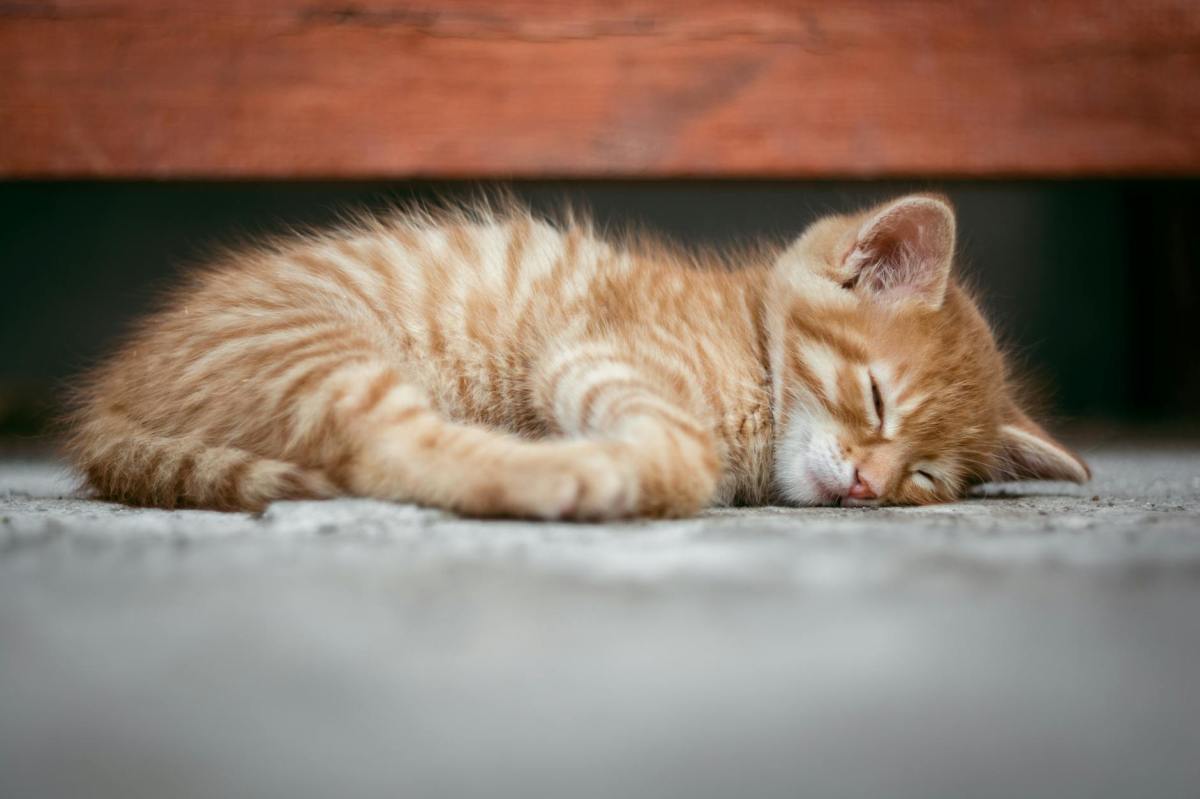
The girl in this video found an orange tabby kitten on the verge of death in Hubei, China, and refused to give up on the little one.
Through tears, she used a hair dryer to warm the kitten while her 39-year-old dad filmed her efforts. She was successful! The kitten slowly began to stir and felt well enough after two hours to lap up some milk.
Temperatures in Hubei can plunge into the 20s and 30s overnight this time of year, so the kitten would have died without the little girl’s intervention.
The felines were found deceased near open tins of tuna, and laboratory tests confirmed they’d been poisoned.
In early October, a woman who helps manage a colony of stray cats in South Carolina’s Lowcountry stopped by to feed them and was distraught by what she saw.
Six cats lay dead not far from several open tins of tuna. After the woman called for help and a larger group searched the area, they found the bodies of seven more cats and three opossums, the Berkeley County Sheriff’s Office said.
The cats were spayed/neutered and managed by volunteers from Lowcountry Trap, Neuter and Release Network, meaning their population was controlled and they were routinely monitored and given veterinary care.
Tests showed the cats were poisoned, according to the Professional Veterinary Pathology Services in Columbia and the Michigan State University Veterinary Diagnostic Laboratory.
While police were looking into the poisoning, they got a tip that a local man had been complaining about the cats and claiming they were a nuisance.
On Thursday, police charged 28-year-old Andrew Dock and 45-year-old Charles Waylon Ulmer with 13 counts of felony ill-treatment to animals with torture and one count of conspiracy. Dock’s wife, Sara Rose Dock, 23, and his mother, Laura Mary Dock, 61, were charged with conspiracy along with Michael Jeffrey Kemmerlin, 30. All five suspects live in or near Summerville, a town about 25 miles northwest of Charleston.
Each felony count is punishable by as many as five years in prison and a $5,000 fine, per South Carolina penal code.
Credit: Berkeley County Sheriff’s Office
Dock was the ringleader of the group, according to police, and enlisted the others to help him poison the cats.
“Anyone that is capable of putting out poison and creating that level of pain and suffering is a concern to me as a human in our community,” Carol Linville, founder of a local nonprofit called Pet Helpers, told Lowcountry news station WCSC. ”That is a dangerous person. If they can do it to a cat, they can do it to a dog or do anything else that they deem they don’t want around.”
Locals involved with colony management and animal rescue praised the Berkeley County Sheriff’s Office for seeing the investigation through and arresting the suspects.
“The fact that the law enforcement took this seriously and really wanted to see justice and really do their due diligence to make sure that justice is really coming for these cats. I am, I’m very grateful,” said Kayte Williams, one of the women who cared for the colony. “Hopefully nothing like this happens again because the public will know if this happens, you will be prosecuted, you will be charged and you are not going to get away with it.”
Andrew and Sara Rose Dock. Credit: Facebook
On his social media accounts, Dock describes himself as a former welding instructor at Horry-Georgetown Technical College originally from Newark, New Jersey.
All five suspects were released after posting bond, according to the Berkeley County Sheriff’s Office. It wasn’t immediately clear if they had retained lawyers, or if they were given return dates for preliminary hearings.