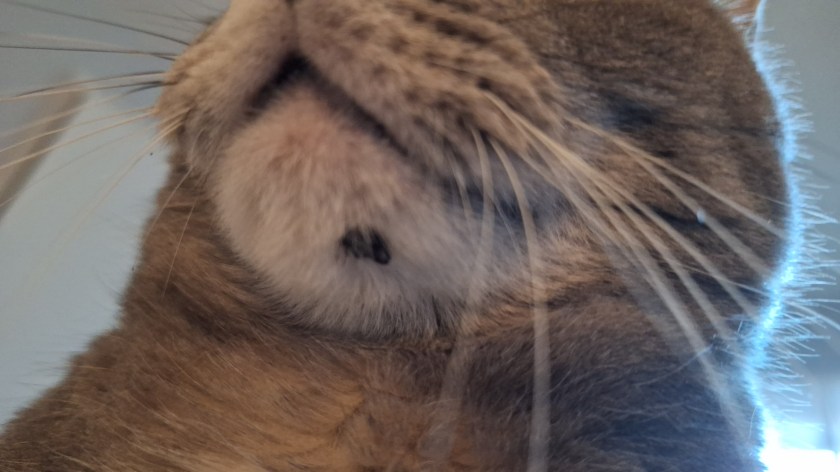
Little dude has large black spots, possibly scabs, beneath his chin.
I first noticed a black spot under Bud’s chin two or three months ago.
I thought he’d somehow hurt himself, perhaps from sticking his little face everywhere, and the mark looked like a scab to me.
Then it went away, was replaced shortly after by another mark, then a second next to it and now there’s a large black mark under his chin.
The problem is, he won’t cooperate with attempts to photograph it and he acts like I’m torturing him if I gently pick him up and try to get a close-up shot. I was finally able to photograph it by setting my phone to take a photo with a voice command and placing it beneath him, and this is what I saw:
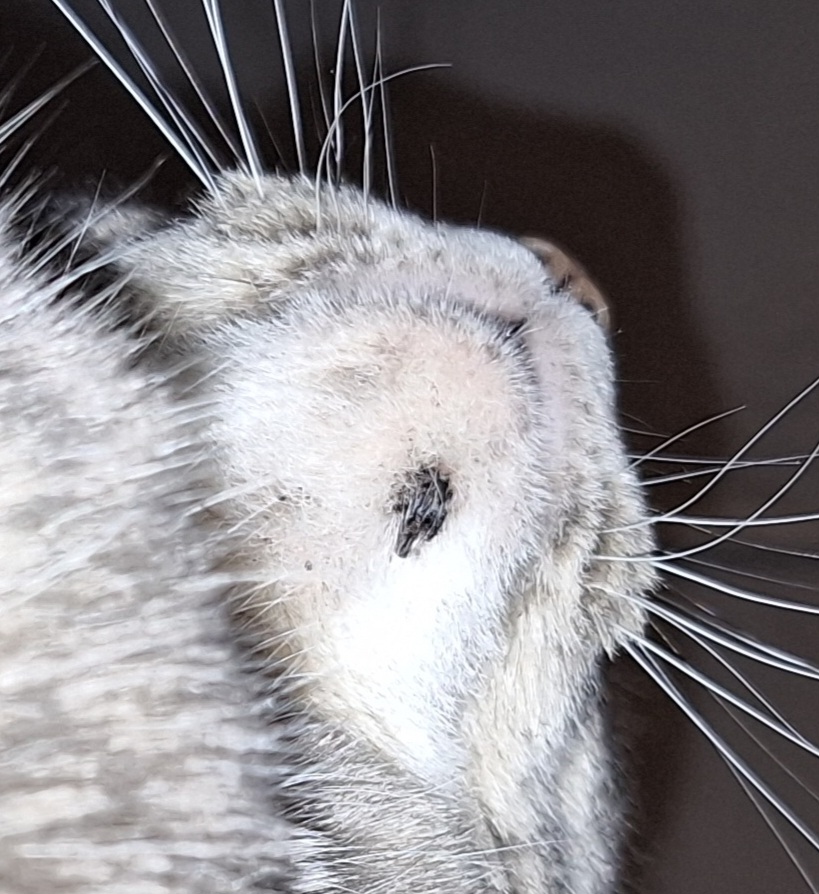
And a close up with flash:
It looks a lot like the feline acne photographs I saw when I googled the condition, but this mark is quite big and looks painful.
I wash Bud’s food bowls after every meal and I wash his water bowl out with soap and water a few times a week. Both are stainless steel and his dry food bowl is some sort of ceramic. Nothing plastic that would harbor bacteria.
It may be genetic, he may be not as good about grooming under his chin, or it may be my fault. Bud has always had a lot of discharge from his eyes (the nasty black eye crust) so he does secrete fluids more than most cats.
Regardless, I hope he’s not in serious pain. Has anyone dealt with this before? Do the antimicrobial gels designed for cats actually work?
Some material online suggests using common antibacterial wipes or solutions found in pharmacies, but I’m wary of anything like that because Bud may get it in his mouth while grooming.
It turns out catnip has a different effect when cats eat it instead of sniffing and rolling around in it.
Is it safe for a cat to eat catnip, and does eating it instead of sniffing it make any difference to the kitty?
I wondered about that while watching Buddy enthusiastically lap up some silver vine and ‘nip yesterday afternoon before he drifted off to nirvana.
If you’re worried about whether it’s safe, don’t be. While most cats tend to sniff or roll around in the stuff, there’s nothing in catnip that can harm them according to veterinarians.
The worst that can happen is a mild stomach ache from eating too much of the good stuff.
As for whether ingesting vs sniffing makes any difference, it turns out it does.
When catnip hits the olfactory receptors, it works as a stimulant, prompting energetic, playful behavior.
But when it’s ingested, catnip has the opposite effect, working as a sedative. Felines who eat the ‘nip become more relaxed, often drooling or drifting off for a nap.
“I think…I’m pretty sure I’m feeling it. Oh yeah! Break out the laser pointer and the snacks!”
That makes perfect sense given my own observations. As a feline who eats catnip, Bud will still play, but he’s lazy about it. Instead of ambushing and tackling his wand toys he’ll just pad up to them, drop to the floor and lazily paw at the plush toys at the end of the string, occasionally biting or rabbit-kicking them.
When all else fails, the laser gets him moving.
Regardless of whether your cat sniffs or eats the good stuff, the effects are relatively short-lived and wear off after about 15 minutes.
Catnip is safe for your furry friends and it’s a great way to help make an indoor cat’s life more exciting.
Buddy losing his normally meowscular and ripped physique is my fault.
Ruh roh! It’s diet time again.
The meowing protests have begun.
Buddy has noticed his dry food tastes a little bit different, and he’s not happy. And while he may not be good with numbers, he strongly suspects his snack allocations are a little light.
He’s right.
Good boy has become fat boy, and that’s my fault and my responsibility.
When you love your cat, it’s easy to fall into the trap of thinking that giving in all the time is an expression of love.
Cats are pros at insistence, especially when it comes to food. When Buddy stands in front of the treat cabinet and meows mournfully, or when he gives me his sad-eyed stare as if he’s Julius Caesar — “Et tu, Big Bud?” — I’m weak and I fold. Snacks are dispensed.
Chonky cats suffer health problems, reduced mobility and ill-fitting suits. Image: PITB
Yet there’s no denying Bud is plump.
He’s got a belly, and it’s not just his pronounced primordial pouch. His cheeks are starting to fill out. When he loafs, he looks like a gray blob.
He’s also incapable of doing his old door-opening trick, which requires him to jump and momentarily hang from the handle while his feet find purchase on the frame. Shoving off on his hind legs, he would push the handle down while leaning into the door, easing it open.
He’s just too chunky, unable to balance his weight properly to pull it off nowadays.
Most importantly, a chubby Buddy is not a healthy Buddy. That’s my fault.
So it’s back to the diet, and hopefully the little guy can be motivated to move more during play time. If not, well, we’ll have to resort to drastic measures to get him moving. An angry vacuum ought to do it.
What does it mean to “own” a cat? If you believe a cat is neglected, can you take custody? As UK law changes, those questions need answers.
For the second time this week, two people are fighting over a cat after the original “owner” received a request from a microchip company to confirm another person’s claim on the feline.
Charlotte Sawyer of Swindon, a town in southwest England, told her local newspaper she was livid when she got the request to sign over her claim to one-year-old Oreo.
“I can’t believe the audacity of this person trying to steal our beautiful cat,” she told the Swindon Advertiser.
But Sawyer readily admitted Oreo was going out for days and sometimes weeks at a time before returning home, and she hasn’t seen him for four months now.
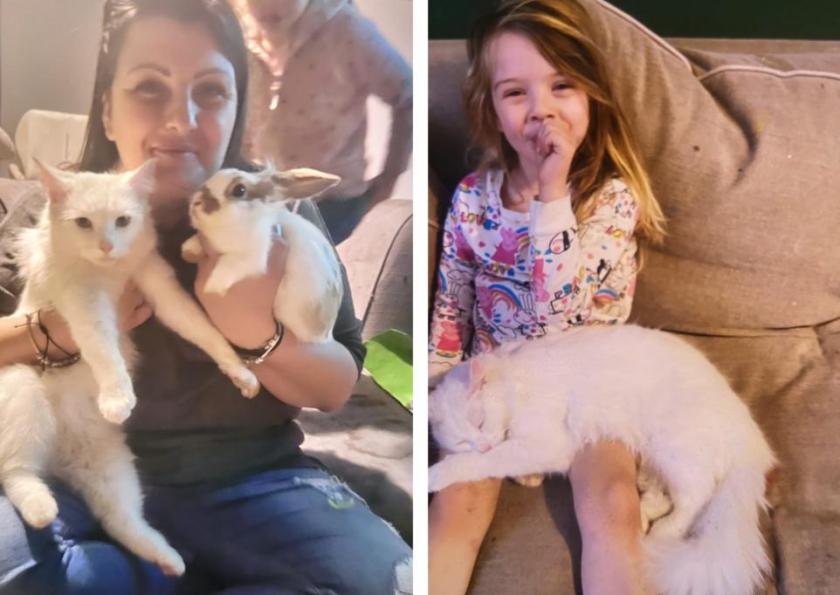
Charlotte Sawyer, left, with her cat Oreo and a pet rabbit. Sawyer’s daughter, right, with Oreo. Credit: Charlotte Sawyer via Swindon Advertiser
Like many cats in the UK, Oreo not only had access to the outdoors, he was accustomed to coming and going as he pleased. Other families were feeding him, and it’s likely he made the rounds among several houses before returning home. Because “home” is a nebulous concept in this instance, it’s not the first time someone has asked Sawyer to relinquish custody of Oreo.
“A woman claiming to be someone who looks for missing cats once knocked on my door and handed me a form asking for permission to change Oreo’s microchip,” Sawyer said. “I wanted to rip it up, I was furious, and told her he was my cat. Now it’s happened again. At least it’s provided some reassurance that he’s still alive.”
While I feel for anyone who loses a pet, I don’t know how someone who truly loves a cat can accept the kitty being gone for days or weeks at a time, not knowing if he’s in danger, hurt or still breathing. That kind of arrangement isn’t in the cat’s best interests, and it’s not compatible with our responsibility to ensure the welfare of our four-legged friends, an obligation all of us take on when we adopt our pets.
The people who encountered Oreo likely thought he was a stray or an abandoned former pet. If they’re requesting a change to microchip registration, it probably means they spent their own money to take the little guy to the vet, where the chip was discovered and scanned.
This is emphatically not a blanket criticism of UK norms regarding outdoor access, by the way. Americans cannot claim moral superiority. In the past week or so we’ve had a Pennsylvania man kill a cat with a blow dart because the feline “was trying to kill my birds,” a vulgar approximation of a human being in New Jersey “repeatedly raped” his pet cat before torturing her to death, and some deranged lunatic in Florida used a cat as target practice, leaving 30 pellets lodged in the innocent animal’s little body.
That represents a tiny fraction of the cat abuse stories from the last 10 days and I’ve omitted the worsted examples because I know we have readers who can’t handle this stuff. (I can’t either, which is why I paused my Google News alerts for most of the past two weeks.)
My point here is not to shock. It’s to underscore the fact that we have absolutely no moral authority when it comes to telling people in other countries how to care for animals.
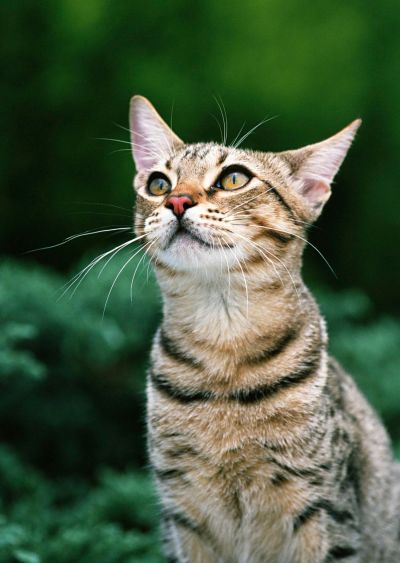
A cat exploring outdoors. Credit: Openverse
Moral authority concerns aside, the two examples of ownership claims by microchip this week raise important questions about the definition of “ownership” and what it means to properly care for a cat.
Like many cat lovers I don’t like the term “owner” and I describe myself as a caretaker, but where the law is concerned, ownership is important concept because it determines who has claim over the animal. The law views cats and dogs as property, whether we like it or not. That’s why animal welfare statutes fall under agriculture and markets law in many US states instead of the criminal code, and it’s why so many of those laws need updating.
Cat culture across the Atlantic is different in that the majority of people who have cats believe our furry friends must have access to the outdoors to live a complete, fulfilled life. In the US, 63 percent of cat caretakers keep their felines strictly indoors, while in the UK it’s virtually the opposite, with 70 percent allowing cats to roam outdoors. Not all definitions of outdoor access are equal: Some people allow only supervised outdoor time in the backyard (or “garden”), some make sure their kitties are safely indoors by nightfall, while others have cats who return at their own whim.
There are also differences regarding geography, traffic density, the prevalence of natural predators and the nature of city life that account for how much outdoor access they allow their cats.
As the UK sets a June 2024 date for the mandatory microchipping of pet cats, disputes like this are going to become more common, which means people would be wise to make sure their cats’ microchips have up-to-date information and have readily available proof that they own their felines. If cat owners don’t establish the criteria for what it means to “own” a feline, the government will.
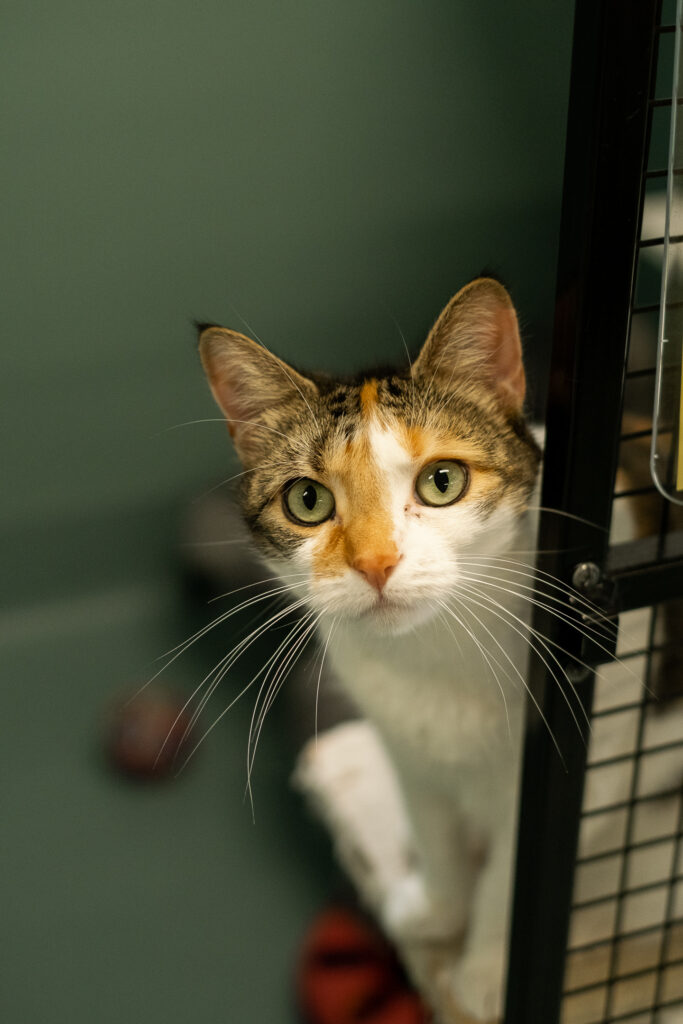
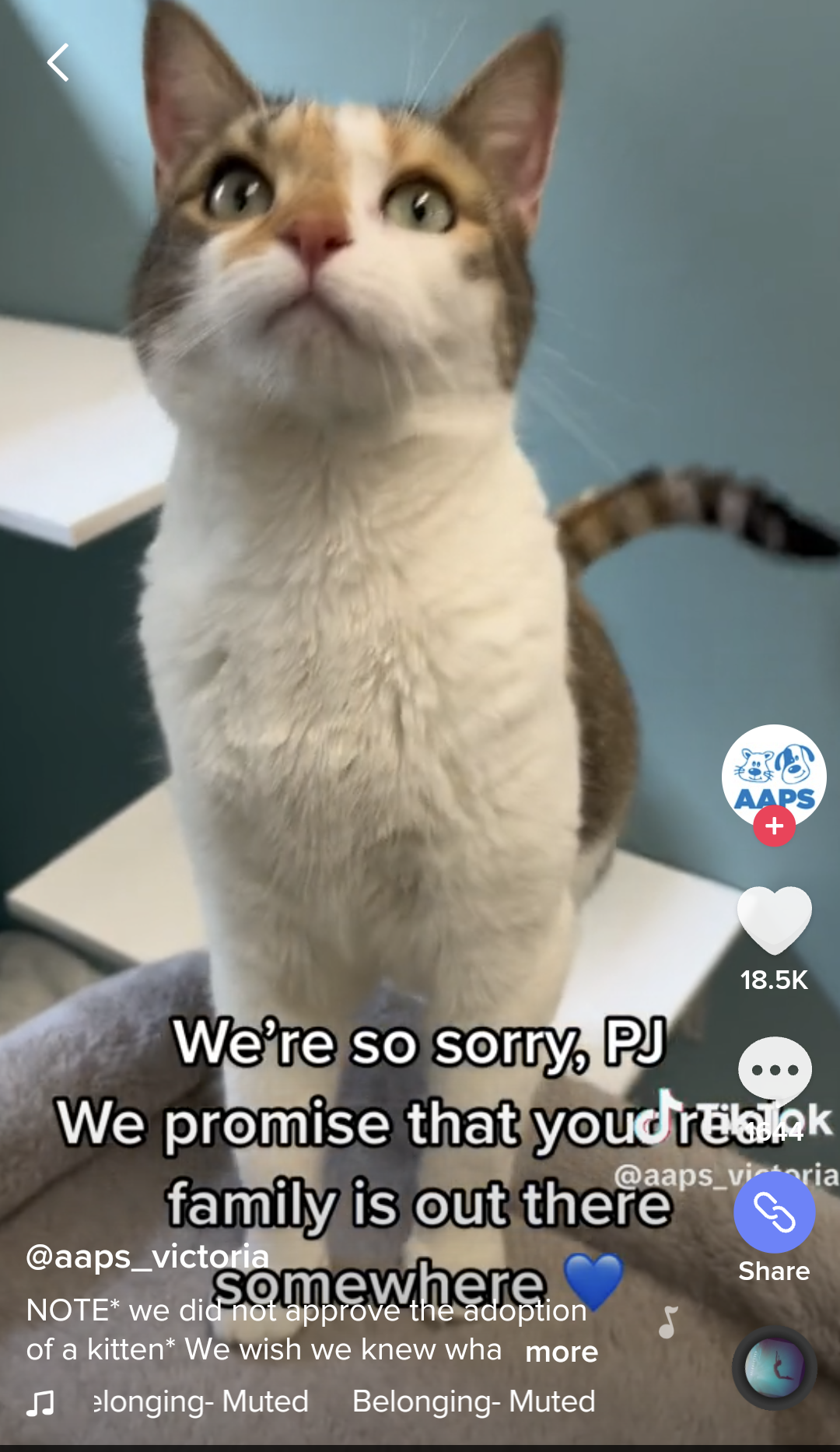
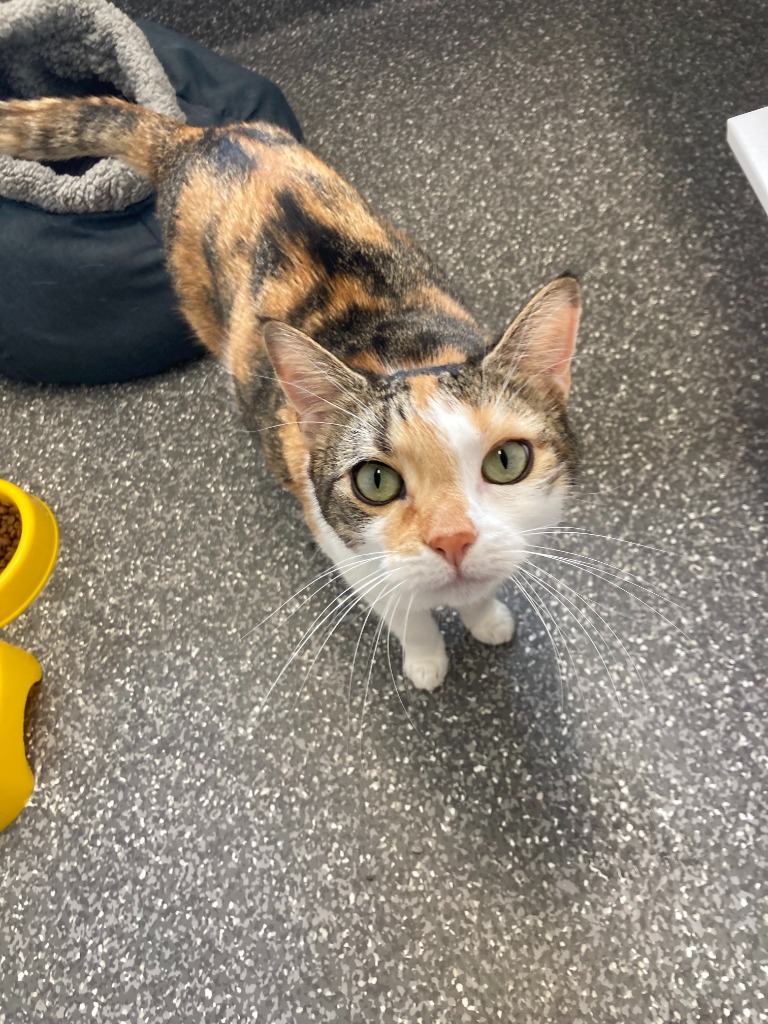
PJ is a shy cat, and her adopters were reminded that she would need time to adjust to her new home.
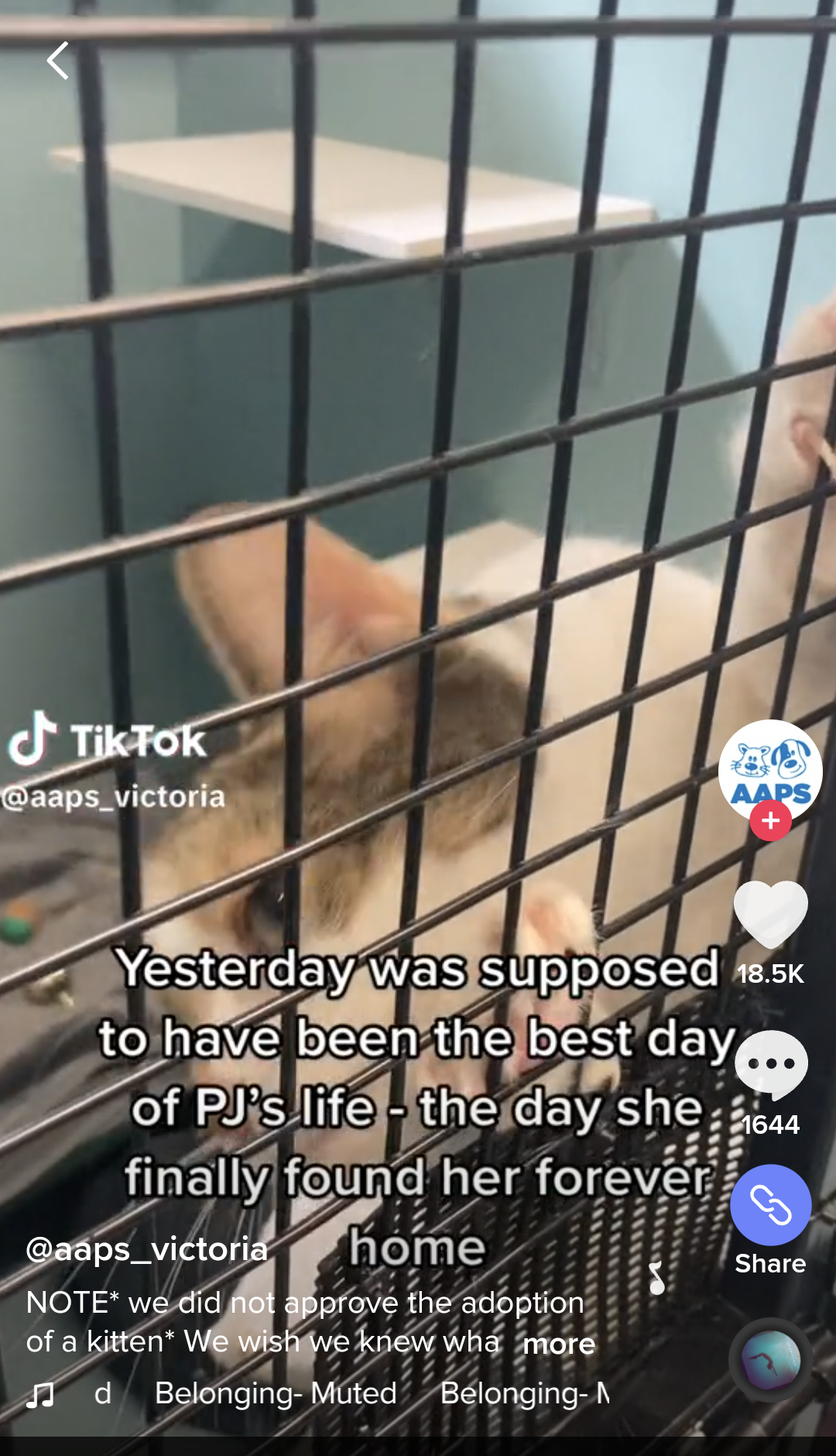
A family adopted a shy, anxious cat who has been waiting months for a forever home, then brought her back within 24 hours, explaining that they decided they wanted to “swap” her for a kitten.
I’ll pause for a second here to let PITB readers yell a few choice words about the family.
Okay, now that’s out of the way, hear me out: I think the cat, PJ, dodged a bullet.
The staff at the Melbourne, Australia shelter say they went above and beyond to screen for people who insisted they would be patient with the two-year-old Calico, made sure the adopters met her several times, and sent them home with a list of resources for dealing with a shy cat.
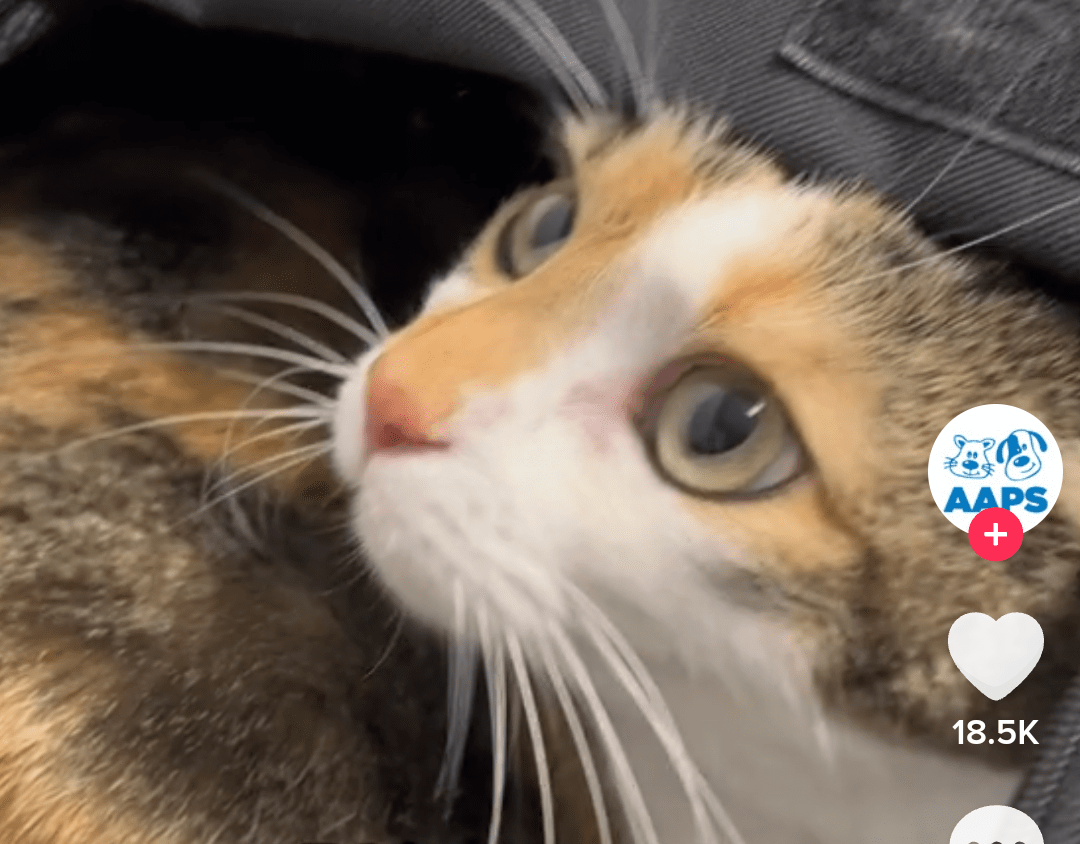
PJ Credit: AAPS Victoria
It sounds like they did a pretty thorough job, and the whole situation illustrates how difficult it is for people who run shelters to be sure they’re sending their animals to good homes.
But PJ wasn’t going to a good home. The kind of people who would return a cat after a day to “swap her for a kitten” are extremely unlikely to be good caretakers, and to treat PJ like the thinking, feeling feline she is.
PJ’s back at the shelter after her “forever home” didn’t work out.
I’ve seen cats like that, and they live miserable, bored, unloved lives. Once their novelty wears off or they’re no longer cute kittens, they become background noise, ignored as if they’re basically house plants. They have no way out of those situations, sadly, and no way to express their feelings, which is why it’s so important for us to learn to listen to our cats. But that’s a subject for a different post.
And no, the shelter did not honor the request to “swap” PJ with a kitten, as if the adopters were in Target, bringing back a 44 inch flat screen for a 50 inch 8K model.
Let’s hope a kind soul hears about PJ’s situation and has a home for her. If any of our Australian readers are interested, PJ’s with the Australian Animal Protection Society (AAPS) in Victoria, and you can find her adoption profile here.




 Pain In The Bud