Or if your sense of humor tends toward the scatological, you can donate to put your ex’s name on a litter box.
Like other nonprofits, animal shelters face steep competition when it comes to scoring charitable donations, so the more a shelter can stand out, the better.
For some that means stories about their rescues and pets-in-waiting going viral. For others, it means finding clever ways to use occasions like Valentine’s Day to raise money.
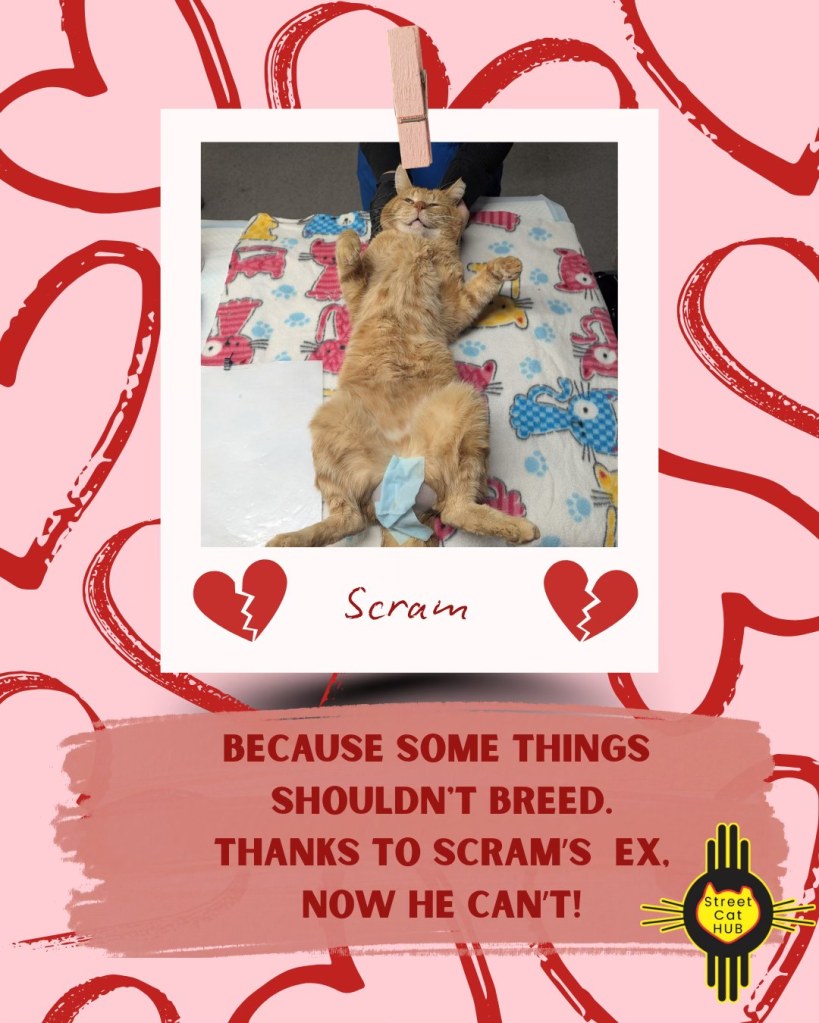
One of the latest fads involves making a donation to pay for spay/neuter surgery for a street or shelter cat — and having the cat named after your ex. As one shelter puts it, “because some things shouldn’t breed.”
Poor Scram has no idea he’s a stand-in for a despised ex.
If the idea of castrating an ex seems a little morbid to you, you’ve still got options.
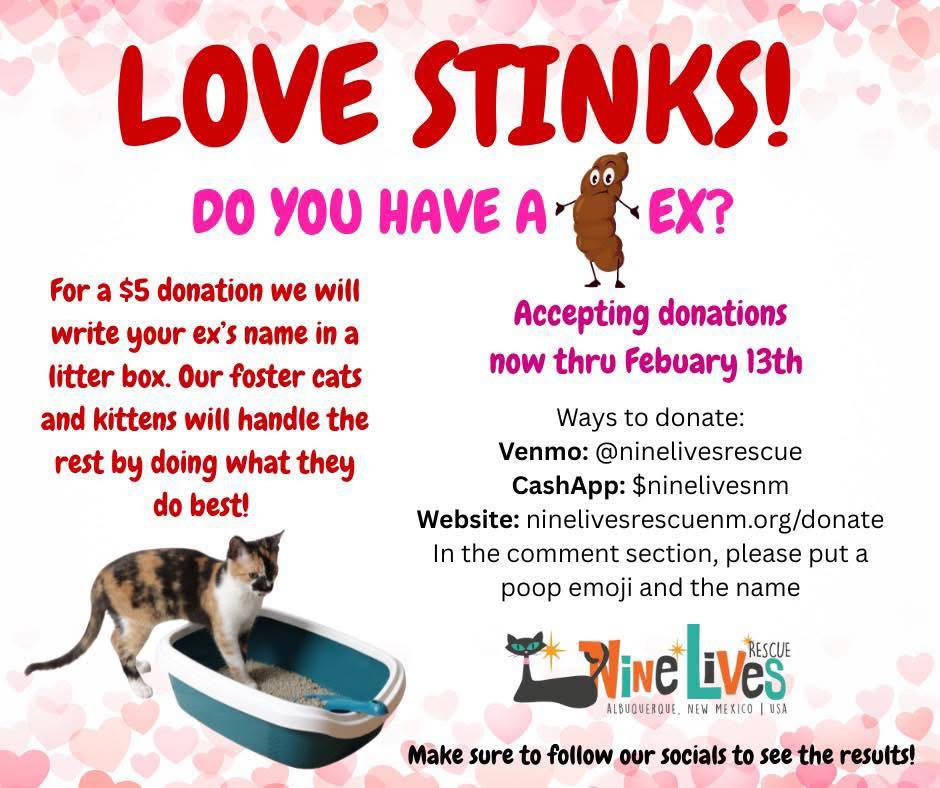
For just $5, Albuquerque, New Mexico’s Nine Lives Shelter will write your ex’s name on a litter box.
“Our foster cats and kittens will handle the rest by doing what they do best,” the shelter’s staff wrote on Facebook.
Of course, there’s another option for people who prefer a more positive take: donating out of love for cats in general, because despite the encouraging drop in animal euthanasia over the past two decades — the result of relentless campaigns to get pets and street cats spayed/neutered — a few hundred thousand cats are put down every year. Every time a cat is fixed, that number drops, and existing cats have a better chance of finding forever homes.
Amazon has not been helpful when its drivers have stolen pets from customers, treating the incidents as customer service issues.
A woman in California is in a panic after her cat went missing and her home security cameras showed an Amazon driver carrying the kitty away.
Diane Huff-Medina’s footage shows a driver bending down to pet her cat, Piper, during a delivery this weekend. After delivering the package, the Ring camera footage shows, the driver grabbed Piper on the way out, put her in his vehicle and drove off.
“I thought he was just petting her for a second, but yeah … I had to rewatch it a couple of times because it is hard to see, it’s dark, and he doesn’t carry her very nicely,” Huff-Medina told LA’s KABC. “I see her little tail and I was like, ‘Oh my God.’ I couldn’t believe what I was seeing.”
Piper the cat. Credit: Diane Huff-Medina
Unfortunately incidents like this seem to happen regularly, and Amazon continues to fall woefully short when it comes to handling them and helping reunited their customers with their pets.
In an incident from last year when one of the company’s drivers stole Feefee, a cat belonging to the Ishak family of Everett, Washington, Amazon’s customer service representatives told the family the company could not force the woman to return the cat, and refused to give the woman’s address or even her general neighborhood to the family so they could search for Feefee.
In a similar incident from August, an Amazon driver stole Murphy, a cat belonging to Kathy Souza from Massachusetts. While Souza thankfully was reunited with Murphy, Amazon was not helpful, she said.
“I spoke with someone at Amazon who asked, ‘Is the cat worth more or less than $200?’” Souza wrote incredulously on Facebook while Murphy was still missing.
Credit: Diane Huff-Medina
This time, an Amazon rep told Huff-Medina they’d identified the driver, but couldn’t get in touch with him.
It’s amazing that after all these incidents, Amazon still treats the theft of cats and dogs by their delivery drivers as a customer service issue, and seems to have no standard protocol for working with law enforcement to get the animals returned.
Indeed, there’s one common thread to all the stories that end happily — in those cases the victims did everything they could to find their pets and did not wait for Amazon or local police to take the thefts seriously.
In the Ishak family’s case, they spent several days posting flyers, talking to local media and driving around in a widening circle to look for the car they’d seen on their doorbell camera. That’s ultimately how they found Feefee: instead of surrendering the scared feline as she told Amazon she would, the driver simply dumped Feefee outside her own building. The Ishaks found Feefee scared and hungry, hiding in the bushes outside the driver’s apartment complex, but otherwise unharmed.
In Souza’s case, her relentless efforts to make noise and draw attention to the driver and Amazon ultimately prompted the driver to return Murphy.
So we’re hoping Huff-Medina takes a similar route, because unfortunately these cases are not a priority for the corporate behemoth, nor for local police, as most state laws consider pets property, and stealing a pet is considered a small time crime. Let’s hope there’s good news soon.
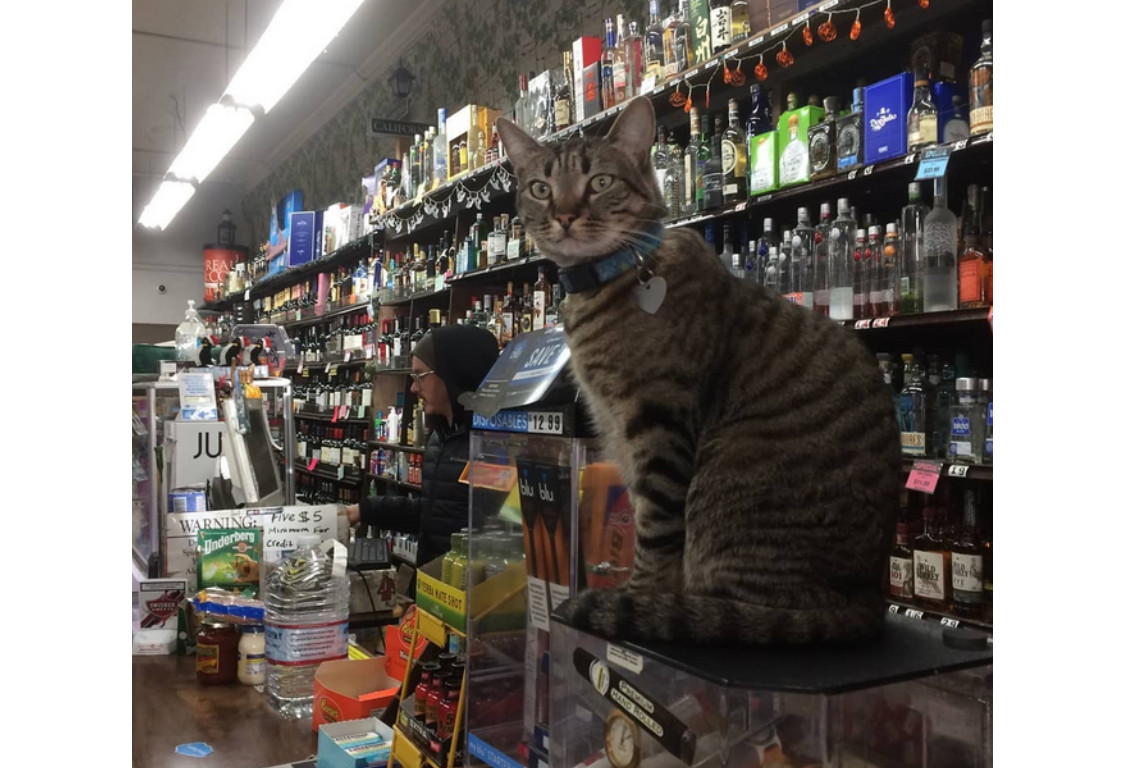
Waymo says KitKat “darted under our vehicle as it was pulling away” in the accident that killed the popular bodega cat.
Last week when we wrote about a San Francisco cat hit by an autonomous taxi, the Google subsidiary that produces the cabs hadn’t responded to media requests for comment.
Now Waymo has confirmed one of its driverless taxis did strike KitKat late on the night of Oct. 27, but claims the nine-year-old tabby got in the car’s way as it began to move. Here’s Waymo’s statement:
“The trust and the safety of the communities we serve is our highest priority. We reviewed this, and while our vehicle was stopped to pick up passengers, a nearby cat darted under our vehicle as it was pulling away. We send our deepest sympathies to the cat’s owner and the community who knew and loved him, and we will be making a donation to a local animal rights organization in his honor.”
People in the neighborhood where KitKat was a fixture are not happy with the response. Per Mission Local: “Waymo did not reply to a request to review the video, and did not say how much it would donate or what group would receive the gift.”
Mission Local noted witnesses gave slightly different accounts of the collision, saying KitKit was in front of the taxi for several seconds before it began moving.
As testament to how well-known and beloved KitKat was, there’s now a considerably sized memorial to him in front of the store he called home, with flowers, candles, drawings of KitKit and even cans of cat foot left on the spot. The San Francisco Chronicle has photos of the memorial.
KitKat featured prominently on Instagram, where photos show him hanging out with customers, patrolling the sidewalk in front of the store, and curling up for naps on the counter. Credit: https://www.instagram.com/randasmarket/
The paper also quotes a local who explained the outpouring of grief: “If you’re not a 16th Street regular this can seem silly, but this cat meant so much to this community. If you knew KitKat, you’d understand.”
KitKat’s death has soured more people on Waymo, with the Chronicle noting it “struck an emotional nerve in a neighborhood already wary of driverless cars weaving through its crowded streets.”
Waymo, a subsidiary of Alphabet Inc. (Google’s parent company), operates driverless fleets in San Francisco, Los Angeles, Phoenix, Austin (TX) and Atlanta, with plans to offer automated taxi service in Washington, D.C., and Miami.
“When they show up in your yard and they need you, we can’t look away.”
As someone who avoids medical dramas like the plague, I’m not familiar with Wendi McLendon-Covey’s work, but I’m sure many PITB readers will know the St. Denis Medical star. In an interview, McLendon-Covey talks about rescuing cats, earning their trust, and getting satisfaction from knowing she’s improving one life at a time.
Most recently she’s been earning trust with a stray she calls Harvey, saying it’s “taken me forever to bond with him” and she still has work to do before he trusts her enough to go indoors.
Cats, she said, are “cuddly, they’re cute, they’re hilarious. They all have their different personalities and they have their little meetings and their little way of talking to each other, and it’s just fascinating to watch. So that’s a hot Friday night for me, is just throwing treats to the cats.”
The latest viral cat story offers a lesson in healthy skepticism in today’s news environment.
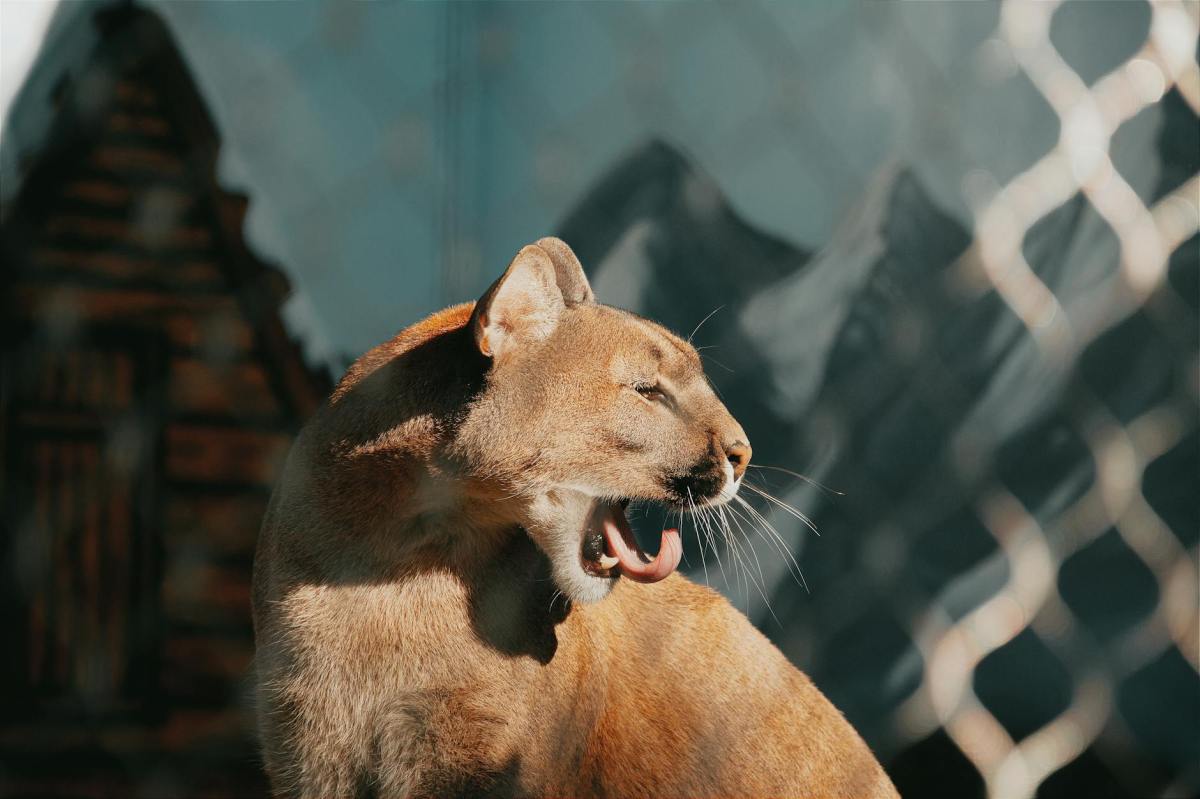
Viral news accounts on social media and less scrupulous news sites have been buzzing this week about a school lockdown in Moses Lake, Washington, which was reportedly caused by a teacher confusing a particularly fat cat for a puma.
I saw red flags immediately while reading the story. While it did give a specific location, it was suspiciously devoid of other details, and the wording on all the posts and stories was dubiously similar. Additionally, a Google news search doesn’t turn up anything recent from reputable press.
Then there’s the photo, which looks a little too good to be true.
This photo is a Getty stock image and does not depict the domestic cat in the school lockdown story, despite accompanying it in dozens of news posts.
So did a school really go into lockdown after a case of mistaken feline identity?
Yes, but it happened in November of 2023, and the photo of the obese cat making the rounds in stories this week does not depict the cat in question. The original story was published by a local news site on Nov. 22, 2023, and says the school went into lockdown at 10:30 that morning, but was quickly lifted after staff confirmed there was no puma stalking the school grounds.
“…educators soon learned that the mountain lion was in fact, a “fat cat eating a rat,” according to the school memo to parents.
‘While we take all reports seriously, this was the first report we’ve ever had of this nature,’ the school wrote in a statement.
Despite the benign nature of it all, safety measures resumed to safeguard students and staff. Classes resumed as normal after a short period of time. “
As for the photo, the particularly rotund moggie’s image is a stock photo from Getty. It was used in a story about feline obesity in 2017 and an April 2018 story from the New York Daily News about public outrage in Jefferson, Iowa, where the police were shooting feral cats instead of dispatching animal control or working with local shelters.
Since the image is from a photo agency and predates the original story about the Washington school lockdown by at least six years, we can rule it out as an image of the feline mistaken for a mountain lion while settling down to a feast of fresh rat.
A deceptive image used to promote the story on Facebook.
So what happened here, and why are so many news sites and channels reporting this incident as if it just happened, accompanied by a deceptive photo that is not credited to Getty?
It’s classic clickbait. That is to say, some administrator or editor saw the old story picking up traffic or noticed a blip in certain search strings, and republished the story as if it’s new while omitting the original date.
Others noticed and followed suit to get the clicks while the getting’s good, fighting over the scraps that fall from the Zuckerbergian table in the form of ad revenue. The story is simple, sharable, has been paired with an amusing image, and is exactly the sort of thing people love to post and comment on via social media.
It’s a reminder to all of us to be skeptical about what we read, and to never take anything on Facebook, Instagram, TikTok et al at face value. In fact, it’s best to ignore anything on those platforms presented as news or fact. Everyone’s got their own preferences, but here at Casa de Buddy, we like the Wall Street Journal, Reuters, The Guardian, Associated Press, al Jazeera, the BBC, and aggregators like RealClearPolitics.
That doesn’t mean they’re above reproach or that everything they produce is a sparkling example of journalism, but they’re institutions that operate under the traditional rules, staffed by professionals who take pride in trying to get stories right. I’ll take that any day over a random Facebook account run by some shady guy in Macedonia or Belarus, who will post anything as “news” as long as it brings him clicks and ad revenue.
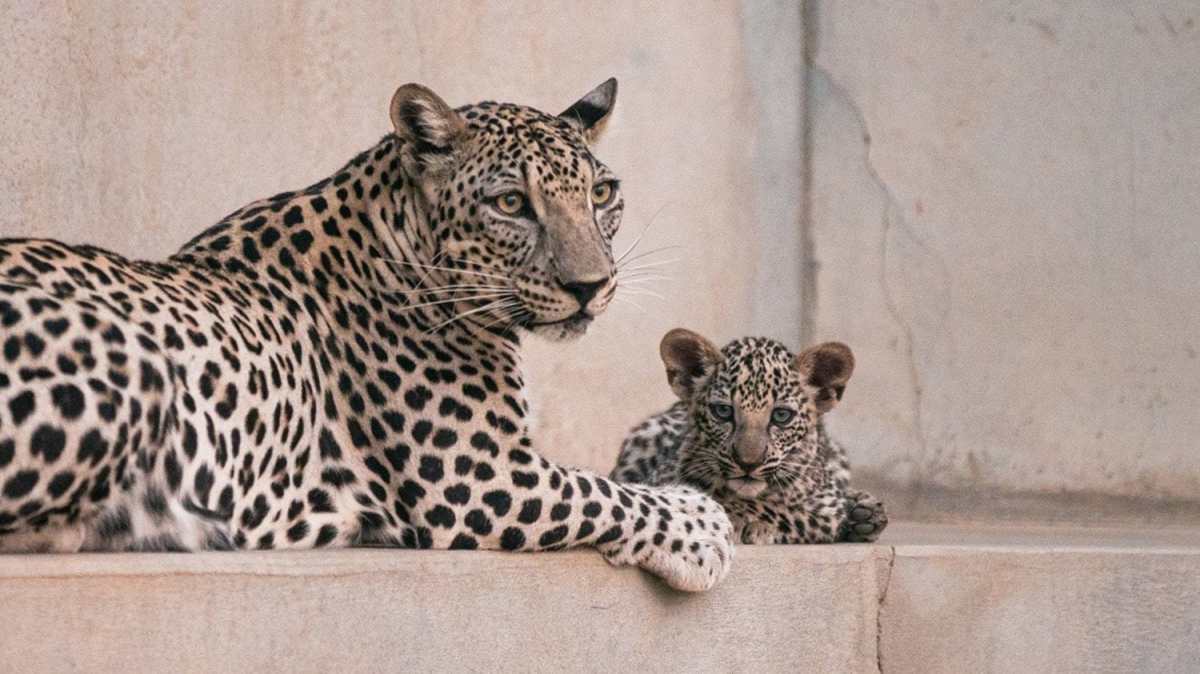
Arabian leopards are among the most rare of all cats, with only about 120 left living in the wild. Trump was taken with them on a recent visit to Saudi Arabia.
I can practically hear Donald Trump bragging about the new pair of extremely rare Arabian leopards the Saudis will send stateside as a deal-sweetener between the countries.
“They’re tremendous cats, just terrific,” he’ll say. “The most ferocious cats you’ve ever seen, believe me. It’s incredible. A lot of people are saying — and by the way, did you know leopards eat up to 40 pounds of meat a day? They’re tremendously powerful animals, very powerful.”
As the New York Times notes, Trump is just as beguiled by dangerous apex predators as he is with dangerous “strong men” tyrants:
Mr. Trump does not own pets and, unlike his sons, he does not hunt big game. But he has shown a particular fascination for animals at the top of the food chain. Last year, he talked constantly on the campaign trail about shark attacks. While campaigning in 2015, he was nearly mauled by a bald eagle he posed with in Trump Tower for a Time magazine photo shoot. (“This bird is seriously dangerous but beautiful!” he chirped after the raptor lunged at his head.)
During his first term, Mr. Trump asked aides about dropping snakes and alligators into a hypothetical moat he wanted built on America’s southern border. He also reportedly became fixated on the viciousness of badgers, badgering his former chief of staff Reince Priebus, who is from the Badger State, as Wisconsin is known, about whether badgers were mean or friendly, according to “Sinking in the Swamp,” a book about the first Trump administration. (Mr. Priebus did not respond to multiple requests for comment.)
Trump viewed the leopards and spoke to a zookeeper while he was in Saudi Arabia to complete a recent arms deal. (The U.S. will sell $142 billion in high tech weapons to Saudi Arabia so the kingdom can more effectively slaughter Yemeni civilians in its ongoing proxy war with Iran.) The American president wanted to know all about the big cats, including how big they are and what they eat. The zookeeper, who routinely handles those sorts of questions from visiting classes of elementary school children, happily indulged his interest.
Arabian leopards are fierce, but they’re somewhat smaller than their Asian counterparts. Panthera pardus nimr, as the species is known, generally has a lighter, tan-colored coat that provides more camouflage in desert and arid environments.
An Arabian leopard Arabia’s Wildlife Center in Sharjah, United Arab Emirates. Credit: Arabia Wildlife Center
The Times also quotes Joe Maldonado, aka Joe Exotic, who spoke to a reporter from prison, where he’s serving a 21-year sentence for trying to have Big Cat Rescue’s Carole Baskin murdered. Maldonado is keenly aware of Trump’s recent streak of handing out pardons to reality TV grifters, like Todd and Julie Chrisley, who stole almost $40 million, as well as less famous scammers like convicted crypto bros. (The Chrisleys, who were convicted of bank fraud and tax evasion, declared bankruptcy to avoid paying back their victims, and will now launch a new reality TV show detailing their post-prison lives. ‘Merica!)
Now Maldonado sees an opportunity.
The former “Tiger King” says Trump should have leopards and other big cats prowling the grounds of the White House, which is the kind of thing dictators like Vladimir Putin and Saddam Hussein have been known for.
“I think it would be absolutely amazing if he would put some endangered cats like that around the White House,” Maldonado said. “I’ve never been there. I don’t know how big the Rose Garden is, but I would imagine you could build a pretty nice size complex.”
Perhaps Trump can threaten to feed congressmen and senators to his new leopards if they defy him and don’t vote for legislation like the “big, beautiful bill” he’s been pushing.
Maldonado admitted that even he’s never seen an Arabian leopard, an animal so rare that only an estimated 120 of them remain in the wild. Still, he thinks he can handle them for Trump.
“Let me out,” Maldonado said, “and I’ll come take care of ’em!”









 Pain In The Bud