While New Zealand’s Vigilantes Slaughter Cats, The Country Has Pledged To Eradicate Free-Roaming Felines By 2050

Convinced that culling cats will prevent local wildlife from going extinct, despite no evidence supporting that idea, New Zealand’s authorities have pledged to wipe out ferals and strays.

A recent RNZ story about efforts to exterminate cats in New Zealand starts with an anecdote about a man named Victor Tinndale, describing the way he bludgeons a cat to death as casually as if he’s sipping a cup of coffee.

Tinndale has taken it upon himself to kill cats even though the country’s wildlife management authorities told him not to. Why? Because he thinks cats are responsible for driving native species toward extinction.

He doesn’t know that, of course. No one does. No one’s bothered to do the research, and the driving force behind the claim that cats are responsible is a series of meta-analyses by birders who literally invented numbers to align with their predetermined conclusions about predatory impact.

To date there is not a single study that accurately measures feline predatory impact, nor is there a shred of evidence that slaughtering cats — whether beating them to death, shooting them with shotguns or poisoning them — has any beneficial impact on endangered bird species.

Yet there are vigilantes aplenty slaughtering cats across New Zealand, youth hunting contests encouraging kids to shoot cats and kittens, and government-sponsored extermination programs, like a particularly ghastly effort on a small island off New Zealand’s coast, where members of a team tell themselves they’re doing good work by sniping animals who are doing what they were born to do.
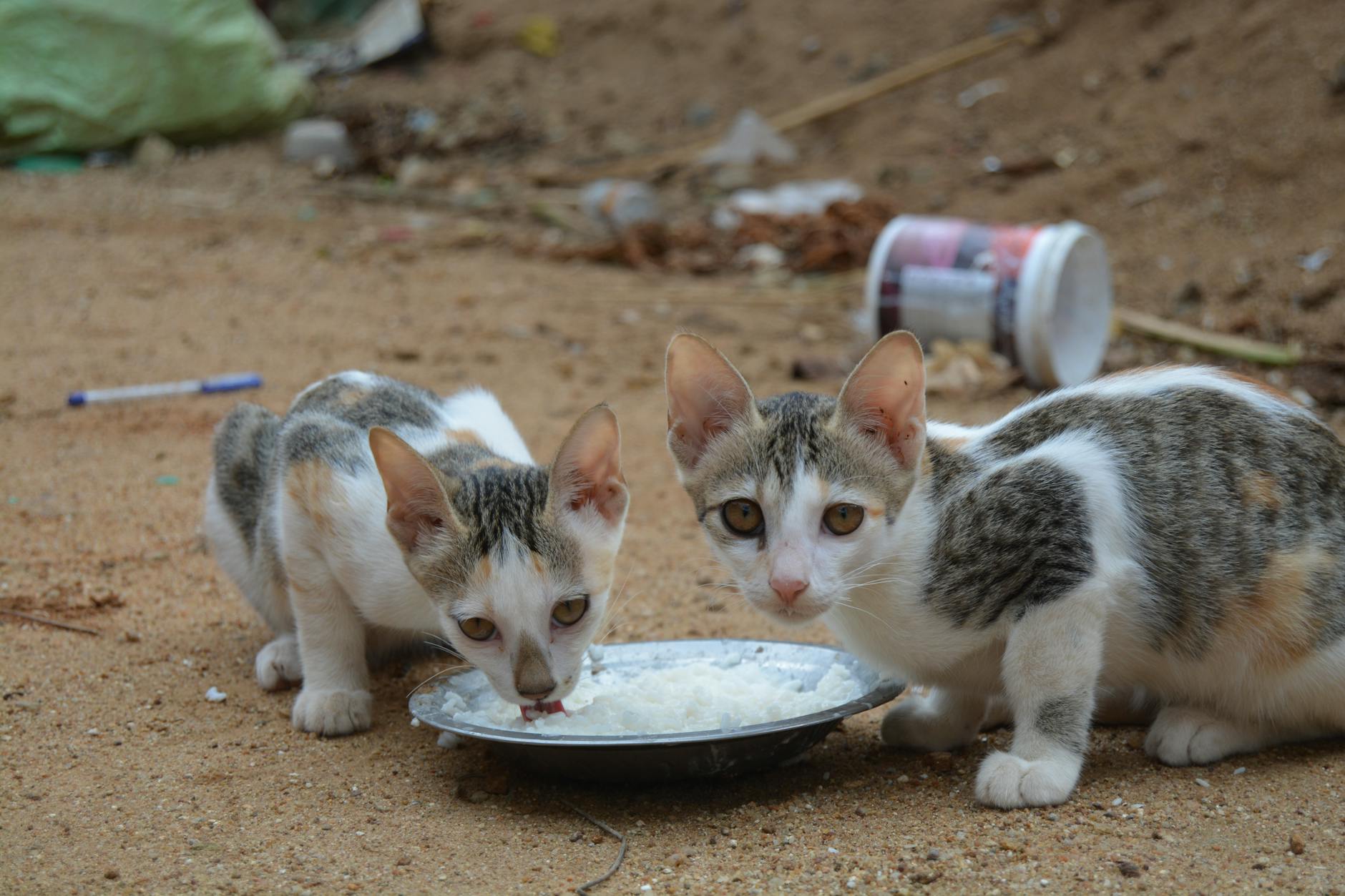
Ferals and strays already have tough lives without being hunted for sport or at the behest of government officials who aren’t in full possession of the facts. Credit: Mohan Rai/Pexels

The RNZ story describes Tinndale merrily skipping through the Aotearoan wilderness, singing songs and cracking jokes like a perverse Tom Bombadil as he murders cats unfortunate enough to get caught in his traps.

RNZ cameras follow Tinndale as he finds a terrified feline in one of the his traps. Tinndale describes the cat’s impending death at his hands as some sort of inevitable cosmic justice. He didn’t sentence the cat to die, he argues. He’s just the man who carries out the sentence.

“This cat is just an utter killing machine,” Tinndale says, addressing a camera as he repeats rhetoric from birder Peter Marra — who has advocated for the destruction of the entire species — almost word for word. “I’d hate to think what this cat has slayed to survive. So this guy has got to go, you know?”

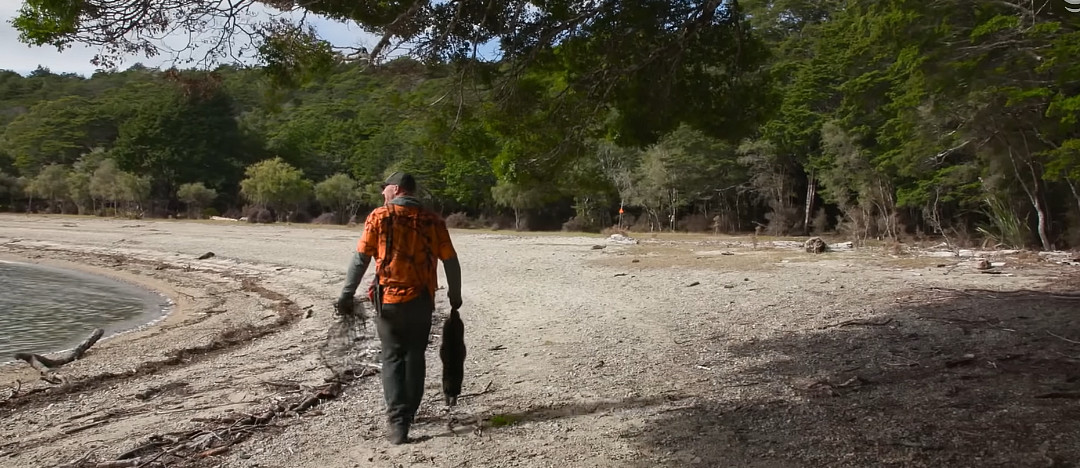
The next scene shows Tinndale walking along the shore, the cat now hanging dead in his hands. He is judge, jury and executioner.

Tinndale buries his victims in a “graveyard” he made near a hut, admitting the graveyard is a “little bit of a laugh.” Tinndale was shocked, the story says, when New Zealand’s Department of Conservation didn’t pat him on the head for his vigilante efforts.

“I thought they’d have a chuckle, you know, and be pleased, but it was nothing of the sort,” he told RNZ.

Thought they’d have a chuckle?

This man thinks bludgeoning animals to death is hilarious. He is a psychotic vigilante who has taken it upon himself to violently end life. Why is he allowed to own weapons? Why is he not in prison or on a court-mandated mental illness management program?

Brad Windust with a trophy hunter’s expression as he shows off a Maine Coon mix he killed with the help of his hunting dog. Credit: Supplied to NRZ

The story goes on to quote Jessi Morgan of the Predator Free New Zealand Trust, who flat-out admits she can’t say how many cats there are in the country, let alone measure their predatory impact.

“I’ve seen estimates from two-and-a-half million to 14 million, which basically tells us we’ve got no idea what those numbers are,” Morgan said before immediately relaying anecdotes from hunters and farmers who say they’re “seeing more.”

This is not how we make decisions between life and death! This is not science, not by any definition of the word. This is not public policy. This is vigilantism and a mob mentality, amplified by the fact that it’s easier to blame a defenseless species for our own conservation failures and humanity’s impact on wildlife.

It is gross, utter disrespect for life under the guise of conservation, by people who not only can’t articulate what sort of damage they think felines are doing to their country, but have not a scrap of evidence that vigilantes running around bludgeoning cats to death are doing anything other than causing needless suffering.

Worse, it’s clear at least some of these self-appointed nature guardians are enjoying the task of murdering cats. It’s evident in their smiles as they show off their prizes and in the way they talk about their “work” — not as a solemn duty after all other options have been exhausted, but as something to “have a chuckle” over.
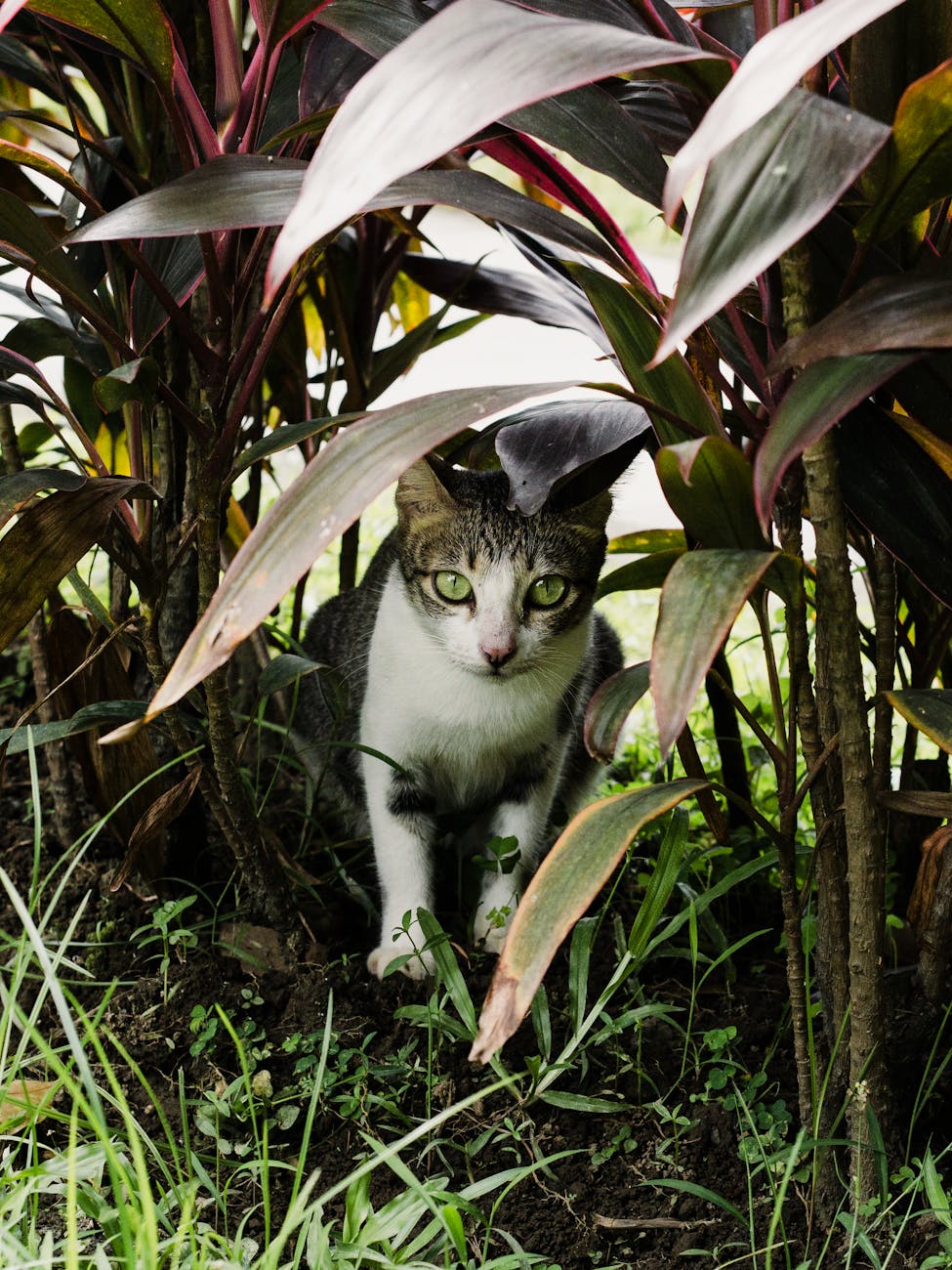
Credit: Dianne Concha/Pexels

This is also a failure of journalism, a failure to follow the most basic best practices and rules, to ask for proof when people assert opinions and call them facts. Those who call themselves journalists, who credulously spread the bunk studies about feline impact on native species, should be ashamed of themselves for not even taking a few minutes to read the studies they cite. Anyone who reads the research would immediately understand that the “studies” — which are really meta-analyses of old data — don’t provide any proof that cats are responsible for pushing endangered species toward extinction. They do nothing of the sort.

What we do know, and have confirmed over more than half a century of rigorous science, is that we are responsible for wiping out wildlife — more than 73 percent of the world’s monitored wildlife populations in the past 50 years alone, according to the World Wildlife Fund’s annual report.

Cats did not render more than half the rivers and lakes in the US unsuitable for swimming or collecting drinking water. Cats did not dump PCBs in the Hudson River, test nukes on desert ranges and in the ocean, create vast stormfronts of smog that shut down entire cities for days, or bleach coral reefs around the planet. Cats didn’t overfish the oceans, build the skyscrapers that kill innumerable birds every year, or bulldoze vast stretches of jungle in places like Borneo, Sumatra and the Amazon.

We did that.

Aside from the fact that they don’t have homes, these cats are no different than pet felines. They are the same species. Credit: Wikimedia Commons

Animal welfare groups have never disputed the idea that cats probably do have a part in endangering small mammals and bird species. They are predators. Hunting is their role.

But that is a far cry from proving they have a measurable impact, let alone are the primary drivers. In rare cases when research teams did the hard work of taking a feline census, as Washington, D.C.’s Cat Count did, the population numbers turn out to be considerably lower than expected.

Data from the Cat Count also confirmed what we know, that cats do not stray more than a few hundred feet from their territory, whether it’s a human home or a small shelter in a managed colony. In urban and suburban environments, the study found, cats have minimal impact through hunting unless they’re living directly adjacent to wooded areas.

Sending a bunch of lunatics out, dancing and skipping as they arbitrarily slaughter sentient creatures with real emotions, is the kind of monstrous behavior only humans are capable of.

Human-made devices and structures kill innumerable birds annually, a fact that isn’t accounted for in studies and news stories blaming cats for bird species extinctions. Credit: Amol Mande/Pexels

But it isn’t enough for New Zealand’s government to have vigilantes killing cats, or community-sponsored cat hunts. Now the government has pledged to eradicate feral cats by 2050. Because feral cats are the same species as stray and pet cats, and there is no way to determine by sight if a cat is feral or just frightened, that means any feline found outdoors will be killed.

“In order to boost biodiversity, to boost heritage landscape and to boost the type of place we want to see, we’ve got to get rid of some of these killers,” says Tama Potaka, the country’s conservation minister.

Note the language in the linked story, which describes domestic cats as if they’re a separate species. That’s the kind of ignorance that drives these cruel efforts.

New Zealand is heavily reliant on tourism, with visitors accounting for almost six percent of the country’s GDP before COVID-19, a number the country’s leaders expect to match in late 2025 as the tourism industry recovers. It’s part of New Zealand’s overall shift to services instead of products in an effort to diversify its economy.

Anyone who loves cats, who thinks men shouldn’t play God, who thinks we ought to demand at least something in the form of proof before allowing socially maladjusted vigilantes to brutally kill animals, should boycott New Zealand as a travel destination.

If you enjoy PITB’s content and want to help us keep the lights on, please consider whitelisting this site on your ad blocker.

Header image: Tinndale walking with a cat he killed via RNZ

Opening Your Heart To A Crazy Cat: The Story Of Kevin

A writer reminds us that feline friendships don’t always come easy, but some of the hardest-won are the most rewarding.

When San Francisco’s KQED, the local public radio affiliate, asked its culture writers to reflect on “one beautiful thing” from 2025, Rae Alexander chose her cat, Kevin.

Kevin is “chaos in cat form,” a feline “sociopath” who doesn’t realize how much damage he does with his claws. The tabby, Alexander writes, is “never not screaming at us for food” and pads around as if he owns the place. (That sounds awfully familiar!)

After bringing Kevin’s heavily pregnant mother in from the cold earlier this year, Alexander adopted Kevin’s mother and his “well-behaved sister,” but was repeatedly rebuffed when she tried to get rid of Kevin himself.

Three potential adopters fell through while Kevin was growing out of his kitten stage, drastically reducing his chances of finding a home.

Then something crazy happened: cat and human came to a mutual understanding and the beginnings of trust led to friendship and love. As with any progress in gaining a cat’s trust, it was not a quick process, but Kevin eventually showed another side — a much softer, appreciative version of himself who enjoys cuddling and expresses love despite his quirks.

“As this fraught year draws to a close, I want Kevin to be a pertinent reminder to us all that the little things bumming us out today might just lead to the things that make us happiest tomorrow,” Alexander wrote. “Start putting all those everyday stresses on the stairs. You never know where that might lead in 2026.”

Read the whole thing here:

https://www.kqed.org/arts/13983150/kevin-favorite-cat-sociopath

We’re back after a brief interruption!

Apologies for going radio silent over the past week. This past Saturday I sat down to write and my computer was dead. As in completely dead — I couldn’t even trick it into loading BIOS or getting a boot screen.

So I said farewell to a machine that had served me well since 2018, that served as my primary platform for writing, producing music and gaming.

Now I’ve got an absolute beast of a machine centered on one of the new Ryzen chipsets, and it takes quite a bit of restraint not to go into nerdy details. I’m still setting things up, especially the music production workflow.

The important thing is, I’m able to properly sit at a desk and write again, and Buddy can properly supervise me from his desktop perch again, so we are now back!

South Carolina Man Enlisted His Wife, Mother And 2 Others To Poison Colony Cats, Police Say

The felines were found deceased near open tins of tuna, and laboratory tests confirmed they’d been poisoned.

In early October, a woman who helps manage a colony of stray cats in South Carolina’s Lowcountry stopped by to feed them and was distraught by what she saw.

Six cats lay dead not far from several open tins of tuna. After the woman called for help and a larger group searched the area, they found the bodies of seven more cats and three opossums, the Berkeley County Sheriff’s Office said.

The cats were spayed/neutered and managed by volunteers from Lowcountry Trap, Neuter and Release Network, meaning their population was controlled and they were routinely monitored and given veterinary care.

Tests showed the cats were poisoned, according to the Professional Veterinary Pathology Services in Columbia and the Michigan State University Veterinary Diagnostic Laboratory.

While police were looking into the poisoning, they got a tip that a local man had been complaining about the cats and claiming they were a nuisance.

On Thursday, police charged 28-year-old Andrew Dock and 45-year-old Charles Waylon Ulmer with 13 counts of felony ill-treatment to animals with torture and one count of conspiracy. Dock’s wife, Sara Rose Dock, 23, and his mother, Laura Mary Dock, 61, were charged with conspiracy along with Michael Jeffrey Kemmerlin, 30. All five suspects live in or near Summerville, a town about 25 miles northwest of Charleston.

Each felony count is punishable by as many as five years in prison and a $5,000 fine, per South Carolina penal code.

Mugshots
Credit: Berkeley County Sheriff’s Office

Dock was the ringleader of the group, according to police, and enlisted the others to help him poison the cats.

“Anyone that is capable of putting out poison and creating that level of pain and suffering is a concern to me as a human in our community,” Carol Linville, founder of a local nonprofit called Pet Helpers, told Lowcountry news station WCSC. ”That is a dangerous person. If they can do it to a cat, they can do it to a dog or do anything else that they deem they don’t want around.”

Locals involved with colony management and animal rescue praised the Berkeley County Sheriff’s Office for seeing the investigation through and arresting the suspects.

“The fact that the law enforcement took this seriously and really wanted to see justice and really do their due diligence to make sure that justice is really coming for these cats. I am, I’m very grateful,” said Kayte Williams, one of the women who cared for the colony. “Hopefully nothing like this happens again because the public will know if this happens, you will be prosecuted, you will be charged and you are not going to get away with it.”

Andrew Dock Sarah Rose Dock
Andrew and Sara Rose Dock. Credit: Facebook

On his social media accounts, Dock describes himself as a former welding instructor at Horry-Georgetown Technical College originally from Newark, New Jersey.

All five suspects were released after posting bond, according to the Berkeley County Sheriff’s Office. It wasn’t immediately clear if they had retained lawyers, or if they were given return dates for preliminary hearings.

Alabama Cat Ladies Sue City Officials Over Arrest, Conviction For Trapping Cats

The women were arrested for managing a cat colony in the summer of 2022, convicted in December, then won a subsequent appeal in April of 2023. Now they’ve filed a lawsuit against the police and mayor involved in the saga, alleging false arrest and malicious prosecution.

Two women who were arrested for trying to manage a colony of stray cats have filed a lawsuit against the mayor, police chief, assistant chief and three officers involved in the ugly incident.

The July 2022 arrest drew nationwide outrage and condemnation as police responded in force to a complaint that Beverly Roberts, 86, and Mary Alston, 61, were trespassing in a wooded area and trapping cats. Body camera footage showed police treating the women like violent criminals, the police response itself was disproportionate, and the police chief doubled down on his insistence that the women deserved to be treated harshly even after damning footage showed the officers laughing about “beatin’ up on some old ladies.”

Now Roberts and Alston have sued Wetumpka Mayor Jerry Willis, Police Chief Greg Benton, the assistant chief and three officers, according to the Montgomery Advertiser.

Noting that the women were paying out of their own pockets to help manage the stray cat population, the paper detailed the allegations in the civil suit:

“The suit alleges that Willis directed their arrests and that Benton and Reeves acted on the mayor’s orders. The women had angered city officials for “being vocal” about the care of animals in the city and appearing at several city council meetings to complain that the city was not enforcing anti-animal cruelty ordinances on the books, specifically the law banning the chaining or tethering of dogs, the lawsuit states.

The suit argues that the women were arrested under false circumstances. The women were originally charged with criminal trespassing.”

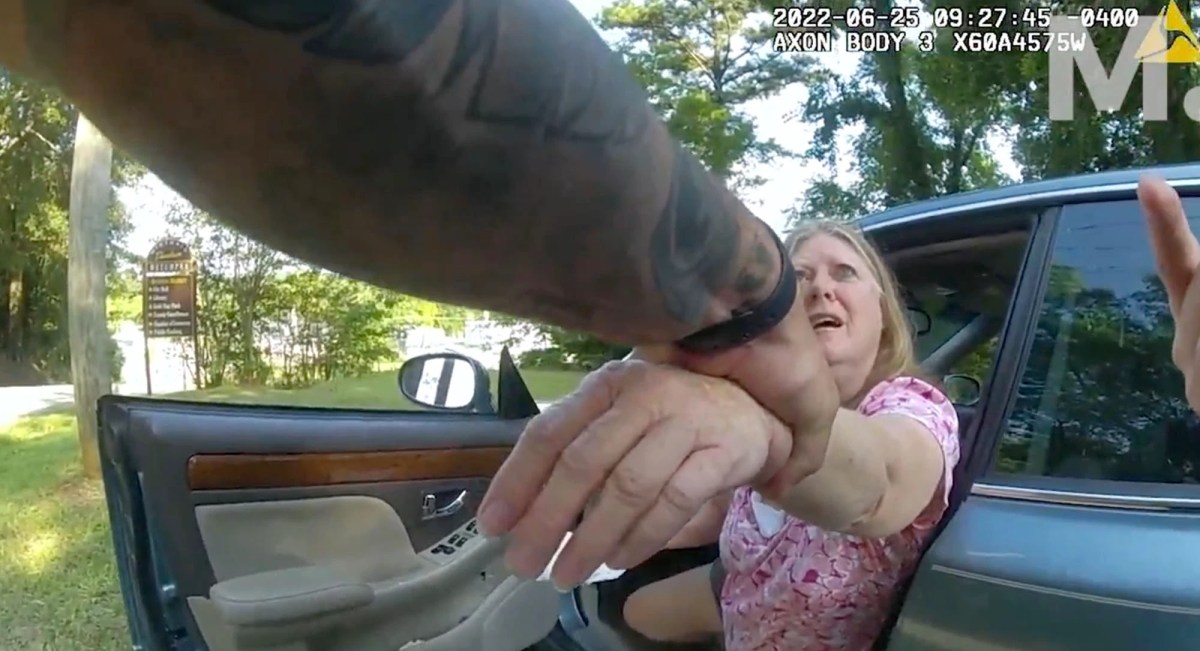
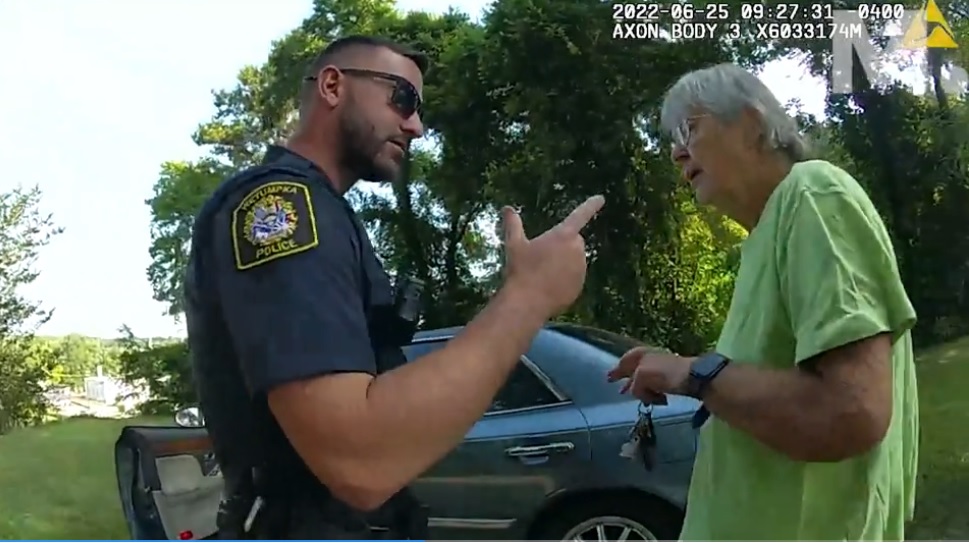
Footage of the summer 2022 arrest showed officers handling the women roughly, jabbing their fingers in their faces, threatening them with additional charges and barking at them to move more quickly.

The women were taken aback.

“I’m teetering on going to jail for feeding cats?” Alston asked in body camera footage of the police response.

Another officer towered over Roberts, jabbing a finger at her and warning it was “going to get ugly” if she didn’t move more quickly before eventually cuffing her.

bravecop
A Wetumpka police officer wags a finger at Roberts, who was 84 years old at the time, before handcuffing her hands behind her back and rifling through her personal possessions.

After a show trial in municipal court in late 2022, in which Roberts and Alston were convicted of trespassing by a judge appointed by Mayor Jerry Willis, the women appealed. Despite the conviction, the municipal trial resulted in the release of damning information, including the fact that it was Willis himself who called the police on Roberts and Alston, that he did so because he didn’t like their complaints about the way the city handled animal issues, and that he instructed the police to arrest the women before they arrived in four patrol cars and had a chance to assess the situation.

Willis called the police after spotting Alston’s car near a county-owned plot of land, and lacking any ordinance that prohibited feeding or trapping stray cats, the police resorted to charging the women with misdemeanor trespassing and “obstructing governmental operations,” a charge roughly equivalent to resisting arrest.

But the land was county-owned, there were no prohibitions on managing cat colonies or conducting TNR (trap, neuter, return), and the footage — which police tried to hide from the public for months before finally caving to legal threats from attorneys for the women — was damning, drawing universal condemnation.

Roberts and Alston appealed, and in April of 2023 county court Judge J. Amanda Baxley accepted a motion by prosecutors to drop the case.

The civil suit “alleges unlawful seizure and detention, excessive force, malicious prosecution, negligence, wantonness and other counts,” per the Advertiser.

Attorneys for Roberts and Alston didn’t specify a dollar amount, but said they’re seeking “compensatory and punitive damages” and legal fees related to the arrest and resulting drama, which has played out for more than a year and a half. A spokesman for the City of Wetumpka did not respond to the Advertiser’s request for comment.

Woman Loved Stray She Met On Vacation So Much, She Spent $1k To Transport And Adopt Her

A UK woman said she couldn’t bear the thought of leaving the cat behind on the Greek islands.

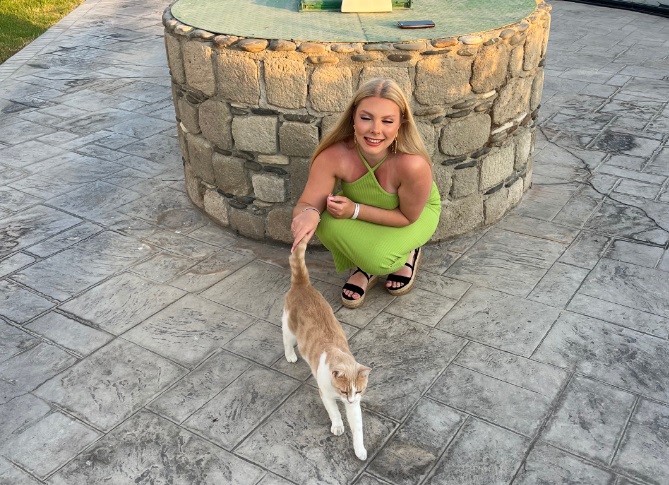
Jessica Addis met the friendly stray on the Greek island of Kos.

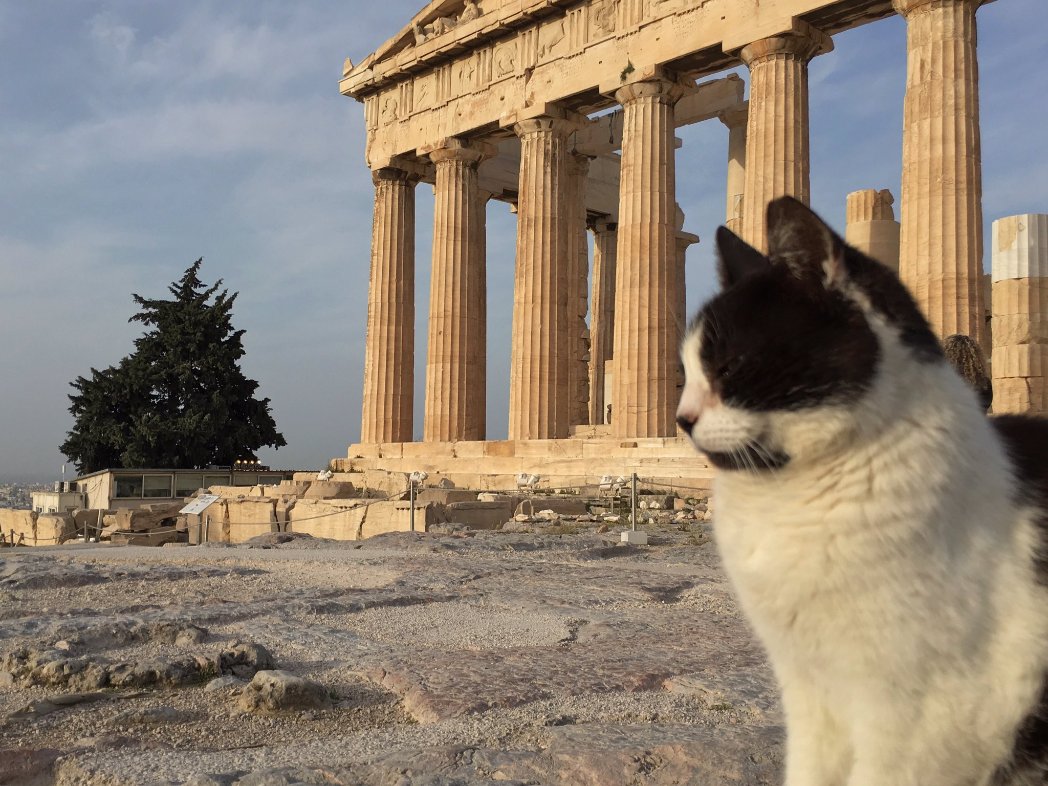
The UK woman vacationed on the Aegean island for sandy beaches, crystal blue water and the stunning ruins of classical Greek temples, but she fell in love a little white cat with ginger tabby markings.

Addis named the little one Zia after a sleepy Greek village on the slopes of Mount Dikaios, and began feeding the stray every day during her time on Kos this past September. Zia, who lived under a palm tree and depended on the kindness of tourists, liked her new human friend so much that she followed Addis back to her suite and began greeting her every morning.

addiszia1
Addis with Zia on the Greek island of Kos in September. Credit:

Leaving Zia at the end of her vacation wasn’t easy for Addis.

“I gave her the last of the cat biscuits and food and a last fuss, before I left,” she told Newsweek. “It broke my heart to leave her not knowing what would happen to her.”

When she asked hotel staff if anyone would care for the friendly moggie, she got a noncommittal answer. Greece lacks the extensive shelter infrastructure and trap, neuter, return (TNR) efforts of other western nations, and the result can be seen in the streets and the edges or human habitation, where a large population of strays eke out an existence by eating from garbage cans and hunting what they can.

“The hotel was closing for the season at the end of October, so I knew she then wouldn’t have the tourists to feed her,” Addis told Newsweek.

She said she was “heartbroken” thinking about Zia on her own without anyone to care for her or feed her during the off season.

“I knew straight away I needed to get her back to the U.K. I told my partner as we were on the bus to the airport that I was going to get Zia home. As soon as I got home, I started sorting everything to get her back to me.”

She enlisted the help of a Greek rescue group whose members wrangled Zia into a carrier, got her vaccinated, microchipped and onto a UK-bound plane with the appropriate paperwork. In all, it cost Addis $1,020, money well spent.

addiszia
Addis with Zia after the latter was brought to the UK with the help of a Greek animal rescue group.

She welcomed Zia to her forever home over the holidays, but says the Greek kitty still hasn’t quite grasped that she’ll be fed and cared for.

“She is happy, content and has a belly full of food,” Addis wrote on a social media post that contained a slideshow of her with Zia on vacation in Greece, then later in her home in the UK. “Zia loves treats, playing with her bird feather catcher and having endless naps snuggled up with her blanket. Although she still thinks she’s stray, as she always wants food! She now has a loving home for the rest of her life.”

Top image credit: Angela O’Brien/X