As Registration Deadline Looms, Big Cat ‘Owners’ Face A Reckoning

The days of tiny backyard enclosures for big cats are over.

The passage of the Big Cat Public Safety Act has been a massive win, resulting in the end of the wild cat trade in the US and the cruel practice of taking cubs from their mothers for use in roadside zoo petting attractions.

But there’s another, often-overlooked component of the new law that’s about to result in big changes for captive tigers, jaguars, pumas and other wild cats.

While current “owners” of big cats were grandfathered in under the BCPSA, they have until June 18 to register with the federal government, and with registration comes requirements, inspections and minimum standards of living for the wild felids.

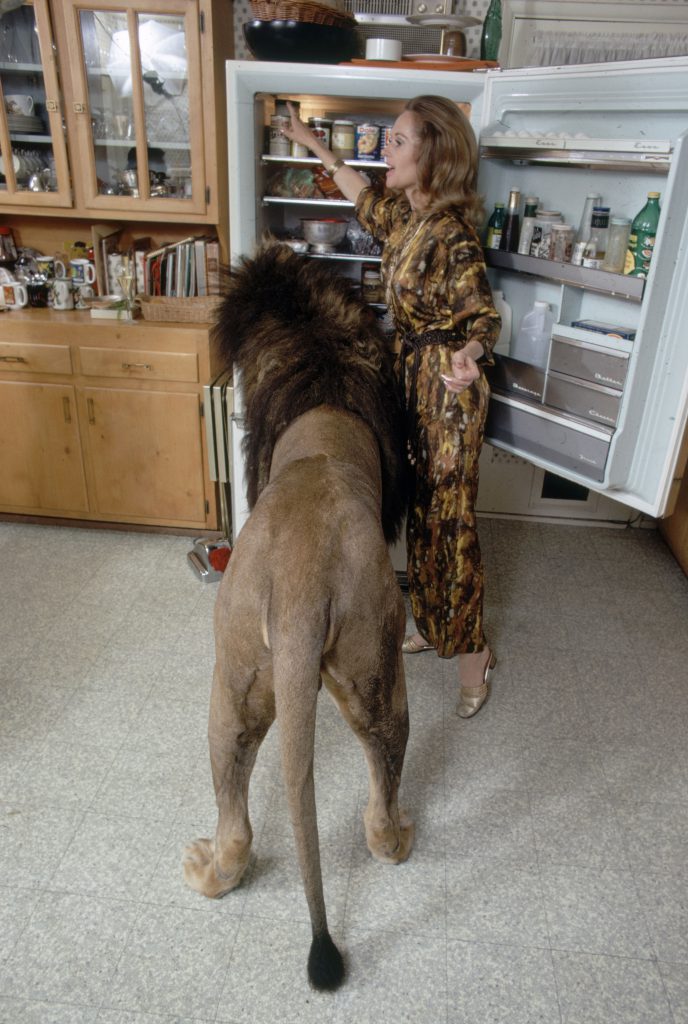
In other words, most of the people who “own” the estimated 20,000 privately held big cats are about to get a rude awakening. The days of tiny makeshift enclosures in backyards are over, as is the practice of keeping big cats in the home as if they’re domestic felines. (With apologies to Tippi Hedren, who once owned as many as 60 lions and tigers, and at 93 years old still has “13 or 14” big cats, according to her granddaughter, actress Dakota Johnson.)
141028-neil-lion-12-688x1024
Tippi Hedren with one of her lions in a vintage LIFE magazine photo. Hedren kept the lion and other big cats as pets in her home.

If people who have possession of big cats don’t register with the U.S. Fish and Wildlife Service, they’ll have their animals taken away. Likewise for people who don’t provide adequate enclosures that not only provide enough space, but are built to contain the apex predators.

As a result, sanctuaries are bracing for an influx of tigers, lions, jaguars, leopards, cheetahs, snow leopards, clouded leopards and pumas, all of whom are protected under the Big Cat Public Safety Act.

Experts anticipate a significant number of big cat “owners” could try to part with their animals if they can’t or won’t provide adequate enclosures, and the government is already cracking down on people who are trying to sell their “pets.”

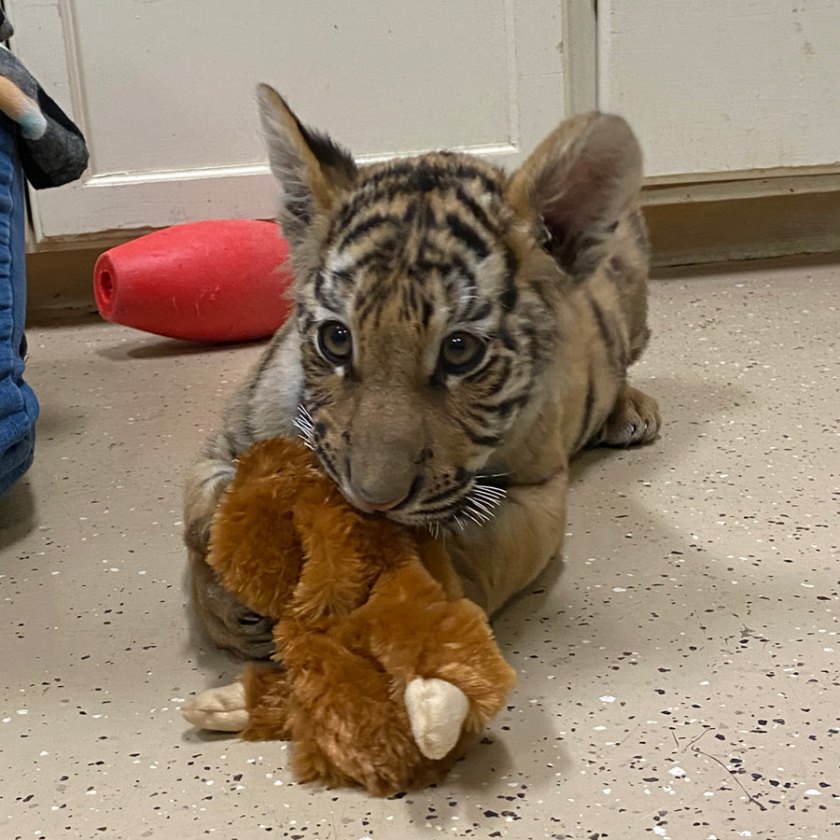
A tiger cub named Indy is one of the first to be taken out of private hands and placed in an accredited sanctuary. Indy was recently sold by her original “owner” and the man who purchased her for $25,000 tried to flip her, advertising the cub online.

Authorities moved in and found Indy in a dog kennel in a closet inside the man’s Arizona home. Police, who said they could hear Indy “moaning” from inside the closet, also seized an alligator and a dozen snapping turtles.

Tammy Thies, founder of the Wildcat Sanctuary in Sandstone, Minn. — Indy’s new home — said the cub is lucky she wasn’t confined to the small space for long.

“Many of the cubs we get are suffering from metabolic bone disease, malnutrition, sometimes they have such long confinement that they don’t have use of their back end, so Indy’s a lucky one,” Thies told WKQDS, the local Fox affiliate.
indytiger
Indy was found in a tiny cage in a man’s closet. Now she’s enjoying sunshine in an accredited sanctuary. Credit: Wild Cat Sanctuary

Indy arrived in May and has adjusted well to her new home in less than a month, according to the sanctuary. A page dedicated to tracking her progress has photographs of her meeting another tiger cub for the first time and playing in the grass.

As the deadline fast approaches, we hope Indy’s story is just one of many, and big cats who have suffered for years in tiny enclosures, under the “care” of people who aren’t qualified to keep them, find their way to accredited sanctuaries so they can live out the rest of their lives in sunshine, feeling grass and earth underneath their paws, with enrichment programs created by professionals who care about their well-being.

It’s about time.
tiger in shallow photo
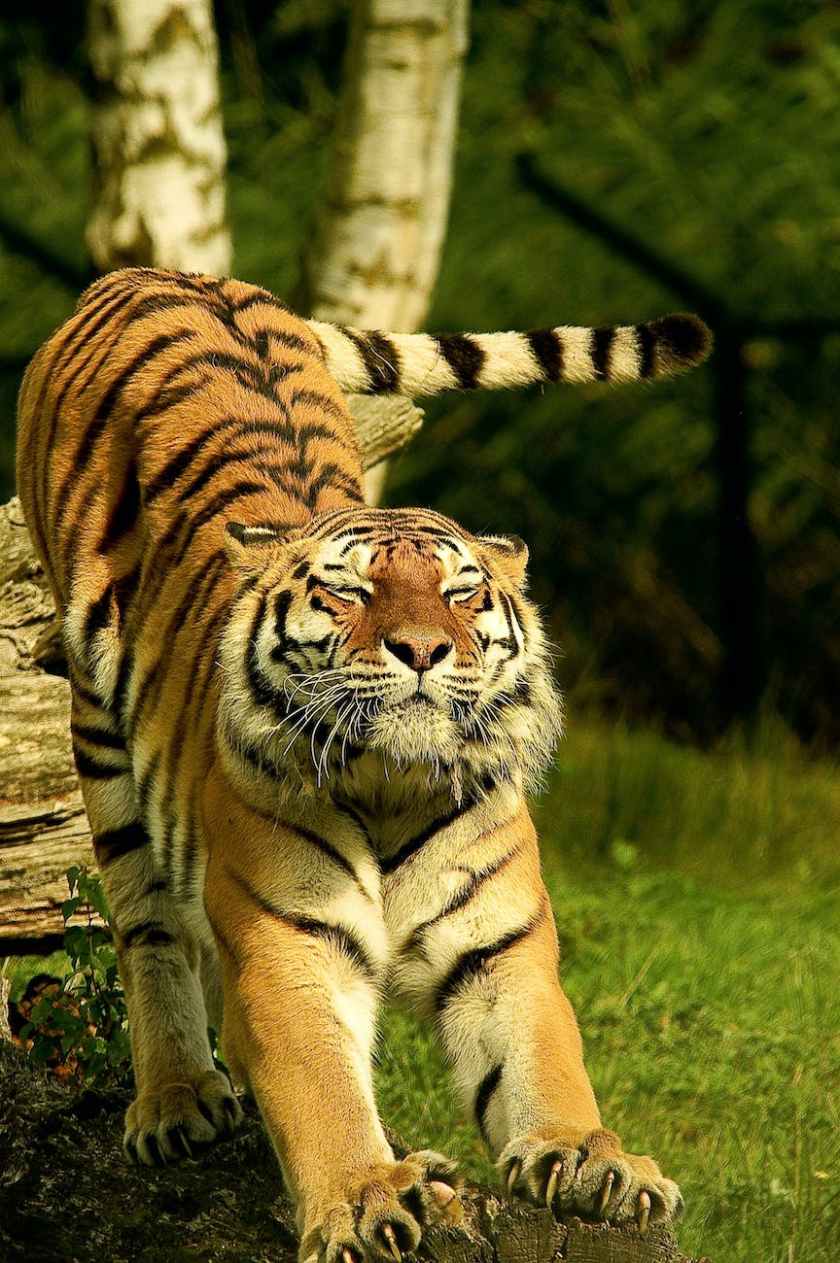
Credit: Richard Verbeek/Pexels.com

What’s The Real Reason Cats Love Boxes?

It’s about more than just having a cozy place to sit.

Buddy is not overly obsessed with boxes.

I think that’s because he feels safe here, he’s got plenty of places to hide if he wants, and he’s got a big cat tunnel with four ways in or out. He doesn’t need another little space to crawl into.

Still, like any cat, the little dude likes a good box. When he gets to play with a new box he likes to sniff it, rub against it once or twice, then jump inside and determine if it’s comfortable. Then he gets serious, looks around, and slowly sinks down below the top of the box…

…and remains there for a few seconds before cautiously raising his head and looking around. Usually this is accompanied by a delighted trill, and I get the strong sense that he thinks he’s invisible to anyone outside the box while he has the advantage of seeing them.

“You cannot see Buddy, but Buddy sees you!”

Does he ambush me from the box? Does a bear crap in the woods?

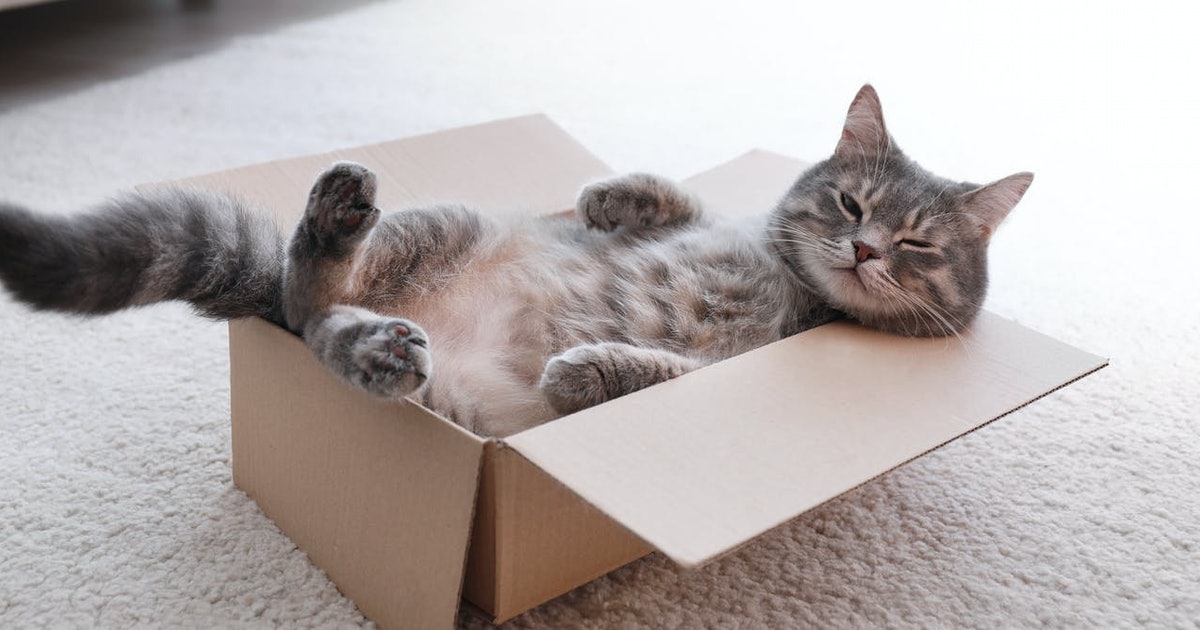
There isn’t an abundance of research into why cats love boxes so much, but the existing data combined with what we know about the feline mind strongly suggests that, first and foremost, boxes have a strong psychological effect. They make cats feel secure and well-protected.

Anyone familiar with cats knows the little furballs like to wedge themselves into hideaways, scurry under tables and hide in laundry baskets. The behavior starts in kittenhood when they’re tiny enough to crawl into shoes and sneakers.

In 2021, animal cognition grad student Gabriella Smith conducted a study in which she found cats will happily sit in Kanizsa contours with the same enthusiasm they have for boxes.

Kanizsa contours are two-dimensional. The participants created them by using tape and paper to make the shapes on the floor. They’re not even proper boxes, just the illusory suggestion of boxes or general square shapes. That doesn’t seem to matter to cats:

Of course pieces of tape or paper on the floor do not afford any real protection, so the feline affinity for boxes seems to be more about feeling protected.

Since cats are territorial, it could be that they also like clear boundaries around their personal space.

The key here seems to be having the boundary without blocking access, as cats are notoriously not cool with closed doors or being confined. If they want to spend an hour in a tiny space and it’s their idea, they’re fine with it, but they don’t like to be restricted by when they can come and go.

Notably, this isn’t behavior limited to felis catus. So far there doesn’t seem to be any exception to the box-loving rule among felines and felids of any species. Tigers, lions, jaguars, leopards, snow leopards and pumas seem just as fond of them as their smaller cousins, as you can see in this video from Big Cat Rescue:

Boxes are comforting, cozy, fun to explore and make the perfect hiding spots for ambushes. If you’re a cat big or small, what’s not to like?

Sunday Cat Round-Up: Sanctuary Welcomes Baby Snow Leopard, ‘Two-Face’ Cat Goes Viral

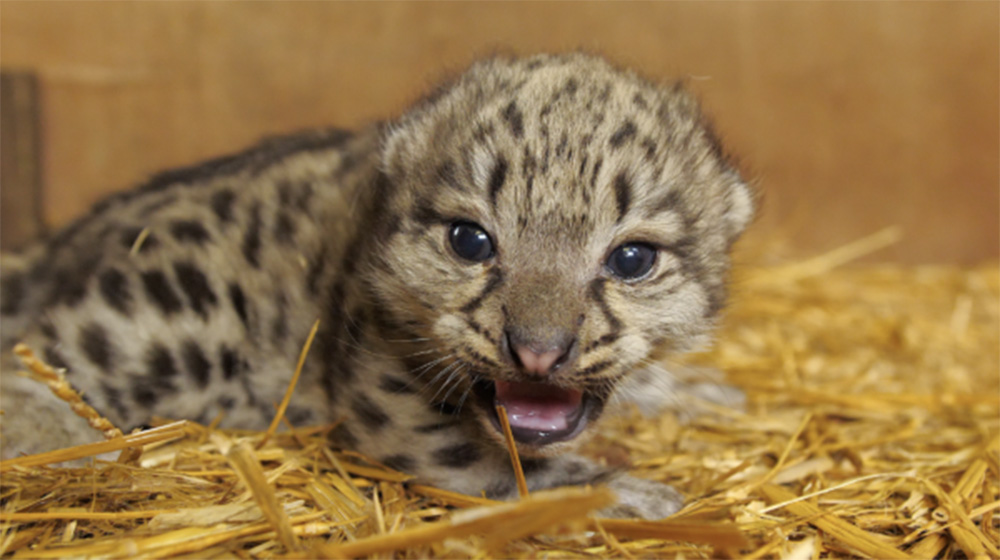
A sanctuary wants help naming a rare snow leopard cub, and the founders of dating app Tabby will pitch to Shark Tank later this month.

When Venus’ human posted photos of her to Instagram, people thought the half-black, half-ginger cat was photoshopped. A video of the unique kitty debunked that rumor, showing the heterochromatic, multitone cat in all her glory. Now Venus is a star, amassing tens of millions of views on Instagram and TikTok:

Welcome baby!

Snow leopards Laila and Yarko of the UK’s Big Cat Sanctuary are the proud parents of a newborn cub, and the sanctuary wants the public to help name the little guy, whom they’re calling Little Cub in the meantime.

“He appears to be developing and growing beautifully and is becoming more active day by day. Laila is an experienced mother and is just as attentive and devoted with this little one as she has been before,” Big Cat Sanctuary curator Briony Smith wrote.

Although Little Cub was born on Sept. 15, his birth was not announced until Oct. 21 in the video below:

Tabby founders pitch to Shark Tank

Remember Tabby, the cat dating app that Bud insisted was “fake news” because he can’t even fathom the possibility of sharing his kingdom with another cat?

The app’s founders will pitch to the big fish of Shark Tank on Friday, Oct. 29, looking for investments in return for a stake in their company.

Somehow I don’t see Mark Cuban or Lori Greiner as cat lovers, but Mr. Wonderful strikes me as the kind of guy who has a chonkster at home and secretly dotes on her, as he doesn’t want to harm his image as a ruthless businessman. (Edit: I searched around to see if O’Leary really is a cat lover, and while he described himself as a “non-cat guy,” he reached a deal with cat DNA company basepaws back in 2019, so clearly he understands businesses related to our feline overlords are good investments.)

Mr. Wonderful
Kevin O’Leary, aka Mr. Wonderful

Big Buddy Goes Face To Face With A Tiger

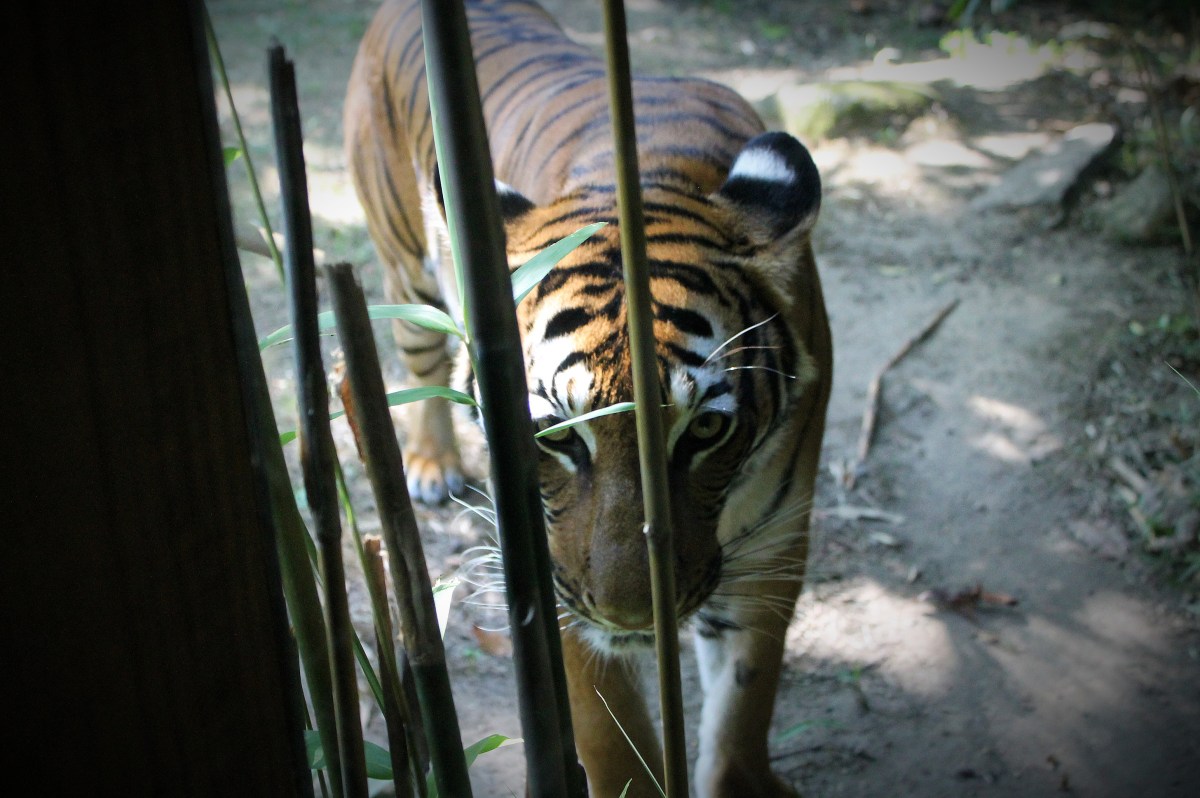
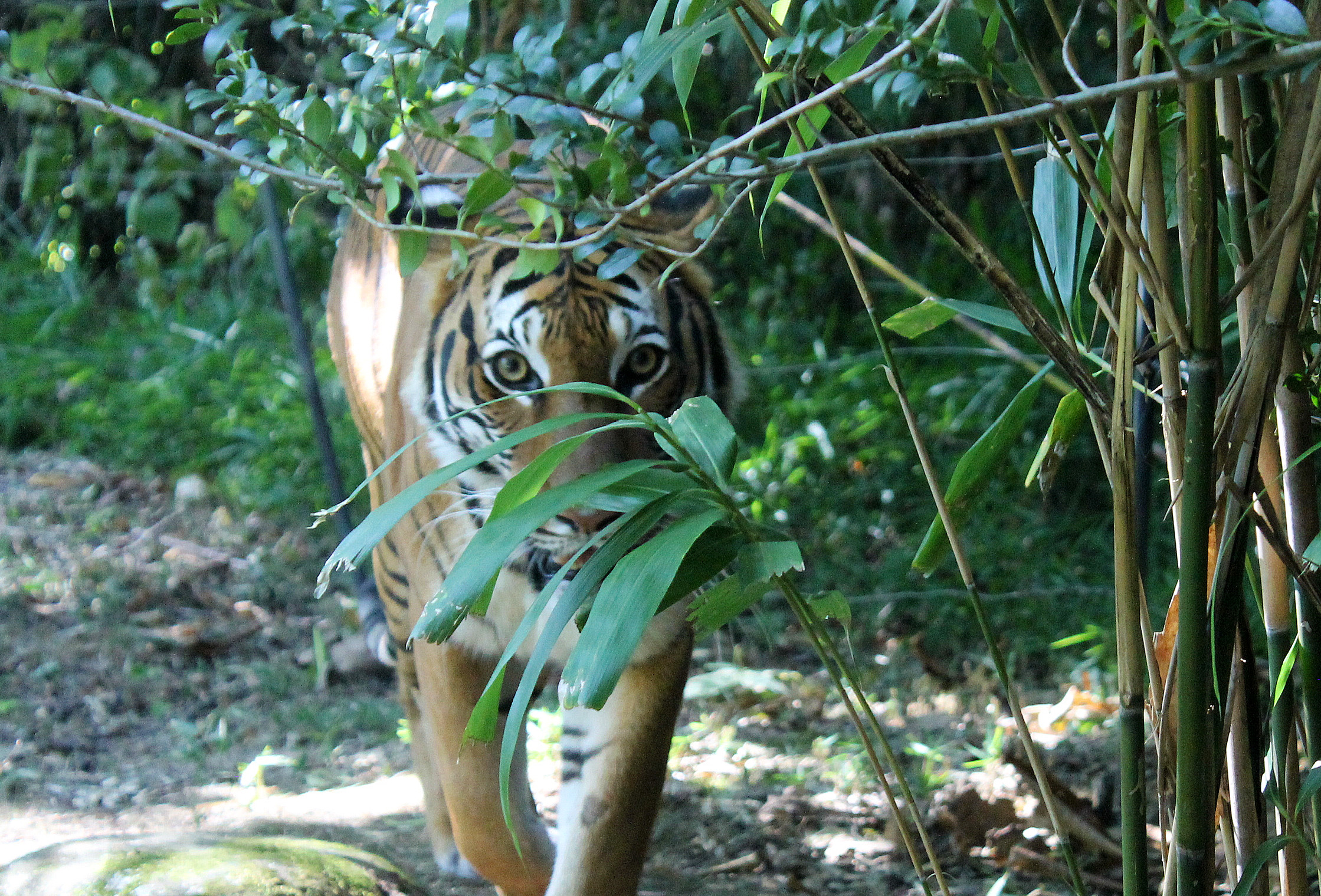
A mere three feet away, the tiger looked me in the eye.

The big cats at the Bronx Zoo have had a rough 2020 too.

First the zoo was shut down — along with thousands of other gathering places — due to the novel Coronavirus.

Then a tiger at the zoo got sick and tested positive for COVID-19, marking the first positive test for an animal in North America and the first recorded instance of human-to-tiger transmission. Seven other big cats at the zoo caught the virus, including four tigers and three lions.

Thankfully they recovered and everything — or almost everything — looked normal when I visited this week.

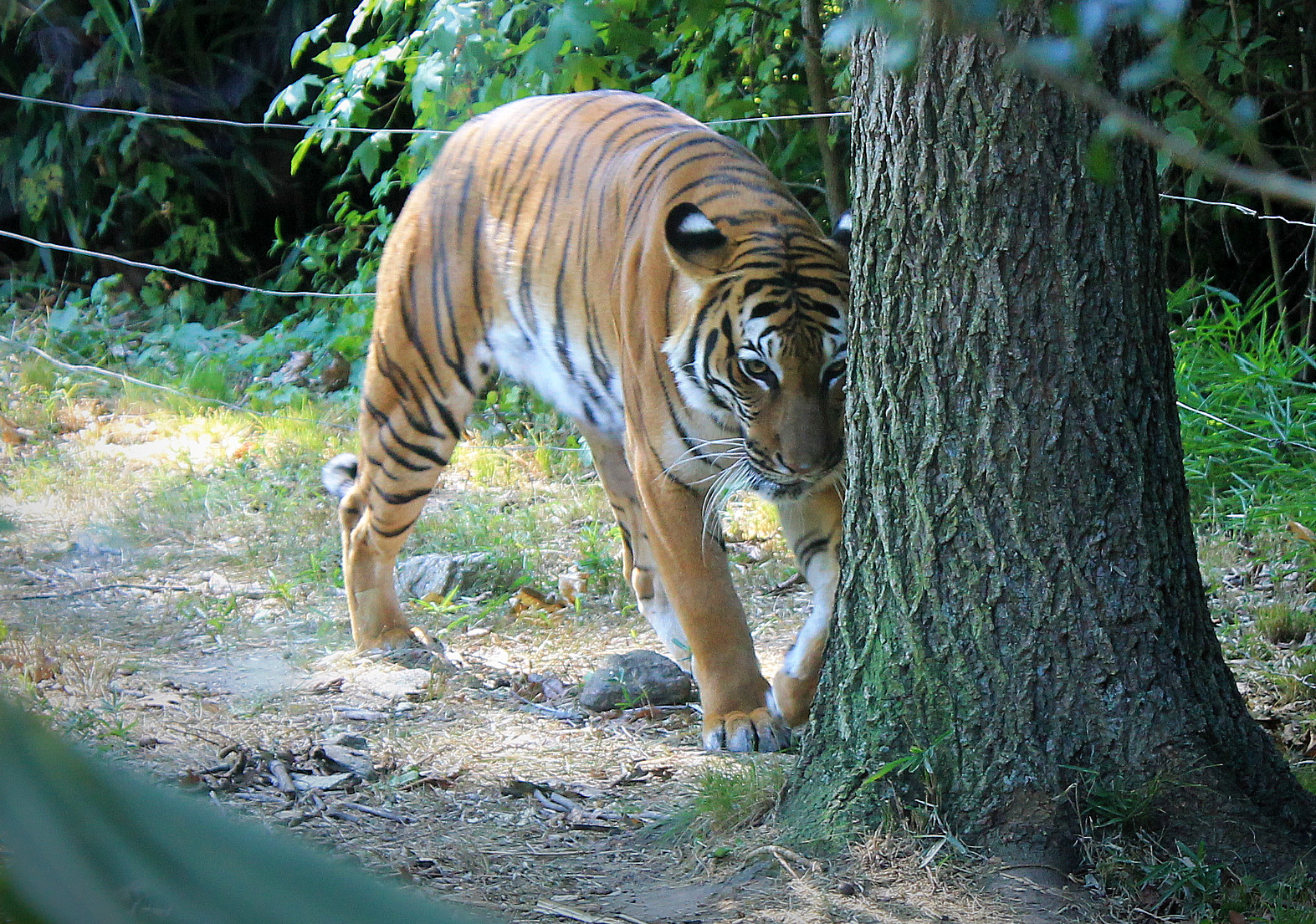
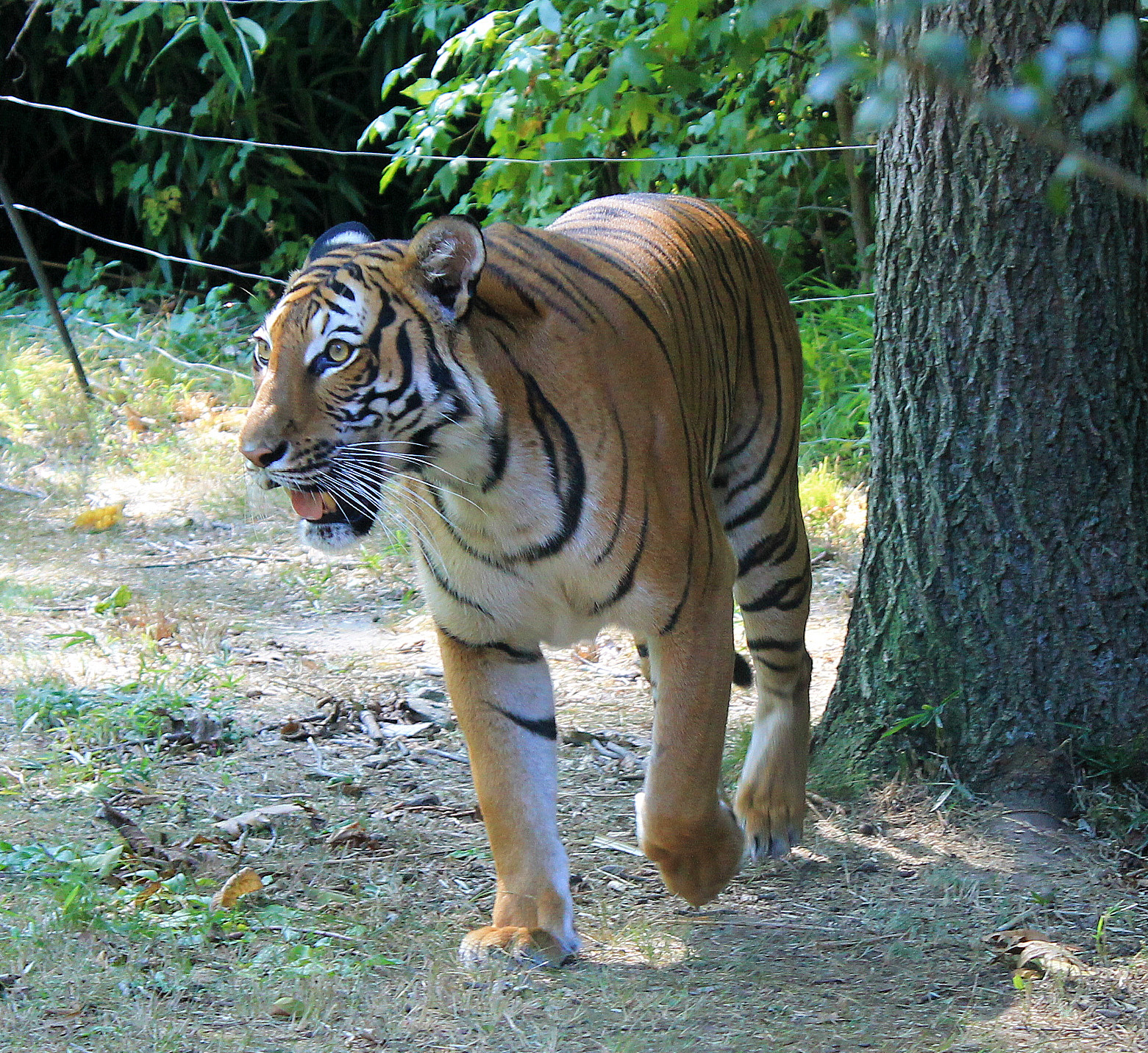
One of the awesome things about the zoo’s Tiger Mountain is that it has a trio of viewing ports that provide a prime view of a small pond where the tigers drink, swim and nap.

This tiger lounged in the distance for a few minutes, then got up and gave us a show.

bronxtiger16

At one point the tiger came right up to the glass and looked at me:

bronxtiger17

Standing three feet from a tiger is an experience, glass or no:

bronxtiger6

Not as terrifying as Buddy’s visage, of course, but still something to behold.

bronxtiger11

bronxtiger

bronxtiger7

bronxtiger10

The lions were less welcoming. They were clumped up in the shade of an oak tree, snoozing without so much as a tail flick for motion.

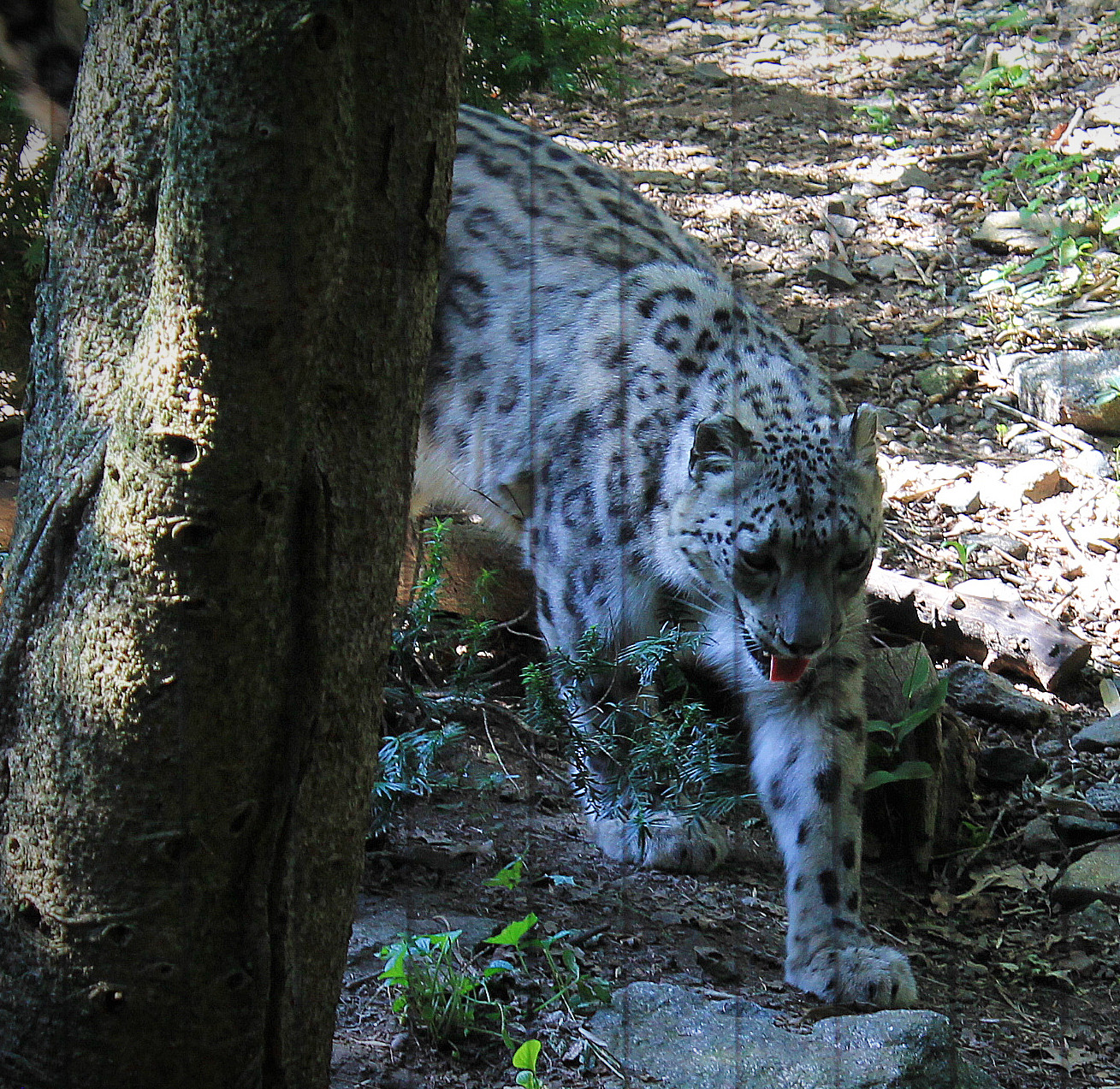
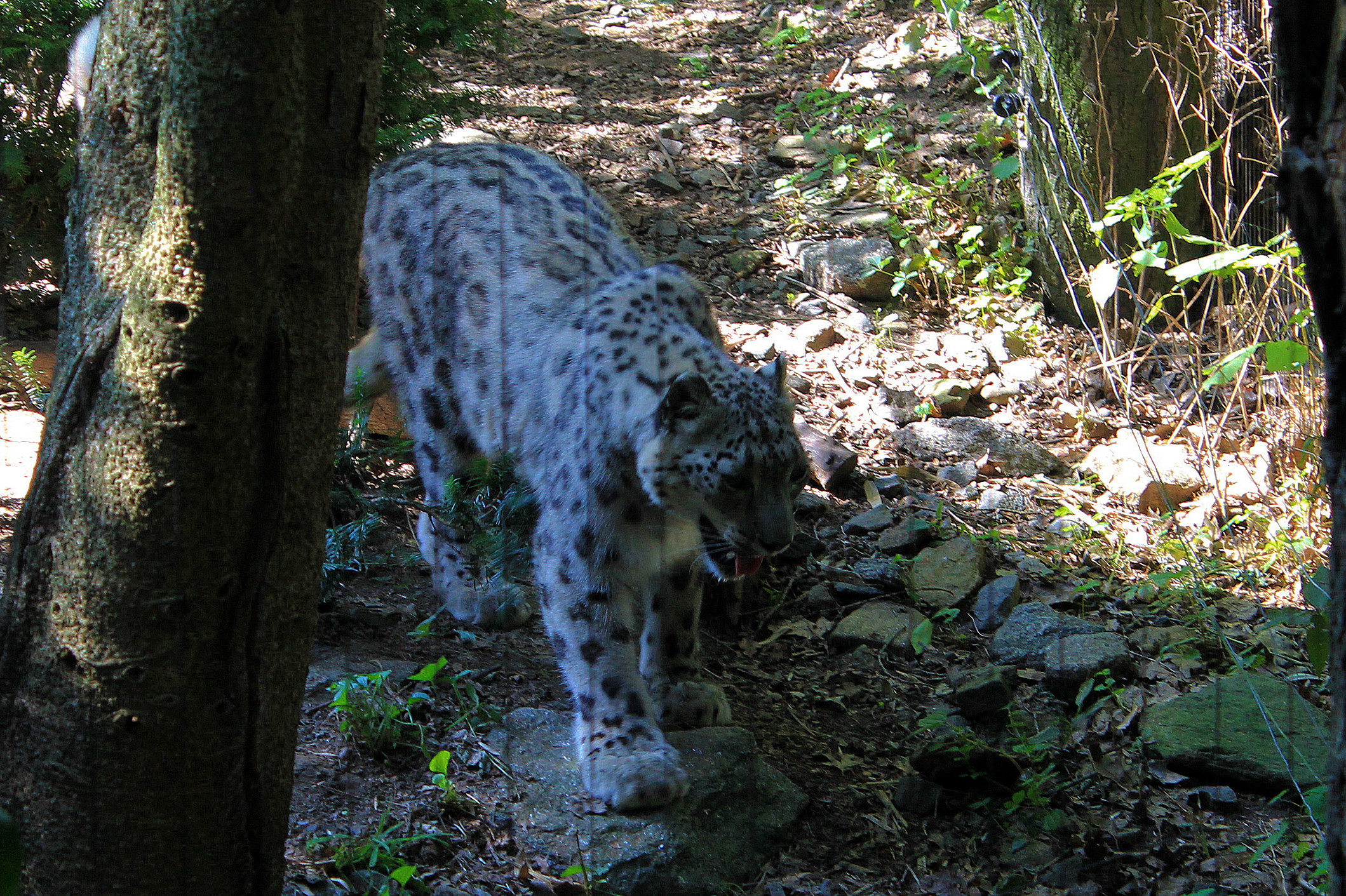
Next was a snow leopard. This guy clearly didn’t deal well with a lot of humans gawking at him, and I could only snap a few shots before he retreated back up a hill in his enclosure, where the angle and brush gave him a measure of cover from human eyes.

I also saw him spinning in a circle repeatedly, a sign of zoochosis. I’m not an animal behaviorist and I’m not qualified to judge the work of the Bronx Zoo’s keepers, who obviously care a great deal for their animals. It’s just a reminder that even the best zoos in the world — with entire teams dedicated to things like enrichment and enclosure design — struggle to keep animals healthy and happy in captivity.

bronxsnowleopard3

bronxsnowleopard

Even though the name of their species sounds like an Italian dessert and they’re often mistaken for baboons, Gelada are old-world monkeys native to the grasslands of Ethiopia.

Geladas are the only primate species that are grazers: Up to 90 percent of their diet consists of grass and grass seeds. They’re easily recognizable by the hourglass-shaped furless patches on their chests, and they’re the only monkeys to form “herds” instead of troops, with an individual herd’s size swelling to more than 1,000 at a time.

When Geladas aren’t eating they’re grooming each other. Allogrooming, or social grooming, doesn’t just help monkeys keep their fur neat and free of parasitic bugs — it’s also a way of maintaining social bonds and reducing tension.

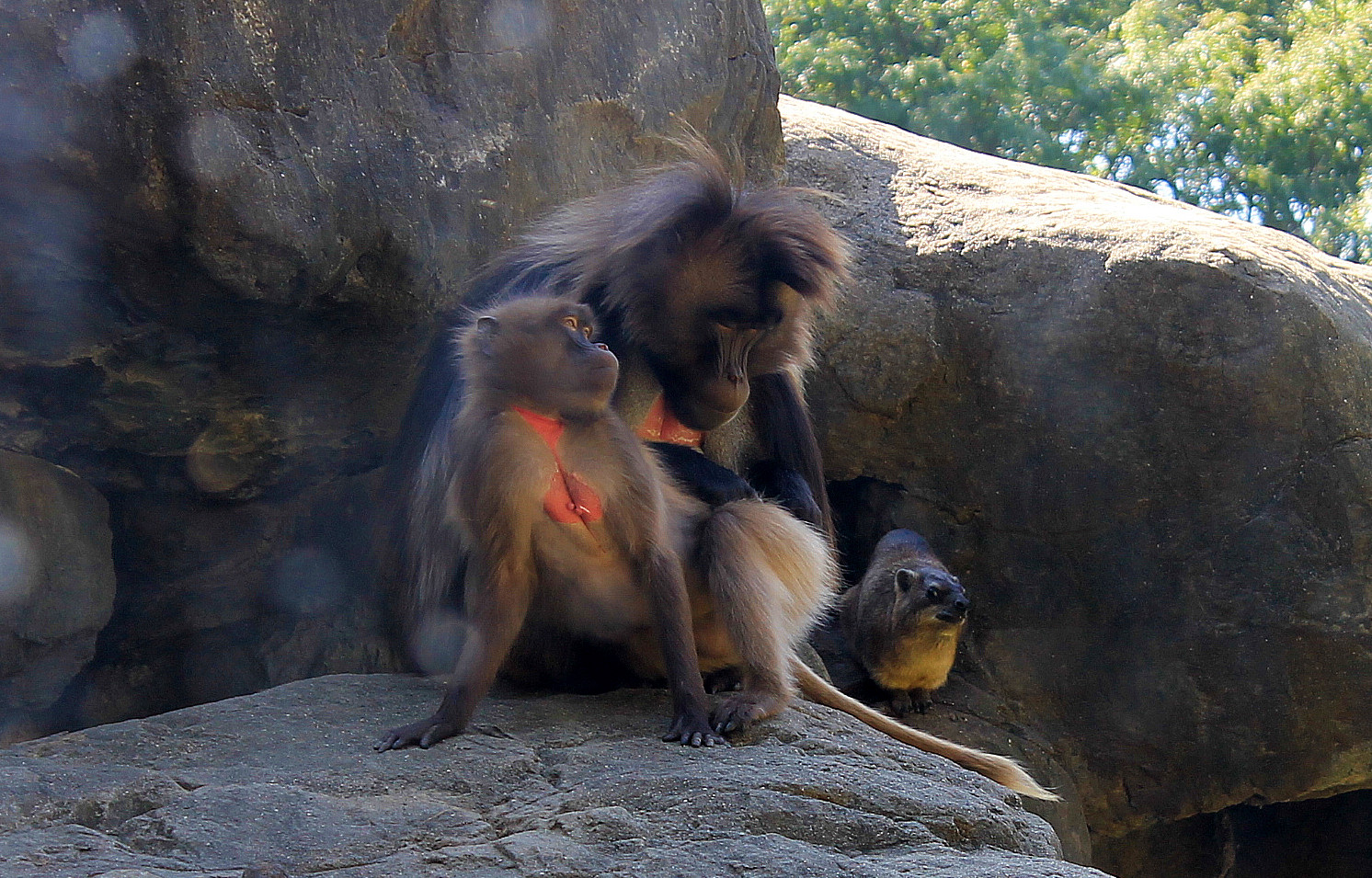
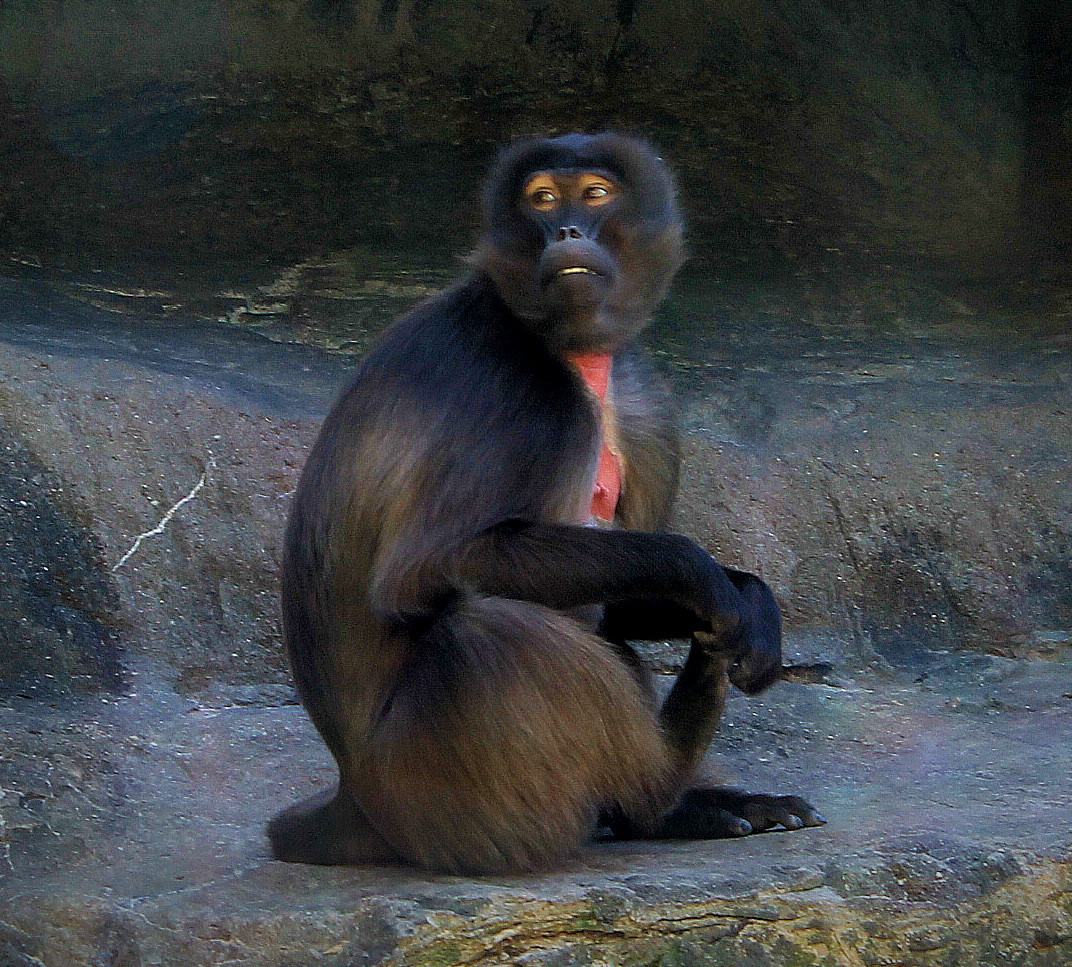
When I visited, I saw a male Gelada grooming a female. Female “heart patches” are usually more pale than their male counterparts, except when they’re in heat. So it’s probable that this scene is a bit of foreplay during mating season:

bronxgelada2

A female on the rocks nearby. The enclosure features a series of cliffs surrounding central grassland, closely mimicking the species’ native habitat:

gelada3

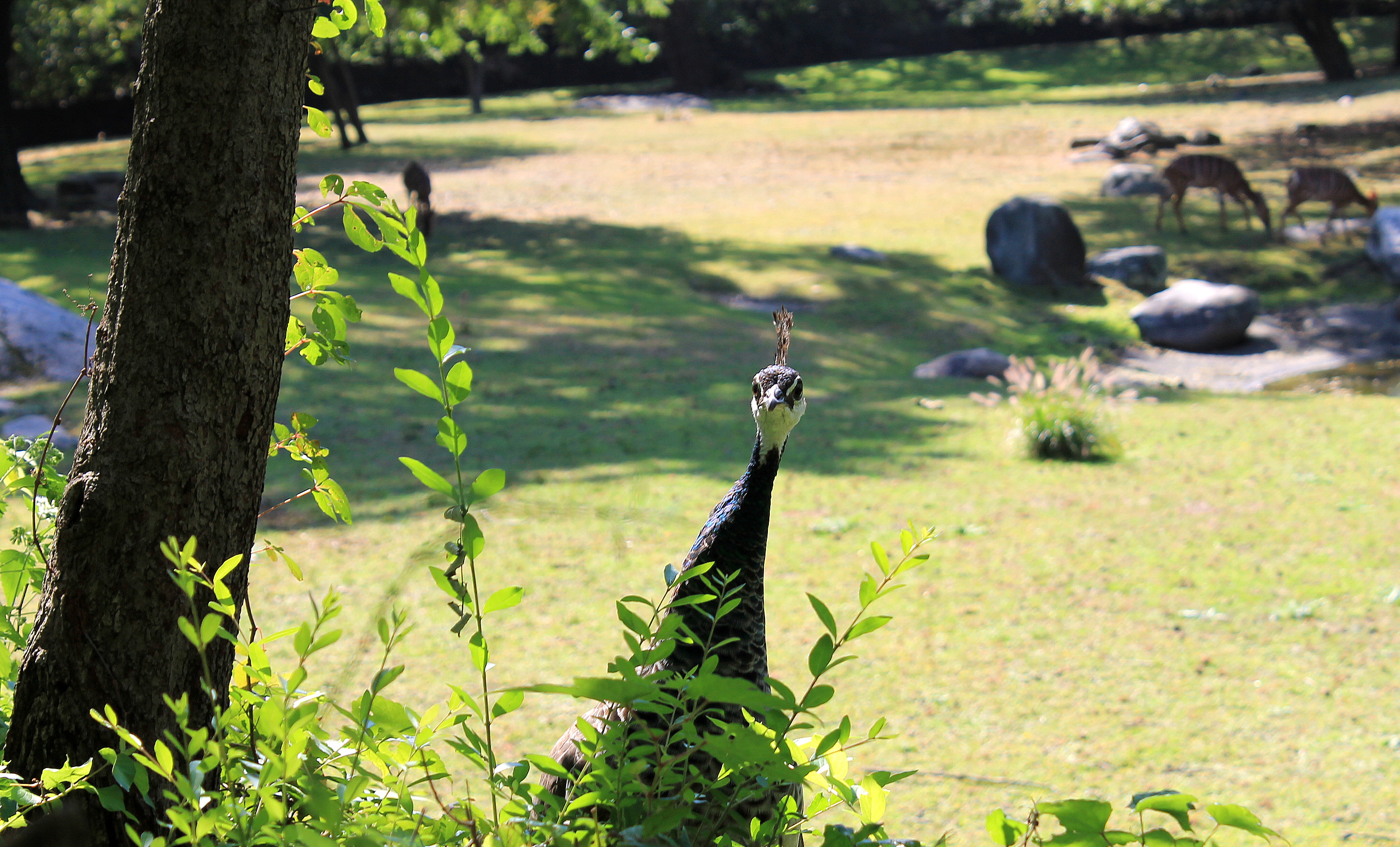
This bird got within feet of the path adjacent to its exhibit, and its kind seem to have free reign within the park, as I saw another one hanging out in a wooded area earlier.

I have no idea what kind of bird this is, but he was very vocal and insistent about something:

bronxbird

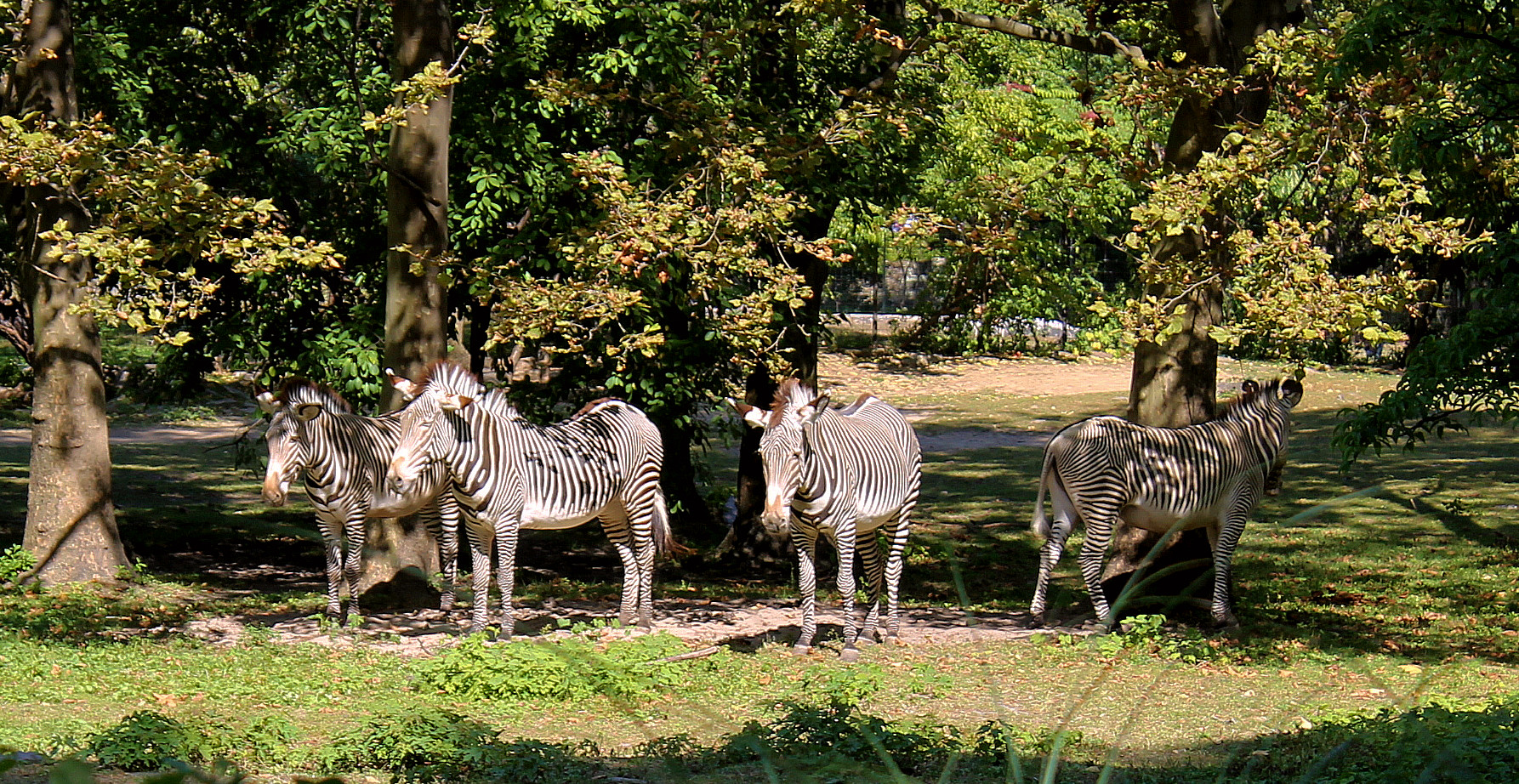
A group of zebras. I think they were sleeping. These four didn’t move a muscle, and zebras are one of a handful of species who can sleep while standing upright.

bronxzebra2


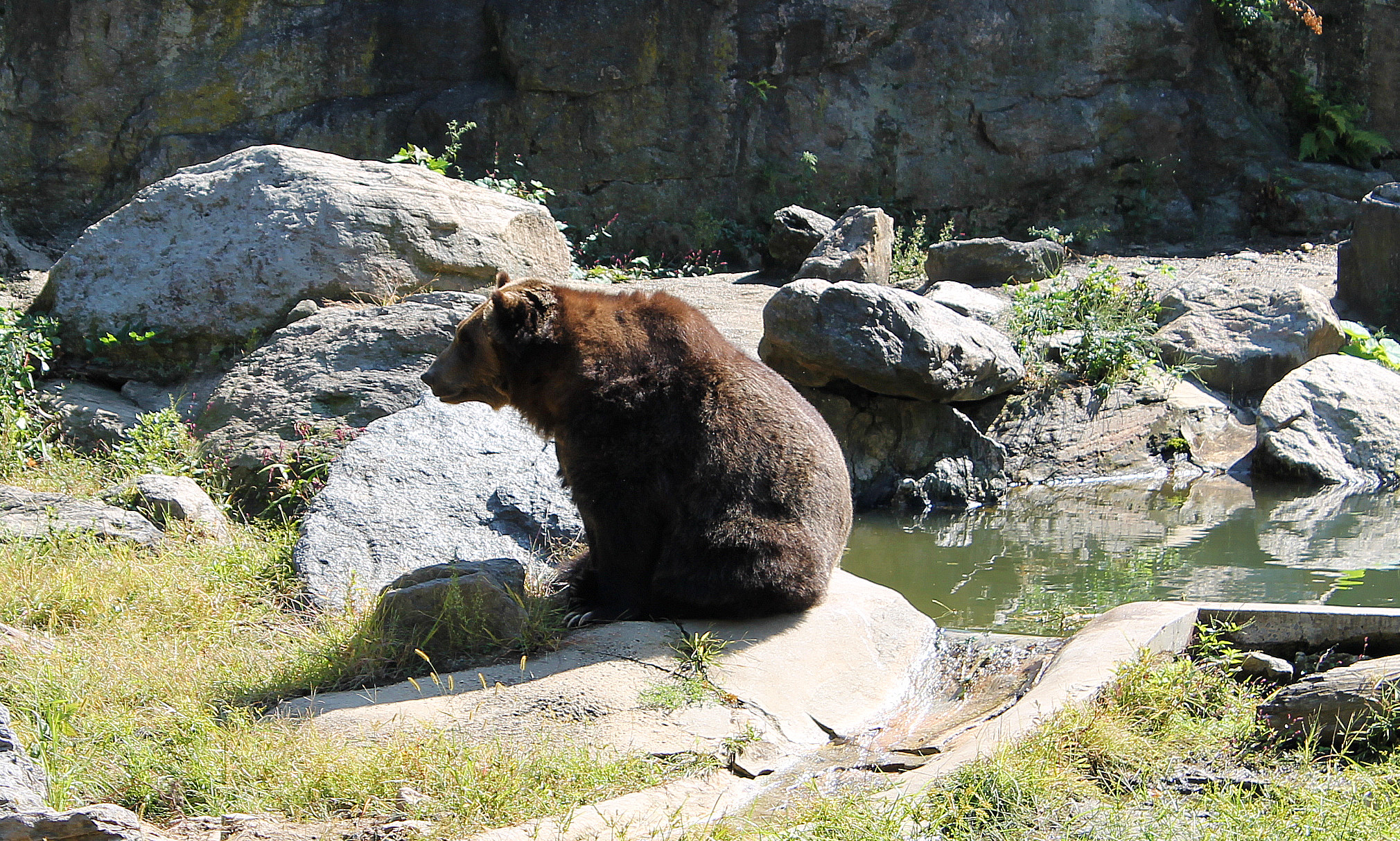
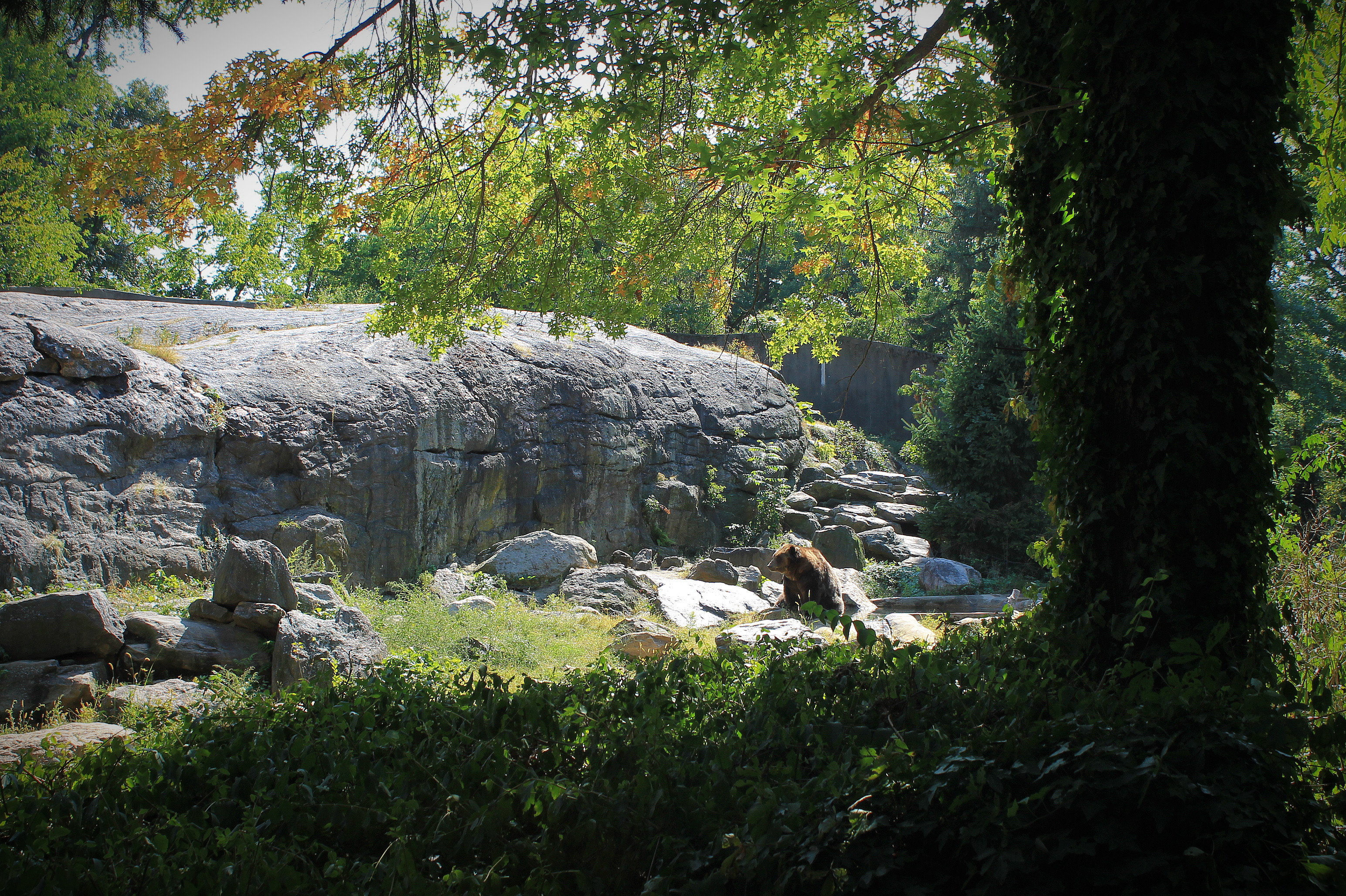
A brown bear enjoys the warm weather, which topped out at almost 80 degrees. Another bear was nearby, taking a dip in the pool.

bronxbearbronxbear3

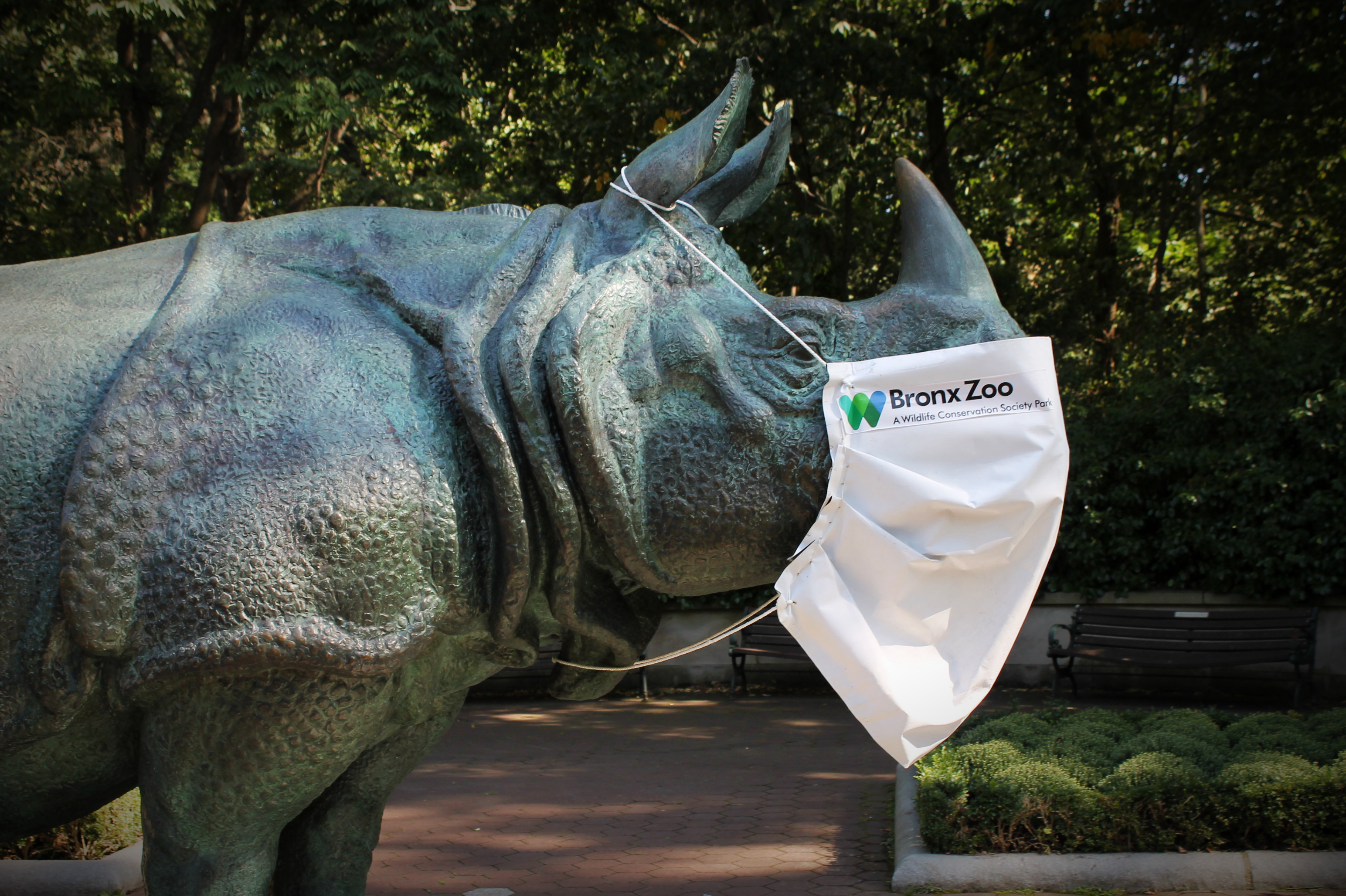
And finally, a friendly reminder to the zoo’s visitors: Wear your masks! The zoo enforces an always-on policy for masks, which I think is a reasonable precaution. While masks may not be strictly necessary while strolling down the wide visitor paths of the zoo, viewing spots at popular exhibits can get crowded, and some of them are partially-enclosed.

bronxrhino


Can You Spot The Leopard In This Photo?

There really is a leopard in this photo, I swear!

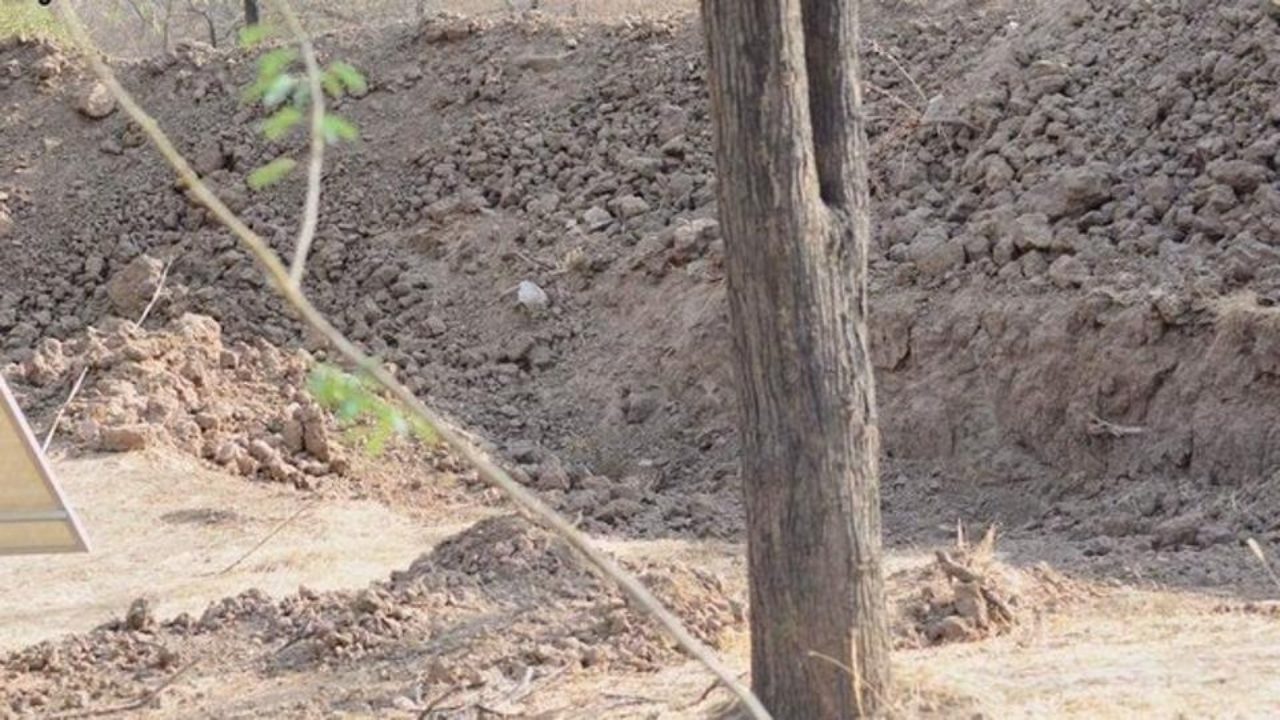
Most people know leopard spots afford the big cats excellent camouflage, but this is ridiculous. There’s a leopard in this photo. Can you see it?

leopardphoto

The viral photo has been making the rounds online over the past 24 hours. If you can’t find the leopard, don’t feel bad: I stared at the damn thing for 10 minutes until I cheated and looked up the answer.

Unfortunately it looks like the highest-resolution version of the photo that exists on the web is only 1280×720, so we don’t get the benefit of HD. Either way, this cat has an impressive ability to blend into its surroundings.

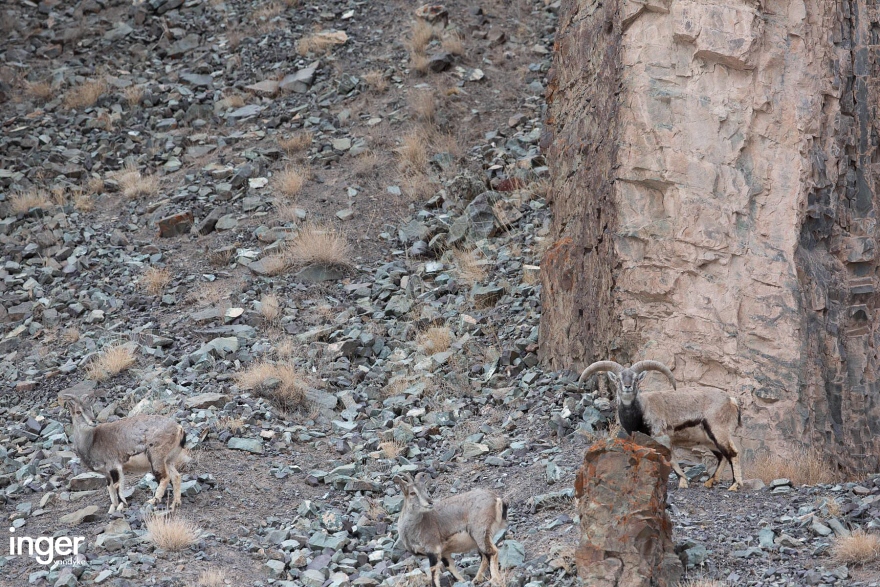
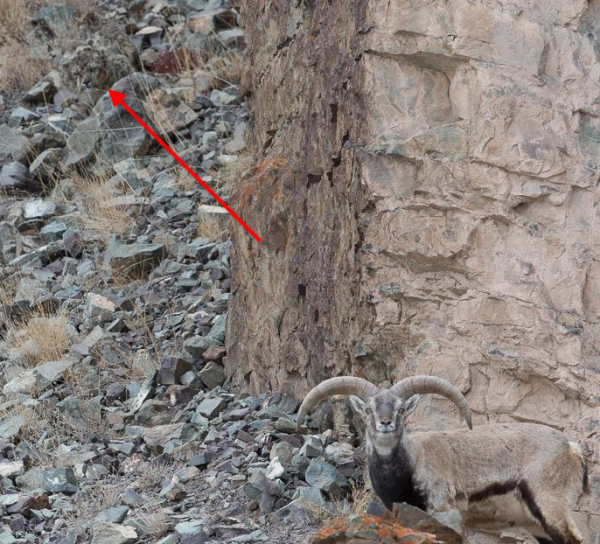
A search turns up quite a few similar photos, like this one of a snow leopard:

leopardsnow

See it yet?

How about now?

leopardsnow2

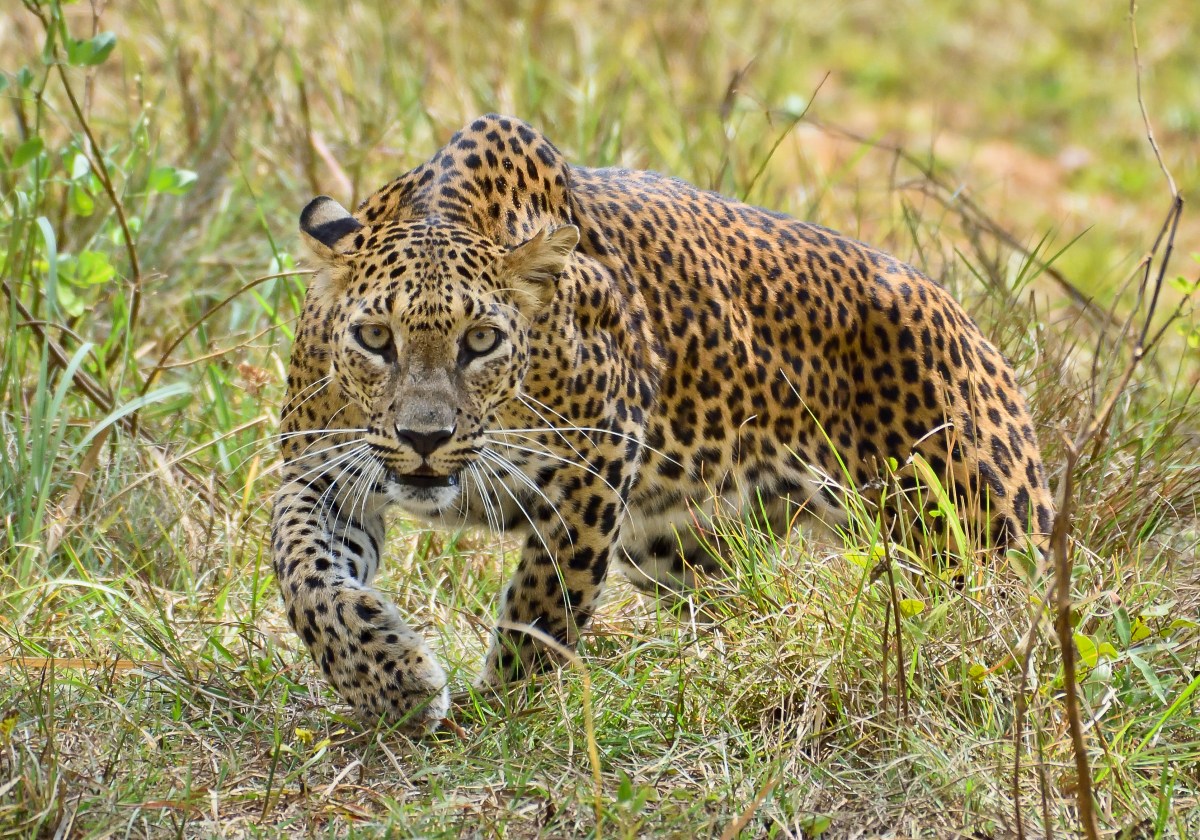
Like all big cats, leopards are disappearing from the wild due to habitat destruction, hunting and cub-poaching.