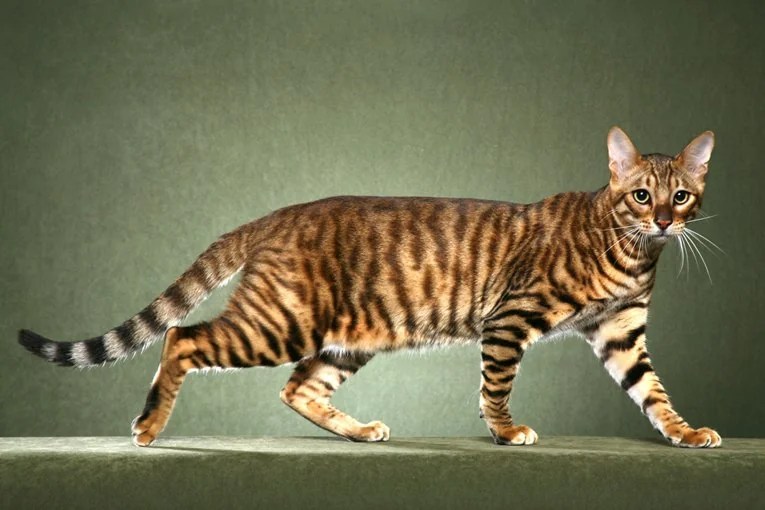
The Ashera Cat Scam: How One Man Invented A ‘Luxurious’ Breed And Cashed In

Although the original perpetrator of the scam was exposed, there are still opportunists selling “Ashera cats” to unsuspecting buyers who have their hearts set on hypoallergenic pets.

Pet site listicles name the Ashera cat as “luxurious,” one of the most expensive and rare breeds ever. Videos show surprisingly large, exotic-looking felines with leopard-like rosettes and a calm demeanor.

In media reports a man named Simon Brodie talks the breed up, presenting himself as the CEO of a biotechnology company that “developed” the Ashera through careful genetic manipulation, selecting only the most positive traits. For a few thousand dollars more, Brodie promises, they come in hypoallergenic versions too.

Brodie often sounded like he was describing the newest iteration of a tech product rather than a cat, calling the Ashera “a status symbol” and listing its optional features the way a car salesman talks about leather and heated seats.

“It’s exotic, but under the skin it’s a domestic house cat, very easy to take care of and extremely friendly,” he told Reuters. “Everybody has thought at one time, wouldn’t it be great to have a leopard at home, or a tiger? Obviously, you can’t and this is about the nearest thing to it.”

Brodie conjured images of engineers poring over genetic data and working with gene-editing equipment in a laboratory to create the perfect pet.

“Anybody can throw the ingredients in, but unless you know what ingredients are the best ingredients in the best percentages, you’re not going to produce the same final product,” Brodie told the U.K. wire service.

The problem? The Ashera doesn’t actually exist, and there’s no evidence Brodie has ever been in a lab, let alone spearheaded the creation of a new breed of feline.
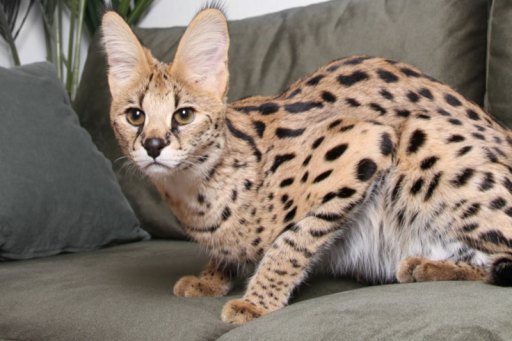
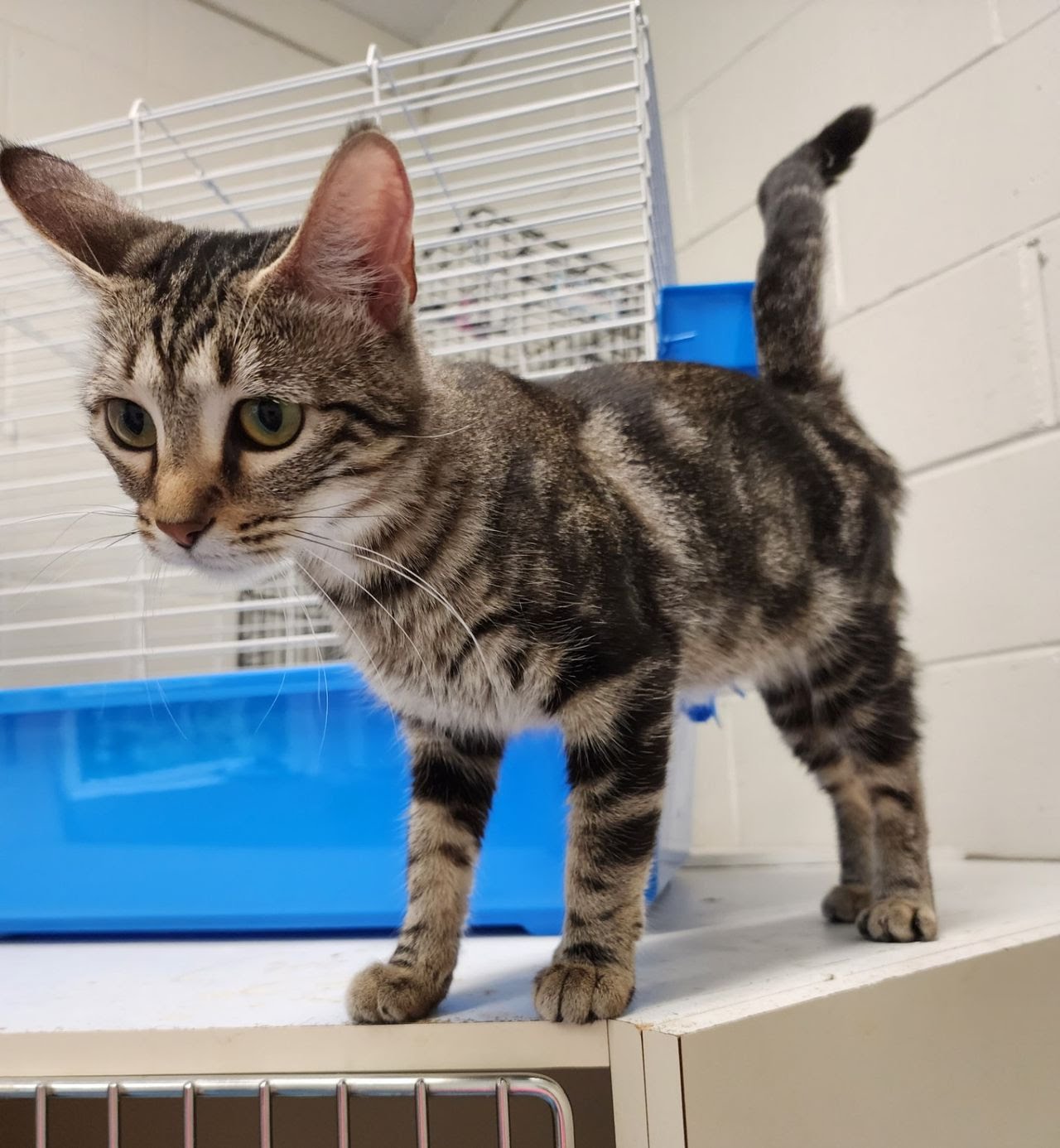
Not an Ashera cat
A Savannah cat with clear Serval lineage is shown as an example of an “Ashera cat” on several websites about the fictional breed.

Sadly, people might not realize that right away because of the publish-now, verify-never nature of web publications. Catster maintains a current page for the “breed,” citing its “outstanding lineage” and its supposed status as “one of the rarest and most expensive cats in the world,” potentially setting back its owners $100,000 or more per cat. You have to scroll down before the site warns about the “controversy and skepticism regarding the breed’s origins,” as if there’s still a debate whether the Ashera is a real breed.

Sites I’d rather not link to include the Ashera in their lists of “most exclusive” and “rare” breeds, and recent Reddit threads claim their price owes partly to their rarity because the company “only breeds about 100 cats a year.” When’s the last time you heard cats didn’t breed enough?

There are even “Ashera cat communities” designed to make it look like there are large online groups of happy owners, and Youtube channels featuring videos of Savannahs labeled as Asheras.

A sketchy operation

But dig a little deeper and you’ll find the truth. The Savannah Cat Association calls the Ashera a hoax, says the cats are Savannahs with fancy marketing, and details experiences people have allegedly had with Brodie. His company appeared to be a one-man operation with a voice mailbox, and people who purchased the pets said they were told to wire down payments to an account in the United Arab Emirates.

There are even claims Brodie was drop-shipping the cats, with customers saying they were delivered directly from an Oklahoma breeder of Savannahs.

And the people who saw an opportunity to have a pet cat despite severe allergies? They weren’t happy either, even those who negotiated deep “discounts” with Brodie.

“I don’t think any cat is worth $4,000,” a customer named Mike Sela told Columbia Journalism review, “but this seemed like a magical opportunity, especially with parents trying to get something for kids. You never thought you could get a cat and this is your chance.”

A group of angry customers who were promised hypoallergenic pets contacted ABC News, whose Lookout team enlisted the help of a biotechnology company to test cats purchased from Allerca, Brodie’s company. The tests showed the Ashera cats had the same amount of Fel d 1, the primary allergen in feline saliva, as the typical cat and could find no evidence of Brodie’s claims that he’d engineered an exotic cat sans allergens.

CJR took mainstream and legacy press outlets to task for reporting uncritically on Brodie’s claims despite the lack of any documentation, peer-review studies proving gene-edited hypoallergenic cats are possible, and for a complete lack of due diligence on the man himself. Per CJR:

“What Time, National Geographic, and other major outlets, including The New York Times, missed was that Brodie has no background in genetics—but he does have a well-recorded background in running scams. He was arrested in England, his native country, for selling shares in a non-existent hot-air balloon company. In the United States, he has left a wake of evictions, unpaid loans, and suits by unpaid employees. One judgment against him that stands out is by a company called Felix Pets, founded about a year before Allerca with the same goal of breeding hypoallergenic cats by eliminating the Fel-D-1 gene.”

Indeed, as the complaints piled up and Brodie’s deceptions began to catch up with him, the San Diego Union Tribune reported Allerca had been evicted from its “offices” — Brodie’s home address.
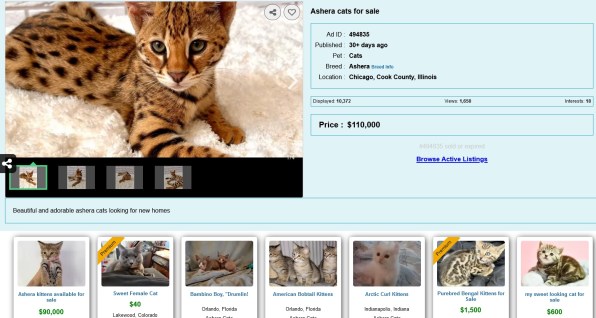
Ashera cats scam
A listing for an Ashera cat and a second listing for Ashera kittens, bottom left.

News stories say Brodie has changed his name numerous times and if he’s still out there, he’s almost certainly not Simon Brodie anymore. But the Ashera cat scam isn’t dead.

We found dozens of sites offering “Ashera kittens,” and online marketplaces for animals still have regularly-updated listings from people claiming they’re selling “genuine” Ashera cats in 2024. There’s also at least one group claiming they’re “officially licensed Ashera cat breeders,” touting a lofty “mission” not only of providing cats for people with allergies, but also “preserving exotic wildlife.”

The myth of hypoallergenic cats

Although there have been recent efforts to neutralize Fel d 1, they come from actual scientists who have published their work for peer review, or from public pet food companies that have paired with scientists to create kibble they claim reduces the Fel d 1 allergen in cats who eat it. They’re also focused on attacking the protein, not breeding or creating cats that lack it in the first place.

People with allergies should understand that despite what they may read online, hypoallergenic cats do not exist. No one has been able to “engineer” a feline without the Fel d 1 protein.

There’s serious debate among geneticists about whether trying it is ethical, as no one knows exactly what function Fel d 1 serves or what the potential consequences may be for editing it out of feline genetic code.

So if you’re looking for a “luxury cat” or you just want a cat that won’t trigger your allergies, beware before you’re separated from your hard-earned cash. As always, if something sounds too good to be true, it probably is.
TikTok Influencer Rages At Shelter In Video About Adoption Fee

After a TikToker raged about an adoption fee for a cat who had medical issues, her army of followers began harassing the shelter and its staff.

I don’t advocate criminality, but if some enterprising, preternaturally skilled hacker were to go Tyler Durden on TikTok and not just disable it for a few hours with a DDoS attack, but nuke it to oblivion by taking down its servers, backups and back-end code, that hacker would be a hero.

Songs would be written for this legend of a human being, performed to raucous applause by bards in taverns. A reincarnated Abraham Lincoln would lead a parade of patriots to the White House to wrap the benevolent hacker in the American flag and present the presidential Medal of Freedom. A bald eagle would alight on a Rose Garden cherry tree, raising a wing in salute to our hero, and fireworks would inaugurate a new federal holiday in honor of the glorious deed and its magnificent author.

But that’s not going to happen, so I have to type the words “TikTok influencer” and try not to gag as I relate the story of one Chloe Mitchell, a Michigan college student who sicced her army of three million followers on a non-profit, no-kill animal shelter.

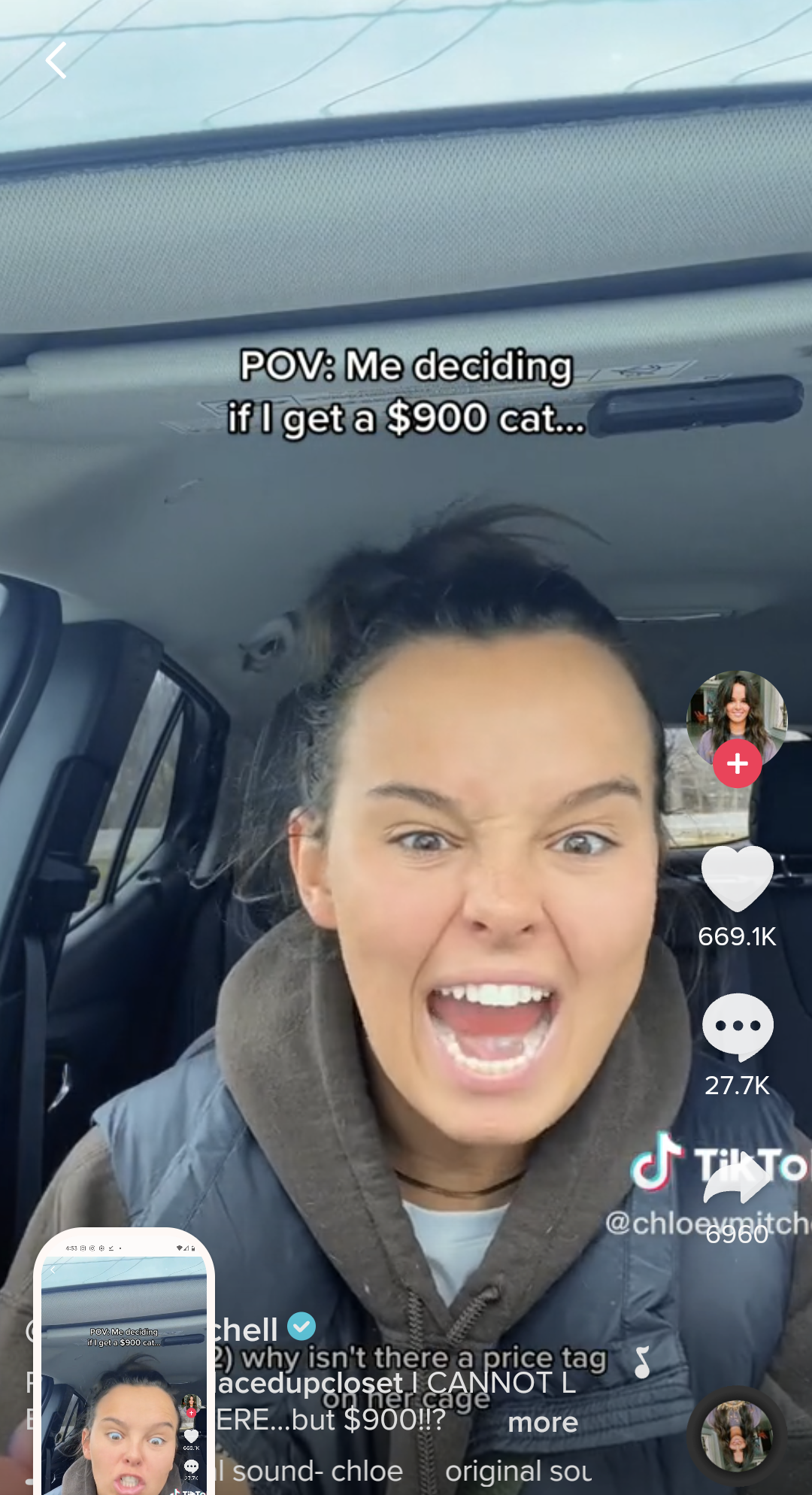
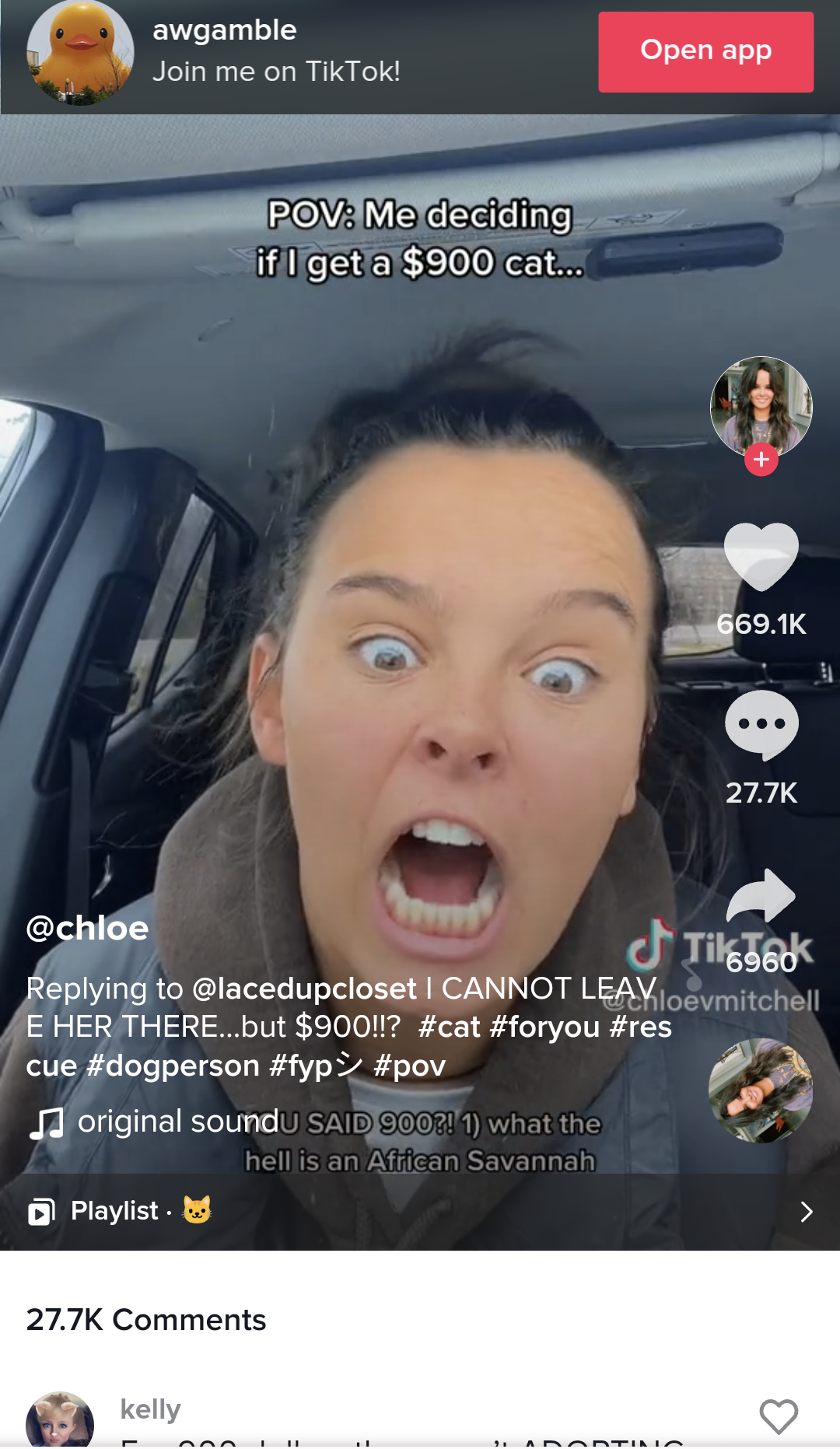
Mitchell is one of those people who makes you wish life had mute buttons. She tells her side of the story with theatric facial expressions, frequently screaming — literally screaming — into the camera as she claims she fell in love with a cat at Michigan’s Noah Project and didn’t balk at the $900 adoption fee.

Screenshot_20230324-162847~2

@chloevmitchell

Replying to @lacedupcloset I CANNOT LEAVE HER THERE…but $900!!? #cat #foryou #rescue #dogperson #fypシ #pov

♬ original sound – chloe

She says she’s happy with her cat, Puka, and loves her. But she still has adopter’s remorse.

“I spent $900 on a fuzzy scratch ball that’s going to puke all over my furniture,” she says at one point in a video she made after the adoption.

She bemoans the adoption fee, saying the cat costs “two thirds of a Yorkie” and a quarter the price of a new Louis Vuitton bag.

“Why isn’t there a price tag on her cage?” Mitchell screams. “Why can’t she be a $25 cat? … That’s life changing money, $900. I could just not eat.”

Mitchell’s followers, who called the shelter operators “scammers” and said they “played” Mitchell, among less charitable comments, have been targeting the shelter online and by phone, making “profanity-laced calls,” according to MLive.

Mitchell says the shelter told her the adoption fee was so high because Puka is an F5 Savannah, a fifth-generation hybrid of a domestic cat and an African serval. In her video she admits she doesn’t know what a Savannah is and confuses a tabby coat pattern for a breed.

But Mashele Garrett-Arndt, Noah Project’s director, told MLive the adoption fee reflected the substantial costs the shelter incurred by rescuing Puka, her litter mates and kittens from the other litters she came with, who had multiple medical issues. The shelter paid for veterinary surgery, including procedures for one cat who had two legs amputated, as well as shots, microchips, spaying/neutering, and special diets for the ailing kitties.

EJJG3JQJUZAARIQLXKTMK3GHPY
Puka, originally named Heart by the shelter. Credit: Noah Project

The Noah Project took in the young cats and their mothers from a woman who purchased the momma cats from a breeder. The mother cats went into heat again, predictably, and the problem multiplied litter by litter until the woman realized it was out of her ability to control and passed the problem along to the shelter.

The Noah Project took the mother cats and kittens, like any good rescue would, but an intake like that would stretch the resources of most shelters, let alone a small local operation. (See the appeals for assistance when larger organizations like the SPCA take in cats from hoarding situations, for example.) That this happened on the cusp of kitten season makes it even more difficult.

Since adopting Puka — and making a video in which she goes back and forth between saying she already adopted her and claiming she was thinking of adopting her — Mitchell has made at least half a dozen additional monetized videos about “the $900 cat,” including one in which she introduced her parents to their “$900 grandfurchild” and another in which she seemingly pretends to be on the phone with someone from the shelter, lecturing them about “taking advantage” of people and “profiting” off them. In the video, she does not pause long enough for the alleged person on the other end to speak.

“I’m so mad about this because she’s not only lying about this story but she’s making a profit off this,” Garret-Arndt said. “These cats came from an older woman in her 80s who bought these cats and overbred and couldn’t handle the situation. They all had medical issues and that’s the reason they were $900.”

Garret-Arndt told MLive her books are open for Mitchell and anyone else to inspect. In addition, the IRS 990 forms of non-profits are available via sites like Guidestar, allowing donors to check information like percentage of revenue spent on programs, meaning the amount that goes to the charitable cause after overhead.

Mitchell
Mitchell’s series of videos on her “$900 cat” saga had amassed almost 30 million combined views as of March 24

Mitchell isn’t hurting for cash despite her claim that she might have to go without eating after adopting her “$900 cat.” As a college volleyball player, she’s known as the first NCAA athlete to profit financially from NIL (name and image likeness), co-founded a company for other athletes looking to capitalize on NIL, and says she paid for Puka with money she made from the TikTok Creator’s Fund. In addition, she’s bragged about her many sponsorships.

An earlier story about Mitchell’s earnings said that in addition to the money she earns directly from the NCAA NIL deal, “five-figure deals are her baseline” for sponsorships.

Mitchell earns up to $20,000 per sponsored post, the story notes — and that was in 2021, when her follower count wasn’t as high. That’s an extraordinary amount of money for anyone, let alone a college kid, and doesn’t match up with her video pleading poverty over an adoption fee.

With 3 million followers, Mitchell could earn as much as $15,000 a month directly from TikTok alone, not including the lucrative sponsorships. Her initial post about the saga of her “$900 cat” registered almost six million views, some 28,000 comments and more than 660,000 likes. In all, her series of videos on the cat saga have amassed almost 30 million views. Most creators can only dream of those engagement numbers and the revenue associated with them.

In other words, Mitchell is not the typical college student working a part-time job in between classes and eating Ramen noodles to stretch her budget, and it wouldn’t be inaccurate to say she’s punching down by picking a fight with a small local rescue.

“I feel like she (Mitchell) got that cat as a stunt for her followers,” Garret-Arndt said. “She specifically asked for that cat. We were told she was an African Savannah cat but we don’t know.”

To her credit, Mitchell does seem taken with Puka, and we hope she cherishes the beautiful kitten regardless of whether she’s got serval lineage or is just a “basic” cat. Every cat is worthy of love and deserves a good home, and it appears Mitchell is doting on Puka, buying her lots of toys and cat furniture and cuddling with her.

Take it from me, loyal servant to a “basic” no-breed kitty: what’s important is the bond you form and the memories you make together, not the rarity of the breed. I wouldn’t part with Bud for $900,000, let alone $900.

In the meantime, the Noah Project continues to take abuse from the “influencer’s” followers, “swearing at us and calling us a horrible organization,” Garret-Arndt said.

“We don’t scam people,” she told MLive. “If they want to see my books and what I paid for medical, they can.”

She said the Noah Project is a small organization that focuses on making sure cats go to good homes instead of ending up in kill shelters where they’re likely to be euthanized.

“All of our animals leave here fixed and with all of their shots and preventatives, as well as being microchipped,” she wrote in a Facebook post in response to the manufactured controversy. “This all-costs money. No one is making a profit here, everything goes back into the shelter for medical supplies, food, etc.”

Mitchell says she’s ordered a DNA test for Puka and plans to do a reveal on TikTok, providing more material for more monetized videos in her ongoing saga of “the $900 cat.” She says she’ll “defend” the shelter to her followers if the DNA test does reveal serval lineage, but the damage has already been done, and we can’t help but wonder if she’ll be willing to offer a meal culpa after quadrupling down on claims that the shelter ripped her off.

Hilarious News Report Claims ‘Black Pumas’ Are Rampaging Across The UK

Big cat sightings across the UK have a lot in common with UFO sightings in the US.

Shhhhh!

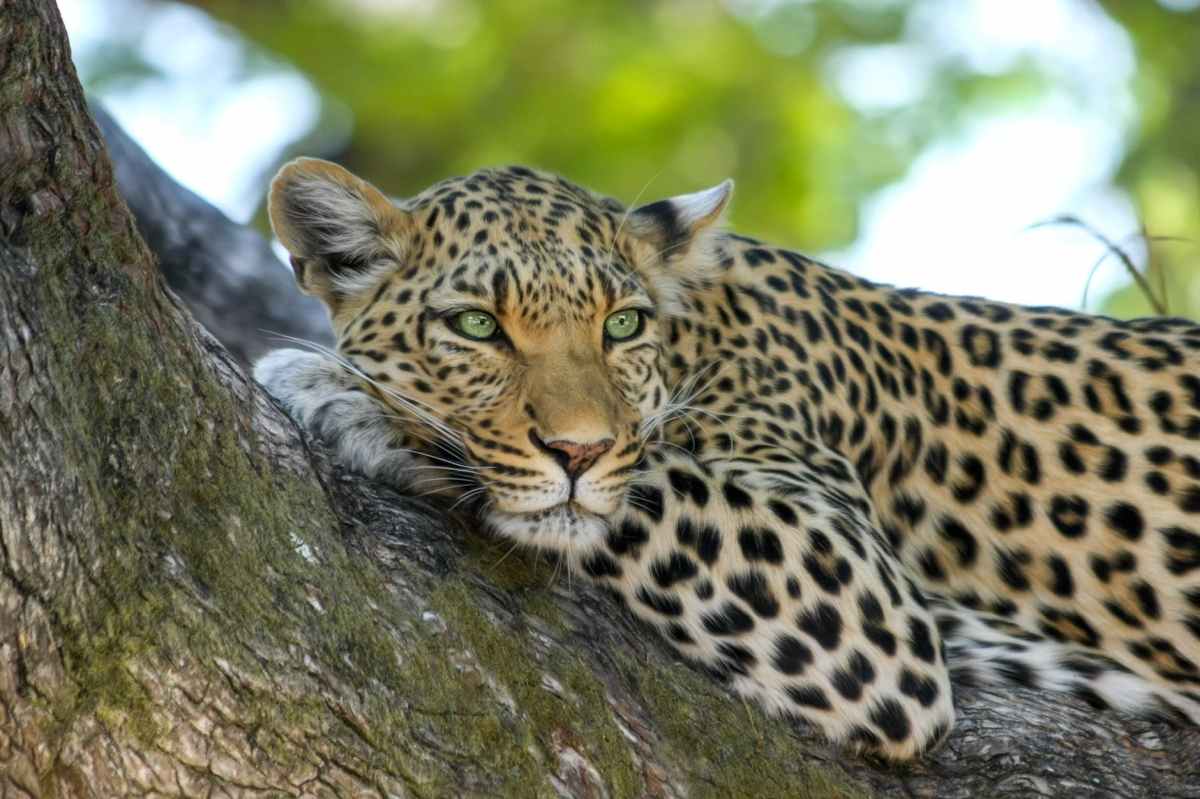
No one tell NewsCorp that “black pumas” don’t exist, pumas are native to the Americas, leopards are native to Africa and Asia, and a “black panther” is a color morph, not a species of cat.

A story from Fox News — prompted by a similar story in the UK’s Sun, part of the same Rupert Murdoch-owned media conglomerate — claims the British are “unnerved” by an “uptick” in sightings of cryptid big cats. The mysterious creatures are supposedly running rampant in the British countryside and in the suburbs, according to the article, which identifies them as black pumas, black panthers and black leopards.

Oddly, the story says the sightings are up significantly because there have been three “big cat” sightings in October, immediately before informing readers there are 2,000 such sightings in the UK every year.

Little Buddy and I are not exactly known for our math skills, but 2,000 sightings a year works out to 167 sightings per month, which is a lot more than three. Fifty five times more, in fact. So the story should really be about a dramatic dip in phantom big cat sightings, shouldn’t it?

What evidence does the Fox report cite for its breathless claim about big cats taking over the UK? A pair of grainy security camera videos, including one showing a “big cat sighting” at night, and the word of a “big cat sighting expert,” alternately called a “countryside expert” in other media reports, who by the way happens to be hawking a documentary on the sightings.

“It’s a crucial issue,” self-described wildcat expert Rick Minter told The Sun. “How do we come to terms with living alongside big cats in Britain?”

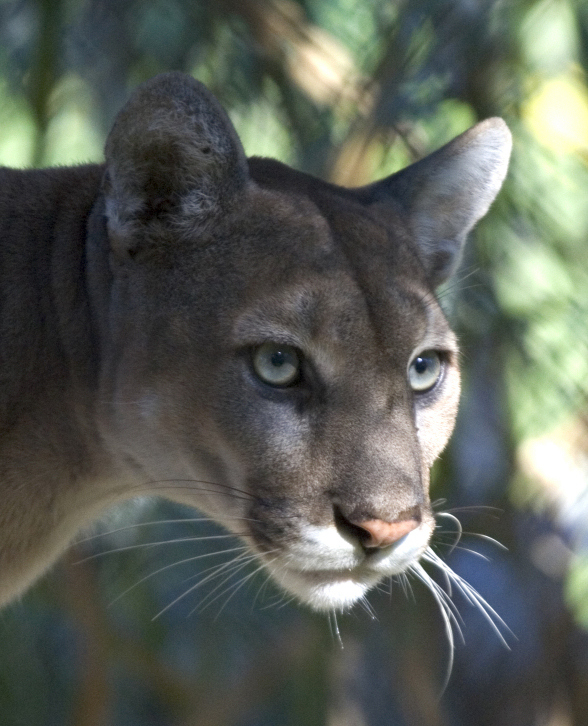
Puma
Pumas, also known as cougars, mountain lions, panthers and catamounts, are native to the Americas. Credit: Wikimedia Commons

For readers unfamiliar with the highest echelons of reputable journalism, The Sun is the UK’s foremost bastion of trustworthy reporting, a tabloid par excellence whose editorial staff are known for breaking stories about “crazed werewolves” and immigrants barbecuing the late queen’s swans when they weren’t running topless photos of models on Page 3. The Sun is owned by NewsCorp, the parent company of Fox News.

As for the two pieces of footage, one is the aforementioned blurry mess recorded by a home security camera at night, and shows a few frames of a cat’s behind and a tail as the felid walks out of the frame. The other is a blurry clip the credulous claim depicts a large cat feeding on a sheep. There’s no indication the figure is a felid of any type.

As far as we’re concerned, there are a few possible explanations for the sightings:

They’re former pets

India the tiger
India the tiger was found wandering the suburbs of Houston in 2021. In this photo, he’s enjoying life in his sanctuary’s large enclosure where he’s got plenty of room, stimulation, toys and even his own rock pool.

If there are indeed big cats roaming the British countryside and suburbs, they would have to be former pets of people who acquired them on the illegal wildlife market, broke the law by “importing” them into the UK, then broke several additional laws by keeping them as pets until the cats quickly grew and the owners realized keeping them is untenable.

Such situations aren’t unheard of, obviously, but they can’t account for a dozen big cats on the loose at any one time, much less more than a thousand as Minter claims.

More importantly, big cats who are taken from their mothers as days-old cubs, sold as pets and later dumped are universally confused, terrified and unable to fend for themselves. They end up roaming suburbia in broad daylight, like a nine-month-old tiger named India who was spotted wandering around the outskirts of Houston in 2021, sniffing out potential food in garbage cans because they don’t know how to hunt.

If these phantom big cats were former pets, they’d be spotted, captured and taken to sanctuaries within a matter of days.

They’re small wildcats formerly native to the area, like the Eurasian lynx

The problem is, the Eurasian lynx was extirpated from the UK about 1,400 years ago. There have been debates among conservationists about reintroducing wild populations to the British countryside — and to Ireland — but no concrete plans as of yet. Proponents say the lynx could be beneficial, keeping deer populations level without major human intervention.

Eurasian lynx adults can grow to about the size of medium dogs, so it’s possible they can be mistaken for “big cats” in blurry video, especially when perspective and/or lack of other objects makes it difficult to place their actual size in context. However, as with big cats, any Eurasian lynx spotted in the UK are likely to be former pets.

They’re housecats

bigkitty
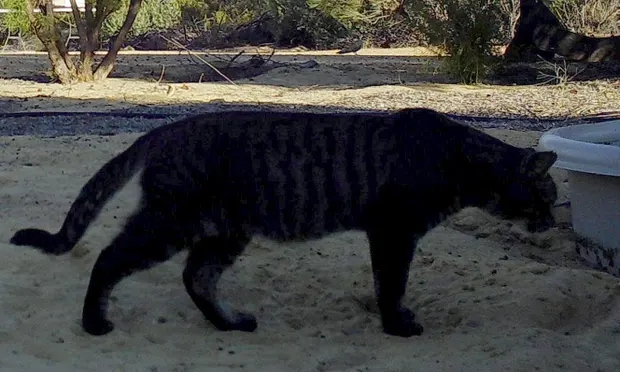
This feral cat, a plain old member of the felis catus species, was repeatedly mistaken for a big cat in western Australia back in 2018.

If witnesses in the UK are mistaking house cats for big cats, they wouldn’t be the first.

Stories abound of little cats prompting “big cat” sightings, from Vancouver (a Savannah cat) to Scranton, Pa. (a missing house cat), to San Jose (a Maine Coon) and even Australia. (A feral cat.)

One wildlife ranger in Australia became so annoyed with fielding frequent big cat reports that he implored people to educate themselves.

“People need to get over the idea the cats are panthers,” wildlife ranger Tim Gilbertson told Australia’s ABC news. “It is just not on. They are big feral cats, at least 50% bigger than a house cat and they are powerful.”

The usual issues are in play here: Fuzzy security camera footage, night sightings, confused witnesses. You’d think there would be more phantom big cat sightings in the US, since pumas can grow to the size of jaguars and could be mistaken for lions, but people who live in areas where pumas range tend to know they’re around and what they look like. They’re also the definition of scaredy cats, reluctant to let humans spot them or get anywhere near them.

Buddy
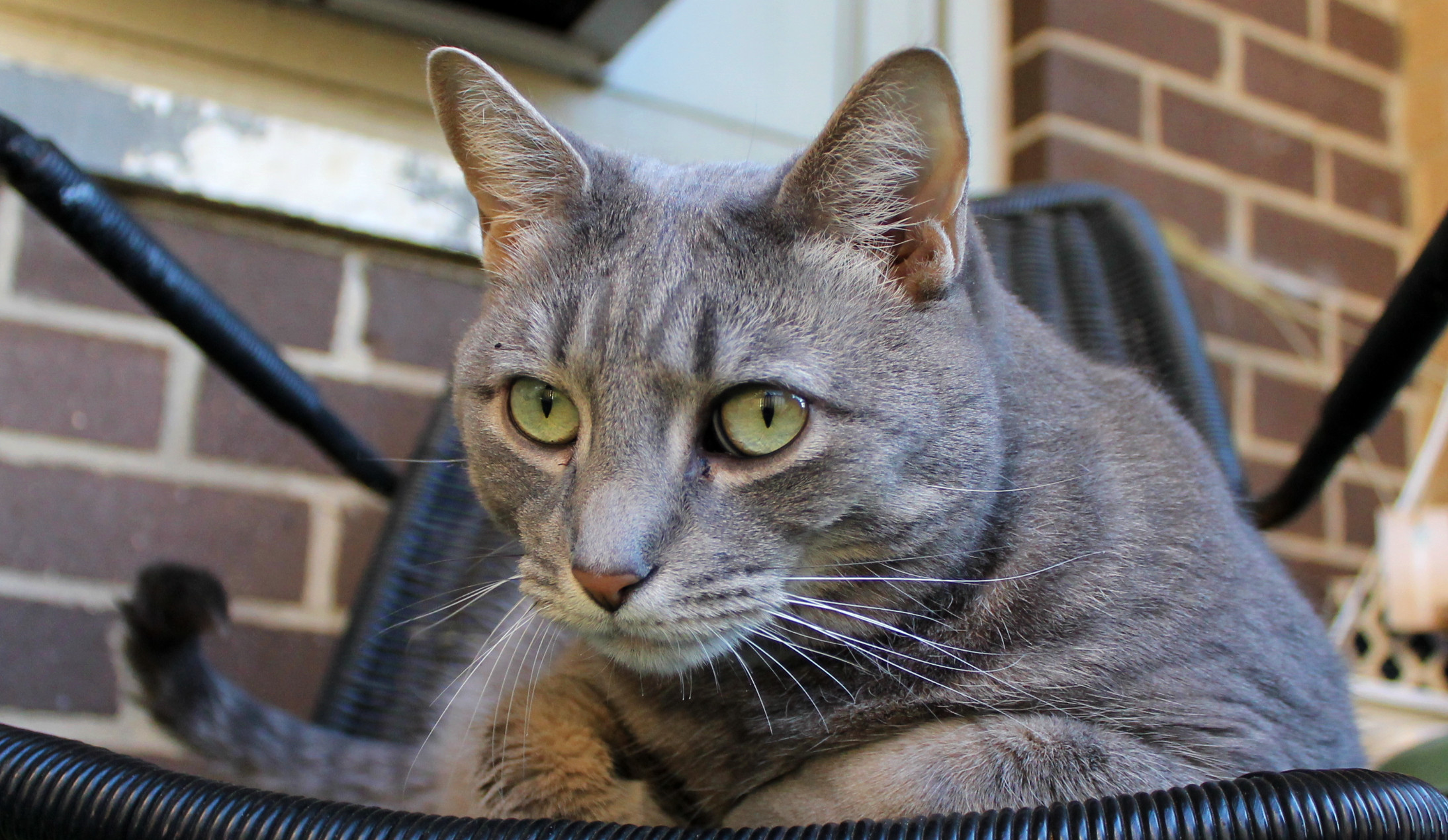
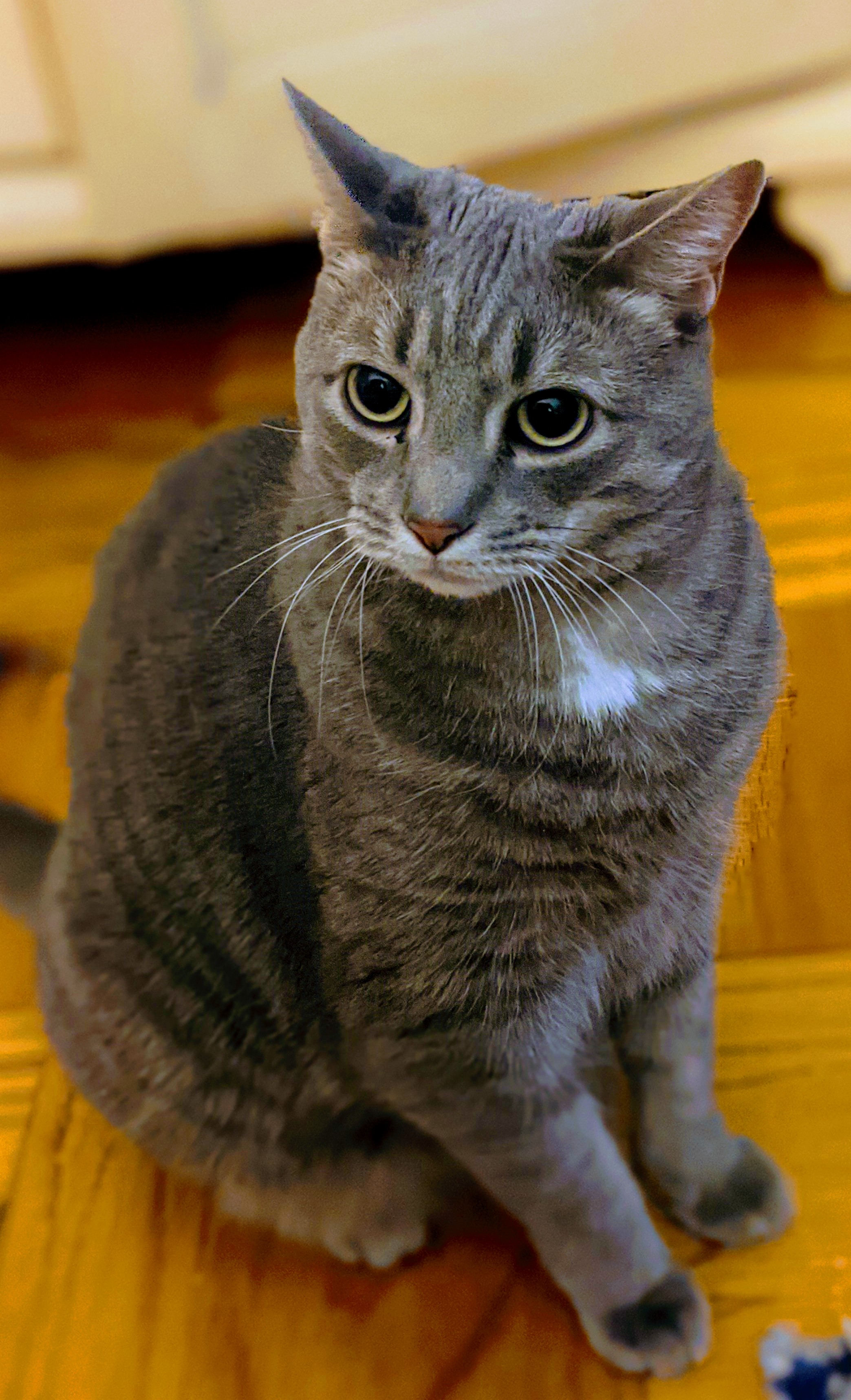
Frequently mistaken for a tiger: Buddy the Cat.

Ultimately, witness reports count don’t count for much, and not just because memory is malleable.

Thousands of people have reported seeing Bigfoot, chupacabras, the Jersey Devil and the Loch Ness monster, but those creatures are all firmly in cryptid territory.

There’s Occam’s Razor, and there’s common sense: For a primate species like Bigfoot to exist, for example, there would need to be a breeding population, enough prey for the creatures to feed themselves, and someone somewhere would have found remains at some point. (Bigfoot sightings go back to the days before Columbus set foot on New World shores, but it’s only been in the last century or so that the cryptid has entered the popular imagination via folklore and media.)

Likewise, if there are indeed 1,000 big cats prowling the British countryside, as Minter claims, there would be a breeding population, ubiquitous tracks and the remains of prey animals killed in ways consistent with big cat ambush techniques. Cats of all sizes are ambush hunters and have a distinct way of killing prey which is unlike other animals.

The UK’s big cat sightings should be treated more like the UFO sightings in the US and particularly around Area 51. They start with a kernel of potential truth — the existence of a secret base to test experimental military aircraft, or the possibility that big cats who were former pets have been let loose — which leads people to consider the possibility, then when they see something they can’t easily explain, they reach for the exceptional.

But as Carl Sagan famously said, exceptional claims require exceptional proof, and it’s no accident that things like UFOs, cryptid primates and phantom big cats only appear on the grainiest, blurriest and darkest footage.

My money is on domestic cats mistaken for their much larger cousins. Maybe Buddy’s been taking some transatlantic flights under my nose. I’ll have a little chat with him about it and ask him to kindly stop terrifying our friends across the pond.


Ruh Roh: As Pet Thefts Rise, Cops Advise Against Posting Photos Online

Pet thieves can find easy targets online as owners happily share photos and information about their furry family members.

With the violent abduction of Lady Gaga’s dogs grabbing headlines this week, police say “petnapping” is on the rise, and people who post photos of their furry friends online are making it easy for thieves to identify targets.

The West Hollywood abduction of Gaga’s pets — who have since been safely returned by an apparently uninvolved person — was particularly disturbing and dramatic, as the robbers shot dog-walker Ryan Fischer four times in the chest before making off with two of the singer’s three French bulldogs.

Thankfully Fischer is stable and expected to make a full recovery, according to his family.

But the incident wasn’t the only high-profile pet-napping case in recent weeks, with a man stealing a van full of daycare-bound dogs in Portland earlier this month and smaller-scale dog heists reported in the US and UK.

“We have two types of crime here. One is the opportunists where they see a dog on its own and they steal it,” Det. Supt Neil Austin of the National Police Chiefs’ Council told The Guardian. “And the other is the more organised element where they target breeders or people who are selling puppies online.”

Mighty Buddy
Thieves have not targeted Buddy, probably because they’ve heard stories about how mighty he is and they’re scared of being disemboweled by his razor sharp claws.

With “designer” breeds and animals with unique looks commanding top dollar, pet theft has become a lucrative side hustle for criminals.

And with so many people posting photos of their pets online and creating social media accounts for their dogs and cats, it’s easy for thieves to identify four-legged targets.

“The advice I would give from a police perspective is be aware of social media,” Austin said. “People share pictures of their dogs and puppies on social media and very often haven’t got their privacy settings set correctly, and they use tags which obviously show where you live which is something to be aware of.”

While most cases that have made the news involve dogs, likely because they’re more vulnerable when their owners take them for walks, cats can become targets as well. Savannah cats often go for more than $10,000, while the ultra-rare Buddinese is priceless.

Which brings us to our next point, a crucial one. Buddy would like everyone to know he does not actually live in New York, and that his true location is a secret.

“I could be living in Rome,” the troublemaking tabby cat said. “I could be Luxembourgish. Maybe I live in Königreich Romkerhall or the Principality of Sealand. You just don’t know.”

“The one thing you can be certain of is I definitely don’t live in New York.”

Kingdom of Buddy
Maybe Buddy lives here.

French Couple Buys ‘Savannah Kitten,’ Gets Tiger Cub Instead

No, it’s not quite Buddy’s origin story.

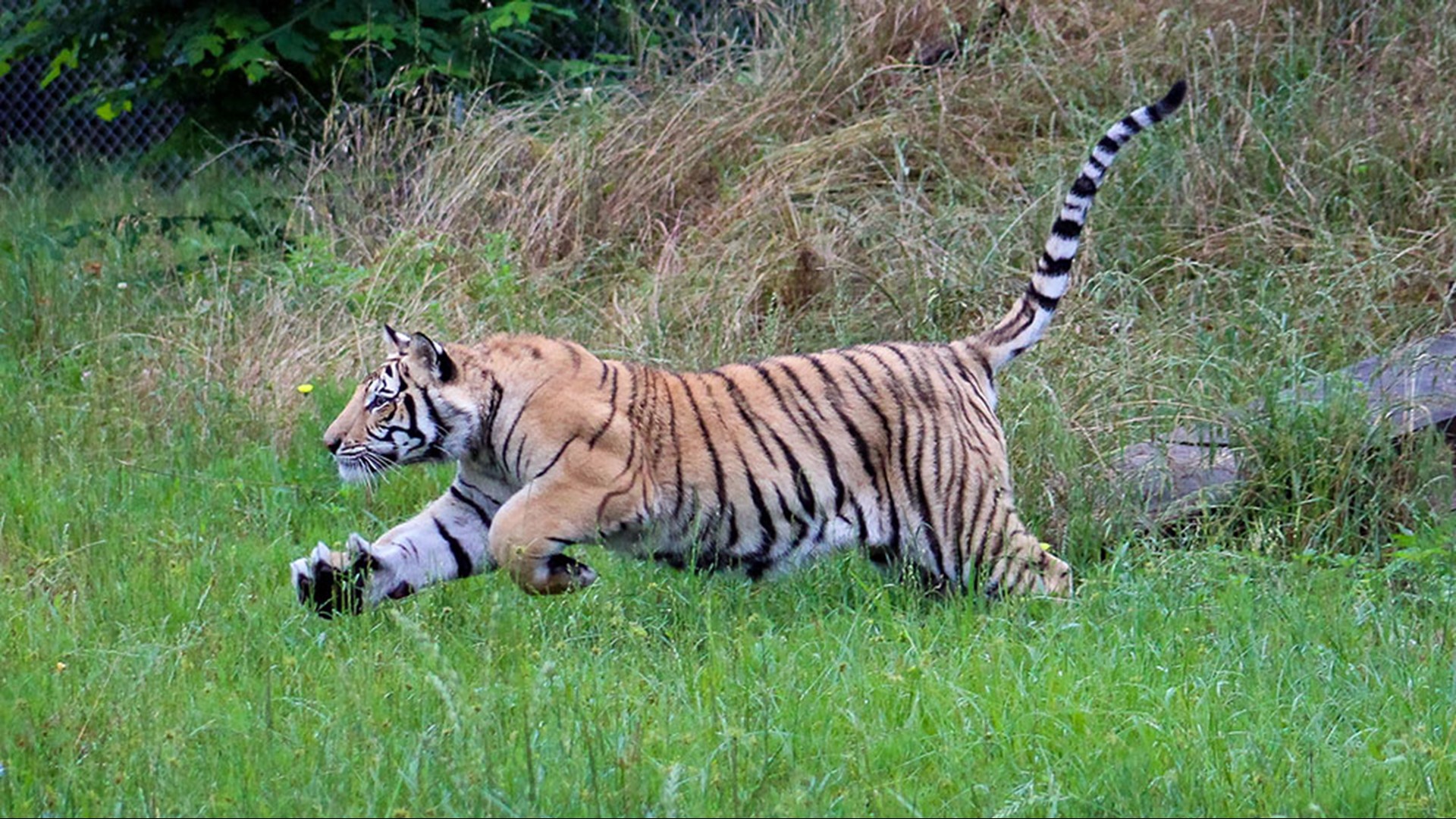
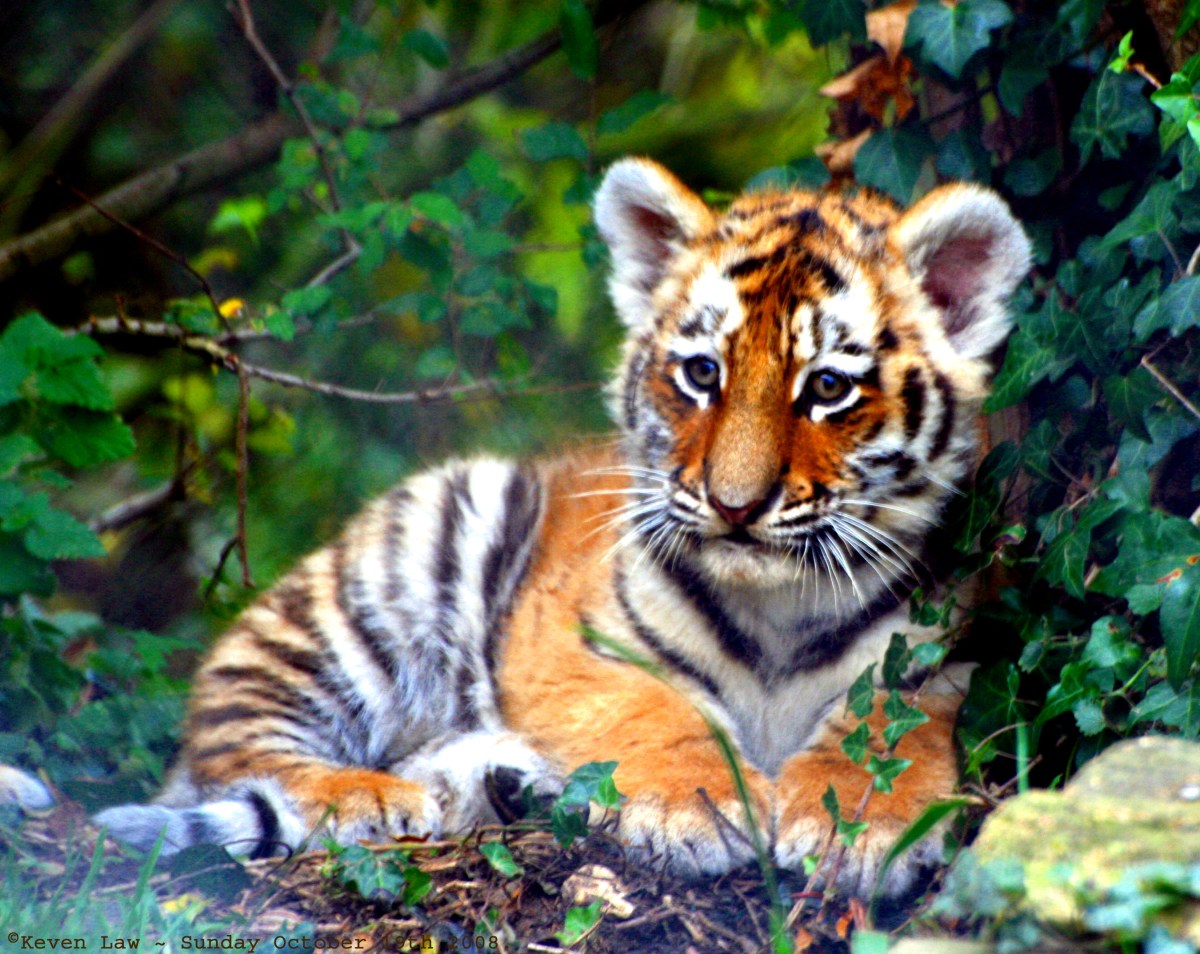
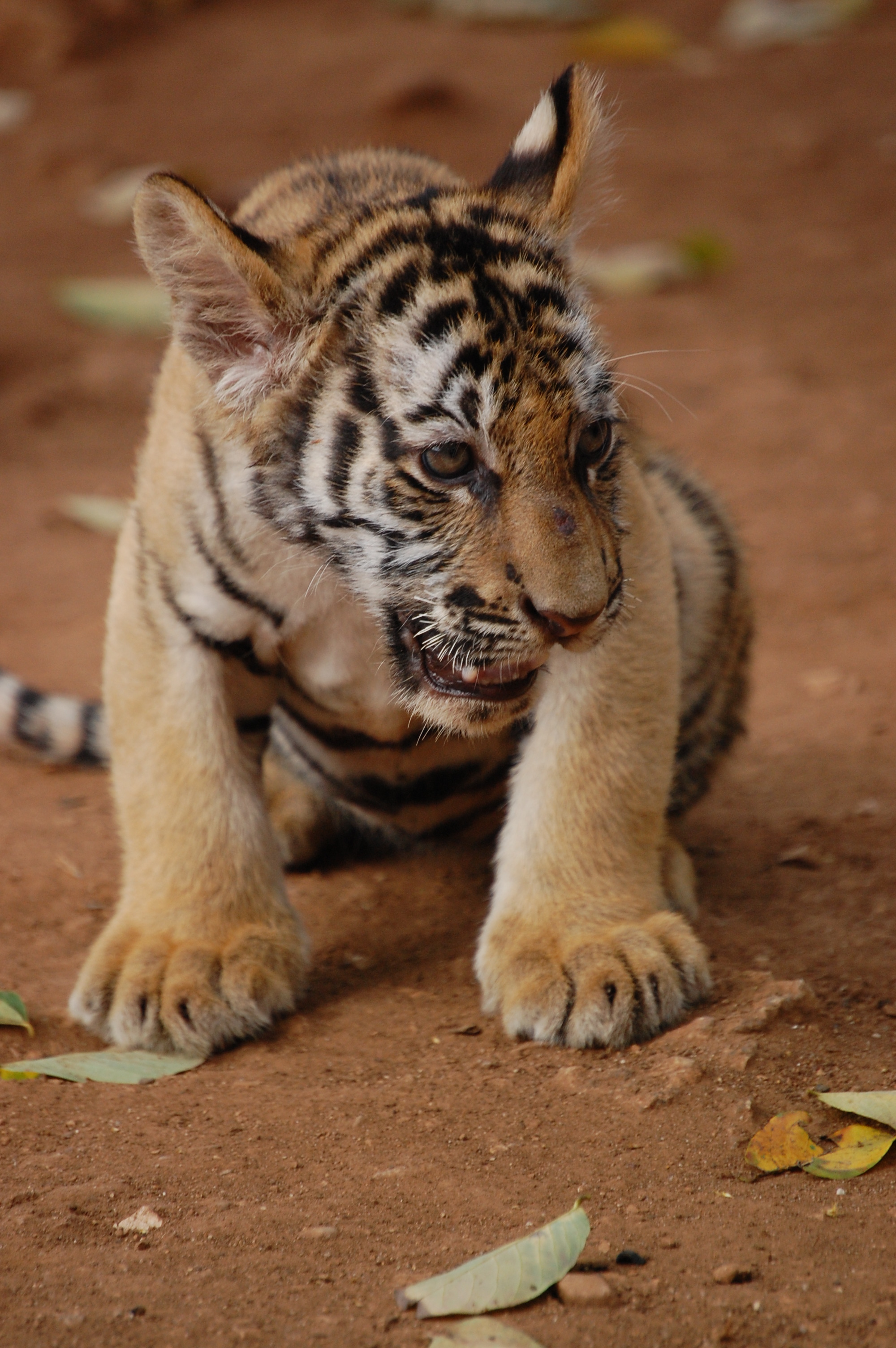
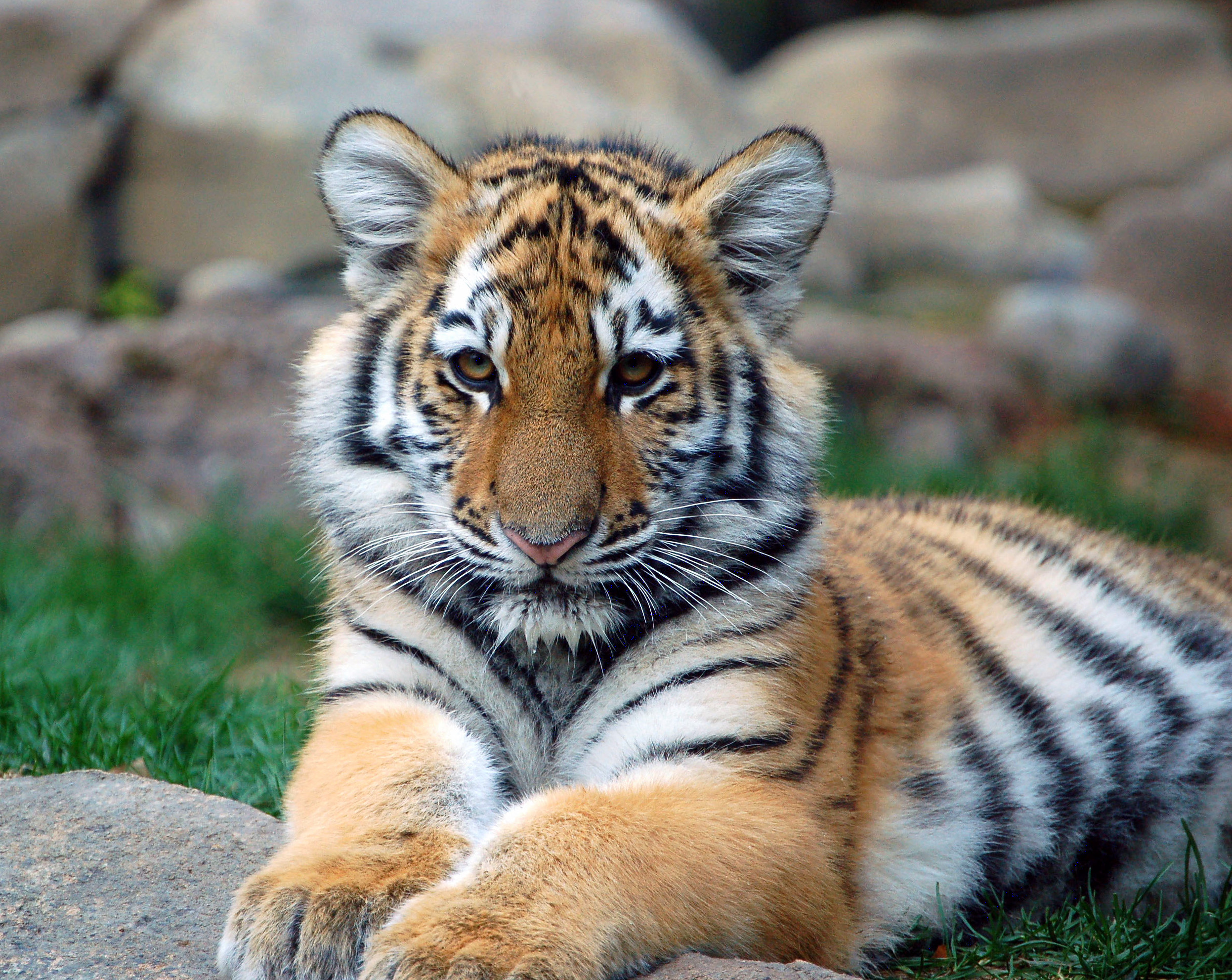
A French couple who answered an online ad to buy a Savannah kitten ended up with a tiger cub instead.

The couple, from Le Havre — a coastal town in Normandy, about 110 miles west of Paris — plunked down $7,000 for the little cat, who they were told was an exotic mix between a Serval and a domestic cat.

After about a week, they realized their “kitten” was a tiger cub and contacted authorities, UPI reported. Specialists from the French Biodiversity Office determined the cub is a Sumatran tiger and are caring for the growing cat.

tigercub5

That happened back in 2018, and the reason we’re only hearing about it now is because French police have completed their investigation in which they tracked down the seller and arrested nine people on animal trafficking laws.

There are only some 4,000 tigers remaining in the wild in the entire world. Habitat destruction, poaching and the illegal wildlife market are the primary causes pushing the iconic big cats to extinction.

Meanwhile, Buddy the Cat believes he too was born of wild tiger stock and was mistaken for a common kitten when he was adopted by Big Buddy.

“Obviously, they dyed my fur gray,” Buddy said. “But they couldn’t do anything to hide how ripped I am.”

All images via Wikimedia Commons.

tigercub2