Amazing Cats: Ocelots Love Trees, Water And Calvin Klein’s Obsession For Men

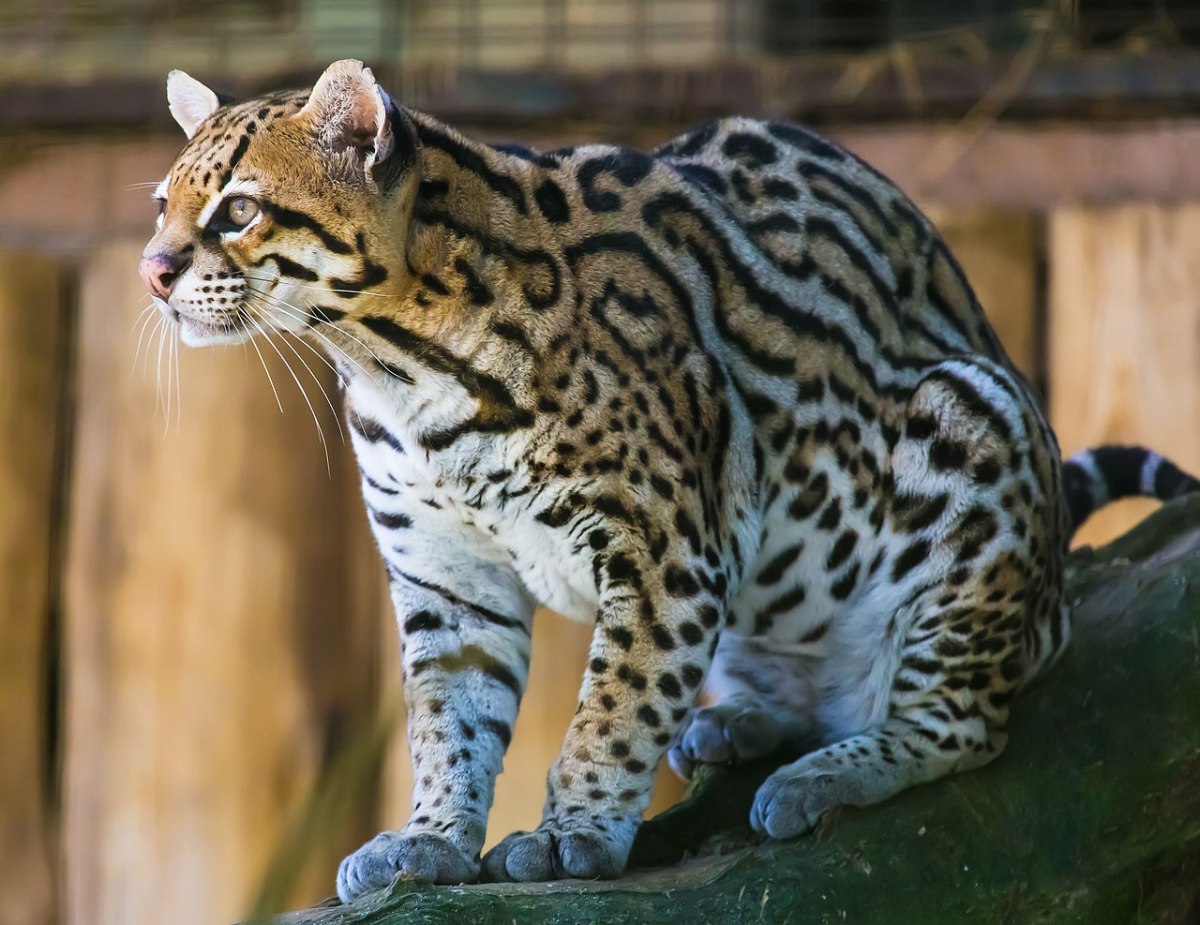
Ocelots, one of the western hemisphere’s most adaptable cat species, are often mistaken for young jaguars.

In 1999 biologists from the Dallas Zoo were lending a hand on a project to monitor and protect America’s ocelots, who primarily range in southern Texas.

With limited resources, the team was trying to keep the wild cats in a protected area and get them to use paths where camera traps had been installed. One tried and true method was to use scents, but what could attract ocelots?

“Sort of on a lark, one of our research assistants produced a bottle of Obsession,” Dallas Zoo’s Cynthia Bennett said at the time.

The felines loved it. Members of the research team watched astounded as the scent magically transformed previously ignored objects into items of sudden fascination.

The cats happily rubbed their cheeks and bodies against anything sprayed with the stuff.

“It´s a little embarrassing to watch, actually,” Bennett said. “It does make you wonder what´s in the perfume.”

(It’s probably civetone, a synthetic version of a pheromone produced by civets used as a binder in the Calvin Klein scent.)

Credit: Victor Landaeta/Pexels

In addition to their predilection for cologne, ocelots are known for enjoying water, hunting by twilight, and napping in trees. The medium-size felids, who weigh up to 40 pounds in the wild, are also easily recognizable by their big eyes, the dark rings that surround them, and the way those markings become twin stripes that sweep over their foreheads.

Perhaps most striking are their large, wavy rosettes, which sometimes get them confused for young jaguars. In several indigenous South American languages, ocelots and jaguars share a name or have very similar names.

An ocelot kitten. After a gestation period of about three months, ocelot moms give birth to as many as three kittens. Credit: Wikimedia Commons
An ocelot resting in a tree. Like other leopardus species, ocelots are proficient climbers. Credit: Wikipedia Commons

Ocelots have another quality that may lead people to confuse them with jaguars: they’re fond of water and they’re considered strong swimmers. That allows them to master their habitats, which often include rivers winding through rainforests and mangrove swamps.

The resourceful cats are adept predators on land and they can also pluck fish out of rivers.

An ocelot going for a dip. Credit: yellowlime_des/Reddit

Ocelots are categorized as a species of “least concern” by the IUCN (International Union for Conservation of Nature) but that doesn’t mean they’re thriving. Like pumas, the species is adaptable and can survive in varied surroundings. Still, ocelots contend with the same pressures other species experience, including habitat loss and fragmentation, hunting and poaching.

And while they can’t get enough of Calvin Klein’s Obsession for Men, maybe that’s a good thing.

According to zookeepers and wild cat experts, ocelots have a uniquely funky body odor which is amplified by their prodigious scent-marking. They want everyone to know where their territory is.

For zookeepers, the cats’ Obsession obsession could pull double duty as olfactory enrichment in their habitat — and a way to mitigate the stink.

Credit: Wikimedia Commons

Name: Ocelot (leopardus pardalis)
Weight: Up to 40 pounds, with limited sexual dimorphism (males are slightly larger)
Lifespan: Up to 20 years in captivity
Activity: Crepscular, nocturnal
Habitat: Claims territory in places where prey, water and dense ground cover are plentiful but the species is adaptable and survives in varied biomes

Want more Amazing Cats?

Amazing Cats: The ‘Fire Tiger’ Is The Stuff Of Legend
Amazing Cats: The Adorable Colocolo, Feline Of The Pampas
Amazing Cats: The Sunda Clouded Leopard
Amazing Cats: The Mysterious Marbled Cat
Amazing Cats: The Rusty Spotted Cat
Amazing Cats: The Jaguar, ‘He Who Kills With One Bound’
Amazing Cats: The Puma, Adaptable Survivor

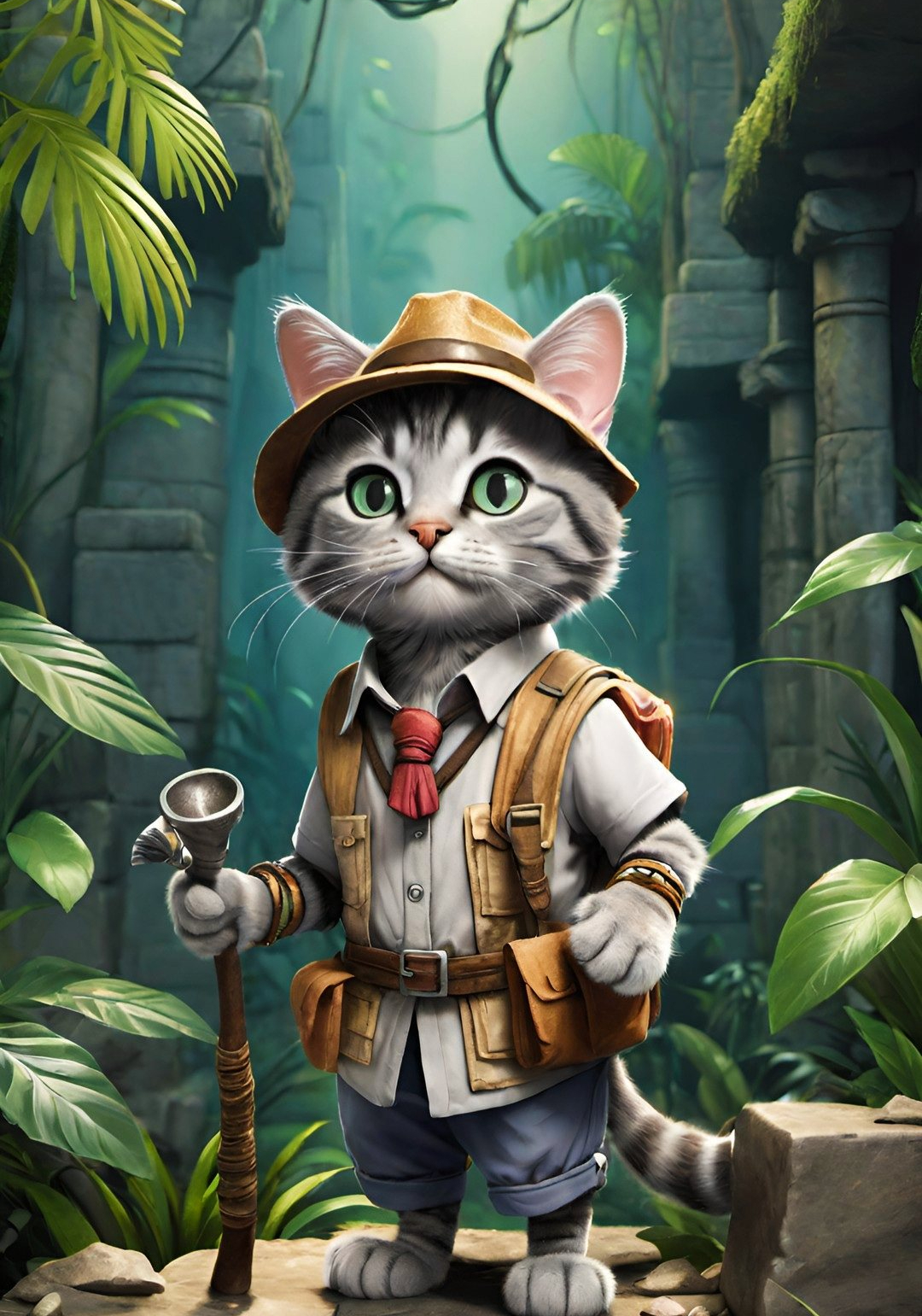
Buddy The Cat And The Search For The Lap Of Luxury

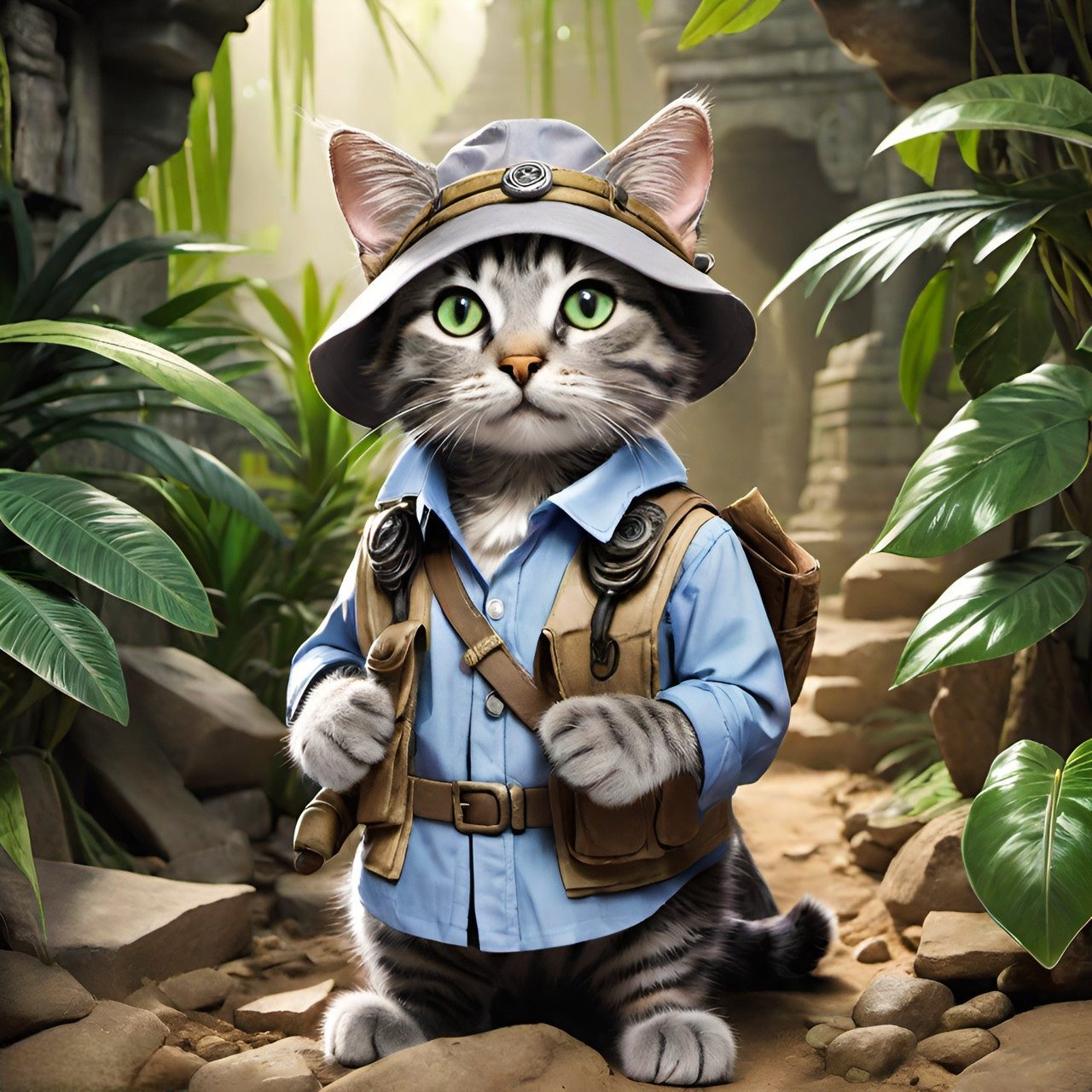
Sir Buddy leads an expedition into the jungle to find the legendary Lap of Luxury.

AMAZON RAINFOREST — At the peak of the hill, still well within the darkness of the tree canopy where only a few slabs of light penetrate through the understory to the jungle floor, a path stops abruptly.

In its place is a steep drop and the mouth of an underground chasm carrying water over the edge, creating one of the planet’s most spectacular waterfalls — and a sweeping vista of the lake and its shores below, where structures from deep antiquity seem to exist only as outlines in the mist.

It is here in the Lost City of Casarabe that intrepid explorer Buddy the Cat believes he’ll find the legend his species has sought for more than a thousand years.

It is, he believes, the site of the Lap of Luxury.

“Many explorers have braved these jungles in search of the legendary Lap of Luxury,” Sir Buddy says as members of his team pad around their camp. “I stand on the shoulders of some pretty big cats here, on the cusp of history, to finally achieve what so many felines set out to do.”

buddy_archaeologist2
Buddy on the hunt for the legendary Lap of Luxury, which may be located in the Lost City of Casarabe.

Buddy believes the Lap of Luxury will be found in this ancient city, which was abandoned more than a thousand years ago for reasons that so far elude the experts accompanying him. Only a very small part of the Lost City of Casarabe is visible even this deep in the jungle. The flora here is too dense and the jungle floor too dark to give up its secrets so easily.

Under Sir Buddy’s direction, teams have cleared a thick network of vines to reveal a stepped pyramid, the twelve spires of a temple dedicated to a mysterious jaguar deity, and a remarkably well-preserved palace that Buddy believes once belonged to an aristocratic feline.

Some seventy rooms are contained in the palace, including a chamber the team has dubbed the Hall of a Thousand Naps, where stunning stone-carved reliefs depict an advanced felid civilization that engaged in napping not only as a biological necessity, but a function of religious fervor.

“The Caztecs were known for their brutality and the Layans were known for their enduring empire, but the hallmark of Casarabian society was the elevation of napping into high art,” says Ferdinand Lyle, an expert on South American antiquities with the British Museum. “Indeed, grand murals depict a civilization that measured time in naps and meals, and even military disputes with neighboring powers were scheduled around shut-eye. To the Casarabians, violating the sanctity of the Nap Schedule was considered an affront to the very fabric of society.”

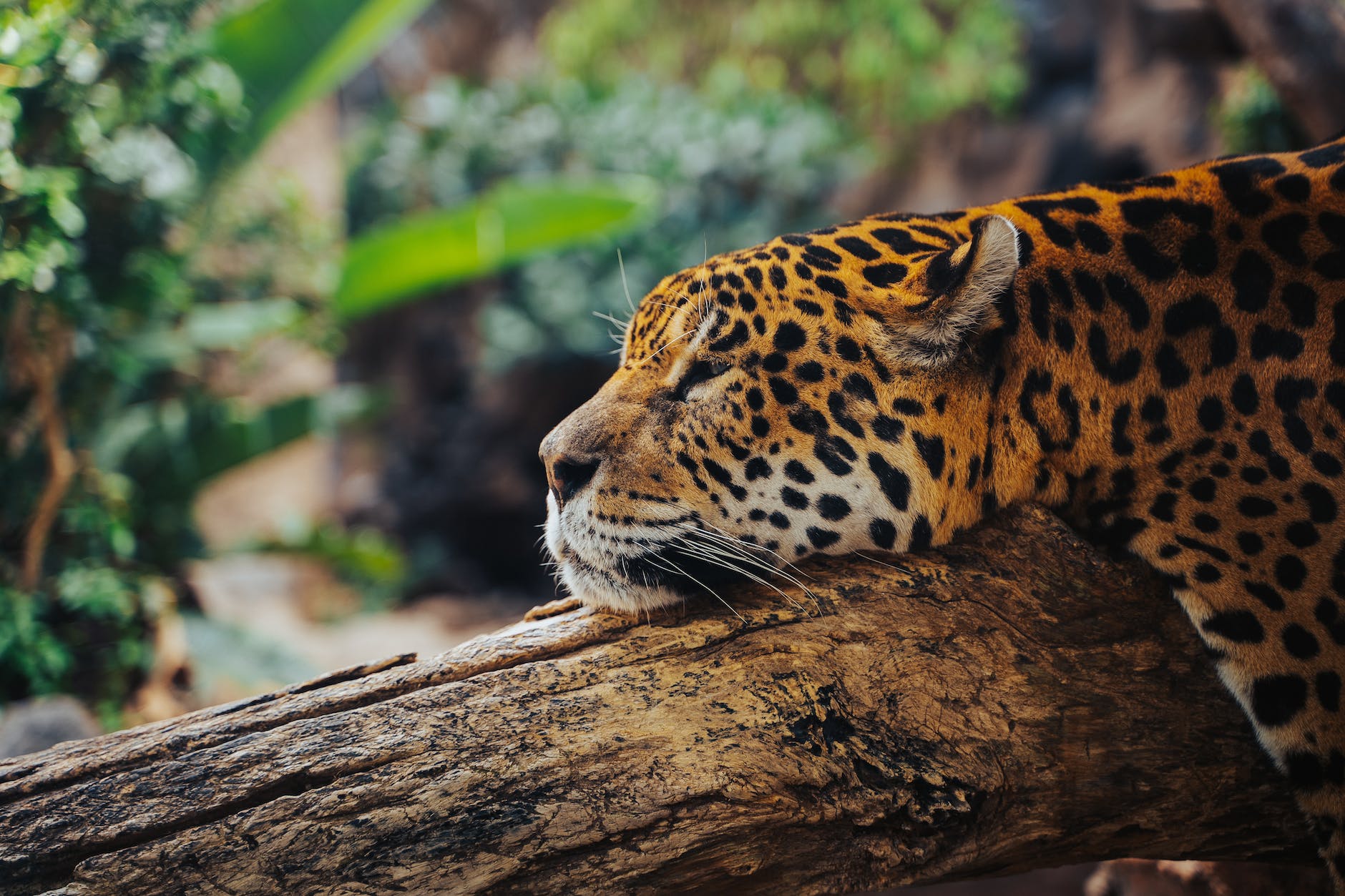
jaguar lying on tree log
Otorongo, one of Buddy’s buddies, met the intrepid explorers deep in the jungle and accompanied them to the Lost City, facilitating a cultural exchange of napping technique. Credit: Benni Fish/Pexels

Legends and the surviving records of neighboring civilizations mention the Lap of Luxury using a dictionary’s worth of superlatives to describe its magnificence. Aztec scholars called it “simultaneously radiant and outrageously comfortable, always the perfect temperature, the substrate upon which kings enjoyed serene naps and gentle massages while being fed candied figs.”

It is alternately described as gilded, soft, gem-like in its facets and silken in tactile sensation.

“Of its comforts, it knows no equals,” wrote 19th century explorer Percy Fawcett, who spent the latter part of his life searching for Casarabe. “If today’s artisans were capable of emulating such perfection, which they are obviously not, all of civilization would grind to a halt as millions fall into deep, satisfying slumber.”

Khalbalique, a jaguar historian and contemporary of the Casarabians, wrote that the Lap of Luxury “thrillified me down to my paws.”

“Such was the lazification of this tremendulomentous relaxatory,” the big cat wrote, “that I found it extraordinatiously operose to extractify my personage from its embraculations.”

buddy_archaeologist
Sir Buddy strides fearlessly through the jungle, determined to find the Lost City and its most precious treasure, the Lap of Luxury. Here he poses for a portraitist who will send his likeness back to the Explorer’s Club to be hung on its walls alongside Mewis and Clarke, Claward Carter, Catto the Navigator and other intrepid legends.

Regardless of the conflicting accounts, all agree on one thing: the Lap of Luxury is magnificent.

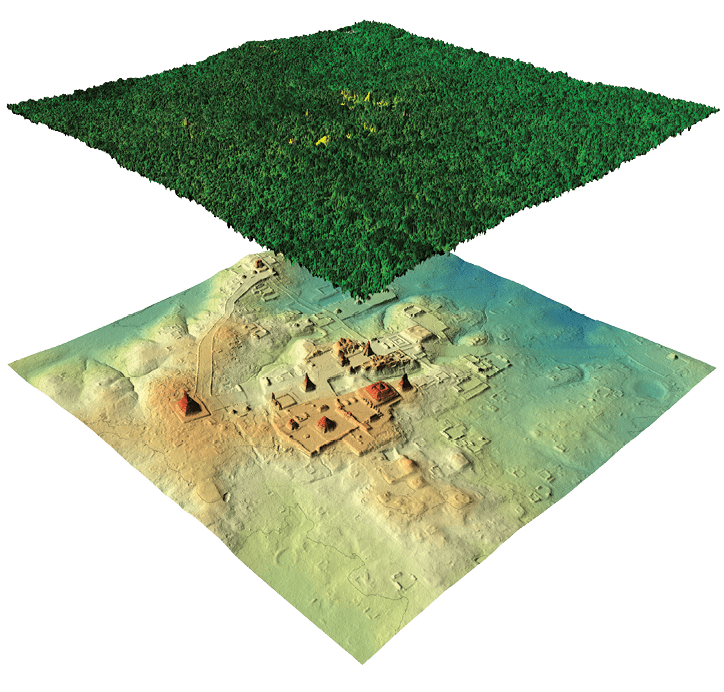
Sir Buddy and his team are working out the details of bringing a helicopter into the deep jungle in order to use LIDAR, or light detection and ranging, to sweep the area. Using a mix of near-infrared, ultraviolet and visible light, a team using LIDAR from the air can digitally “remove” the dense jungle to reveal the structures underneath, natural and man-made.

For the intrepid explorers it’s an advantage their forebears never had, and it’s one reason why Sir Buddy believes he will succeed where those who came before him did not.

“With this technology we can map the entire city and find its most opulent palaces and temples, the places most likely to house the elusive Lap of Luxury,” Sir Buddy says. “When we find it, it shall be my honor to be the first cat in more than two hundred years to settle into it, get comfortable and have a nice nap.”

lidar
LIDAR reveals the jungle’s secrets by peering through the trees and the thick blanket of foliage that has swallowed once-glorious cities.

Cats Win ‘Laziest Species’ At 212th Annual Animal Awards

Cats were recognized for their efforts to transform laziness into an art form.

NEW YORK — Domestic cats swept the Laziest Species category at the 212th Annual Animal Awards on Friday night.

Accepting the award on behalf of all cats, Chonkmatic the Magnificent waddled on stage, took a short nap, then was helped up to the podium, where he yawned and addressed the audience.

“Thank you!” Chonkmatic said, allowing others to hoist the award for him. “We didn’t work hard at all to earn this recognition, and that makes it even more satisfying.”

Chonkmatic went on to list several other cats who made the award possible by demonstrating remarkable laziness, before handing off the list to his assistant so he could be carried off stage for a snack and another nap.

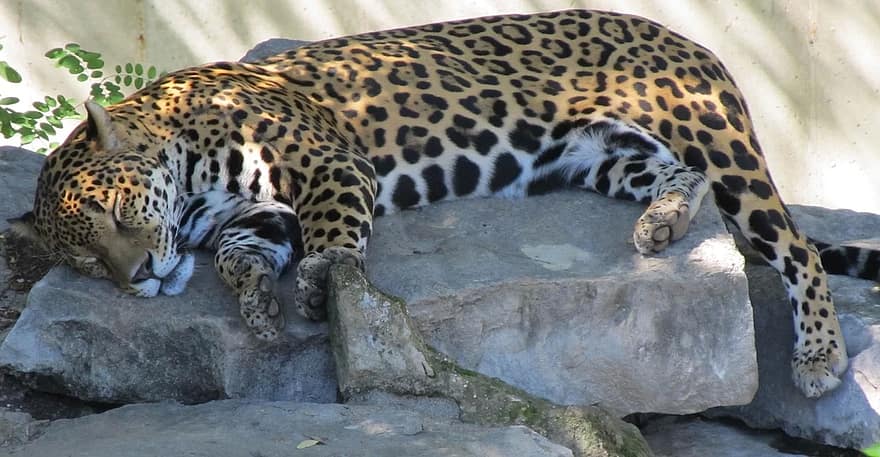
Jaguars, the apex predators of South America, were recognized in the wild cat category for the remarkable achievement of ruling more than two million square miles of rainforest while napping approximately 70 percent of the time.

jaguar-sleeping-big-cat-carnivore-feline-resting-cat-nap-portrait-fur
Prolific nappers: Panthera Onca, the jaguar.

The big cats of the Amazon prerecorded an acceptance speech because the award show was scheduled to interfere with their napping schedule.

“We are honored to receive this award,” Ahau-K’in, the King of Jaguars, said in the message. “If you could just deliver it to us, that’d be great. In fact, you can leave it at the Temple of Palenque, but bring it up the stairs, mind. We don’t want to have to drag that thing up here.”

IMG_4186
Buddy the Cat sleeping on Big Buddy the Human.

Sharing in the recognition was Buddy the Cat, who “showed us all that a new style of napping is possible by training our humans never to move if we’re sleeping on top of them.”

“The New York cat also developed new techniques for prompting humans to deliver snacks directly to their feline overlords,” the judges wrote. “After all, why should we come running at the sound of a crinkly bag being opened? The snacks should be placed before us, requiring as little effort as possible to eat them and leaving more time for yawning, stretching and lazing.”

buddy_bed
BRING THE SNACKS TO ME.

CE04A830-3681-4E11-9ED4-A6B59CE1E188
Chonkmatic the Cat has been chosen to negotiate on behalf of all living beings on Earth. Credit: SPCA of Wake County