US Law Treats Pets As Property, UK Law Treats Them As Sentient Creatures With Real Emotions

Your cat may mean the world to you, but in American courts she’s no different than a TV or an air fryer.

With a quick resolution to a UK cat theft that made international news, it’s become clear that our friends across the Atlantic are way ahead of us in crafting laws that protect animals.

In the US, the legal system views pets as property. You can see the vestiges of our agricultural past in the way animal-related crimes are categorized. Here in New York, they’re found in Agriculture and Markets law, not the state penal code.

The former was written to handle things like compensation for killed or stolen livestock, not to recognize the emotional damage a thief does to both the person and pet when they’re separated.

Today laws forbidding puppy mills and defining the responsibilities of municipal pounds are lumped in with legislation governing things like farm fencing and how horses may be tested for performance-enhancing drugs ahead of county fairs. It’s archaic, confusing and limits the legal consequences for mistreating pets.

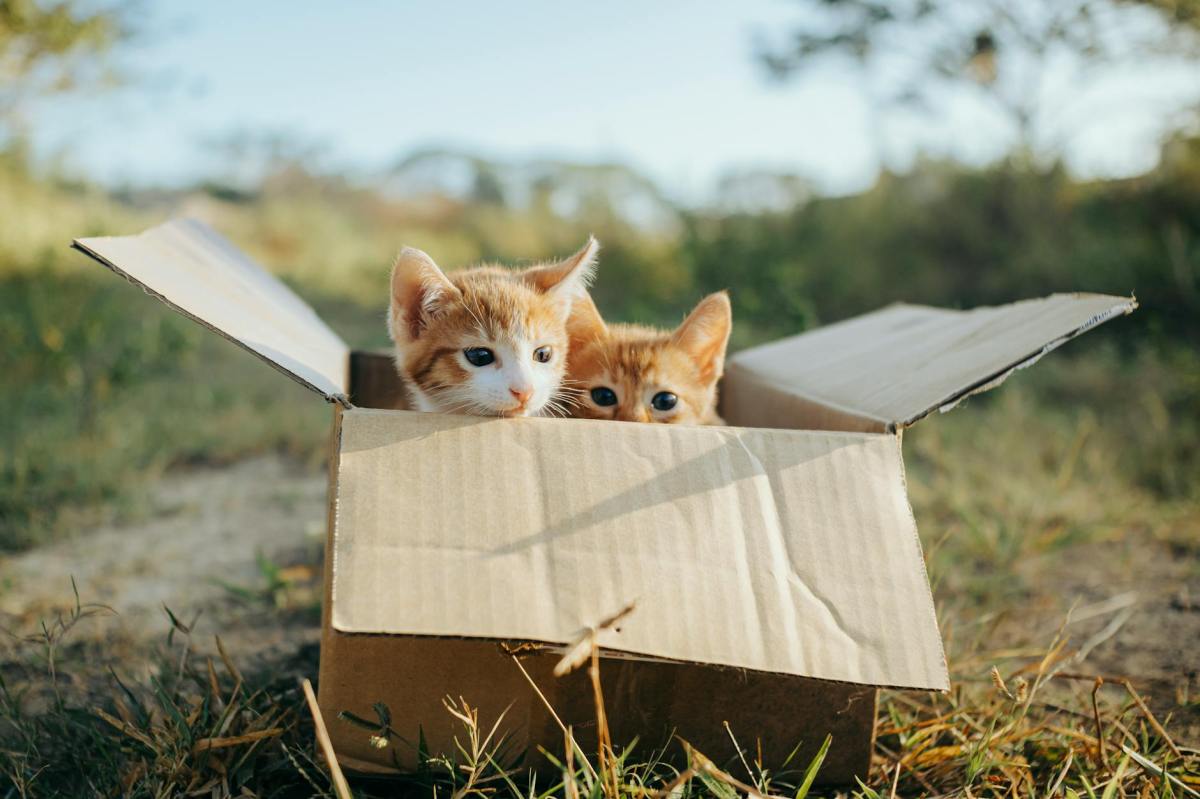
Credit: Breno Cardoso/Pexels

That means the penalties for stealing someone’s beloved dog or cat amount to a slap on the wrist. Your cat may mean the world to you, but in the eyes of the court she’s worth the $175 fee for adoption and shots you paid to a shelter.

That’s also why police enforcement is a crapshoot. If someone makes off with your furry friend, you might get lucky when you find out the local sheriff loves his dogs dearly and makes sure animal-related crime is taken seriously.

Or you might get a desk sergeant who thinks you’re wasting department resources, glowers at you from behind the desk as you submit your report, and leaves it in a pile with other things he believes are beneath the dignity of real police.

It’s easy to blame the police, but their attitudes are impacted by the outdated laws and a society that hasn’t caught up. SPCA law enforcement officers are often treated like Ace Ventura with a badge, and police agencies are reluctant to devote significant resources to cases that will amount to misdemeanor charges, which can be pleaded down further in court.

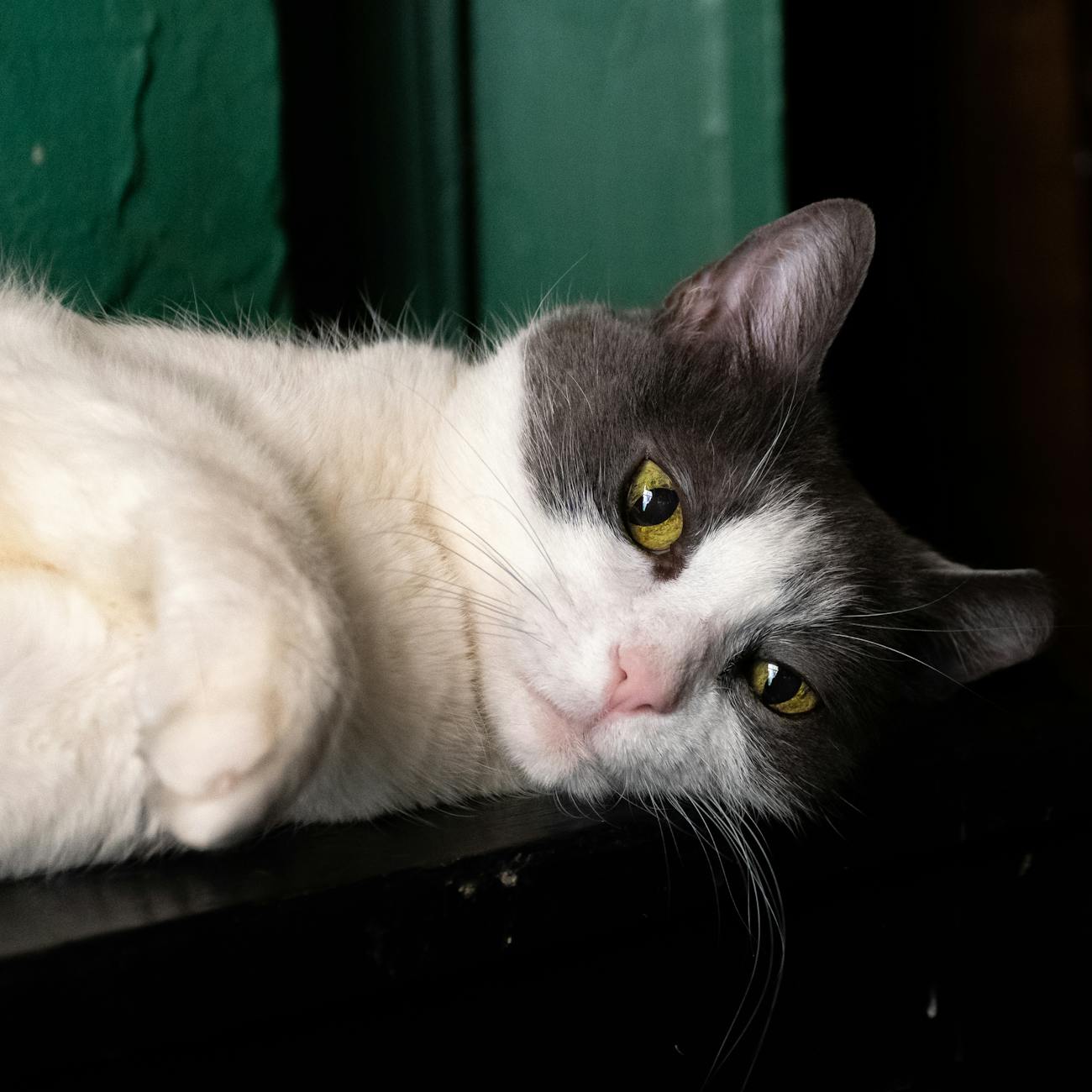
Credit: Alexandros Chatzidimos/Pexels

Compare that to the West Yorkshire police, who launched an investigation when security camera footage showed an Amazon delivery driver stealing a family’s cat a week ago. Happily the feline has been reunited with her people and is back home, but neither the driver nor the company are off the hook, as the police still have an active investigation.

In the UK, courts take animal-related crimes seriously, and so do the police. That’s because of several important pieces of legislation, starting with the Animal Welfare Sentience Act of 2022.

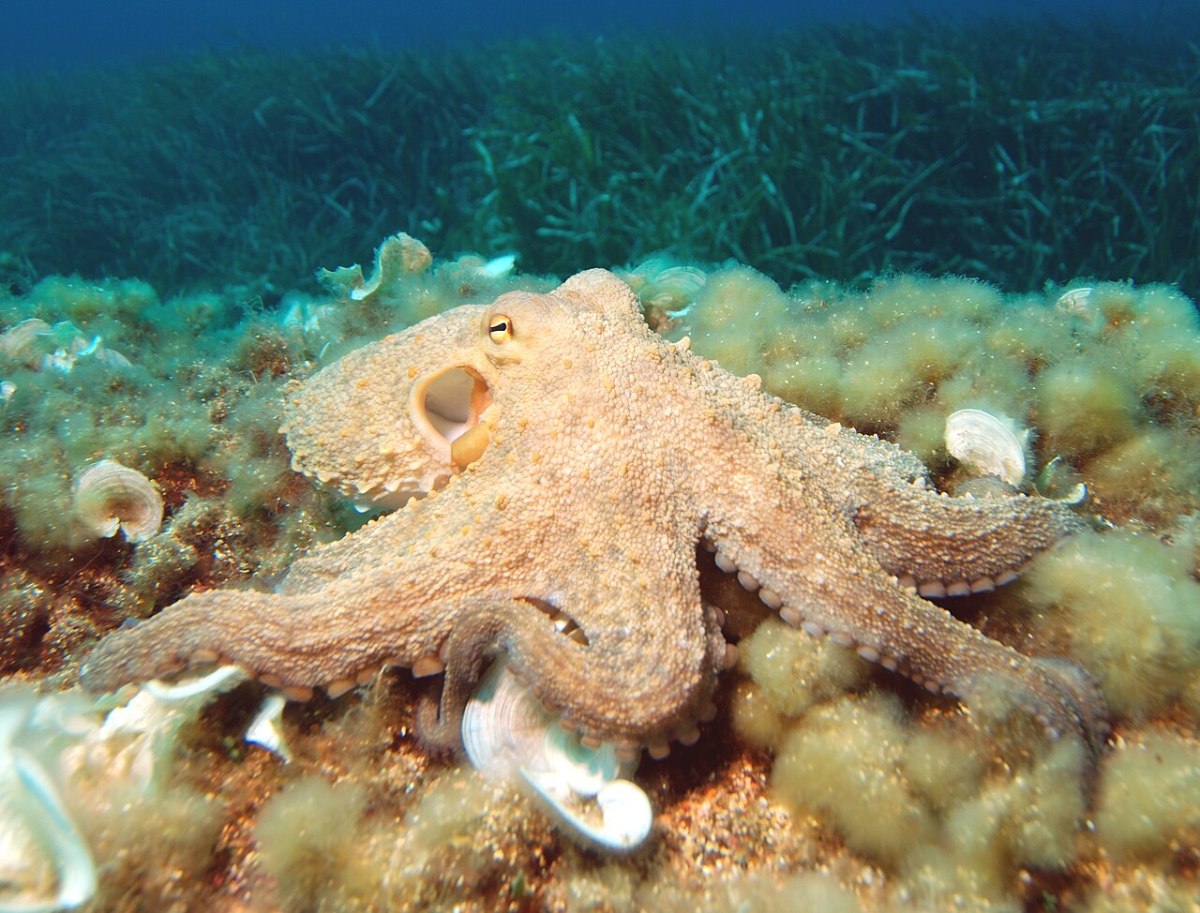
The law finally frees cats and dogs from any remaining association with property laws. Instead they’re viewed as what they are, sentient creatures who have their own feelings. It also recognizes animals like the octopus, which can be startlingly intelligent.

That opens the door to legislation like the Pet Abduction Prevention Act of 2024, which takes into account the trauma to the human and animal victims. Both dogs and cats are likely to be deeply confused and distressed at being taken from their people, and cats in particular don’t do well when removed from their territory.

When a judge sentences a person for, say, stealing a family’s beloved senior dog, he can take into account the stress both the family and dog endured, and the disruption to their lives. When a couple breaks up and both sides fight over a cat, the judge can base a decision at least in part on what’s best for the kitty.

You can’t do that when a law says the animal in question is no more important than a toaster.

The 2024 law cited more than 2,000 dog abductions and more than 400 cat thefts in 2020, and it has legal teeth — judges have discretion to put convicted pet thieves behind bars for as many as five years.

American lawmakers should take a look at how things are done across the pond. At a time when rancorous politics and divisive ideology stains almost everything, this is an opportunity for legislators of all ideological stripes to work together, earning a win for themselves, and most importantly, for animals.

What’s Good About Having A Pet? Everything!

Animals are a real source of joy in this world, and few things are better than cozying up on a couch with a book and a purring cat in your lap.

Daily writing prompt
What is good about having a pet?

For more than two weeks after adopting him, I still didn’t have a name for my cat.

I imagined something badass, something funny, something better than all those boring pet names. But the playful, energetic, bold little kitten in front of me was no Brasidas (my favorite Spartan), Mo (my favorite pitcher) or Timothy Cavendish. (My favorite character from David Mitchell’s Cloud Atlas.)

So I kept calling him buddy while I waited for something to come to me, and then it became obvious: He is Buddy.

Original? Nah. But it describes him perfectly, and to me that’s the best part about adopting him, my first-ever pet.

We’re pals. Amigos. Chums. Accomplices. Buddies.

Buddy as he exists in his mind!

I don’t consider myself his “dad” even though I have parental, protective feelings for him. He’s my buddy who wants to be involved in everything I do, whether it’s helping me greet trick-or-treaters at the door like he did last night, batting a paw at my guitar strings to add his special touch to my recording takes, or just hanging out while I’m reading.

I knew it intuitively, but the best advice I ever got was to always remember your little friend, be it a cat or dog, has his or her own feelings.

There’s a lot of confusion around the word sentience and people often confuse it with the concept of sapience, but there is no doubt about it: mammals like cats and dogs, avian species like corvids (ravens, jays, crows and magpies), and even cephalopods like octopus are sentient.

They think. They feel. They experience emotions like joy, sadness, excitement, anxiety, love, loneliness and more, just as intensely as we do. They may not be able to articulate those feelings in words, but they’re real.

More than half a century’s worth of science has confirmed that fact at every step, and we continue to learn more about animal cognition with every advance in technology that allows us to peer deeper into their minds.

Awww, he tolerates me!

When you treat your pet with respect and keep their feelings in mind, you’ll have a friend for life.

A loyal friend whose love comes without condition.

A friend who won’t lie to you…except maybe when it comes to food. After all, Bud could win an Oscar for his role as a starving cat, even though a single glance at him confirms he’s never missed a meal.

If you’re where I was years ago and considering bringing a pet into your life, ask yourself if you’re ready for a commitment that could last two decades, if you’re ready and motivated to give an animal not just a forever home, but the best life the little one can live.

Remember that kittens and puppies grow up fast, and think about whether you’d rather have a whirlwind of energy who will wreck your sleeping habits for months, or an adult furball who is much more chill. Remember that you will have to do things you don’t like, whether it’s scooping a litter box or bagging poop on a walk. There will be expenses, scares, the occasional puked-on rug.

But the joy you’ll get, and the friendship you’ll have, will make it all worth it.

And if you’re sure, find yourself a buddy at your local shelter. Your life will be better for it.

P.S. If you’re a fool like me, you can also have fun imagining your cat or dog in absurd scenarios based on their personalities.