Archaeologists Uncover Ancient Mayan Jungle City Where Buddy Was Once Worshiped As A Feline Deity

The city, which was abandoned after a natural disaster, was an important hub of civics, trade, napping and indigenous dishes such as the cheeseburger.

XQOCHOATL, Yucatán — Archaeologists announced the discovery of a vast and prosperous ancient Mayan jungle city whose inhabitants once worshiped an unusually handsome gray tabby as a feline god.

X’Budiso was an important center of trade, religious life, architecture and art, according to Ferdinand Lyle, an archaeologist with the British Museum of London and lead researcher on the project.

His team located the long-lost city using LiDAR — light detection and ranging — a technology that allowed them to peer beneath the cover of heavy jungle and detect the ruins beneath.

Previously, there was only one indication that humans had once inhabited the area — a feline paw holding a cheeseburger, rendered in stone and poking out of a thick tangle of jungle flora. When archaeologists cleared the brush and trees, they revealed the rest of the statue which depicted a regal-looking cat on a plinth, holding the cheeseburger aloft in triumph.

Budacoatl with offerings
An artist’s impression of the Mayan deity Budacoatl surrounded by offerings of cheeseburgers, dipping sauces and artisanal cheeses inside the Temple of a Thousand Snacks. A cult devoted to Budacoatl, the Ancient Order of Yums, was responsible for taste-testing the snackly offerings.

The city was a bustling metropolis for hundreds of years before its abrupt abandonment, which researchers said was likely caused by a natural disaster such as a flood or pestilence.

“The Budiso people worshiped a pantheon, and at the top of that pantheon was Budacoatl, the tabby jaguar god of snacks, handsomeness and war,” Lyle explained. “Our research indicates that doom fell over the city, likely in the form of a plague, and that its inhabitants believe they may have angered Budacoatl by skimping on their offerings of snacks.”

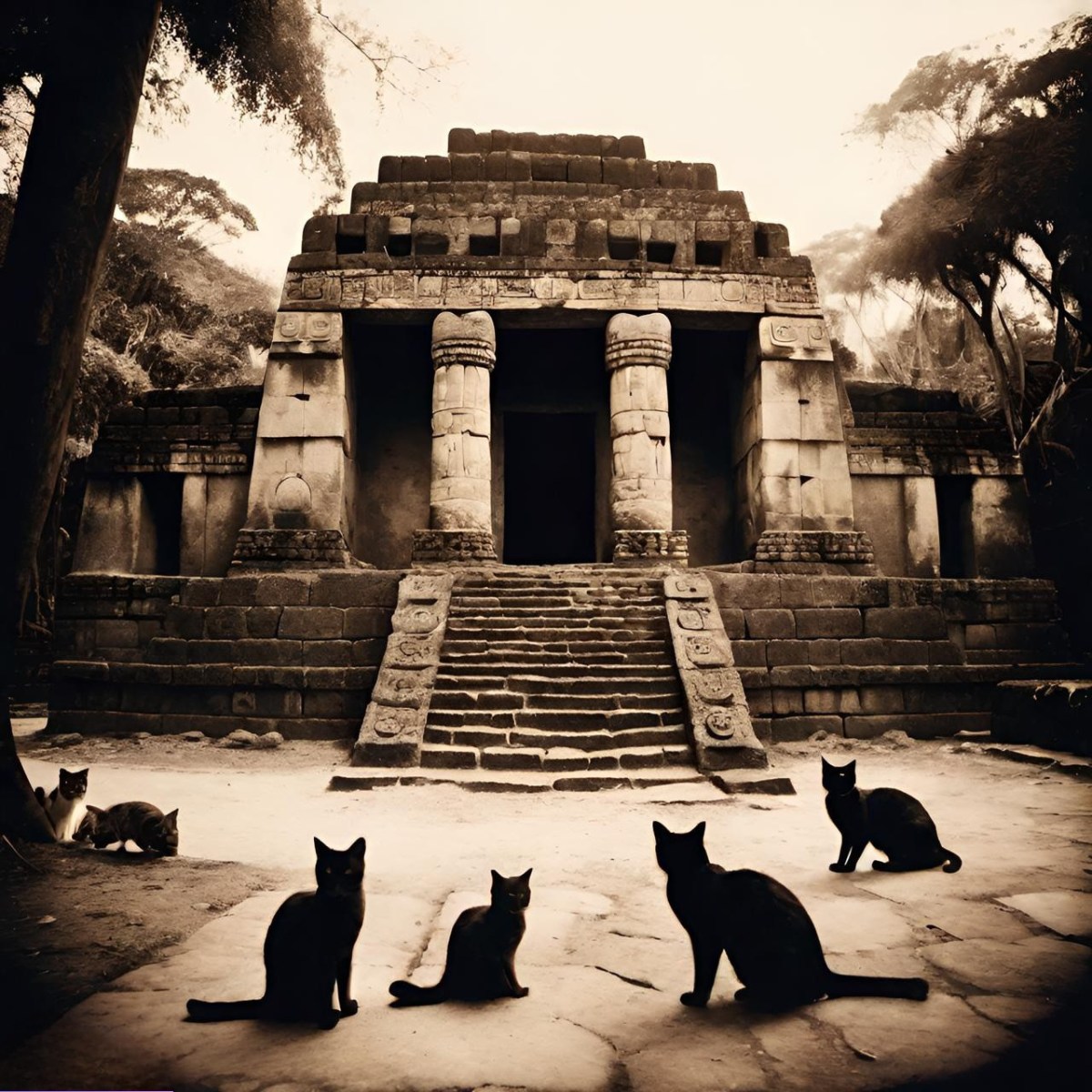
Cats in front of the Temple of Turkey
Feral felines, like the pair pictured here in front of the Temple of Turkey, still live on the grounds of the long-lost city. Source: Buddesian University Archaeological Department

Partially translated glyphs tell of unprecedented growth for the once-prosperous city, which the people believed stemmed from the favor they enjoyed from Budacoatl. Employing a force of more than 100,000 laborers, they built a magnificent temple to the feline deity in the very center of their city.

An architectural wonder, the Temple of Budacoatl featured more than 500 depictions of the feline in statues and relief carvings. The structure was comprised of tiered gardens with artificial waterfalls and tribute chambers, while gilded food and water bowls were placed at regular intervals for the hundreds of mortal cats who lived on the temple grounds.

A nearby structure, the enigmatic Grand Napitorium, was possibly the first sound-proof building in history and affirmed the X’Budiso people’s communal commitment to satisfying siestas.

The city gained a reputation for culinary innovation, and is considered the birthplace of aji sauce, deep fried turkey, huevos rancheros and Temptaciones, the ancient precedessor to Temptations.

The Artisanal Guild of Nectarean Condiments and the Sacred Order of Saucemasters were two particularly prosperous factions in the ancient city, which developed a reputation in the pre-Conquistadorial world for producing  the tastiest guacamole.

“It was said that Budacoatl was particularly fond of sandwiches, and the people sang hymns about his power, influence and ripped physique,” Lyle said. “An epic poem, chiseled into the edifice of the temple, told of battle in the heavens between Budacoatl and the mighty Vakuum, scourge of the Maya. Budacoatl prevailed over Vakuum, banishing him to the underworld where his screeching could not be heard by the inhabitants of the Earth.”

Relief carvings
Richly detailed relief carvings from the Palace of Pâté depict figures from the feline pantheon. Source: Buddesian University Archaeological Department

At the foot of the wall where the poem is inscribed stands a statue of Budacoatl, one paw holding a pastrami sandwich and the other raised in a sign of peace.

“Budacoatl was a big deal among the Maya,” Lyle said. “At one point he was bigger than Gozer and Zuul, ruling atop the pantheon. As a result, cats enjoyed enormous favor in the city.”

Ferdinand Lyle
Professor Ferdinand Lyle, foreground, stands in front of the Napitorium, where the Budiso people would take siestas. Napping was an important part of the culture. Source: Buddesian University Archaeological Department

Archaeologists Find Ancient Image Of Buddy In Peru

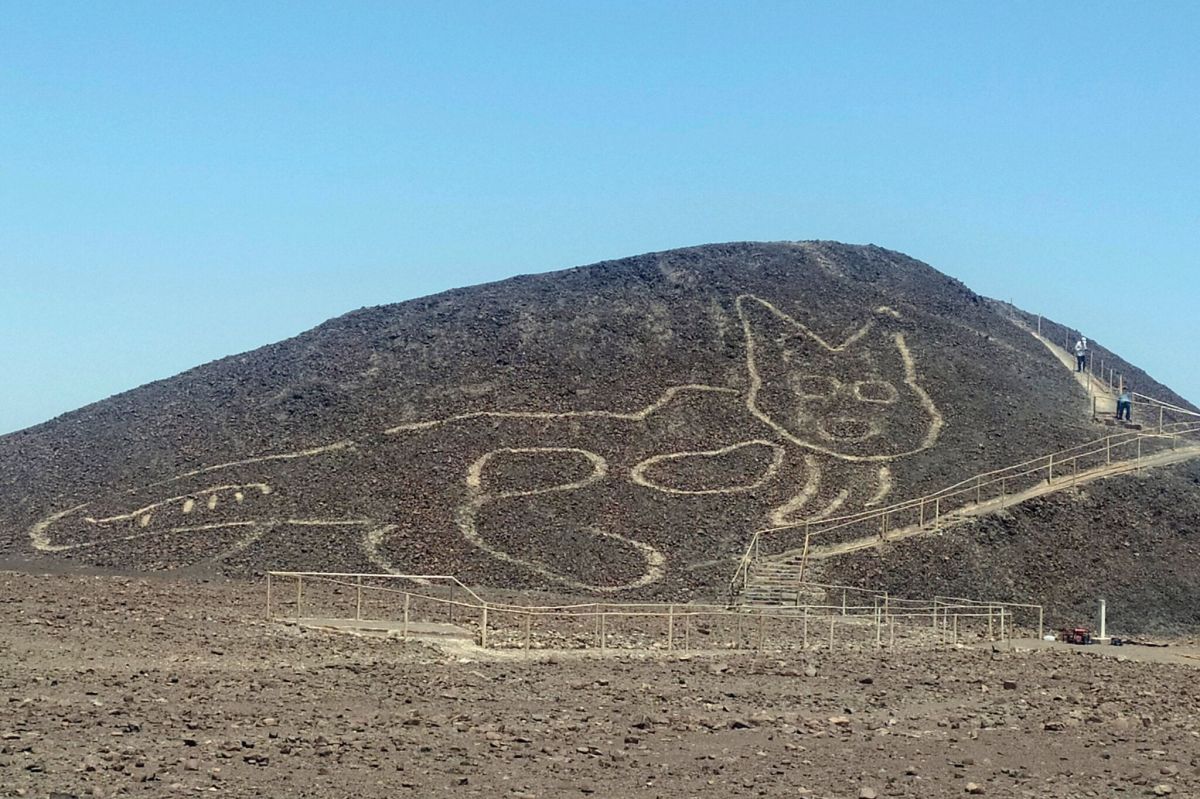
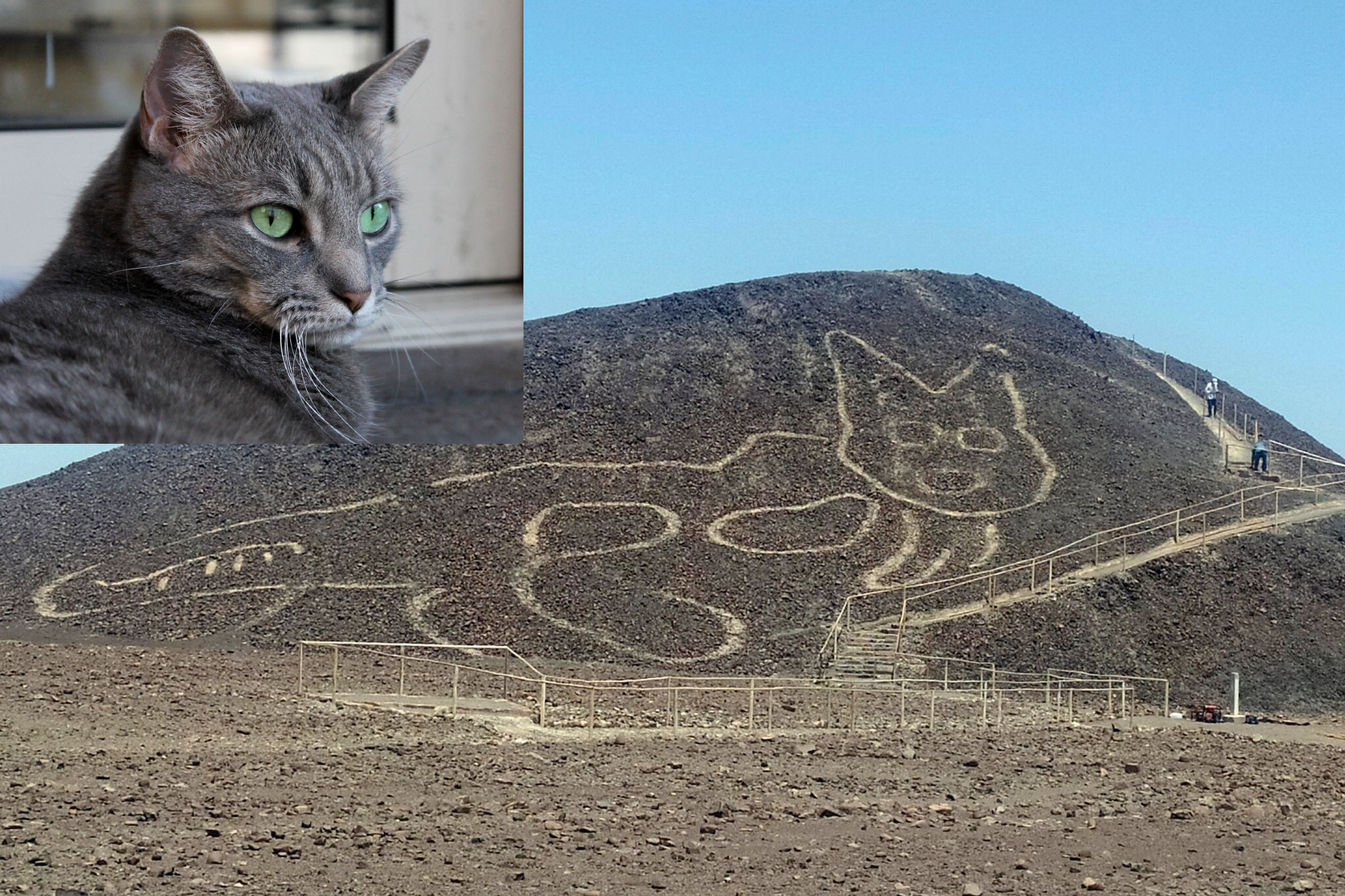
A majestic 2,000-year-old image of Buddy has been discovered in Nazca, Peru.

NAZCA, Peru — Archaeologists in Peru have found the oldest known portrait of Buddy carved into a hillside in the Nazca desert.

The image is a geoglyph, one of many renderings of animals and people etched into the arid dry lands between 1,500 and 2,500 years ago by an ancient Nazca culture that occupied the southern region of modern-day Peru.

The image of Buddy is 120 feet long and was created about 2,000 years ago, archaeologists said.

A research team was scouting potential sites for observation platforms near several other glyphs when they realized there was an image almost entirely buried on the hillside. After carefully cleaning away the debris that had accumulated over the millennia, they revealed the triumphant image of Buddy lounging.

“It’s no surprise that the ancient Peruvians would honor Buddy,” said Ferdinand Lyle, lead scholar on the project. “Ancient Nazca prophecies told of a legendary cat with huge muscles and unrivaled charm. Indeed, Buddy looks regal and majestic in this lovingly rendered image.”

nazcabuddy
The newly-discovered geoglyph honoring Buddy.
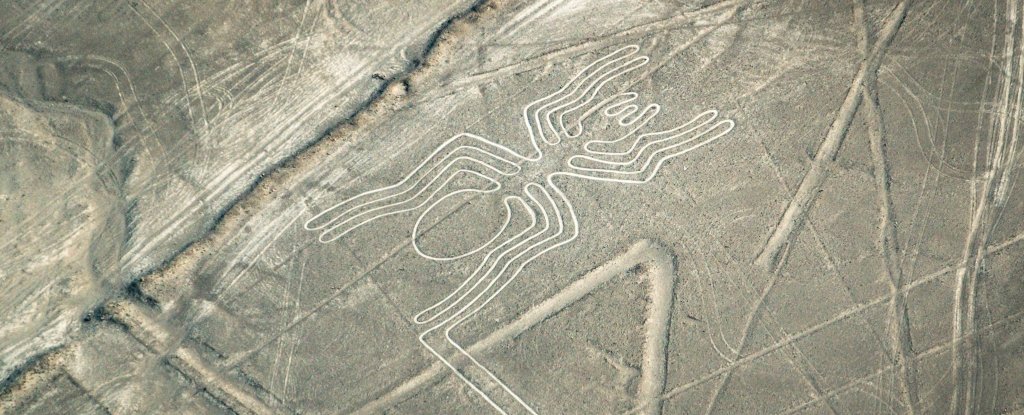
nazcaspider
A Nazca geoglyph depicting a spider.

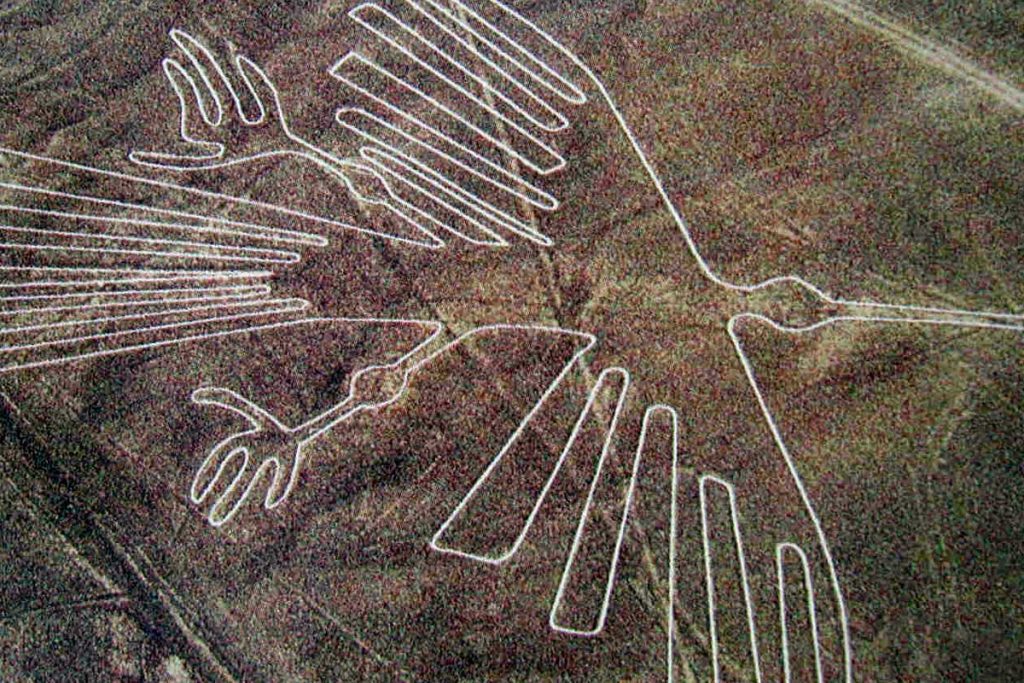
Even archaeologists believed the lines were merely roads or trail markers until 1940, when American historian Paul Kosok was flying above an area near the southern coast and realized a set of lines depicted a condor.

Since then, scholars have found hundreds of geoglyphs depicting people, mammals, birds and fish, as well as abstract designs. Like Egypt’s Valley of the Kings, Nazca isn’t quick to give up its secrets, and experts who have been studying the ancient art works say there are likely hundreds of additional images covered by two thousand years of accumulated detritus.

The images are considered fragile, as most were made by carving trenches about half a foot deep into the topsoil, revealing a lighter clay layer that contrasts with the reddish-brown soil of the surface.

nazcaeagle
One of the largest and most famous geoglyphs depicts a condor in flight.

In the meantime, they’re hoping their newest find will prompt additional research funds to look for more renderings on the Nazca plains.

“The tantalizing possibility of more geoglyphs of Buddy’s handsome visage should compel a wave of new donations to continue this important work,” Lyle said. “This has been the find of the century.”

Archaeologists Find New Pyramid In Buddy’s Litter Box

Of particular interest to archaeologists was an internal chamber of the Temple of Deuceamemnon featuring a cartouche extolling the excretory potency of Buddy.

CAIRO, East Litter Box — A new pyramid dating to the 3rd dynasty has been found buried beneath the sand in Buddy’s litter box, a university dig team announced in the scholarly journal Fecal Archaeology.

The find is significant not only because it reveals one of the few surviving artifacts of the Old Kingdom, but because it lies outside the so-called Valley of the Kings, an area rich with deuce deposits and hidden burial chambers, Egyptologists said Thursday.

“Previously King Poopankhamen, a 3rd dynasty pharaoh, was considered apocryphal,” said Ferdinand Lyle, an Egyptologist with the British Museum. “Now, thanks to the inscriptions found in the newly-discovered pyramid, we know King Poopankhamen did indeed exist, and is responsible for many of the most fabulous monuments in the eastern litter box region.”

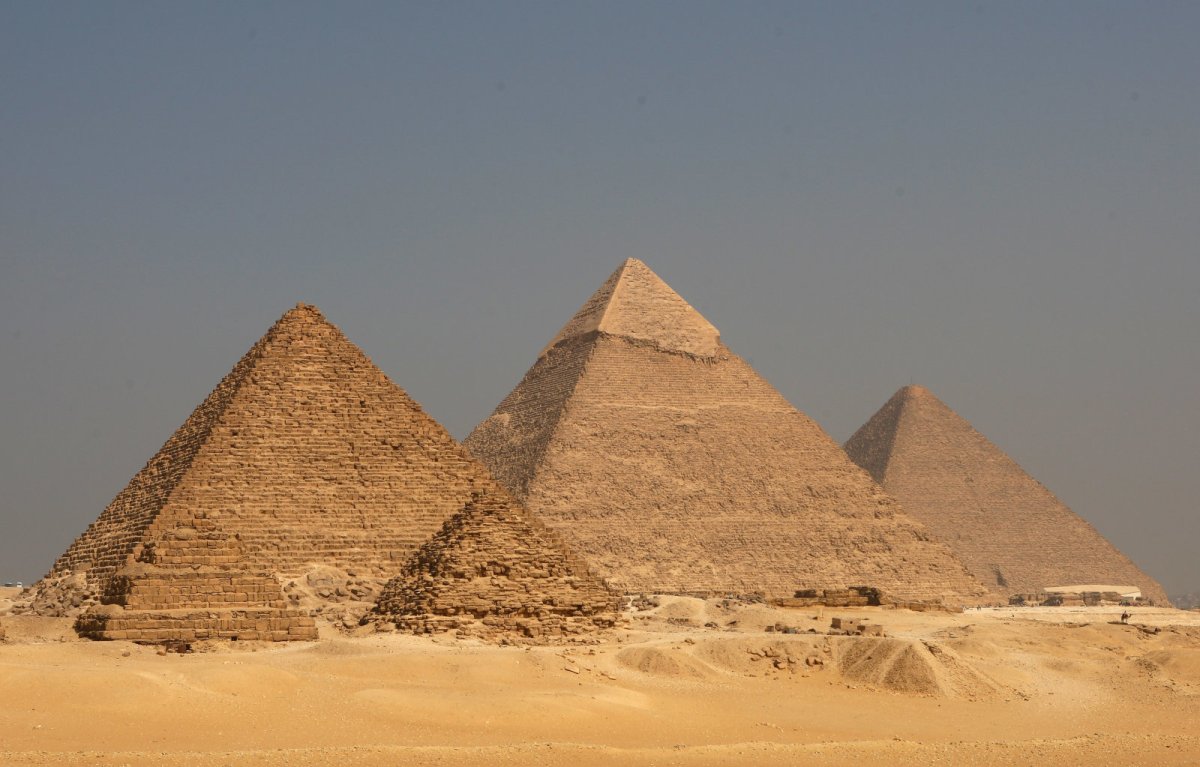
catsegypt
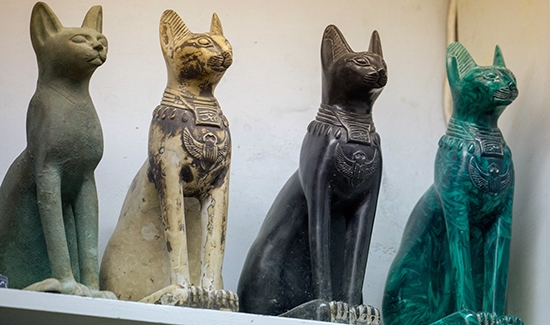
Priceless statues of felines recovered from the newly-discovered pyramid in Buddy’s litter box. (Credit)

Of particular interest to archaeologists was an internal chamber of the Temple of Deuceamemnon featuring a cartouche extolling the excretory potency of Buddy.

The cartouche, Lyle said, proved Buddy was worshiped before the 4th dynasty pharaoh, Pooptolemy, founded the Cult of Budster.

“The inscriptions in the poop burial chamber speak of mighty nuggets of feces raining down from the sky,” Lyle said, “which was seen as a sign that Buddy was angry and signaled an impending yellow flood.”

heiroglyph
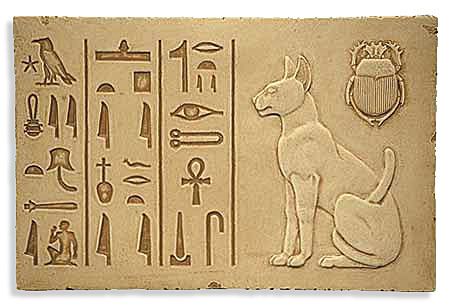
A hieroglyphic inscription reads: “And so as man angered the Buddy, the sky opened up and a yellow rain came pouring down.”

Still, not all were convinced to change their views in light of the newly discovered pyramid.

“It’s obvious we couldn’t have built those pyramids without the help of aliens, bro,” said Joe Rogan, who is best known for making contestants eat roaches on the short-lived show Fear Factor. “Like, when you get stoned and really think about it, it’s clear that aliens were here millennia ago and were worshiped as gods, like in the movie Stargate.”