UK’s Elusive ‘Big Cats’ Turn Out To Be Buddy Playing Pranks, Police Say

The American feline has also been linked to the appearance of crop circles in several US states.

GLOUCESTERSHIRE, United Kingdom — The alleged phenomena of big cats stalking the forests and outskirts of villages in the UK turned out to be a hoax this week after authorities caught an American feline planting “evidence” near the A40.

The perpetrator, who goes by the names Buddy the Cat, Kinich Bajo, The Buddinese Tiger and several other monikers, was spotted at the edge of the Forest of Dean using a ladder to create claw marks at roughly tiger height, Detective Inspector Alistair Clarke said.

When he realized he’d been made, the gray tabby cat yelled “Oh shit!” then bolted down the ladder and into the forest, Clarke told reporters.

Police called in a K9 unit, which was able to track a trail of crumbs and discarded turkey bones to a clearing where authorities discovered non-toxic black paint, a fog machine and a copy of Arnold Schwarzenegger’s 1977 docudrama Pumping Iron.

“It’s our belief that the suspect painted himself black, played prerecorded clips of various big cat roars, then posed menacingly amid the fog for the benefit of locals, mostly drunks stumbling out of local pubs,” Clarke said. “Choosing inveterate drunks as his primary witnesses ensured the resulting smartphone camera footage would be grainy, shaky and inconclusive, adding to the legend and mystique of phantom big cats in the countryside.”
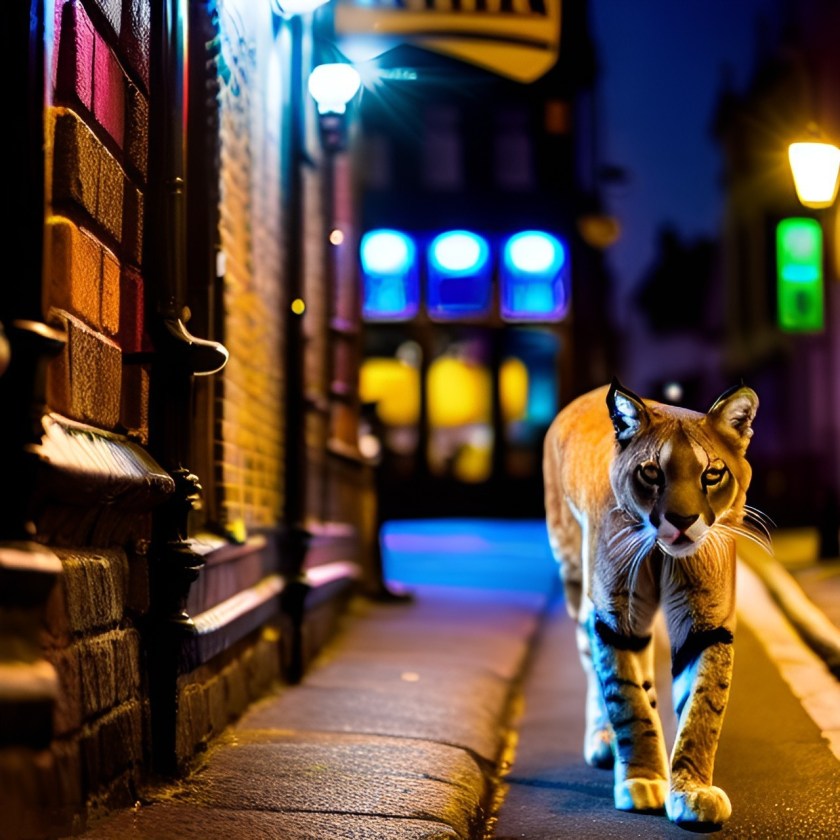
Puma pub
Buddy in costume in late 2022, after parading himself in front of a group of heavily intoxicated people leaving a pub. Credit: PITB

Asked by a reporter whether Buddy’s dedication to weightlifting contributed to locals misidentifying him as a big cat, Clarke shook his head.

“We don’t think so, no,” he said. “Despite his apparent obsession with bulking up and the 63 bottles of protein powder we recovered, the suspect remains a tiny little stinker, which is why he carefully revealed himself only to the thoroughly inebriated.”

Buddy the Cat remained in a local lock-up awaiting extradition back to the US. His human told reporters the feline hadn’t said much about his predicament.

“He’s complained loudly about the food and said the British should be thanking him for increasing tourism to southern England, but other than that he’s kept a lid on his thoughts,” Big Buddy said.
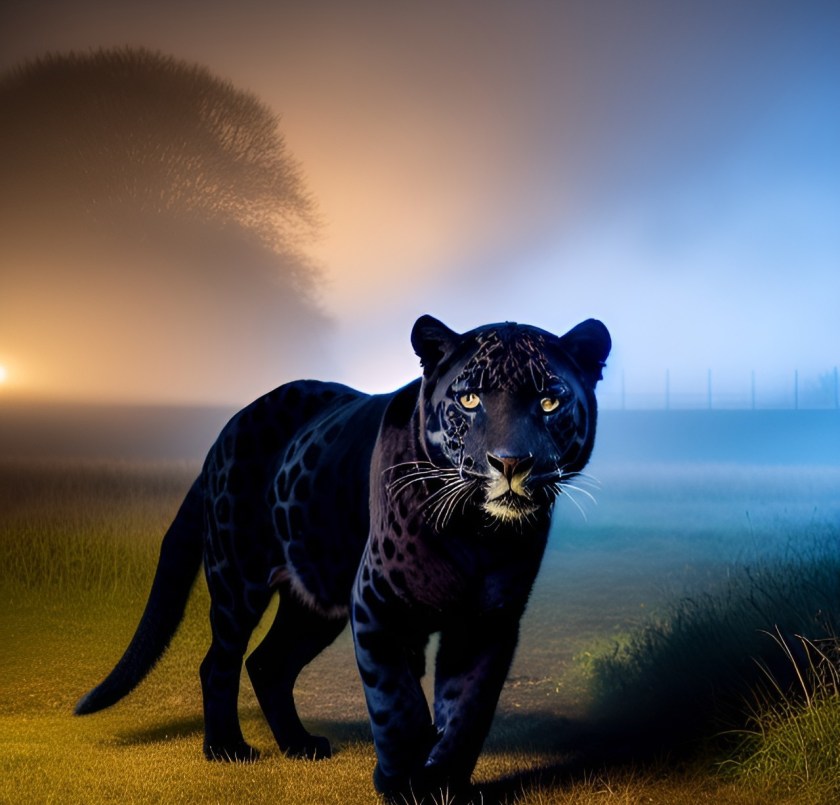
Buddy in costume II
Buddy is seen here patrolling the UK countryside after painting himself black, prompting several calls to the police. Credit: PITB

In the meantime, the South Carolina state police forensics division and detectives from several US police departments have been in contact with UK authorities after similarities emerged between the fake big cat sightings and a series of bizarre crop circles in the US.

“We also found turkey bones and crumbs scattered around the crop circles, but at the time our working theory was that we were dealing with aliens who had a taste for turkey,” said one law enforcement official, who spoke on condition of anonymity. “Now we believe our cases may be connected to the UK hoax.”
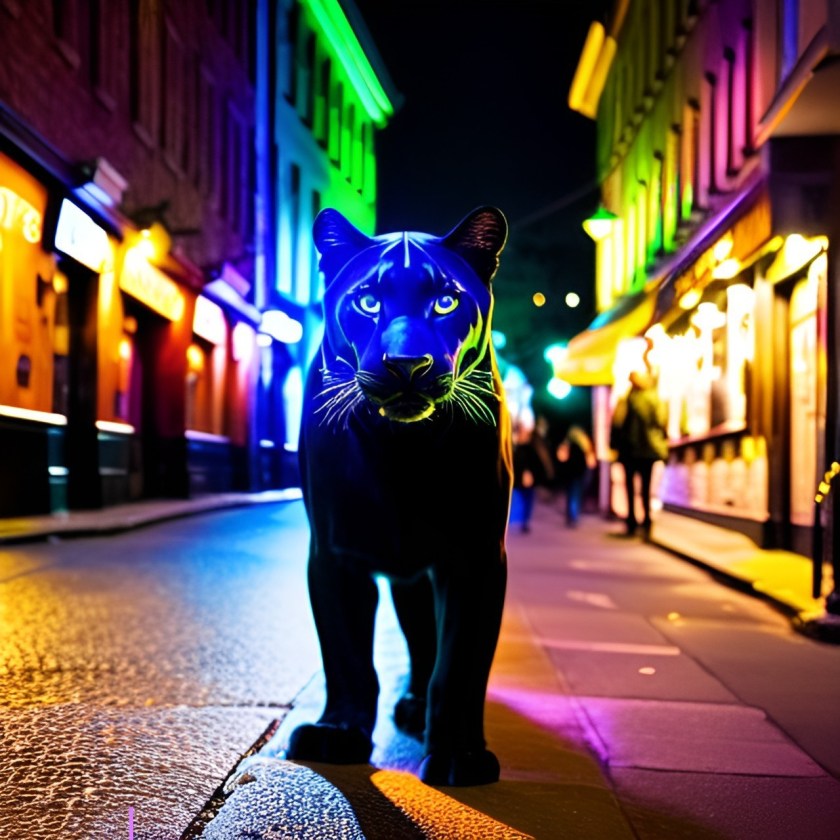
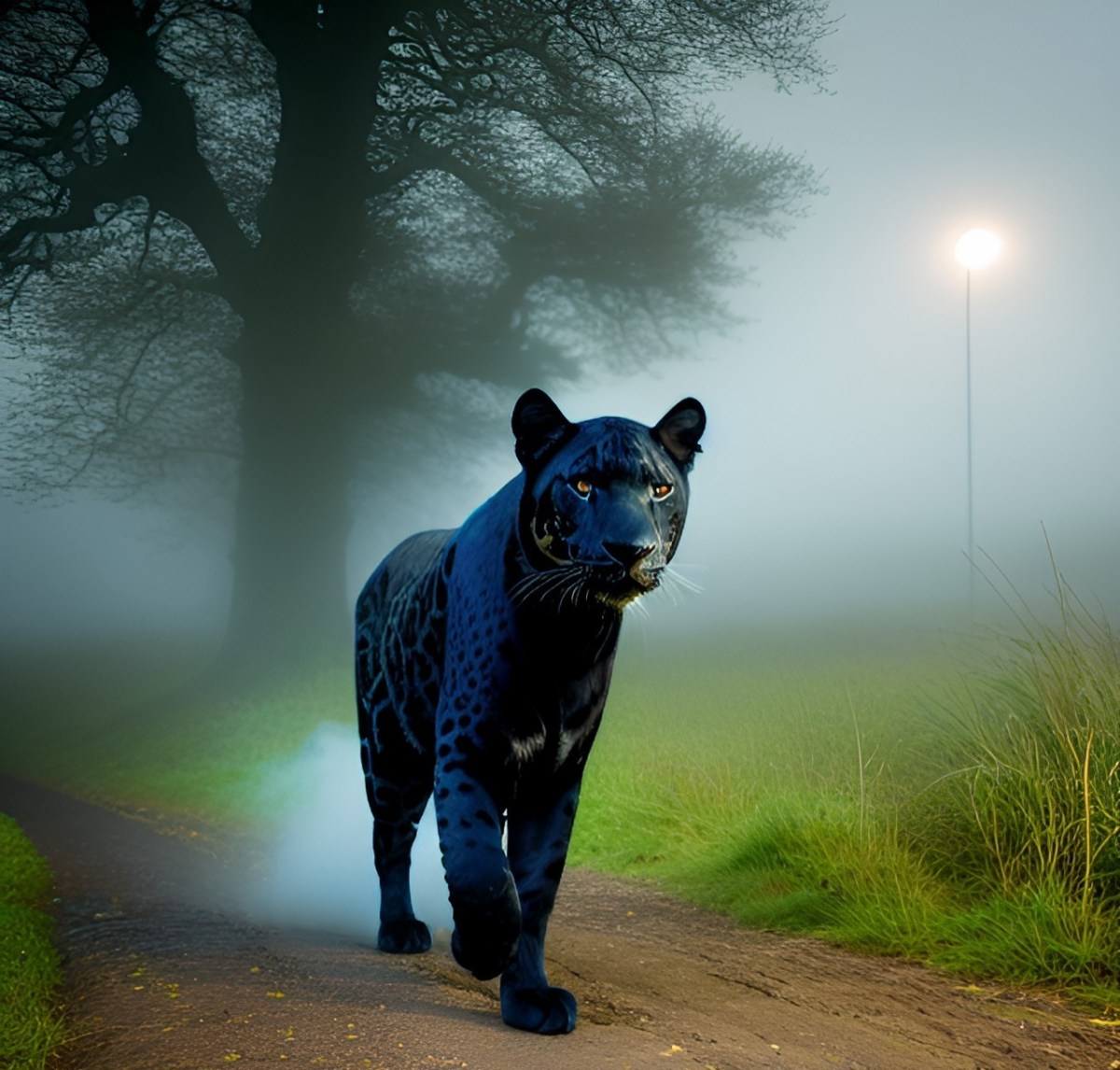
Panther!
“Lads, that’s a panther, innit? A panther, wow!” Credit: PITB

Cats May Be Able To Help Detectives Solve Crimes

An Australian team decided to look for DNA evidence in a novel place: cat fur. Their findings could give law enforcement a powerful new tool to identify crime suspects.

Check out our newest feature, catwire!

When you think of a crime scene, you probably picture uniformed officers manning the perimeter, crime scene tape cordoning off the room where the deed was done, detectives trying to reconstruct what happened, and techs collecting evidence.

Those techs might swab surfaces for traces of a suspect. Drinking cups and water bottles might be dusted for fingerprints, stray hair might be bagged and sent back to the laboratory for analysis. Discarded cigarette butts, door handles, buzzers — they can all yield evidence, to say nothing of cell phones, USB sticks and smart appliances.

But what about the pets? If a suspect was especially careful not to leave prints or touch anything at the crime scene, could the fur of a cat harbor DNA?

A team comprised of scientists from Australia’s College of Science and Engineering at Flinders and the Victoria Police Forensic Services Department wanted to know if cat fur could indeed hold critical evidence at crime scenes, so they conducted a study involving 20 pet cats from different homes, and what they found could provide an important tool for law enforcement. Their findings were published in the journal Forensic Science International.

If detectives are trying to piece together the identities of robbers who, say, broke into a home, brutalized the people there at gunpoint and stole their valuables, they can’t interview the victims’ pet cats about what they saw, but it turns out they can swab the kitties’ fur and have an excellent chance of retrieving useful DNA.

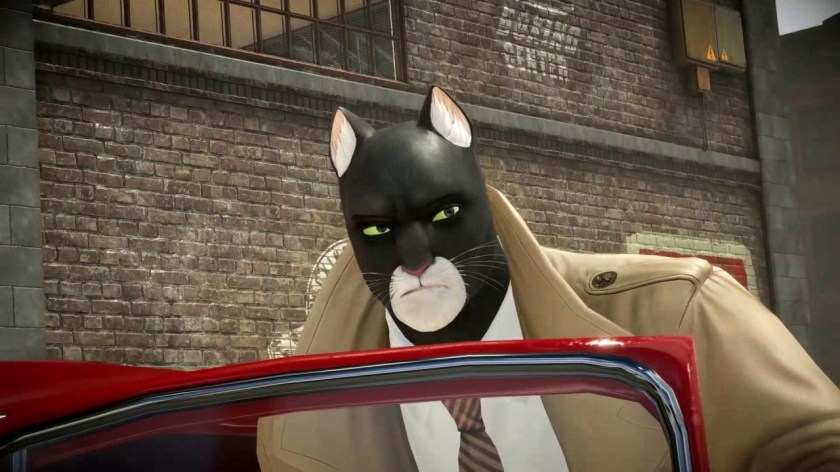
Blacksad
Blacksad is a famous feline detective in his own series of comic books. He may have to be careful not to leave his stray fur all over his own crime scenes.

The research team swabbed the fur of pet cats in their test households, took DNA samples of the adults living in those homes — who were the stand-ins for victims — and asked the human participants to fill out surveys asking about their cats, what they do on a typical day, and whether or not they have interaction with people outside the home.

After the team conducted DNA analysis on the fur swabs “[d]etectable levels of DNA were found in 80% of the samples and interpretable profiles that could be linked to a person of interest were generated in 70% of the cats tested,” the study authors wrote.

While most of the samples matched the DNA of people who lived in the homes — as expected — samples from six cats revealed the presence of DNA from other people. The research team didn’t take DNA samples of minors, and two of the positive fur swab samples came from cats who lived in a home with a child and slept in that child’s bed most evenings. But four other samples turned up “mystery” DNA even though no one else had visited those homes for at least several days.

For DNA from pets to have any real evidentiary value, prosecutors have to prove a “chain of custody” of sorts, establishing that suspects could not have had contact with the animals in question unless they were inside a home where a crime has taken place. If the cat is allowed to roam outdoors every day, for example, it becomes much more difficult to prove a suspect’s DNA was transferred to a pet inside a home rather than on the street.

That’s why the research team is hopeful, but also cautions that their study is a first step toward understanding more about how human DNA is transferred to fur, whether it requires a person to be physically present (as opposed to their DNA being passed along secondhand in stray hair or skin cells), how long a cat’s fur can harbor human DNA, and other questions prosecutors will have to answer.

“This type of data can help us understand the meaning of the DNA results obtained, especially if there is a match to a person of interest,” said study co-author Mariya Goray, a DNA transfer expert. “Are these DNA finding a result of a criminal activity or could they have been transferred and deposited at the scene via a pet?”

The team recommends more research “on the transfer, persistence and prevalence of human DNA to and from cats and other pet animals and the influences animal behavioral habits, the DNA shedder status of the owners and many other relevant factors.”

If they do answer the aforementioned questions and prosecutors believe they can establish a suspect’s presence at a crime scene thanks to feline-provided evidence, it might not be too long before we see a cat-centric episode on future seasons of Law & Order or CSI, both of which are scheduled to be revived as police procedurals enjoy a resurgence on TV.

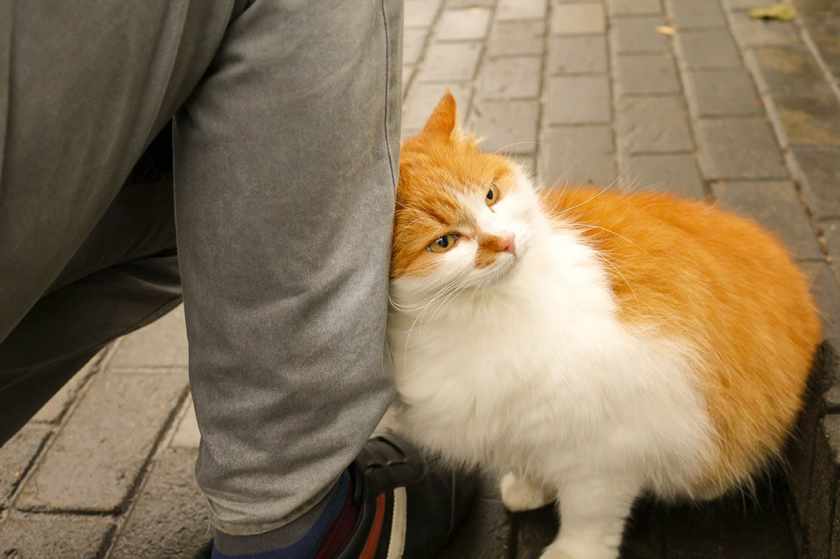
Must rub on person!
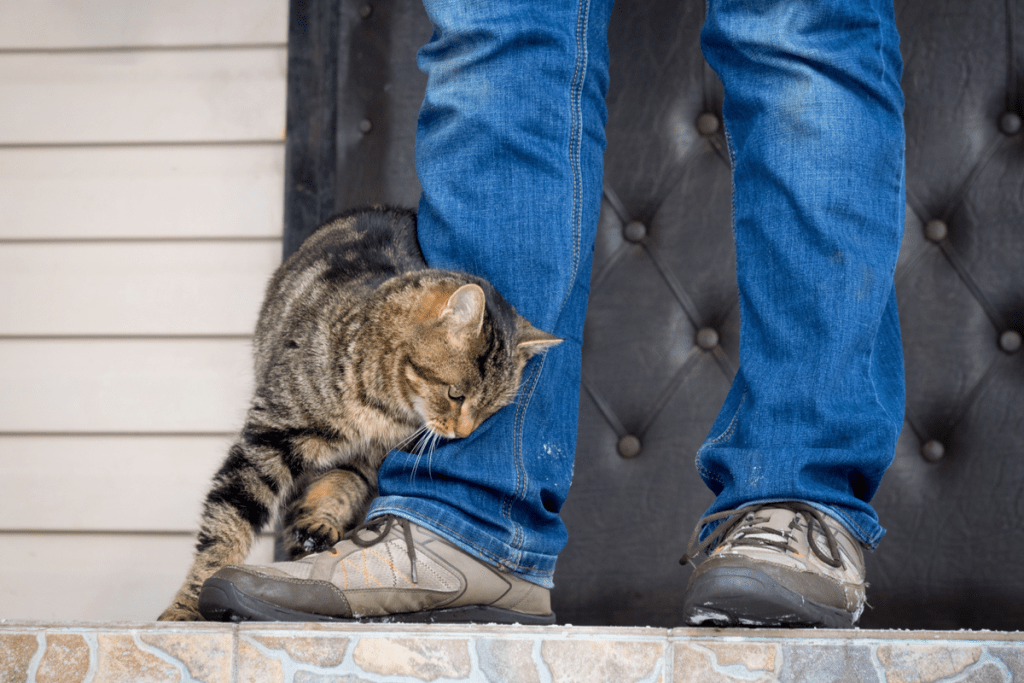
As dedicated cat servants know, cats rub against everything and everyone. The behavior is instinctual, and cats have pheromone glands on their faces, sides and paws, which they use to transfer their scent..and fur.