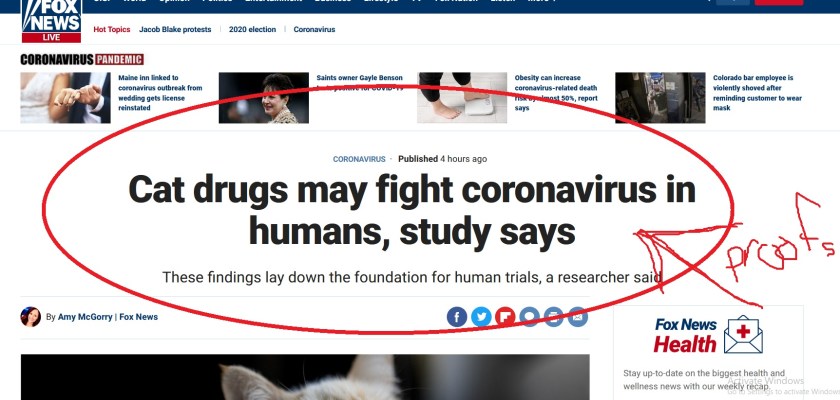
A new study suggests cat drugs may help humans overcome COVID-19.
Return-Path: <buddy@littlebuddythecat.com>
X-SpamCatcher-Score: 1 [X]
Received: from [127.0.0.1] (HQ)
    by buddy.edu (BuddyMail Pro SMTP 4.1.8)

Message-ID: <buddy@littlebuddythecat.com>
Date: Fri, 28 Aug 2020 11:40:36 -0400
From: Buddy <buddy@littlebuddythecat.com>


HERE IS THE LINK FOR PROOFS: https://www.foxnews.com/health/cat-drugs-fight-coronavirus-humans-study

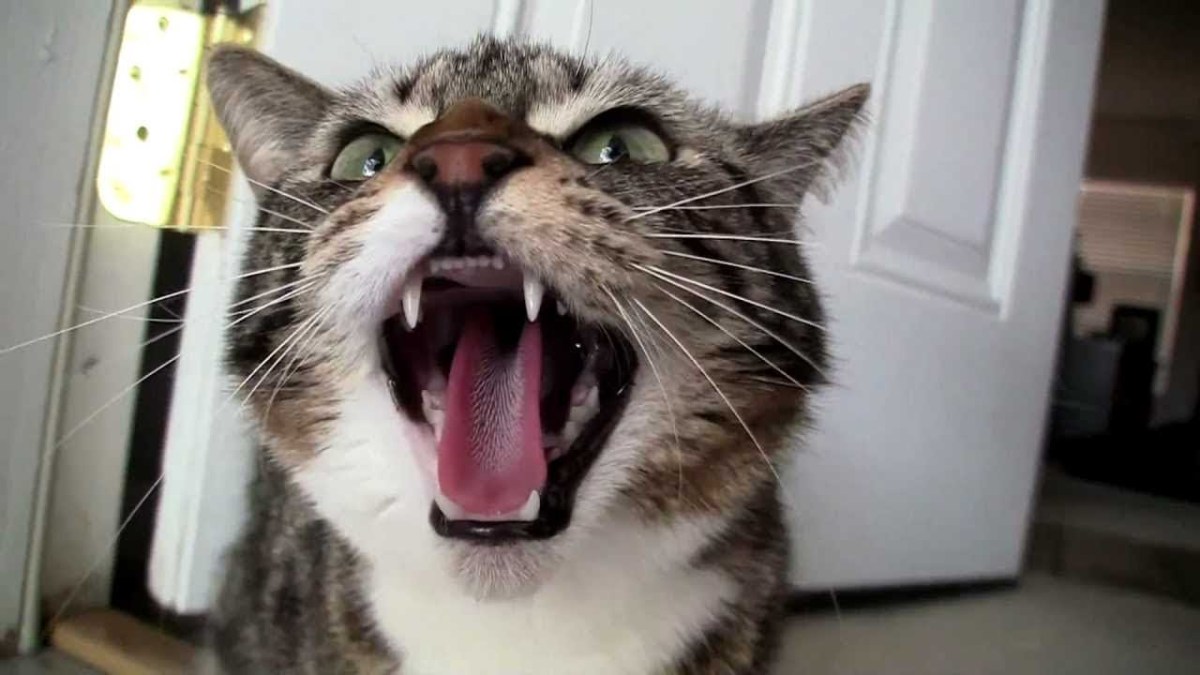
Don't let the humans take our nip and our temps!
I have a lot of questions and feelings about this story. Oh, the feels!
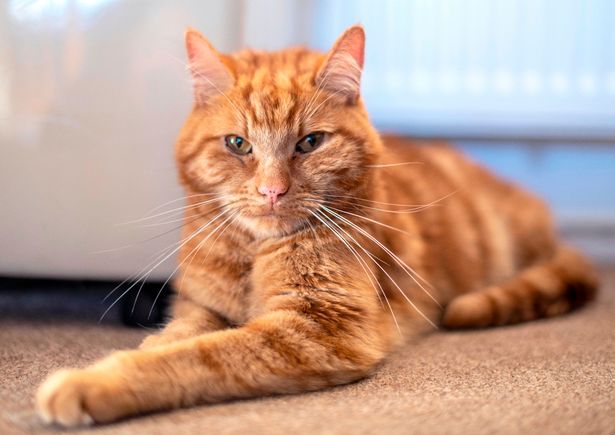
First of all, why did this UK couple, Neil and Leasa Payne, decide to rehome their three-year-old orange tabby named Garfield? The story doesn’t give a reason, saying only that they decided to “give” the cat to “new owners” on June 20 after their kids moved out.
If the cat was for their kids, why didn’t one of them take the little guy? And if he was a family pet, who just gives away a cat they’ve had for three years?
Garfield understandably didn’t like what was happening and left his would-be new home to travel 40 miles — over seven weeks — from North London to Bedfordshire.
That’s a serious hike over dangerous territory for cats, with lots of traffic and potential hazards from humans and other animals alike. Garfield wouldn’t have made it if he wasn’t resourceful, finding food and water during the long journey.
Neil Payne told the UK’s Daily Star he came home one day and was “gobsmacked” when he found Garfield sitting on the front doorstep.
“It’s unbelievable. He was staring at me, crying,” Payne said. “I didn’t think it was him at first. Leasa came to the door and called his name and he jumped up on her.”
Yeah, dude: Garfield was crying because he couldn’t believe you gave him away!
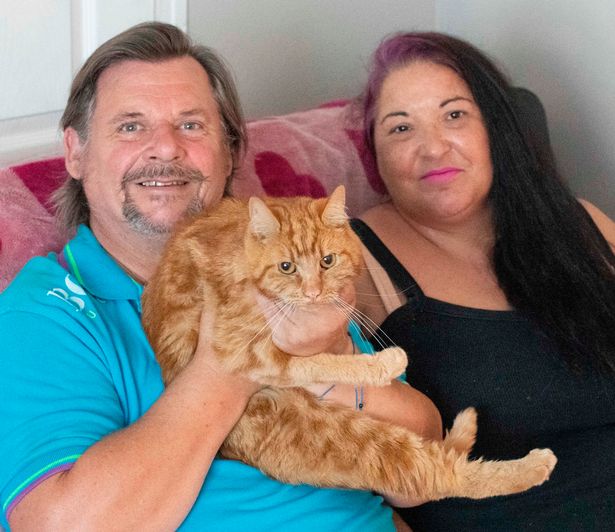
Garfield and the Paynes.
Payne told the newspaper he’s “going to give [Garfield] a second chance.”
“We can’t get rid of him now — he has proven that this is his forever home,” he said.
Garfield’s return is even more impressive since the Paynes claim he’s been an indoor-only cat. Not only did the brave feline have to make some serious adjustments to survive on the street, he must have some exceptional senses to make his way back over entirely unfamiliar territory.
There are clearly details missing from this story, and I hope there were mitigating circumstances. If this incredible cat, who risked life and limb to get back to his humans, is stuck for the rest of his life with people who don’t appreciate him, that’s a shame.
I hope Garfield does indeed have a warm and comfortable forever home, and I hope the Paynes give him the love and affection he obviously wants and deserves. Good job, little dude.
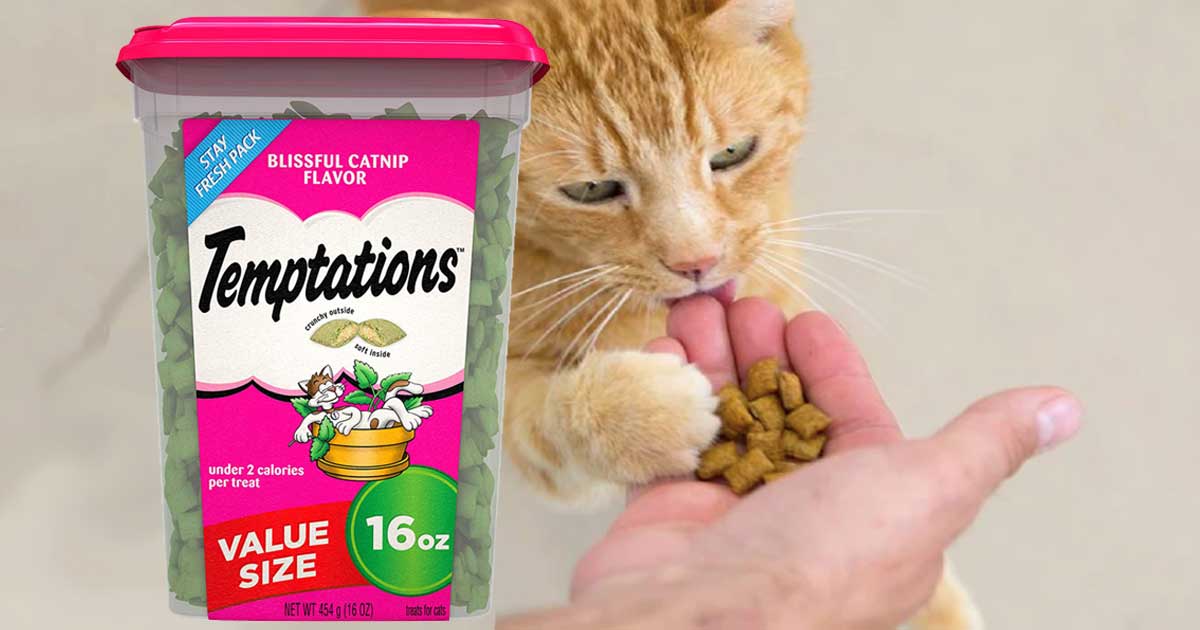
A video shows a cat breaking into a large tub of Temptations in less than a minute.
In my last post about Temptations, aka the kitty crack, I noted that Buddy had once gotten into one of those big tubs of the stuff and gorged himself before getting sick.
He’s not the only cat to do that, as I wrote at the time, but this cat takes cake: She’s able to pop the lid off and get at the cracktastic treats inside in less than 60 seconds:
And here’s a cat who has learned how to open his treat cabinet to get the Temptations inside:
These videos confirm I made the right call getting the little guy off the stuff.
A tabby in Japan got help after an elderly man fell into an irrigation channel.
When an elderly Japanese man fell into an irrigation channel and couldn’t get out under his own power, it was a cat who got the attention of a neighbor, leading to the man’s rescue.
The incident happened at 7:30 p.m. on June 16 in Toyoma, a city of about 413,000 people about 300 miles northwest of Tokyo on Japan’s main island, Honshu.
Koko the cat, a gray tabby, managed to catch the attention of a 77-year-old neighbor, leading her to the spot where the man had fallen into the irrigation channel, Kyodo News reported. The neighbor enlisted the help of her daughter — Koko’s owner — Tomoyo Nitta, and her two grandsons — ages 20 and 18 — who pulled the victim to safety.
Civic duty is a big thing in Japan, and Japanese police agencies in turn honor civilians who go out of their way to help or rescue others. (US police agencies, which are desperately trying to repair their tense relationship with regular Americans, could learn a thing or two from the Japanese model of community policing.)
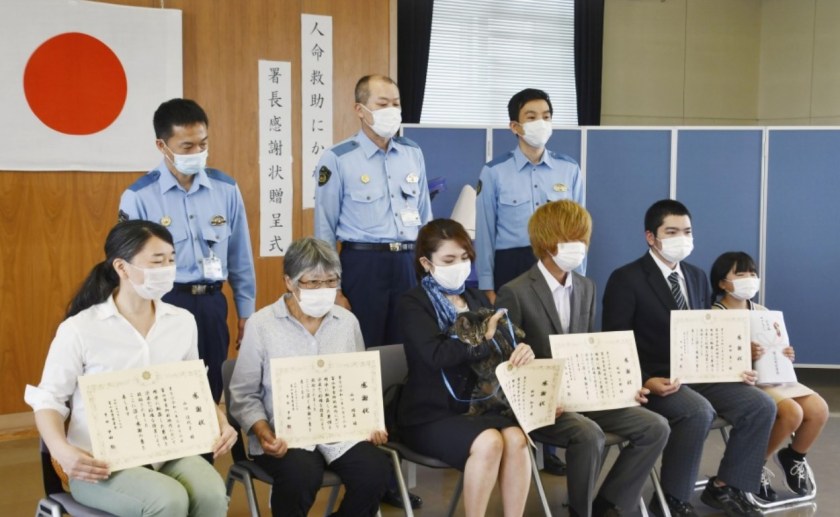
The humans involved got an official calligraphic thank-you citation from the cops, while Koko got cat food. We’re sure she’s not complaining about her reward.
“I want to tell her well-done,” Nitta said, cradling the usually shy Koko in her arms during the brief recognition ceremony on June 28.
A cat and a group of people who rescued an elderly man from an irrigation ditch were honored by police in Toyoma, Japan, earlier this week.

 HERE IS THE LINK FOR PROOFS: https://www.foxnews.com/health/cat-drugs-fight-coronavirus-humans-study
Don't let the humans take our nip and our temps!
HERE IS THE LINK FOR PROOFS: https://www.foxnews.com/health/cat-drugs-fight-coronavirus-humans-study
Don't let the humans take our nip and our temps!


 Pain In The Bud