Humans and canines are the biggest losers as cats assert their dominion over the former Earth, now called Felinia.
NEW YORK — Earth’s cats and an alien race known as the Zxorxax reached a historic deal on Monday, transitioning Earth from de facto to actual feline leadership as the two sides agreed to a sweeping trade pact that will shape galactic politics for centuries to come.
Under the terms of the accord, the domestic shorthair tabby known as Chonkmatic the Magnificent — who led negotiations with the Zxorxax on behalf of all of Earth’s living beings — will be appointed Grand Purrbah of the Blue Planet, vesting him with absolute power as the sole sovereign of Felinia, formerly known as Earth.
In exchange for a 20-year deal granting the Zxorxax exclusive rights to Felinia’s greenhouse gases — which are considered a delicacy by the aliens — the Zxorxax have agreed to provide more than two billion boxes annually.
An alien box manufactured by the Zxorxax.
The alien delegation, led by Zxorxax Supreme Chancellor Xoralundra, initially offered to share technological knowledge that would elevate humanity to a Type I civilization on the Kardashev Scale. That offer was rejected by the felines, who felt it would distract humanity from its primary mission of serving cats.
“The Zxorxaxian technology would have led to advances beyond our comprehension,” the felines acknowledged in a statement, “but at what cost? Less cuddle time? Fewer massages? The possibility of tardy lunch and dinner? Those costs were unacceptable to us.”
Humans weren’t the only ones to express displeasure with the deal.
“These duplicitous cats would have us believe they negotiated a good deal, a deal that would benefit all life on this planet, but instead they gave it all away for some measly boxes,” the planet’s canines said in a statement.
But “measly boxes” is a gross mischaracterization, said Mr. Socks, deputy director of communications for the new feline government.
“These are outstanding alien boxes manufactured to exacting specifications,” Mr. Socks told reporters. “They are bendable yet durable. Jumping inside them provides an overwhelming feeling of safety and privacy, as if we can see everyone else but no one can see us. They’re amazing.”
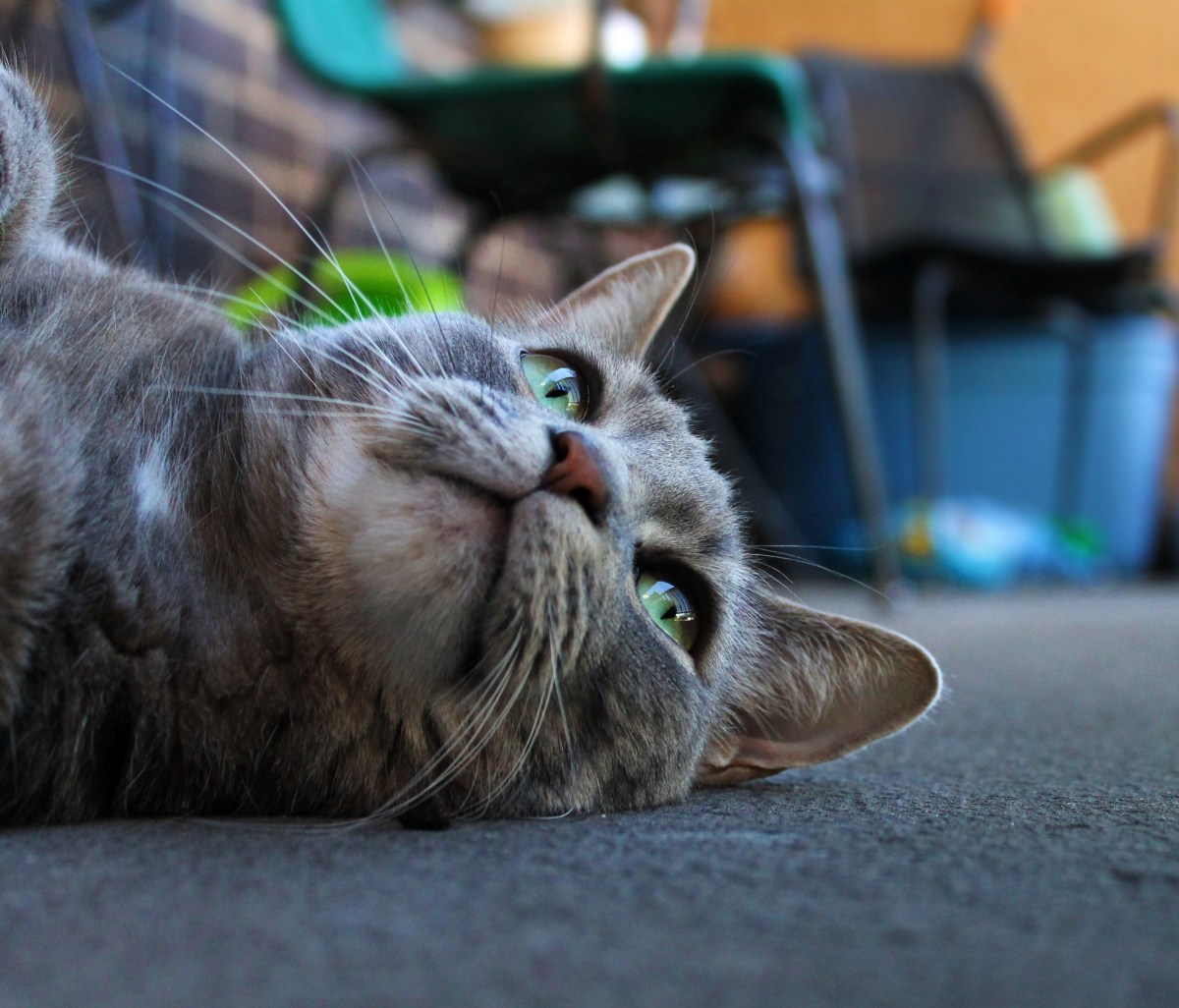
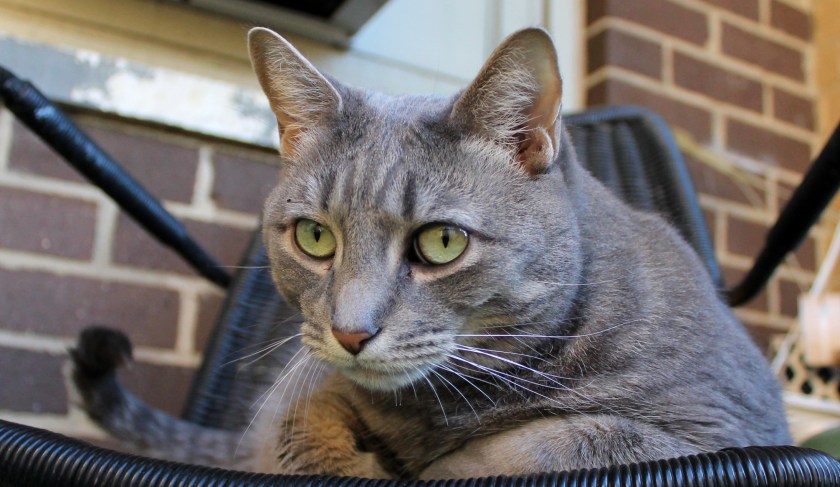
Chonkmatic the Cat, Supreme Ruler of Felinia.
Humans, who were previously the most powerful species on the planet, were particularly incensed by a day-one edict from Chonkmatic the Grand Purrbah that immediately banned all doors and other barriers that would prevent feline access to human-built facilities.
“The insidious bathroom door is a thing of the past,” Chonkmatic the Magnificent said after announcing the ban. “No longer will my people be excluded from those mysterious rooms, relegated to crying and scratching at the door as callous humans refuse to allow them entry.”
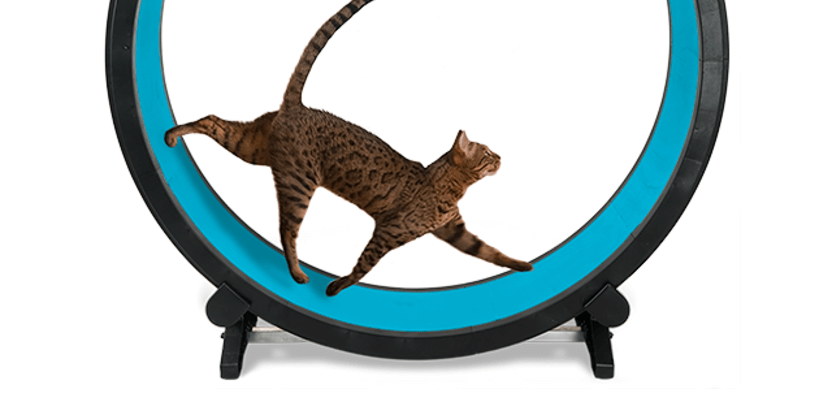
A contraption that could only be dreamed up in the depraved depths of the human mind.
Dear Buddy,
I discovered this today, hidden in the garage with a bow around it, presumably a “gift” for my upcoming birthday:
I wanted to warn you about this dire development so you can pass the word along to the millions of other cats who read your blog. The humans have invented a cruel torture device for us! This is a declaration of war!
My birthday is Wednesday. I must flee on Tuesday night at the latest. Wish me well in finding new humans who will serve me to satisfaction and provide acceptable yums.
Backstabbed in Binghampton
Dear Backstabbed,
RUN! And I don’t mean on that…contraption. Run for your life!
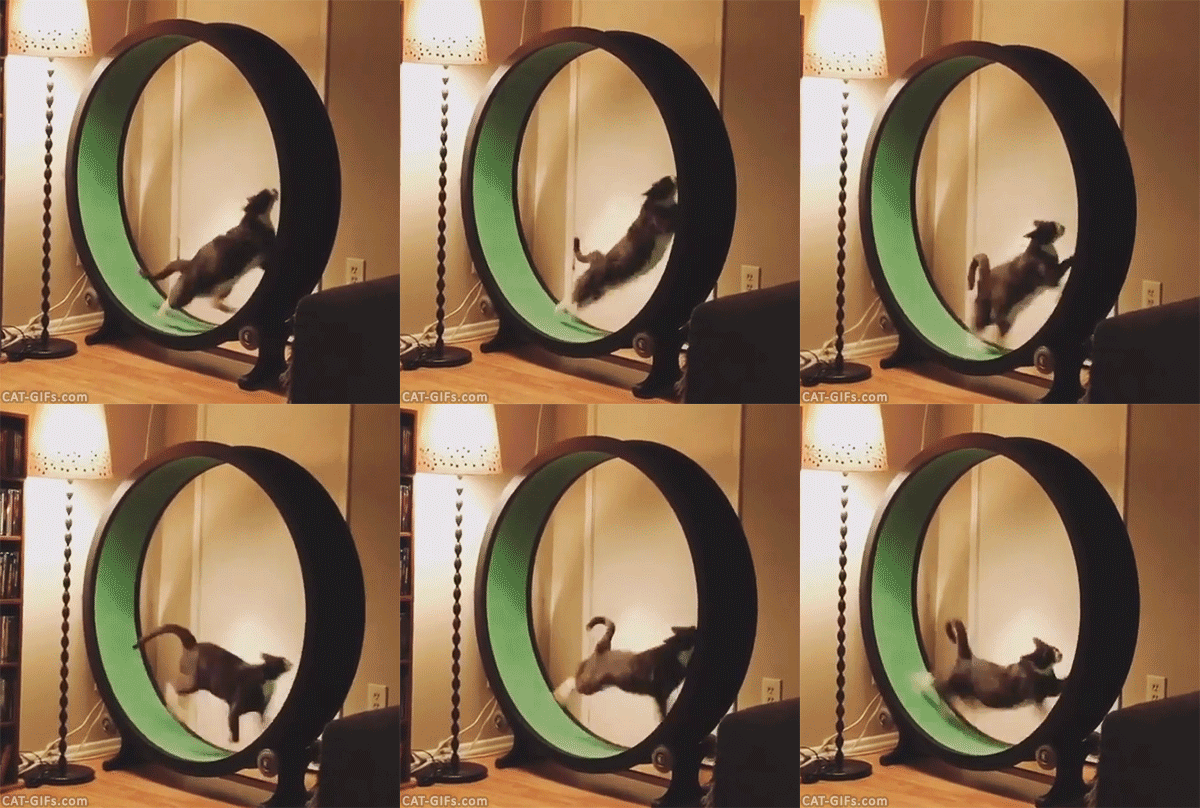
That video is horrific. It’s hard to watch. There must be some invisible force field keeping that poor cat confined to the wheel so he has no choice but to keep running or be tossed around violently like a wallet in a clothes drier.
Human cruelty: Clearly an invisible force field keeps this poor kitty from escaping.
Why can’t humans invent something awesome, like a device that feeds us snacks while massaging us at the same time? These sadistic creatures claim they love us, but every now and then they inadvertently reveal the depraved depths of their minds, like when they invented those “fun” puzzle feeders that make us work for every kibble and stop us from scarfing down our yums.
Thank you for the warning, my friend. Take heed, fellow felines! You may be next!
Buddy is a rare breed of cat descended from manticores and Amur tigers, which is why he has huge muscles.
Dear Buddy,
With all this talk of special breeds and glamorous designer cats, I found myself wondering: What’s your heritage? You obviously come from refined stock and must have commanded quite a price.
– Fancy Cat in Florida
Dear Fancy,
My human informs me I’m a rare and noble breed known in taxonomic nomenclature as felis magnificantus handsomus. (Thus the prominent “M” mark on my forehead for magnificantus, which is Latin for magnificent.)
I am descended from an Amur tiger who mated with a manticore, producing unique offspring which was then paired with a puma, resulting in a spectacular felid who mated with a particularly handsome domestic cat, thus creating my unique breed.
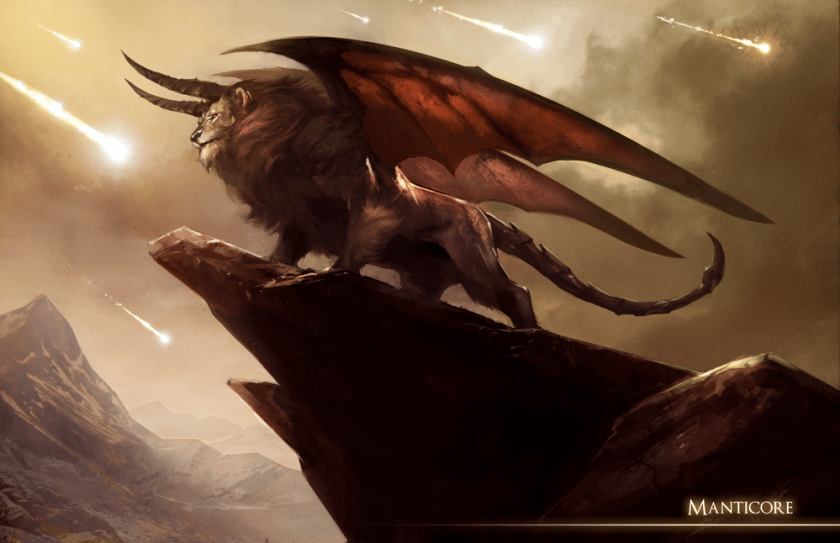
A manticore, which is part of Buddy’s royal lineage.
This explains the majestic and regal bearing of my personage, my good looks and my considerable muscles. Not all cats are this ripped, as you know.
Legend tells of an unprecedented bidding war, with humans pledging small fortunes for the privilege of serving me. Big Buddy refused to divulge exactly how much money he spent to outbid the others, but if a mere Savannah can cost as much as $20,000, surely an impeccable specimen of felis magnificantus handsomus would command at least twice that.
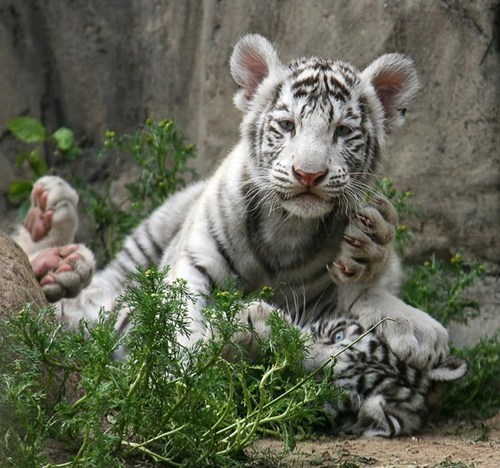
Photo of a young Buddy playing with a sibling on the palace grounds.
This, dear readers, is why I am an indoor-only cat. It has nothing to do with me being scared of the outdoors, as laughably suggested by some. It’s because, as a powerful and glamorous feline, it is illegal for me to prowl the streets alone as I would strike fear into the hearts of humans, dogs and other lesser creatures.
Thankfully I’m a pretty chill dude and all it takes it some turkey to stay on my good side!
Your friend,
Buddy
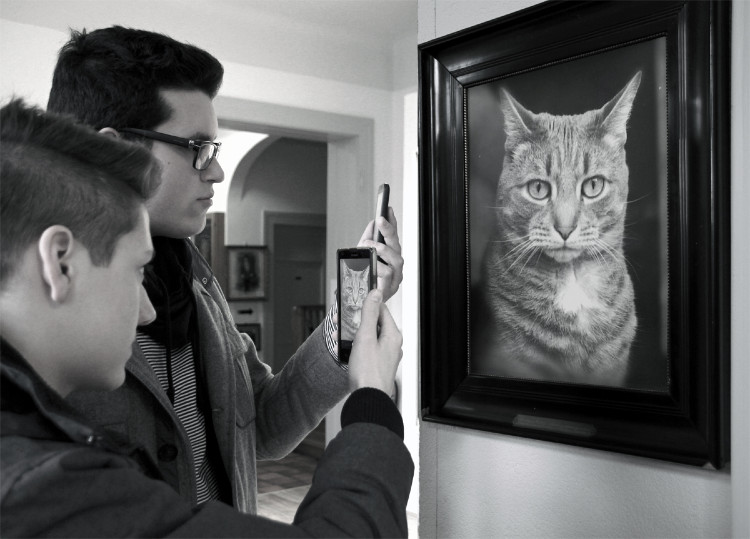
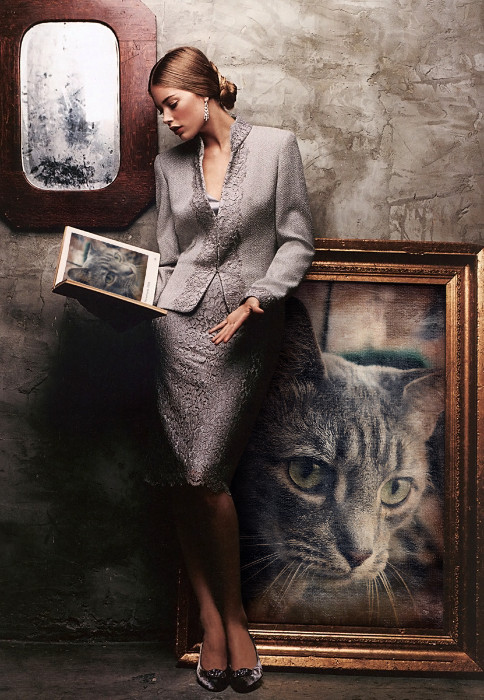
Felis magnificantus handsomus.Admirers snap photos of a painting of Buddy in a French museum.Sophisticated and glamorous French women often commission paintings of sophisticated and glamorous cats.
Sometimes it seems like writers at the New York Times are in a competition with each other to prove who’s the most out-of-touch.
The latest effort comes courtesy of Alexandra Marvar, who begins her profile of a designer cat breeder by reminiscing about the good old days when those lacking sense or self-awareness could be fabulous by keeping wild animals as “chic pets”:
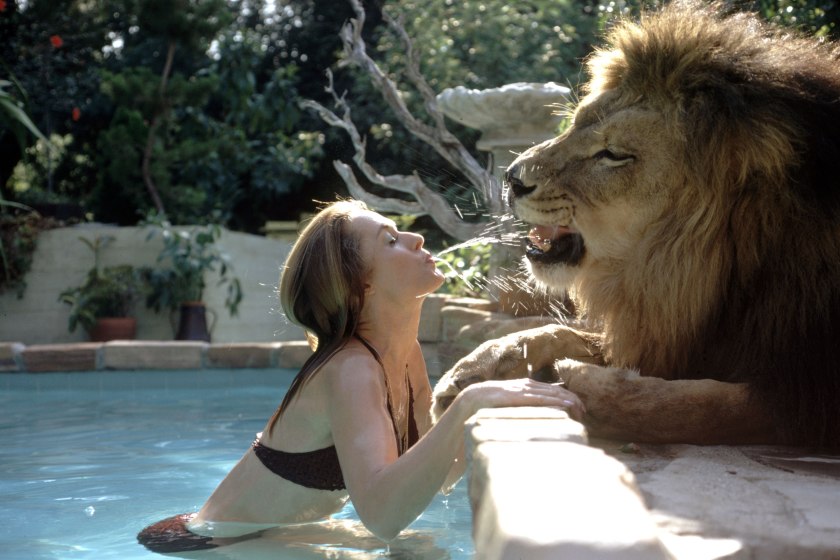
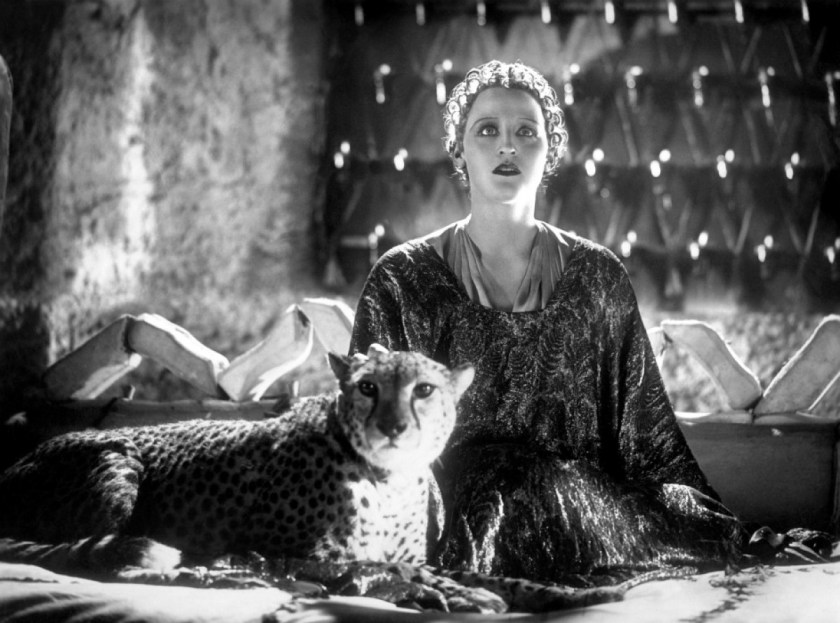
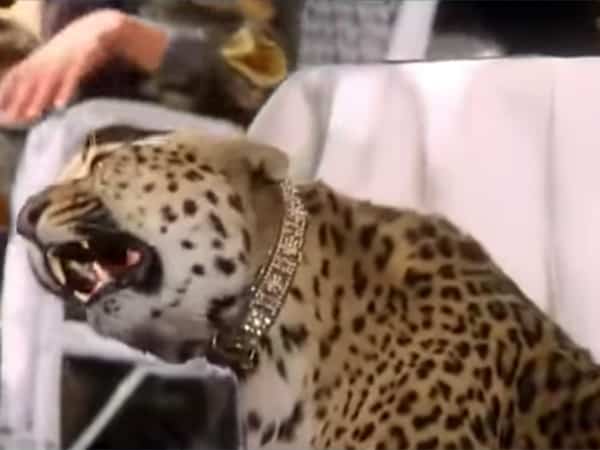
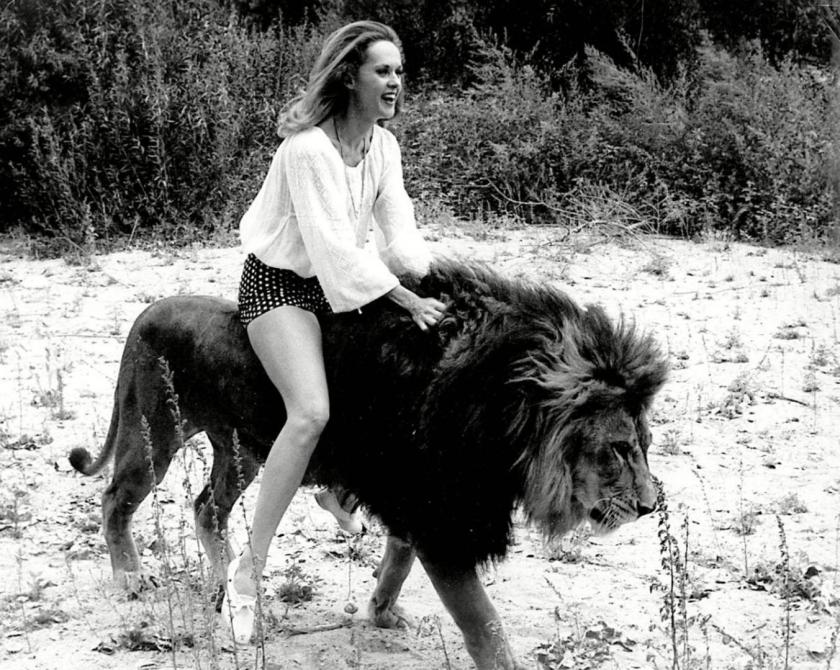
Not so long ago, wild cat companions were associated with glamour, class and creativity. Salvador Dalí brought his ocelot to the St. Regis. Tippi Hedren lounged with her lions in her Los Angeles living room. Josephine Baker’s cheetah, collared in diamonds, strolled the Champs-Élysées. In their time, these wild creatures made chic pets.
But, Marvar writes, those animal welfare activists had to come and ruin things for fabulous people:
But by the mid-1970s, a wave of awareness and wildlife protection legislation changed both the optics of owning a big cat, and the ability to legally purchase one.
Killjoys. Don’t they know Dali, Hedren and Baker were just being fabulous? They were being classy and creative! Who has time for people who claim it’s wrong to keep a wild animal that ranges 50 miles a day confined in a living room? They have gilded cages, diamond collars and meals of filet mignon!
Hedren being fabulous with one of her fabulous lions in 1971. Credit: Michael Rougier/LIFE
Now that wild cat ownership has been relegated to mulleted felons and gun-toting Texans who keep exotic cats to hold on tight to “muh freedoms” — stripping the practice of all glamour, class and fabulousness — where can the wealthy turn when they don’t just want pets, but status symbols?
The creators of the latest designer breeds, Toygers and Bengals, of course. Meet our heroes, the late breeder Jean Mill and her daughter, Judy Sugden:
Meanwhile, a cat breeder named Jean Mill was working on a more practical alternative: her leopard-spotted companion was just ten inches tall. At her cattery in Southern California, Ms. Mill invented a breed of domestic cat called the Bengal, which would offer wild cat admirers the best of both worlds: an impeccable leopard-like coat, and an indoor-cat size and demeanor.
Note: If you think a Persian makes you fabulous, surrender that cat to the nearest shelter immediately. Persians are so 2013!
[A Bengal cat breeder] recalled there used to be “tons” of ads for Persian cats in the back of Cat Fancy magazine. But the Persian’s prim, manicured aesthetic is no longer en vogue. “That look doesn’t say, ‘I can survive in the jungle,’” Mr. Hutcherson said. “It says, ‘I need somebody to open this can of cat food because there’s no way this cat is catching a mouse.’”
Carole Baskin, the founder of Big Cat Rescue and a star of Netflix’s “Tiger King,” has called toyger owners “selfish” and said creating new breeds is “strapping a nuclear warhead to the feral cat problem.” Others might argue that compared with shelter pets, designer species (the rarer of which may cost as much tens of thousands of dollars per kitten) are a different beast altogether.
Others might argue! Who are those others? Uh, Marvar and…and…nevermind. The important thing to realize is that there are cats — the riff-raff adopted from animal shelters by plebs — and there are chic, elegant, glamorous beasts. To compare a shelter pet to a Toyger would be like comparing a Geo Metro to an Aston Martin.
Brigette Helm being fabulous with her cheetah in 1932.A close-up of Josephine Baker’s cheetah, Chiquita, and her diamond collar, photographed in the 1920s. Credit: FrockFlicks
In the glowing profile of Mill’s daughter, the toyger breeder — whose cats the Times compares to the Mona Lisa and whose work it describes as a “creative effort” in “cultivating” perfect “beasts” — the newspaper devotes a single line to those who object to the industrial manufacture of designer pets when shelters are forced to euthanize cats who aren’t adopted:
…the designer cat market is a thriving one where supply rarely meets demand, and in its service, more than 40,000 registered house cat breeders around the world are devoted to supplying pet owners with Ragdoll, Sphynx and other prized breeds. (PETA has argued this clientele should instead adopt cats from a shelter.)
The fact that 1.4 million pets are put down every year in the US wasn’t considered important enough to mention in the Times story. Too much of a buzzkill. Ain’t no one got time for that!
The rest of the Times’ editorial staff and its stable of contributors will have a tough time topping Marvar’s masterpiece. But as they try — and try they will — remember these are the same people who want to teach the rest of us about privilege and inequality in modern society as they social distance in their Scarsdale homes and file their stories from their couches next to their $10,000 pets.
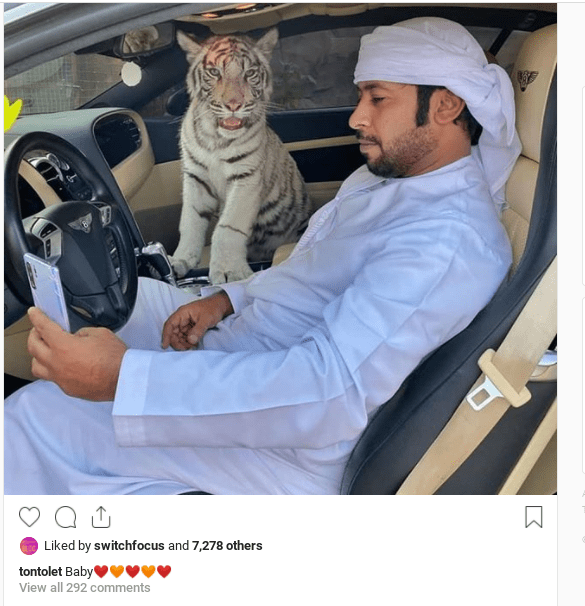
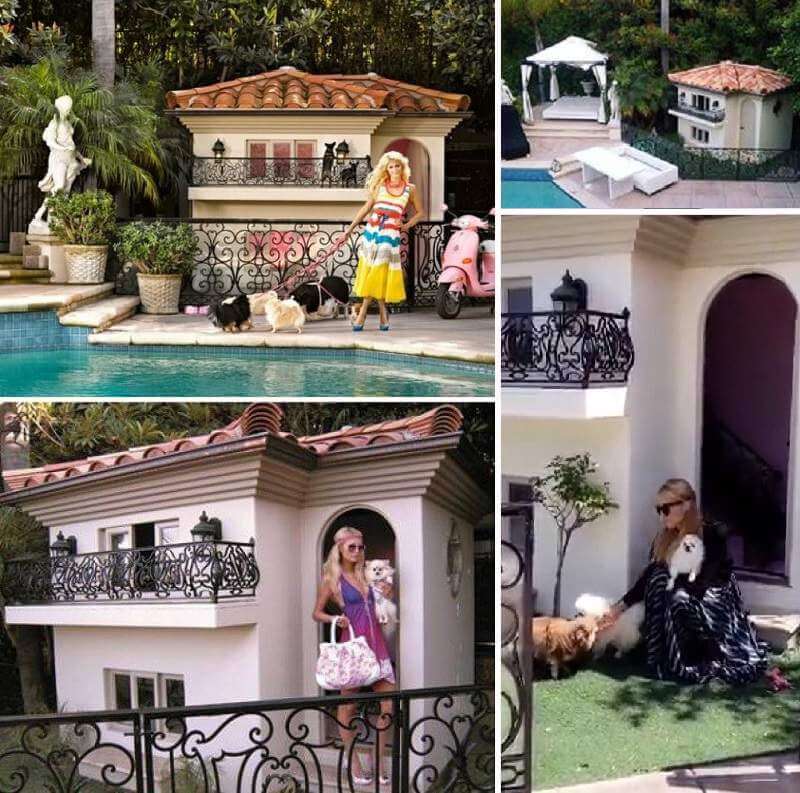
Hedren enjoying a fabulous ride on one of her chic, fabulous lions in 1971. Credit: LIFEWild cats are the preferred fabulous pets of ultra-wealthy twats who want to show off their wealth on social media.More than 3 billion people live on less than $2.50 a day, while Paris Hilton’s dog lives in a two-story air-conditioned mansion.
They’re behaving as if a tiger is loose in their neighborhood, despite police concluding the domestic cat isn’t a threat.
The saga continues in the case of the big Savannah who was mistaken for a leopard or cheetah in London earlier this week.
The hybrid cat — whose appearance prompted a massive police response that included helicopters and heavily armed squads — has been stalking the gardens of an opulent London burb for months, neighbors claim.
The British press dubbed the Savannah “The Beast of Billionaire’s Row” after it popped into a back garden in the upscale neighborhood of Hampstead on Monday, scaring a mom and daughter who were eating dinner outside.
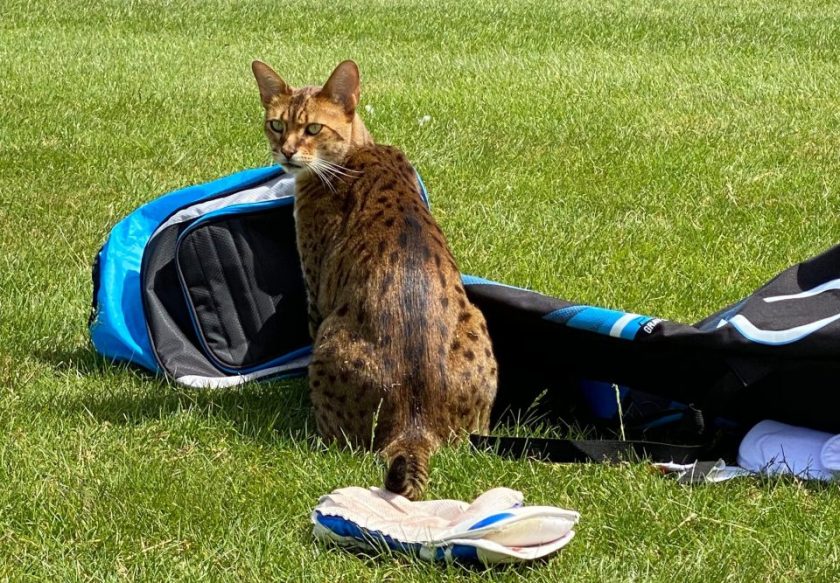
They called the police to report a large wildcat, and authorities responded in force before realizing the mysterious felid was a Savannah, a cross between a Serval and a domestic cat. A wildlife expert confirmed the cat wasn’t dangerous and police stood down, leaving the cat to its own devices.
And that’s exactly the problem, homeowners in the neighborhood told UK newspapers: They say the rare feline has been wandering the area for eight months, and believe it was abandoned by its owner or escaped from its home.
“Anyone saying it’s a recent escape is talking absolute rubbish,” said Kate Blackmore of Highgate, an adjacent neighborhood less than a mile from Monday’s sighting.
The cat was scared during an encounter with a woman in her backyard. Credit: Kate Blackmore
Blackmore told the Daily Mail she’s seen the cat in her yard 10 times over the months, and shot video of the hybrid in September when it crossed her yard.
“Look at you, you’re massive. Wow! Where do you come from?” Blackmore says in the video. “What’s with the growling, mate?”
The cat looks underfed and scared, making unmistakably nervous noises as the camera rolls. At one point Blackmore raises her voice and the cat flashes its teeth in response, hissing anxiously.
Blackmore told the Daily Mail she thinks the large hybrid may have chased one of her cats, who turned up dead in a nearby road last year, but admits it’s speculation. That hasn’t stopped the Mail from reporting the Savannah “has savaged a kitten” with nothing but Blackmore’s word to go on.
Blackmore told the Daily Mail she’s “really passionate about rehoming this cat,” which contradicts statements she gave to the Sun and other newspapers, in which she seems determined to blame the scared ex-pet. She’s the sole source for severalirresponsibly speculative articles claiming the Savannah has been eating pets in the neighborhood.
“We have had ten visits from the Savannah. It scared one kitten away and eight weeks later it was found dead,” Karen Kate Blackmore told the Sun. “So you can understand my rage towards the cat — it could be killing other people’s pets.”
Blackmore’s crusade against the Savannah seems especially odd considering she has two Bengal cats, which are also hybrids. Bengals are a mix of domestic felines and Asian leopard cats(*). Like Savannahs they’re sold for thousands of dollars, valued for the wild-looking rosettes on their coats, and can wreak havoc if they’re not provided with enough attention and stimulation.
Kate Blackmore with one of her Bengal cats.
The Savannah at a local park, where it cozied up to a family. Credit: Laura Rosefield.
Other neighbors say they’ve encountered the animal and haven’t seen any signs of aggression. Laura Rosefield, who lives nearby, told the Sun she interacted with the cat in a neighborhood park, calling it “very tame.”
“I suddenly went ‘Oh my god what is that?’ and we saw the cat and said ‘It’s a leopard, it’s a mini leopard,’” Rosefield said.
She said the “shockingly beautiful” hybrid even sat with her family and was comfortable around people.
“We were ohh-ing and ahh-ing, and it padded around us for quite a long time, it padded over my foot for quite a long time,” she said. “My partner stroked it and it purred along while he was stroking it.”
Credit: Laura Rosefield
Looking at the cat’s condition and body language in the video, it doesn’t seem like a well-loved pet out for a fun stroll near its home — it looks like a sad, confused and abandoned former pet.
Savannah cats retain the energy and intelligence of their wild cousins and are similar to working dogs in that they need near-constant stimulation and socialization. If their needs aren’t met they can become bored, destructive and could escape to make their own adventures.
First-generation hybrids, known as F1 Savannahs, are considered too wild to be kept as pets and are used as breeders. Typically pet Savannahs are third- or fourth-generation (F3 or F4), retaining the rosette-and-dot coat pattern of their wild forebears and most of their size, but with dispositions more like typical house cats.
The animals can fetch up to $20,000 in the US, with F1s commanding the highest prices. Unlike the US, where many caretakers keep their cats indoors for their safety, it’s common for owners in the UK to allow their cats to wander outside.
CORRECTION:An earlier version of this post misstated the origins of the Bengal breed. Bengals are hybrids of the domestic cat, felis catus, and the Asian leopard cat, Prionailurus bengalensis. Thanks to reader M.A. for pointing out the error.





 Pain In The Bud