A Colorado Woman May Have Been Killed By A Puma, But We Should Wait For The Facts

There are lots of questions but very few answers so far related to the death of a woman on a hiking trail in northern Colorado. Authorities have not confirmed a puma attack.

A woman who was found dead on a hiking trail may have been killed by a mountain lion, state authorities say.

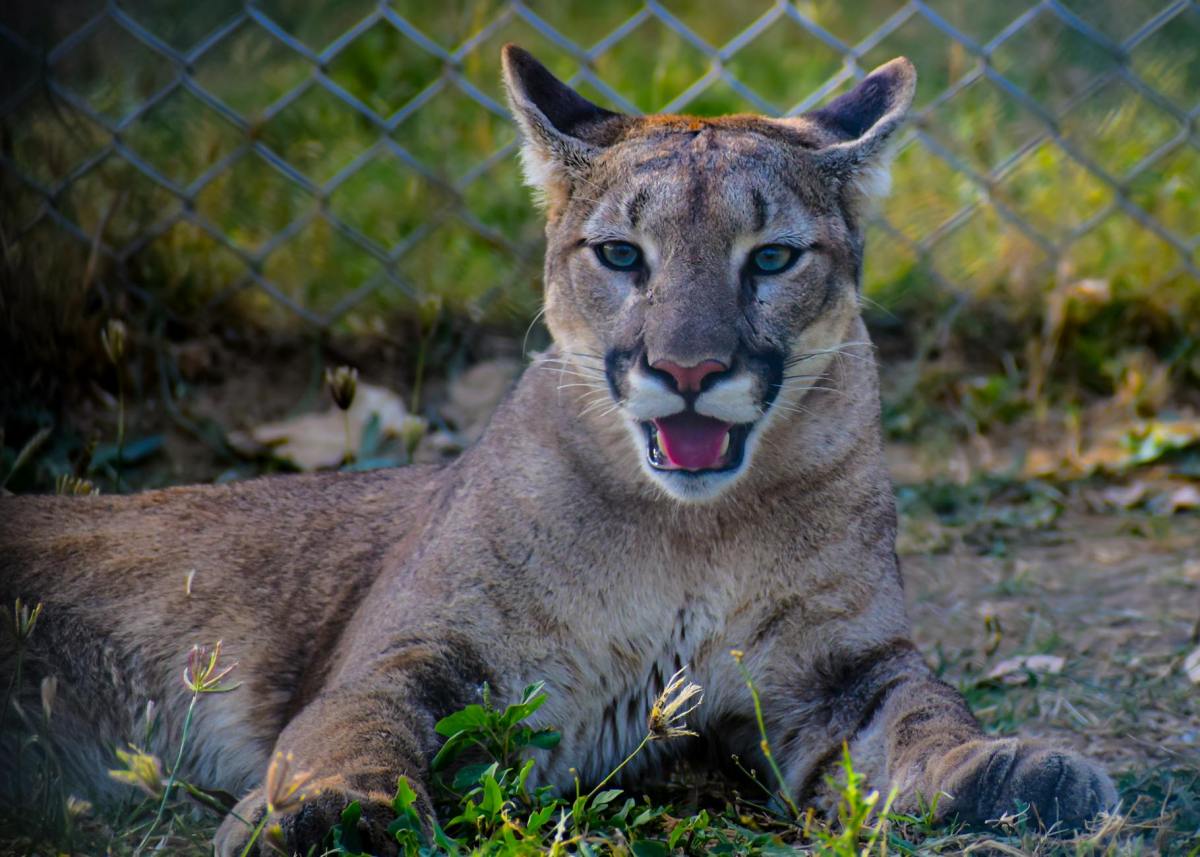
Several hikers were making their way along the Crosier Mountain Trail in northern Colorado at noon on Thursday when they came upon a woman laying on the ground and a puma about 100 yards away from her, according to police.

The hikers made noise and tossed rocks to scare the cat off, then one of them — a medical doctor — checked the woman and found no vital signs.

They notified authorities, who launched a massive search by air and ground, closing down the neighboring trails and bringing search dogs into the effort.

The search teams found and killed two mountain lions, who will be autopsied to determine if either had human remains in their stomachs. If they do not, rangers and police will keep looking, as they say Colorado law requires them to euthanize animals who have killed humans, local news reports said.
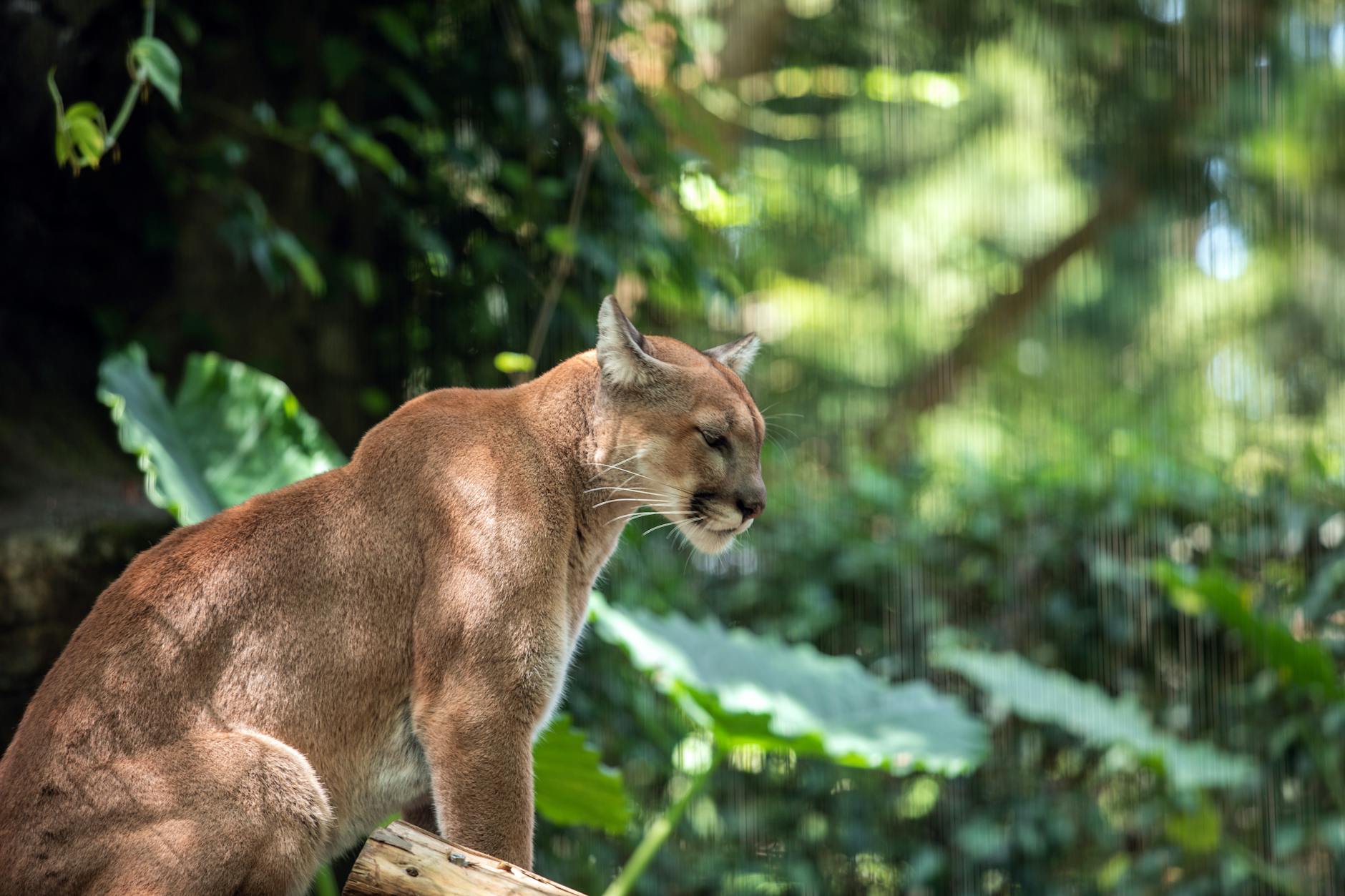
Pumas, also known as mountain lions, cougars, catamounts, screamers and many other names, are the widest-ranging cats on Earth, found throughout South America, the west of the US, and southern Canada. Credit: Charles Chen/Pexels

It’s important to note that there are no autopsy reports so far. Police don’t know how the woman died, if she was killed by the puma spotted near her, or if the animal approached after her death.

If an investigation does determine a puma was responsible, it’s crucial to place the incident in context. The last recorded fatal mountain lion attack in Colorado was in 1999, and was not confirmed. The victim, a three-year-old boy named Jaryd Atadero, wandered away from the hiking group he was with and was never seen again.

Search efforts in the following days and weeks didn’t turn up anything, but in 2003 another group of hikers found part of Atadero’s clothing. His partial remains were later found nearby.

Police said Atadero could have been killed by a mountain lion, but there’s no definitive evidence and his cause of death remains a mystery.

Aside from that incident, there have been 11 recorded, non-fatal injuries attributed to pumas in Colorado in the past 45 years despite as many as 5,000 of the wildcats living in the state’s wilderness.

Nationally there is some discrepancy in record-keeping, but most sources agree there have been 29 people killed by mountain lions in the US since 1868. By contrast, more than 45,000 Americans are killed in gun-related incidents per year, about 40,000 Americans are killed in traffic collisions annually, and between 40 and 50 American lives are claimed by dogs per year.

Americans are a thousand times more likely to be killed by lightning than by a puma, according to the US Forestry Service.
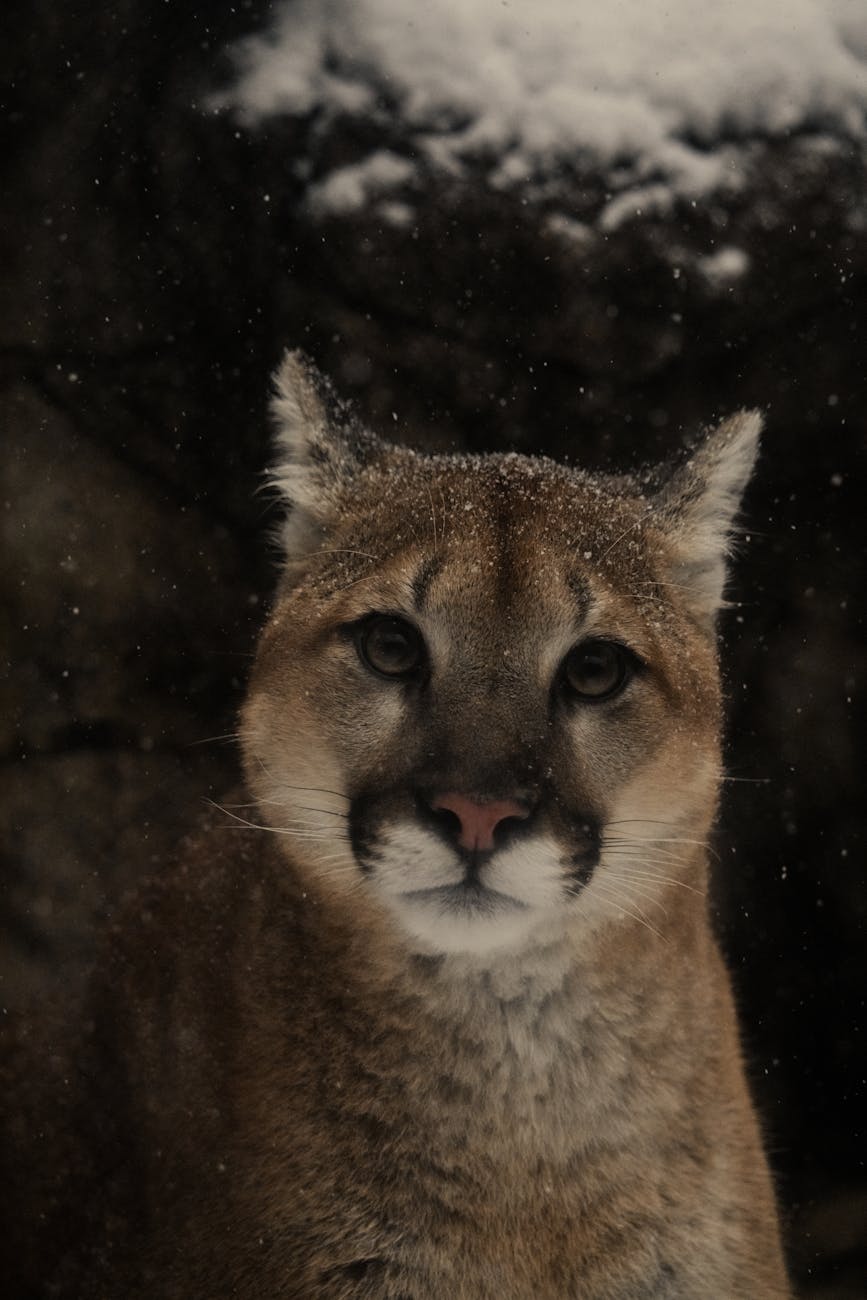
Despite their size, pumas are more closely related to house cats and small wild cats. They can meow, but they cannot roar. Credit: Caleb Falkenhagen/Pexels

Cougars are elusive, do not consider humans prey, and the vast majority of the time go out of their way to avoid humans. Most incidents of conflict are triggered by people knowingly or unknowingly threatening puma cubs, or cornering the shy cats.

Despite that, there’s confusion among the general public. Mountain lions are routinely confused with African lions, so some Americans believe they are aggressive and dangerous.

Pumas, known scientifically as puma concolor, are part of the subfamily felidae, not pantherinae, which means they are more closely related to house cats and smaller wildcats than they are to true big cats like lions, tigers, jaguars and leopards.

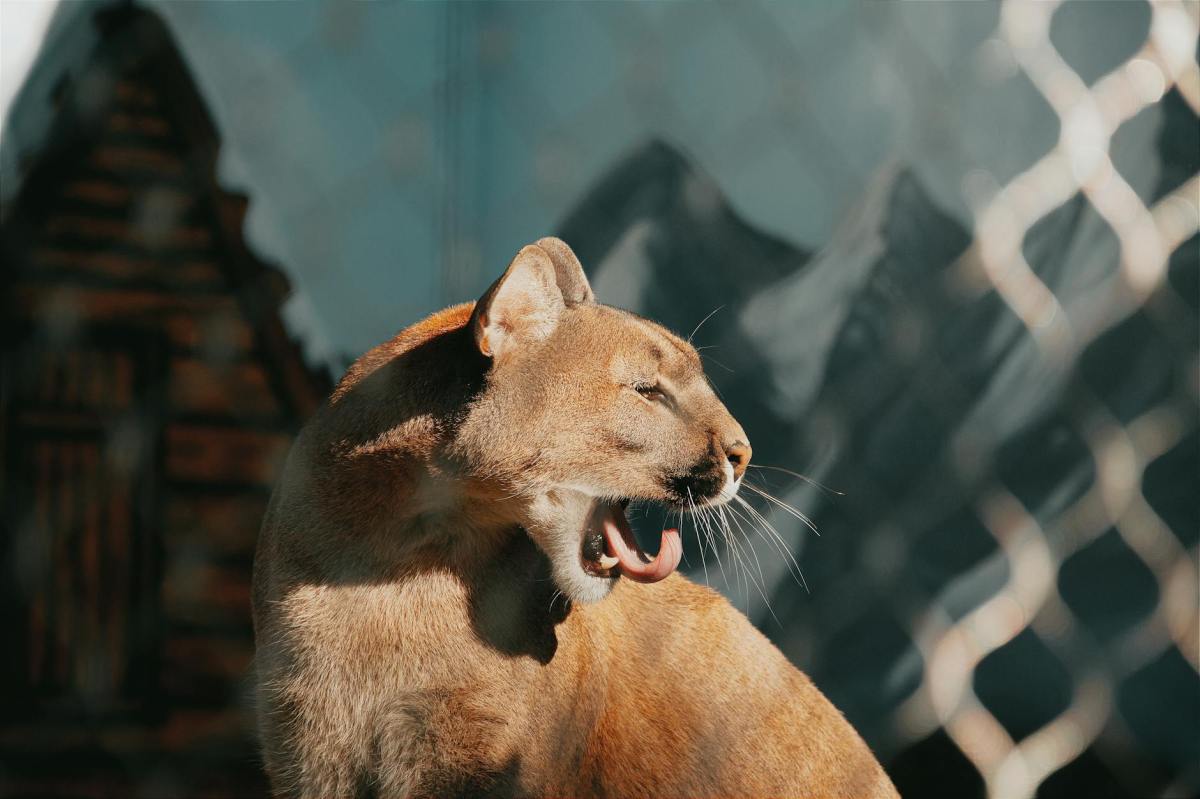
Pumas can meow and purr, but they cannot roar. Their most distinctive vocalization is the powerful “wildcat scream,” leading to nicknames like screamer.

In the Colorado case, police say they believe the victim was hiking alone. Her name hasn’t been released, likely because authorities need to notify next of kin before making her identity public.

This is a tragedy for the victim and her family, and we don’t wish her fate on anyone. At the same time, we hope cooler heads prevail and this incident does not spark retaliatory killings or misguided attempts to cull the species.

How Four Wildcats Co-Exist In The Jungles Of Guatemala

Jaguars, pumas, ocelots and margays are able to thrive in the same jungles, a unique arrangement that sheds light on how each species lives.

The jungles of Guatemala are teeming with life.

The guttural calls of howler monkeys haunt the rainforest from above, where scarlet macaws hop branches in flashes of red, yellow and blue.

On the forest floor opossums, peccaries, and oversize rodents called pacas move through dense brush, occasionally picked out by the few shafts of light able to break through the canopy. Ocellated turkeys plumed in iridescent copper and emerald advertise themselves to potential mates with thumping sounds, while spider monkeys perch on the weathered stones of long-forgotten Mayan cities that were swallowed by the jungle centuries ago.

As in most tropics, the apex predators are cats — four different species, to be exact. Jaguars sit at the top, unchallenged. Pumas, close in size if not ferocity, also find sustenance in the rainforest alongside ocelots and margays.

Margays are smaller than house cats and resemble tiny ocelots. They’re outstanding climbers, expert hunters, and spend most of their time in trees. Unlike most cat species, which are crepuscular, margays are nocturnal. Credit: Clement Bardot/Wikimedia Commons

How do four medium carnivorous species exist side by side?

By dividing time, space and items on the menu, according to a new study.

Ocelots are extremely adaptable: they’re excellent climbers and swimmers, and can thrive in various environments. Credit: Victor Landaeta/Pexels

The felids hunt at different levels of the jungle at different times of day, and while there’s overlap between prey, each species has its own distinct diet, according to a research team from Oregon State University. Their paper, Niche partitioning among neotropical felids, was published earlier this month in the Journal of Animal Ecology.

As the big kids on the block, jaguars primarily eat peccaries (pig-like ungulates that weigh up to 88 pounds), armadillos, deer and, sadly, ocelots. Apparently membership in Club Felid does not grant the smaller wildcats a pass. Ocelots top out at about 35 pounds, while the largest jaguars weigh in at about 350 pounds, making the smaller cats easy prey.

Pumas opportunistically prey on peccaries and brocket deer, but the majority of their diet is composed of monkeys, both spider and howler. Ocelots and margays naturally go for smaller prey, sticking mostly to rodents and opossums.

As the largest and most powerful cats in the western hemisphere, jaguars are the apex predators of their environment. Credit: Atlantic Ambience/Pexels

While jaguars hunt on the ground and have a well-documented habit of slipping into the water to prey on caiman and crocodiles, pumas, ocelots and margays take advantage of their climbing abilities and lighter frames to reach arboreal prey. That allows pumas, for example, to snag monkeys and arboreal opossum species from the canopy, so they don’t have to compete with jaguars.

The team verified the “spatial, temporal, and dietary niche partitioning” within the Maya Biosphere Reserve by using ground camera traps, arboreal camera traps and fecal samples, which allowed them to confirm the prey each species has been consuming.

Interestingly, margays are the pickiest — or perhaps most limited — of the bunch, preying on only seven species, while the other three cats regularly hunt between 20 and 27 different kinds of animals.

The information gleaned from the study not only helps researchers understand how these species interact with their environment, but also can help guide conservation decisions to safeguard them against extinction.

Pumas, also known as cougars and mountain lions, are adaptable and elusive. Credit: Catherine Harding Wiltshire/Pexels

https://news.oregonstate.edu/news/vertical-hunting-helps-wild-cats-coexist-guatemala%E2%80%99s-forests-study-finds

Facebook Is Flooded With Hoax Posts About A Supposed Black Mountain Lion

The purveyors of the deceptive posts want you to click, share and argue with other users about the veracity of the photos.

Not only is he the rarest puma in existence, he’s more well-traveled than most humans.

The mountain lion in question has a black coat, unprecedented for his species, and has been popping up all over Facebook. He’s photographed from the passenger seat of a truck cab, his tail in an unbothered curl, crouched amid the brush near a rural road.

Some posters claim they spotted the formidable feline in Mississippi. Others attribute the image to a sister-in-law who lives near Houston or a daughter in Charleston. A user in Louisiana claimed they took the photograph near the bayou, while another places the cat in Wyoming and claims he’s the first-ever documented “shadow cougar.” (Our friend Leah of Catwoods drew our attention to the images last week after seeing posts placing the cat in the south.)

In case it isn’t obvious, all the claims are full of it.

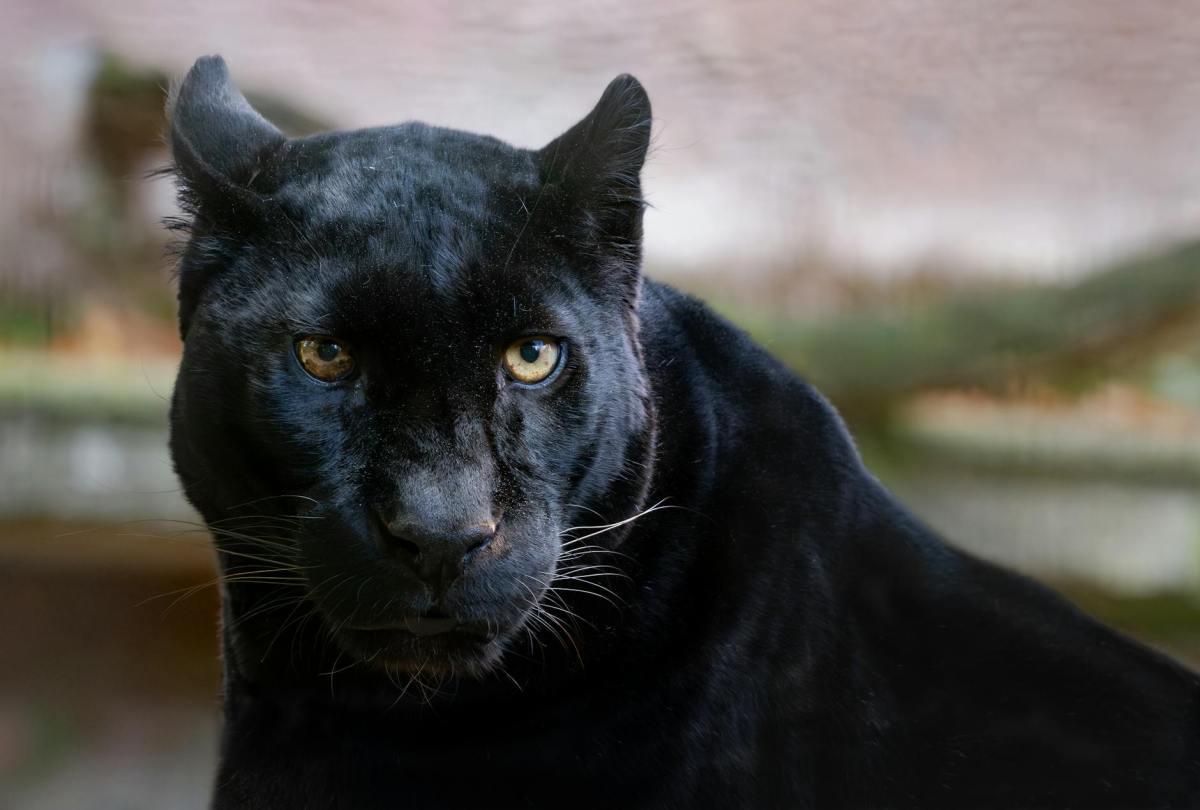
There is no such thing as a melanistic (black) mountain lion, and the big cat in the photo has the physical characteristics of a leopard, an animal that is not native to this hemisphere, let alone this continent.

The real story here is that Facebook remains a fountain of misinformation and Meta (its parent company) doesn’t care. Unscrupulous users will do anything to get attention and the clicks that come with it, and the average Facebook user is happy to indulge them, driving clicks by resharing the hoax content and juicing its algorithmic value by engaging in endless arguments with fellow users about the veracity and provenance of the photos.

Alleged big cat sightings are perfect for this sort of thing because they pique people’s natural curiosity, there’s a whiff of danger — especially when the poster claims the animal was spotted locally — and most people aren’t aware of telltale differences between cat species.

In many ways, the blurrier and more indeterminate the photo, the better: like Bigfoot and the Loch Ness monster, the idea of phantom cats is most fertile in the imagination.

These days you don’t even need a photo to get in on the click-baiting action. I asked Gemini to create an image of a jaguar-like big cat walking along a rural road at night, and this is what the LLM gave me:

In the image prompt, I asked it to make it look like an amateur photo taken with a midrange smartphone camera, but if we really wanted to get artistic, it’s simple enough to add noise, maybe some motion blur and digital artefacts to the image to make it look more like an authentically crappy, rushed shot of an unexpected animal.

Here’s the result of some simple efforts to en-crapify the “photo” further:

To give the image urgency and encourage people to engage with it, I can make it local and claim it was recent. Errors of grammar, spelling and punctuation add a nice seasoning of authenticity, along for feigned concern for others as the reason for sharing:

“Folks – just wanted to tell ya’ll to mind your pets an make sure of you’re surroundings bc theres a big cat on the lose!! my cousins GF took thus friday nite on Route 9 a few mile’s south of Dennies. a real honest to goodness black panther! BE SAFE!!!”

There’s a dangerous animal on the loose in your area! You know what you have to do: share it so others can bring their pets safely inside and stop their kids from playing outdoors, at least until it looks like the predator has moved on.

It’s your duty as a good American!

Since it doesn’t seem to matter if a quick reverse image search can settle the question of where an image came from, it’ll be interesting to see if anyone lifts the above image and text.

At the very least, maybe a few people who do think to run a search will find their way here, read about the hoax, and save themselves from getting drawn into online debates about the existence of cryptid cats.

Did A School Really Go Into Lockdown After A Teacher Confused A Chonky Cat For A Mountain Lion?

The latest viral cat story offers a lesson in healthy skepticism in today’s news environment.

Viral news accounts on social media and less scrupulous news sites have been buzzing this week about a school lockdown in Moses Lake, Washington, which was reportedly caused by a teacher confusing a particularly fat cat for a puma.

I saw red flags immediately while reading the story. While it did give a specific location, it was suspiciously devoid of other details, and the wording on all the posts and stories was dubiously similar. Additionally, a Google news search doesn’t turn up anything recent from reputable press.

Then there’s the photo, which looks a little too good to be true.

This photo is a Getty stock image and does not depict the domestic cat in the school lockdown story, despite accompanying it in dozens of news posts.

So did a school really go into lockdown after a case of mistaken feline identity?

Yes, but it happened in November of 2023, and the photo of the obese cat making the rounds in stories this week does not depict the cat in question. The original story was published by a local news site on Nov. 22, 2023, and says the school went into lockdown at 10:30 that morning, but was quickly lifted after staff confirmed there was no puma stalking the school grounds.

“…educators soon learned that the mountain lion was in fact, a “fat cat eating a rat,” according to the school memo to parents. 

‘While we take all reports seriously, this was the first report we’ve ever had of this nature,’ the school wrote in a statement. 

Despite the benign nature of it all, safety measures resumed to safeguard students and staff. Classes resumed as normal after a short period of time. “

As for the photo, the particularly rotund moggie’s image is a stock photo from Getty. It was used in a story about feline obesity in 2017 and an April 2018 story from the New York Daily News about public outrage in Jefferson, Iowa, where the police were shooting feral cats instead of dispatching animal control or working with local shelters.

Since the image is from a photo agency and predates the original story about the Washington school lockdown by at least six years, we can rule it out as an image of the feline mistaken for a mountain lion while settling down to a feast of fresh rat.

A deceptive image used to promote the story on Facebook.

So what happened here, and why are so many news sites and channels reporting this incident as if it just happened, accompanied by a deceptive photo that is not credited to Getty?

It’s classic clickbait. That is to say, some administrator or editor saw the old story picking up traffic or noticed a blip in certain search strings, and republished the story as if it’s new while omitting the original date.

Others noticed and followed suit to get the clicks while the getting’s good, fighting over the scraps that fall from the Zuckerbergian table in the form of ad revenue. The story is simple, sharable, has been paired with an amusing image, and is exactly the sort of thing people love to post and comment on via social media.

It’s a reminder to all of us to be skeptical about what we read, and to never take anything on Facebook, Instagram, TikTok et al at face value. In fact, it’s best to ignore anything on those platforms presented as news or fact. Everyone’s got their own preferences, but here at Casa de Buddy, we like the Wall Street Journal, Reuters, The Guardian, Associated Press, al Jazeera, the BBC, and aggregators like RealClearPolitics.

That doesn’t mean they’re above reproach or that everything they produce is a sparkling example of journalism, but they’re institutions that operate under the traditional rules, staffed by professionals who take pride in trying to get stories right. I’ll take that any day over a random Facebook account run by some shady guy in Macedonia or Belarus, who will post anything as “news” as long as it brings him clicks and ad revenue.

Yes, That’s A Mountain Lion In Ring Cam Footage From NY! No, You’re Not In Danger

It’s the first time a mountain lion has been spotted in New York since 2011. Authorities aren’t sure if the cat is an escaped — and illegal — pet, or if it made an epic journey from the west coast.

For the first time in 14 years, there’s a puma on the loose in New York.

The wild cat was spotted on a Rochester woman’s Ring doorbell camera padding along the sidewalk in front of her home at about 4 am on Wednesday morning.

A representative from the state Department of Environmental Conservation cautiously said the agency is working on confirming the species of cat in the footage.

But the feline’s size, gait and tail are dead giveaways, despite the dark footage and fleeting glimpse: it’s a puma.

In the brief clip, the wild feline walks past a tree, giving the DEC an important context clue. Michael Palermo, a wildlife manager with the department, said his team measured the tree, allowing them to closely estimate the animal’s size by comparing the footage to their measurements.

“If, in fact, it is some large cat, we would want to question, how did it get here? It’s not impossible for a wild cougar to travel to New York; it’s happened before,” Palermo said. “Was it a captive one that may have been legal as a licensed facility, and if so, did it escape? We still need to do some work to verify anything like that.”

While pumas were once native to New York and thrived in the forested mountains of regions like the Catskills (“cat creek” in Dutch), the last verified sighting in New York was in 2011. That cougar crossed through the Empire State after an epic journey from the west coast, a stronghold for the species.

Some people who posted to a Rochester community group on Facebook are already freaking out, and pumas are widely misunderstood, so it’s important to note the facts:

  • Pumas are not African lions, are not closely related to them and do not behave like them
  • They’re not aggressive toward people. In fact, they try to stay away from humans and will go out of their way to avoid confrontation
  • The exceptions are when people threaten a puma’s cubs or corner the animal, giving it no opportunity to escape
  • Americans are 150 times more likely to be struck by lightning than killed by a puma. There are only 27 reported cases of people killed by pumas in more than a century. By contrast, an estimated 4,300 to 10,000 Americans have been killed by dogs in that same time span. (Higher estimates include people who did not die immediately from dog bites, and people who died of infections or complications from bites.)
  • While some people and media reports erroneously call pumas “big cats,” they are not members of the panthera genus. They are felines more closely related to domestic cats and small wildcats. Accordingly, pumas can purr and meow, but they cannot roar

Pumas are also known as mountain lions, cougars, panthers, painters, screamers, catamounts, pangui, onca parda, cuguacuarana, katalgar, chimbica, shunta-haska, fire cats, California lions, ghost cats, and red tigers, among many other names.

In fact, the species has more names than any other animal. That’s because it’s adaptable with a historically wide and varied range. There are some 40 names for pumas in English and more than 80 in Spanish, Portuguese and the languages of indigenous Native American tribes.

The species is officially known as puma concolor, or “puma of one color” thanks to its typically biege fur that, unlike tigers, jaguars, leopards and even house cats, does not have stripes, spots or rosettes.

While it’s extremely unlikely the mystery cougar would pose a threat to people, Rochester police — who have fielded several reports of sightings in recent days — advise locals to keep their pets indoors and to exercise caution while walking their dogs.

Update: The DEC has officially confirmed the cat is a puma, although it was obvious from the footage.

In the meantime, a Rochester man says he saw the wild cat — and people running away from it — on Wednesday night.

Although that sighting has not been substantiated by authorities, it does illustrate the need to educate the public about these animals.

“You know, a mountain lion, it be ‘rawr.’ They be crawling and… serious,” Curtis Jones told WHAM, an ABC affiliate in Rochester.

“I am going to keep this bat right here, man, just in case,” he told a TV reporter. “I am going to protect us, I ain’t going to let nothing happen to us, nothing. OK?”

Let’s hope common sense somehow finds its way into the Facebook algorithm amid all the misinformation as the locals discuss the sightings online.

If you’re from the area, we beg you: please do not attack, shoot or chase after the puma with a baseball bat. The animal does not consider you food, is not a danger to you, and is probably scared and hungry.

That deserves special emphasis if, as the DEC’s staff have said, the puma is more likely an escaped captive than a long-wandering traveler from the western US.

Jones said he saw the puma “slithering” and hear it “rawr,” but it’s worth noting, again, that pumas are members of the genus felinae, meaning they’re genetically and behaviorally much closer to house cats and can meow and purr, but cannot roar. Despite their size, mountain lions are not true “big cats.”

As for Jones, we hope him and his neighbors give the cat a wide berth and let the authorities safely capture it, have a veterinarian evaluate, and figure out where it belongs.

“I don’t play with lions, I don’t play with tigers, bears, nothing in the wild, I don’t play with those, I promise you,” Jones told the station. “I don’t even do rollercoasters. I’m good.”