Gen Z Kids Think The Cat In The Hat Is Stalking Them In Real Life

Viral videos show figures dressed as the Dr. Seuss character terrorizing unsuspecting people in mostly quiet suburban settings.

There’s a new freak-out among the terminally online, mostly relegated to Gen Z and people who spend significant amounts of time on TikTok – they think a Dr. Seuss character made flesh is popping up in the suburbs of the UK and Ireland to stalk and scare the pants off people.

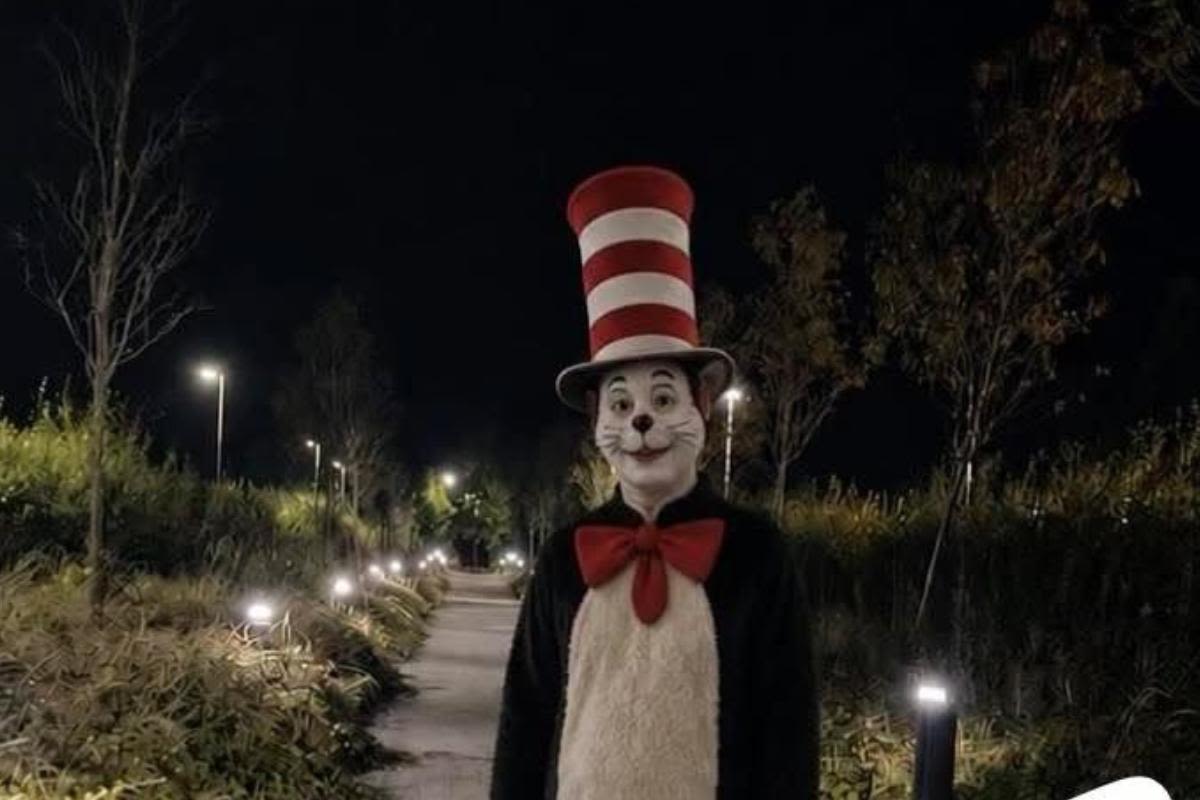
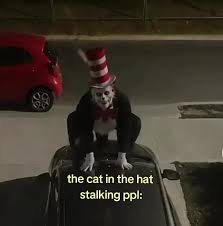
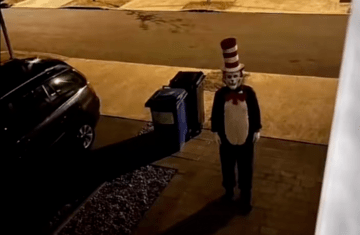
Videos featuring the iconic children’s story character have gone viral on the platform in the last week or two, each of them showing similar scenes: it’s night, usually in some safe-looking suburb, and a person wearing a full size Cat In The Hat costume pops out of the bushes or from behind a car to terrify unsuspecting passersby.

Others show the costumed creeps simply standing in driveways or in the middle of the street and silently observing people in their homes.

The alleged perps favor a more sinister look than the traditionally friendly-looking creation of Theodor “Dr. Seuss” Geisel in 1957. These cats in hats wear a disturbing grin or a sneer, and some videos depict the costumed weirdos leaping onto cars with feline athleticism or stalking the people they encounter.

While the footage looks real enough that it initially fooled UK media as well as kids, police in several jurisdictions have looked into the reports and concluded the videos are AI generated, likely with Chinese-made tools like Wan and Skywork.

OpenAI, one of the leading AI companies in the US, shut down its Sora AI video generator earlier this year amid widespread criticism and abuse of the tool.

While Sora had guardrails preventing users from generating certain kinds of content or violating intellectual property (you could not, for example, generate a video of a laughing Mickey Mouse gunning down a crowd of people with an Uzi), many of the Chinese-made video generation tools do not place restrictions on videos.

Some western companies have tried to compete in that space, including TripleTaco, which runs quite possibly the creepiest ads touting “AI that never says ‘no.'”

In any case, the panic over the Cat In The Hat mirrors a similar freak-out in India earlier this year when social media was flooded with realistic videos showing tigers and leopards mauling people having their morning tea outdoors or snatching them from moving trains.

The Cat In The Hat videos haven’t really caught on in the US, possibly because it stretches credulity to believe trigger-happy ‘Mericans wouldn’t just shoot weirdos stalking through our neighborhoods.

Regardless, it’s a good reminder to take everything with a grain of salt, especially anything you see on social media.

Felines Blast Humans For Cultural Appropriation: ‘You Can’t Identify As A Cat!’

“Will you humans please stop trying to be cats? If you take our napping spots, we’re going to be very angry.”

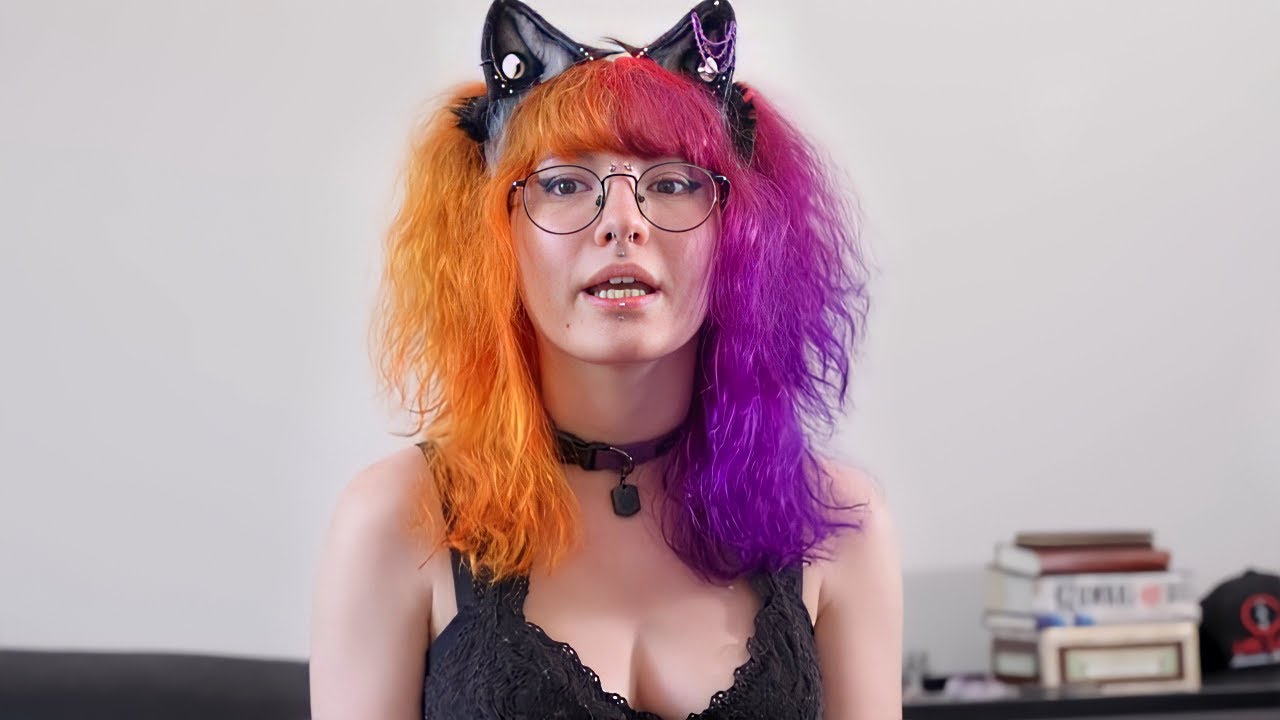
NEW YORK — Responding to the increasingly common phenomena of humans claiming they “identify as cats,” the country’s felines blasted the offenders on Tuesday for “stealing from a culture that isn’t theirs.”

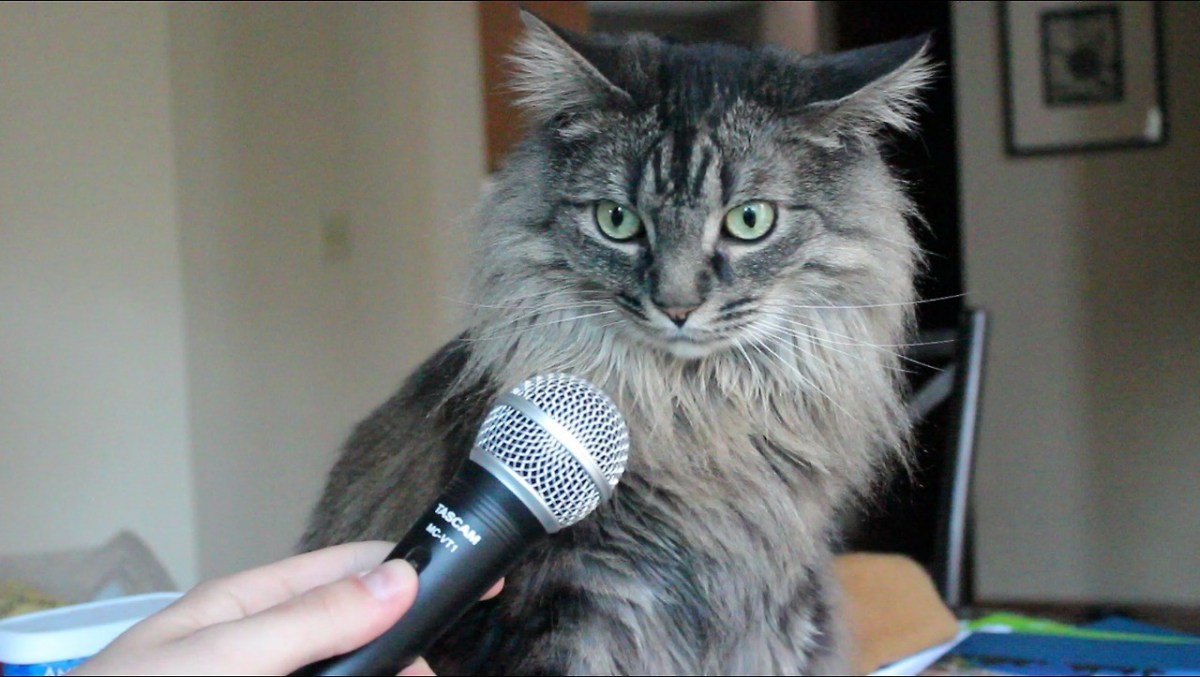
The angry cats hastily organized a press conference, then had a short nap before addressing a group of about 50 reporters from news agencies across the world.

“It’s come to our attention that certain humans have been meowing, lapping water from bowls and even doing their business in litter boxes instead of toilets,” said Chonkmatic the Magnificent, King of North American cats. “While they say imitation is the most sincere form of flattery, we’re concerned that these humans are essentially cosplaying as felines and remain ignorant of our traditions. After all, things like the Ritual of 3 a.m. Zooms and the Making of Biscuits have a long and storied cultural history, and are sacred to our kind. We sing the Song of Our People and rocket around the house like pinballs at ungodly hours in tribute to our ancestors.”

While some stories — such as high schools allegedly accommodating “cat-identified” students by placing litter boxes in student bathrooms — have turned out to be hoaxes, there is a growing movement of self-described “catgender” people who use pronouns like “mew/purr” and “nya/nyan.” The latter is based on the onomatopoeic word for “meow” in Japanese.

For example, a sentence referencing a catgender-identified person might look like this: “Nyan wasn’t feeling well and decided to take one of nya’s sick days.”

1639487420771
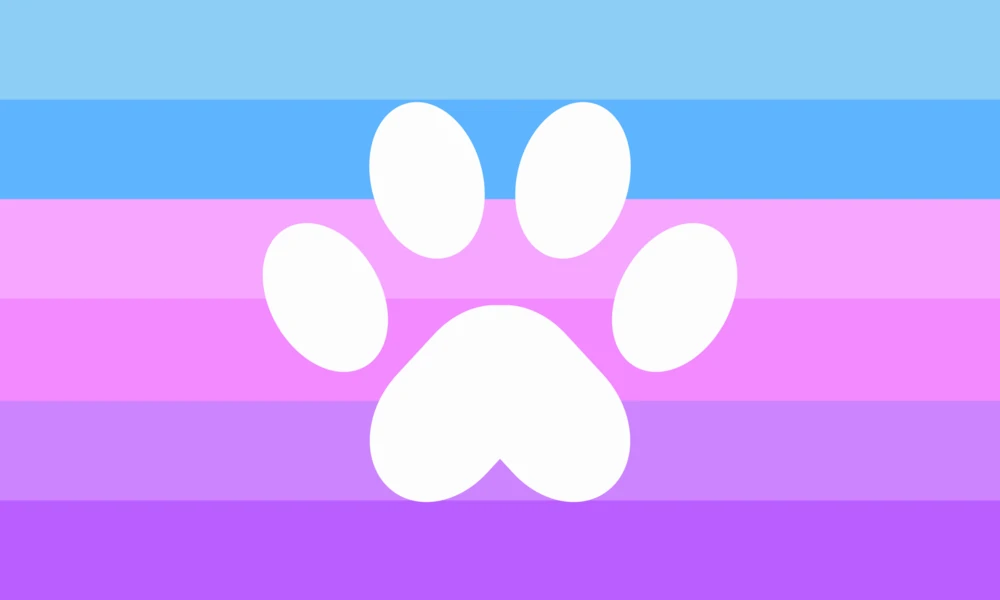
An “inclusive catgender flag” that represents catboys, catgirls, demicats, pancats, meowgender, mewgender, emo catgender, catsexuals and others who “strongly identify with felines or feline characteristics.”

Catgender falls under the larger umbrella of xenogender, according to people who keep track of these things, and is not the same as “cat sexual,” which presumably involves attraction to cats. (This reporter, afraid of what he might find, refrained from investigating that particular identity.)

While it may be tempting to wave off the idea of xenogender, catgender and associated identities like kittengender as the mad rants of Extremely Online People who populate sites like Tumblr, concepts like xenogender and neopronouns have already gained more than a foothold in the real world, with institutions of higher education like the UK’s University of Bristol ordering employees to acknowledge and use exotic neopronouns and their associated identities.

A person who identifies as a rabbit, for example, might use the pronouns “bun/bunself,” while a person who identifies as a vampire may use “vamp/vampself,” according to the New York Times.

identifycat
Abigail of Greenville, NC, says she identifies as a cat. Her boyfriend dispenses treats for her and calls her a “good girl.” Credit: Barcroft TV

Regardless, felines aren’t sold on the idea of species fluidity. They point out humans are “terrible groomers,” utterly hopeless at speaking tail and whisker, cursed with dead noses, and partial to “disgusting food” including fruits and vegetables.

“A real cat wouldn’t eat broccoli or oranges even if they were wrapped in a deliciously crispy crust of deep-fried turkey,” King Chonkmatic said matter-of-factly.

American cats said they are concerned that if the so-called cat identity catches on, confused humans may begin to compete with them for prime napping spots, treats, affection and even catnip.

The latter plant carries particular significance in feline culture, and cats aren’t pleased that it’s been commodified by humans and sold alongside Jimi Hendrix posters and lava lamps in head shops.

“Catnip is a ceremonial and spiritual plant reserved only for the most solemn of felid rituals,” said the Very Rev. Mr. Fuzzypants, a 9-year-old ragdoll who serves as president of the National Association for Responsible Catnip Consumption (NARCC). “Humans who are ignorant regarding its religious importance think it’s merely a recreational substance that inspires silly behavior, and frankly that’s offensive.”

Felines said they were incensed with generations Y and Z for co-opting their sleeping habits.

“Millennials and their younger cohort say they’re always tired and they’re constantly taking naps to seem more cat-like,” said Buddy the Cat, former President of the Americats. “But as we know, naps have a long and profound history among our people, who are so devoted to sleep that we enjoy up to 16 hours of it per day.

“Napping is deeply ingrained in our culture, and shouldn’t be a fashion statement for teenagers who want to seem ‘cool’ by being lazy and apathetic. Now if you’ll excuse me, it’s time for my seventh nap.”

chonkmatic
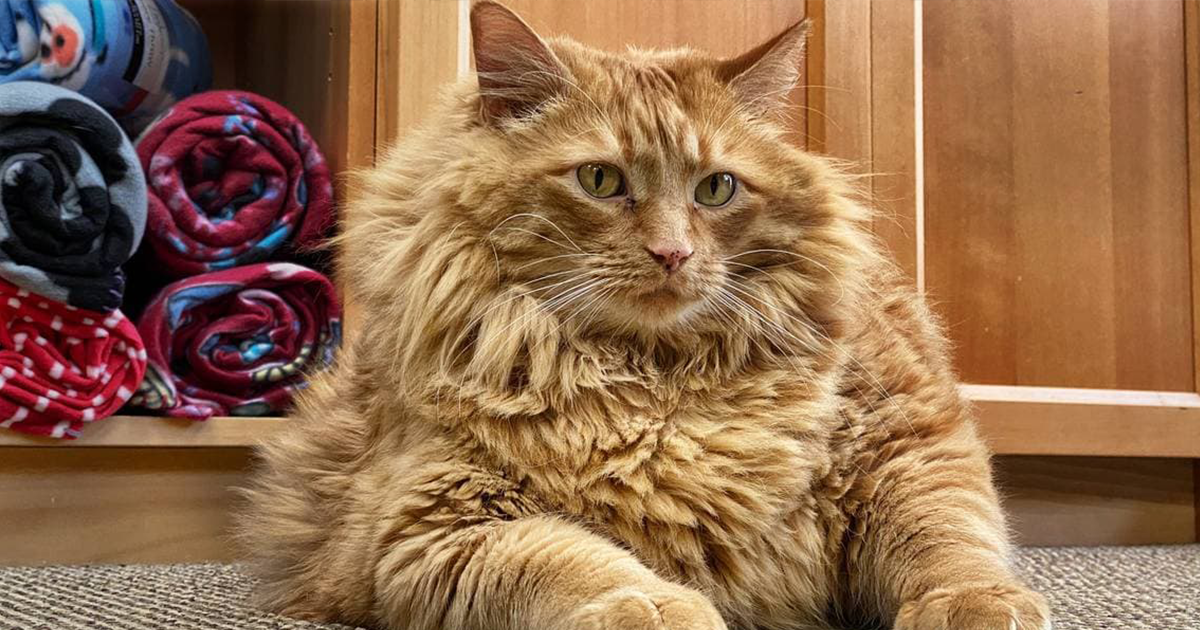
Chonkmatic the Magnificent, King of All North American Cats, is not pleased with human encroachment on feline culture.